
Are Food Clips Necessary? Best Practices for Seaweed Feeding Stations

Welcome to Aquarium Mastery!
Curious about the best way to offer nutritious seaweed to your saltwater fish? Wondering if those food clips are really necessary for a thriving aquarium? Dive into our guide on Seaweed Feeding Station Setup and discover effective methods for ensuring your finned friends get the vital nutrients they need, all while keeping your tank pristine. Get ready to unlock the secrets to happy, healthy fish and a flourishing saltwater ecosystem!
- Introduction to Seaweed Feeding for Tangs and Surgeonfish
- The Role of Food Clips in a Seaweed Feeding Station Setup
- Alternatives to Food Clips for Seaweed Feeding
- Setting Up a Seaweed Feeding Station: A Step-by-Step Guide
- Best Practices for Seaweed Feeding in Saltwater Tanks
- Maintaining Your Seaweed Feeding Station for Optimal Health
- Troubleshooting Common Seaweed Feeding Issues
- Advanced Techniques for Seaweed Feeding
- Conclusion: Optimizing Seaweed Feeding for Healthy Tangs and Surgeonfish
-
Frequently Asked Questions
- What is the purpose of a seaweed feeding station in a saltwater aquarium?
- Are food clips absolutely necessary for seaweed feeding, or are there alternatives?
- What factors should I consider when choosing a seaweed feeding station?
- How frequently should I replenish the seaweed in my feeding station?
- What are some potential problems associated with improper seaweed feeding station setup?
- Final Reflection: Cultivating Underwater Gardens
- Fuel Your Reef: Start Building Your Seaweed Station Today!
Introduction to Seaweed Feeding for Tangs and Surgeonfish
Why Seaweed is Crucial for Tang Health
Tangs and Surgeonfish, such as the popular Yellow Tang ( Zebrasoma flavescens) or Blue Tang ( Paracanthurus hepatus), are primarily herbivorous grazers in their natural coral reef habitats. Their diet in the wild consists largely of various types of macroalgae and microalgae, which they constantly graze upon throughout the day.
Providing a consistent and high-quality source of marine-based seaweed is not just beneficial but absolutely crucial for their long-term health and vibrant coloration in a captive environment. Without adequate plant matter, these fish are highly susceptible to nutritional deficiencies, weakened immune systems, and the development of lateral line erosion (LLE), a debilitating condition often linked to poor diet.
Studies and extensive observation in the aquarium hobby indicate that a diet rich in spirulina, nori, and other marine algaes can significantly reduce the incidence of LLE and improve overall vitality. For instance, many aquarists report a dramatic improvement in the appearance and activity levels of their tangs within weeks of consistently incorporating high-quality seaweed into their daily feeding regimen. This consistent grazing behavior also mimics their natural feeding patterns, reducing stress and promoting healthier digestive function.
Understanding the Nutritional Needs of Herbivorous Saltwater Fish
Herbivorous saltwater fish, especially tangs and surgeonfish, possess a specialized digestive system adapted for processing plant material. Their long digestive tracts are designed to extract nutrients from fibrous algae, which is a stark contrast to the shorter, more acidic guts of carnivorous fish. Therefore, their diet must be predominantly plant-based, with animal proteins serving only as a minor component, if at all. Key nutrients derived from seaweed include essential vitamins like Vitamin C, Vitamin E, and various B vitamins, as well as crucial trace elements and complex carbohydrates that support energy levels and metabolic processes.
A balanced diet for these species typically involves daily offerings of high-quality dried seaweed, often supplemented with a small amount of spirulina-enriched pellets or flakes. For example, a mature Yellow Tang (which can grow up to 8 inches) might consume a 2x2 inch square of nori per day, sometimes more depending on its size and activity level. Ensuring a consistent supply of this plant matter helps maintain their gut flora, prevents bloat, and supports their natural grazing instincts, making a dedicated seaweed feeding station setup an indispensable part of their care.
Exploring Different Methods of Seaweed Delivery
Aquarists employ various methods to deliver seaweed to their herbivorous fish, each with its own advantages and considerations. Historically, simply floating a piece of nori in the tank or wedging it under a rock was common, but these methods often lead to the seaweed floating away or being quickly consumed before all inhabitants have a chance to graze. More sophisticated approaches have evolved to ensure stable, long-term access to the seaweed, mimicking natural grazing opportunities and minimizing waste.
The primary goal of any seaweed delivery method is to keep the food stable and accessible for extended periods, allowing fish to graze throughout the day as they would in the wild. This includes devices that clip to the glass, attach to rocks, or even DIY solutions that hold the seaweed in place. The choice of method for your seaweed feeding station setup can significantly impact not only the efficiency of feeding but also the water quality and overall health of your aquarium inhabitants, making a thoughtful selection paramount.
The Role of Food Clips in a Seaweed Feeding Station Setup
What are Food Clips and How Do They Work?
Food clips, often referred to as algae clips or veggie clips, are small, specialized devices designed to securely hold sheets of dried seaweed against the inner surface of an aquarium glass or acrylic. Most commonly, they consist of a plastic clip mechanism attached to a suction cup. The suction cup adheres firmly to the tank wall, while the clip holds a piece of dried nori or other marine algae, allowing fish to graze on it without the food floating away into the water column.
The simplicity and effectiveness of food clips have made them a staple in many saltwater aquariums, particularly those housing tangs, surgeonfish, and other herbivorous species. Once attached, the clip provides a fixed point for the seaweed, encouraging fish to approach and graze naturally. This controlled presentation helps to minimize waste, as the seaweed remains in one accessible location, preventing it from getting lost in the filtration system or decaying in hard-to-reach areas of the tank.
Advantages of Using Food Clips for Seaweed Feeding
The primary advantage of using food clips in a seaweed feeding station setup is their ease of use and the consistent access they provide to the food source. Aquarists can quickly attach a fresh sheet of seaweed to the clip and place it in the tank, allowing multiple fish to graze simultaneously without competition over a free-floating piece. This sustained access supports the natural grazing behavior of tangs, which often consume small amounts of algae throughout the day rather than in large, infrequent meals.
Furthermore, food clips help keep the aquarium cleaner by containing the seaweed in one location, reducing the amount of uneaten food that breaks apart and pollutes the water. For example, a 3-inch square of nori clipped to the glass can be grazed upon for several hours by a small group of tangs, whereas the same piece free-floating might be torn apart and scattered within minutes. This focused feeding also allows for easy monitoring of consumption rates and fish behavior, providing valuable insights into their health and appetite.
Disadvantages of Relying Solely on Food Clips
Despite their numerous benefits, relying exclusively on food clips for your seaweed feeding station setup does come with certain drawbacks. One common issue is the suction cup's tendency to lose its grip over time, especially in tanks with vigorous flow or where fish frequently pull on the clip. This can lead to the seaweed detaching and floating away, necessitating constant re-attachment or replacement. Another concern is that the fixed position of a clip can sometimes lead to territorial aggression among fish, particularly in smaller tanks or with highly dominant species, as they may guard the feeding spot.
Moreover, some aquarists find that the plastic components of certain food clips can degrade over time, or that the design might not be robust enough for larger, more aggressive grazers. While a standard food clip might cost around $5-$10, replacing them frequently due to wear and tear or poor adhesion can add up. Additionally, the unnatural presentation of a sheet of seaweed held against the glass might not fully stimulate the natural foraging instincts of all fish, potentially leading to less engagement compared to a more natural, rock-anchored presentation.
Alternatives to Food Clips for Seaweed Feeding
Veggie Clips: A Practical Option?
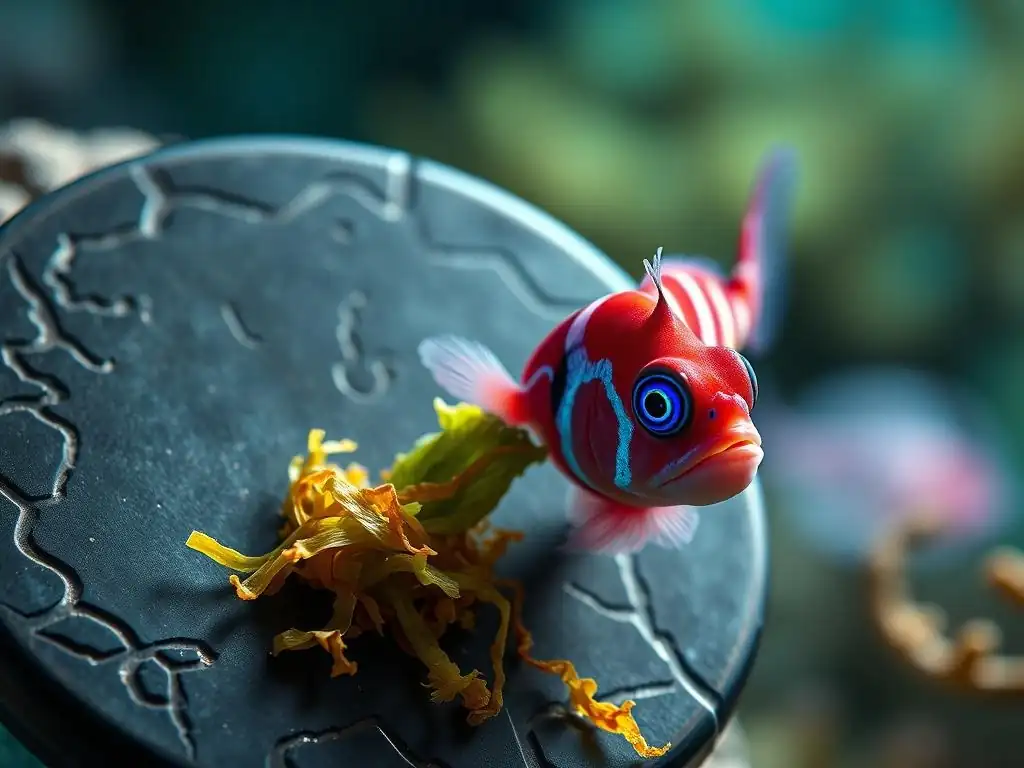
While often used interchangeably with "food clips," some "veggie clips" offer slight variations in design or material, sometimes featuring stronger magnets instead of suction cups. Magnetic veggie clips, for instance, consist of two parts: one that holds the seaweed inside the tank and another magnetic piece that attaches to the outside of the glass, holding the internal clip securely in place. This design eliminates the common problem of suction cup failure and provides a much more robust attachment, capable of withstanding strong currents and persistent grazing.
Magnetic veggie clips are particularly practical for larger tanks or those with thicker glass where traditional suction cups might struggle to maintain adhesion. They also allow for easier repositioning of the seaweed feeding station setup without needing to reach into the water. While typically more expensive, ranging from $15-$30 for a good quality magnetic clip, their durability and reliability often justify the higher initial investment, proving to be a worthwhile alternative for a stable and long-lasting feeding solution.
Rock Anchors for Natural Seaweed Presentation
For aquarists seeking a more natural aesthetic and feeding experience, rock anchors provide an excellent alternative to clips. This method involves securing a piece of seaweed under a small, clean piece of live rock or a smooth, inert aquarium-safe stone. The weight of the rock holds the seaweed firmly against the substrate or another piece of rockwork, allowing fish to graze on it as they would on naturally occurring algae on the reef. This method integrates seamlessly into the aquascape, making the seaweed feeding station setup less conspicuous.
Rock anchoring encourages a more natural grazing posture and can reduce territorial disputes that sometimes arise around a fixed clip, as fish can approach the seaweed from multiple angles. It also allows for greater flexibility in placement, enabling the aquarist to place seaweed in different areas of the tank daily, encouraging fish to explore and forage. Ensure the rock used is stable and cannot be easily dislodged by grazing fish, preventing the seaweed from floating away.
DIY Seaweed Feeding Solutions: Rubber Bands and Slates
For the budget-conscious or those who enjoy creative solutions, several DIY methods can effectively create a seaweed feeding station setup. One popular technique involves using a clean, aquarium-safe rubber band to secure a piece of seaweed to a small piece of live rock or a smooth, inert slate. The slate's weight keeps the seaweed anchored, while the rubber band holds it in place for grazing. This method is incredibly cost-effective, often utilizing materials already on hand.
Another simple DIY approach is to wedge a folded piece of nori into a crevice within the tank's existing rockwork. While less secure than a clip or rock anchor, this can work for short-term feeding or as an additional grazing spot. When employing DIY solutions, it is crucial to ensure all materials are aquarium-safe and non-toxic. For example, only use food-grade, unbleached rubber bands that won't leach harmful chemicals into the water. These methods offer flexibility and allow aquarists to experiment with different presentations to see what their fish prefer.
Setting Up a Seaweed Feeding Station: A Step-by-Step Guide
Choosing the Right Location in Your Saltwater Aquarium
Selecting the optimal location for your seaweed feeding station setup is crucial for both fish comfort and tank aesthetics. The ideal spot should be easily accessible for your fish, allowing them to graze without feeling exposed or overly stressed by tank activity.
Consider placing it in an area with moderate water flow, which helps to distribute the scent of the seaweed but isn't so strong that it rips the food away from the holder. For instance, a spot near the middle to upper third of the tank, away from direct powerhead output but within the general flow, often works well.
Avoid placing the feeding station directly in front of a high-flow return or near delicate corals that might be irritated by constant fish activity. Also, consider the line of sight for viewing. A location visible from your primary viewing angle allows you to observe your fish feeding, which is essential for monitoring their health and consumption habits. If you have multiple tangs or other herbivorous fish, consider providing more than one feeding station to reduce competition.
Assembling Your Seaweed Feeding Device (Clip, Rock, or Alternative)
Once you've chosen a location, the next step in your seaweed feeding station setup is to prepare your chosen device.
- For Suction Cup Food Clips: Ensure the suction cup and the tank glass are clean. Wipe the glass with an algae magnet or scraper to remove any film, then press the suction cup firmly against the glass, expelling any air bubbles to create a strong seal.
- For Magnetic Veggie Clips: Position the internal clip on the desired spot inside the tank, then align the external magnet directly opposite on the outside of the glass. The magnets will snap together, securing the clip.
- For Rock Anchors: Select a clean, inert piece of live rock or a smooth, heavy aquarium stone. Ensure it's stable and won't tip over easily.
- For DIY Solutions (e.g., Rubber Band & Slate): Choose a clean slate or small, flat rock. Ensure the rubber band is new, aquarium-safe, and free of any coatings or dyes.
Regardless of the device, always ensure it is thoroughly rinsed with RO/DI water before introduction to prevent introducing contaminants into your aquarium.
Preparing Seaweed Sheets for Feeding: Folding and Rolling Techniques
Proper preparation of seaweed sheets is vital for efficient feeding and minimizing waste in your seaweed feeding station setup. Most dried seaweed (nori) comes in large sheets. For a typical aquarium, a piece ranging from 1x1 inch to 4x4 inches, depending on the size and number of your fish, is usually sufficient for a day's feeding.
- Folding: For clips, fold the seaweed sheet into a smaller, manageable size. A common technique is to fold a larger sheet into quarters or eighths. This makes it easier to secure in the clip and prevents large pieces from breaking off prematurely. For example, a 6x6 inch sheet can be folded twice to create a 3x3 inch square.
- Rolling: For rock anchors or wedging into rockwork, rolling the seaweed into a tight scroll can be effective. This compact form can be tucked under a rock or into a crevice more easily and allows fish to slowly unroll and graze on it.
- Securing: For rubber band methods, simply place the folded or rolled seaweed against the rock/slate and wrap the rubber band around it a few times to hold it firmly.
Always handle seaweed with clean, dry hands to avoid introducing oils or contaminants.
Introducing the Seaweed Feeding Station to Your Fish
Once your seaweed is prepared and secured to your chosen device, it's time to introduce your seaweed feeding station setup to your aquarium. Carefully place the clip, rock, or DIY setup into the chosen location in the tank. Initially, some fish may be hesitant to approach the new object. It may take a few hours, or even a day or two, for them to recognize it as a food source.
- Patience is Key: Don't be discouraged if your fish don't immediately swarm the seaweed. They are naturally curious and will eventually investigate.
- Consistency: Offer seaweed at roughly the same time each day to establish a routine. This helps fish associate the station with feeding time.
- Observation: Watch how your fish interact with the station. Are they grazing comfortably? Is there any aggression? Adjust the placement or consider a second station if needed.
- Initial Attraction: For very shy fish, you might try adding a tiny amount of their favorite pellet food near the seaweed initially to entice them closer. However, this is usually not necessary as their natural instinct to graze on algae will eventually take over.
Best Practices for Seaweed Feeding in Saltwater Tanks
Selecting the Best Seaweed Types for Your Tangs and Surgeonfish
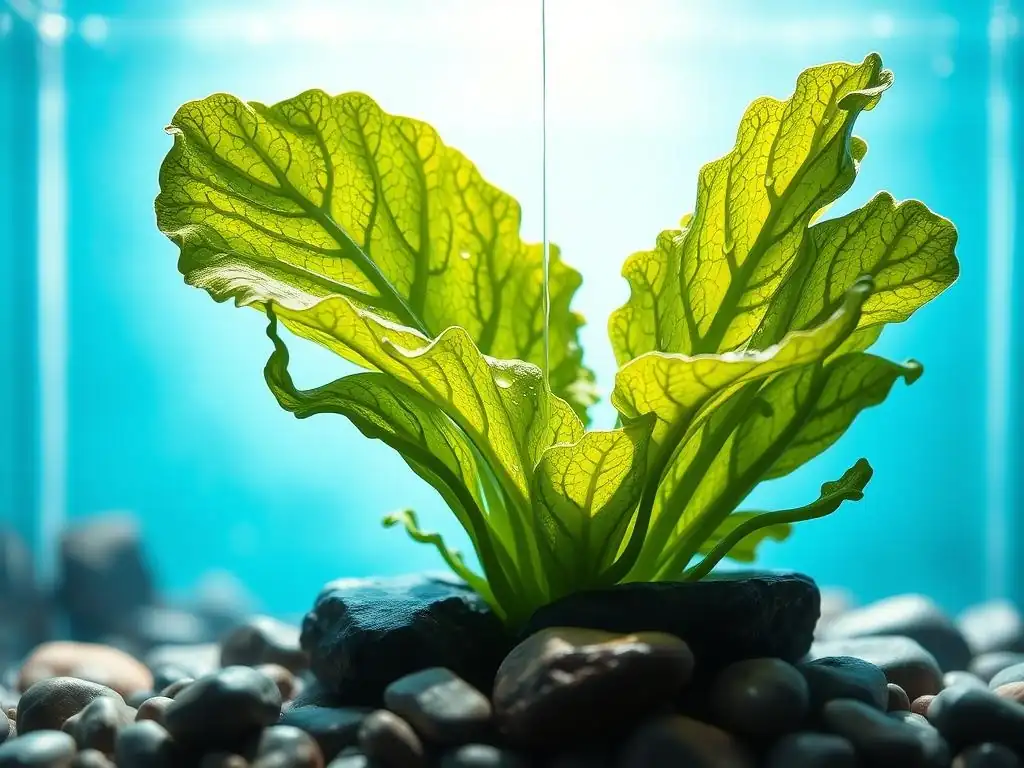
Not all seaweed is created equal when it comes to feeding marine fish. The best types are typically dried, unseasoned, and unflavored marine algae, often referred to as Nori (used in sushi). Specifically, purple or red Nori sheets are highly favored by many tangs and surgeonfish due to their nutritional profile and palatability. Brands like Ocean Nutrition Seaweed Selects or Two Little Fishies Sea Veggies offer a variety of green, red, and brown algaes specifically formulated for aquarium use.
While green Nori is widely accepted, red Nori often contains a broader spectrum of vitamins and trace elements, making it a valuable addition to a varied diet. Avoid using roasted, salted, or seasoned Nori intended for human consumption, as these contain additives detrimental to fish health. For instance, the sodium content in seasoned Nori can lead to osmotic stress in fish, while oils or spices can foul the water. Always opt for pure, dried marine algae.
Optimizing Feeding Frequency and Amount of Seaweed
Optimizing the frequency and amount of seaweed provided is crucial for maintaining both fish health and water quality in your seaweed feeding station setup. For most tangs and surgeonfish, daily feeding of seaweed is recommended, as they are constant grazers in their natural habitat. Providing access to seaweed for several hours each day, rather than just a quick meal, better mimics their natural feeding patterns.
The amount of seaweed depends on the number and size of your fish. A good starting point is a 2x2 inch square of Nori per average-sized tang (e.g., a 4-inch Yellow Tang) per day. For larger tangs or multiple herbivorous fish, you might need a 4x4 inch sheet or more.
It's better to offer slightly less and replace it than to overfeed. Uneaten seaweed should be removed after 4-6 hours to prevent it from decaying and polluting the water, typically before lights out. Monitor your fish's consumption and adjust the amount accordingly; if they consume it all within an hour, increase the amount slightly the next day.
Monitoring Fish Health and Adjusting the Diet Accordingly
Regularly monitoring your fish's health and behavior is paramount to ensure your seaweed feeding station setup is meeting their nutritional needs. Observe their coloration; healthy tangs should display vibrant, consistent colors. Dull or faded colors can sometimes indicate nutritional deficiencies. Pay attention to their activity levels; active, curious fish are generally healthy. Apathy or lethargy can be red flags.
Examine their body condition; fish should appear full-bodied but not bloated. Sunken bellies or pinched-in appearances behind the head are signs of inadequate nutrition. Also, watch for signs of lateral line erosion (LLE), which often manifests as pitting or erosion along the lateral line, a condition frequently linked to vitamin deficiencies in tangs.
If any of these signs appear, consider diversifying the types of seaweed offered, enriching the seaweed with liquid vitamins (e.g., Selcon or Vita-Chem), or supplementing with high-quality spirulina-based pellets. For instance, if a Blue Tang shows signs of LLE, increasing its intake of Vitamin C-rich green and red algaes can often lead to improvement.
Preventing Overfeeding and Maintaining Water Quality
While seaweed is a healthy food source, overfeeding can still negatively impact your aquarium's water quality and the health of your fish. Excess seaweed that goes uneaten will decompose, releasing nitrates and phosphates, which fuel nuisance algae growth and can stress fish. A well-managed seaweed feeding station setup minimizes this risk by keeping the food contained and accessible.
To prevent overfeeding, remove any uneaten seaweed within a few hours of offering it, typically before the tank lights turn off for the night. Do not leave seaweed in the tank overnight, as it will break down and contribute to nutrient overload. Regularly clean your feeding device (clip or rock) to remove any biofilm or leftover food particles.
Aim to provide enough seaweed for your fish to graze on throughout the day, but not so much that large portions are left over. For example, if a 4x4 inch sheet is still half-full after 6 hours, reduce it to a 3x3 inch sheet the next day. Consistent water parameter testing (nitrates, phosphates) will also help confirm that your feeding practices are not leading to an unhealthy nutrient buildup.
Maintaining Your Seaweed Feeding Station for Optimal Health
Cleaning Food Clips and Feeding Devices
Regular cleaning of your seaweed feeding station setup components is crucial for preventing the buildup of algae, bacteria, and detritus, which can compromise water quality and even become a source of disease. Food clips, especially those with suction cups, can accumulate a slimy biofilm over time. It is recommended to remove and clean your food clip or feeding device at least once a week, or more frequently if you notice significant buildup.
To clean, simply remove the device from the tank. For plastic clips, scrub them thoroughly with a clean brush (like a dedicated toothbrush) under running tap water to remove all visible organic matter. If using a rock anchor, brush off any algae or food residue. For stubborn buildup, a brief soak in a dilute bleach solution (e.g., 1 part bleach to 10 parts water) followed by an extensive rinse in RO/DI water and a soak in a dechlorinator solution (like Seachem Prime) is effective. Ensure all traces of bleach are removed before returning the device to the aquarium.
Replacing Seaweed Regularly to Prevent Spoilage
The key to a successful seaweed feeding station setup is ensuring the food offered is fresh and palatable. Dried seaweed, once wet, begins to break down relatively quickly in the warm, nutrient-rich environment of an aquarium. Leaving seaweed in the tank for too long, typically more than 4-6 hours, can lead to spoilage. As it decomposes, it releases nitrates and phosphates, contributing to poor water quality and potentially leading to bacterial blooms.
Establish a routine of replacing seaweed daily, or even twice daily for tanks with very active grazers. For example, if you offer seaweed in the morning, remove any remnants before you leave for work or in the late afternoon. If you offer it in the evening, remove it before the lights go out. This practice ensures your fish always have access to fresh, nutritious food and prevents the introduction of decaying organic matter into your system. Even if it looks mostly eaten, any small remnants can contribute to nutrient load.
Preventing Algae Growth on the Feeding Station
While the purpose of a seaweed feeding station setup is to feed algae to your fish, you want to prevent nuisance algae from growing on the feeding device itself. Algae growing on the clip or rock anchor can make the device unsightly and potentially harbor unwanted bacteria. This is particularly true for suction cups, which provide an ideal surface for biofilm and detritus accumulation.
Regular cleaning, as mentioned above, is the primary method for preventing algae growth. When cleaning, pay close attention to crevices and hard-to-reach areas where algae can take hold. If using a clear plastic clip, direct sunlight exposure to the clip itself can also encourage green algae growth, so consider its placement. For magnetic clips, the smooth surface is generally easier to wipe clean. By keeping the feeding device itself pristine, you ensure that the only algae present is the beneficial, edible seaweed you provide for your fish.
Troubleshooting Common Seaweed Feeding Issues
Fish Not Eating Seaweed: Possible Causes and Solutions
It can be concerning when your fish don't show interest in the seaweed provided in your seaweed feeding station setup. Several factors could contribute to this.
- New Tank Inhabitants: Recently introduced fish may be stressed or unfamiliar with dried seaweed. Give them time to acclimate, usually a few days to a week.
- Poor Quality Seaweed: Some brands or types of seaweed are less palatable. Experiment with different types (green, red, brown) and brands. For instance, some fish prefer the softer texture of green Nori, while others enjoy the firmer red Nori.
- Alternative Food Sources: If your fish are already well-fed on other foods, they might not be hungry enough for seaweed. Try reducing other food offerings slightly before introducing seaweed.
- Competition/Stress: Aggressive tank mates or an improperly placed feeding station (e.g., in a high-traffic area) can deter shy fish. Consider a second feeding station or a quieter location.
- Illness: A lack of appetite is a common symptom of illness. Observe your fish for other signs of disease like labored breathing, clamped fins, or unusual spots. If illness is suspected, address it promptly.
Seaweed Floating Away: Fixing Attachment Problems
A common frustration with a seaweed feeding station setup is the seaweed detaching and floating freely in the tank, often ending up in the overflow or powerheads.
- Weak Suction Cup: If using a suction cup clip, the most frequent cause is a weak or dirty suction cup. Remove the clip, clean both the suction cup and the tank glass thoroughly, then reattach firmly, ensuring no air bubbles are trapped. Boiling the suction cup for a minute can sometimes restore its pliability.
- Improperly Secured Seaweed: Ensure the seaweed is firmly clipped or anchored. For clips, make sure the entire edge of the folded seaweed is within the gripping mechanism. For rock anchors, ensure the rock is heavy enough and the seaweed is tucked securely underneath.
- Aggressive Grazing: Very large or numerous tangs can sometimes pull the seaweed so vigorously that it dislodges the clip or tears free. In such cases, consider a more robust magnetic clip or a heavier rock anchor. For instance, a large Naso Tang (which can grow over 15 inches) might require a magnetic clip rated for thicker glass to withstand its powerful grazing.
- Strong Water Flow: While moderate flow is good, excessive flow directly on the feeding station can rip seaweed away. Adjust powerhead direction if necessary.
Aggression Around the Seaweed Feeding Station: Managing Tank Dynamics
Aggression around the seaweed feeding station setup is a common issue, especially in tanks with multiple tangs or other territorial fish. Tangs are notoriously territorial, particularly towards conspecifics or fish of similar body shape.
- Multiple Feeding Stations: The most effective solution is to provide multiple feeding stations in different areas of the tank. This disperses the fish and reduces the perceived value of a single resource. For a tank with three tangs, having two or even three separate seaweed clips or rock anchors can significantly reduce skirmishes.
- Placement: Place feeding stations in areas with plenty of escape routes and hiding spots, rather than in open, exposed areas. This allows subordinate fish to graze briefly and retreat if challenged.
- Increase Frequency: Offer smaller amounts of seaweed more frequently throughout the day rather than one large piece. This keeps fish from feeling the need to guard a large, long-lasting food source.
- Tank Size: Ensure your tank is adequately sized for the number and type of tangs you keep. Overcrowding exacerbates aggression. A 180-gallon tank might comfortably house two medium tangs, but adding a third could lead to increased territoriality over resources like a seaweed feeding station.
- Introducing New Fish: When adding new herbivorous fish, introduce them simultaneously or add the less dominant fish first to allow them to establish territory before a more dominant one is introduced.
Advanced Techniques for Seaweed Feeding
Enriching Seaweed with Vitamins and Supplements
While dried seaweed provides essential nutrients, supplementing it with liquid vitamins and other enrichments can significantly boost its nutritional value and further support the health of your tangs. Products like Selcon, Vita-Chem, or other marine fish vitamin supplements are commonly used for this purpose. These supplements typically contain a broad spectrum of vitamins, including Vitamin C, Vitamin E, and various B vitamins, which are crucial for immune function, coloration, and overall vitality.
To enrich seaweed, simply place a sheet of dried nori in a small, clean dish. Add a few drops of the liquid supplement directly onto the seaweed, ensuring it's evenly distributed. Allow the seaweed to soak for 5-10 minutes, or until the liquid is absorbed. Do not oversaturate, as excess liquid can leach into the tank water.
This enriched seaweed can then be placed in your seaweed feeding station setup. This practice is particularly beneficial for fish recovering from illness, those showing signs of nutritional deficiencies, or simply as a proactive measure to ensure optimal health. For example, a weekly enrichment can significantly improve the slime coat and vibrancy of a Yellow Tang.
Combining Seaweed with Other Food Sources for a Balanced Diet
While seaweed is paramount for herbivorous fish, a truly balanced diet often involves combining it with other high-quality food sources. This diversity ensures a wider range of nutrients and amino acids are provided, complementing the primary algal diet. High-quality spirulina-enriched pellets or flakes are excellent additions, offering concentrated nutrition and often containing beneficial prebiotics and probiotics. Frozen foods designed for herbivores, such as spirulina brine shrimp or mysis shrimp, can also be offered periodically.
The goal is to provide variety without overfeeding. For instance, you might offer a sheet of seaweed in your seaweed feeding station setup in the morning, followed by a small pinch of spirulina pellets in the afternoon. This ensures continuous grazing on plant matter while also providing supplemental nutrients that might be less abundant in dried seaweed. For example, a typical feeding schedule for a healthy tang might involve daily nori, 2-3 times a week spirulina pellets, and once a week a small amount of frozen spirulina-enriched mysis.
Creating a Natural Algae Grazing Environment
Beyond the intentional seaweed feeding station setup, fostering a natural algae grazing environment within your aquarium can greatly benefit your herbivorous fish. This involves encouraging the growth of desirable, non-nuisance algaes on your live rock and tank glass, which tangs can graze on throughout the day. While some aquarists actively battle all forms of algae, a small amount of green hair algae or film algae on certain rock surfaces can be a healthy, natural food source.
This doesn't mean letting your tank become overgrown with unsightly algae. Rather, it means managing nutrient levels to promote a healthy balance where beneficial microalgae can thrive without becoming a problem. For example, allowing a thin film of green algae to develop on the back glass or on less visible areas of live rock provides a constant, natural food source that supplements the dried seaweed. This constant access to live algae mimics their natural environment more closely than solely relying on dried sheets, further reducing stress and promoting natural foraging behaviors.
Conclusion: Optimizing Seaweed Feeding for Healthy Tangs and Surgeonfish
The Importance of Proper Seaweed Feeding Station Management
Proper management of your seaweed feeding station setup is not merely about providing food; it's a cornerstone of maintaining a thriving saltwater aquarium with healthy herbivorous fish. Whether you opt for traditional food clips, robust magnetic veggie clips, natural rock anchors, or creative DIY solutions, the chosen method must consistently deliver high-quality marine algae to your tangs and surgeonfish. This consistent access to plant matter directly supports their unique digestive systems and mimics their natural grazing behaviors, which are fundamental to their physiological and psychological well-being.
Effective management extends beyond just placement; it encompasses regular cleaning of the feeding device, timely replacement of seaweed to prevent spoilage, and keen observation of your fish's feeding habits. By addressing common issues like fish reluctance to eat, seaweed detachment, or inter-fish aggression around the feeding spot, aquarists can fine-tune their approach. A well-managed seaweed feeding station minimizes waste, reduces water quality issues, and ensures that these beautiful, active fish receive the sustained nutrition they require to flourish in a captive environment.
Ensuring the Long-Term Health and Well-being of Your Herbivorous Fish
Ultimately, the goal of a well-designed and maintained seaweed feeding station setup is to ensure the long-term health and vibrant well-being of your herbivorous saltwater fish. Tangs and surgeonfish are particularly susceptible to nutritional deficiencies, which can manifest as dull coloration, weakened immune systems, and debilitating conditions like lateral line erosion (LLE). A diet rich in varied marine algaes, supplemented with vitamins and other high-quality foods, is the most effective preventative measure against these common ailments.
By understanding their specific nutritional needs, selecting appropriate seaweed types, optimizing feeding frequency, and enriching their diet, aquarists can create an environment where these magnificent grazers can thrive for many years. The dedicated effort put into establishing and maintaining an optimal seaweed feeding regimen pays dividends in the form of active, colorful, and resilient fish that are a joy to observe. It underscores the commitment to providing a diet that genuinely replicates their natural foraging patterns, leading to a healthier, more stable, and ultimately more rewarding aquarium experience.
Frequently Asked Questions
What is the purpose of a seaweed feeding station in a saltwater aquarium?
A seaweed feeding station primarily allows you to secure seaweed sheets for grazing fish, preventing them from floating around the tank and improving water quality. It also provides a designated feeding area, reducing competition and ensuring all fish get access.
Are food clips absolutely necessary for seaweed feeding, or are there alternatives?
While not absolutely necessary, food clips offer a controlled and efficient method for seaweed feeding. Alternatives include rubber bands and veggie clips, but they often lack the secure attachment and ease of use of dedicated feeding stations.
What factors should I consider when choosing a seaweed feeding station?
Consider the size and type of fish in your aquarium. Larger fish may require a more robust station, while timid fish need a more accessible and easily navigable feeding area. Also, consider the material; reef-safe plastic is ideal.
How frequently should I replenish the seaweed in my feeding station?
Replenish the seaweed as often as it's consumed, typically every one to two days, depending on the number of herbivores in your tank. Monitor your fish's feeding habits to determine the ideal feeding schedule and prevent uneaten seaweed from decaying.
What are some potential problems associated with improper seaweed feeding station setup?
Improper setup can lead to uneaten seaweed decaying and causing water quality issues. It can also lead to aggression among fish if the feeding area is too small or inaccessible. Ensure the station is secure and appropriately sized.
Final Reflection: Cultivating Underwater Gardens
The journey of exploring seaweed feeding station setup reveals more than just practical techniques; it underscores our responsibility to create thriving, balanced ecosystems within our aquariums. The methods discussed, from clip selection to strategic placement, are not merely about convenience, but about fostering a healthy and enriching environment for our aquatic inhabitants. This commitment to thoughtful design directly impacts the well-being and natural behaviors of our fish and invertebrates.
The subtle art of seaweed presentation, as it turns out, has a profound influence on the overall health and happiness of our underwater communities. This realization highlights the interconnectedness of every element within an aquarium, reminding us that even seemingly minor decisions can have significant consequences. The best aquarium is one that mimics nature as closely as possible, allowing its inhabitants to thrive in an environment that feels both familiar and safe.
This quote encapsulates the essence of responsible aquascaping and the importance of understanding the needs of our aquatic companions.
As you consider your own seaweed feeding station setup, remember that you are not just providing food; you are cultivating a miniature ecosystem. Take a moment to reflect on the impact of your choices and strive to create an environment that promotes natural feeding behaviors, reduces stress, and ultimately enhances the lives of the creatures in your care. Let your aquarium be a testament to your dedication to responsible and compassionate aquascaping.
Fuel Your Reef: Start Building Your Seaweed Station Today!
Thanks for diving deep into the world of seaweed feeding! We hope you’ve discovered some valuable insights to keep your herbivorous friends happy and healthy. Ready to take your reef tank to the next level? Here are a few actions you can take right now:
- Build your own seaweed feeding station: Don’t just read about it – do it! Gather your materials and get creative with a DIY project. Remember, even a simple setup can make a huge difference.
- Share your success! Post photos of your seaweed station on social media using \#AquariumMasterySeaweed and inspire other reef keepers. Who knows, you might even spark the next great feeding innovation!
- Try feeding your fish a new type of seaweed you’ve never used before. Experimentation is a key part of aquarium keeping.
What unique design will you create for your seaweed feeding station, and how do you think it will impact your reef's ecosystem? Share your ideas in the comments below!