
Plecos, Ancistrus & Otos: Unveiling Aquarium Mastery's Guide to AlgaeEating Catfish

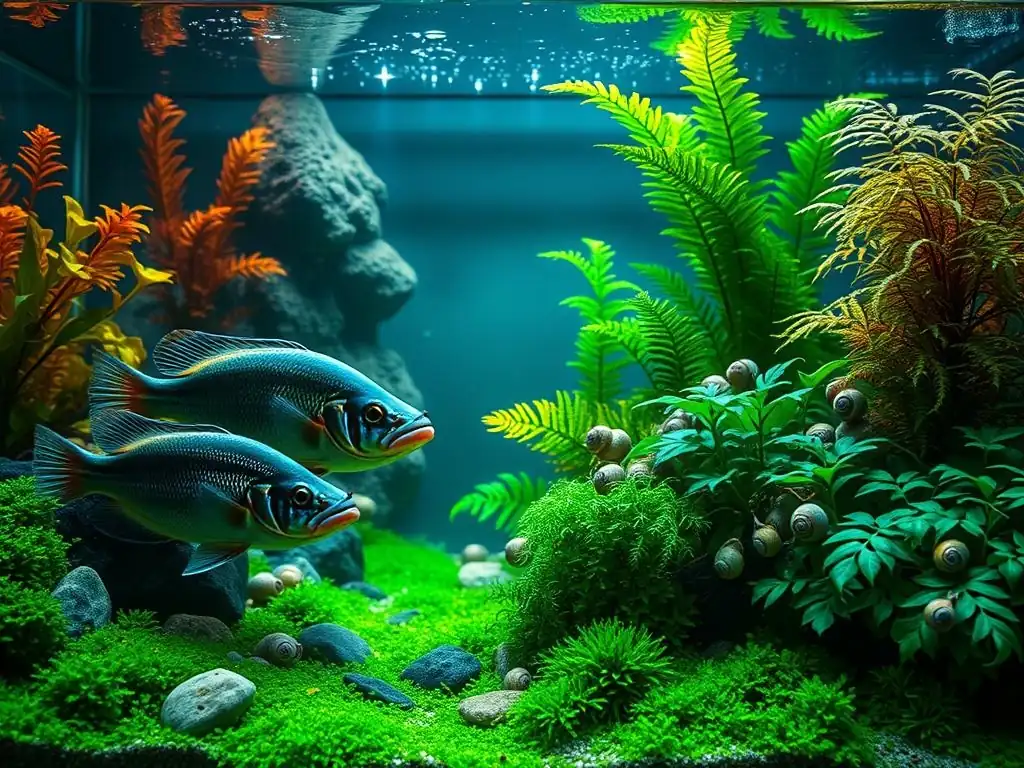
Welcome to Aquarium Mastery, where your underwater dreams become reality!
Ever wished for a pristine aquarium, free from pesky algae? Dive into our in-depth guide on Algae Eating Catfish Care and discover the secrets to a balanced and beautiful freshwater environment. Curious about which of these fascinating bottom-dwellers is right for your tank? Let's explore the world of Plecos, Ancistrus, and Otos – and unlock the key to a sparkling clean aquarium!
- Plecos, Ancistrus & Otos: Aquarium Mastery's Guide to Algae-Eating Catfish
- Understanding Algae-Eating Catfish for a Pristine Aquarium
-
Frequently Asked Questions
- What are the key differences between Plecos, Ancistrus, and Otos in terms of algae-eating efficiency?
- What specific water parameters are crucial for successful algae-eating catfish care?
- What should I feed my algae-eating catfish if algae growth is insufficient in my aquarium?
- How can I prevent common diseases in algae-eating catfish?
- What tank size is recommended for different types of algae-eating catfish to ensure their well-being?
- Final Reflection: The Silent Guardians of Our Aquariums
- Unlock the Secrets of a Spotless Aquarium!
Plecos, Ancistrus & Otos: Aquarium Mastery's Guide to Algae-Eating Catfish
Understanding Algae-Eating Catfish for a Pristine Aquarium
The Role of Algae Eaters in Freshwater Aquariums
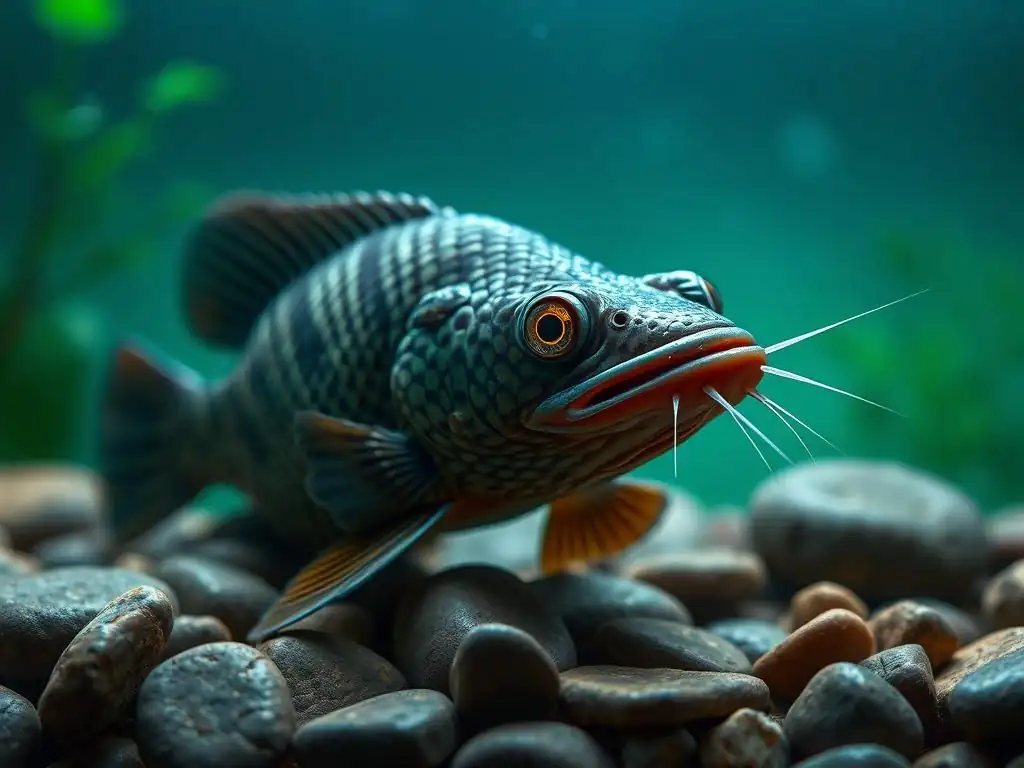
Algae-eating catfish play an indispensable role in maintaining the ecological balance and aesthetic appeal of freshwater aquariums. These specialized bottom-dwellers primarily graze on various types of algae, including diatoms, green spot algae, and even some forms of hair algae, which can otherwise quickly overwhelm a tank. For instance, a healthy Bristlenose Pleco (Ancistrus spp.)
in a 20-gallon tank can significantly reduce the need for manual scrubbing of glass and decor, making it a cornerstone of effective algae eating catfish care. Their constant foraging helps to prevent the build-up of unsightly green films and brown slimes, contributing to crystal-clear water and a healthier environment for all tank inhabitants.
Beyond their direct consumption of algae, these catfish contribute to overall water quality by consuming decaying plant matter and uneaten food, effectively acting as part of the tank's clean-up crew. This reduces the organic load in the water, which in turn helps to stabilize ammonia and nitrite levels, crucial for preventing toxic spikes.
For example, a group of Otocinclus catfish in a planted tank will diligently scour plant leaves for algae, preventing it from suffocating the plants and ensuring robust growth. Implementing proper algae eating catfish care involves understanding their dietary needs and ensuring they have ample surfaces to graze, thereby maximizing their natural cleaning abilities.
Why Choose Algae-Eating Catfish Over Chemical Treatments?
Opting for algae-eating catfish as a natural solution to algae control offers numerous advantages over relying on chemical algaecides. Chemical treatments, while sometimes providing a quick fix, often address only the symptom (algae) rather than the root cause (excess nutrients, light imbalance).
Moreover, many algaecides can be harsh on sensitive fish species, invertebrates, and beneficial bacteria colonies, potentially disrupting the nitrogen cycle and leading to more severe water quality issues. For instance, certain copper-based algaecides can be lethal to shrimp and snails, and even cause stress or illness in fish, whereas a well-integrated group of Otocinclus catfish presents no such risk to tank inhabitants when proper algae eating catfish care is followed.
In contrast, the introduction of algae-eating catfish provides a sustainable, biological method of algae control that works continuously. They integrate into the aquarium's ecosystem, contributing to its biodiversity and natural processes. Unlike chemicals that require precise dosing and can have temporary effects, a healthy population of algae eaters provides ongoing maintenance, reducing the need for constant intervention. This approach aligns with the principles of creating a stable, self-sustaining aquatic environment, making algae eating catfish care a preferred long-term strategy for maintaining a pristine and vibrant freshwater aquarium without the risks associated with chemical interventions.
Frequently Asked Questions
What are the key differences between Plecos, Ancistrus, and Otos in terms of algae-eating efficiency?
Plecos are generally larger and eat more algae when young, but may become less effective as they mature. Ancistrus (Bristlenose Plecos) are smaller and more consistent algae eaters. Otos are small, peaceful, and excellent at cleaning algae from plants.
What specific water parameters are crucial for successful algae-eating catfish care?
Maintaining stable water parameters is vital. This includes a pH between 6.5-7.5, a temperature of 72-78°F, and regular water changes to keep nitrate levels low.
What should I feed my algae-eating catfish if algae growth is insufficient in my aquarium?
Supplement their diet with algae wafers, blanched vegetables (like zucchini or spinach), and sinking pellets. Variety is key to ensure they receive all the necessary nutrients.
How can I prevent common diseases in algae-eating catfish?
Ensure excellent water quality through regular maintenance and filtration. Quarantine new fish, and observe for signs of illness like fin rot or Ich.
What tank size is recommended for different types of algae-eating catfish to ensure their well-being?
Tank size varies greatly depending on the species. Otos can thrive in tanks as small as 10 gallons, while common plecos require tanks of 75 gallons or larger due to their potential size.
Final Reflection: The Silent Guardians of Our Aquariums
The journey into understanding and caring for algae-eating catfish, as we've explored, is more than just a practical guide; it's a testament to our commitment to creating thriving aquatic ecosystems. The delicate balance within our aquariums hinges on these often-overlooked creatures, and their well-being directly reflects the health and beauty of the entire underwater world we cultivate.
This exploration has highlighted the profound impact these small catfish have on the overall aquarium experience. Understanding their specific needs, from water parameters to dietary requirements, is not merely a task, but a responsibility we undertake as stewards of these miniature ecosystems. The greatness of a nation and its moral progress can be judged by the way its animals are treated.
- Mahatma Gandhi. This quote, though not specifically about fish, resonates deeply, reminding us that our compassion and care extend to all living beings, regardless of size or perceived importance.
Now, as you close this article, I encourage you to reflect on your own role in this delicate dance. Consider how you can further refine your approach to algae-eating catfish care, not just for the sake of a clean tank, but for the well-being of these fascinating creatures. Embrace the challenge of creating a truly harmonious environment, and witness the rewards of a thriving, balanced aquarium. Let the silent guardians of your tank inspire you to become a more conscientious and informed aquarist.
Unlock the Secrets of a Spotless Aquarium!
Thank you for diving into the world of algae-eating catfish! Now that you're equipped with the knowledge to choose the perfect algae eaters for your aquarium, let's turn that understanding into action and create a thriving, algae-free environment.
Here’s how you can take the next steps:
- Take the plunge and introduce one of the recommended algae-eating catfish into your aquarium! Observe their behavior and adjust their diet as needed to ensure a healthy and balanced ecosystem.
- Explore the Aquarium Mastery community forum. Share your experiences, ask questions, and connect with other aquarists passionate about creating stunning and balanced tanks.
- Challenge yourself to a 'No Algae November'! Document your tank's progress with your new algae-eating friends and share before-and-after photos online.
What surprising discoveries have you made about algae control in your aquarium?