
The Critical First 24 Hours: Aquarium Mastery's Advanced Care for New Tetra Fry

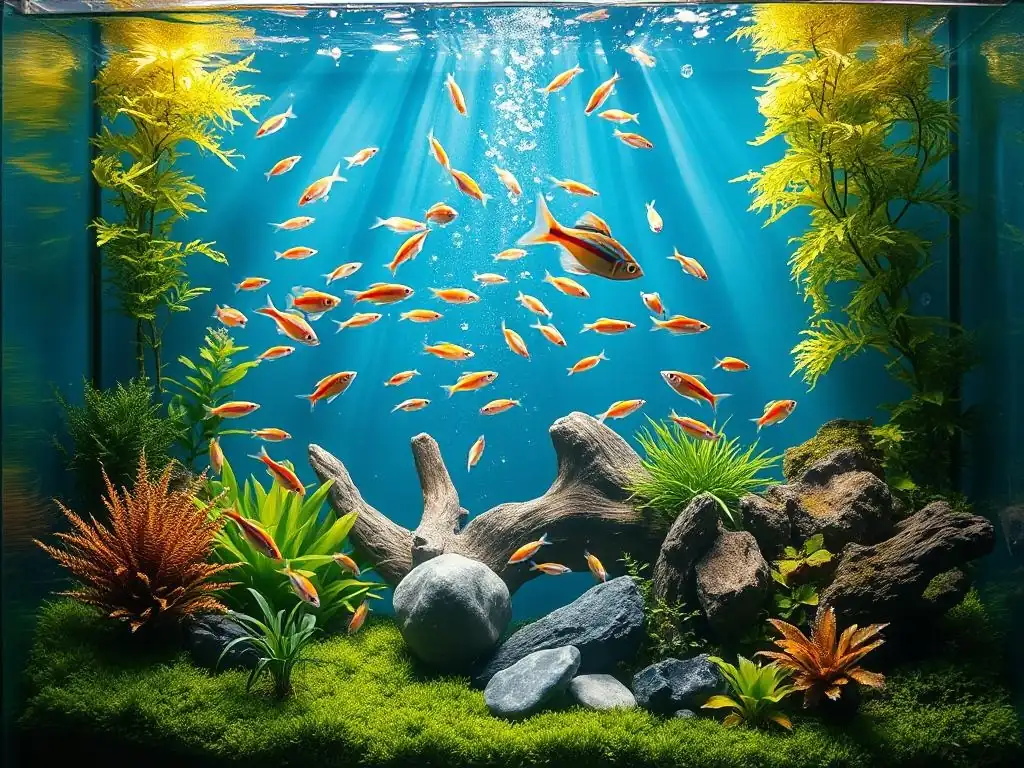
Welcome to Aquarium Mastery! Ever wondered if those tiny, shimmering tetra fry have what it takes to thrive? Discover the secrets to their crucial first 24 hours in our in-depth guide, "The Critical First 24 Hours: Aquarium Mastery's Advanced Care for New Tetra Fry." This isn't just about feeding; it's about creating a vibrant, life-sustaining ecosystem for your new tetra fry. Ready to unlock the secrets to successful new tetra fry care and ensure their survival? Let's dive in!
- Introduction to New Tetra Fry Care: Setting the Stage for Success
- Preparing for the Arrival: Pre-Hatchling Tetra Care Essentials
- The First 24 Hours: A Step-by-Step Guide to Tetra Fry Management
- Advanced Feeding Techniques for New Tetra Fry: Beyond Infusoria
- Maintaining Water Quality: Critical for Tetra Fry Health and Growth
- Troubleshooting Common Issues in New Tetra Fry Care
- Long-Term Tetra Fry Care: From Fry to Juvenile
- Conclusion: Mastering the Art of Raising Healthy Tetra Fry with Aquarium Mastery
- Frequently Asked Questions
- Final Reflection: Nurturing New Life
- Nurture Your Tetra Fry: Witness Their Amazing Growth!
Introduction to New Tetra Fry Care: Setting the Stage for Success
Why the First 24 Hours are Crucial for Tetra Fry Survival
The first 24 hours following hatching represent the most precarious period in the life cycle of new tetra fry. At this stage, their delicate physiological systems are still developing, making them incredibly vulnerable to environmental fluctuations and lack of appropriate nutrition. Without meticulous new tetra fry care, mortality rates can soar, often exceeding 80-90% in unmanaged environments. Their tiny size, typically less than 3-4 millimeters, means they have minimal reserves to withstand adverse conditions.
This initial window is critical for several reasons. Newly hatched fry often rely on a yolk sac for the first few hours or days, but once it's absorbed, they become free-swimming and require immediate access to microscopic food sources. Furthermore, their gills are not fully developed, making them highly susceptible to even trace amounts of ammonia or nitrite in the water. Proper new tetra fry care during this brief period can dramatically improve survival rates, potentially reducing mortality to a manageable 20-30% by establishing a stable, nutrient-rich environment from the outset.
Aquarium Mastery's Philosophy on Raising Healthy Tetra Fry
At Aquarium Mastery, our philosophy on raising healthy tetra fry is rooted in a proactive, precision-based approach that mimics the ideal conditions found in their natural habitats. We believe that successful new tetra fry care begins long before the eggs hatch, encompassing meticulous preparation of the grow-out environment, precise water chemistry management, and the ready availability of appropriate first foods. Our aim is to eliminate common stressors that lead to early mortality, fostering robust development from the very first moments of life.
Our comprehensive strategy emphasizes constant observation, rapid response to any emergent issues, and a deep understanding of the specific needs of newly hatched tetra fry. We advocate for a holistic approach where water quality, nutrition, and environmental stability are meticulously balanced. This dedicated new tetra fry care ensures that hobbyists not only achieve successful hatches but also raise a thriving generation of healthy, vibrant tetras, transforming the challenging art of breeding into a rewarding experience.
Preparing for the Arrival: Pre-Hatchling Tetra Care Essentials
Setting Up a Dedicated Tetra Fry Grow-Out Tank: The Ideal Environment
Establishing a dedicated grow-out tank is paramount for effective new tetra fry care. For most tetra species, a tank ranging from 5 to 10 gallons is ideal for the initial weeks, providing ample space without making food distribution or water changes overly challenging.
A bare-bottom tank is often preferred as it simplifies cleaning and prevents uneaten food from accumulating in substrate, which can quickly degrade water quality. Filtration should be gentle yet effective, with a mature sponge filter being the gold standard; its porous surface provides abundant beneficial bacteria for biological filtration and produces minimal current, preventing delicate fry from being swept away.
Beyond the basic setup, consider the finer details that contribute to optimal new tetra fry care. The tank should be placed in a quiet area, away from direct sunlight or high-traffic zones that could cause sudden temperature fluctuations or vibrations. Gentle, ambient lighting is sufficient, perhaps from a low-wattage LED.
Adding a small amount of fine-leafed plants like Java Moss or a spawning mop can provide hiding spots for fry and serve as a surface for infusoria to colonize, offering an initial, natural food source. A reliable heater is crucial to maintain a stable temperature, typically between 76-80°F (24-27°C), which encourages healthy development and metabolic rates.
Water Parameter Perfection: Achieving Optimal Conditions for Tetra Fry Development
Achieving and maintaining precise water parameters is non-negotiable for the successful development of new tetra fry. While exact parameters vary slightly by species, most popular tetras, such as Neon Tetras and Cardinal Tetras, thrive in soft, acidic water. For instance, Neon Tetra fry require a pH of 5.5-7.0, general hardness (GH) of 1-5 dGH, and carbonate hardness (KH) of 1-4 dKH.
Cardinal Tetra fry are even more sensitive, preferring a pH of 4.5-6.5, GH of 0-3 dGH, and KH of 0-2 dKH. The temperature should remain consistently within their optimal range, typically 76-80°F (24-27°C), to support rapid metabolism and growth.
To achieve these specific conditions for new tetra fry care, hobbyists often utilize reverse osmosis (RO) or deionized (DI) water, remineralized to the desired hardness levels. Peat filtration or specialized buffering products can help maintain the correct pH and alkalinity without drastic swings.
It is vital to prepare and stabilize the water in the grow-out tank several days, or even a week, before the fry are expected to hatch. Regular testing with accurate liquid test kits (not strips) is essential to monitor ammonia, nitrite, nitrate, pH, GH, and KH, ensuring that the water remains pristine and perfectly suited for the delicate new tetra fry.
Pre-Hatch Feeding Strategies: Ensuring Infusoria Cultures are Ready
The immediate post-hatch period for new tetra fry necessitates microscopic food sources, as their mouths are too small to consume conventional fry foods. Infusoria, a collective term for various microscopic aquatic organisms like paramecium and rotifers, are the ideal first food due to their tiny size (typically 10-250 microns).
Ensuring a robust infusoria culture is ready before the eggs hatch is a critical step in advanced new tetra fry care. A common method involves placing a few pieces of decaying lettuce leaf, a banana peel, or a commercial infusoria culture starter in a separate jar with dechlorinated tank water, started 5-7 days prior to the expected hatch date.
This proactive approach guarantees that a steady supply of live, nutritious food is available the moment the new tetra fry become free-swimming. Without this immediate access, fry will quickly starve, often within 24-48 hours of absorbing their yolk sacs. While liquid fry foods or highly micronized dry foods can serve as temporary supplements, they rarely match the nutritional value or palatability of live infusoria for the initial feeding stages. For optimal new tetra fry care, prepare multiple infusoria cultures to ensure continuity, as cultures can sometimes crash unexpectedly.
The First 24 Hours: A Step-by-Step Guide to Tetra Fry Management
Hour 1-6: Gentle Acclimation of Newly Hatched Tetra Fry
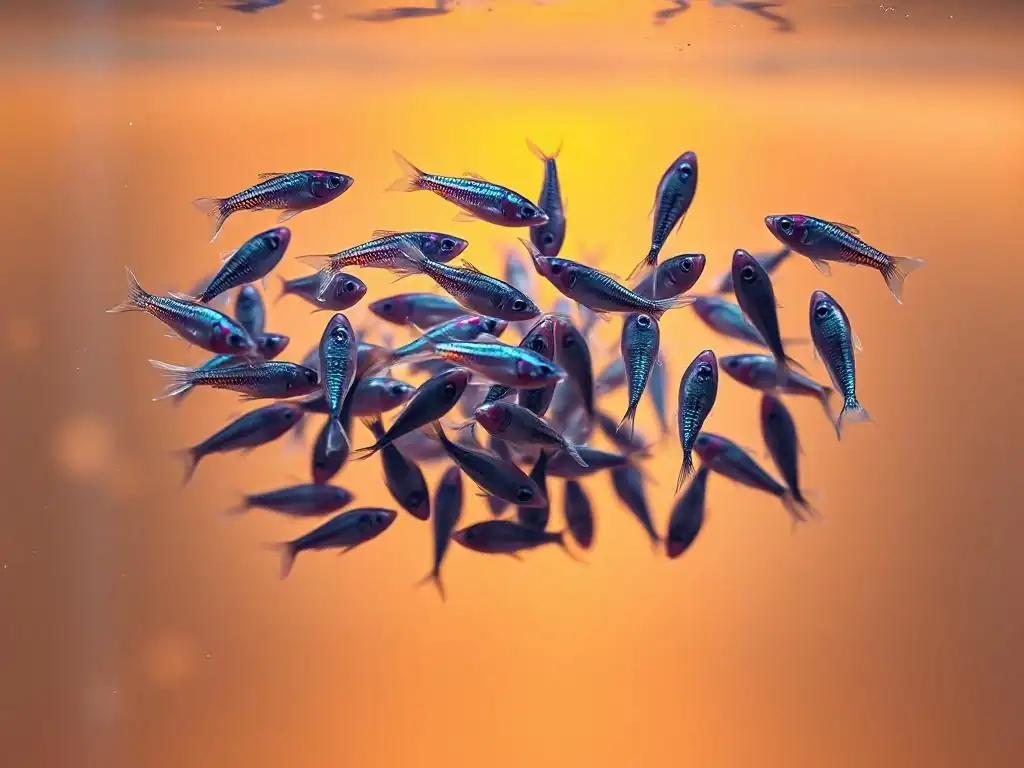
In the initial 1-6 hours post-hatch, newly hatched tetra fry are incredibly delicate and often appear as tiny, translucent specks, sometimes clinging to tank surfaces or plants. During this period, their primary energy source is typically the remaining yolk sac. If the fry hatched in a separate breeding trap or container, gentle acclimation to the prepared grow-out tank is crucial for effective new tetra fry care. Use a small pipette or a section of airline tubing to carefully siphon or transfer the fry, ensuring minimal disturbance and absolutely no sudden changes in water temperature or parameters.
Once transferred, allow the new tetra fry to settle. They will often remain relatively still, absorbing their yolk sacs. Avoid any unnecessary disturbances, such as bright lights or sudden movements around the tank. Observation should be quiet and unobtrusive. It is important to note that feeding is generally not required during these first few hours, as their digestive systems are still rudimentary and their yolk sac provides sufficient nourishment. Focus on maintaining environmental stability—consistent temperature, minimal water flow, and pristine water quality—as the cornerstone of new tetra fry care in this nascent stage.
Hour 6-12: Introducing the First Micro-Foods: Infusoria and Liquid Fry Food
As the new tetra fry progress into the 6-12 hour window, many will have absorbed a significant portion of their yolk sacs and begin to exhibit free-swimming behavior, often appearing as tiny "dashes" in the water. This is the signal that they are ready for their first food. Infusoria, due to their microscopic size (typically 10-250 microns), are the ideal initial offering. Administer a small amount, perhaps 5-10 ml of a dense infusoria culture per 5-gallon tank, two to three times during this period. Disperse it evenly across the tank to ensure all fry have access.
Alternatively, or as a supplement, a high-quality liquid fry food designed for egg-laying fish can be used. These products are often formulated with essential nutrients and are micronized to an appropriate size for new tetra fry. However, caution is paramount: overfeeding is a leading cause of mortality in this stage. Only introduce minute quantities, as any uneaten food will rapidly foul the water, leading to ammonia spikes that are lethal to the delicate fry. Consistent, small feedings are far more beneficial than infrequent, large ones in successful new tetra fry care.
Hour 12-18: Monitoring Water Quality and Fry Behavior: Early Signs of Trouble
Between 12 and 18 hours after hatching, continuous monitoring of both water quality and the behavior of the new tetra fry becomes critical. Use accurate liquid test kits to check for ammonia and nitrite levels. Even with minimal bioload, the introduction of food, no matter how small, can initiate the nitrogen cycle, and any uneaten particles will quickly decompose. If any ammonia or nitrite is detectable, prepare for a very small, gentle water change immediately. Maintaining the water temperature consistently within the optimal range (e.g., 78°F or 25.5°C) is also vital to prevent stress.
Observe the fry closely using a flashlight, which can help illuminate their tiny forms. Healthy new tetra fry will be actively, albeit gently, swimming and searching for food. Signs of distress include lethargy, gasping at the surface, erratic swimming, or sinking to the bottom. Visible deformities, such as a bent spine, might also become apparent. Addressing these early signs of trouble promptly through targeted water changes or adjustment of feeding can significantly impact survival rates. This diligent observation is a cornerstone of effective new tetra fry care.
Hour 18-24: Maintaining Optimal Conditions and Continuing Feeding
As the new tetra fry approach the end of their critical first 24 hours, the focus remains on maintaining the pristine conditions established earlier and continuing their precise feeding regimen. Continue to offer infusoria or liquid fry food every 3-4 hours. The goal is to ensure a constant, yet incredibly light, presence of food. Their tiny digestive tracts process food rapidly, necessitating frequent, small meals. Overfeeding remains the primary risk, so err on the side of caution with quantities, aiming for food to be consumed within 10-15 minutes.
Re-test water parameters at the 24-hour mark. If ammonia and nitrite remain at zero and nitrates are low, maintain the current routine. If any pollutants are detected, a very small (e.g., 5-10%) water change, executed with perfectly temperature and parameter-matched water, may be necessary. Ensure the sponge filter is operating efficiently and producing a gentle flow. By diligently adhering to these steps, you are laying a robust foundation for the long-term health and growth of your new tetra fry, moving beyond the critical first day with confidence.
Advanced Feeding Techniques for New Tetra Fry: Beyond Infusoria
Culturing Live Foods: Brine Shrimp Nauplii and Micro Worms for Tetra Fry
While infusoria are indispensable for the immediate post-hatch period, new tetra fry quickly outgrow them, typically within 3-5 days. At this stage, transitioning to slightly larger, highly nutritious live foods like freshly hatched brine shrimp nauplii and micro worms becomes crucial for rapid growth and vibrant coloration. Brine shrimp nauplii, approximately 400-500 microns in size, are packed with protein and fatty acids, making them an excellent next step. They are easily cultured in a conical container with an air stone and a specific salt solution, yielding a fresh batch every 24-36 hours.
Micro worms, smaller than brine shrimp nauplii (typically 50-200 microns), are another fantastic live food option, particularly for smaller tetra species or those with slower growth rates. They are cultured on an oatmeal medium in a shallow container and can be harvested daily by simply wiping them off the sides of the container. Both of these live foods provide superior nutrition and stimulate the feeding response in young fry more effectively than inert foods.
Integrating them into your new tetra fry care regimen ensures optimal development and minimizes instances of stunted growth. Remember to rinse live foods thoroughly before feeding to remove any culture medium or unhatched cysts.
Supplementing with High-Quality Commercial Fry Food: A Balanced Approach
While live foods are highly beneficial, supplementing with high-quality commercial fry food offers a balanced nutritional profile and adds convenience to new tetra fry care. Specialized powdered fry foods, such as Hikari First Bites or Sera Micron, are formulated with essential vitamins, minerals, and high protein content (often 50-60%) crucial for rapid development. These foods are typically micronized to an incredibly fine particle size, often less than 50 microns for initial feeding, making them suitable for the small mouths of young tetras.
When using commercial fry food, it is often beneficial to dissolve a tiny pinch in a small amount of tank water before adding it to the fry tank. This creates a more even dispersion and prevents the powder from clumping or sinking too quickly. Offer these foods in very small quantities, several times a day, always monitoring consumption to avoid overfeeding and water fouling. A combined approach, utilizing the superior palatability and nutrition of live foods alongside the comprehensive profile of commercial fry foods, provides the most robust and complete new tetra fry care.
Feeding Schedule Optimization: Meeting the Nutritional Needs of Growing Tetra Fry
Optimizing the feeding schedule is just as critical as the food type itself for the successful growth of new tetra fry. Due to their incredibly small stomach capacity and high metabolic rate, young tetras require frequent, small meals throughout the day. A typical schedule for the first few weeks involves feeding 4-6 times daily, with each feeding lasting no more than 5-10 minutes. The goal is to keep a constant, but very light, food source available without allowing uneaten food to accumulate.
As the new tetra fry grow and their digestive systems mature, the frequency can gradually be reduced, and the quantity per feeding can slightly increase. For instance, by the second or third week, 3-4 feedings per day might suffice. Constantly observe the fry's bellies: a slightly rounded belly indicates sufficient feeding, while a distended belly suggests overfeeding. Conversely, shrunken bellies indicate underfeeding. Adjusting the feeding schedule based on the fry's growth rate and water quality parameters is a dynamic process and a key aspect of advanced new tetra fry care.
Maintaining Water Quality: Critical for Tetra Fry Health and Growth
Gentle Water Changes: Minimizing Stress on Delicate Tetra Fry
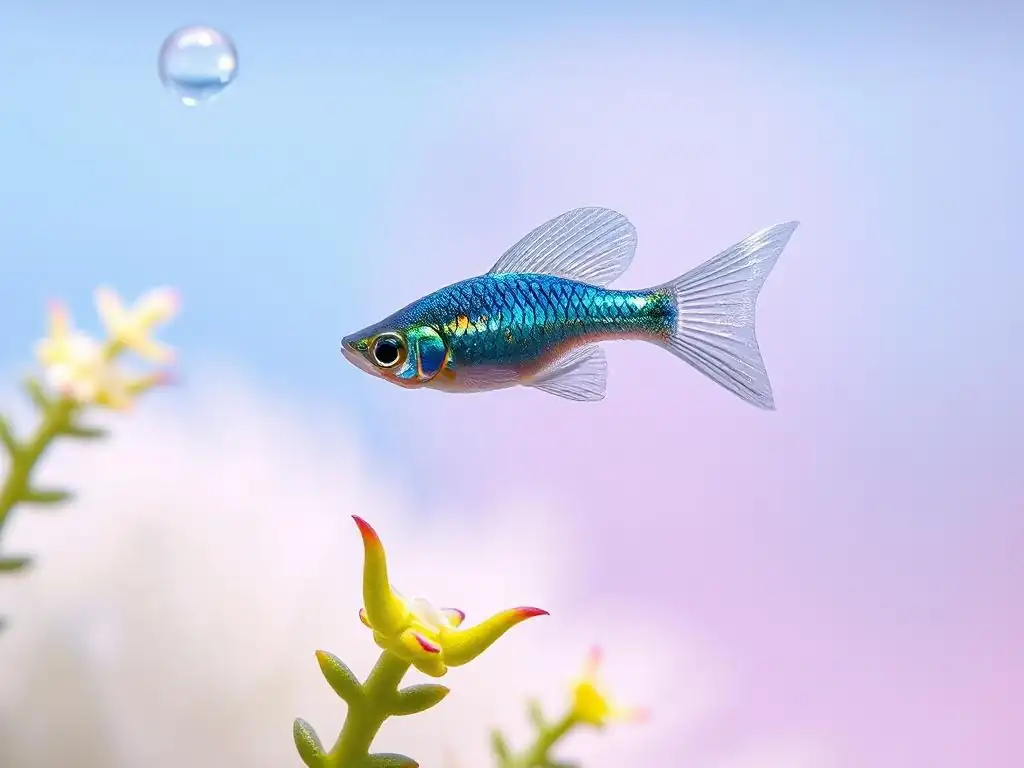
Maintaining pristine water quality is arguably the most critical aspect of new tetra fry care, as young fry are extraordinarily sensitive to even minute fluctuations or accumulations of waste products. Daily or every-other-day micro water changes are essential to dilute nitrates and remove any uneaten food or waste that the sponge filter might not catch. For a 5-10 gallon fry tank, a 10-20% water change is typically sufficient. The key is to perform these changes as gently as possible to minimize stress on the delicate fry.
Use a small-diameter airline tubing or a turkey baster to slowly siphon out water from the bottom of the tank, where most debris settles, taking extreme care not to suck up any fry. The replacement water must be perfectly matched in temperature and parameters (pH, GH, KH) to the tank water. Drip-acclimation of the new water, or pouring it in very slowly, helps prevent shock. This diligent approach to water changes is a fundamental pillar of successful new tetra fry care, preventing the buildup of toxins that can quickly lead to mass mortality.
Filtration Strategies for Tetra Fry Tanks: Balancing Cleanliness and Safety
Effective filtration for new tetra fry tanks must strike a delicate balance between maintaining cleanliness and ensuring the safety of the tiny inhabitants. Sponge filters are overwhelmingly recommended as the primary filtration method for fry tanks. They offer several advantages: they provide excellent biological filtration by cultivating beneficial bacteria, offer gentle mechanical filtration without strong currents, and, crucially, pose no risk of sucking up delicate fry due to their porous structure. An air pump connected to the sponge filter provides both aeration and water movement.
Avoid using hang-on-back (HOB) filters or internal power filters, as their strong intakes and currents can easily injure or kill new tetra fry. While canister filters can be used with extreme caution by covering intakes with fine mesh, they are often overkill for small fry tanks and pose a higher risk. Maintenance of sponge filters is straightforward: gently rinse the sponge in old tank water (never tap water, which contains chlorine) every few days or weekly to prevent clogging and maintain beneficial bacteria colonies. This simple yet effective filtration strategy is central to comprehensive new tetra fry care.
Avoiding Ammonia and Nitrite Spikes: Maintaining a Stable Environment
Ammonia and nitrite are highly toxic to all fish, but particularly so to new tetra fry, whose undeveloped systems cannot cope with even trace amounts. Ammonia spikes, often caused by overfeeding or insufficient biological filtration, can lead to immediate and widespread mortality. Nitrite, while slightly less toxic than ammonia, still impairs the fry's ability to absorb oxygen, leading to suffocation. Maintaining a stable, zero-ammonia, zero-nitrite environment is non-negotiable for successful new tetra fry care.
Regular water testing, ideally daily for the first week then every other day, is crucial to detect any rise in these compounds. The most effective preventative measures include:
- Strict Portion Control: Feed only what the fry can consume within 5-10 minutes to minimize uneaten food.
- Daily Micro Water Changes: As detailed above, these dilute any accumulating toxins.
- Mature Sponge Filter: Ensure the sponge filter is fully cycled before introducing fry. If using a new filter, seed it with beneficial bacteria from an established tank.
- Minimal Stocking Density: Avoid overcrowding the fry tank, as this increases bioload.
By adhering to these practices, you establish a bio-secure environment, significantly enhancing the survival and growth prospects of your new tetra fry.
Troubleshooting Common Issues in New Tetra Fry Care
Identifying and Treating Swim Bladder Disease in Tetra Fry
Swim bladder disease in new tetra fry manifests as an inability to maintain normal buoyancy. Affected fry may float upside down, struggle to swim upright, or sink to the bottom of the tank. This condition is often a symptom of underlying issues rather than a disease itself, commonly triggered by poor water quality, overfeeding leading to digestive issues, or rapid changes in temperature. The undeveloped digestive and swim bladder systems of new tetra fry make them particularly vulnerable.
Treatment for swim bladder issues in new tetra fry requires immediate and gentle intervention. First, perform a significant water change (e.g., 20-30%) with perfectly matched water to address any water quality deficiencies. Then, implement a short fasting period of 12-24 hours to allow their digestive system to clear. Following the fast, reintroduce food very sparingly, focusing on easily digestible live foods like daphnia (if they can consume them) or finely crushed, high-quality flake food. Prevention is the best cure in new tetra fry care: maintain pristine water, avoid overfeeding, and ensure a stable temperature.
Preventing and Managing Fungal Infections in Young Tetras
Fungal infections in young tetras typically appear as white, cotton-like growths on their bodies, fins, or mouths. These infections are usually secondary, meaning they capitalize on weakened immune systems due to stress, injury, or, most commonly, poor water quality. New tetra fry are highly susceptible to fungal spores present in the environment if their living conditions are not optimal.
The primary defense against fungal infections in new tetra fry care is maintaining impeccable water quality. Perform daily water changes and ensure your sponge filter is clean and functioning efficiently. If a fungal infection is observed, an immediate, larger water change (e.g., 30-50%) is the first step.
For treatment, a very mild fungicidal medication designed for delicate fish or a diluted salt bath (e.g., 0.5-1 teaspoon of aquarium salt per gallon, dissolved thoroughly) can be considered, but use extreme caution as fry are sensitive. Methylene blue, applied very sparingly, is another option. Always prioritize improving water conditions, as medication alone will not solve the underlying problem.
Addressing Stunted Growth and Uneven Development
Stunted growth and uneven development among new tetra fry can be disheartening but are often preventable issues stemming from environmental or nutritional deficiencies. While some natural variation in growth rates is normal, significant disparities, where some fry remain markedly smaller than their siblings, signal a problem. Common causes include inadequate nutrition, overcrowding, persistent poor water quality (even if not lethal, it's stressful), or insufficient access to food for less assertive fry.
To address stunted growth in your new tetra fry care regimen, focus on three key areas:
- Enhanced Nutrition: Increase the frequency and variety of high-quality live foods (brine shrimp nauplii, micro worms) and ensure commercial fry foods are rich in protein. Consider feeding more often, perhaps 6-8 times a day, with very small portions.
- Optimized Water Quality: Intensify your water change schedule and confirm your filtration is robust. Even low levels of nitrates can hinder growth.
- Space and Access: If overcrowding is evident, consider dividing the fry into multiple grow-out tanks to reduce competition for food and space. Ensure food is dispersed evenly so all fry have an equal opportunity to feed.
Proactive management of these factors will help ensure all your new tetra fry reach their full growth potential.
Long-Term Tetra Fry Care: From Fry to Juvenile
Gradual Weaning onto Larger Food Sources
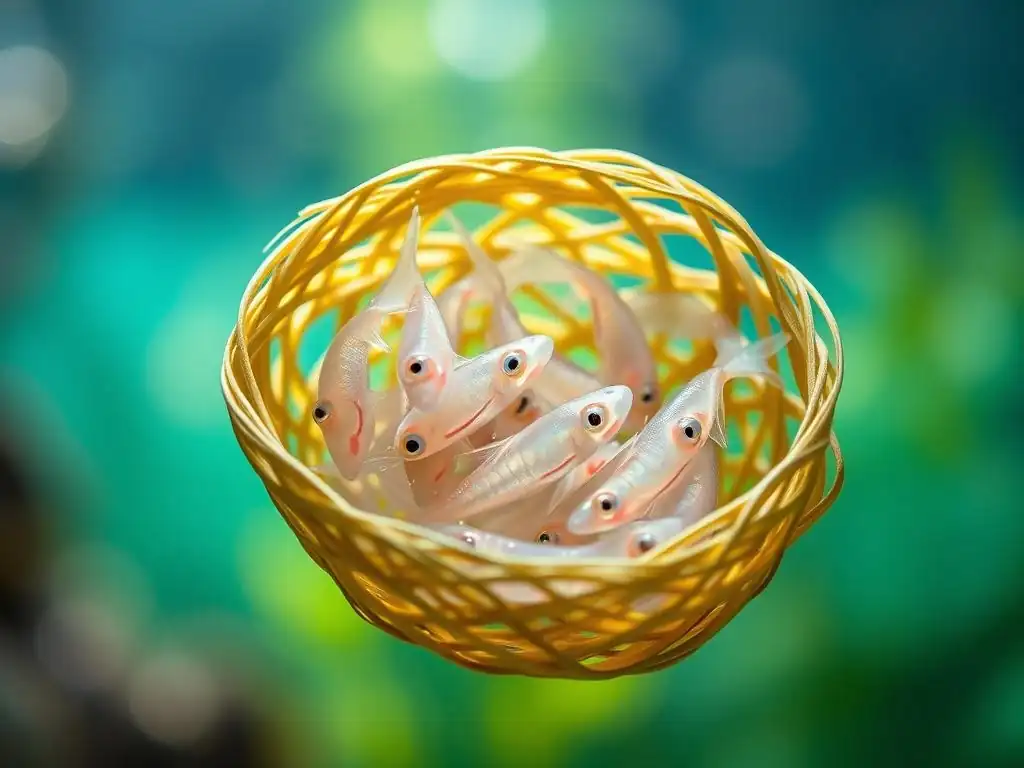
As new tetra fry grow beyond the initial critical weeks (typically 2-3 weeks old), their mouths will become large enough to accept a wider variety of foods, signifying a transition in their care. This is the stage for gradual weaning from infusoria and newly hatched brine shrimp nauplii onto larger, more varied food sources. Begin by introducing finely crushed, high-quality flake food or specialized micro pellets (e.g., 100-200 microns) designed for juvenile fish. Start by offering these new foods in very small amounts, mixed with their familiar live foods, a few times a day.
Observe how readily they accept the new diet. Over a period of several days to a week, slowly increase the proportion of the larger, inert foods while gradually reducing the live foods. Continue to offer a varied diet that includes live foods like daphnia, which are excellent for digestion and provide natural hunting stimulation. The goal of this phase of new tetra fry care is to ensure a smooth transition to a complete and balanced diet that supports their continued rapid growth and vibrant coloration.
Transitioning to a Larger Tank: Avoiding Overcrowding
As new tetra fry grow into juveniles, typically around 4-6 weeks old depending on the species and growth rate, the initial 5-10 gallon grow-out tank will become too small. Overcrowding is a significant stressor that can lead to stunted growth, increased aggression, and poor water quality, even with diligent water changes. Transitioning them to a larger tank is a crucial step in their long-term care. A 20-gallon or larger tank, depending on the number of fry and the adult size of the species, is often appropriate at this stage.
When moving the juvenile tetras, ensure the new tank is fully cycled and its water parameters (temperature, pH, hardness) perfectly match those of the fry tank to minimize stress. Acclimate the fry to the new tank water slowly, using a drip-acclimation method over 30-60 minutes, similar to acclimating new adult fish. This careful transition prevents shock and ensures a smooth move, allowing the growing tetras ample space to thrive and continue their development.
Selecting the Best Tetra Fry for Future Breeding (If Applicable)
For aquarists engaged in advanced new tetra fry care with the intent of future breeding, the juvenile stage is ideal for selecting potential breeding stock. This careful selection process helps to improve the genetic quality and vigor of subsequent generations. Look for specific criteria that indicate healthy, robust specimens:
- Vibrant Coloration: Fry that display strong, clear, and characteristic adult colors early on are often genetically superior.
- Robust Growth: Choose the largest and fastest-growing individuals, as this often indicates good genetics and a strong feeding response.
- Active Behavior: Select fry that are energetic, constantly exploring, and exhibiting natural schooling behaviors.
- Absence of Deformities: Thoroughly inspect for any spinal kinks, fin deformities, or other physical abnormalities.
Once selected, these potential breeders can be moved to a dedicated grow-out tank with optimal conditions to further enhance their development, ensuring they are in peak condition for future spawning attempts.
Conclusion: Mastering the Art of Raising Healthy Tetra Fry with Aquarium Mastery
Mastering the art of raising healthy tetra fry is a rewarding endeavor that transforms a challenging biological process into a consistent success. As highlighted by Aquarium Mastery, the initial 24 hours post-hatch are undeniably the most critical, demanding precise new tetra fry care through meticulous preparation, immediate access to microscopic foods, and unwavering water quality management. This initial diligence sets the foundation for their entire developmental journey, significantly impacting their survival rates and long-term health.
Beyond this critical window, continued dedication to optimal water parameters, a varied and nutritious diet, and appropriate tank environments are paramount. From culturing live foods like brine shrimp nauplii to performing gentle water changes and troubleshooting common ailments, every step in advanced new tetra fry care contributes to the successful rearing of vibrant, robust tetras. With Aquarium Mastery's comprehensive guidance, aquarists can confidently navigate the complexities of breeding, ensuring a thriving new generation of these beloved freshwater fish.
Frequently Asked Questions
How soon after hatching do tetra fry need to be fed?
Tetra fry require immediate access to food. Their yolk sac is quickly depleted, so feeding should begin within the first 24 hours of hatching. This is crucial for their survival and growth.
What is the best first food for newly hatched tetra fry?
Infusoria is generally considered the best first food. Alternatively, liquid fry food or powdered fry food specifically formulated for egg-laying fish can be used. These provide the necessary nutrients in a digestible form.
How often should I feed my tetra fry in the first week?
Frequent feedings are essential. Offer small amounts of food 3-4 times per day during the first week. This ensures a constant supply of nutrients for their rapid development.
What water parameters are most important for tetra fry survival?
Maintaining stable and pristine water conditions is vital. Focus on consistent temperature, pH levels, and near-zero ammonia and nitrite levels. Regular small water changes are also beneficial.
How do I prevent filter intake from harming my tetra fry?
Fry are extremely vulnerable to being sucked into filters. Use a sponge filter or a pre-filter sponge over the intake of your existing filter to protect them. This creates a safe environment for the fry to develop.
Final Reflection: Nurturing New Life
The journey of raising new tetra fry care is more than just a technical process; it's a testament to our dedication to life's delicate beginnings. The strategies and insights shared throughout this article highlight the critical importance of the first 24 hours, a period that can determine the success or failure of an entire generation. Understanding and implementing these advanced care techniques is not just about keeping fish alive; it's about fostering a thriving ecosystem, even on a miniature scale.
This meticulous attention to detail, this unwavering commitment to the fragile, has profoundly influenced my own perspective on nurturing growth, not just in aquariums, but in all aspects of life. Witnessing the transformation of tiny, almost invisible fry into vibrant, schooling fish underscores the power of consistent care and informed intervention. The best time to plant a tree was 20 years ago. The second best time is now.
This ancient proverb resonates deeply with the urgency of providing optimal care from the very first moment of a tetra fry's life.
Now, consider the lessons learned here. How can you apply this same level of dedication and informed care to the new beginnings in your own life? Whether it's nurturing a new idea, supporting a fledgling project, or simply being present for someone in need, remember the critical first 24 hours. Embrace the challenge, equip yourself with knowledge, and commit to providing the optimal environment for growth. The potential for transformation is always present; it simply awaits your nurturing touch.
Nurture Your Tetra Fry: Witness Their Amazing Growth!
Thank you for diving deep into the crucial first 24 hours of raising Tetra fry. We hope you're now equipped with the knowledge to give your tiny fish the best possible start. It's time to put that knowledge into action and watch them thrive!
Here are your next steps:
- Immediately implement the feeding schedule and water parameters outlined above for your Tetra fry. Consistent care during this critical period is key!
- Carefully observe your fry’s behaviour and adjust your care techniques accordingly. Experiment with slightly different food sizes or light levels to see what yields the best results for your batch.
- Share your experiences and photos of your growing Tetra fry in the Aquarium Mastery community forum! Let's learn and celebrate together.
What innovative feeding technique will you try first to give your Tetra fry an edge?