
Dwarf Rasbora (Boraras maculatus): Tiny Wonders for Your Nano Setup

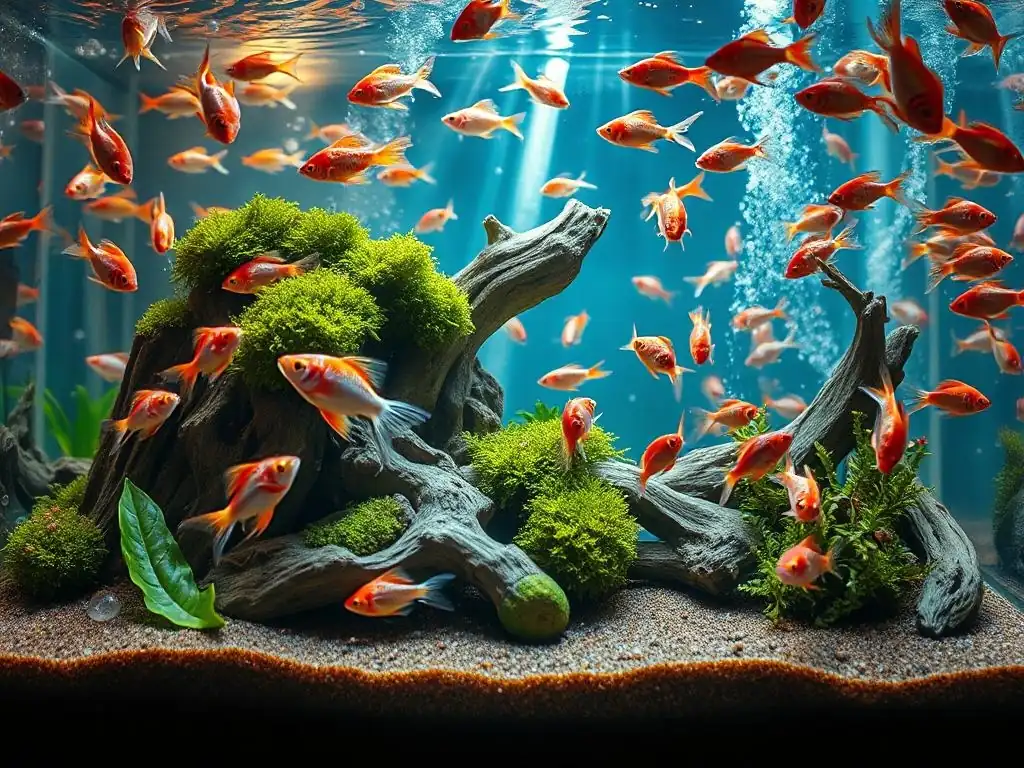
Welcome to Aquarium Mastery!
Ever been captivated by the tiny, shimmering jewels of the aquarium world? Dwarf Rasboras are a fantastic choice for a nano tank, but are they right for your setup? Dive in and discover everything you need to know about Dwarf Rasbora care and whether these miniature marvels can thrive in your aquatic haven. Let's unlock the secrets to a thriving nano ecosystem together!
- Understanding the Allure of Dwarf Rasboras for Nano Aquariums
- Dwarf Rasbora Care: Essential Guidelines for a Thriving School
- Dwarf Rasbora Tank Mates: Choosing Compatible Species for a Community Tank
- Identifying and Addressing Common Dwarf Rasbora Diseases
- Breeding Dwarf Rasboras: A Guide to Spawning Boraras maculatus
- Sourcing Healthy Dwarf Rasboras: Selecting Quality Specimens
- Enhancing Your Nano Tank with Dwarf Rasboras: Aesthetic Considerations
- Troubleshooting Common Problems with Dwarf Rasboras in Nano Tanks
- Dwarf Rasbora: A Comprehensive Guide to Boraras maculatus in Nano Aquariums
-
Frequently Asked Questions
- What are the ideal tank size and water parameters for keeping Dwarf Rasboras?
- What is the best diet for Dwarf Rasboras to ensure their vibrant coloration and health?
- How many Dwarf Rasboras should I keep together, and what tank mates are suitable?
- What are some common health issues that Dwarf Rasboras might face, and how can I prevent them?
- What kind of aquascaping and plants do Dwarf Rasboras prefer in their tank environment?
- Final Reflection: Appreciating the Miniature Marvels
- Ignite Your Nano Aquarium's Sparkle!
Understanding the Allure of Dwarf Rasboras for Nano Aquariums
Why Choose Dwarf Rasboras for Your Small Tank?
Dwarf Rasboras, scientifically known as Boraras maculatus, are exceptionally well-suited for nano aquariums primarily due to their incredibly diminutive size. Adults typically reach a maximum length of only 0.6 to 0.8 inches (approximately 1.5 to 2 centimeters), making them one of the smallest fish species available in the aquarium hobby.
This small stature translates directly into a minimal bioload, meaning they produce very little waste, which is a critical factor for maintaining stable water parameters in the confined volume of a nano tank. Furthermore, their inherently peaceful disposition ensures they will not harass or stress other small inhabitants, nor will they outgrow their environment.
Beyond their practical advantages, Dwarf Rasboras offer significant aesthetic appeal. Despite their tiny size, they boast surprisingly vibrant colors, often displaying striking patterns of red or orange with distinct black spots, which truly pop against a lush, planted backdrop.
Their schooling behavior is another captivating trait; when kept in appropriate numbers (a minimum of 6-8 individuals), they move together in a synchronized dance, adding dynamic movement to the smallest of setups. Unlike some larger species, they are not prone to uprooting plants or disturbing delicate aquascapes, making them an ideal choice for dedicated planted dwarf rasbora care nano tank enthusiasts.
The Growing Popularity of Nano Tanks and the Dwarf Rasbora's Role
The aquarium hobby has seen a significant surge in the popularity of nano tanks, typically defined as aquariums under 20 gallons, with many popular setups ranging from 5 to 10 gallons. This trend is driven by several factors, including limited living space in modern homes, the desire for a low-maintenance hobby (though nano tanks require precise care), and the artistic appeal of creating intricate, miniature aquatic ecosystems. Nano tanks offer a unique opportunity to focus on specific, smaller species and detailed aquascaping, providing a concentrated display of natural beauty.
In this burgeoning niche, the Dwarf Rasbora plays a pivotal role, almost perfectly embodying the ideal nano tank inhabitant. Their small size means that even a 5-gallon tank can comfortably house a small school, allowing for their natural schooling behaviors to be observed without overcrowding.
They are often featured as the centerpiece fish in award-winning nano aquascapes, their bright colors and active schooling providing a focal point in a compact display. The symbiotic relationship between the tiny fish and the small tank is undeniable: nano tanks provide an intimate stage for Boraras maculatus to thrive, while the Dwarf Rasbora elevates the nano tank from a mere container of water to a vibrant, living piece of art, showcasing exemplary dwarf rasbora care nano tank principles.
Dwarf Rasbora Care: Essential Guidelines for a Thriving School
Optimal Water Parameters for Dwarf Rasbora Health
Maintaining Water Quality for Boraras maculatus
Maintaining pristine and stable water quality is paramount for the health and longevity of Boraras maculatus. These fish originate from blackwater environments in Southeast Asia, which are characterized by soft, acidic water. To replicate this, aim for a pH range of 5.0 to 7.0, with an ideal target between 6.0 and 6.5.
Water hardness (GH) should be kept very low, ideally between 3-8 dGH (50-140 ppm), and carbonate hardness (KH) between 0-5 dKH (0-90 ppm). Regular water testing with a reliable liquid test kit is essential to monitor ammonia, nitrite, and nitrate levels. Ammonia and nitrite should always be undetectable (0 ppm), while nitrates should be kept below 10-20 ppm through consistent maintenance.
To achieve and maintain these conditions, a mature biological filter is crucial. Sponge filters are often recommended for dwarf rasbora care nano tank setups due to their gentle flow and excellent biological filtration capabilities, which are less likely to stress these small fish. Regular, small water changes are far more beneficial than infrequent large ones.
A 10-15% water change weekly using dechlorinated water that matches the tank's temperature and parameters will help dilute nitrates and replenish essential minerals. Incorporating live plants, such as Java Moss or Anubias nana, also aids in nutrient absorption and provides additional biological filtration, contributing to a stable and healthy environment for your Boraras maculatus.
Ideal Temperature Range for Dwarf Rasboras
The ideal temperature range for Dwarf Rasboras is between 72-79°F (22-26°C). Maintaining a consistent temperature within this range is critical for their metabolic functions, immune system, and overall well-being. Fluctuations in temperature can cause significant stress, making them more susceptible to disease and reducing their lifespan. Given the small water volume of nano tanks, they are particularly prone to rapid temperature swings due to ambient room temperature changes.
To ensure stable temperatures, a small, reliable aquarium heater with a thermostat is highly recommended for any dwarf rasbora care nano tank setup. Position the heater where water circulation is good to ensure even heat distribution. Monitoring the temperature daily with an accurate thermometer is a simple but effective way to prevent issues. Temperatures below 72°F can lead to lethargy, reduced appetite, and a compromised immune system, while temperatures above 79°F can decrease dissolved oxygen levels and accelerate their metabolism, leading to a shorter lifespan and increased stress. Consistency is key to a thriving school of Boraras maculatus.
Feeding Your Dwarf Rasboras: Diet and Nutritional Needs
Best Food Choices for Boraras maculatus
Dwarf Rasboras are micro-predators in their natural habitat, primarily consuming tiny invertebrates and zooplankton. In the aquarium, their diet should mimic this, focusing on high-quality, small-particle foods that fit their tiny mouths. Finely crushed high-quality flake food, such as Hikari Micro Pellets or New Life Spectrum Small Fish Formula, should form the staple of their diet. Ensure the food is specifically designed for small fish and is rich in protein and essential nutrients. Varying their diet is crucial for comprehensive nutrition and to stimulate their natural feeding behaviors.
Supplementing their dry food with live or frozen options is highly beneficial. Excellent choices include newly hatched brine shrimp (Artemia nauplii), daphnia, cyclops, and microworms. These live foods are packed with nutrients and are perfectly sized for Boraras maculatus. Frozen varieties of these foods are also good alternatives if live cultures are not feasible. For instance, a frozen cyclops cube, once thawed and strained, provides excellent enrichment. Providing a varied diet not only ensures they receive all necessary vitamins and minerals but also enhances their coloration and overall vitality, contributing significantly to optimal dwarf rasbora care nano tank practices.
Feeding Frequency and Portion Control for Small Fish
Due to their small size and rapid metabolism, Dwarf Rasboras benefit from frequent, small feedings rather than one large meal. It is recommended to feed them 2-3 times a day, offering only what they can consume within 2-3 minutes. Their tiny stomachs cannot hold large quantities of food, and overfeeding is one of the most common mistakes in nano tanks, leading to severe water quality issues. A pinch of crushed flakes or a few drops of liquid fry food, for example, might be sufficient for a small school.
Strict portion control is vital to prevent uneaten food from decomposing and polluting the water, which can rapidly lead to dangerous ammonia and nitrite spikes in a small dwarf rasbora care nano tank. Observe your fish during feeding; if food remains after a few minutes, you are feeding too much. If they consume everything instantly and appear to be still searching, you might need to slightly increase the portion. A consistent feeding schedule and careful observation of their appetite will ensure they are well-nourished without compromising water quality, which is fundamental to long-term health.
Tank Size and Setup: Creating the Perfect Nano Habitat
Minimum Tank Size Requirements for a School of Dwarf Rasboras
While incredibly small, Dwarf Rasboras are schooling fish and thrive when kept in groups. For a minimum school of 6-8 individuals of Boraras maculatus, a 5-gallon (approximately 19 liters) aquarium is often considered the absolute smallest acceptable size. However, for better water stability, more active schooling behavior, and the ability to keep a slightly larger group (e.g., 10-12 individuals), a 10-gallon (approximately 38 liters) tank is highly recommended. The larger volume provides a more forgiving environment for maintaining stable water parameters and offers more swimming space.
When considering tank size for dwarf rasbora care nano tank setups, the footprint of the tank is often more important than its depth. A longer, shallower tank provides more horizontal swimming space for the schooling fish to display their natural behaviors, which is more beneficial than a tall, narrow tank. While a 5-gallon can sustain them, a 10-gallon tank significantly enhances their quality of life, allowing for a more robust school and a more diverse aquascape, leading to a much more rewarding experience for the aquarist.
Essential Tank Decorations and Substrate for Dwarf Rasboras
To create an optimal habitat for Dwarf Rasboras, replicate their natural environment, which typically consists of heavily vegetated, slow-moving blackwater streams. A fine-grained substrate like sand or very fine gravel is ideal, as it protects their delicate barbels if they forage along the bottom. The most critical element for their well-being is dense planting, providing ample hiding spots and areas of security. Plants like Java Moss ( Taxiphyllum barbieri), Christmas Moss ( Vesicularia montagnei), Anubias nana, and various stem plants such as Rotala species are excellent choices.
Incorporating natural botanicals like Indian almond leaves (catappa leaves) or alder cones is highly beneficial. These items slowly release tannins into the water, creating a natural blackwater effect that mimics their native habitat and has mild antiseptic properties, further enhancing dwarf rasbora care nano tank conditions. Driftwood and smooth river stones can also be used to create visual interest and additional hiding spots. These elements not only contribute to a naturalistic and aesthetically pleasing aquascape but also reduce stress levels, encouraging the Boraras maculatus to exhibit their full range of natural behaviors and vibrant coloration.
Dwarf Rasbora Tank Mates: Choosing Compatible Species for a Community Tank
Ideal Tank Mates for Dwarf Rasboras in a Nano Aquarium
Peaceful Community Fish that Thrive with Boraras maculatus
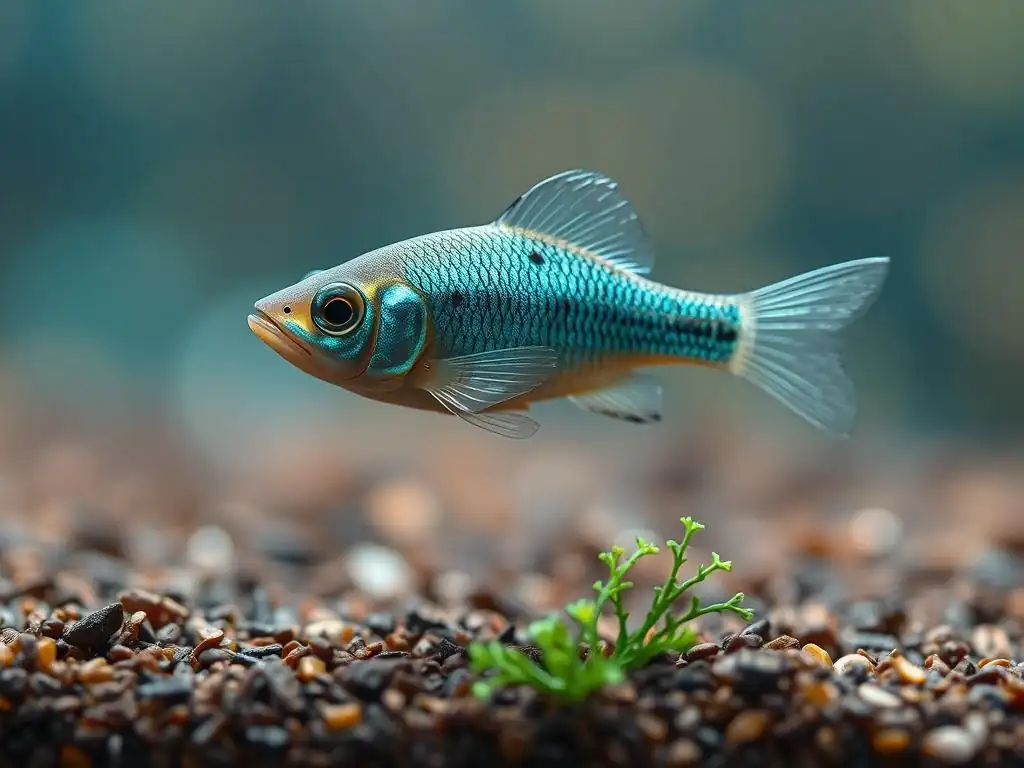
When selecting tank mates for Dwarf Rasboras in a nano aquarium, the primary rule is to choose only extremely peaceful, small, and non-competitive species. Boraras maculatus are timid and can easily be outcompeted for food or stressed by larger, faster, or more boisterous fish. Ideal tank mates often include other tiny, gentle species that occupy different levels of the water column. Excellent choices include Pygmy Corydoras ( Corydoras pygmaeus or Corydoras hastatus), which are bottom-dwellers, and Otocinclus catfish, which are small algae eaters.
Invertebrates are also fantastic companions. Small, peaceful shrimp species like Neocaridina (e.g., Cherry Shrimp, Blue Dream Shrimp) or Caridina (e.g., Amano Shrimp) can coexist harmoniously with Dwarf Rasboras. These shrimp are detritivores, helping to keep the tank clean, and their small size means they pose no threat to the rasboras. When considering any tank mate, ensure their water parameter requirements (pH, hardness, temperature) closely match those of Boraras maculatus to ensure a healthy and thriving dwarf rasbora care nano tank community for all inhabitants.
Fish to Avoid: Incompatible Tank Mates for Dwarf Rasboras
It is crucial to avoid any fish that are larger, even mildly aggressive, or simply too fast and boisterous for the timid Dwarf Rasboras. Many common aquarium fish, even those considered "small," can be problematic.
This includes most species of tetras (such as Neon Tetras or Cardinal Tetras, which are much larger and more active), many types of livebearers like Guppies or Platies (which can be fin-nippers or outcompete for food), and certainly any cichlids. Betta fish are generally not recommended as tank mates; while some individual Bettas may be peaceful, their predatory nature and potential for aggression are too high a risk for such tiny fish.
The risks associated with incompatible tank mates are significant. Larger or more dominant fish can stress Boraras maculatus to the point where they become withdrawn, refuse to eat, and eventually succumb to stress-related illnesses. They may also be seen as a food source by predatory species. Even if not directly attacked, constant competition for food can lead to malnourishment. Ensuring a safe and calm environment by avoiding these incompatible species is a cornerstone of successful dwarf rasbora care nano tank management, guaranteeing the well-being of your delicate school.
Identifying and Addressing Common Dwarf Rasbora Diseases
Recognizing Signs of Illness in Dwarf Rasboras
Common Diseases Affecting Boraras maculatus
Recognizing the early signs of illness in Dwarf Rasboras is crucial for prompt treatment and preventing the spread of disease within your nano tank. Due to their small size, changes in behavior or appearance can be subtle but significant.
Common signs of distress or illness include lethargy (unusual inactivity), clamped fins (fins held close to the body), loss of vibrant coloration (appearing faded or dull), labored breathing (rapid gill movements), or unusual swimming patterns (darting, spiraling, or difficulty maintaining buoyancy). Physical symptoms might include white spots (Ich), fuzzy white growths (fungus), ragged or deteriorating fins (fin rot), or visible lesions and sores.
The most common diseases affecting Boraras maculatus are often linked to poor water quality or stress. Ich ( Ichthyophthirius multifiliis) presents as small, white spots resembling salt grains on the body and fins. Fin Rot, often bacterial, causes fins to appear frayed and may progress to the body. Columnaris, a bacterial infection, can manifest as cotton-like growths around the mouth or body. Fungal infections also appear as white, fuzzy patches. Early detection is key; any deviation from normal behavior or appearance warrants immediate investigation, as proactive dwarf rasbora care nano tank management is vital for disease prevention.
Treatment Options for Sick Dwarf Rasboras
Upon identifying a sick Dwarf Rasbora, the first step is often to isolate the affected fish in a separate quarantine tank, if possible, to prevent the spread of disease to the rest of the community. Before resorting to medications, thoroughly test your main tank's water parameters (ammonia, nitrite, nitrate, pH, temperature) as poor water quality is the most frequent cause of stress and illness. Performing a 25-50% water change in the main tank can often alleviate immediate stress and improve conditions.
For common ailments:
- Ich: Gradually increase the tank temperature to 82-84°F (28-29°C) over 24 hours (if compatible with tank mates), and use an Ich-specific medication such as API Ich Cure or Seachem Paraguard. Follow dosage instructions carefully.
- Fin Rot/Bacterial Infections: Broad-spectrum antibacterial medications like Seachem KanaPlex or API General Cure are often effective.
- Fungal Infections: Antifungal treatments like API Fungus Cure can be used.
- Stress/General Malaise: Improving water quality through small, frequent water changes (e.g., 10-15% daily) and ensuring optimal dwarf rasbora care nano tank parameters (temperature, pH, GH) are often the most effective "treatments" for overall health. Always remove activated carbon from filters before administering medication, as it will absorb the treatment.
Breeding Dwarf Rasboras: A Guide to Spawning Boraras maculatus
Creating a Breeding Setup for Dwarf Rasboras
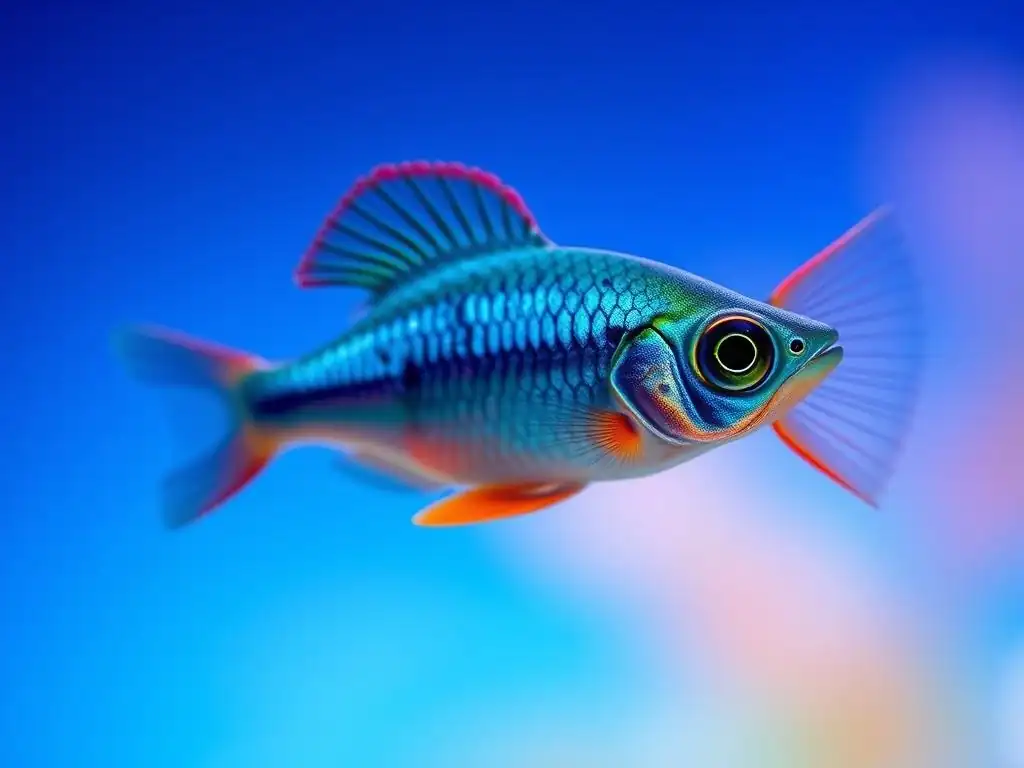
Breeding Dwarf Rasboras, while challenging due to their small size and the fragility of their eggs and fry, is a rewarding endeavor. A dedicated breeding setup significantly increases success rates. A small 2-3 gallon (7.5-11 liters) tank is ideal for a single breeding pair or a small group (trio: one male, two females).
The tank should be bare-bottom or have a very thin layer of dark sand to make eggs visible. Crucially, fill the tank with a generous amount of fine-leaved plants like Java Moss, Christmas Moss, or a spawning mop made of yarn. These provide the substrate for the fish to lay their adhesive eggs.
The water parameters for breeding should be even softer and more acidic than their typical living conditions, mimicking their natural breeding grounds. Aim for a pH of 5.5-6.5 and very soft water (GH < 5 dGH, KH < 1 dKH). Use RO water remineralized to achieve these parameters. The temperature should be slightly elevated to 78-80°F (25-27°C).
A small, gentle sponge filter is essential for aeration and minimal filtration, preventing the fry from being sucked up. Dim lighting is also preferred. Conditioning the prospective parents with high-quality live foods, such as newly hatched brine shrimp or daphnia, for several days prior to introduction to the breeding tank will encourage spawning and improve egg viability, showcasing advanced dwarf rasbora care nano tank breeding techniques.
Spawning Behavior and Raising Fry
Caring for Dwarf Rasbora Fry
Dwarf Rasboras are egg scatterers, and spawning typically occurs in the early morning hours, often at dawn. The male will chase the female through the plants or spawning mop, where she will scatter tiny, adhesive eggs, usually between 30 to 50 per spawn, though some prolific pairs can lay up to 100. The eggs are semi-adhesive and will stick to the plant leaves or mop fibers. Once spawning is observed or suspected, the adult fish should be removed promptly, as they are opportunistic egg eaters and will consume their own progeny.
The eggs of Boraras maculatus are highly sensitive to light and fungal infections. It is advisable to keep the breeding tank dimly lit or even dark for the first 24-48 hours. Eggs typically hatch within 24-48 hours, depending on temperature. The fry are incredibly tiny, almost microscopic, and will remain sac-bound for another 3-5 days, absorbing their yolk sac.
Once free-swimming, their first food must be even tinier: infusoria, liquid fry food, or green water are essential for the first week. After about a week, they can graduate to newly hatched brine shrimp nauplii or microworms. Frequent, tiny water changes (e.g., 5-10% daily or every other day) using temperature-matched, dechlorinated water are critical for fry development, as they are extremely sensitive to water quality fluctuations. This meticulous attention to detail is the hallmark of successful dwarf rasbora care nano tank breeding.
Sourcing Healthy Dwarf Rasboras: Selecting Quality Specimens
Finding Reputable Breeders and Aquarium Stores
Sourcing healthy Dwarf Rasboras is the foundational step to successful dwarf rasbora care nano tank keeping. It is paramount to purchase your fish from reputable breeders or dedicated aquarium stores that prioritize fish health and welfare. Avoid stores with visibly dirty tanks, dead fish in any of their displays, or fish showing obvious signs of disease (e.g., Ich, fin rot, lethargy). A good indicator of a quality establishment is clean tanks, active and vibrant fish, and knowledgeable staff who can answer questions about their fish's origin, diet, and care requirements.
Specialized aquatic stores or online reputable breeders often provide higher quality fish that are less stressed and healthier upon arrival. Inquire about their quarantine procedures; a responsible dealer will quarantine new arrivals for at least a week, sometimes two, before making them available for sale. This practice significantly reduces the risk of introducing diseases or parasites into your home aquarium. Investing a little extra time and possibly money into sourcing from a reliable vendor will save you considerable trouble and potential heartbreak down the line.
What to Look for When Purchasing Dwarf Rasboras
When you are ready to purchase your Dwarf Rasboras, take the time to observe the fish carefully in their holding tank. Look for a school that is actively swimming and exhibiting natural schooling behavior. Healthy Boraras maculatus will display vibrant, clear coloration appropriate for their species – typically a strong red or orange with distinct black markings. Their fins should be fully extended, intact, and free from any tears, nips, or white/fuzzy growths. Their eyes should be clear and bright, not cloudy or sunken.
Avoid any fish that appear lethargic, are hiding excessively, are gasping at the surface, or are breathing rapidly. Also, steer clear of individuals with clamped fins, white spots (a sign of Ich), ragged fins (fin rot), or any visible lesions or deformities. It's also beneficial to observe them during feeding if possible; healthy fish will eagerly take food. A thorough visual inspection ensures you select the most robust specimens, setting a strong foundation for your dwarf rasbora care nano tank and minimizing the risk of introducing diseases to your existing setup.
Enhancing Your Nano Tank with Dwarf Rasboras: Aesthetic Considerations
Aquascaping Ideas for a Dwarf Rasbora Habitat
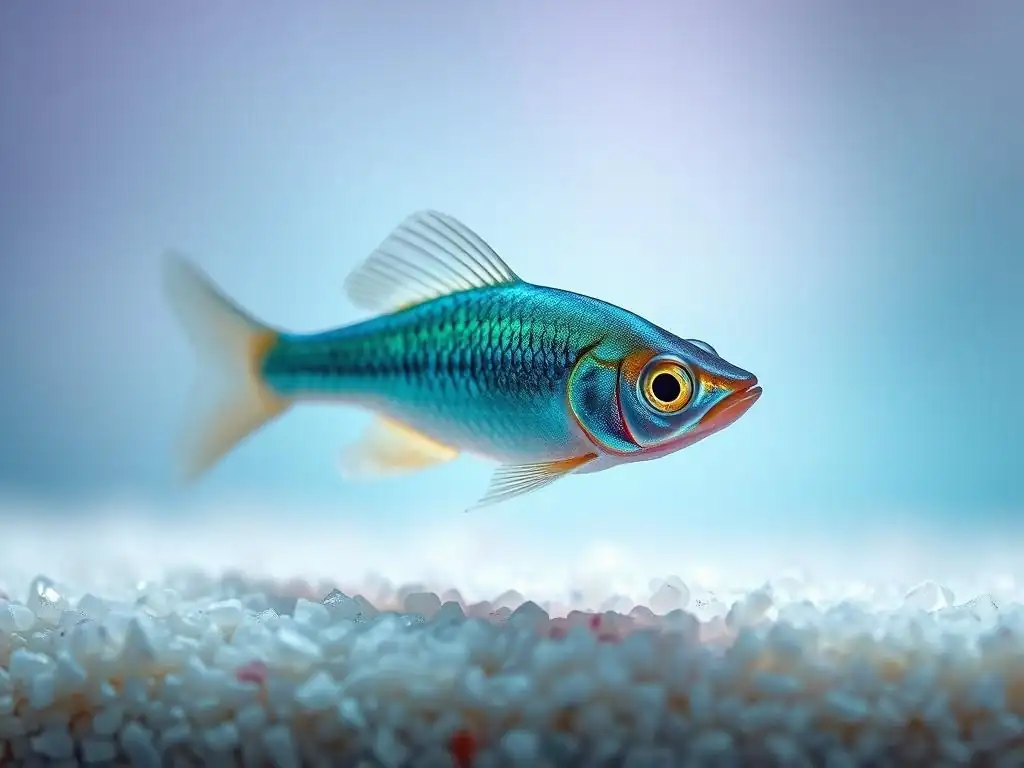
Creating an aesthetically pleasing aquascape for your Dwarf Rasboras not only enhances the visual appeal of your nano tank but also provides a stimulating and secure environment for the fish. A naturalistic "jungle" or "blackwater" theme is particularly suitable, mimicking their native habitats. Utilize plenty of live plants, particularly fine-leaved varieties, to create dense areas of cover. Consider using driftwood branches and smooth, dark river stones to form naturalistic structures and hiding spots. These elements provide visual breaks and encourage the fish to explore.
While dense planting is crucial, ensure there are also open swimming spaces in the middle and front of the tank. This allows the Boraras maculatus to display their natural schooling behavior, which is one of their most captivating traits. Incorporating botanicals like Indian almond leaves or alder cones not only introduces beneficial tannins, giving the water a subtle amber tint that enhances the fish's coloration, but also creates a more authentic blackwater aesthetic. A well-designed aquascape elevates the dwarf rasbora care nano tank from a simple enclosure to a dynamic, living piece of art.
Plant Selection to Complement Boraras maculatus
The choice of plants is paramount for a Dwarf Rasbora nano tank, serving both aesthetic and functional purposes. Fine-leaved plants are essential as they provide the dense cover and security these tiny fish crave. Excellent choices include various mosses, such as Java Moss ( Taxiphyllum barbieri) and Christmas Moss ( Vesicularia montagnei), which can be tied to driftwood or rocks to create lush carpets or bushes. Stem plants like Rotala species (e.g., Rotala rotundifolia, Rotala 'Green') and Ludwigia species provide vertical interest and can be grown densely to form hiding thickets.
For foreground and midground interest, consider small carpeting plants like Monte Carlo ( Micranthemum tweediei) or Dwarf Hairgrass ( Eleocharis parvula), which create a natural substrate. Anubias nana and Bucephalandra species are also highly recommended; these slow-growing plants are robust, require minimal light, and can be attached to hardscape elements, providing broad leaves for the rasboras to rest upon. Proper plant selection not only enhances the visual appeal of your dwarf rasbora care nano tank but also contributes to water quality by absorbing nitrates and providing oxygen, creating a balanced and thriving ecosystem.
Troubleshooting Common Problems with Dwarf Rasboras in Nano Tanks
Addressing Water Quality Issues
Water quality issues are by far the most common problem encountered in dwarf rasbora care nano tank setups, and they are often the root cause of stress and disease in Boraras maculatus. Signs of poor water quality include lethargy, gasping at the surface, clamped fins, lack of appetite, or sudden, unexplained deaths. The first and most crucial step when any of these signs appear is to immediately test your water parameters for ammonia, nitrite, nitrate, and pH using a reliable liquid test kit.
If ammonia or nitrite are detected (they should always be 0 ppm), or if nitrates are excessively high (above 20 ppm), an immediate emergency water change of 25-50% is necessary, using dechlorinated, temperature-matched water. Following this, reduce feeding to a bare minimum for a few days and increase the frequency of smaller water changes (e.g., 10-20% daily or every other day) until parameters stabilize. Ensure your filter is functioning correctly and performing regular maintenance, such as rinsing filter media in old tank water.
Overfeeding is a common culprit for water quality degradation in nano tanks, so adjust feeding portions accordingly. Consistent monitoring and proactive water changes are the best defense against water quality problems in a dwarf rasbora care nano tank.
Resolving Aggression or Stress in Dwarf Rasboras
While Dwarf Rasboras are known for their peaceful nature, they can exhibit signs of stress or mild aggression if their environment or social structure is inadequate. Common indicators of stress include constant hiding, faded coloration, darting frantically, or individual fish nipping at each other. This often occurs when they are kept in too small a group (fewer than 6-8 individuals), leading to increased individual stress and a breakdown of their natural schooling behavior. Incompatible tank mates, even if not directly aggressive, can also cause significant stress by being too large, fast, or dominant.
To resolve aggression or stress, the primary solution is to ensure the school size is adequate. Increasing the number of Boraras maculatus to 10-12 individuals, if the tank size allows (ideally 10 gallons or larger), will significantly enhance their schooling behavior and distribute any social stress among more individuals, making them feel more secure. Re-evaluate your choice of tank mates and remove any species that are clearly causing intimidation or competition.
Additionally, ensure your aquascape provides plenty of dense planting and hiding spots, allowing the fish to retreat when they feel threatened. A well-designed and appropriately stocked dwarf rasbora care nano tank fosters a calm and thriving environment.
Dwarf Rasbora: A Comprehensive Guide to Boraras maculatus in Nano Aquariums
The Long-Term Rewards of Keeping Dwarf Rasboras
Keeping Dwarf Rasboras ( Boraras maculatus) in a nano aquarium offers a uniquely rewarding experience for aquarists. Their captivating schooling behavior, vibrant yet delicate coloration, and incredibly small bioload make them perfectly suited for compact living spaces, transforming a small glass box into a dynamic, miniature ecosystem. With diligent adherence to proper dwarf rasbora care nano tank principles—including stable, soft, and acidic water parameters, a varied diet of tiny foods, and a densely planted habitat—these tiny wonders can thrive for an impressive 3 to 5 years, providing continuous enjoyment.
The long-term rewards extend beyond their aesthetic appeal. Successfully maintaining a healthy school of Boraras maculatus demonstrates a mastery of precision aquarium keeping, especially given the inherent challenges of stability in nano volumes.
Their resilience, when provided with optimal conditions, and their charming interactions within a meticulously crafted environment make them a favorite among enthusiasts dedicated to creating living works of art. For anyone seeking to explore the intricate world of nano aquariums, the Dwarf Rasbora stands as a testament to the beauty and complexity that can be achieved within a small footprint, embodying the pinnacle of thoughtful dwarf rasbora care nano tank management.
Frequently Asked Questions
What are the ideal tank size and water parameters for keeping Dwarf Rasboras?
Dwarf Rasboras thrive in nano tanks, ideally 5-10 gallons. They prefer slightly acidic water with a pH of 6.0-7.0, a temperature of 72-78°F, and soft water conditions.
What is the best diet for Dwarf Rasboras to ensure their vibrant coloration and health?
They require a varied diet consisting of small, high-quality flakes, micro pellets, and live or frozen foods like daphnia and brine shrimp. Regular feedings ensure optimal health and color.
How many Dwarf Rasboras should I keep together, and what tank mates are suitable?
Dwarf Rasboras are shoaling fish and should be kept in groups of at least 6. Suitable tank mates include other peaceful nano fish and invertebrates like shrimp and snails.
What are some common health issues that Dwarf Rasboras might face, and how can I prevent them?
Common issues include ich and fin rot, often caused by poor water quality. Preventative measures include regular water changes, proper filtration, and avoiding overstocking.
What kind of aquascaping and plants do Dwarf Rasboras prefer in their tank environment?
They appreciate a well-planted tank with plenty of hiding places. Use fine-leaved plants and driftwood to create a natural environment that mimics their native habitat and reduces stress.
Final Reflection: Appreciating the Miniature Marvels
The journey into the world of Dwarf Rasboras, as explored in this article, underscores the growing appreciation for biologically diverse and aesthetically pleasing nano aquariums. While the practical aspects of Boraras maculatus care are crucial for their well-being, the broader impact lies in the shift towards mindful and sustainable aquascaping, bringing a slice of the natural world into our homes in a responsible manner.
The allure of these tiny wonders extends beyond their vibrant colors and playful behavior. It represents a deeper connection with nature, a reminder of the delicate balance within ecosystems, and a testament to the beauty that can be found in the smallest of creatures. As we learn to cultivate thriving nano tanks, we also cultivate a greater understanding and respect for the aquatic world. In nature, nothing is perfect and everything is perfect. Trees can be contorted, bent in weird ways, and they're still beautiful.
- Alice Walker. This quote perfectly encapsulates the beauty found even in the smallest, most unique aspects of our natural world, like the Dwarf Rasbora.
Now, as you consider the information shared about Dwarf Rasbora care and the potential of nano tanks, I invite you to reflect on your own role in preserving aquatic biodiversity. Whether you choose to create your own miniature ecosystem or simply share your newfound knowledge, remember that every small action contributes to a larger movement. Embrace the opportunity to learn, to connect, and to contribute to the well-being of these tiny wonders, ensuring their beauty and resilience for generations to come.
Ignite Your Nano Aquarium's Sparkle!
Thank you for exploring the captivating world of Dwarf Rasboras! We hope you've discovered the joy these tiny wonders can bring to your nano aquarium. Ready to take the next step?
Here’s how you can bring the magic home:
- Boldly begin setting up your dream nano tank specifically designed for these dazzling fish! Research compatible plants, substrate, and tank mates.
- Share your newfound knowledge! Inspire fellow aquarium enthusiasts by posting photos and tips about Dwarf Rasboras on social media.
- Surprise yourself: Design a mini aquascape dedicated to showcasing the unique coloration of your Rasboras - experiment with dark backgrounds and contrasting plants!
What's the first tiny detail you'll focus on to create a mesmerizing haven for your Dwarf Rasboras?