
The Impact of Tank Layout and Decor on Schooling Cyprinid Behavior

Welcome to Aquarium Mastery!
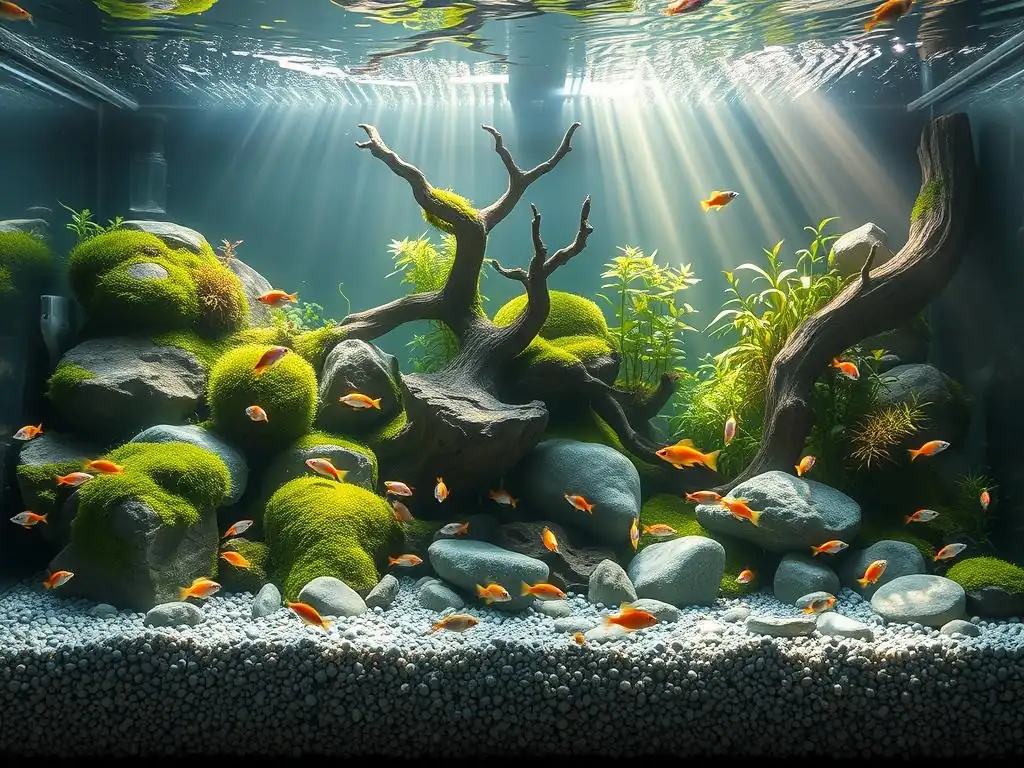
Ever wondered how the perfect tank layout can unlock the full, mesmerizing potential of your schooling cyprinids? Dive in! Our deep dive into Schooling Cyprinid tank layout explores how strategic decor and thoughtful design can dramatically impact their behavior and overall well-being. Prepare to transform your freshwater aquarium into a thriving, harmonious ecosystem!
Understanding Schooling Behavior in Cyprinids
The Importance of Schooling for Small Cyprinids
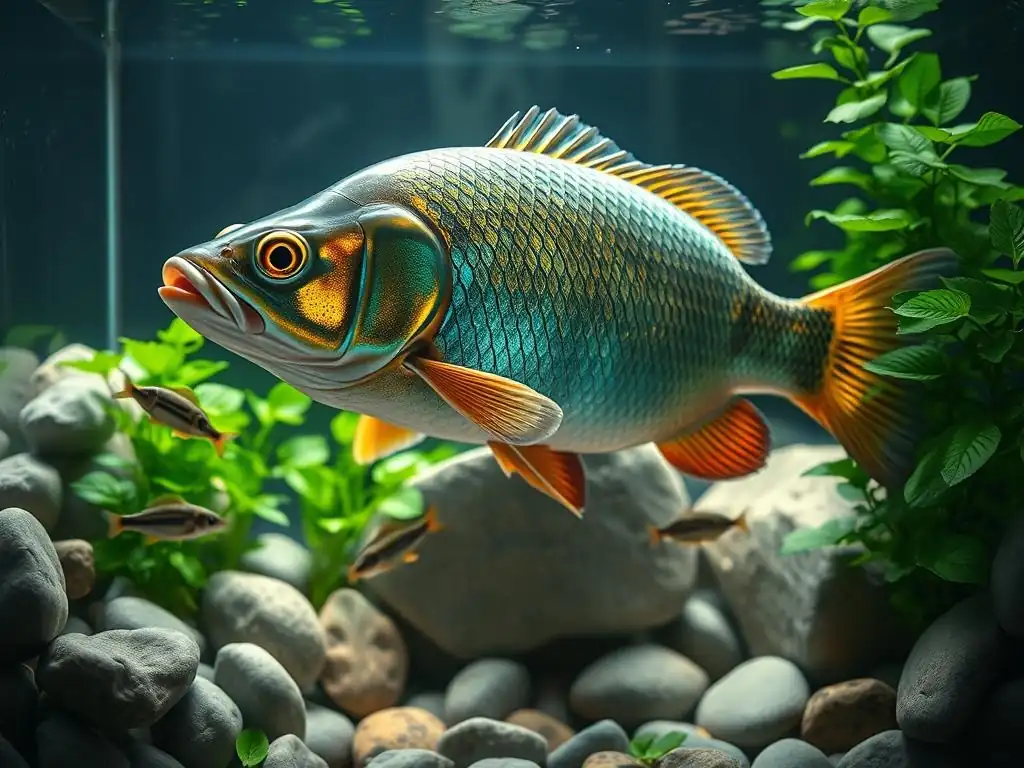
Schooling behavior in small cyprinids, such as Rasboras, Danios, and White Cloud Mountain Minnows, is a fundamental aspect of their natural ecology and survival strategy. This coordinated swimming in a tight group offers multiple benefits, primarily predator avoidance through confusion effects and increased vigilance.
For instance, a school of 20 Zebra Danios (Danio rerio) is far more intimidating and difficult for a predator to target than a single individual. Beyond defense, schooling also enhances foraging efficiency, allowing the group to locate food sources more effectively, and plays a role in reproductive success by facilitating mate selection within the safety of the collective.
Maintaining a proper schooling cyprinid tank layout is crucial for these fish to exhibit their natural behaviors and thrive. When kept in insufficient numbers or in an improperly designed environment, these species often become stressed, exhibit shy or erratic swimming patterns, and may even become aggressive towards each other.
To truly observe the mesmerizing, synchronized movements characteristic of a healthy school, it is generally recommended to keep a minimum of six to eight individuals of a given species, with larger groups of 10-15 or more often resulting in more pronounced and stable schooling. This robust schooling behavior is a clear indicator of well-being and security within their aquatic home.
Natural Habitat Influences on Schooling Fish
The schooling patterns and overall behavior of small cyprinids are heavily influenced by the characteristics of their natural habitats. Species like the Harlequin Rasbora (Trigonostigma heteromorpha) typically inhabit slow-moving, often acidic blackwater streams and peat swamps in Southeast Asia, where dense vegetation and submerged roots provide ample cover and break up open spaces. In contrast, the popular Zebra Danio (Danio rerio) originates from the faster-flowing streams and rice paddies of India, characterized by open water sections interspersed with rocky areas and marginal vegetation. These differing environments dictate how the fish utilize space and interact with their surroundings.
Replicating elements of these natural habitats in a schooling cyprinid tank layout is paramount for successful long-term care. For example, a tank designed for Harlequin Rasboras might feature dense planting along the back and sides, with open swimming areas in the front, mimicking their preference for cover. Conversely, a layout for Zebra Danios might incorporate more open water, a stronger current, and smoother stones to reflect their riverine origins. Understanding these natural influences allows aquarists to create a schooling cyprinid tank layout that encourages robust schooling, reduces stress, and promotes the overall health and vibrancy of these fascinating fish.
Frequently Asked Questions
What is a schooling cyprinid and why is tank layout important for them?
Schooling cyprinids are social fish that thrive in groups. A proper tank layout is crucial because it directly impacts their sense of security and natural behaviors.
How does open swimming space affect schooling cyprinids?
Ample open swimming space allows cyprinids to maintain their school effectively and reduce stress. A cramped tank can lead to aggression and weakened immune systems.
What type of decor is best for a Schooling Cyprinid tank?
A combination of open swimming areas, dense vegetation, and hiding spots is ideal. This provides both security and opportunities for natural exploration and social interaction.
Can the wrong substrate impact schooling cyprinid behavior?
Yes, a substrate that reflects too much light or is too bright can stress the fish. Darker substrates often mimic their natural environment and help reduce skittishness.
How does water flow influence schooling cyprinids?
Moderate water flow is generally preferred, mimicking the natural currents of their native habitats. Strong currents can exhaust them, while stagnant water can lead to poor water quality.
Final Reflection: Cultivating Harmony in the Aquatic Realm
The insights gleaned from understanding the intricate relationship between tank layout and schooling cyprinid behavior resonate far beyond the confines of aquarium walls. In a world increasingly aware of the ethical considerations surrounding animal welfare, recognizing the profound impact of environmental design on even the smallest creatures underscores our responsibility to create spaces that foster well-being and natural expression. This understanding is not just about aesthetics; it's about providing an environment where these fascinating fish can thrive, exhibiting their natural schooling behaviors in a healthy and stress-free manner.
The study of schooling cyprinids and their response to tank environments has profoundly influenced how we perceive the role of aquariums, shifting the focus from mere display to active habitat creation. This shift acknowledges the sentience and complexity of these animals, prompting a deeper appreciation for their needs. In the end, we will conserve only what we love; we will love only what we understand; and we will understand only what we are taught.
- Baba Dioum. This quote perfectly encapsulates the importance of understanding the nuances of cyprinid behavior to foster a genuine connection and commitment to their well-being.
As you consider the principles outlined in this article regarding schooling cyprinid tank layout, I invite you to reflect on the broader implications of environmental design. Whether you're an aquarist, a designer, or simply an observer of the natural world, remember that even seemingly small changes can have a significant impact on the lives of others. Let us all strive to create environments, both aquatic and terrestrial, that nurture well-being, promote natural behaviors, and foster a deeper appreciation for the interconnectedness of all living things.
Spark Joy: Design Your Dream Schooling Cyprinid Tank!
Thanks for diving into the world of schooling cyprinids! We hope you've gained valuable insights into creating the perfect environment for these fascinating fish. Now, it's time to put that knowledge into action and transform your aquarium into a thriving ecosystem.
Here are a few things you can do right now:
- Redesign your tank layout. Experiment with different hardscape arrangements to observe how your cyprinids react.
- Share this article with fellow aquarium enthusiasts and compare your tank setups.
- Challenge yourself: Try introducing a single, subtle change to your decor each week and carefully document its effect on your cyprinid's schooling behavior.
What surprising changes have you observed in your schooling cyprinids after adjusting their tank layout or decor?