
The Great Debate: Are Crabs Reef Safe? A Comprehensive Guide

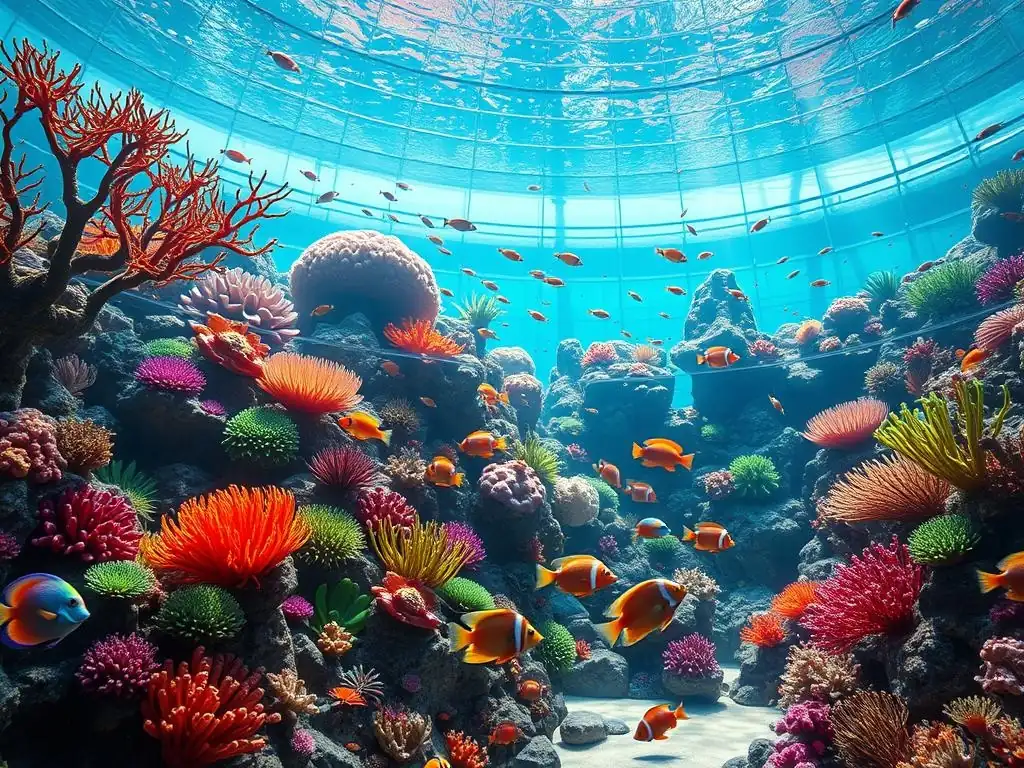
Welcome to Aquarium Mastery!
Dive into the fascinating world of reef aquariums, but beware – not all inhabitants are created equal! Thinking about adding a crab to your reef tank? You've come to the right place. This Reef Safe Crab Guide will unravel the mysteries surrounding these captivating creatures, helping you make informed decisions and avoid potential reef disasters. Curious to learn which crabs are friends and which are foes? Let's explore the captivating crustacean kingdom!
- Introduction: Navigating the Reef Aquarium Crab Conundrum
- Defining "Reef Safe": What Does It Really Mean for Crabs?
- The Usual Suspects: Common Crabs Considered (Potentially) Reef Safe
- The Problematic Crabs: Species to Avoid in Reef Aquariums
- Crab Behavior and Reef Tank Compatibility: Key Considerations
- Identifying Potential Risks: Signs of a Crab Causing Trouble in Your Reef
- Mitigation Strategies: Managing Crab Behavior in a Reef Tank
- Alternative Reef Clean-Up Crew Options: Beyond Crabs
- Making the Informed Decision: Is a Reef Safe Crab Guide Right For You?
- Conclusion: Balancing the Benefits and Risks of Reef Crabs
-
Frequently Asked Questions
- What does it mean for a crab to be considered "reef safe"?
- What are some examples of crab species that are generally considered reef safe?
- What are some potential dangers of adding crabs to a reef aquarium, even those marketed as "reef safe"?
- How can I minimize the risk of a crab harming my reef aquarium?
- Where can I find more in-depth information about specific crab species and their suitability for reef aquariums?
- Final Reflection: Navigating the Reef's Delicate Balance
- Dive Deeper: Shape Your Reef Tank's Future!
Understanding the Appeal and Risks of Keeping Crabs in Reef Tanks
Crabs hold a fascinating appeal for reef aquarists, offering unique behaviors, intricate forms, and often, a vital role in the clean-up crew. Species like the Emerald Crab (Mithrax sculptus) are highly sought after for their efficiency in consuming nuisance algae, particularly stubborn bubble algae (Valonia ventricosa), which can quickly overtake a reef tank. Their distinctive movements and often vibrant coloration add dynamic visual interest, transforming a static aquascape into a lively miniature ecosystem. Many aquarists are drawn to the idea of a self-sustaining tank where various invertebrates contribute to its health.
However, the allure of crabs in a reef environment comes with inherent risks. The term "reef safe" is often used loosely, and a crab that appears harmless for months can suddenly turn predatory or destructive. This unpredictability stems from their opportunistic nature; even a primarily herbivorous crab may nip at coral polyps if its preferred food source is scarce, or if it develops a taste for the coral's mucus.
Larger species, or even smaller ones as they grow, can inadvertently (or purposefully) knock over frag plugs, dislodge corals, or prey on other valuable invertebrates like snails and ornamental shrimp. The decision to introduce a crab requires careful consideration of these potential downsides.
AquariumMastery.com's Approach to Reef Invertebrate Compatibility
At AquariumMastery.com, our philosophy regarding reef invertebrate compatibility, especially concerning crabs, emphasizes meticulous research, species-specific knowledge, and diligent observation. We believe that an informed aquarist is a successful aquarist. Our goal is to provide a comprehensive reef safe crab guide that empowers hobbyists to make educated decisions, moving beyond generalized assumptions to understand the nuances of each species' behavior and dietary needs within a confined reef system.
It is crucial to understand that "reef safe" is not an absolute guarantee but rather a spectrum of likelihood. Even seemingly docile species can exhibit unexpected behaviors under specific tank conditions, such as insufficient feeding, overcrowding, or the presence of vulnerable inhabitants. This guide aims to equip you with the knowledge to minimize risks and identify potential issues early, recognizing that even expert aquarists face challenges in maintaining perfect harmony. Our approach prioritizes the long-term health and stability of your entire reef ecosystem above the novelty of any single inhabitant.
Defining "Reef Safe": What Does It Really Mean for Crabs?
Coral Health and Crab Behavior: A Delicate Balance
In the context of reef aquariums, "reef safe" generally signifies an animal that does not actively harm corals (be they Small Polyp Stony - SPS, Large Polyp Stony - LPS, or soft corals), other desirable invertebrates (like snails, shrimp, or clams), or fish. For crabs, this definition becomes particularly nuanced.
Even a crab not directly preying on corals can cause significant stress or damage through its mere presence and movement. For example, a heavy-bodied crab constantly walking across delicate SPS corals like Acropora can abrade their tissue, leading to recession or potential infection, even if it's not attempting to eat them.
The balance between a crab's natural behavior and coral health is indeed delicate. Many crabs are scavengers, and their foraging activities might lead them to pick at detritus accumulated on coral surfaces. While this can sometimes be beneficial, it poses a risk if the crab develops a taste for the coral's protective mucus layer or polyps themselves. Even minor nips can open corals to bacterial infections or parasitic infestations, especially for sensitive species like Montipora or Euphyllia. A truly reef safe crab guide must highlight these subtle yet significant interactions.
The Role of Crabs in a Reef Ecosystem: Natural vs. Captive Environments
In their natural marine habitats, crabs play diverse and often vital roles within reef ecosystems. Many species are detritivores, tirelessly consuming decaying organic matter, uneaten food, and algal films, thereby acting as essential clean-up crews. Others are specialized predators, controlling populations of worms or small crustaceans, while some form symbiotic relationships, like the tiny Gall Crabs (Hapalocarcinus marsupialis) living within coral galls or the Commensal Crabs (Trapezia spp.) protecting Acropora corals from predators. For instance, a scientific study published in Marine Ecology Progress Series in 2004 detailed how certain crab species contribute significantly to nutrient cycling by processing detritus.
However, the confined and artificial environment of a home aquarium can drastically alter these natural behaviors. A crab that primarily scavenges in the vast ocean, where food sources are varied and dispersed, might become an opportunistic predator in a tank if its natural diet is insufficient or if easier prey (like your prized snails or shrimp) becomes available.
The absence of natural predators, the consistency of feeding schedules, and the limited space can all contribute to behavioral shifts. Therefore, understanding a crab's wild role is a starting point, but it must be critically evaluated against the realities of a captive reef, a key component of any effective reef safe crab guide.
The Usual Suspects: Common Crabs Considered (Potentially) Reef Safe
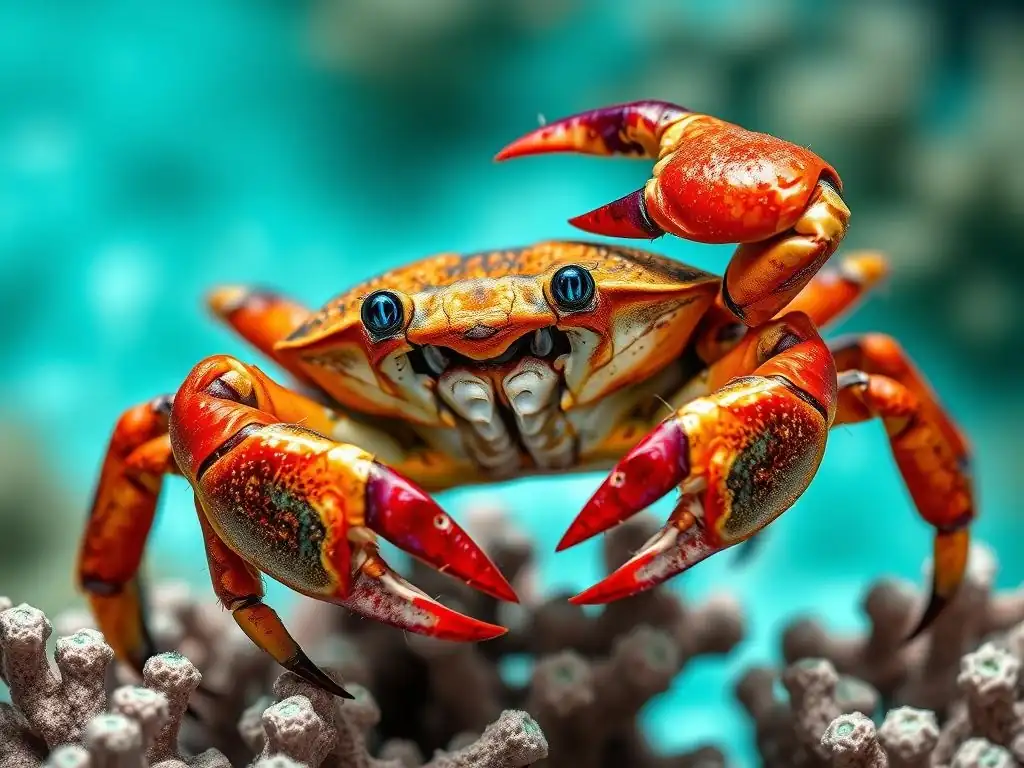
Emerald Crabs (Mithrax sculptus): Algae Eaters or Coral Nibblers?
Emerald Crabs (Mithrax sculptus) are one of the most frequently recommended crab species for reef aquariums, primarily celebrated for their voracious appetite for nuisance algae, especially bubble algae (Valonia ventricosa). These small crabs, typically reaching a carapace width of about 2 inches, are often observed meticulously picking at algae on live rock and tank glass. Their effectiveness in controlling persistent algal outbreaks has cemented their reputation as a valuable addition to many clean-up crews, with many aquarists reporting significant reductions in bubble algae within weeks of introduction.
Despite their positive reputation as algae eaters, Emerald Crabs are not without controversy. While generally herbivorous, anecdotal evidence from the reef keeping community suggests that some individual Emerald Crabs can develop a taste for coral polyps, particularly soft corals like Zoanthids, Palythoa, or even LPS corals such as Euphyllia. This behavior often emerges when algae sources become scarce, prompting the crab to seek alternative food. Therefore, while often considered a relatively reef safe option, continuous observation is crucial, as their dietary preferences can shift, making them a potential threat to your prized corals.
Porcelain Crabs (Porcellanidae): Filter Feeders with a Gentle Touch
Porcelain Crabs (family Porcellanidae), such as the Anemone Porcelain Crab (Neopetrolisthes ohshimai) or the Rock Porcelain Crab (Petrolisthes spp. ), are unique and generally considered among the safest crab choices for a reef aquarium. They are distinct from true crabs due to their flattened bodies and use of specialized feather-like appendages (setae) to filter plankton and suspended particles from the water column. Most species are small, often less than an inch in carapace width, and can be found either living commensally with host anemones or free-living on live rock.
Their filter-feeding diet makes them largely harmless to corals and other invertebrates, as they do not actively graze or prey on tank inhabitants. This makes them a genuinely gentle addition, contributing to water clarity by consuming small particulate matter. However, their small size and delicate nature mean they can be susceptible to predation by larger, more aggressive fish or crabs. While a valuable part of a reef safe crab guide, it's important to ensure they are housed with peaceful tank mates and receive adequate planktonic food, either naturally occurring or supplemented.
Arrow Crabs (Stenorhynchus seticornis): Pest Control with a Predatory Side
Arrow Crabs (Stenorhynchus seticornis) are easily recognizable by their distinctive triangular bodies and long, spindly legs, giving them an almost spider-like appearance. They are often introduced into reef tanks for their reputed ability to consume nuisance bristle worms (Polychaetes), which can sometimes proliferate. These crabs can grow quite large, with leg spans sometimes reaching up to 6 inches, and they are adept at navigating the rockwork in search of prey.
While effective at bristle worm control, Arrow Crabs come with a significant caveat: they are opportunistic predators. Despite their utility in pest management, they are known to prey on small ornamental shrimp, such as Peppermint Shrimp (Lysmata wurdemanni) or Cleaner Shrimp (Lysmata amboinensis), particularly at night.
There are also documented instances of them nipping at or even consuming small, sleeping fish or coral polyps if their primary food sources are insufficient. Therefore, while they can offer a specific benefit, their inclusion in a reef safe crab guide is always accompanied by a strong warning regarding their potential to harm other desirable tank inhabitants.
The Problematic Crabs: Species to Avoid in Reef Aquariums
Hermit Crabs (Paguroidea): Shell Wars and Potential Coral Damage
The broad category of hermit crabs is perhaps the most debated in terms of "reef safety." While some smaller species, such as the Dwarf Blue Leg Hermit (Clibanarius tricolor) and Dwarf Red Tip Hermit (Clibanarius rutilus), are popular for their clean-up duties, their inherent nature often leads to issues in a coral-dominated tank. Hermit crabs require empty shells to grow, and if suitable shells are not readily available, they will often forcibly evict snails from their own shells, leading to the death of the snail. This "shell war" behavior is a common complaint among reef keepers.
Beyond shell aggression, hermit crabs can cause direct damage to corals. Their constant foraging, combined with their sometimes clumsy movements, means they can easily knock over frag plugs, dislodge newly placed corals, or even physically damage existing coral colonies by walking over them repeatedly.
Larger species, like the Halloween Hermit Crab (Ciliopagurus strigatus) or the Red Leg Hermit Crab (Paguristes cadenati), are particularly prone to these destructive behaviors and are generally not recommended for a reef safe reef tank. Their opportunistic omnivorous diet also means they might occasionally nip at coral polyps or prey on other smaller clean-up crew members.
Sally Lightfoot Crabs (Percnon gibbesi): Opportunistic Feeders and Coral Stress
Sally Lightfoot Crabs (Percnon gibbesi) are striking and agile crabs, often noted for their speed and ability to scale tank walls. They are frequently marketed as efficient algae eaters, and indeed, they do consume various forms of algae. These crabs can grow to a substantial size, with a carapace width reaching up to 4 inches, and their flat bodies allow them to squeeze into tight crevices.
However, their opportunistic feeding habits make them highly unsuitable for most reef aquariums. While they will graze on algae, they are notoriously known for preying on sleeping fish, especially smaller, docile species. They also pose a significant threat to other invertebrates, including snails, shrimp, and even some corals.
Reports of Sally Lightfoot Crabs nipping at coral polyps, causing tissue recession or direct damage, are common. Their rapid movements and large size mean they can also cause significant physical stress to corals by constantly crawling over them. Once established, their speed and elusive nature make them extremely difficult to remove, solidifying their status as a species to avoid in any reef safe crab guide.
Decorator Crabs (Majidae): Living Reef Decorations or Nuisances?
Decorator Crabs (family Majidae) are fascinating for their unique behavior of attaching various materials from their environment—such as sponges, anemones, algae, and even small coral fragments—to their carapaces for camouflage. This natural instinct makes them appear like living, moving pieces of the reef itself, hence their name. While visually intriguing, this behavior is precisely why they are almost universally problematic in a captive reef environment.
The issue arises when these crabs use valuable, live corals or desirable invertebrates as their "decorations." They will actively snip off pieces of your corals, often causing irreparable damage to the colony, or pick up and carry around small frag plugs. Their constant manipulation of the aquascape can also dislodge rocks, stir up substrate, and generally create a chaotic environment for other inhabitants.
For instance, a Decorator Crab might attach a piece of an expensive SPS frag to its shell, causing it to die due to lack of light or proper placement. Therefore, despite their unique appeal, Decorator Crabs are not considered reef safe and should be avoided in any coral-centric aquarium.
Crab Behavior and Reef Tank Compatibility: Key Considerations
Diet and Feeding Habits: Are They Truly Algae Eaters?
The dietary habits of crabs are a critical factor in determining their reef tank compatibility. While many crabs, especially those marketed for clean-up crews, are presented as strict algae eaters, their actual diet can be far more opportunistic.
A crab that primarily consumes film algae and diatoms in a wild environment might adapt its diet in a captive setting if its preferred food sources become scarce. For example, some Emerald Crabs, while excellent at consuming bubble algae, have been observed to turn their attention to softer coral polyps, such as Zoanthids, or the mucus layers of LPS corals like Favias, if algae levels diminish significantly.
Understanding the specific dietary needs of each crab species is paramount for a comprehensive reef safe crab guide. True herbivores are generally safer, but many crabs are omnivores, meaning they will consume both plant and animal matter. This omnivorous nature means they are more likely to prey on other invertebrates (like snails or small shrimp) or even nip at corals if not adequately fed. Supplementing their diet with appropriate foods like algae wafers, spirulina flakes, or small meaty offerings can sometimes mitigate this risk, but it does not eliminate it entirely.
Size and Growth: Can They Outgrow Their Reef-Safe Reputation?
A small crab introduced to a reef tank might appear harmless, but its potential for growth is a crucial consideration that often goes overlooked. A crab that starts at a mere 0.5 inches in carapace width could potentially grow to several inches, and with increased size comes increased potential for destruction. A larger crab has more mass and strength to knock over frag plugs, dislodge rockwork, or inadvertently crush delicate corals simply by moving across them.
Consider the example of an Emerald Crab: a juvenile specimen might diligently graze on microalgae without incident. However, a mature Emerald Crab, which can reach up to 2 inches, might become more assertive, potentially harassing other clean-up crew members or even developing a tendency to nip at corals. Similarly, predatory crabs like the Arrow Crab, which can achieve a leg span of 6 inches, become significantly more formidable as they grow, posing a heightened threat to small fish and desirable invertebrates. The "reef safe" label can be fleeting if a crab's growth potential is not thoroughly assessed before introduction.
Aggression and Territoriality: Impacts on Other Inhabitants
Crabs, like many invertebrates, can exhibit aggression and territoriality, especially within the confined space of a home aquarium. This behavior can lead to significant stress and direct harm to other tank inhabitants, including other crabs, snails, shrimp, and even small, docile fish. Competition for food, hiding places, and suitable shells (for hermit crabs) are common triggers for aggression.
For instance, a larger hermit crab, particularly if suitable empty shells are scarce, may actively harass and even kill smaller snails or other hermit crabs to acquire their shells. This not only depletes your clean-up crew but also introduces unnecessary stress and potential nutrient spikes from decaying organisms. Even seemingly benign crabs can become defensive of a preferred hiding spot, leading to confrontations. Such aggressive behaviors undermine the peaceful, balanced environment that a reef safe aquarium strives to achieve, making careful observation and appropriate stocking levels paramount.
Identifying Potential Risks: Signs of a Crab Causing Trouble in Your Reef
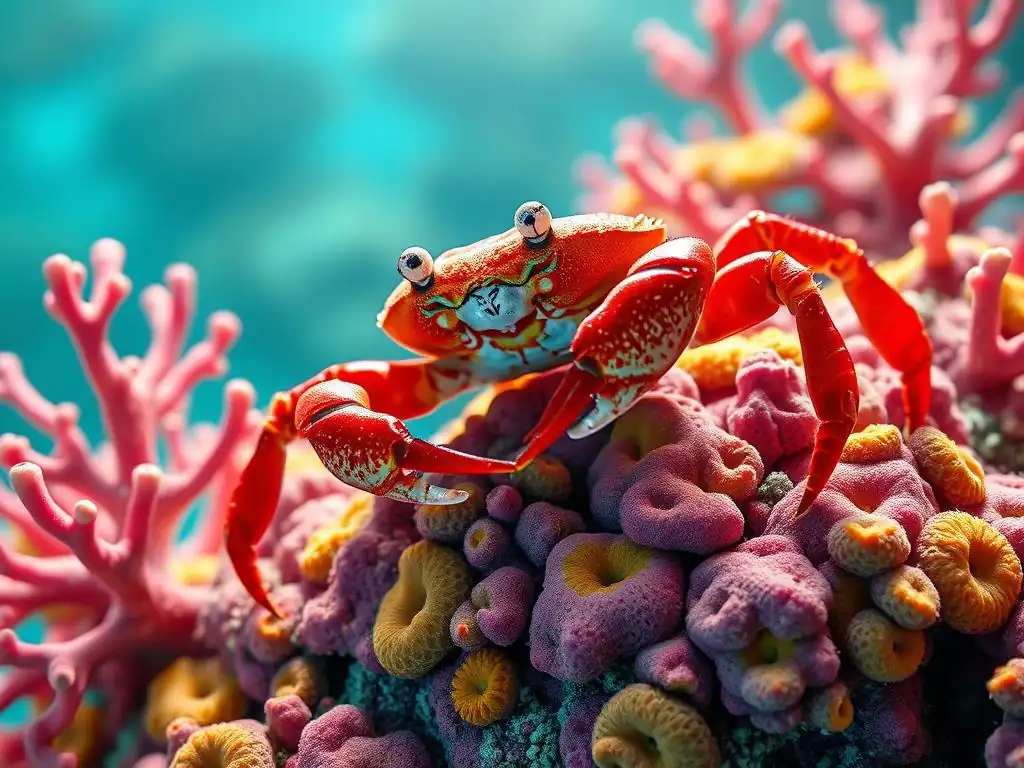
Coral Tissue Damage: Recognizing the Warning Signs
One of the most direct and concerning signs that a crab is causing trouble in your reef tank is unexplained coral tissue damage. This can manifest as areas of receding tissue, visible bite marks on the coral skeleton or soft tissue, polyps that refuse to extend fully, or a general decline in the coral's health without other obvious causes like poor water quality or disease. Pay close attention if the damage is localized to areas easily accessible by your crab, such as lower parts of colonies or frag plugs near the substrate.
To confirm suspicions, aquarists should observe their tank, especially at night, using a red light or a dim flashlight. Many crabs are nocturnal, and this is when they are most active in foraging. Observing a crab actively picking at a coral, even seemingly innocuously, provides direct evidence of problematic behavior. Early detection of such warning signs, as highlighted in any comprehensive reef safe crab guide, is crucial for intervention before widespread damage occurs.
Invertebrate Predation: Are Your Snails and Shrimp Disappearing?
A sudden and unexplained decline in your clean-up crew population, particularly snails (e.g., Trochus, Nassarius, Turbo) or ornamental shrimp (e.g., Peppermint, Cleaner Shrimp), can be a strong indicator of crab predation. Look for tell-tale signs such as empty snail shells with precise holes drilled into them, which suggests a crab or even a predatory snail has consumed the inhabitant. Similarly, finding dismembered shrimp bodies or simply the complete disappearance of shrimp without a trace points towards a predator.
Even crabs generally considered "reef safe," such as some Emerald Crabs, can turn predatory if they are underfed or if their natural dietary preferences are not met. For instance, an Emerald Crab might consume film algae for months but then start preying on smaller snails if algae levels drop or if it discovers an easier meal. This shift in behavior necessitates prompt action. Understanding these subtle cues is a vital part of any reef safe crab guide focused on maintaining a balanced ecosystem.
Substrate Disruption: Excessive Digging and Disturbing the Reef
While some substrate-dwelling organisms are beneficial for sand bed aeration, excessive digging and disruption by crabs can be a significant problem in a reef tank. Signs include large piles of sand accumulating in unusual places, corals or rock structures being undermined and potentially falling, or areas of the sand bed becoming perpetually stirred up, leading to cloudy water.
The impact of such disruption extends beyond aesthetics. Undermined rockwork can lead to collapses, which can damage corals, injure fish, or even crack the aquarium itself. Furthermore, excessive digging can release trapped detritus and nutrients from the sand bed into the water column, potentially leading to undesirable algae blooms or elevated nitrate levels. While not directly damaging corals by consumption, this type of behavior can indirectly compromise the overall health and stability of the reef environment, making it a relevant consideration for a thorough reef safe crab guide.
Mitigation Strategies: Managing Crab Behavior in a Reef Tank
Proper Feeding: Ensuring They Have Enough to Eat
One of the most effective strategies to prevent crabs from developing unwanted behaviors, such as picking at corals or preying on other invertebrates, is ensuring they are adequately fed. Many crabs, even those primarily considered herbivores, are opportunistic feeders. If their natural food sources (like nuisance algae or detritus) are insufficient, they may seek alternative sustenance from your corals or other valuable clean-up crew members.
Targeted feeding can help satiate their appetites. For herbivorous or omnivorous crabs, offer algae wafers, spirulina flakes, or small pieces of blanched nori. For omnivorous species, occasional small pieces of meaty foods like mysis shrimp or chopped clam can also be beneficial. It is essential to strike a balance to avoid overfeeding, which can lead to water quality issues. The goal is to supplement their diet sufficiently so they do not turn to undesirable targets, thereby supporting a more reef safe environment.
Adequate Tank Size and Hiding Places: Reducing Stress and Aggression
Providing sufficient space and ample hiding places is crucial for mitigating stress and aggression in crabs, especially if you house multiple individuals or species. A crowded tank exacerbates territorial disputes and can lead to crabs competing aggressively for resources, often resulting in harm to other tank inhabitants. Crabs need crevices, caves, and overhangs within the live rock structure where they can retreat, molt, and feel secure.
For hermit crabs, in particular, offering a consistent supply of appropriately sized, empty shells is paramount. This proactive measure significantly reduces the likelihood of "shell wars," where hermits attack snails to acquire their shells. A general rule of thumb is to provide at least 2-3 empty shells per hermit crab, in a variety of sizes and openings. By reducing competition and stress through proper aquascaping and resource provision, you can foster a more peaceful and reef safe environment for all your tank inhabitants.
Targeted Removal: When Rehoming is the Best Option
Despite best efforts in feeding and habitat provision, some crabs may persistently exhibit problematic behavior, becoming a clear threat to your reef tank's health. In such cases, targeted removal is often the best and most responsible option. Methods for removal include using a simple crab trap, which can be fashioned from a plastic bottle with bait (e.g., a small piece of shrimp or nori) placed inside overnight. Alternatively, if the crab is nocturnal, observing the tank with a red light can help pinpoint its location for manual extraction with tongs or a net.
It is important to emphasize that rehoming or isolating the crab in a sump or separate holding tank is preferable to euthanasia. A crab that is not "reef safe" for your specific coral-dominated system might be perfectly suitable for a fish-only with live rock (FOWLR) tank, a dedicated invertebrate tank, or even another aquarist's system that can accommodate its behavior. Responsible reef keeping, as advocated by this reef safe crab guide, includes taking appropriate action when an animal's presence jeopardizes the well-being of the entire ecosystem.
Alternative Reef Clean-Up Crew Options: Beyond Crabs
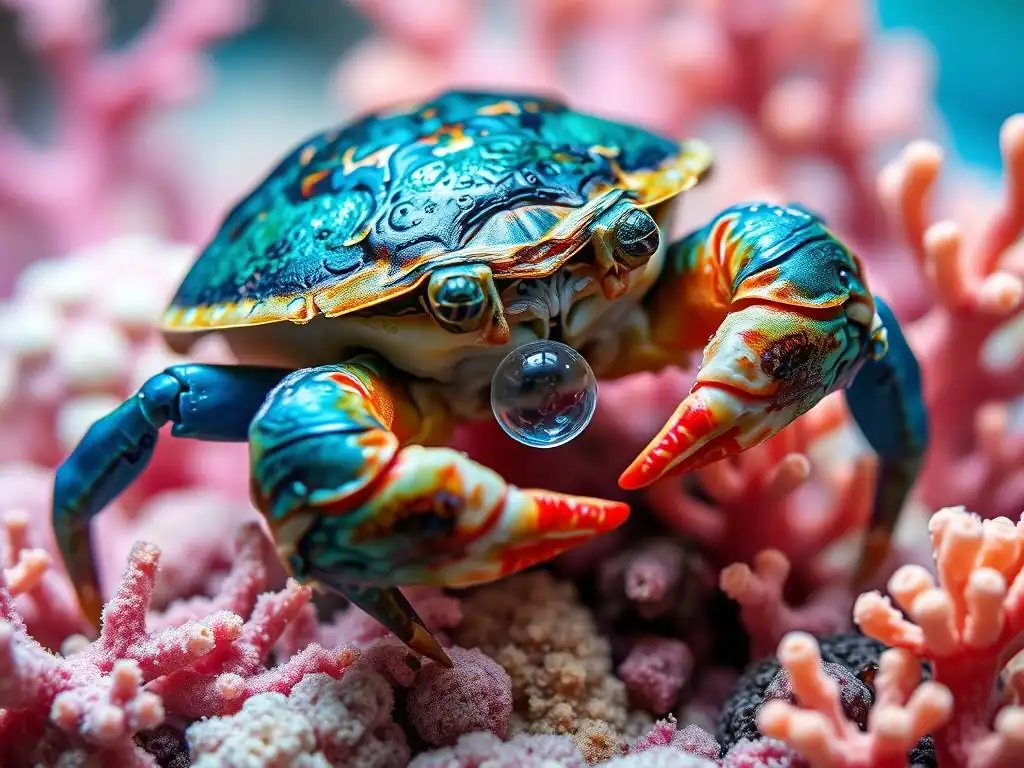
Snails: A Variety of Algae Grazers for Every Reef
Snails are indispensable members of the reef clean-up crew and are generally considered among the safest and most effective options, making them a cornerstone of any reef safe crab guide. A diverse selection of snail species can address various types of nuisance algae and detritus. For instance, Trochus snails (e.g., Trochus histrio) are highly regarded for their ability to graze on film algae and diatoms from rockwork and glass, often self-righting if they fall. Nassarius snails (e.g., Nassarius vibex) are excellent sand-sifters, burrowing through the substrate to consume detritus and uneaten food, which helps prevent nutrient buildup.
Other popular choices include Turbo snails (e.g., Turban snails, Astraea tecta) for their voracious appetite for hair algae, though they can sometimes be clumsy and knock over small frags. Nerite snails (Nerita spp.) are also effective grazers, especially for diatoms. The key advantage of snails is their generally non-destructive nature towards corals and other invertebrates, making them a primary, reliable component for maintaining a clean and healthy reef environment without the behavioral risks associated with many crabs.
Shrimp: Peaceful Scavengers and Detritus Consumers
Shrimp species are another excellent group of invertebrates to consider for a reef clean-up crew, offering both aesthetic appeal and practical benefits without the high risk of coral damage. Peppermint Shrimp (Lysmata wurdemanni) are particularly popular for their ability to consume Aiptasia anemones, a common and unsightly pest in reef tanks. Beyond Aiptasia control, they are diligent scavengers, sifting through sand and rockwork for detritus and uneaten food.
Cleaner Shrimp species, such as the Skunk Cleaner Shrimp (Lysmata amboinensis) and Fire Shrimp (Lysmata debelius), are highly valued for their symbiotic cleaning services, removing parasites and dead skin from fish. They are also active scavengers, constantly picking at detritus. Most ornamental shrimp are peaceful towards corals and other invertebrates, making them a valuable and reef safe addition. Their active foraging habits contribute significantly to overall tank hygiene, helping to maintain pristine water conditions and a thriving ecosystem.
Sea Stars: Efficient Detritus Removal (Choose Wisely)
Certain species of sea stars can be valuable additions to a reef clean-up crew, particularly for their efficiency in detritus removal and sand bed maintenance. The Sand Sifting Sea Star (Archaster typicus) is a popular choice for larger sand beds, as it continuously burrows through the substrate, consuming detritus and uneaten food particles, thereby helping to keep the sand aerated and clean. This constant motion can prevent the buildup of anaerobic pockets within the sand bed.
However, it is absolutely crucial to "choose wisely" when considering sea stars, as many species are NOT reef safe and can be highly predatory on corals or other invertebrates. For example, the Chocolate Chip Sea Star (Protoreaster nodosus) is a beautiful but notorious coralivore and should never be introduced into a reef tank.
Similarly, some Linkia sea stars (e.g., Linckia laevigata) can be sensitive to water quality and may perish if not provided with a mature, stable system. A true reef safe crab guide must extend this warning to other invertebrates, emphasizing species-specific research to ensure you introduce only truly beneficial and non-destructive organisms.
Making the Informed Decision: Is a Reef Safe Crab Guide Right For You?
Assessing Your Reef Tank's Specific Needs
Before introducing any crab, or indeed any new inhabitant, it is essential to thoroughly assess your reef tank's specific needs and characteristics. Consider the current state of your tank: Do you have a persistent nuisance algae problem that a specific crab species might help control, such as bubble algae? What is your existing clean-up crew like, and are there any gaps in its function? Evaluate your tank's inhabitants – are there delicate SPS corals that could be easily damaged, or small, docile fish that might be vulnerable to predation?
The type of corals you primarily keep (e.g., hardy soft corals versus sensitive SPS) can significantly influence a crab's perceived "reef safety." A crab that might be acceptable in a FOWLR (Fish Only With Live Rock) tank or a soft coral-dominated system could be disastrous in a high-value SPS reef. Understanding these unique factors of your individual aquarium, as emphasized by any comprehensive reef safe crab guide, is the foundational step in making an informed decision.
Considering the Long-Term Commitment of Crab Care
Introducing a crab into your reef tank is not a short-term decision; it represents a long-term commitment to its care and the ongoing observation of its behavior. Many crab species, even smaller ones like Emerald Crabs, can live for 2-4 years, while some hermit crabs can live significantly longer, potentially 5-10 years. Over this lifespan, a crab's needs and behavioral patterns can change. A crab that was a diligent algae eater as a juvenile might become more opportunistic or aggressive as it matures.
Responsible reef keeping involves being prepared to adapt to these changes. This means being ready to supplement their diet if their natural food sources diminish, providing additional shells for hermit crabs as they grow, and most importantly, being prepared to intervene and potentially remove or rehome the crab if it consistently becomes detrimental to the reef ecosystem. This long-term perspective is a crucial aspect of what AquariumMastery.com advocates in its reef safe crab guide.
Resources for Further Research on Reef Invertebrate Compatibility
Making an informed decision about introducing crabs into your reef tank requires continuous learning and access to reliable information. AquariumMastery.com provides extensive species profiles and compatibility charts for a wide range of reef invertebrates, including detailed information on their natural behaviors, specific care requirements, and known compatibility issues within a captive reef environment. These resources are designed to be a primary reference point for aquarists.
Beyond our website, we encourage aquarists to cross-reference information from multiple reputable sources, consult with experienced reef keepers in online forums, and even delve into scientific literature when available for specific species. Leveraging the collective knowledge of the reef keeping community and scientific research can deepen your understanding of a crab's true "reef safe" potential. The best reef safe crab guide is one that empowers you with knowledge and encourages ongoing research to ensure the long-term health and stability of your aquatic ecosystem.
Conclusion: Balancing the Benefits and Risks of Reef Crabs
The Importance of Observation and Responsible Reef Keeping
The debate surrounding the "reef safe" nature of crabs is complex, rooted in their opportunistic behaviors and the inherent unpredictability of individual animals within a confined ecosystem. While some crabs offer undeniable benefits, such as nuisance algae control and detritus consumption, their potential for harm to corals, other invertebrates, and even fish demands constant vigilance. Proactive observation remains the aquarist's most powerful tool. Regularly inspecting your corals for signs of stress or damage, monitoring your clean-up crew populations, and observing crab behavior, especially during nocturnal hours, can help identify and address issues before they escalate.
Responsible reef keeping means prioritizing the health and stability of the entire reef ecosystem above the novelty or perceived utility of a single inhabitant. It involves a commitment to understanding the needs and potential pitfalls of every organism introduced into your tank. Even with the most thorough research, a crab's behavior can surprise you, making ongoing assessment an integral part of maintaining a thriving reef.
AquariumMastery.com's Recommendation for Reef Safe Crab Selection
Based on our comprehensive analysis and extensive community experience, AquariumMastery.com offers a cautious recommendation for reef safe crab selection. For beginners or those with high-value, delicate coral systems, it is generally advisable to err on the side of caution and focus on proven, consistently "reef safe" clean-up crew alternatives like various snail species (e.g., Trochus, Nassarius) and ornamental shrimp (e.g., Peppermint, Cleaner Shrimp). These alternatives offer significant benefits without the associated risks.
For aquarists considering crabs, we recommend starting with smaller, well-documented species like the Emerald Crab (Mithrax sculptus) for specific algae issues, or Porcelain Crabs (Porcellanidae) for their filter-feeding habits. However, always proceed with a contingency plan, such as a quarantine tank or a separate system, should the crab exhibit problematic behavior. Ultimately, no crab is 100% "reef safe" in all circumstances. The best reef safe crab guide is one that empowers aquarists with knowledge, encouraging them to make informed, cautious decisions tailored to their unique reef environments, ensuring the long-term success and vibrancy of their underwater world.
Frequently Asked Questions
What does it mean for a crab to be considered "reef safe"?
Being "reef safe" means the crab is unlikely to harm your corals, invertebrates, or other fish within a reef aquarium. This usually means they are herbivores or detritivores and won't prey on tank inhabitants.
What are some examples of crab species that are generally considered reef safe?
Several species are considered reef safe, including Emerald Crabs ( Mithrax sculptus) known for eating algae, and certain types of Hermit Crabs that sift through the substrate for detritus. However, always research specific species before adding them.
What are some potential dangers of adding crabs to a reef aquarium, even those marketed as "reef safe"?
Even "reef safe" crabs can pose risks. They may accidentally knock over corals, disturb the substrate, or even nip at corals if they are not properly fed. Careful observation is crucial.
How can I minimize the risk of a crab harming my reef aquarium?
Provide a varied diet to ensure crabs are not tempted to eat corals or other invertebrates. Also, ensure your tank is appropriately sized for the crab species and that you monitor their behavior closely.
Where can I find more in-depth information about specific crab species and their suitability for reef aquariums?
AquariumMastery.com offers detailed species profiles and articles on reef aquarium inhabitants. You can also consult with experienced reef keepers and reliable online forums for more information.
The intricate dance between crabs and coral reefs, as explored in this guide, highlights the complexities of maintaining a thriving ecosystem in our own aquariums. Understanding the potential benefits and risks associated with introducing these fascinating creatures is not just about keeping a beautiful reef tank; it's about acknowledging our responsibility as stewards of these miniature underwater worlds.
This journey into the world of reef-safe crabs has underscored the importance of informed decision-making and careful observation. My own experience with reef keeping has taught me that even seemingly small choices can have profound consequences. As the renowned marine biologist Sylvia Earle once said, No water, no life. No blue, no green.
This quote serves as a stark reminder that the health of our reefs, both natural and artificial, is inextricably linked to the health of our planet.
Now, armed with this comprehensive guide, I encourage you to reflect on your own role in preserving the delicate balance of the reef. Consider the impact of your choices, research thoroughly, and observe diligently. Let's cultivate not just beautiful reef tanks, but also a deeper understanding and appreciation for the intricate web of life they contain. The future of our reefs, both big and small, depends on it.
Dive Deeper: Shape Your Reef Tank's Future!
Thanks for exploring the crab debate with us! Now that you're equipped with the knowledge, it's time to take action and make informed decisions for your reef.
Here are a few things you can do next:
- Carefully evaluate your current or planned reef inhabitants and determine if adding a crab species aligns with your goals and their well-being. Don’t rush this!
- Share your experiences! Leave a comment below about which crab species you've kept (or avoided) and the results. Help other reefers learn from your successes and challenges.
- Research less commonly discussed reef-safe invertebrates and consider adding them to your tank to create a more balanced and interesting ecosystem.
Ready to start planning your reef tank's next chapter?