
Choosing Healthy Severums: Expert Tips for Selecting the Best Specimen

Welcome to Aquarium Mastery!
Dive in! Are you ready to bring the vibrant personality of a Severum into your freshwater aquarium? Choosing a healthy Severum can be tricky, but with the right knowledge, you can ensure your new fish thrives. Wondering what to look for? Our comprehensive guide unveils the secrets to selecting the best specimen, setting you up for success. Let's explore!
- Introduction: Your Healthy Severum Buying Guide
- Understanding Severum Fish: Before You Buy
- Key Indicators of a Healthy Severum
- Where to Buy Severums: Choosing a Reputable Source
- Quarantine Procedures for New Severums
- Common Severum Diseases and How to Spot Them Early
- Acclimation Process: Introducing Your Severum to Its New Home
- Maintaining a Healthy Severum: Long-Term Care Tips
- Conclusion: Ensuring a Healthy Severum for Years to Come
-
Frequently Asked Questions
- ### How can I tell if a Severum is healthy before buying it?
- ### What are the key signs of disease to watch out for when selecting a Severum?
- ### What size tank is appropriate for a single Severum, and how does tank size affect its health?
- ### What are some common mistakes new aquarists make when introducing Severums to a new tank?
- ### What should I feed a Severum to ensure it remains healthy and vibrant?
- Final Reflection: The Vibrant Future of Your Aquarium
- Unveil Your Perfect Severum Companion!
Introduction: Your Healthy Severum Buying Guide
Selecting a healthy severum is the foundational step to ensuring a long and thriving life for this magnificent cichlid in your home aquarium. Many common issues experienced by aquarists, from persistent diseases to behavioral problems, can often be traced back to the initial choice of a compromised or stressed specimen. This comprehensive healthy severum buying guide is designed to equip you with the knowledge and practical tips needed to identify and select the best possible fish, setting the stage for a successful and rewarding aquarism journey.
By understanding the key indicators of health, knowing where to purchase, and implementing proper acclimation and quarantine procedures, you can significantly reduce the risk of introducing diseases to your existing tank and save yourself considerable time, effort, and expense in the long run. This guide will walk you through every critical aspect, from assessing physical appearance to understanding common ailments, ensuring your new severum flourishes.
Understanding Severum Fish: Before You Buy
Severum Species Overview: Types and Varieties
Severums, scientifically classified under the genus Heros, are a popular group of New World cichlids originating from the Amazon basin and surrounding river systems in South America. The most commonly encountered species in the aquarium trade include Heros severus (often called the Banded Severum) and Heros efasciatus (the Rotkeil or Red Shoulder Severum), alongside various selectively bred color morphs such as Gold Severums and Turquoise Severums. While their general care requirements are similar, subtle differences in adult size and coloration exist.
For instance, a mature Rotkeil Severum ( Heros efasciatus) is renowned for developing a distinct red coloration on its operculum (gill plate) and flanks, particularly noticeable in males, and can reach lengths of 8 to 10 inches in a well-maintained aquarium. In contrast, the true Heros severus typically displays more pronounced vertical banding and may exhibit less intense red pigmentation. Understanding these variations is crucial for correctly identifying the type of severum you are purchasing and anticipating its mature appearance and size.
Severum Temperament and Compatibility: Planning Your Community Tank
Severums are generally considered one of the more peaceful large cichlid species, making them suitable for a well-planned community tank. However, like all cichlids, they can exhibit territorial behavior, especially during breeding or if housed in cramped conditions. Their temperament makes them compatible with other large, peaceful to semi-aggressive fish that can hold their own, such as larger characins (e.g., Silver Dollars), other robust cichlids like Angelfish (though care must be taken with fin nipping), and various plecostomus species.
It is advisable to avoid housing severums with very small fish that could be perceived as food, or overly aggressive species that might bully them. For example, a single adult severum can thrive in a 75-gallon tank, but a pair or a small group will require a 125-gallon tank or larger to mitigate aggression and provide ample swimming space. Observing the fish's behavior in the store tank, particularly its interactions with tank mates, can provide valuable insights into its individual temperament and suitability for your setup.
Ideal Tank Setup for Severums: Creating a Thriving Environment
Creating an optimal environment is paramount for the long-term health and well-being of your severum. A minimum tank size of 55 gallons is recommended for a single adult severum, with 75 gallons being preferable, and at least 125 gallons for a pair or a small group to ensure adequate space and reduce stress. The substrate should consist of fine gravel or sand, mimicking their natural riverbed habitat, and decor should include driftwood, rocks, and sturdy live plants like Anubias or Java Fern, providing both hiding spots and visual barriers.
Water parameters are crucial: severums thrive in temperatures between 75-82°F (24-28°C), with a slightly acidic to neutral pH ranging from 6.0-7.0, and soft to moderately hard water (GH 5-15 dGH). Due to their size and bioload, robust filtration is essential. A high-quality canister filter rated for at least two to three times the tank volume (e.g., a filter rated for 150-225 GPH for a 75-gallon tank) is highly recommended to maintain pristine water quality, which is a cornerstone of any effective healthy severum buying guide and subsequent care.
Key Indicators of a Healthy Severum
Observing Physical Appearance: What to Look For
Checking for Clear Fins and Scales: Identifying Signs of Disease
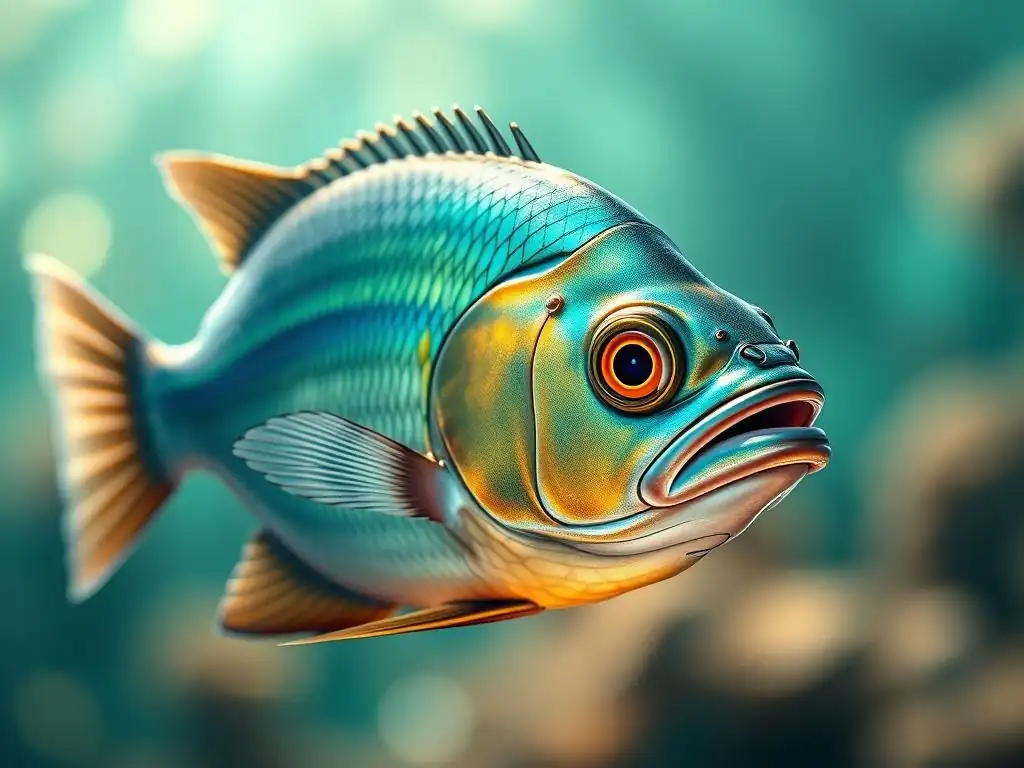
When evaluating a severum for purchase, the condition of its fins and scales provides immediate clues about its health. Healthy severums should exhibit clear, intact fins that are free from tears, fraying, or any white, fuzzy, or discolored patches. Clamped fins, where the fins are held tightly against the body, are a common sign of stress or illness, unlike the naturally fanned-out and erect fins of a healthy specimen.
Furthermore, the scales should lie flat and smooth against the body, displaying vibrant and even coloration appropriate for the species. Any signs of missing scales, raised scales (often referred to as "pineconing" and indicative of dropsy), or unusual growths are red flags. For example, a healthy severum will display clear, unclouded fins with no signs of discoloration or erosion along the edges, and its scales will appear uniform and glistening, reflecting good health.
Assessing Body Shape and Size: Ensuring Proper Growth
The overall body shape and size are critical indicators of a severum's nutritional status and growth. A healthy severum should have a full, rounded belly, without appearing bloated or, conversely, emaciated with a sunken abdomen. The body should be proportional, with no deformities, lumps, or signs of spinal curvature. While size varies with age, a juvenile severum of 2-3 inches should have a robust, oval body shape, not a disproportionately large head and thin body, which often suggests stunting due to poor nutrition or inadequate conditions.
For instance, a healthy 4-inch severum should possess a robust, well-fleshed body that is indicative of consistent, proper feeding and a suitable environment. This contrasts sharply with a stunted specimen of the same age that might appear noticeably thinner with a more prominent head relative to its body, often a result of prolonged poor water quality or insufficient diet during critical growth phases.
Examining Eye Condition: Recognizing Potential Problems
The eyes of a severum are windows to its health and should be meticulously examined. Healthy severum eyes are clear, bright, and free from any cloudiness, film, or haziness. They should be proportional to the head, neither sunken nor bulging excessively (a condition known as "Popeye," often indicative of bacterial infection or poor water quality). The pupil should be distinct, and the eyes should move freely and independently, allowing the fish to observe its surroundings.
Any signs of damage, injury, or unusual growths around the eyes are serious concerns. Look for clear, alert eyes that exhibit normal movement, without any signs of opaqueness, a white film, or an abnormal protrusion. These observations are crucial steps in this healthy severum buying guide, as eye issues can signal systemic infections or severe environmental stress.
Evaluating Behavior: Signs of a Healthy and Active Fish
Active Swimming and Exploration: Normal Severum Behavior
A healthy severum should exhibit active and confident swimming behavior, exploring its tank with purpose rather than remaining lethargic or hiding excessively. While they may occasionally rest or hover, prolonged inactivity or clamping to the bottom or corners of the tank is a sign of stress or illness. Their movements should be fluid and coordinated, without any jerky, erratic, or spiraling motions.
Observe their breathing as well; gills should move smoothly and regularly, typically at a rate of 60-90 gill beats per minute, without appearing labored or overly rapid. A healthy severum will actively patrol its territory, investigating decor and substrate, occasionally interacting with tank mates, rather than remaining listlessly at the bottom or clamped to a corner for extended periods, which is often a precursor to more severe health issues.
Appetite and Feeding Habits: Indicators of Good Health
A strong appetite is one of the most reliable indicators of a healthy severum. When food is offered, a healthy specimen should show immediate interest, eagerly swimming towards the surface or substrate to consume it. They should readily accept flakes, pellets, or other offered foods, without spitting them out repeatedly or showing disinterest.
Observe the fish during feeding time in the store; a lack of interest in food while other fish are feeding, or a refusal to eat, is a significant warning sign. Furthermore, pay attention to their waste production; normal, solid waste is indicative of healthy digestion, whereas white, stringy, or unusually colored feces can point to internal parasites or bacterial infections. When offered food, a healthy severum will typically respond immediately, demonstrating a strong feeding response by actively consuming the food rather than ignoring it or showing hesitant nibbles.
Social Interactions: Observing Tank Dynamics
If the severum is housed in a group or with other tank mates, observing its social interactions can provide valuable insights into its well-being. A healthy severum should generally integrate well within its community, exhibiting typical social behaviors for its species, which includes occasional curiosity or mild territorial displays without excessive aggression or extreme timidity. While individual personalities exist, a fish that is constantly being bullied, isolating itself dramatically, or showing signs of extreme stress due to tank mate interactions is not a healthy choice.
Look for a fish that is actively participating in the group's activities, such as schooling or feeding, rather than one that is consistently relegated to a corner or appears overly intimidated. For instance, in a group setting, a healthy severum will typically engage in normal social behaviors, occasionally interacting with its tank mates without displaying excessive aggression or constant submission, unless it's a known breeding pair dynamic.
Where to Buy Severums: Choosing a Reputable Source
Selecting a Reputable Aquarium Store: Avoiding Unhealthy Fish
Choosing where to purchase your severum is as critical as assessing the fish itself. A reputable local fish store (LFS) is often the best option for a healthy severum buying guide, as it allows for direct observation of the fish and its environment. Look for stores with clean, well-maintained tanks that are free of excessive algae, dead fish, or visible signs of disease in any of their inhabitants. The water in the tanks should be clear and well-aerated.
Knowledgeable staff who can answer questions about the fish's origin, feeding regimen, and any quarantine procedures they employ are also a good sign. Inquire about their guarantee policy. A store that takes pride in its livestock will have clearly labeled tanks with species information, and their fish will appear active and well-fed, with minimal visible signs of stress or disease across their inventory. Some top-tier stores maintain a low mortality rate of less than 1% for new arrivals, reflecting their commitment to fish health.
Buying Severums Online: Considerations and Risks
Buying severums online offers a wider selection, potentially including rare color morphs or larger sizes not available locally. However, it comes with inherent risks, primarily the stress of shipping and the inability to visually inspect the fish prior to purchase. Fish shipped over long distances can arrive stressed, susceptible to illness, or even deceased if not packed properly.
To mitigate these risks, choose online retailers with an excellent reputation, evidenced by numerous positive reviews from other aquarists. Always opt for sellers who offer a live arrival guarantee and inquire about their packaging methods and shipping times. While online retailers like LiveAquaria offer a vast selection, the stress of a 24-48 hour shipping period can weaken even robust fish, making a strong live arrival guarantee and strict acclimation protocols essential upon receipt.
Evaluating the Seller's Reputation: Researching Before You Purchase
Regardless of whether you choose a local store or an online vendor, thoroughly researching the seller's reputation is a non-negotiable step in this healthy severum buying guide. Utilize online forums, social media groups, and specialized fishkeeping communities to find reviews and recommendations. Look for consistent feedback regarding the health of their fish, their customer service, and their knowledge base.
A seller with a track record of consistently providing healthy fish, evidenced by numerous positive testimonials and an active, responsive customer service presence, is generally a safer bet. For instance, a seller with over 90% positive reviews on fish-specific forums or e-commerce platforms, particularly those mentioning the health and vibrancy of their stock, demonstrates reliability and commitment to quality. Conversely, repeated complaints about diseased fish, poor communication, or high mortality rates should lead you to look elsewhere.
Quarantine Procedures for New Severums
Setting Up a Quarantine Tank: Protecting Your Existing Fish
Setting up a dedicated quarantine tank is arguably the most critical step in protecting your existing aquarium inhabitants from potential diseases carried by new arrivals. A quarantine tank should be a separate, smaller aquarium (minimum 20 gallons for a juvenile severum, 40+ gallons for an adult), equipped with its own heater, a reliable filter (a sponge filter is ideal as it's easy to clean and provides excellent biological filtration), and minimal decor such as a PVC pipe for hiding.
Crucially, it should not share water or equipment with your main display tank. The quarantine period should last a minimum of 2-4 weeks, allowing enough time for any latent diseases to manifest. For instance, a 20-gallon long tank, equipped with a reliable heater set to 78°F and a seasoned sponge filter from an established tank, provides an ideal quarantine environment for a new 3-4 inch severum, allowing for close observation without risk to your main display.
Monitoring for Disease: Observing New Severums Closely
During the quarantine period, diligent daily observation of your new severum is paramount. Look for any changes in behavior, appetite, or physical appearance. Symptoms such as clamped fins, labored breathing, white spots, frayed fins, or unusual growths should be noted immediately. Keep a log of your observations, noting dates, symptoms, and any treatments administered.
This close monitoring allows for early detection of potential health issues, which significantly increases the chances of successful treatment. For example, during the first week of quarantine, observe the severum for at least 15 minutes daily, specifically looking for subtle signs like slight fin clamping, rapid gill movement (over 100 gill beats/minute), or the appearance of even a few scattered white dots, which are often the earliest indicators of stress or parasitic infections like Ich.
Treating Potential Health Issues: Medications and Preventative Measures
If any signs of disease are observed during quarantine, prompt treatment is necessary. It is advisable to have a basic set of aquarium medications on hand, including a broad-spectrum antibiotic, an anti-parasitic (e.g., metronidazole or praziquantel), and an Ich treatment. Always identify the specific disease as accurately as possible before administering medication, and follow dosage instructions precisely.
Some aquarists opt for a prophylactic treatment with a general anti-parasitic during quarantine, but this should be done cautiously and with thorough research, as unnecessary medication can stress the fish. If white spots appear, a common treatment involves gradually raising the quarantine tank temperature to 82-84°F and administering an Ich-specific medication containing malachite green, following the manufacturer's dosage instructions for a full 7-10 day cycle, even if symptoms disappear earlier.
Common Severum Diseases and How to Spot Them Early
Identifying Ich (White Spot Disease) in Severums
Ich, caused by the parasite Ichthyophthirius multifiliis, is one of the most common and recognizable fish diseases. In severums, symptoms include small, white spots resembling grains of salt scattered across the body, fins, and gills. Infected fish may also exhibit increased scratching against tank decor or substrate (flashing), lethargy, and clamped fins. The gills may appear inflamed, and breathing can become rapid and labored as the parasites attach.
Early detection is crucial for effective treatment. A severum might initially show just a few scattered white dots, perhaps 1-2mm in diameter, on its fins or body, often accompanied by increased gill movement or a slight reluctance to feed. If left untreated, the number of spots can rapidly multiply, covering the entire fish and leading to severe gill damage and secondary bacterial infections, often proving fatal within days.
Recognizing Hexamita (Hole-in-the-Head Disease) Symptoms
Hexamita, or "Hole-in-the-Head Disease," is caused by the flagellate parasite Hexamita and primarily affects cichlids. Symptoms in severums include pitting erosions and lesions on the head and along the lateral line. These pits can start as small pinholes and progress into larger, disfiguring craters if left untreated. Other signs include white, stringy feces, loss of appetite, lethargy, and dark coloration.
This disease is often linked to poor water quality, nutritional deficiencies (especially lack of vitamins and minerals), and chronic stress. A severum afflicted with Hexamita might develop small, pinhole-sized lesions around its eyes and along its lateral line, which can progress to larger, disfiguring pits over several weeks. Concurrent symptoms like a noticeable decline in appetite and thin, white, stringy feces are strong indicators, necessitating immediate treatment with metronidazole.
Dealing with Fin Rot and Other Bacterial Infections
Fin rot is a common bacterial infection that often affects severums, particularly when water quality is poor, or the fish is stressed or injured. Symptoms include the edges of the fins appearing frayed, tattered, or melted, often accompanied by a milky white or reddish discoloration. If left untreated, the infection can progress to the fin base, potentially leading to permanent damage or spreading to the body.
Other bacterial infections can manifest as cloudy eyes, red streaks on the body, ulcers, or a general slime coat loss. For example, fin rot often presents as the edges of the severum's fins appearing tattered or melted, frequently accompanied by a milky or reddish discoloration. If not addressed, the rot can advance rapidly, consuming up to 1-2mm of fin tissue per day in severe cases, highlighting the urgency of maintaining pristine water conditions and addressing injuries promptly.
Acclimation Process: Introducing Your Severum to Its New Home
Gradual Temperature Acclimation: Preventing Shock
The acclimation process is a critical transition that minimizes stress and prevents shock when introducing your new severum to its permanent home. The first step is gradual temperature acclimation. Upon bringing your severum home, float the sealed bag containing the fish in your aquarium for 15-30 minutes. This allows the water temperature inside the bag to slowly equalize with the temperature of your tank water, preventing a sudden temperature shock that can severely stress the fish and weaken its immune system.
A sudden temperature change of even a few degrees can be detrimental. For instance, placing the sealed bag containing the severum into the destination tank, allowing it to float for at least 20 minutes, helps the water temperature inside the bag to slowly match the tank's temperature, typically within 1-2°F difference, which is essential for minimizing physiological stress.
Water Chemistry Acclimation: Ensuring Compatibility
After temperature equalization, the next crucial step is water chemistry acclimation, particularly for sensitive fish like severums. This process slowly introduces your tank's water to the bag water, allowing the fish to gradually adjust to differences in pH, hardness (GH/KH), and other parameters. The drip acclimation method is highly recommended: place the fish and its bag water into a clean bucket, then use an airline tube to siphon water from your main tank into the bucket, regulating the flow to a slow drip (e.g., 1-2 drops per second).
Aim to double the volume of water in the bucket over a period of 30-60 minutes. Once the water volume has doubled, net the severum and gently release it into your tank, discarding the old bag water. This gradual adjustment significantly reduces the risk of osmotic shock. For example, after temperature equalization, use a drip line to slowly introduce tank water into the severum's bag at a rate of approximately 1-2 drops per second, aiming to double the volume of water in the bag over a 45-minute period before netting the fish into its new environment.
Monitoring for Stress: Observing Initial Reactions
After introducing your severum to its new home, continue to monitor it closely for the first few hours and days. It is normal for a newly introduced fish to appear slightly pale, hide, or be somewhat shy initially as it adjusts to its new surroundings. However, persistent signs of stress, such as clamped fins for more than 24 hours, rapid or labored breathing (over 120 breaths per minute), erratic swimming, or continued hiding without exploration, warrant closer observation.
To minimize initial stress, keep the aquarium lights dim for the first few hours after introduction and avoid sudden movements or loud noises near the tank. Providing ample hiding spots will also help the fish feel secure during this transition. Persistent signs of stress can indicate unsuitable water parameters, incompatible tank mates, or underlying health issues that may have been missed during the healthy severum buying guide process.
Maintaining a Healthy Severum: Long-Term Care Tips
Proper Diet and Nutrition: Feeding Your Severum for Optimal Health
A balanced and varied diet is fundamental to maintaining a healthy severum for years to come. Severums are omnivorous, requiring a mix of high-quality protein and vegetable matter. A staple diet should consist of premium cichlid pellets or flakes, ideally those containing spirulina or other plant matter. Supplement this with frozen or live foods such as bloodworms, brine shrimp, Mysis shrimp, and chopped earthworms.
Incorporate blanched vegetables like peas, spinach, or zucchini slices a few times a week to ensure adequate plant-based nutrition. Feed small amounts 1-2 times daily, only what they can consume within 2-3 minutes, to prevent overfeeding and water pollution. For instance, feeding a high-quality cichlid pellet (e.g., containing at least 40% protein) as the primary diet, supplemented 2-3 times a week with frozen bloodworms or blanched zucchini slices, will provide a varied and nutritious intake crucial for their long-term vitality.
Regular Water Changes: Maintaining Water Quality
Consistent and regular water changes are perhaps the single most important aspect of long-term severum care. Due to their size and active metabolism, severums produce a significant bioload, leading to the accumulation of nitrates and other undesirable compounds. Weekly water changes of 25-30% are highly recommended to dilute pollutants, replenish essential minerals, and maintain stable water parameters.
Regularly test your water parameters for ammonia, nitrite, and nitrate (nitrates should ideally be kept below 20 ppm) to ensure your filtration system is coping and your water change schedule is adequate. For a 75-gallon severum tank, performing a 25% water change (approximately 18-19 gallons) weekly is critical to maintain optimal water parameters and prevent the buildup of harmful nitrates, which can quickly exceed 40 ppm in an active cichlid tank, leading to stress and disease.
Tank Mate Compatibility: Preventing Aggression and Stress
Even after the initial selection and quarantine, ongoing monitoring of tank mate compatibility is essential for a healthy severum. As severums grow, their territorial instincts can become more pronounced, especially if the tank is overcrowded or if they are preparing to breed. Regularly observe interactions between your severum and its tank mates for any signs of aggression, bullying, or persistent stress.
Providing ample space, numerous hiding spots, and visual barriers (like driftwood or tall plants) can help diffuse potential conflicts. If aggression becomes a persistent issue, re-evaluating tank mate choices or considering a larger aquarium may be necessary. Even with compatible species, observe interactions closely, especially during feeding or breeding periods. A larger tank, perhaps 125 gallons for a community setup, can significantly reduce territorial disputes by providing ample swimming space and visual barriers, thereby minimizing stress on all inhabitants.
Conclusion: Ensuring a Healthy Severum for Years to Come
The journey of keeping a severum is incredibly rewarding, and it all begins with making an informed choice at the point of purchase. By diligently following this healthy severum buying guide, you empower yourself to select a robust and thriving specimen, laying the groundwork for its long-term well-being. From meticulously inspecting physical appearance and evaluating behavior to choosing a reputable source and implementing stringent quarantine procedures, each step plays a vital role in preventing future health complications.
Beyond the initial selection, commitment to proper long-term care—including a balanced diet, consistent water quality maintenance, and thoughtful tank mate compatibility—is paramount. By investing time and effort in these practices, you not only ensure your severum enjoys a healthy and vibrant life but also enrich your own experience as an aquarist, witnessing the full splendor of these captivating New World cichlids for many years to come.
Frequently Asked Questions
### How can I tell if a Severum is healthy before buying it?
Look for bright, clear eyes, an active and alert demeanor, and no signs of physical damage like fin rot or open sores. Avoid fish that are lethargic, thin, or have clamped fins.
### What are the key signs of disease to watch out for when selecting a Severum?
Watch for white spots (Ich), cloudy eyes, bloating, or difficulty breathing. Also, observe their swimming pattern - any erratic or unusual behavior could indicate illness.
### What size tank is appropriate for a single Severum, and how does tank size affect its health?
A minimum of 55 gallons is recommended for a single adult Severum. Insufficient space can lead to stress, stunted growth, and increased susceptibility to diseases.
### What are some common mistakes new aquarists make when introducing Severums to a new tank?
Failing to quarantine new fish is a common error, potentially introducing diseases to the established tank. Also, inadequate water parameters and aggressive tank mates can negatively impact a new Severum's health.
### What should I feed a Severum to ensure it remains healthy and vibrant?
Offer a varied diet including high-quality cichlid pellets, frozen foods like bloodworms and brine shrimp, and occasional vegetable matter. A balanced diet is crucial for their immune system and overall well-being.
Okay, here's a final reflection you can use for your "Choosing Healthy Severums: Expert Tips for Selecting the Best Specimen" article, designed to resonate with readers and encourage them to apply the knowledge they've gained.
Final Reflection: The Vibrant Future of Your Aquarium
The journey to a thriving aquarium begins with informed choices, and as we conclude this healthy severum buying guide, it's clear that selecting the right specimen is paramount. The health and vitality of your severum directly impacts the entire ecosystem you're creating, transforming a simple tank into a vibrant, flourishing underwater world.
The impact of responsible fishkeeping extends far beyond the glass walls of your aquarium. Choosing a healthy severum isn't just about aesthetics; it's an act of stewardship, a commitment to the well-being of a living creature and the delicate balance of its environment. The greatness of a nation and its moral progress can be judged by the way its animals are treated.
- Mahatma Gandhi. This quote, while broad, speaks to the core of ethical fishkeeping: respecting the life and needs of the animals in our care.
Now, armed with the knowledge to identify a healthy severum, we invite you to embark on this exciting adventure. Consider the tips shared, observe carefully, and choose wisely. Your dedication to selecting a healthy specimen will not only enrich your aquarium but also contribute to a more responsible and sustainable approach to the aquarium hobby. Let your aquarium be a testament to your commitment to responsible fishkeeping, a thriving ecosystem built on knowledge, care, and respect.
Unveil Your Perfect Severum Companion!
Thank you for diving into the world of Severums with us! We hope this article has equipped you with the knowledge to confidently choose a healthy and vibrant specimen for your aquarium. Now, let's put that knowledge into action:
- Visit your local fish store or a reputable breeder this week and carefully observe the Severums, applying the health criteria discussed.
- Share this article with fellow aquarium enthusiasts to help them select healthy Severums too!
- Consider setting up a quarantine tank before purchasing your Severum to ensure a smooth introduction to your main aquarium.
What specific health sign will you be most vigilant about when choosing your new Severum?