
The Subtle Beauty of Pearl Gourami Coloration: What Makes Them Shine?

Welcome to Aquarium Mastery!
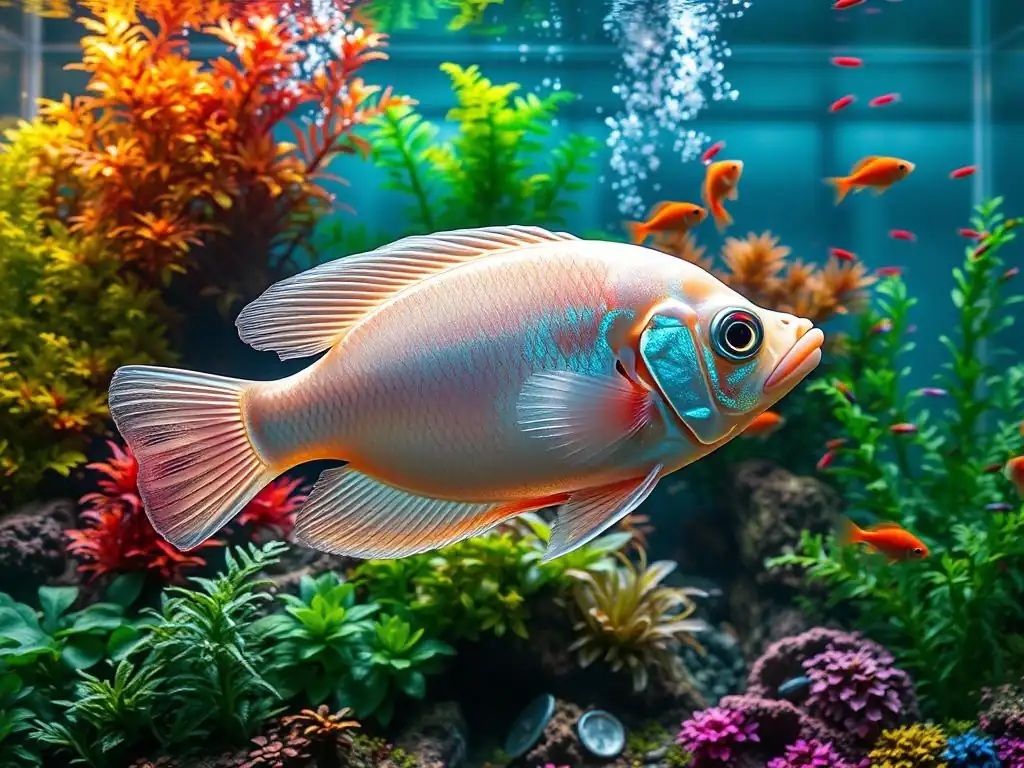
Ever wondered about the secrets behind the shimmering beauty of the Pearl Gourami? Dive in and explore our definitive guide to Pearl Gourami color variations. Uncover the fascinating factors that influence their stunning hues, from genetics to water quality, and learn how to unlock their full potential. Prepare to be amazed by the subtle nuances and vibrant personalities hidden within each shimmering scale!
- Unveiling the Captivating Colors of Pearl Gouramis
- Exploring the Natural Color Palette of Pearl Gouramis
- Factors Influencing Pearl Gourami Color Intensity
- Decoding Pearl Gourami Color Changes: Health and Stress Indicators
- Comparing Pearl Gourami Color to Other Gourami Species
- Tips for Enhancing Pearl Gourami Color in Your Aquarium
- Understanding Pearl Gourami Color Morphs and Variations
- Troubleshooting Color-Related Issues in Pearl Gouramis
- Conclusion: Appreciating the Beauty and Health of Your Pearl Gourami Through Color
-
Frequently Asked Questions
- What are the primary color variations found in Pearl Gouramis?
- How does diet affect the coloration of Pearl Gouramis?
- Does water chemistry play a role in the color expression of Pearl Gouramis?
- Are there any specific environmental factors that can enhance a Pearl Gourami's color?
- Can stress impact the coloration of Pearl Gouramis?
- Final Reflection: Embracing the Luminous Spectrum
- Unlock the Secrets of Pearl Gourami Brilliance!
Unveiling the Captivating Colors of Pearl Gouramis
Introduction to Pearl Gourami Color Variations
The Pearl Gourami, scientifically known as Trichopodus leerii, is celebrated among aquarists for its exquisite and intricate coloration. Unlike many fish that boast bold, blocky patterns, the Pearl Gourami displays a more subtle yet equally captivating palette, characterized by a silvery-beige base adorned with iridescent, pearl-like spots and a distinct dark lateral stripe. This unique combination makes them a true gem in any freshwater aquarium, captivating observers with their serene beauty and delicate hues.
Understanding the nuances of Pearl Gourami color variations is not just about aesthetic appreciation; it's also a fundamental aspect of responsible fish keeping. From their natural, understated elegance to the more pronounced tones seen in selectively bred morphs, each shade and shimmer tells a story about the fish's health, environment, and genetic lineage. This comprehensive Pearl Gourami color variations guide aims to illuminate what makes these aquatic artists truly shine.
Why Pearl Gourami Coloration Matters in Aquarium Keeping
Vibrant and consistent coloration in a Pearl Gourami is often the most immediate and reliable indicator of its overall health and well-being. A fish displaying its full, natural spectrum of colors—deep base tones, shimmering pearl spots, and a clear lateral stripe—is typically thriving in its environment, free from stress, illness, or nutritional deficiencies. Conversely, faded, dull, or patchy colors can signal underlying issues that require prompt attention, allowing aquarists to intervene before problems escalate.
Beyond serving as a health barometer, the Pearl Gourami's coloration significantly contributes to the aesthetic appeal of an aquarium. Their iridescent spots catch and reflect light beautifully, creating a dynamic visual display that enhances the tank's overall vibrancy. Furthermore, color changes play a crucial role in their natural behaviors, such as courtship and dominance displays, offering fascinating insights into their social dynamics. Appreciating these color changes is essential for any comprehensive Pearl Gourami color variations guide.
Exploring the Natural Color Palette of Pearl Gouramis
The Base Color: Silver, Beige, and the Underlying Hues
The foundational element of the Pearl Gourami's aesthetic is its subtle yet sophisticated base color, which typically ranges from a soft silvery-brown to a warm beige. This underlying hue provides the canvas upon which the more striking "pearl" spots are displayed. Depending on the individual fish, its mood, and the surrounding tank conditions, this base can sometimes lean towards a faint olive green or even a delicate pinkish-orange tint, particularly noticeable on the ventral side and fins of healthy, mature specimens.
The precise shade of this base color is influenced by the fish's genetic makeup, diet, and stress levels. Pigment cells called chromatophores, specifically melanophores (containing black/brown pigments) and xanthophores (containing yellow/orange pigments), contribute to this overall tone. When a Pearl Gourami is comfortable and well-fed, these cells are optimally expressed, resulting in a richer and more defined base color that beautifully highlights the iridescent qualities of its other markings.
Pearl-like Spots: Iridescent Wonders of Trichopodus leerii
The most distinctive and namesake feature of the Pearl Gourami is the myriad of iridescent, pearl-like spots that adorn its entire body, fins, and sometimes even its head. These spots are not merely static dots; they shimmer with an ethereal glow, reflecting hues of blue, green, gold, and silver as the light hits them from different angles. This mesmerizing iridescence is particularly concentrated along the fish's flanks, often becoming denser towards the tail.
This captivating shimmer is a result of specialized cells called guanophores, which contain reflective guanine crystals. These crystals are arranged in layers, creating a structural coloration that diffracts light, producing the characteristic pearlescent effect. The intensity and number of these spots are key indicators of a Pearl Gourami's vitality; a healthy, well-maintained fish will exhibit an abundance of brightly shimmering "pearls," making it a truly living jewel in the aquarium.
The Dark Lateral Stripe: A Defining Feature
Complementing the base color and the iridescent spots, the Pearl Gourami features a prominent dark lateral stripe that runs horizontally along its body. This stripe typically originates near the mouth, passes through the eye, and extends all the way to the base of the caudal (tail) fin. The color of this stripe is usually a deep brown or black, providing a striking contrast to the lighter base and the shimmering spots.
The clarity and intensity of this lateral stripe can also serve as an indicator of the fish's condition. In a relaxed and healthy Pearl Gourami, the stripe is usually bold and well-defined, offering a clear demarcation along its side. However, when the fish is stressed, ill, or in an unsuitable environment, this stripe may become noticeably faded, broken, or even disappear almost entirely, making it an important diagnostic feature for aquarists.
Factors Influencing Pearl Gourami Color Intensity
Genetics and Selective Breeding: Enhancing Desired Colors
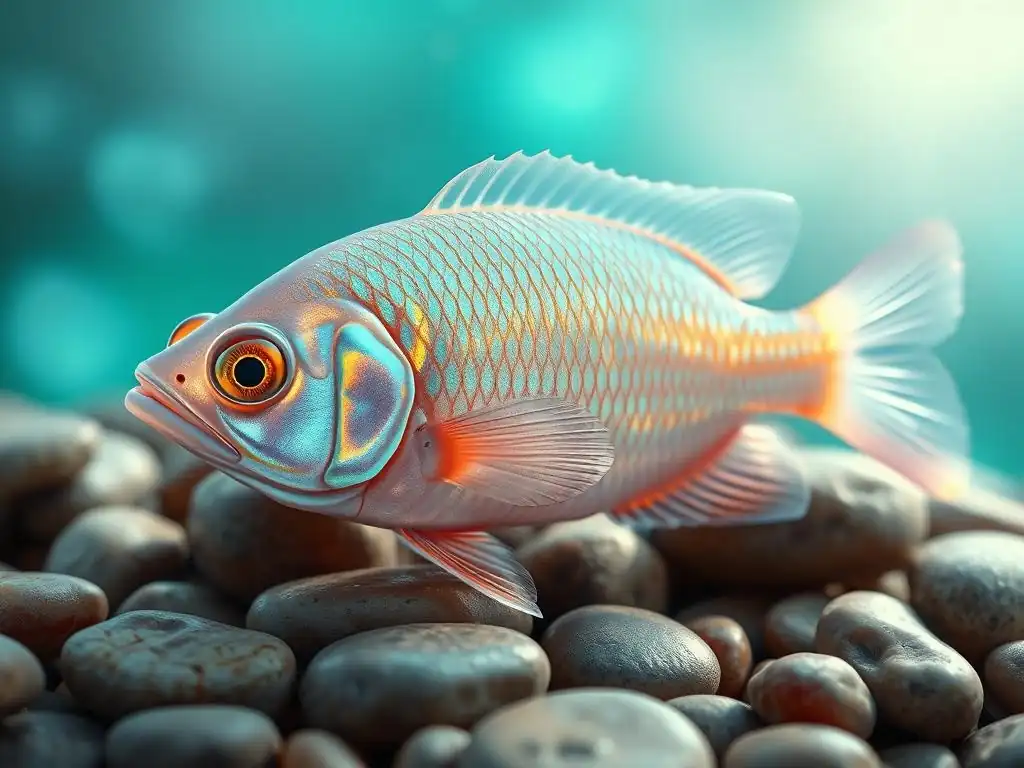
The inherent potential for a Pearl Gourami's coloration is primarily determined by its genetic makeup. Just like in other living organisms, specific genes control the production, distribution, and type of pigment cells (chromatophores) responsible for the fish's base color, iridescence, and patterns. A fish inherits these genetic traits from its parents, dictating its predisposition for certain hues and the intensity of its "pearl" spots.
Through selective breeding, aquarists and breeders have been able to enhance certain color traits over generations. By carefully pairing individuals that display particularly vibrant or unique Pearl Gourami color variations, breeders can perpetuate and intensify desirable characteristics. This process has led to the development of distinct morphs, such as the "Gold Pearl Gourami," which exhibits a significantly more pronounced golden hue due to specific genetic selections that enhance xanthophore expression.
Diet and Nutrition: The Role of Food in Color Development
A high-quality, varied diet is paramount for the development and maintenance of vibrant Pearl Gourami coloration. Fish, like many animals, cannot synthesize certain color-enhancing pigments themselves and must obtain them through their food. Carotenoids, for instance, are natural pigments found in ingredients like spirulina, astaxanthin, and krill, which are commonly added to premium fish foods. These carotenoids are absorbed by the fish and deposited in their skin cells, directly contributing to the intensity of red, orange, and yellow hues.
Supplementing a staple diet of high-quality flakes or pellets with live or frozen foods, such as bloodworms, brine shrimp, and daphnia, further enriches the fish's nutritional intake. For example, the regular inclusion of bloodworms, which are rich in protein and certain carotenoids, can significantly enhance the reddish-orange coloration often seen on the Pearl Gourami's ventral fins and throat, making their Pearl Gourami color variations more striking. A deficiency in essential nutrients can quickly lead to dull, faded colors, regardless of genetic potential.
Water Quality and Tank Environment: Optimizing Conditions for Vibrant Colors
Pristine water quality is a non-negotiable requirement for optimal Pearl Gourami coloration. Poor water parameters, such as elevated levels of ammonia, nitrite, or nitrate, act as significant stressors, leading to faded colors and susceptibility to disease. Ideal conditions for Pearl Gouramis include a stable pH between 6.0 and 8.0, a temperature range of 75-82°F (24-28°C), and soft to moderately hard water, typically between 5-19 dH. Consistent weekly water changes of 25-30% are crucial to maintain these parameters and keep nitrate levels below 20 ppm.
The overall tank environment also plays a vital role. A well-scaped aquarium with ample hiding spots, plenty of live or artificial plants, and appropriate tank mates reduces stress, allowing the fish to feel secure enough to display its most vibrant Pearl Gourami color variations. Overcrowding, on the other hand, can lead to chronic stress and competition, often resulting in muted coloration and a general decline in health. Providing a calm and stable environment allows their natural beauty to flourish.
Age and Maturity: How Color Changes Over Time
The coloration of a Pearl Gourami typically evolves as the fish matures. Young fry and juvenile Pearl Gouramis often exhibit a paler base color and less defined "pearl" spots compared to their adult counterparts. Their lateral stripe might also be less distinct in their early stages. As they grow and approach sexual maturity, which usually occurs around 6 to 12 months of age, their colors begin to intensify significantly.
During this maturation phase, the pearl-like spots become more numerous, larger, and increasingly iridescent, reflecting a broader spectrum of light. The base color deepens, and the dark lateral stripe becomes more pronounced and solid. While adult Pearl Gouramis maintain their vibrant hues through their prime, very old fish might show a slight natural fading or a more muted overall appearance as they reach the end of their lifespan, a natural progression of their life cycle.
Decoding Pearl Gourami Color Changes: Health and Stress Indicators
Fading Colors: Signs of Illness or Poor Water Quality
One of the most noticeable and concerning changes in Pearl Gourami coloration is fading. When a Pearl Gourami's vibrant hues suddenly become dull, pale, or washed out, it is almost always a strong indicator of stress, illness, or suboptimal water conditions. For instance, an ammonia spike as low as 0.25 ppm, or consistently high nitrate levels exceeding 40 ppm, can cause a fish to appear noticeably paler within hours, as their bodies struggle to cope with the toxins.
Beyond water quality, fading can also be an early symptom of various diseases, including bacterial infections, parasitic infestations like Ich (white spot disease), or even internal issues. A Pearl Gourami that is sick may also exhibit other symptoms such as lethargy, clamped fins, loss of appetite, or labored breathing, alongside its diminished coloration. Prompt investigation of water parameters and observation for other symptoms are crucial when color loss is observed.
Intensified Colors: Mating Behavior and Dominance Displays
Conversely, a sudden intensification of Pearl Gourami color, particularly in males, is often a sign of natural behavioral processes such as courtship, breeding, or dominance displays. During the breeding season, a male Pearl Gourami will typically develop a stunning deep orange-red coloration on its throat, chest, and ventral fins, while its "pearl" spots become exceptionally bright and reflective. This vibrant display is primarily used to attract a female and signal his readiness to breed.
Similarly, males may flash their most intense colors when asserting dominance over rivals or establishing territory within the aquarium. This temporary burst of color is a healthy, natural response and indicates that the fish is feeling confident and secure in its environment. Observing these intensified colors can be a rewarding experience for aquarists, highlighting the dynamic nature of Pearl Gourami color variations.
Color Variations Due to Stress: Identifying and Addressing Issues
Stress-induced color changes in Pearl Gouramis are a clear warning sign that something in their environment is amiss. A stressed gourami will often appear significantly paler, sometimes almost white or translucent, and its distinct lateral stripe may become very faint or even disappear entirely. This is a common response to sudden environmental changes, such as a large water change with different parameters, the introduction of aggressive tank mates, or a lack of adequate hiding spots.
To address stress-induced color variations, it is imperative to identify and rectify the underlying stressor immediately. This involves meticulously testing water parameters, observing interactions with other fish, assessing tank size and layout for sufficient territory and cover, and ensuring a consistent feeding schedule. Once the stressor is removed or mitigated—for example, by performing a partial water change to correct parameters or adding more plants—the Pearl Gourami's vibrant coloration should typically return within a few hours to a day, reflecting its improved well-being.
Comparing Pearl Gourami Color to Other Gourami Species
Pearl Gourami vs. Dwarf Gourami: A Color Comparison
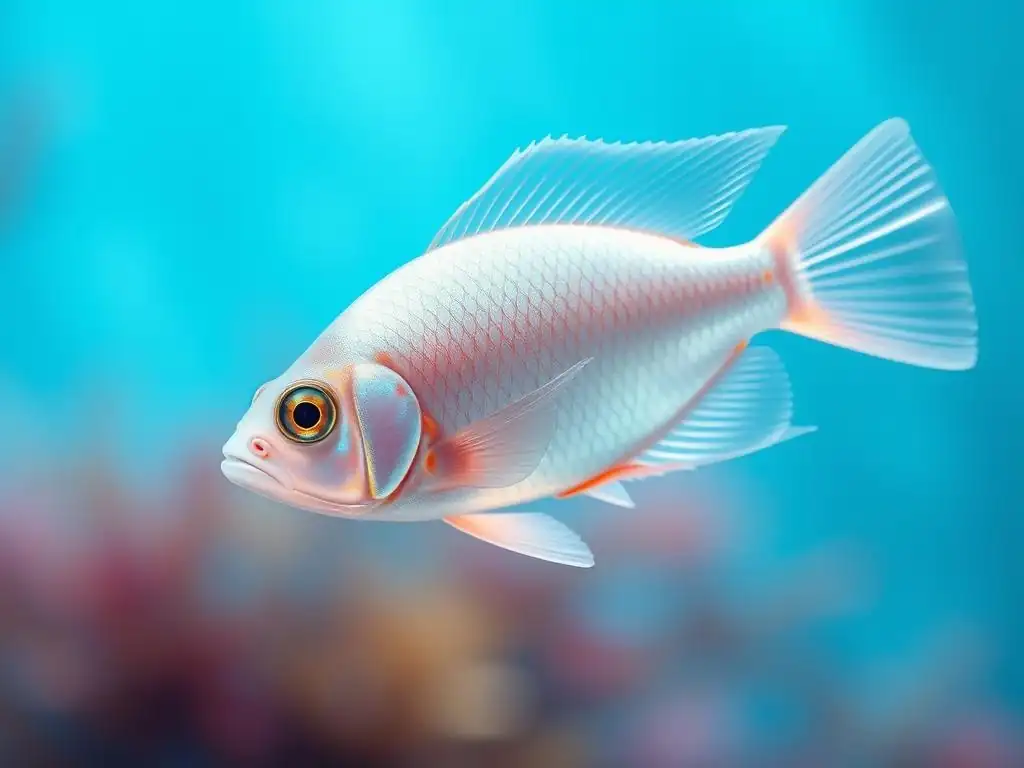
While both are popular members of the gourami family, the Pearl Gourami ( Trichopodus leerii) and the Dwarf Gourami ( Colisa lalia) exhibit distinctly different coloration patterns. The Pearl Gourami is characterized by its elegant silvery-beige base adorned with numerous iridescent, pearl-like spots and a prominent dark lateral stripe. Its beauty lies in its subtle iridescence and intricate pattern, creating a sophisticated appearance.
In stark contrast, Dwarf Gouramis are known for their much bolder and more vibrant color schemes. They typically display striking horizontal stripes of brilliant blue and red or orange, sometimes with iridescent green or turquoise bodies, and often lack the distinct "pearl" spotting. Their patterns are more pronounced and less intricate than the delicate Pearl Gourami color variations, making them easily distinguishable even by novice aquarists.
Pearl Gourami vs. Moonlight Gourami: Subtle Differences in Appearance
Comparing the Pearl Gourami to the Moonlight Gourami ( Trichopodus microlepis) reveals more subtle, yet significant, differences in their appearance. The Moonlight Gourami is renowned for its uniform, ethereal silvery-white or pale blue coloration, which gives it a luminous quality under aquarium lighting. It lacks the distinct "pearl" spots and the prominent dark lateral stripe that are characteristic of the Pearl Gourami. Moonlight Gouramis are also generally larger and possess a more robust body shape than their pearl-spotted relatives.
While both species exhibit a certain degree of shimmering quality due to their scales, the Pearl Gourami's iridescence is concentrated in its distinct, reflective spots, creating a patterned effect. The Moonlight Gourami's shimmer, however, is a more generalized, overall luminescence across its body. These distinctions are crucial for accurate identification, especially for aquarists looking for specific Pearl Gourami color variations.
Pearl Gourami Color and its Unique Appeal
The unique appeal of the Pearl Gourami's coloration lies in its understated elegance and intricate detail. Unlike many other colorful aquarium fish that rely on bold, contrasting hues, the Pearl Gourami captivates with its harmonious blend of a soft base color and thousands of shimmering, iridescent "pearls." This sophisticated palette allows it to stand out without overwhelming the visual balance of a community tank.
Its gentle movements and peaceful demeanor further complement its serene appearance, making it a favorite for planted aquariums and tranquil setups. The dynamic interplay of light on its pearl spots creates a constantly changing display of subtle blues, greens, and silvers, ensuring that the Pearl Gourami remains a focal point. This distinct beauty ensures the Pearl Gourami color variations hold a special place in the hearts of aquarists worldwide.
Tips for Enhancing Pearl Gourami Color in Your Aquarium
Choosing the Right Substrate and Decorations
The choice of substrate and decorations can significantly influence how vividly your Pearl Gourami displays its colors. A darker substrate, such as black or dark brown gravel or sand, can help to accentuate the fish's natural Pearl Gourami color variations. This is because a dark background provides a strong contrast, making the silvery-beige base and iridescent pearl spots appear brighter and more defined. Conversely, light-colored substrates can sometimes cause fish to lighten their own coloration as a form of camouflage, potentially muting their vibrant hues.
Incorporating natural decorations like driftwood, rocks, and especially live plants (e.g., Java Fern, Anubias, Amazon Swords, or floating plants) creates a more natural and secure environment. Densely planted areas offer hiding spots, reducing stress and encouraging the fish to feel safe enough to exhibit its full spectrum of colors. Floating plants, in particular, can diffuse overhead light, enhancing the subtle iridescence of the "pearl" spots and creating a more tranquil atmosphere.
Providing Optimal Lighting for Color Display
Appropriate aquarium lighting is crucial for truly showcasing the Pearl Gourami's iridescent qualities. LED lights with a full spectrum, especially those with a color temperature around 6500K-8000K, are ideal as they mimic natural daylight and can effectively bring out the blues, greens, and silvers in their "pearl" spots. Lights that emphasize the red or warm spectrum can also enhance the subtle pinkish or orange hues on their fins and bellies.
It's important to provide a balanced light intensity and duration. Too harsh or prolonged lighting can stress fish, potentially leading to faded colors, while insufficient light won't allow their beautiful iridescence to fully pop. A consistent photoperiod of 8-10 hours per day is generally recommended, creating a stable environment that encourages optimal Pearl Gourami color variations and overall fish health.
Selecting Color-Enhancing Foods
As previously discussed, diet plays a critical role in color vibrancy. To enhance Pearl Gourami color, select high-quality flake or pellet foods specifically formulated for tropical fish, which often include natural color-enhancing ingredients. Look for ingredients like spirulina, astaxanthin, krill, and other carotenoid-rich components. These natural pigments are absorbed by the fish and deposited in their skin, intensifying red, orange, and yellow hues, and contributing to the overall brilliance of their "pearl" spots.
Supplementing their diet with live or frozen foods is also highly beneficial. Bloodworms, brine shrimp, and daphnia provide essential proteins, fatty acids, and additional natural pigments. For example, feeding freeze-dried or frozen bloodworms a few times a week can significantly boost the reddish tones on the Pearl Gourami's ventral fins and throat, making their Pearl Gourami color variations even more striking. Always offer a varied diet to ensure comprehensive nutrition.
Maintaining Pristine Water Quality for Vibrant Hues
Consistent and pristine water quality is arguably the most critical factor in maintaining vibrant Pearl Gourami color. Poor water conditions are a primary source of stress and can quickly lead to dull, faded coloration. Regular partial water changes are essential; a weekly 25-30% water change helps to keep nitrate levels low (ideally below 20 ppm) and ensures stable pH and temperature, which are crucial for the fish's well-being and color expression.
A robust filtration system, combining mechanical, biological, and chemical filtration, is also vital for removing waste products and maintaining water clarity. Regularly testing water parameters with a reliable aquarium test kit—checking for ammonia, nitrite, nitrate, and pH weekly—allows aquarists to proactively address any imbalances before they negatively impact the fish's health and coloration. A healthy environment directly translates to a more colorful and thriving Pearl Gourami.
Understanding Pearl Gourami Color Morphs and Variations
Albino Pearl Gouramis: A Rare and Striking Variation
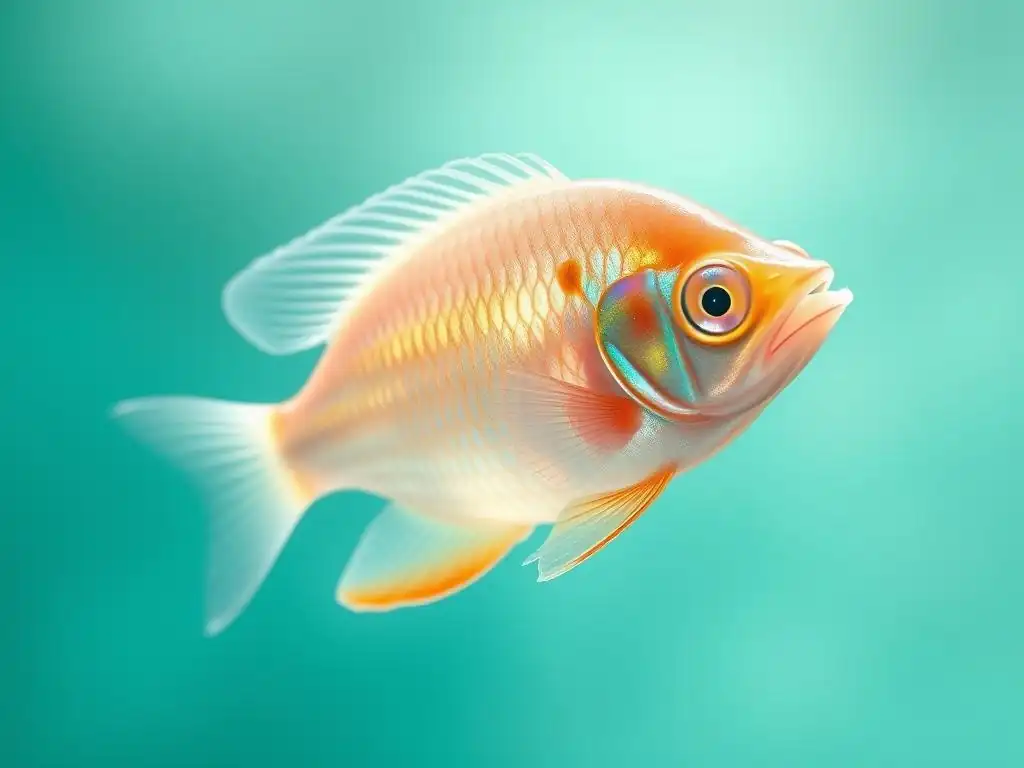
Albino Pearl Gouramis represent a distinct genetic mutation that results in the absence of melanin, the pigment responsible for dark coloration. These fish typically exhibit a pale white or yellowish body, and their most distinguishing feature is their characteristic red or pink eyes, which are a result of visible blood vessels due to the lack of pigment in the iris. While they lack the dark lateral stripe of their wild-type counterparts, their "pearl" spots may still be present, though often less iridescent and more subtly defined against their pale background.
Due to their lack of melanin, Albino Pearl Gouramis can be more sensitive to bright lighting and may prefer slightly dimmer conditions in the aquarium. Their unique, ghostly appearance makes them a rare and sought-after Pearl Gourami color variation for dedicated aquarists looking for something truly distinctive. Despite their unique appearance, their care requirements are generally similar to those of standard Pearl Gouramis, focusing on stable water parameters and a peaceful environment.
Gold Pearl Gouramis: A Captivating Golden Hue
The Gold Pearl Gourami is a captivating selectively bred morph that offers a warmer alternative to the classic Pearl Gourami coloration. Instead of the typical silvery-beige base, these fish display a rich golden or orange-yellow hue across their entire body. This striking golden coloration is achieved through careful breeding programs that focus on enhancing the expression of xanthophores, the pigment cells responsible for yellow and orange tones.
Despite their altered base color, Gold Pearl Gouramis still retain the signature "pearl" spots, which often shimmer with a golden or coppery iridescence that beautifully complements their vibrant golden bodies. This morph provides a stunning visual contrast in the aquarium, making it a popular choice for aquarists who appreciate a more pronounced and radiant Pearl Gourami color variation while retaining the species' characteristic elegance and delicate patterning.
Addressing Color Loss or Fading
If your Pearl Gourami exhibits color loss or fading, the first and most crucial step is to immediately test your aquarium's water parameters. Ammonia, nitrite, and high nitrate levels are common culprits for stress and subsequent color dullness. Even minor ammonia or nitrite readings (anything above 0 ppm) or nitrate levels consistently above 20 ppm can trigger a stress response that manifests as faded coloration. Perform a 25-50% partial water change if any parameters are outside the optimal range.
If water parameters are pristine, observe your fish for other potential stressors. Are there aggressive tank mates harassing the Pearl Gourami? Is there enough hiding cover or space for it to feel secure? Is it receiving a high-quality, varied diet, including color-enhancing foods? Addressing these environmental or dietary issues, such as rearranging decor to provide more hiding spots or upgrading to a premium fish food, will often lead to a swift return of the Pearl Gourami's vibrant color.
Identifying and Treating Diseases Affecting Color
Certain fish diseases can directly impact a Pearl Gourami's coloration, often causing a general dullness, blotchiness, or even the appearance of dark or discolored patches on the body. For instance, common parasitic infections like Ich (white spot disease) can cause not only visible white spots but also overall faded coloration due to the stress the fish experiences. Bacterial infections, fungal infections, or internal parasites can also lead to a noticeable decline in color vibrancy.
If disease is suspected, it is important to observe for additional symptoms such as lethargy, clamped fins, labored breathing, loss of appetite, or abnormal swimming patterns. If possible, quarantine the affected Pearl Gourami to prevent the spread of illness to other tank inhabitants. Research the specific symptoms to accurately identify the disease and administer appropriate medication, strictly following dosage instructions. Alongside treatment, maintaining impeccable water quality and a low-stress environment are crucial supporting measures to aid recovery and help restore the Pearl Gourami's beautiful coloration.
Conclusion: Appreciating the Beauty and Health of Your Pearl Gourami Through Color
The Pearl Gourami's coloration is a captivating and dynamic aspect of this beloved freshwater fish, offering far more than just aesthetic appeal. From its subtle silvery-beige base and thousands of shimmering "pearl" spots to its distinct lateral stripe and the occasional flash of orange-red, each hue and pattern tells a story about the fish's well-being, genetic heritage, and environmental harmony. Understanding the natural Pearl Gourami color variations and the myriad factors influencing their intensity empowers aquarists to provide optimal care.
By paying close attention to these living indicators—observing shifts in vibrancy, noting the appearance of dullness, or appreciating intensified displays during breeding—aquarists can proactively ensure the health and happiness of their Pearl Gouramis. This comprehensive Pearl Gourami color variations guide underscores that a truly vibrant Pearl Gourami is not just a beautiful sight but a testament to a well-maintained aquarium and a thriving aquatic life, enriching the experience for every enthusiast.
Frequently Asked Questions
What are the primary color variations found in Pearl Gouramis?
Pearl Gouramis primarily exhibit variations within a silver-to-gold base coloration. The intensity and sheen of these base colors can vary based on genetics, diet, and water parameters.
How does diet affect the coloration of Pearl Gouramis?
A varied and nutritious diet rich in carotenoids can significantly enhance the brightness and vibrancy of a Pearl Gourami's coloration. High-quality flake food and live/frozen foods are recommended.
Does water chemistry play a role in the color expression of Pearl Gouramis?
Yes, stable and optimal water parameters are crucial. Poor water quality can stress the fish, leading to faded or dull coloration and impacting their overall health and appearance.
Are there any specific environmental factors that can enhance a Pearl Gourami's color?
A well-planted aquarium with subdued lighting can encourage a Pearl Gourami to display its best colors. The presence of dark substrate can also help to enhance their natural coloration.
Can stress impact the coloration of Pearl Gouramis?
Absolutely. Stress from poor water quality, aggressive tank mates, or improper handling can cause a Pearl Gourami to lose its vibrant colors and appear pale or washed out. Minimizing stress is key to maintaining healthy coloration.
Final Reflection: Embracing the Luminous Spectrum
The journey through the subtle yet captivating world of Pearl Gourami coloration reveals more than just aesthetic variations; it unveils the intrinsic beauty of adaptation and the power of observation in appreciating the natural world. These shimmering scales, each hue a testament to environmental influence and genetic heritage, remind us that even in the seemingly mundane, extraordinary beauty awaits discovery.
The delicate iridescence of the Pearl Gourami has always held a special allure, influencing aquascaping trends and captivating hobbyists worldwide. This fascination underscores our innate connection to nature and our desire to bring its beauty into our lives. The real voyage of discovery consists not in seeking new landscapes, but in having new eyes.
- Marcel Proust. This quote perfectly encapsulates the shift in perspective that comes from truly understanding the nuances of something as seemingly simple as a fish's coloration.
Now, armed with a deeper understanding of the Pearl Gourami's color variations, I invite you to look closer at the world around you. Seek out the subtle beauty in the everyday, appreciate the intricate details that often go unnoticed, and allow yourself to be captivated by the luminous spectrum that surrounds us. Let the Pearl Gourami's shimmering scales serve as a constant reminder to embrace the beauty in nuance and to cultivate a deeper appreciation for the wonders of the natural world.
Unlock the Secrets of Pearl Gourami Brilliance!
Thanks for diving into the captivating world of Pearl Gourami coloration! We hope you've gained a new appreciation for these shimmering beauties. Now, let's translate that knowledge into action.
Here's how you can further explore their radiant charm:
- Start observing! Spend extra time watching your Pearl Gouramis in different lighting and at different times of day. Note any changes in color intensity and try to correlate them with water parameters, feeding, or social interactions.
- Share your most stunning Pearl Gourami photo on Instagram and tag #AquariumMasteryPearl to inspire other aquarists with the beauty of your fish.
- Experiment with different food types known to enhance coloration – what new hues will you uncover?
What subtle color variations have you noticed in your Pearl Gouramis that surprised you? Share your observations in the comments!