
Quarantine Protocols for New Swordtails & Variatus: A MustDo

Welcome to Aquarium Mastery!
Ever wonder if your new swordtails are really ready to join your community tank? Dive into our comprehensive guide on new swordtail quarantine protocols and discover the secrets to ensuring a healthy and thriving aquarium. Don't risk a devastating outbreak! Learn the vital steps you need to take to protect your aquatic ecosystem and keep your swordtails swimming happily. Read on to unlock the key to a disease-free aquarium!
- Quarantine Protocols for New Livebearers: A Must-Do
- Why Quarantine New Livebearers is Essential
- Setting Up a Quarantine Tank for Livebearers
- The Quarantine Process: A Step-by-Step Guide
- Common Livebearer Diseases and Quarantine Treatments
- Quarantine Duration and Release
- Advanced Quarantine Techniques for Delicate Livebearer Varieties
- Maintaining a Healthy Aquarium After Quarantine: Post-Quarantine Care
-
Frequently Asked Questions
- What is the main reason to quarantine new swordtails?
- How long should I quarantine new swordtails?
- What size quarantine tank is appropriate for swordtails?
- What are some common signs of illness to look for during quarantine?
- Should I treat proactively during quarantine, even if the swordtails appear healthy?
- Final Reflection: Safeguarding New Life
- Dive Deeper: Shield Your Aquarium with Confidence!
Quarantine Protocols for New Livebearers: A Must-Do
Why Quarantine New Livebearers is Essential
Preventing Disease Introduction to Your Aquarium: The Quarantine Imperative
Introducing new fish directly into an established aquarium without a proper quarantine period is one of the leading causes of disease outbreaks. Even seemingly healthy new swordtails and variatus can carry dormant pathogens, parasites, or bacteria that may not be apparent to the naked eye. These hidden threats, once introduced, can quickly spread to your existing fish, potentially leading to widespread illness and even death in your main display tank. A dedicated new swordtail quarantine protocols tank acts as a critical buffer, allowing you to observe and treat any issues before they compromise your entire aquatic ecosystem.
Furthermore, the stress of being caught, transported, and moved to a new environment can significantly weaken a fish's immune system, making them more susceptible to developing active infections. A recent study indicated that up to 30% of newly acquired ornamental fish may carry subclinical infections that become active under stress.
By implementing robust new swordtail quarantine protocols, you provide a controlled, low-stress environment where new swordtails and variatus can recover from transport shock, allowing any underlying health issues to manifest and be addressed without risking your main tank's inhabitants. This proactive approach saves time, money, and the heartache of losing beloved fish.
Protecting Existing Fish Populations: A Key Reason for Quarantine
The primary goal of any new swordtail quarantine protocols is to safeguard your current fish population from potential threats carried by new arrivals. Established aquariums often house fish that have developed immunity to common pathogens within their specific environment.
However, they may have no defense against novel strains or types of diseases introduced by new swordtails or variatus from a different source, such as a pet store or another hobbyist. A new pathogen can quickly overwhelm your existing fish, leading to a cascade of infections that are difficult and costly to treat, often requiring medication for the entire tank, which can be stressful for all inhabitants and beneficial bacteria.
Consider the economic and emotional investment in a well-maintained aquarium. Losing a significant portion of your fish due to a preventable disease introduction is a devastating experience for any aquarist. Implementing new swordtail quarantine protocols for a minimum of two to four weeks allows you to identify and treat diseases like Ich, velvet, or bacterial infections in isolation, preventing their spread. This protective measure ensures that your long-term residents remain healthy, vibrant, and free from external threats, maintaining the stability and beauty of your main aquarium system.
Recognizing Early Signs of Illness in New Livebearers During Quarantine
The controlled environment of a quarantine tank is ideal for diligently observing new swordtails and variatus for subtle signs of illness that might go unnoticed in a busy main tank. In a dedicated quarantine setup, with minimal decor and fewer hiding spots, you can easily monitor their behavior, feeding habits, and physical appearance. Early detection is paramount for successful treatment, as many fish diseases are highly treatable in their initial stages but become far more challenging once advanced.
Specific indicators to watch for include clamped fins, rapid gilling (respiration), abnormal swimming patterns (e.g., darting, rubbing against objects, listing), loss of appetite, and changes in coloration (e.g., fading, darkening, or unusual spots/patches). For instance, white spots resembling salt grains on the body or fins are indicative of Ich, while frayed fins or cloudy eyes suggest bacterial issues. By maintaining a vigilant eye during the new swordtail quarantine protocols, you can pinpoint these symptoms quickly, allowing for targeted treatment before the disease progresses or spreads, significantly increasing the chances of a full recovery for your new livebearers.
Setting Up a Quarantine Tank for Livebearers
Quarantine Tank Size and Setup Requirements for Livebearers
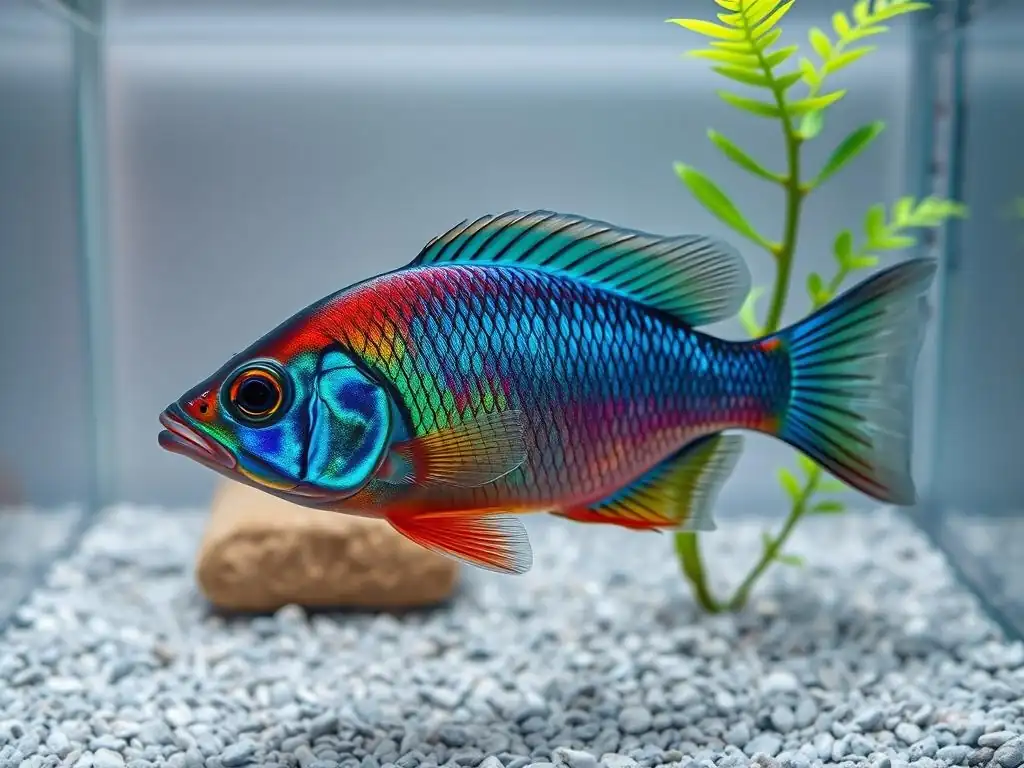
A quarantine tank for new swordtails and variatus doesn't need to be elaborate, but its size is crucial for minimizing stress and facilitating observation. A 10 to 20-gallon tank is generally sufficient for quarantining a small group of livebearers, providing enough space for them to swim comfortably without being overcrowded. Overcrowding can lead to increased stress, aggressive behavior, and a higher risk of disease transmission among the quarantined fish themselves. The tank should be bare-bottomed to facilitate easy cleaning and observation of waste and any parasites that might fall off the fish.
The setup should be as simple as possible to avoid hindering observation or treatment. Include a few PVC pipes or artificial plants for hiding spots to reduce stress, but avoid dense decorations that could obscure vision. A dark background can also help reduce stress and make it easier to see subtle changes in fish coloration or behavior. Remember, the primary goal of the new swordtail quarantine protocols tank setup is functionality and ease of monitoring, not aesthetic appeal.
Essential Equipment for a Successful Quarantine Tank
To ensure successful new swordtail quarantine protocols, several pieces of essential equipment are required. First, a reliable heater is critical to maintain a stable temperature, ideally between 75-78°F (24-26°C), which is optimal for swordtails and variatus and can also help accelerate the life cycle of certain parasites like Ich, making them easier to treat. Second, a simple sponge filter or a small hang-on-back (HOB) filter with a pre-seeded sponge from an established tank is vital for biological filtration, helping to process ammonia and nitrite. Avoid using carbon in the filter during quarantine, as it can remove medications.
Additionally, a thermometer for accurate temperature monitoring, a separate set of nets and buckets specifically for the quarantine tank to prevent cross-contamination, and a good quality water test kit (for ammonia, nitrite, nitrate, and pH) are indispensable. Having a dedicated siphon for water changes and a small LED light for observation purposes completes the basic setup. This minimal yet effective equipment ensures that you can maintain stable water parameters, observe your new swordtails and variatus closely, and administer treatments effectively during the new swordtail quarantine protocols period.
Water Parameters for Livebearer Quarantine: Maintaining Optimal Conditions
Maintaining stable and optimal water parameters is paramount for the health and stress reduction of new swordtails and variatus during quarantine. Livebearers like swordtails and variatus thrive in slightly alkaline water with a pH range of 7.0 to 8.0. Consistent temperature, ideally between 75-78°F (24-26°C), is also crucial. Fluctuations in temperature or pH can cause significant stress, weakening their immune systems and making them more susceptible to disease. Regular monitoring with a reliable test kit is non-negotiable for these new swordtail quarantine protocols.
Ammonia and nitrite levels must be kept at zero parts per million (ppm) at all times, as even small amounts can be highly toxic to fish, particularly those already stressed from transport. Nitrate levels should be kept below 20 ppm through consistent water changes.
Using water from your main display tank for the quarantine setup can help acclimate the new swordtails and variatus to your specific water chemistry, provided your main tank parameters are suitable for them. Regular small water changes, perhaps 20-25% every few days, are often necessary to maintain pristine water quality, especially in a smaller quarantine tank with a new biological filter.
The Quarantine Process: A Step-by-Step Guide
Step 1: Acclimating New Livebearers to the Quarantine Tank
Proper acclimation is the first critical step in any new swordtail quarantine protocols. Upon bringing your new swordtails and variatus home, float the sealed bag in the quarantine tank for 15-20 minutes to equalize the water temperature. This prevents temperature shock, which can be highly stressful and even fatal. After temperature equalization, begin the drip acclimation process.
This involves slowly adding water from the quarantine tank into the bag over a period of 30-60 minutes, using airline tubing and a knot or valve to control the drip rate. The goal is to gradually adjust the fish to the quarantine tank's specific water parameters (pH, hardness, etc. ).
Once the water volume in the bag has roughly quadrupled, carefully net the new swordtails and variatus and transfer them to the quarantine tank, discarding the water from the bag. Never introduce the water from the transport bag into your quarantine tank, as it may contain pathogens or undesirable chemicals. This careful acclimation minimizes stress and helps your new livebearers adjust smoothly to their temporary home, setting a positive tone for the rest of the new swordtail quarantine protocols.
Step 2: Observation and Monitoring for Disease Symptoms
Once acclimated, the most crucial part of the new swordtail quarantine protocols begins: diligent observation. For the first few days, new swordtails and variatus may be shy or hide, which is normal. However, within 24-48 hours, they should start exploring and showing interest in food. Spend at least 10-15 minutes, multiple times a day, carefully observing each fish for any signs of illness. Look for changes in behavior, such as lethargy, listlessness, constant hiding, erratic swimming, or rubbing against tank decor.
Physically, inspect their bodies, fins, and gills. Are the fins clamped or frayed? Are there any spots, patches, or growths on their skin? Are their scales ruffled or their eyes cloudy? Check their breathing rate; rapid gilling can indicate gill flukes or poor water quality. Keep a small logbook to note down any observations, changes, or unusual behaviors, along with dates. This detailed monitoring during the new swordtail quarantine protocols period is essential for early detection and successful intervention if any issues arise.
Step 3: Feeding and Water Changes During the Quarantine Period
During the new swordtail quarantine protocols, feed new livebearers sparingly for the first 24-48 hours, offering only small amounts of high-quality flake or pellet food. Overfeeding can quickly foul the water, especially in a smaller quarantine tank with a nascent biological filter. After the initial period, feed once or twice a day, only as much as they can consume within 2-3 minutes. Observe their appetite; a sudden refusal to eat is a significant red flag for illness.
Regular water changes are paramount to maintain pristine water quality and minimize stress. Perform 20-25% water changes every 2-3 days, or more frequently if ammonia or nitrite levels are detected. Always use dechlorinated water that matches the temperature of the quarantine tank. Siphon any uneaten food or waste from the bare bottom during water changes. These consistent water changes are a cornerstone of effective new swordtail quarantine protocols, ensuring a healthy environment for recovery and preventing secondary infections.
Step 4: Treating Identified Illnesses in Quarantine
Should you identify any signs of illness during the new swordtail quarantine protocols, the isolation of the quarantine tank becomes invaluable. This allows for targeted treatment without exposing your main tank's beneficial bacteria or invertebrates to potentially harmful medications. Before administering any medication, confirm the diagnosis as accurately as possible. Many common symptoms can be indicative of several different diseases. For example, white spots might be Ich, but could also be a fungal infection.
Always follow the medication instructions precisely regarding dosage and duration. Some treatments require multiple doses over several days, while others might necessitate water changes before re-dosing. Remove activated carbon from the filter if you are using medications, as it will absorb them. Observe the fish closely for improvement and be prepared to adjust treatment if necessary, consulting reliable resources or experienced aquarists. Successfully treating illnesses during the new swordtail quarantine protocols period ensures that only healthy fish are introduced to your main display.
Common Livebearer Diseases and Quarantine Treatments
Identifying Ich (White Spot Disease) and its Treatment in Quarantine
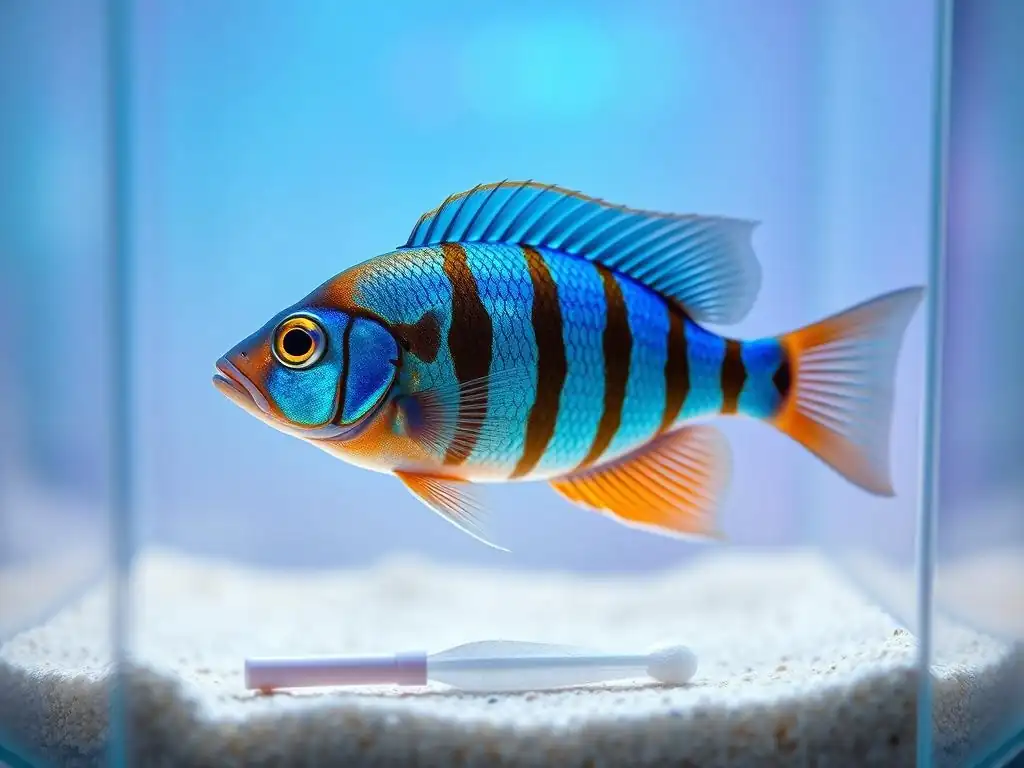
Ichthyophthirius multifiliis, commonly known as Ich or white spot disease, is one of the most prevalent and easily recognizable parasitic infections in freshwater fish, including new swordtails and variatus. It manifests as small, white, salt-grain-like spots scattered across the fish's body and fins. Affected fish may also display clamped fins, rapid breathing, and rubbing or "flashing" against tank surfaces due to irritation. The lifecycle of the Ich parasite involves a free-swimming stage that is susceptible to medication, making it crucial to treat the entire water column.
Treatment for Ich during new swordtail quarantine protocols typically involves a combination of elevated temperature and medication. Gradually raising the water temperature to 82-84°F (28-29°C) accelerates the parasite's life cycle, forcing it into the vulnerable free-swimming stage more quickly. Concurrently, use an Ich-specific medication containing malachite green or formalin, following the manufacturer's instructions carefully. Treatment usually lasts for 7-10 days, even after visible spots disappear, to ensure all stages of the parasite are eradicated. Regular water changes are also important to remove dead parasites and maintain water quality.
Recognizing Fin Rot and Bacterial Infections: Quarantine Solutions
Fin rot and other bacterial infections are common ailments in new swordtails and variatus, often triggered by stress, poor water quality, or physical injury during transport. Fin rot typically appears as frayed, ragged, or disintegrating fins, sometimes with white or red edges. Other bacterial infections can manifest as cloudy eyes, red streaks on the body, ulcers, or general lethargy and loss of appetite. These infections can quickly become systemic if left untreated, leading to more severe health issues.
Quarantine is the ideal setting for treating these bacterial problems. The first step in treatment is always to ensure pristine water quality, as poor conditions often exacerbate bacterial issues. Perform daily 25-50% water changes using dechlorinated, temperature-matched water. For mild cases of fin rot, improved water quality alone may be sufficient for recovery. For more advanced cases or other bacterial infections, broad-spectrum antibacterial medications containing active ingredients like erythromycin, minocycline, or furan-2 are often effective. Administer the medication according to the product's instructions, ensuring the full course is completed even if symptoms improve, to prevent resistance and recurrence.
Addressing Parasitic Infections in New Livebearers
Beyond Ich, new swordtails and variatus can sometimes carry other internal or external parasites, such as flukes (gill or body flukes), anchor worms, or internal worms. Flukes are microscopic flatworms that attach to gills or skin, causing irritation, rapid breathing, flashing, and excessive mucus production. Anchor worms are visible crustaceans that burrow into the fish's flesh, resembling small threads protruding from the body, often with inflammation at the attachment site. Internal worms can lead to emaciation despite good feeding, stringy white feces, and lethargy.
Identifying these parasites can be challenging without a microscope, but behavioral signs often provide clues during new swordtail quarantine protocols. For gill flukes, observe for heavy breathing, gasping at the surface, or rubbing gills. For internal parasites, look for weight loss or abnormal feces. Treatment typically involves specific antiparasitic medications.
Praziquantel is effective against flukes and some internal worms, while medications containing metronidazole can target internal flagellates. For anchor worms, manual removal (if safe and possible) followed by a topical antiseptic and an antiparasitic bath is often recommended. Always ensure the medication is safe for livebearers and follow dosage instructions precisely to effectively eliminate these unwanted guests before introduction to the main tank.
Quarantine Duration and Release
Determining the Appropriate Quarantine Period for Livebearers
The ideal duration for new swordtail quarantine protocols is generally 4 to 6 weeks. This timeframe allows sufficient time for most common fish diseases to manifest their symptoms, for any underlying infections to become apparent, and for successful treatment and recovery. For instance, the life cycle of Ich can be completed within 7-10 days at warmer temperatures, but a longer period ensures that all free-swimming stages are eliminated and that the fish has fully recovered. Similarly, bacterial infections might require several weeks of treatment and observation for complete healing and to ensure there are no relapses.
A minimum of two weeks is often cited, but a longer period provides a greater margin of safety, especially if you observe any signs of stress or illness during the initial weeks. If any medication is administered, the quarantine period should be extended to at least two weeks after the last dose of medication has been given and the fish appear completely healthy. This ensures that the fish are truly disease-free and robust before joining your main display tank, making the new swordtail quarantine protocols highly effective.
Signs That Your Livebearer is Ready to be Introduced to the Main Tank
Before concluding the new swordtail quarantine protocols, it's essential to confirm that your livebearers are in optimal health and ready for transfer. Look for several key indicators. First and foremost, the fish should exhibit no visible signs of disease, such as spots, frayed fins, or unusual growths. Their coloration should be vibrant and natural for their species, and their fins should be held erect and not clamped.
Secondly, their behavior should be normal: active, alert, and showing interest in food. They should be swimming freely and confidently, not hiding excessively or displaying erratic movements. They should be eating well and producing normal, solid waste. Finally, ensure that no medications have been administered for at least two weeks, and that water parameters in the quarantine tank have been consistently stable and pristine. Only when all these conditions are met can you confidently proceed with introducing your new swordtails and variatus to the main aquarium, having successfully completed your new swordtail quarantine protocols.
Safely Introducing Quarantined Fish to the Main Aquarium: A Gradual Process
Even after successful new swordtail quarantine protocols, the introduction to the main tank should be a gradual and careful process to minimize stress. Sudden changes in water parameters or environment can still cause shock, potentially weakening the fish and making them susceptible to illness. Begin by performing a water change in the main tank a day or two before the introduction to ensure optimal water quality.
On the day of transfer, acclimate the quarantined swordtails and variatus to the main tank's water parameters using the drip acclimation method, similar to how you introduced them to the quarantine tank. Place the fish in a clean bucket with some quarantine tank water, then slowly drip water from the main tank into the bucket over 30-60 minutes until the water volume roughly doubles. Then, carefully net the fish and release them into the main tank, discarding the bucket water.
Keep the main tank lights off for a few hours after introduction to help the new fish settle in without immediate harassment from existing residents. Observe them closely over the next few days for any signs of stress or aggression from tank mates, ensuring the success of your new swordtail quarantine protocols.
Advanced Quarantine Techniques for Delicate Livebearer Varieties
Special Considerations for Long-Finned and Fancy Livebearers During Quarantine
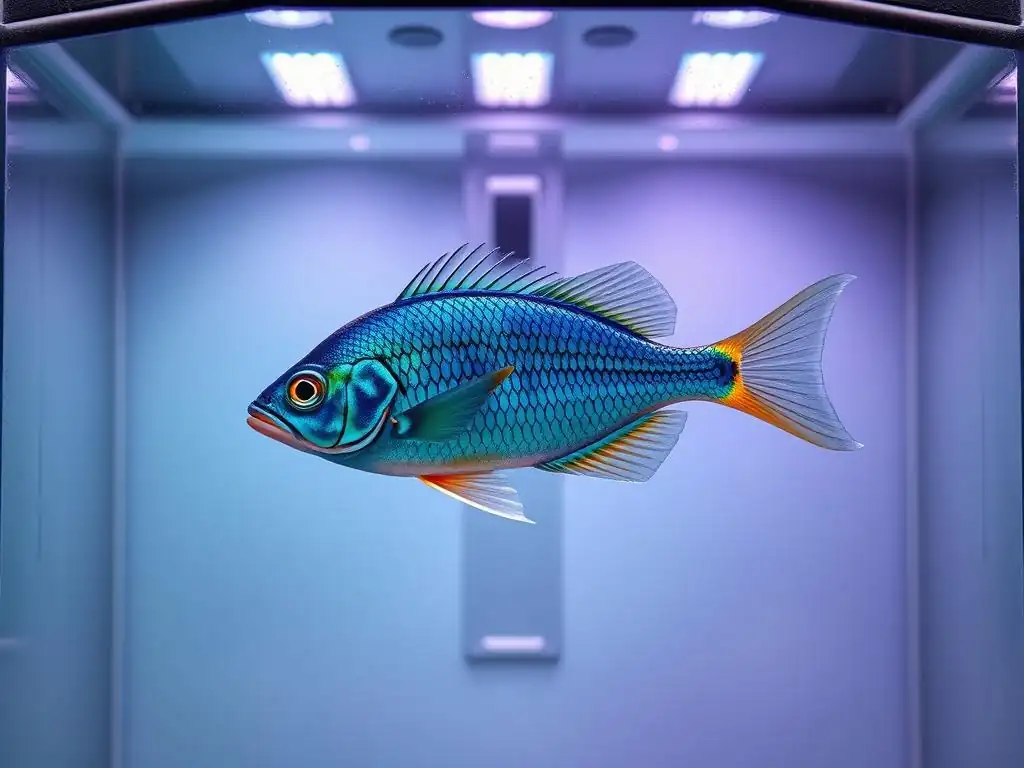
Long-finned and fancy varieties of livebearers, such as Veiltail Swordtails or high-fin Variatus, require extra care during new swordtail quarantine protocols due to their delicate finnage and often more fragile nature. Their elongated fins are highly susceptible to fin rot and mechanical damage from rough handling, aggressive tank mates (even within quarantine if overcrowded), or abrasive decorations. Therefore, the quarantine tank setup for these varieties should be even simpler, with very smooth surfaces and no sharp edges.
Consider a larger quarantine tank if you are housing multiple long-finned varieties to ensure ample space and reduce the likelihood of fin nipping. Maintain impeccable water quality, as poor conditions can quickly lead to fin rot. During treatment, be mindful of medications that might be harsh on delicate fins or sensitive gill structures. Some medications, particularly those with strong dyes, can temporarily stain lighter-colored fins. The extended new swordtail quarantine protocols period is especially beneficial for these varieties, allowing their fins to heal and strengthen before being exposed to the more dynamic environment of the main display tank.
Stress is a major contributing factor to disease in fish, and the quarantine period itself, despite its benefits, can be stressful for new swordtails and variatus. Effective new swordtail quarantine protocols involve proactive measures to minimize this stress. Keep the quarantine tank in a quiet area with minimal foot traffic and sudden movements. A dark background and a few simple, smooth hiding spots (like PVC pipes or floating artificial plants) can provide security and reduce anxiety.
Maintain consistent water parameters and temperature, avoiding any sudden fluctuations. Overfeeding should be avoided to prevent water quality degradation, but ensure they receive a high-quality, varied diet to support their immune system. If necessary, a mild dose of aquarium salt (non-iodized) can sometimes be used as a general tonic to reduce stress and aid in osmoregulation, but check compatibility if you plan to use other medications. Observing their behavior closely and responding to any signs of distress quickly is key to successfully managing stress throughout the new swordtail quarantine protocols.
Localized Disease Concerns and Treatment Protocols
While general new swordtail quarantine protocols cover common diseases, it's important to be aware of localized disease concerns or specific pathogens prevalent in your region or from your source. For example, some suppliers might have a history of specific parasitic outbreaks, or certain bacterial strains might be more common in a particular area. If you acquire fish from a known source with a specific issue, you might tailor your initial quarantine treatment plan. This could involve prophylactic treatment for a specific parasite or bacteria known to be an issue, even if no symptoms are immediately visible.
However, prophylactic treatment should be approached with caution, as unnecessary medication can stress fish and contribute to antibiotic resistance. It's generally better to observe and treat only if symptoms appear. If you have multiple quarantine tanks, consider isolating fish from different sources in separate tanks to prevent cross-contamination of different pathogen strains. Consulting with reputable local fish stores or experienced aquarists regarding regional disease trends can provide valuable insights for refining your new swordtail quarantine protocols, making them even more targeted and effective.
Maintaining a Healthy Aquarium After Quarantine: Post-Quarantine Care
Monitoring Your Main Tank for Signs of Disease After Introduction
Even after rigorous new swordtail quarantine protocols, vigilance remains key. For the first two to four weeks after introducing your new swordtails and variatus to the main tank, continue to monitor all tank inhabitants closely for any signs of stress or disease. While the quarantine process significantly reduces the risk of disease introduction, no method is 100% foolproof, and sometimes dormant pathogens can still emerge under new environmental stressors.
Pay attention to the behavior of the newly introduced fish as well as your existing residents. Look for any changes in appetite, activity level, coloration, or the appearance of spots, clamped fins, or unusual swimming. Observe interactions between the new and old fish; stress from aggression can weaken immune systems. Early detection of any issues after new swordtail quarantine protocols means you can isolate affected fish back into the quarantine tank for treatment before the problem spreads to the entire main aquarium.
Preventive Measures for a Disease-Free Aquarium Environment
Maintaining a disease-free aquarium environment extends beyond the new swordtail quarantine protocols. Consistent preventive measures are crucial for long-term health. Avoid overstocking your tank, as crowded conditions lead to increased stress, aggression, and a higher bioload, making fish more susceptible to illness. Feed a high-quality, varied diet to boost fish immunity, and avoid overfeeding, which can degrade water quality.
Regularly clean your substrate and decor, and perform routine water changes as part of your maintenance schedule. Ensure your filtration system is adequately sized and well-maintained. When adding new plants or decorations, consider a brief dip or rinse to remove potential pests or contaminants. Always wash your hands before and after handling aquarium water or equipment. These ongoing practices, combined with strict new swordtail quarantine protocols for all new arrivals, create a robust defense against disease.
Regular Water Testing and Maintenance: Ensuring a Healthy Habitat
Consistent water quality is the bedrock of a healthy aquarium and the ultimate goal after successful new swordtail quarantine protocols. Regular water testing for ammonia, nitrite, nitrate, and pH should be a routine part of your aquarium maintenance. Ammonia and nitrite should always be at zero ppm, while nitrates should be kept below 20 ppm through regular water changes. The pH should remain stable within the optimal range for swordtails and variatus (7.0-8.0).
Perform weekly or bi-weekly water changes, typically 25-30% of the tank volume, depending on your bioload and nitrate levels. Use a good quality water conditioner to neutralize chlorine and chloramines. Clean filter media as recommended by the manufacturer, being careful not to destroy your beneficial bacterial colony. A healthy, stable environment, meticulously maintained through regular water testing and consistent maintenance, is the best defense against disease outbreaks, ensuring your new swordtails and variatus thrive long after their new swordtail quarantine protocols are complete.
Frequently Asked Questions
What is the main reason to quarantine new swordtails?
The main reason is to prevent the introduction of disease and parasites into your established aquarium. Quarantine allows you to observe the new fish for signs of illness before they can infect your existing inhabitants.
How long should I quarantine new swordtails?
A quarantine period of at least two to four weeks is recommended. This allows sufficient time to observe for signs of disease and administer any necessary treatments.
What size quarantine tank is appropriate for swordtails?
A 10-gallon tank is generally sufficient for quarantining a small group of swordtails. Ensure the tank has adequate filtration and aeration.
What are some common signs of illness to look for during quarantine?
Look for signs like lethargy, loss of appetite, white spots, or abnormal swimming behavior. Early detection allows for prompt treatment.
Should I treat proactively during quarantine, even if the swordtails appear healthy?
Proactive treatment is a debated topic. Some aquarists prefer to treat preventatively with a broad-spectrum medication, while others only treat if symptoms appear. Research and choose the approach that best suits your experience level and risk tolerance.
Final Reflection: Safeguarding New Life
The journey of introducing new life into an established ecosystem, whether it's a bustling city or a serene aquarium, demands careful consideration and proactive measures. Our exploration of new swordtail quarantine protocols underscores the vital role these procedures play in preventing disease outbreaks and ensuring the well-being of our aquatic companions. The principles discussed extend beyond just swordtails, highlighting the importance of responsible pet ownership and the interconnectedness of all living things.
The impact of responsible quarantine practices resonates far beyond the confines of our aquariums. It's a microcosm of how we should approach biosecurity on a global scale, understanding that preventative measures are far more effective than reactive solutions. An ounce of prevention is worth a pound of cure,
a sentiment that rings especially true when dealing with the delicate balance of aquatic ecosystems. The lessons learned from safeguarding our swordtails can inform our approach to protecting larger, more complex environments.
As you consider the information presented, I encourage you to reflect on your own role in promoting responsible practices. Whether you're a seasoned aquarist or just beginning your journey, remember that every action, no matter how small, contributes to the overall health and vitality of our shared world. Embrace the principles of quarantine, not just for your swordtails, but as a guiding philosophy for interacting with all living things, ensuring a brighter, healthier future for everyone.
Dive Deeper: Shield Your Aquarium with Confidence!
Thank you for exploring the essential steps to protect your aquarium! Now that you understand the critical importance of quarantine for new Swordtails and Variatus, let’s put that knowledge into action.
Here are a few ways to ensure a healthy and vibrant aquarium:
- Immediately set up a quarantine tank: Don't delay; a dedicated quarantine setup is your first line of defense against potential diseases.
- Document your quarantine process: Start a log to track your new fishes' behavior, eating habits, and any observed symptoms during quarantine. This could prove invaluable.
- Share your experience: Join our Aquarium Mastery community forum and share your quarantine setups or any challenges you’ve faced, to help others!
What unique quarantine hack has proven most effective for you in keeping your aquarium thriving?