
Gouramis in Planted Tanks: Symbiotic Beauty and Behavior

Welcome to Aquarium Mastery!
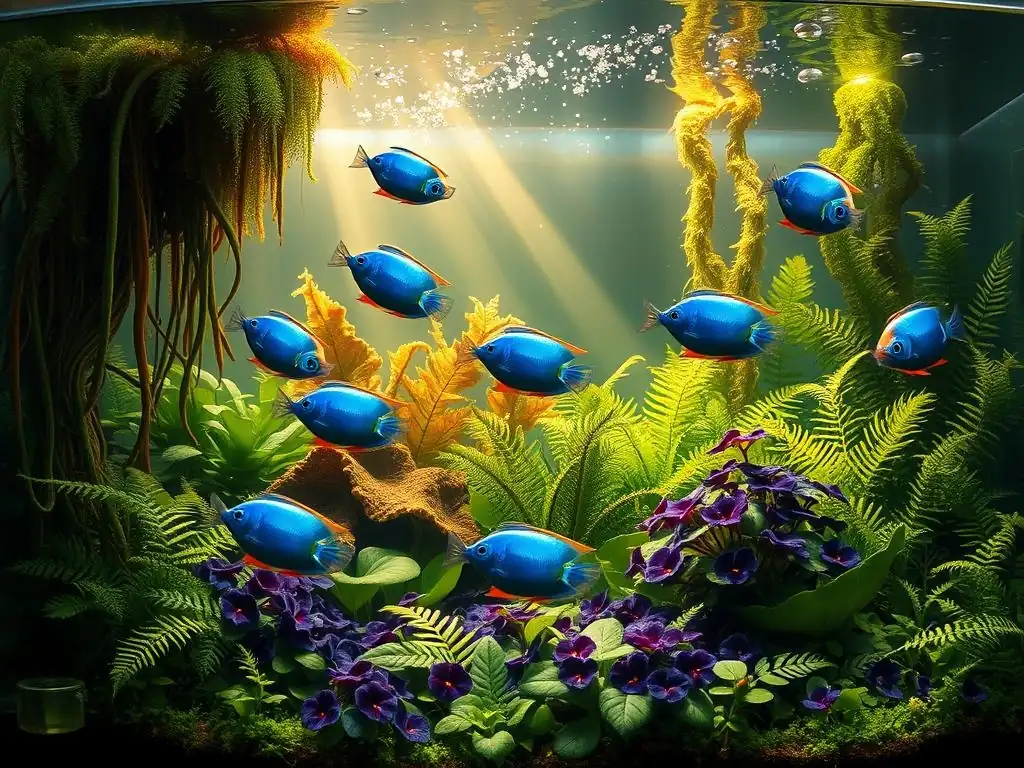
Ever wondered how to create a thriving underwater paradise where colorful gouramis and lush aquatic plants live in perfect harmony? Dive in! This article unlocks the secrets of planted tank gourami care, exploring the delicate balance between these captivating fish and their vibrant environment. Discover how to cultivate a symbiotic relationship that brings beauty and tranquility to your home aquarium. Ready to master the art? Let's get started!
- Introduction: The Allure of Planted Tanks with Gouramis
- Benefits of Keeping Gouramis in Planted Tanks
- Essential Plant Selection for Gourami Tanks
-
Setting Up the Perfect Planted Tank for Gouramis: A Step-by-Step Guide
- Tank Size and Dimensions: Providing Adequate Space for Gouramis and Plants
- Substrate Selection: Choosing the Right Substrate for Plant Growth and Gourami Well-being
- Lighting Requirements: Optimizing Light for Plant Health and Gourami Comfort
- Filtration and Water Parameters: Maintaining Optimal Water Quality for Gouramis and Plants
- Hardscape Considerations: Incorporating Rocks and Wood for a Natural Look
- Planted Tank Gourami Care: Maintaining a Healthy Ecosystem
- Common Problems and Solutions in Planted Gourami Tanks
- Choosing the Right Tank Mates for Gouramis in Planted Aquariums
- Breeding Gouramis in Planted Tanks
- Conclusion: Enjoying the Beauty and Harmony of Planted Tank Gourami Care
-
Frequently Asked Questions
- What types of gourami are best suited for planted tanks?
- How do plants benefit gouramis in a planted tank environment?
- What are some key water chemistry parameters to maintain for gouramis in a planted tank?
- How should I feed gouramis in a planted tank to ensure they get enough nutrition without overfeeding the tank?
- What are common signs of stress or illness in gouramis, and how can a planted tank environment help mitigate these issues?
- Final Reflection: Cultivating Harmony in the Aquatic Realm
- Cultivate Your Aquatic Paradise
Introduction: The Allure of Planted Tanks with Gouramis
Gourami Species Ideal for Planted Tanks: A Selection Guide
The selection of gourami species for a planted aquarium is paramount to ensuring a harmonious and thriving ecosystem. Ideal candidates are generally peaceful, do not grow excessively large, and are not known for habitually uprooting or damaging delicate plant life. This careful consideration ensures that the fish can coexist peacefully with the flora, benefiting from the natural environment provided by the plants.
Diversifying your gourami selection can add visual interest, but always prioritize compatibility. Species that naturally inhabit densely vegetated, slow-moving waters in their native Southeast Asian habitats often adapt best to a well-planted aquarium. Their comfort in such an environment directly translates to healthier fish, more vibrant coloration, and the exhibition of natural behaviors, making the overall experience of planted tank gourami care truly rewarding.
Dwarf Gouramis (Trichogaster lalius): A Popular Choice for Planted Setups
Dwarf Gouramis are among the most popular choices for planted tanks due to their modest size, typically reaching only 2 inches (about 5 cm) in length, and their stunning array of colors, including vibrant blues, reds, and oranges. Their relatively peaceful temperament makes them suitable for community tanks, especially when kept with other similarly sized, non-aggressive species. They thrive in environments with ample plant cover, which provides security and reduces stress, allowing their natural beauty to fully emerge.
These labyrinth fish appreciate the dense foliage that mimics their natural habitat, offering numerous hiding spots and visual barriers. This inherent preference for heavily planted areas helps them feel secure, leading to less stress and more pronounced coloration. Their ability to breathe atmospheric air through their labyrinth organ also makes them highly adaptable to varied oxygen levels that can occur in densely planted aquariums, further cementing their suitability for a planted tank gourami setup.
Pearl Gouramis (Trichopodus leerii): Elegant Additions to a Planted Environment
Pearl Gouramis are renowned for their elegant appearance, characterized by a delicate, lace-like pattern across their bodies resembling pearls, and long, flowing ventral fins. They can grow larger than Dwarf Gouramis, typically reaching 4 to 5 inches (10-12 cm), requiring a tank of at least 30 gallons (approximately 113 liters) to accommodate their size and provide adequate swimming space. Despite their larger stature, they are known for their calm and peaceful demeanor, making them excellent additions to a community planted tank.
These gouramis prefer an environment with tall, dense plants that reach the surface, providing both cover and areas for exploration. While they appreciate open swimming areas, they also utilize the vertical plant structures for shelter and rest. Their serene presence and striking beauty, combined with their non-destructive nature towards plants, make them a fantastic choice for aquarists seeking to enhance their planted aquarium with graceful, interactive fish, making their planted tank gourami care a delight.
Honey Gouramis (Trichogaster chuna): Peaceful Tank Mates for Planted Aquariums
Honey Gouramis are one of the smallest and most peaceful gourami species, typically growing to a maximum size of 1.5 to 2 inches (4-5 cm). Their soft, golden-orange to reddish-brown coloration, especially pronounced in males during breeding, adds a subtle yet beautiful warmth to a planted aquarium. Their exceptionally timid and non-aggressive nature makes them ideal for nano tanks or heavily planted setups housing other small, shy fish.
These gouramis thrive in densely planted environments where they can feel secure and hide among the leaves. They are less likely to exhibit territorial behavior compared to other gourami species, making them excellent candidates for mixed-species planted tanks. Providing ample hiding spots among fine-leaved plants will help reduce any potential stress and encourage them to display their full, beautiful coloration, highlighting the gentle aspect of planted tank gourami care.
Avoiding Aggressive Gourami Species in Planted Tanks
While many gourami species are suitable for planted tanks, it is crucial to avoid those known for their aggressive tendencies or propensity to damage plants. Larger species like the Kissing Gourami (Helostoma temminckii), which can reach up to 12 inches (30 cm), are notorious for their strong lips and tendency to graze on and potentially uproot plants, especially delicate ones. Their sheer size also means they require much larger tanks than typical planted setups provide.
Similarly, certain strains of Three Spot Gouramis (Trichopodus trichopterus), particularly male individuals, can exhibit significant territorial aggression, especially towards other male gouramis or fish with similar body shapes and colors. This aggression can lead to stress, fin nipping, and even fatalities among tank mates in the confined space of a planted aquarium, disrupting the peaceful balance. Therefore, careful research into specific species' temperaments is essential before introducing them into a planted tank gourami community.
Benefits of Keeping Gouramis in Planted Tanks
Natural Habitat Replication: Creating a Thriving Ecosystem
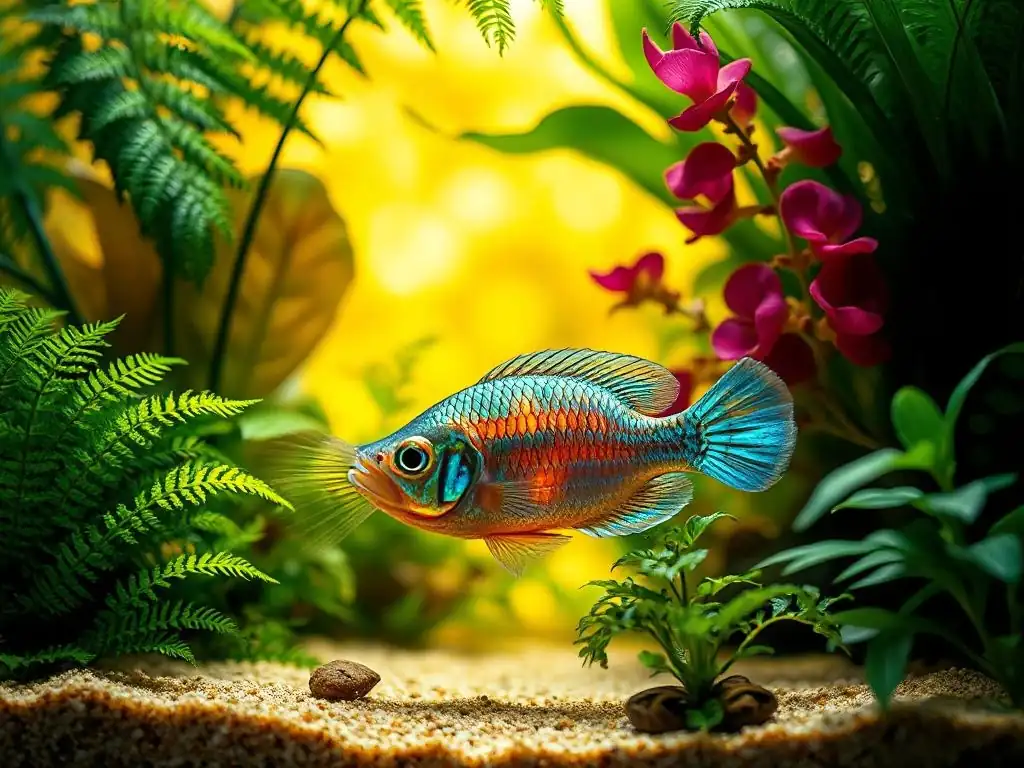
Keeping gouramis in a planted tank offers a unique opportunity to replicate their natural habitat, which typically consists of slow-moving waters, dense vegetation, and ample hiding spots found in Southeast Asian floodplains, swamps, and rice paddies. This naturalistic setup significantly reduces stress for the fish, encouraging them to exhibit their full range of natural behaviors, such as exploring, interacting with the environment, and for some species, building intricate bubble nests among floating plants. The comfort derived from such an environment leads to healthier, more resilient fish.
A well-designed planted tank provides not just aesthetic beauty but also a stable, self-sustaining ecosystem that directly benefits gourami health. The lush environment offers visual barriers, which are crucial for reducing aggression among territorial males and providing security for shyer individuals. This replication of their native environment is a cornerstone of effective planted tank gourami care, promoting vibrant coloration and a longer, healthier life span for your fish.
Algae Control Assistance: Gouramis as Part of Your Cleaning Crew
While gouramis are not primarily known as dedicated algae eaters like Otocinclus catfish or Amano shrimp, certain species, particularly Dwarf Gouramis and Honey Gouramis, can contribute to algae control by occasionally grazing on soft, filamentous algae present on plant leaves and tank surfaces. Their small mouths and inquisitive nature lead them to peck at various surfaces, inadvertently consuming some of the undesirable green growths. This supplementary grazing can help keep the tank cleaner.
It is important to manage expectations regarding their algae-eating capabilities; they will not solve a severe algae problem. However, their contribution, even if minor, integrates them into the tank's natural cleaning crew, reducing the overall biological load. For instance, in a well-balanced 20-gallon planted tank, a Dwarf Gourami might reduce the presence of fine hair algae by an estimated 5-10% through consistent grazing, complementing the efforts of other clean-up crew members and consistent planted tank gourami care practices.
Enhanced Coloration and Behavior: Observing Natural Gourami Behavior in Planted Environments
The reduced stress levels experienced by gouramis in a meticulously planted tank directly translate to more vibrant coloration and the exhibition of a wider array of natural behaviors. When fish feel secure and comfortable in their environment, their stress hormones decrease, allowing their true, brilliant colors to shine through. A stressed gourami, conversely, often appears dull, faded, and withdrawn, a clear indicator of an unsuitable environment.
In a planted tank, you can observe fascinating natural behaviors that are rarely seen in barren setups. Male gouramis, for example, will meticulously construct elaborate bubble nests among the leaves of floating plants, a crucial part of their breeding ritual. Females will inspect these nests, and courtship displays involving intricate fin movements become more pronounced. Individuals might also be seen peacefully grazing on the surface of plant leaves or deftly navigating through dense thickets, showcasing their agility and inquisitiveness. This rich tapestry of behavior is a direct payoff of diligent planted tank gourami care.
Water Quality Improvement: Planted Tanks and Gourami Health
Live plants play a critical role in maintaining superior water quality within an aquarium, acting as natural biological filters that significantly benefit gourami health. Through the process of photosynthesis, plants absorb nitrates, phosphates, and other harmful pollutants that accumulate from fish waste and decaying organic matter. This absorption helps to keep these compounds at minimal levels, preventing toxic buildups that can stress fish and lead to disease.
A robustly planted tank can dramatically stabilize water parameters, which is vital for gouramis as they are particularly sensitive to sudden fluctuations in water chemistry. For example, a healthy growth of stem plants in a moderately stocked 20-gallon (75-liter) tank can reduce nitrate levels by 20-50% over a week, significantly easing the burden on the mechanical and biological filtration system. This natural purification process results in cleaner, more stable water, which directly contributes to the longevity and well-being of gouramis, making it an indispensable component of comprehensive planted tank gourami care.
Essential Plant Selection for Gourami Tanks
Plant Species That Provide Shelter and Security for Gouramis
Providing ample hiding spots and visual barriers is paramount for the well-being of gouramis in a planted tank. Many gourami species, particularly the smaller and more timid ones, feel secure when they have dense foliage to retreat into, which helps reduce stress and prevents potential aggression from more dominant tank mates. The strategic placement of plants can create distinct territories, breaking lines of sight and fostering a more peaceful environment.
Different types of plants serve various purposes in creating this secure environment. Floating plants offer surface cover, which gouramis, being labyrinth fish that breathe air from the surface, highly appreciate. Tall stem plants create vertical hiding spots and dense thickets, while broad-leaved rhizome plants provide resting places and shaded areas. This multi-layered approach to planting is fundamental to successful planted tank gourami care.
Floating Plants: Amazon Frogbit (Limnobium laevigatum), Duckweed (Lemna minor)
Floating plants such as Amazon Frogbit (Limnobium laevigatum) and Duckweed (Lemna minor) are highly beneficial for gourami tanks. They provide excellent surface cover, which helps to dim intense overhead lighting that gouramis often find uncomfortable, mimicking the dappled light of their natural habitats. This cover also offers a sense of security and a prime location for male gouramis to build their intricate bubble nests during breeding.
These plants absorb excess nitrates directly from the water column, contributing to better water quality. However, due to their rapid growth, especially Duckweed, they require regular thinning to prevent them from completely covering the surface, which could hinder gas exchange and block too much light from reaching submerged plants. Their ease of care and significant benefits make them essential for a thriving planted tank gourami setup.
Stem Plants: Water Wisteria (Hygrophila difformis), Ambulia (Limnophila sessiliflora)
Stem plants like Water Wisteria (Hygrophila difformis) and Ambulia (Limnophila sessiliflora) are excellent choices for creating dense thickets and providing vertical hiding spots in a gourami tank. These fast-growing plants can quickly fill out the mid-ground and background of an aquarium, offering numerous places for gouramis to retreat when feeling stressed or needing a break from tank mates. Their lush growth helps to break up lines of sight, which is particularly useful in mitigating territorial disputes among male gouramis.
Water Wisteria is known for its distinctive lace-like leaves and robust growth, while Ambulia offers delicate, feathery foliage. Both are relatively easy to care for and can tolerate a range of water parameters, making them suitable for beginners. Regular pruning will encourage bushier growth and prevent them from overshadowing other plants or restricting swimming space, contributing positively to planted tank gourami care.
Rhizome Plants: Anubias barteri, Java Fern (Microsorum pteropus)
Rhizome plants such as Anubias barteri and Java Fern (Microsorum pteropus) are incredibly hardy and versatile options for a gourami planted tank. Their key feature is that their rhizomes (the horizontal stems from which leaves and roots grow) should not be buried in the substrate, but rather attached to hardscape elements like driftwood or rocks. This makes them ideal for aquarists who prefer low-maintenance plants or have fish that tend to dig in the substrate.
Both Anubias and Java Fern feature broad, sturdy leaves that provide excellent resting places for gouramis and create shaded areas within the tank. They are known for their slow growth rate and tolerance to a wide range of lighting conditions, making them very forgiving. Their robust nature also means they are less likely to be damaged by curious gouramis, ensuring a long-lasting and aesthetically pleasing planted tank gourami environment.
Plants That Tolerate Gourami Behavior: Choosing Durable Options
While most gourami species are generally gentle with plants, some larger or more boisterous individuals, or even smaller ones during vigorous spawning, might inadvertently uproot delicate plants or brush against them, causing minor damage. Therefore, selecting robust and well-rooted plant species is a wise choice to ensure the longevity and stability of your planted aquarium. Plants with strong root systems or those that can be firmly anchored to hardscape are less susceptible to disturbance.
Consider plants with tougher leaves that are less prone to tearing or bruising. For instance, plants like Cryptocoryne species, with their strong root systems and resilient leaves, are excellent choices for the foreground or mid-ground. Similarly, attaching plants like Anubias and Java Fern to driftwood or rocks ensures they remain undisturbed, even if a gourami decides to rest directly on their leaves. This strategic plant selection contributes to sustained planted tank gourami care, minimizing the need for constant replanting.
Setting Up the Perfect Planted Tank for Gouramis: A Step-by-Step Guide
Tank Size and Dimensions: Providing Adequate Space for Gouramis and Plants
The appropriate tank size and dimensions are fundamental to creating a suitable environment for gouramis and facilitating healthy plant growth. For smaller species like Dwarf Gouramis, a minimum of a 10-gallon (approximately 38-liter) tank can house a single specimen, but a 20-gallon (75-liter) tank or larger is highly recommended for a pair or a small group, providing ample space for territories and plant density. Larger species, such as Pearl Gouramis, require at least 30 gallons (113 liters) to accommodate their size and provide sufficient swimming room.
When considering dimensions, a tank that is wider and longer rather than excessively tall is often preferred for gouramis. For example, a 20-gallon long tank (typically 30"x12"x12" or 76x30x30 cm) offers more horizontal swimming space and a larger surface area for air exchange, which is beneficial for labyrinth fish. This increased footprint also allows for more creative aquascaping and denser planting, which is crucial for a thriving planted tank gourami setup, providing both fish comfort and plant health.
Substrate Selection: Choosing the Right Substrate for Plant Growth and Gourami Well-being
The choice of substrate is critical for both robust plant growth and the comfort of your gouramis. For planted tanks, a nutrient-rich substrate designed specifically for aquatic plants is highly recommended. Products like ADA Aqua Soil, Fluval Stratum, or specialized laterite-based substrates provide essential macro and micronutrients that plants absorb through their roots, promoting lush growth and vibrant coloration. These substrates are often porous, aiding in beneficial bacterial colonization.
Gouramis, particularly the bottom-dwelling species or those that occasionally sift through the substrate, appreciate a softer, fine-grained material like sand or fine gravel. This prevents injury to their delicate barbels and allows for natural foraging behaviors. Avoid sharp-edged or coarse gravel that could abrade their sensitive undersides. A common setup involves a base layer of nutrient-rich substrate, topped with a cap of fine inert gravel or sand to prevent the nutrient layer from clouding the water and to provide a smooth surface for the fish, optimizing the planted tank gourami environment.
Lighting Requirements: Optimizing Light for Plant Health and Gourami Comfort
Optimizing lighting is a delicate balance in a planted gourami tank, as plants require sufficient light for photosynthesis while many gourami species prefer subdued conditions. The specific wattage or lumen output needed will depend on the types of plants chosen; low-light plants (e.g., Anubias, Java Fern) need less intensity than high-light plants (e.g., carpeting plants). A general guideline for a moderately planted tank using LED lights is around 20-30 PAR (Photosynthetically Active Radiation) at the substrate level, or roughly 0.5-0.8 watts per liter (2-3 watts per gallon) for traditional fluorescent systems, for a photoperiod of 8-10 hours per day.
To cater to gouramis' preference for dimmer light, consider using floating plants like Amazon Frogbit or Water Lettuce, which naturally diffuse light and create shaded areas. Tall stem plants can also grow to the surface, breaking up the light intensity. Overly bright lighting can stress gouramis, leading to faded colors and reclusive behavior. Therefore, strategic plant placement and potentially a dimmer on your light fixture are key elements of effective planted tank gourami care.
Filtration and Water Parameters: Maintaining Optimal Water Quality for Gouramis and Plants
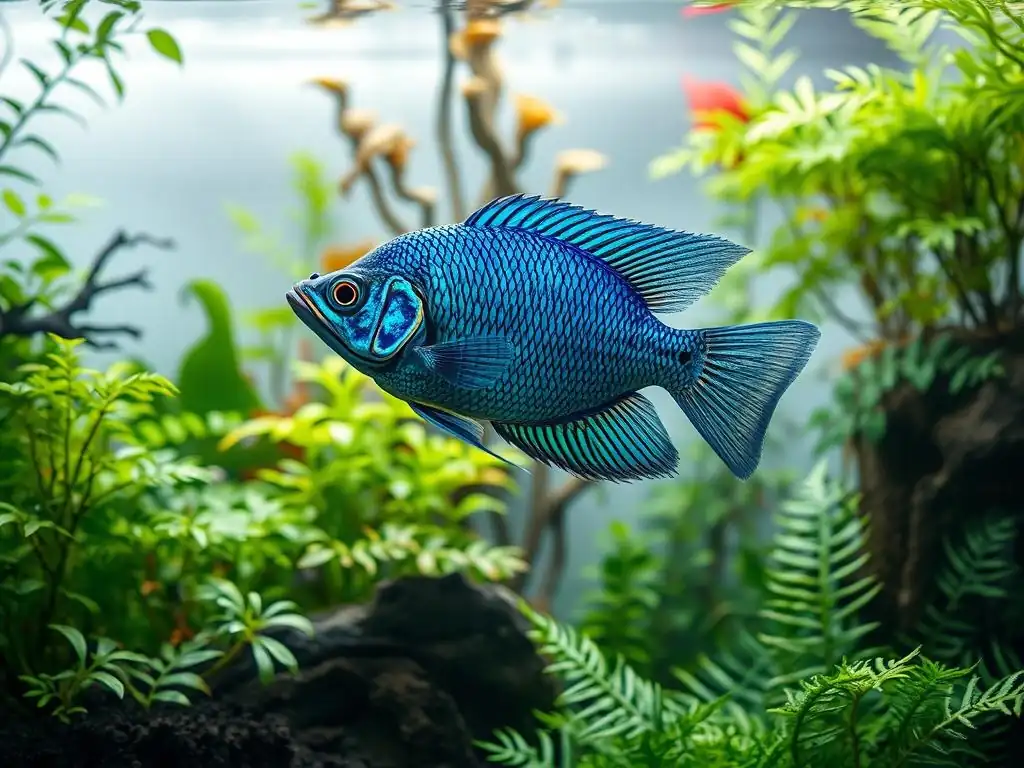
Maintaining optimal water quality through efficient yet gentle filtration is paramount for the health of both gouramis and aquatic plants. Gouramis prefer calm waters, so strong currents from powerful filters should be avoided. Suitable filtration options include sponge filters, hang-on-back filters with adjustable flow rates, or canister filters, which provide excellent mechanical, biological, and chemical filtration without creating excessive turbulence. Regular filter maintenance, such as rinsing sponges in old tank water, prevents beneficial bacteria loss.
Ideal water parameters for most common gourami species in a planted tank include a pH range of 6.0-7.5 (slightly acidic to neutral), a temperature between 75-82°F (24-28°C), and soft to medium-hard water (GH 4-12 dGH). Live plants help stabilize these parameters by absorbing nitrates, but consistent monitoring with a reliable test kit is essential. Weekly or bi-weekly water changes of 25-30% are crucial to replenish essential minerals and remove accumulated pollutants, ensuring a pristine environment for planted tank gourami care.
Hardscape Considerations: Incorporating Rocks and Wood for a Natural Look
Incorporating hardscape elements such as driftwood and rocks is not only aesthetically pleasing but also highly beneficial for a planted gourami tank. These elements provide additional visual interest and create a more naturalistic environment, mimicking the submerged roots and rock formations found in gouramis' native habitats. Driftwood, in particular, can slowly release tannins into the water, which can slightly lower the pH and tint the water a tea-like color, conditions that many gourami species appreciate and which can enhance their coloration.
Beyond aesthetics, hardscape serves practical purposes. It provides anchor points for epiphytic plants like Anubias and Java Fern, which can be tied or glued to the surfaces. More importantly, rocks and wood create additional hiding spots, caves, and visual barriers, helping to break up line of sight. This is crucial in reducing aggression among territorial gouramis and providing secure retreats for shyer individuals, contributing significantly to successful planted tank gourami care.
Planted Tank Gourami Care: Maintaining a Healthy Ecosystem
Feeding Gouramis in Planted Tanks: Ensuring a Balanced Diet
Ensuring a balanced and varied diet is crucial for the health and vibrancy of gouramis in a planted tank. Gouramis are omnivores, and their diet should reflect this. A high-quality flake or small pellet food specifically designed for tropical fish should form the staple of their diet, providing essential vitamins and minerals. This should be supplemented regularly with live or frozen foods such as brine shrimp, bloodworms, daphnia, and spirulina-enriched foods.
Feed small amounts two to three times a day, only what they can consume within a few minutes. Overfeeding can quickly degrade water quality, leading to excess nutrients that fuel algae growth and stress fish. For example, a single Dwarf Gourami might only need 2-3 flakes twice a day, plus a few frozen bloodworms once a week. Observing their feeding behavior ensures they are receiving adequate nutrition and that food is not left to rot, which is a key aspect of diligent planted tank gourami care.
Water Changes and Maintenance: Maintaining Pristine Water Quality
Despite the beneficial filtering effects of live plants, regular water changes remain a cornerstone of maintaining pristine water quality in a planted gourami tank. A consistent schedule of weekly or bi-weekly 25-30% water changes is recommended. This practice removes accumulated nitrates, phosphates, and other dissolved organic compounds that plants cannot fully process, while also replenishing essential trace minerals vital for both fish and plant health.
During water changes, use a gravel vacuum to gently clean the substrate, particularly in open areas where detritus might accumulate, taking care not to disturb plant roots excessively. Always ensure that the replacement water is dechlorinated and temperature-matched to the tank water to prevent thermal shock to the gouramis. Consistent water quality is paramount for preventing stress and disease, making regular water changes an indispensable element of planted tank gourami care.
Plant Pruning and Fertilization: Keeping Your Plants Healthy and Vibrant
Regular plant pruning is essential for maintaining the aesthetic appeal and health of a planted gourami tank. Overgrown plants can shade out lower-growing species, restrict swimming space for fish, and lead to nutrient imbalances. Trimming stem plants encourages bushier growth, while removing decaying or yellowing leaves promptly prevents them from decomposing and negatively impacting water quality. A general rule is to prune when plants start to look unruly or block light from other areas.
For fertilization, the approach depends on your substrate. If you're using a nutrient-rich substrate, initial fertilization might not be necessary. However, for inert substrates like sand or gravel, or as the nutrients in rich substrates become depleted over time (typically after 6-12 months for new setups), supplementing with liquid fertilizers or root tabs becomes crucial. These provide essential macro-nutrients (Nitrogen, Phosphorus, Potassium) and micro-nutrients (Iron, Manganese) that plants need. For example, a 20-gallon tank might require 2-3 pumps of a comprehensive liquid fertilizer weekly to maintain optimal plant health, directly supporting a thriving planted tank gourami environment.
Monitoring Gourami Health: Identifying and Addressing Potential Issues
Diligent monitoring of your gouramis' health is a vital aspect of effective planted tank gourami care. Daily observation allows you to quickly identify any subtle changes in behavior, appearance, or appetite that could indicate stress or the onset of illness. Look for signs such as clamped fins, faded or dull coloration, lethargy, labored breathing, visible spots (like white spots from Ich), frayed fins (Fin Rot), or unusual swimming patterns.
Early detection is key to successful treatment and preventing the spread of disease within your community tank. Many common ailments, like Ich or Fin Rot, are often exacerbated by poor water quality or stress. If an issue is suspected, isolate the affected fish in a separate quarantine tank if possible. Research the specific symptoms to apply the correct treatment, which might involve medication, increased water changes, or slight temperature adjustments. Addressing the underlying cause, whether it's water parameters or aggression, is crucial for long-term recovery.
Common Problems and Solutions in Planted Gourami Tanks
Algae Blooms: Preventing and Controlling Algae Growth
Algae blooms are a common frustration in planted tanks and can quickly detract from their beauty. The primary causes are typically an imbalance in light, nutrients, or CO2. Excess light (too intense or too long a photoperiod, e.g., over 10 hours), overfeeding, and insufficient plant mass to outcompete algae for available nutrients are frequent culprits. High levels of nitrates and phosphates can also fuel rapid algae growth.
Prevention is multifaceted: maintain a consistent photoperiod of 8-10 hours, feed your gouramis sparingly to avoid excess nutrients, and ensure your plants are healthy and growing robustly to absorb available nutrients. Solutions for existing blooms include manual removal (scraping glass, wiping leaves), performing larger water changes (e.g., 50%) to reduce nutrient levels, and introducing algae-eating tank mates like Amano shrimp (Caridina multidentata) or Nerite snails (Neritina natalensis). In severe cases, a temporary blackout for 2-3 days can help, but addressing the root cause is paramount for long-term success in planted tank gourami care.
Plant Deficiencies: Identifying and Correcting Nutrient Imbalances
Plant deficiencies manifest through various visual cues and indicate an imbalance in essential macro or micronutrients. For instance, yellowing of older leaves, particularly at the tips, often points to a nitrogen deficiency. Stunted growth and general paleness across all leaves can suggest a lack of overall nutrients. Holes in leaves or decaying edges frequently indicate a potassium deficiency, while yellowing between leaf veins with green veins (chlorosis) is a classic sign of iron deficiency.
Correcting these imbalances involves targeted fertilization. For nitrogen, increasing nitrate levels through specific liquid fertilizers or by allowing nitrates to rise slightly (while still safe for fish) can help. Potassium and iron deficiencies are typically addressed with liquid supplements designed for planted aquariums. If using an inert substrate, root tabs placed near plant roots can provide localized nutrient delivery. Regular testing of water parameters and observing plant growth patterns are crucial for precise adjustments in your planted tank gourami setup.
Gourami Diseases: Recognizing and Treating Common Gourami Ailments
Gouramis, like all aquarium fish, are susceptible to various diseases, often triggered by stress, poor water quality, or inadequate diet. Two common ailments are Ich (Ichthyophthirius multifiliis), characterized by small white spots resembling salt grains on the body and fins, and Fin Rot, which presents as frayed, ragged, or decaying fins, often with a white or red edge. Both can be lethal if left untreated.
Treatment typically involves isolating the affected fish in a quarantine tank to prevent spread and allow for targeted medication without harming beneficial bacteria or plants in the main tank. For Ich, slowly raising the tank temperature to 82-84°F (28-29°C) over 24-48 hours can accelerate the parasite's life cycle, making it more vulnerable to salt or specific Ich medications. Fin Rot is usually treated with antibacterial medications. Crucially, addressing the underlying cause—such as improving water quality through increased water changes, reducing stress, or optimizing diet—is vital for preventing recurrence and is a key component of thorough planted tank gourami care.
Bullying and Aggression: Managing Aggression Among Gouramis and Tank Mates
While many gouramis are generally peaceful, some male gourami species, especially Dwarf Gouramis, can exhibit territorial aggression, particularly towards other males of their own kind or similar-looking fish. This aggression can manifest as chasing, fin nipping, or constant harassment, leading to stress, injury, and even death for the harassed fish. Aggression can also occur if the tank is too small or lacks sufficient hiding spots.
Managing aggression in a planted tank gourami setup requires strategic planning. Provide ample hiding spots and visual barriers using dense planting (e.g., stem plants, tall swords) and hardscape elements like driftwood and rocks. This breaks up lines of sight and allows weaker or submissive fish to escape. Avoid keeping multiple male Dwarf Gouramis in tanks smaller than 20-30 gallons (75-113 liters). If aggression persists despite these measures, consider re-evaluating tank mate compatibility or, in severe cases, separating the aggressive individual to maintain a harmonious environment.
Choosing the Right Tank Mates for Gouramis in Planted Aquariums
Compatible Fish Species: Peaceful Tank Mates for a Balanced Ecosystem
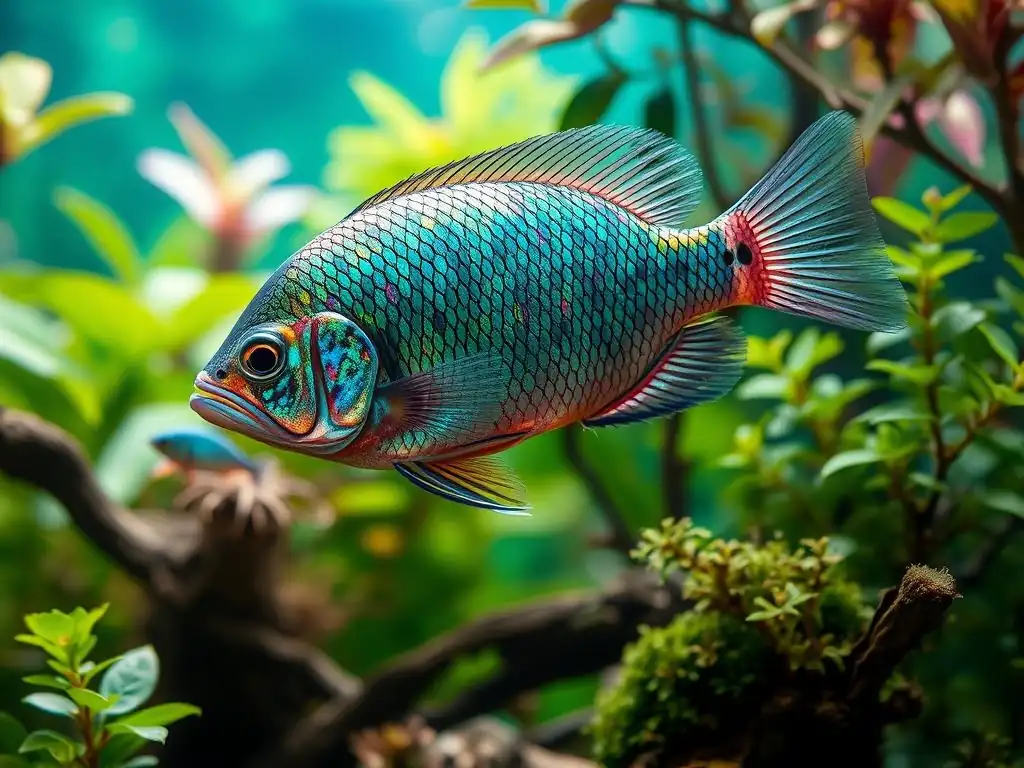
Choosing compatible tank mates is crucial for a balanced and stress-free planted aquarium environment, especially for gouramis, which can be sensitive to aggressive or overly boisterous fish. The ideal tank mates should be peaceful, non-nippy, and appropriately sized so as not to intimidate or be intimidated by the gouramis. They should also share similar water parameter requirements to ensure the well-being of all inhabitants.
It's beneficial to select fish that occupy different levels of the water column to minimize competition for space and resources. For example, bottom-dwellers won't directly compete with gouramis that tend to inhabit the mid to upper levels. Avoiding species known for fin-nipping is also important, as gouramis have long, delicate ventral fins that can be easily damaged, impacting their health and appearance in a planted tank gourami community.
Tetras: Neon Tetras (Paracheirodon innesi), Black Skirt Tetras (Gymnocorymbus ternetzi)
Tetras are excellent tank mates for many gourami species due to their peaceful schooling behavior and relatively small size. Neon Tetras (Paracheirodon innesi), reaching about 1.5 inches (4 cm), are known for their vibrant iridescent blue and red stripes and prefer soft, acidic water, which aligns well with many gourami species. They swim in the mid-water column, providing lively movement without disturbing the gouramis.
Black Skirt Tetras (Gymnocorymbus ternetzi), growing up to 2 inches (5 cm), are also peaceful and hardy, although they can be slightly nippy if not kept in sufficiently large schools (at least 6-8 individuals). Their calm demeanor and schooling nature make them a good visual contrast to the gouramis. Both species contribute to the aesthetic appeal of a planted tank gourami setup without posing a threat to the gouramis' well-being.
Rasboras: Harlequin Rasboras (Trigonostigma heteromorpha), Chili Rasboras (Boraras brigittae)
Rasboras are another group of highly compatible tank mates for gouramis, particularly for smaller gourami species in planted tanks. Harlequin Rasboras (Trigonostigma heteromorpha), growing to about 1.5-2 inches (4-5 cm), are recognized by their distinctive copper-colored bodies and triangular black markings. They are exceptionally peaceful, active schoolers that thrive in soft, slightly acidic water, mirroring the preferences of many gouramis.
Chili Rasboras (Boraras brigittae) are even smaller, typically less than an inch (2.5 cm), making them perfect for nano planted tanks or setups with very small gouramis like Honey Gouramis. Their vibrant red coloration adds a pop of color, and their timid nature means they require dense planting for security. Both rasbora species occupy the mid-water column and do not compete with gouramis for space, making them ideal companions for a tranquil planted tank gourami environment.
Corydoras: Bronze Corydoras (Corydoras aeneus), Pygmy Corydoras (Corydoras pygmaeus)
Corydoras catfish are indispensable bottom-dwelling tank mates for a planted gourami tank. Species like the Bronze Corydoras (Corydoras aeneus), which grows to about 2.5 inches (6.5 cm), are known for their peaceful nature and their role as diligent scavengers, sifting through the substrate for leftover food. They do not compete with gouramis for space in the mid-to-upper water column and are generally unbothered by them.
Pygmy Corydoras (Corydoras pygmaeus) are much smaller, reaching only about 1 inch (2.5 cm), making them ideal for nano tanks or setups with very small gourami species. They exhibit fascinating schooling behavior and often perch on plant leaves. All Corydoras species thrive in well-oxygenated water with a soft substrate, ensuring their delicate barbels are not damaged. Their presence helps keep the substrate clean, contributing to overall water quality and the health of the planted tank gourami ecosystem.
Invertebrates: Shrimp and Snails as Beneficial Additions
Incorporating invertebrates like shrimp and snails into a planted gourami tank can be highly beneficial for maintaining tank cleanliness and adding an interesting dimension to the ecosystem. Many species are excellent algae eaters and detritivores, acting as a natural clean-up crew. However, careful selection is important to ensure they are compatible with your gourami species, as some larger gouramis might view very small shrimp as a food source.
These invertebrates can help control nuisance algae, break down uneaten food, and aerate the substrate, contributing to a healthier and more stable environment. Their unique behaviors, such as the methodical grazing of snails or the constant foraging of shrimp, also provide additional viewing pleasure. When properly chosen, invertebrates are a valuable asset to any planted tank gourami setup.
Amano Shrimp (Caridina multidentata): Effective Algae Eaters
Amano Shrimp (Caridina multidentata) are widely regarded as one of the most effective algae eaters in the aquarium hobby. Growing up to 2 inches (5 cm), their larger size compared to other dwarf shrimp makes them generally safe from most adult gouramis, though very large or aggressive gouramis might still pose a risk to juveniles. They are particularly adept at consuming various types of algae, including stubborn hair algae and green spot algae, which can be a persistent problem in planted tanks.
These industrious invertebrates are peaceful and do not bother fish or plants. They constantly graze on surfaces, keeping glass, decorations, and plant leaves clean. Their contribution to algae control significantly reduces the manual effort required for tank maintenance and helps maintain a pristine environment, which is crucial for healthy planted tank gourami care.
Nerite Snails (Neritina natalensis): Peaceful Algae Grazers
Nerite Snails (Neritina natalensis) are another excellent choice for algae control in a planted gourami tank. Available in various attractive shell patterns, they are highly efficient at grazing on diatoms (brown algae), green spot algae, and other biofilm algae that accumulate on tank glass, rocks, and plant leaves. Unlike some other snail species, Nerite Snails do not reproduce excessively in freshwater, as their larvae require brackish water to develop, preventing population explosions that can become a nuisance.
They are completely peaceful and do not consume live plant matter, making them perfectly safe for even the most delicate planted aquariums. Their continuous grazing helps keep surfaces clean and promotes light penetration for plants. Their presence is a low-maintenance, effective solution for ongoing algae management, contributing to the overall cleanliness and balance of your planted tank gourami ecosystem.
Breeding Gouramis in Planted Tanks
Creating a Suitable Breeding Environment
Breeding gouramis in a planted tank, while challenging in a community setting, is certainly possible and can be a rewarding experience. The key is to create an environment that mimics their natural spawning grounds and provides the necessary conditions for successful egg laying and fry development. For bubble nest builders, dense floating plants are crucial. Species like Water Lettuce (Pistia stratiotes), Amazon Frogbit (Limnobium laevigatum), or even a thick patch of Duckweed (Lemna minor) provide the ideal anchor points for the male's nest.
Additionally, a slightly higher temperature, typically around 80°F (27°C), and soft, slightly acidic water (pH 6.0-6.5) can often trigger spawning behavior. The tank should be calm with minimal water disturbance, as strong currents can destroy delicate bubble nests. While a dedicated breeding tank offers higher fry survival rates, a heavily planted community tank with extremely peaceful tank mates can sometimes allow for successful breeding, making it an advanced aspect of planted tank gourami care.
Identifying Breeding Behavior
Identifying breeding behavior in gouramis is fascinating to observe and often involves distinct rituals, particularly for bubble nest builders. The male gourami will typically become more vibrant in color and begin constructing a bubble nest at the water's surface, often anchored to a floating plant or a broad leaf. He creates this nest by blowing numerous small bubbles coated in a mucus-like substance, which helps them adhere together.
Once the nest is complete, the male will begin to court the female, displaying his fins and attempting to entice her towards the nest. When the female is ready, she will approach, and the male will embrace her, wrapping his body around hers in a unique spawning embrace. During this embrace, eggs and sperm are released simultaneously.
The eggs, which are typically buoyant, will float up into the bubble nest. The male will then diligently collect any stray eggs and place them into the nest, guarding them fiercely, while the female should ideally be removed to prevent aggression from the male.
Caring for Fry in a Planted Tank
Caring for gourami fry in a planted tank requires meticulous attention, as they are incredibly tiny and vulnerable during their initial stages. For the first few days after hatching (typically 24-48 hours), fry will feed on their yolk sacs. Once free-swimming, they require microscopic food sources such as infusoria, which can be cultivated naturally in a well-established planted tank or provided via liquid fry food. As they grow (after about a week), they can transition to newly hatched brine shrimp or microworms.
Maintaining pristine water quality is paramount for fry survival; frequent, small water changes (10-15% daily) using temperature-matched, dechlorinated water are essential. Filtration should be very gentle, ideally a sponge filter, to prevent the fry from being sucked in. Dense planting provides crucial cover for the delicate fry, protecting them from larger tank mates and offering additional micro-organisms to graze on. While challenging, raising gourami fry in a planted tank can be a rewarding experience for dedicated aquarists practicing advanced planted tank gourami care.
Conclusion: Enjoying the Beauty and Harmony of Planted Tank Gourami Care
Frequently Asked Questions
What types of gourami are best suited for planted tanks?
Several gourami species thrive in planted tanks. Dwarf gouramis, honey gouramis, and pearl gouramis are popular choices due to their peaceful nature and manageable size. They appreciate the cover and security that plants provide.
How do plants benefit gouramis in a planted tank environment?
Plants offer gouramis shelter and security, mimicking their natural habitat. They also help to improve water quality by absorbing nitrates and releasing oxygen, creating a healthier environment.
What are some key water chemistry parameters to maintain for gouramis in a planted tank?
Maintaining stable water parameters is crucial. Aim for a pH between 6.0 and 7.5, a temperature between 72-82°F (22-28°C), and keep ammonia and nitrite levels at zero.
How should I feed gouramis in a planted tank to ensure they get enough nutrition without overfeeding the tank?
Offer a varied diet of high-quality flakes, frozen foods, and live foods. Feed small amounts twice a day, only what the gouramis can consume in a few minutes, to prevent uneaten food from polluting the water.
What are common signs of stress or illness in gouramis, and how can a planted tank environment help mitigate these issues?
Signs of stress include loss of appetite, faded color, and erratic swimming. A well-planted tank provides hiding places, reducing stress, and the plants help maintain stable water parameters, which can prevent many common illnesses.
Final Reflection: Cultivating Harmony in the Aquatic Realm
The intricate dance between gouramis and the lush ecosystems of planted tanks, as explored throughout this article, resonates deeply with the growing appreciation for sustainable and aesthetically pleasing aquascaping. In a world increasingly disconnected from nature, the ability to create miniature, thriving ecosystems within our homes offers a powerful connection to the natural world, reminding us of the delicate balance that sustains all life.
This symbiotic relationship, meticulously cultivated through proper planted tank gourami care, has profoundly influenced the aquascaping hobby. It's moved beyond mere decoration to become an art form, a science, and a meditative practice. The beauty and tranquility these tanks provide are undeniable, but the deeper impact lies in the understanding and respect they foster for aquatic life. In nature, nothing exists alone.
- Rachel Carson. This quote perfectly encapsulates the essence of a planted tank, where every element, from the smallest plant to the most majestic gourami, plays a vital role in the overall health and harmony of the system.
Now, take a moment to consider the lessons learned about balance, patience, and the interconnectedness of life within a planted tank. How can you apply these principles to cultivate greater harmony in your own life and the world around you? Embrace the challenge of creating your own thriving ecosystem, whether it's a planted tank, a garden, or simply a more mindful approach to your daily interactions. The beauty and balance you create will not only enrich your own life but also contribute to a more sustainable and harmonious future for all.
Cultivate Your Aquatic Paradise
Thank you for diving into the world of gouramis and planted tanks! We hope you’ve uncovered new insights into creating a harmonious ecosystem for these beautiful fish. Ready to transform your aquarium?
Here are a few ways to put your newfound knowledge into action:
- Start planning your dream planted tank! Begin researching compatible plants and decor to create the ideal environment for your gouramis.
- Share this article with fellow aquarists and spark conversations about the wonders of planted tanks.
- Consider adding a small, unusual plant to your existing tank that you’ve never tried before - what could go wrong?
What specific plant species are you most excited to introduce to your gourami's tank, and why?