
Selective Tetra Breeding: Aquarium Mastery on Enhancing Color and Vigor Responsibly

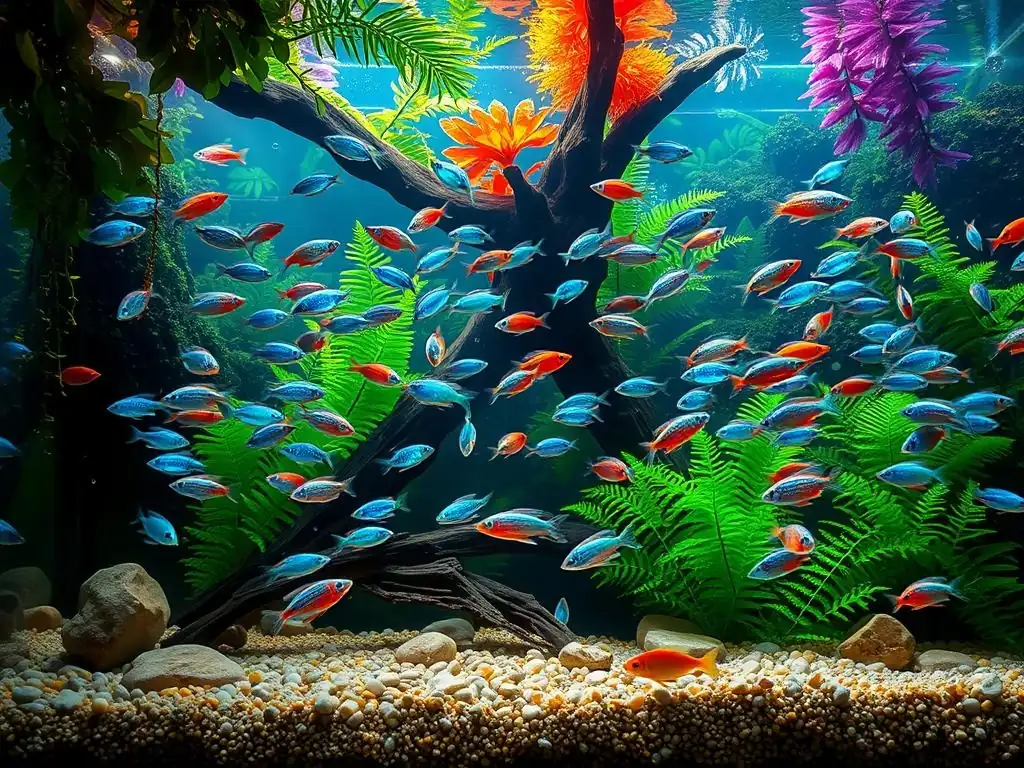
Welcome to Aquarium Mastery, where your underwater dreams become reality!
Ever wondered how to unlock the full vibrant potential of your tetras? Delve into the captivating world of selective tetra breeding, and discover our expert tips on enhancing color and vigor responsibly. Prepare to master the art of bringing out the best in your aquatic companions – what secrets will you uncover? Let's dive in!
- Introduction to Selective Tetra Breeding for Vibrant Colors
- Planning Your Selective Tetra Breeding Program
- Tetra Breeding Techniques for Trait Enhancement
- Raising Tetra Fry for Maximum Trait Potential
- Enhancing Tetra Traits Through Diet and Environment
- Advanced Tetra Breeding Strategies for Trait Improvement
- Maintaining the Health and Vigor of Your Tetra Strain
- Documenting Your Selective Tetra Breeding Journey
- Conclusion: The Rewards of Responsible Selective Tetra Breeding
- Frequently Asked Questions
- Final Reflection: Unlocking Tetra Potential
- Unleash the Rainbow: Start Your Tetra Breeding Journey!
Introduction to Selective Tetra Breeding for Vibrant Colors
Understanding the Basics of Tetra Genetics and Coloration
The vibrant colors observed in many tetra species, such as the iconic Neon Tetra ( Paracheirodon innesi) or the fiery Flame Tetra ( Hyphessobrycon flammeus), are primarily determined by specialized pigment cells called chromatophores. These include melanophores (black/brown), xanthophores (yellow/orange), erythrophores (red), and iridophores (iridescent/reflective). The specific combination, density, and arrangement of these cells, dictated by the fish's genetic code, create the unique patterns and hues we admire. For instance, the striking blue-green stripe of a Neon Tetra is due to guanine crystals within iridophores, reflecting light in a structured way.
While genetics lay the foundation for a tetra's potential coloration, environmental factors significantly influence its expression. Diet, water quality, and lighting can enhance or diminish these innate colors. For example, a diet rich in carotenoids, found in foods like spirulina and krill, can intensify red and orange pigments in species like the Serpae Tetra ( Hyphessobryson eques). Understanding this interplay between nature (genetics) and nurture (environment) is fundamental to successful selective tetra breeding color tips and achieving more vivid and robust fish.
The Ethical Considerations of Selective Breeding in Aquarium Fish
Selective breeding, when practiced responsibly, can enhance desirable traits like vibrant coloration and robust health. However, it carries significant ethical responsibilities. Overly aggressive selection for extreme aesthetic traits can sometimes lead to unintended consequences, such as reduced genetic diversity within a strain, increased susceptibility to diseases, or even physical deformities that impair the fish's quality of life. For instance, breeding for excessively long fins might hinder swimming ability, making the fish more vulnerable to fin rot or stress.
Therefore, prioritizing the overall health and vigor of the fish above purely cosmetic enhancements is paramount. Responsible selective tetra breeding involves maintaining a broad enough genetic pool to prevent inbreeding depression, which can manifest as stunted growth, decreased fertility, and weakened immune systems across generations. Breeders must also be prepared to humanely cull individuals that exhibit severe deformities or health issues, ensuring that only the healthiest and most robust fish contribute to future generations.
Planning Your Selective Tetra Breeding Program
Defining Your Breeding Goals: Color, Vigor, and Fin Shape
Before embarking on a selective tetra breeding program, clearly define the specific traits you aim to enhance. For many aquarists, the primary goal is often to intensify existing colors, such as achieving a deeper red in a Cardinal Tetra or a more brilliant blue in a Neon Tetra. This focus on "selective tetra breeding color tips" involves identifying the most vibrantly colored individuals within your initial stock. Beyond color, consider traits like overall vigor, which encompasses robust body shape, active swimming behavior, disease resistance, and a healthy lifespan.
Furthermore, you might choose to focus on specific fin shapes or body conformations, such as developing longer, flowing fins in a Black Skirt Tetra ( Gymnocorymbus ternetzi) or a more compact body in a Lemon Tetra ( Hyphessobrycon pulchripinnis). Documenting these goals precisely is crucial for evaluating success. For example, a goal might be to produce Neon Tetras with a red stripe that extends fully to the caudal fin, a trait often less pronounced in commercially available strains, or to increase the average lifespan of a particular tetra strain by 20% over three generations.
Setting Up a Dedicated Tetra Breeding Tank: Environment and Equipment
A dedicated breeding tank is essential for successful selective tetra breeding, providing a controlled environment optimized for spawning and fry development. For most smaller tetra species like Neons or Glowlight Tetras, a 10- to 20-gallon tank is often sufficient for a single breeding pair or trio. This tank should be set up with dim lighting, as many tetras are shy spawners that prefer subdued conditions. Water parameters, particularly softness and acidity, are critical and should mimic their natural blackwater habitats.
Key equipment includes a small, mature sponge filter, which provides gentle filtration without creating strong currents that could harm delicate eggs or fry. A reliable heater is necessary to maintain a stable temperature, typically between 24-27°C (75-80°F), which often stimulates spawning. Spawning mops made of synthetic yarn or generous clumps of fine-leaved plants like Java moss or Anacharis should be provided as a substrate for egg deposition. A bare bottom or a layer of marbles can also be used to allow eggs to fall out of reach of the parents, preventing immediate predation.
Selecting Parent Tetras with Desirable Traits
The success of your selective tetra breeding program hinges on the careful selection of parent fish. Begin by acquiring a group of 6-12 young, healthy tetras from a reputable source to ensure a diverse genetic pool to start with.
Observe these fish over several weeks, identifying individuals that most strongly exhibit the desired traits, whether it's exceptional color intensity, robust body conformation, active and graceful swimming, or a notable absence of any deformities or health issues. For example, if aiming for superior red coloration, select the two or three most intensely red male and female Flame Tetras from your initial group of ten.
Once potential breeders are identified, ensure they are mature enough to spawn, typically between 6 to 12 months of age for most smaller tetra species. Condition them separately for one to two weeks with high-quality, protein-rich live or frozen foods such as bloodworms, daphnia, or brine shrimp. This pre-conditioning enhances their vigor and reproductive readiness, maximizing the chances of a successful spawn and contributing to the genetic quality of the offspring through "selective tetra breeding color tips."
Tetra Breeding Techniques for Trait Enhancement
Optimizing Water Parameters for Breeding Success
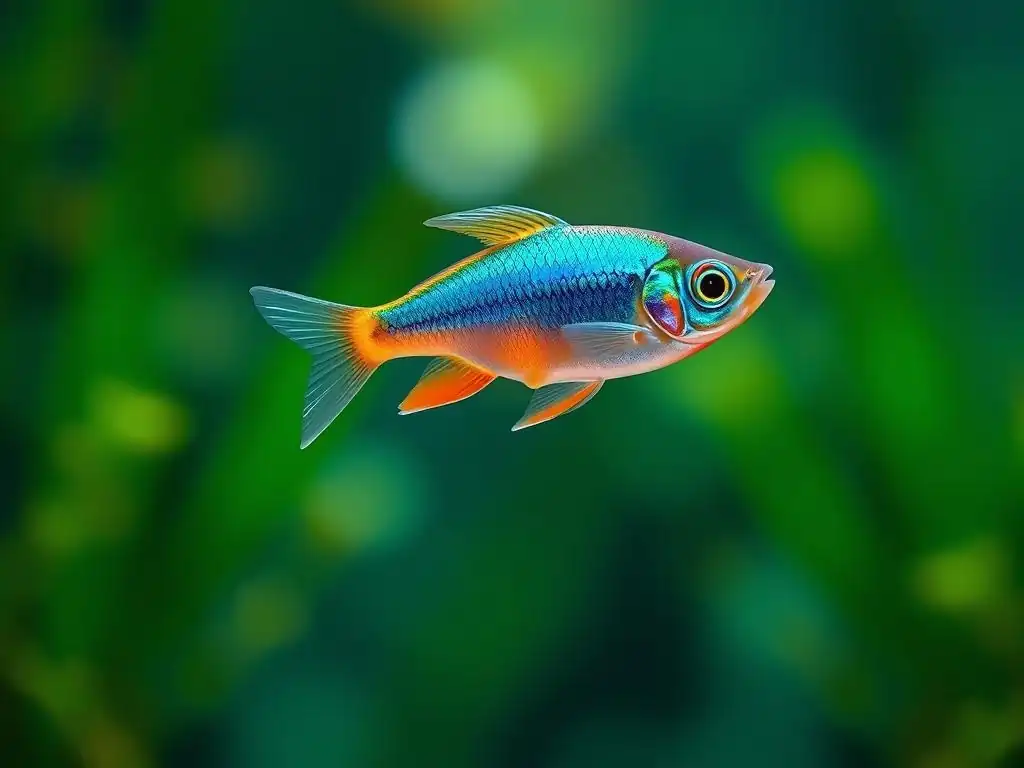
Optimizing water parameters is paramount for inducing spawning in many tetra species and ensuring the viability of eggs and fry. Most popular tetras, originating from the Amazon basin, prefer soft, acidic water. Aim for a pH range of 5.5-6.5, very low general hardness (GH) of 1-5 dGH, and negligible carbonate hardness (KH) of 0-3 dKH. The ideal temperature for spawning typically falls between 25-28°C (77-82°F). These conditions closely mimic their natural blackwater environments and are crucial for successful egg fertilization and development.
To achieve these specific parameters, many breeders use reverse osmosis (RO) water mixed with a small amount of tap water to achieve the desired GH, or they may remineralize RO water specifically for soft-water fish. Peat filtration or the addition of Indian almond leaves can help lower pH and add beneficial humic substances, further replicating natural conditions. Consistency in these parameters is key; sudden fluctuations can stress fish and prevent spawning. Regular, small water changes with aged, temperature-matched water are essential to maintain pristine conditions during the breeding process.
Inducing Spawning in Tetras: Natural Methods
Once parent tetras are conditioned and the breeding tank parameters are optimized, several natural methods can be employed to induce spawning. A common technique involves a gradual temperature increase of 1-2°C (2-4°F) over 24 hours, followed by a partial water change (25-50%) with slightly cooler, very soft, and acidic water. This mimics the influx of fresh rainwater in their natural habitat, often signaling the start of the breeding season. Feeding high-protein live foods, such as blackworms, daphnia, or freshly hatched brine shrimp, daily for several days prior to the water change also primes the fish for reproduction.
Providing ample spawning substrate is critical; fine-leaved plants like Java moss, a spawning mop made of synthetic yarn, or even a simple plastic grid at the bottom of the tank can serve this purpose. Many tetras are egg scatterers, and they will deposit their adhesive or non-adhesive eggs among the plant material. Spawning often occurs in the early morning hours, shortly after dawn. Dim lighting and a quiet environment are generally preferred, as bright lights or disturbances can deter spawning activity.
Protecting Tetra Eggs and Fry from Predation
Tetras are notorious egg eaters, and parental predation is one of the primary challenges in selective tetra breeding. To maximize the survival rate of eggs and newly hatched fry, it is crucial to remove the parent fish immediately after spawning is observed. This typically involves carefully siphoning them out with a net into a separate tank, ensuring no eggs are accidentally removed.
For species that lay non-adhesive eggs, using a spawning grate or marbles at the bottom of the tank allows eggs to fall through, out of reach of the parents. After the parents are removed, the breeding tank should be kept dimly lit or even dark for the first 24-48 hours. This helps prevent fungal growth on the eggs, which can rapidly spread and destroy an entire clutch. A very small dose of methylene blue can also be used as an antifungal agent, but pristine water quality and good aeration are usually sufficient.
Raising Tetra Fry for Maximum Trait Potential
First Foods for Tetra Fry: Nutritional Requirements
The first few days after hatching are critical for tetra fry survival and subsequent development of desired traits. Most tetra fry are incredibly tiny and require microscopic food sources. For the first 2-3 days post-hatch, infusoria (microscopic organisms found in decaying plant matter) or specialized liquid fry foods are ideal. These provide the necessary nutrition for their initial growth. Some breeders prepare infusoria cultures in advance by soaking dried banana leaves or hay in water for a week or two.
As the fry grow, typically around 3-5 days old, they become large enough to consume newly hatched brine shrimp nauplii. This is a vital food source that provides high protein and essential fatty acids, accelerating growth and contributing significantly to the vigor and potential color development of the young fish. Feeding should be frequent, small amounts several times a day, to ensure a constant supply of food. Overfeeding, however, must be avoided to prevent water quality degradation, which can be detrimental to delicate fry.
Maintaining Optimal Water Quality for Fry Growth
Maintaining pristine water quality is even more critical for tetra fry than for adult fish, as they are highly sensitive to pollutants. Ammonia, nitrite, and nitrate levels must be kept as close to zero as possible. Small, frequent water changes are the cornerstone of fry care; daily or every-other-day water changes of 10-20% are often necessary. The replacement water must be aged, temperature-matched, and have the same soft, acidic parameters as the fry tank to avoid shocking the delicate fry.
A gentle sponge filter is the only recommended filtration method for a fry tank, as it provides biological filtration without creating strong currents that could sweep away or harm the fry. Regular, gentle siphoning of the tank bottom to remove uneaten food and waste is also essential, but extreme caution must be exercised to avoid accidentally siphoning out the tiny fry. Consistent monitoring of water parameters with a test kit is non-negotiable to ensure a healthy environment for optimal growth and trait development.
Identifying and Culling Undesirable Fry: Focus on Traits and Health
As tetra fry grow, typically starting from 2-4 weeks post-hatch, they begin to develop the characteristic shapes and colors of their species, making it possible to identify individuals that do not meet your selective breeding goals. This is the stage where "culling" becomes a necessary, albeit often difficult, part of the process in selective tetra breeding color tips. Culling involves removing individuals that exhibit deformities (e.g., bent spines, missing fins), stunted growth, or a clear lack of the desired color intensity or vigor compared to their siblings.
The purpose of culling is to concentrate resources (food, space) on the most promising individuals, ensuring that only the highest quality fish are allowed to mature and contribute to the next generation. This practice strengthens the genetic line, pushing it closer to your defined breeding goals for color, vigor, and form. Individuals that are culled should be humanely euthanized or, if healthy but not meeting specific breeding criteria, can be rehomed as general aquarium fish, provided they are not malformed or unhealthy.
Enhancing Tetra Traits Through Diet and Environment
The Role of Diet in Tetra Coloration
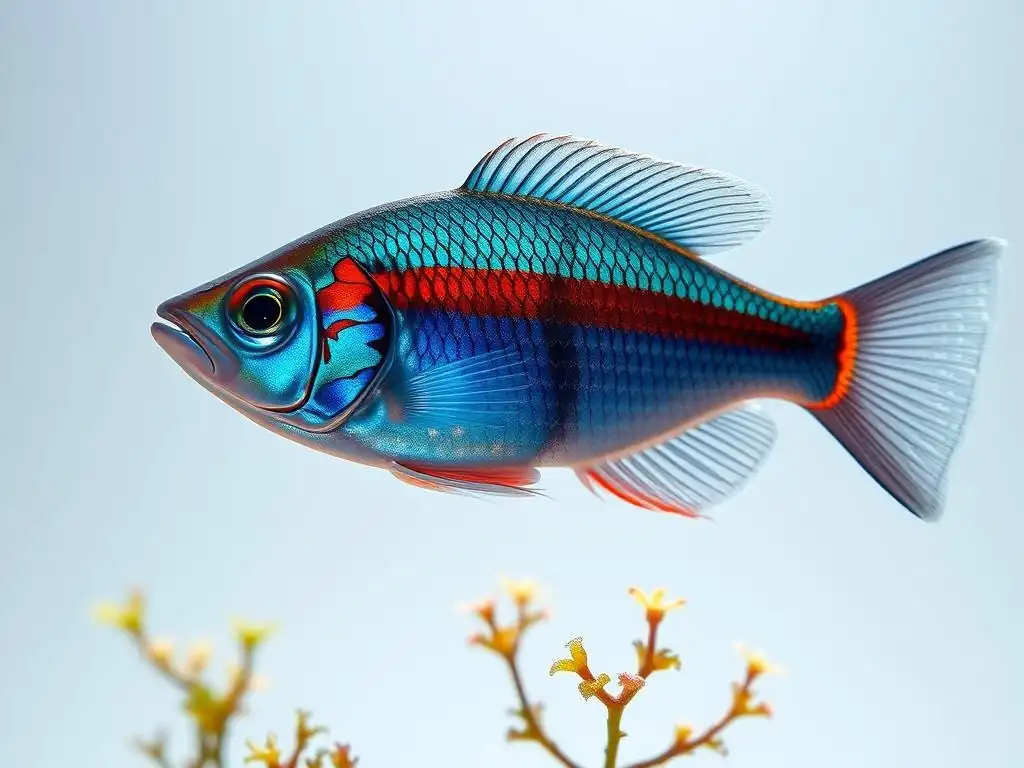
Diet plays a pivotal role in maximizing the genetic potential for coloration in selectively bred tetras. While genetics determine the capacity for certain pigments, the actual vibrancy and depth of color are heavily influenced by the availability of specific nutrients, particularly carotenoids. These are fat-soluble pigments that fish cannot synthesize themselves and must obtain from their diet. Foods rich in natural carotenoids, such as spirulina, krill, astaxanthin, and canthaxanthin, are essential for enhancing red, orange, and yellow hues.
For example, feeding a high-quality flake or pellet food with a significant spirulina content (e.g., 20-30% spirulina) can visibly deepen the colors of species like the Emperor Tetra ( Nematobrycon palmeri) or the Glowlight Tetra ( Hemigrammus erythrozonus) within a few weeks. Live foods like daphnia and bloodworms, which often consume algae rich in carotenoids, also contribute to superior coloration. Consistent feeding of such a diet, starting from the fry stage, ensures that the fish have the building blocks necessary to express their fullest color potential.
Lighting and Substrate Considerations for Trait Enhancement
Beyond diet, the aquarium environment, specifically lighting and substrate, can significantly influence the perceived and actual vibrancy of tetra coloration. Dimmer, subdued lighting often helps bring out the natural colors of tetras, as many species are found in shaded, blackwater environments in the wild. Bright, harsh lighting can stress some tetras, causing their colors to fade as a defensive mechanism. A moderate intensity LED light with a color temperature around 6500K is often ideal, providing good viewing while not overpowering the fish.
The choice of substrate can also have a dramatic effect. A dark-colored substrate, such as black sand or fine black gravel, helps to make fish colors "pop" by providing a stark contrast. Fish also tend to intensify their own coloration to blend in with darker surroundings, a natural camouflage response. For instance, a Neon Tetra's blue and red stripes will appear much more vivid against a dark substrate compared to a light-colored one, directly enhancing the visual results of your "selective tetra breeding color tips."
Specific Dietary Supplements for Color Boosting
For breeders intensely focused on maximizing color, specific dietary supplements can be incorporated into the tetra's diet. Astaxanthin and canthaxanthin are two of the most potent carotenoid pigments widely used in aquaculture to enhance red and orange coloration. These can be purchased as powders and mixed into homemade gel foods or top-dressed onto frozen foods. Specialized color-enhancing flake or pellet foods available commercially often contain these concentrated pigments, sometimes derived from natural sources like paprika or marigold extracts.
When using supplements, it's crucial to follow recommended dosages, as over-supplementation can potentially stress the fish or lead to unnatural, overly saturated coloration. A common approach is to feed a color-enhancing diet for 2-3 months to see noticeable improvements in hue and intensity. While supplements can boost color, they are most effective when combined with a genetically strong fish and excellent overall care, ensuring the fish is healthy enough to properly utilize the added pigments.
Advanced Tetra Breeding Strategies for Trait Improvement
Line Breeding Techniques for Consistent Trait Expression
Line breeding is an advanced selective tetra breeding technique employed to fix and consistently express desired traits within a breeding line over generations. It involves breeding closely related individuals, such as parent-offspring or sibling-sibling, that both exhibit the target traits (e.g., exceptional color, specific fin shape). By repeatedly breeding individuals with the most desirable characteristics, the frequency of the genes responsible for those traits increases within the gene pool, leading to more uniform offspring.
For instance, if you have a male Neon Tetra with an exceptionally long and vibrant red stripe and a female that also displays superior coloration, you might breed their most promising offspring together. This method can rapidly intensify traits like color or fin development within a few generations. However, line breeding significantly reduces genetic diversity, increasing the risk of inbreeding depression if not managed carefully by occasionally introducing new, unrelated bloodlines (outcrossing) to rejuvenate the gene pool.
Crossbreeding Different Tetra Species (With Caution)
Crossbreeding, or hybridization, involves breeding two different species of tetras. While it can theoretically introduce new traits or create novel color patterns, it is generally discouraged in responsible selective tetra breeding due to several significant drawbacks. Hybrids are often sterile, meaning they cannot reproduce, thus ending the breeding line. They may also exhibit genetic abnormalities or be less hardy than their purebred counterparts. Furthermore, indiscriminate crossbreeding can dilute the distinct characteristics of pure species, making identification difficult and potentially leading to confusion in the hobby.
If crossbreeding is considered, it should only be undertaken with extreme caution, a clear scientific objective, and a deep understanding of the genetic compatibility of the species involved. For example, some Hyphessobrycon species may hybridize, but the resulting offspring might lack the vigor or aesthetic appeal of either parent species. The primary focus of selective tetra breeding should remain on enhancing existing traits within a single species through careful selection and line breeding, rather than creating potentially problematic hybrids.
Managing Inbreeding Depression
Inbreeding depression is a significant challenge in long-term selective tetra breeding programs, particularly when line breeding is used extensively. It occurs when a lack of genetic diversity leads to the accumulation of deleterious recessive genes, resulting in a decline in vigor, fertility, growth rate, and increased susceptibility to disease. Symptoms might include smaller clutch sizes, higher fry mortality rates, reduced adult size, or the appearance of deformities after several generations of close inbreeding.
To combat inbreeding depression, it is essential to periodically introduce new, unrelated bloodlines into your breeding program. This process, known as outcrossing, involves acquiring a healthy, high-quality individual of the same species from a different, unrelated source that also exhibits the desired traits. Breeding this "outcross" individual with your established line reintroduces genetic diversity, invigorating the strain and mitigating the negative effects of inbreeding. A common practice is to outcross every 3-5 generations, carefully selecting the best offspring from the cross to continue your line.
Maintaining the Health and Vigor of Your Tetra Strain
Preventing Genetic Bottlenecks in Your Tetra Population
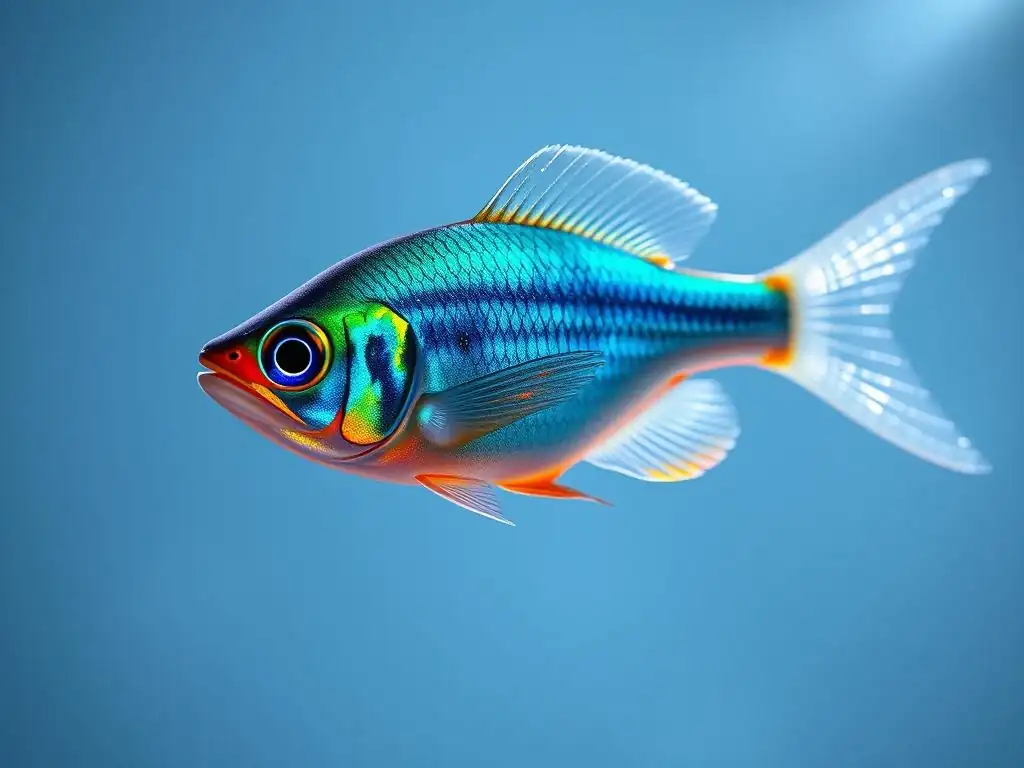
A genetic bottleneck occurs when a breeding population is reduced to a very small number of individuals, severely limiting the genetic diversity of future generations. This can happen if a breeding program starts with too few founding fish or if culling is too aggressive without considering the breadth of the gene pool. The consequence is a reduced ability of the strain to adapt to environmental changes, increased susceptibility to disease, and a higher risk of inbreeding depression over time.
To prevent genetic bottlenecks, it's advisable to start your selective tetra breeding program with a sufficiently large initial group of fish, ideally 10-20 healthy individuals, from which to select your first breeding pair or trio. Furthermore, maintain several distinct breeding lines if possible, or periodically introduce new, unrelated "outcross" individuals into your primary line every few generations (e.g., every 5-7 generations). This strategic introduction of fresh genetics helps maintain a broader gene pool, ensuring the long-term health and vigor of your selectively bred tetra strain.
Addressing Common Health Issues in Selectively Bred Tetras
While selective breeding aims to enhance vigor, intensely bred strains can sometimes be more susceptible to certain health issues due to reduced genetic diversity or specific stressors. Common ailments include fin rot, Ich (Ichthyophthirius multifiliis), and various bacterial infections. Fin rot, often caused by poor water quality or stress, manifests as frayed or disintegrating fins and can be treated with improved water conditions and mild antibacterial medications or salt baths (1 teaspoon per gallon for 5-7 days).
Ich, a common parasitic infection, appears as white spots on the body and fins. It can be treated by gradually raising the water temperature to 30°C (86°F) (if the tetra species tolerates it) combined with an appropriate Ich medication or aquarium salt. Bacterial infections, often indicated by lethargy, clamped fins, or ulcers, typically require specific antibacterial treatments. Proactive measures, such as maintaining pristine water quality, providing a stable environment, and offering a highly nutritious diet, are the best defense against these and other health problems, ensuring the vitality of your "selective tetra breeding color tips" efforts.
Quarantine Procedures for New Additions to Your Breeding Stock
Introducing new fish into an established breeding stock, particularly for outcrossing purposes, carries the inherent risk of introducing diseases. To safeguard your valuable selectively bred tetras, a strict quarantine procedure is absolutely essential for all new additions. This involves housing new fish in a separate, dedicated quarantine tank for a minimum of 4-6 weeks before they are introduced to your main breeding setup.
During the quarantine period, the new fish should be closely observed daily for any signs of illness, such as unusual swimming patterns, clamped fins, spots, lesions, or changes in appetite. Many experienced breeders opt to proactively treat new fish for common parasites (e.g., with a broad-spectrum anti-parasitic medication) and bacterial infections, even if no symptoms are apparent. Maintaining excellent water quality and providing a stress-free environment in the quarantine tank will help the fish acclimate and reveal any underlying health issues before they can potentially infect your entire breeding population.
Documenting Your Selective Tetra Breeding Journey
Keeping Detailed Records of Breeding Outcomes
Meticulous record-keeping is an indispensable practice for any serious selective tetra breeding program. A detailed logbook or digital spreadsheet should be maintained for each breeding pair or line. Essential information to record includes the identification of parent fish, the exact date of spawning, the estimated number of eggs laid, the hatch rate, and the number of fry surviving to various developmental stages (e.g., 1 week, 1 month, 3 months).
Beyond simple numbers, make comprehensive notes on the development of desired traits, especially color intensity, fin shape, and overall vigor, as the fry grow. Document any observed deformities, health issues, or instances of culling. These records are invaluable for tracking genetic inheritance patterns, identifying successful pairings, and refining your breeding strategy over generations, directly informing future "selective tetra breeding color tips" decisions.
Actively participating in the broader aquarium community is a rewarding aspect of selective tetra breeding. Sharing your knowledge, successes, and even challenges through online forums, local aquarium clubs, or social media groups not only contributes to the collective understanding of tetra genetics and care but also fosters a responsible breeding environment. Discussing your "selective tetra breeding color tips" and experiences can inspire others and help advance the hobby.
Moreover, engaging with other aquarists can provide invaluable networking opportunities. You might connect with other breeders who have unrelated strains of the same tetra species, facilitating future outcrossing to prevent inbreeding depression. This collaborative approach enhances the overall quality and diversity of selectively bred fish available to the hobby, promoting ethical and sustainable practices.
Photographing and Documenting Trait Variations in Your Tetra Strain
Visual documentation is a powerful complement to written records in selective tetra breeding. Regularly photographing your breeding stock and subsequent generations, particularly at key developmental stages (e.g., juvenile, sub-adult, adult), provides a clear, objective record of trait progression. These photographs can visually demonstrate the effectiveness of your "selective tetra breeding color tips" and techniques over time.
Ensure consistency in your photography setup: use uniform lighting, a plain background, and consistent angles to allow for accurate comparison between individuals and generations. Documenting variations within a single brood can also be enlightening, helping you understand the range of genetic expression. Over years, these photographic archives become an invaluable resource, showcasing the evolution of your unique tetra strain and serving as a testament to your breeding efforts.
Conclusion: The Rewards of Responsible Selective Tetra Breeding
Frequently Asked Questions
How does selective breeding enhance tetra color?
Selective breeding involves choosing tetra specimens with the most desirable color traits and breeding them together. Over generations, this process concentrates the genes responsible for vibrant coloration, leading to more colorful offspring.
What are the ethical considerations when selectively breeding tetras?
Ethical breeding emphasizes the health and vigor of the fish above all else. It's crucial to avoid inbreeding that can lead to genetic weaknesses or deformities, prioritizing responsible practices.
What water parameters are crucial for successful tetra breeding?
Maintaining optimal water parameters is vital. Soft, slightly acidic water is generally preferred for breeding many tetra species, along with a stable temperature and pristine water quality.
What are some signs that my tetras are ready to breed?
Signs include increased activity, chasing behavior, and females appearing plump with eggs. Providing a suitable breeding environment, such as a spawning mop or dense plants, is essential.
How can I ensure the survival of tetra fry after hatching?
Newly hatched fry are very small and vulnerable. Providing infusoria or other appropriately sized food and maintaining excellent water quality are critical for their survival.
Final Reflection: Unlocking Tetra Potential
The journey of selective tetra breeding, as explored in this article, is not merely about creating visually stunning fish; it's about responsible stewardship of life and the pursuit of excellence within the aquarium hobby. The techniques and color tips discussed are more than just instructions; they represent a commitment to understanding and enhancing the natural beauty and vitality of these captivating creatures.
This dedication to selective breeding has profoundly influenced the aquarium landscape, pushing the boundaries of what's possible in terms of color vibrancy and overall health. Witnessing the evolution of these tiny jewels firsthand is a humbling experience, reminding us of the power and responsibility that comes with manipulating nature's palette. The beauty of selective breeding lies not just in the aesthetic outcome, but in the deeper understanding and respect it fosters for the species we work with.
As you close this article, consider the lessons learned about patience, observation, and the ethical considerations inherent in selective breeding. How can you apply these principles – the dedication to improvement, the respect for life, and the pursuit of knowledge – to other areas of your own life? Embrace the spirit of continuous learning and responsible action, and let the vibrant colors of your own endeavors shine brightly.
Unleash the Rainbow: Start Your Tetra Breeding Journey!
Thanks for diving deep into the world of selective tetra breeding with us! We hope you found valuable insights on enhancing your fish's color and vigor. Now, it's time to put that knowledge into action and experience the joy of responsible breeding firsthand.
Here’s how you can take your aquarium hobby to the next level:
- Begin with a single, vibrant pair: Carefully select one male and one female tetra from your current school that exhibit the strongest colors and healthiest appearance. This is your foundation for future generations!
- Delve deeper: Explore advanced tetra genetics by researching specific genes responsible for coloration and resilience. Understanding these traits can drastically improve your breeding outcomes.
- Share your success: Post your breeding journal, including images of your successful offspring, on Aquarium Mastery’s community forum to inspire and help others.
What exciting color morph are you hoping to unlock in your tetra breeding program?