
Picasso Triggerfish (Rhinecanthus aculeatus): An Iconic Aquarium Personality Profile

Welcome to Aquarium Mastery!
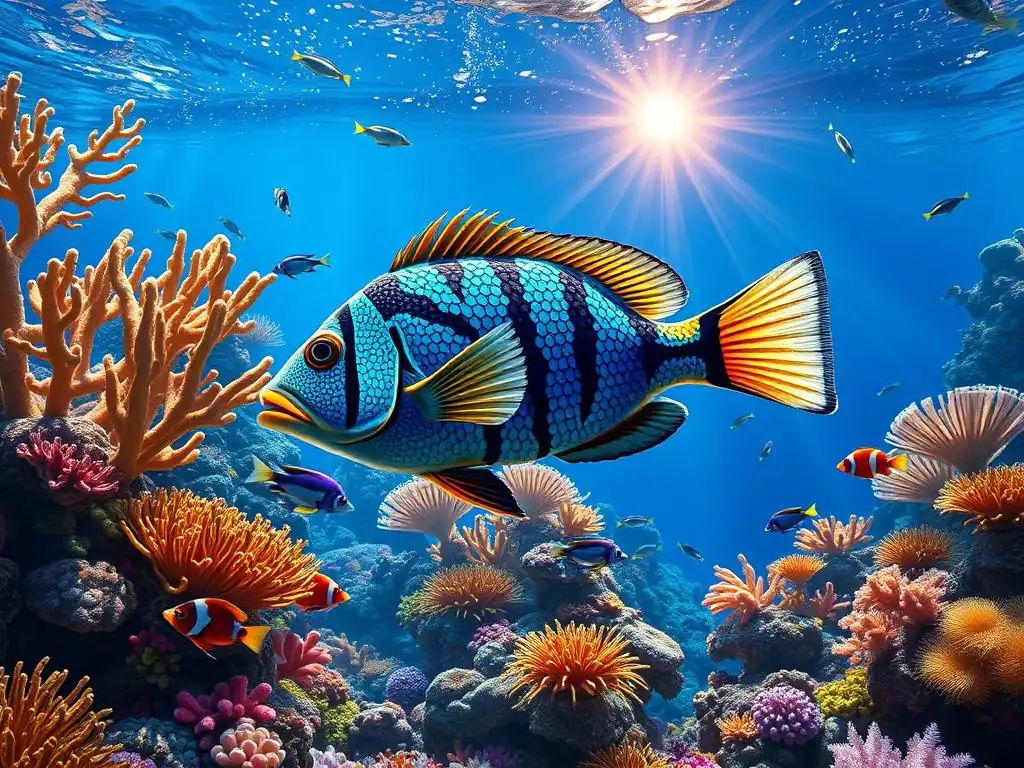
Ever been captivated by the vibrant colors and unique personality of a Picasso Triggerfish? This magnificent creature can be a showstopper in any saltwater aquarium, but understanding its specific needs is crucial. Dive in to our comprehensive Picasso Triggerfish aquarium care guide and discover everything you need to know about keeping this iconic species thriving, from tank setup to feeding habits. Curious about whether you have what it takes to care for this vibrant reef inhabitant? Let's explore!
- Clown Triggerfish (Balistoides conspicillum): A Striking Aquarium Specimen Profile
- Introduction to the Clown Triggerfish: A Bold Saltwater Choice
- Clown Triggerfish Aquarium Care: Essential Guidelines
- Choosing a Clown Triggerfish: Selecting a Healthy Specimen
- Clown Triggerfish Tank Mates: Compatibility and Considerations
- Understanding Clown Triggerfish Behavior
- Clown Triggerfish Health: Common Diseases and Prevention
- Clown Triggerfish: Is it the Right Fish for Your Aquarium?
- Advanced Clown Triggerfish Care: Enrichment and Long-Term Health
- Troubleshooting Common Clown Triggerfish Issues
- Conclusion: Mastering Clown Triggerfish Aquarium Care
-
Frequently Asked Questions
- What size aquarium is recommended for a Picasso Triggerfish?
- What are the ideal water parameters for a Picasso Triggerfish aquarium?
- What should I feed my Picasso Triggerfish?
- Are Picasso Triggerfish compatible with other fish species?
- What are some common health issues to watch out for with Picasso Triggerfish?
- Final Reflection: Embracing the Picasso Triggerfish's Legacy
- Dive Deeper: Embark on Your Picasso Triggerfish Journey!
Clown Triggerfish (Balistoides conspicillum): A Striking Aquarium Specimen Profile
Introduction to the Clown Triggerfish: A Bold Saltwater Choice
Why the Clown Triggerfish Attracts Experienced Aquarists
The Clown Triggerfish ( Balistoides conspicillum) is undeniably one of the most visually stunning and charismatic fish in the marine aquarium hobby, captivating experienced aquarists with its vibrant, high-contrast coloration and distinct personality. Its striking black body adorned with large, irregular white spots, bright yellow lips, and a prominent orange-yellow saddle over its dorsal fin makes it an instant focal point in any large display tank.
Beyond its aesthetic appeal, the Clown Triggerfish presents a fascinating behavioral study, exhibiting intelligence, curiosity, and a surprisingly interactive nature that endears it to dedicated hobbyists. This combination of unparalleled beauty and engaging temperament contributes to its status as a highly sought-after, albeit challenging, centerpiece fish.
However, its allure is matched by its demanding care requirements and aggressive tendencies, making it suitable only for seasoned aquarists. Successfully keeping a Clown Triggerfish requires a deep understanding of marine aquarium husbandry, including robust filtration, precise water chemistry management, and careful tank mate selection.
Despite these challenges, the reward of observing a healthy, thriving Clown Triggerfish in a well-maintained environment is immense, offering a dynamic and enriching experience that few other marine species can provide. Its longevity, with some specimens living over 10 years in captivity, further solidifies its appeal as a long-term commitment for those ready to meet its specific needs.
Overview of Balistoides conspicillum Characteristics
Balistoides conspicillum, commonly known as the Clown Triggerfish, is a member of the Balistidae family, characterized by its laterally compressed, oval-shaped body and a distinctive "trigger" mechanism—a locking dorsal spine that allows it to wedge itself into crevices for protection. In the wild, these fish are typically found in the Indo-Pacific region, inhabiting coral reefs and rocky areas at depths ranging from 1 to 75 meters. They are primarily solitary hunters, preying on a diverse diet of crustaceans, mollusks, and echinoderms, using their powerful jaws and specialized dentition to crush hard-shelled prey.
Adult Clown Triggerfish can reach impressive sizes, often growing up to 50 cm (approximately 20 inches) in length in the wild, though captive specimens typically mature at around 30-40 cm (12-16 inches) depending on tank conditions and diet. Their growth rate can be significant in the first few years, requiring continuous consideration for tank size upgrades.
The species exhibits a remarkable level of intelligence, often recognizing their keepers and interacting with their environment in complex ways. Their robust nature, coupled with proper care, contributes to their potential for a long lifespan in captivity, often exceeding a decade, making them a significant long-term investment for the dedicated saltwater aquarist.
Clown Triggerfish Aquarium Care: Essential Guidelines
Optimal Tank Size and Setup for Clown Triggerfish
Providing an appropriately sized aquarium is paramount for the health and well-being of a Clown Triggerfish, especially given their potential adult size and active swimming habits. A minimum tank size of 180 gallons (approximately 680 liters) is generally recommended for a single adult specimen, with larger tanks of 250-300 gallons (946-1135 liters) or more being ideal to accommodate their growth, territorial nature, and need for ample swimming space.
Undersized tanks can lead to stunted growth, increased aggression, and elevated stress levels, which compromise the fish's immune system and overall health. When planning the setup, consider the tank's footprint as much as its volume, aiming for a longer tank (e.g., 6-8 feet) to allow for extensive horizontal swimming.
The aquascape should incorporate plenty of robust live rock formations, creating caves, crevices, and overhangs for the triggerfish to explore and retreat into. These hiding spots are crucial for their sense of security, particularly during acclimation or when feeling threatened. However, ensure that the rockwork is stable and securely stacked, as Clown Triggerfish are known to rearrange their environment, potentially dislodging unstable structures.
Avoid delicate or easily moved decorations. A strong, consistent water flow is also beneficial, mimicking their natural reef environment, but ensure there are also calmer areas where the fish can rest. Substrate choice is less critical, though a fine sand bed can be aesthetically pleasing and allow for natural sifting behaviors, provided it doesn't interfere with filtration.
Water Parameters: Maintaining a Pristine Environment
Temperature, Salinity, and pH Levels
Maintaining stable and appropriate water parameters is critical for the health and longevity of a Clown Triggerfish. For temperature, a consistent range of 75-82°F (24-28°C) is ideal, with 78°F (25.5°C) often cited as optimal. Fluctuations of more than 2-3°F within a 24-hour period should be avoided, as this can cause significant stress. Salinity levels should be kept stable between 1.020 and 1.025 specific gravity, with 1.023-1.024 being a commonly recommended target. Daily monitoring with a reliable refractometer is essential to ensure consistency.
The pH level is equally important, with a target range of 8.1 to 8.4. Regular testing, ideally twice a week, will help identify any deviations. Beyond these primary parameters, it's crucial to monitor ammonia, nitrite, and nitrate levels.
Ammonia and nitrite should always be undetectable (0 ppm), while nitrates should be kept as low as possible, ideally below 10-20 ppm for long-term health. High nitrate levels, often indicative of insufficient water changes or overfeeding, can lead to chronic stress and susceptibility to diseases. Regular water changes, typically 10-20% weekly or bi-weekly depending on bioload, are fundamental to maintaining these pristine conditions and replenishing essential trace elements.
Importance of Protein Skimming and Filtration for Triggerfish
Given the Clown Triggerfish's significant bioload due to its size and messy feeding habits, robust filtration is not merely recommended but absolutely essential for maintaining a pristine aquatic environment. A high-quality protein skimmer is arguably the most critical piece of equipment for a Clown Triggerfish setup.
It effectively removes dissolved organic compounds (DOCs) before they break down into harmful nitrates, significantly reducing the frequency of water changes needed to maintain low nitrate levels. For a 200-gallon tank housing a Clown Triggerfish, selecting a skimmer rated for at least 300-400 gallons is a wise investment to handle the heavy organic load.
In addition to protein skimming, a comprehensive filtration system should include mechanical filtration (filter socks, sponges) to remove particulate matter, which must be cleaned or replaced frequently, at least every few days. Biological filtration, typically provided by live rock and a deep sand bed (if used), is crucial for converting ammonia and nitrite.
Many experienced aquarists also opt for a sump system, which allows for greater water volume, houses the skimmer and other equipment discreetly, and provides space for additional filtration media like carbon and GFO (granular ferric oxide) to remove phosphates and other undesirable compounds. Regular maintenance of all filtration components is non-negotiable to prevent the buildup of detritus and ensure optimal water quality, which directly impacts the Clown Triggerfish's health and vibrant coloration.
Feeding Your Clown Triggerfish: Diet and Nutrition
Recommended Food Types: Crustaceans, Shellfish, and Algae
Clown Triggerfish are natural carnivores with powerful jaws adapted for crushing hard-shelled prey in their wild reef habitats. Replicating this diverse and protein-rich diet is crucial for their health and vibrant coloration in captivity. A varied diet should primarily consist of meaty foods such as high-quality frozen shrimp (Mysis, brine, or larger cocktail shrimp), squid, clams, mussels, krill, and various types of marine fish flesh (e.g., silversides, salmon, cod). It's important to provide whole, unpeeled shrimp and clams occasionally to allow the triggerfish to exercise its natural crushing abilities, which helps maintain dental health.
While primarily carnivorous, incorporating some vegetable matter is also beneficial. High-quality marine flakes or pellets designed for carnivores can be offered, but these should not form the sole basis of the diet. Some Clown Triggerfish may also nibble on macroalgae or nori sheets, which can be offered on a clip. Enrichment foods like live ghost shrimp or small crabs can be given sparingly as treats, but ensure they are disease-free and appropriately sized to avoid choking hazards. Always source food from reputable suppliers to minimize the risk of introducing pathogens or parasites into the aquarium.
Feeding Schedule and Preventing Nutritional Deficiencies
A consistent feeding schedule is important for Clown Triggerfish, typically feeding them 2-3 times per day for juveniles and 1-2 times per day for adults. The amount offered should be what they can consume within a few minutes, avoiding overfeeding which can quickly foul the water. Monitor their body condition; a healthy Clown Triggerfish should appear well-fed but not bloated. Overfeeding can lead to obesity and compromised water quality, while underfeeding can result in stunted growth and weakened immunity.
To prevent nutritional deficiencies, rotate food types frequently. For instance, offer shrimp on Monday, squid on Tuesday, clams on Wednesday, and so on. Supplementing their diet with vitamin-enriched foods, such as those soaked in a high-quality marine vitamin solution (e.g., Selcon), 2-3 times a week can significantly boost their immune system and enhance their coloration.
Ensuring a diet rich in essential fatty acids (like Omega-3) and vitamins (especially A, C, and E) is vital for long-term health, disease resistance, and overall vitality. Observe their feeding behavior closely; a sudden loss of appetite can be an early indicator of stress or illness, requiring prompt investigation.
Choosing a Clown Triggerfish: Selecting a Healthy Specimen
Identifying Signs of a Healthy Triggerfish
Selecting a healthy Clown Triggerfish is a critical first step towards successful long-term care. When at the fish store, observe the fish carefully for several minutes before making a decision. A healthy specimen should be active and alert, swimming purposefully around its tank, and exhibiting natural curiosity. Its coloration should be vibrant and well-defined, with no faded patches, cloudy areas, or unusual discoloration. The body should appear full and robust, not pinched or emaciated, particularly around the stomach and head.
Inspect the fins for any signs of fraying, tears, or clamped appearance, which can indicate stress or bacterial infections. The eyes should be clear and bright, not cloudy or sunken. Look for any visible parasites, such as white spots (Ich) or velvet, on the body or fins. The gills should be pinkish-red and move rhythmically, without rapid or labored breathing. Finally, observe its feeding response; a healthy Clown Triggerfish should eagerly accept food when offered. Avoid any fish that appears lethargic, hides excessively, has labored breathing, or shows any physical abnormalities or lesions.
Acclimation Procedures for New Arrivals
Proper acclimation is crucial for minimizing stress and ensuring a smooth transition for a new Clown Triggerfish into its new environment. The drip acclimation method is highly recommended due to its slow and gradual equalization of water parameters. First, dim the lights in the room and turn off the aquarium lights to reduce stress. Float the sealed bag containing the triggerfish in the sump or a separate container within the main display tank for 15-20 minutes to equalize temperature.
After temperature equalization, open the bag and carefully roll down the sides, creating a makeshift float. Use an air line tubing and a knot or airline valve to create a slow drip from the display tank into the bag, aiming for about 1-2 drips per second. Allow this process to continue for at least 45-60 minutes, or until the volume of water in the bag has doubled. During this time, periodically remove some water from the bag to prevent it from overflowing.
Once acclimation is complete, carefully net the triggerfish and gently transfer it into the display tank, discarding the water from the bag. This prevents the introduction of potentially harmful pathogens or medications from the store's water into your established system. Keep the lights dim for the first few hours or even the entire first day to allow the new arrival to settle in without added stress.
Clown Triggerfish Tank Mates: Compatibility and Considerations
Suitable Tank Companions for Balistoides conspicillum
Selecting appropriate tank mates for a Clown Triggerfish requires careful consideration due to their inherent aggression and predatory nature. The key is to choose large, robust, and equally aggressive or semi-aggressive fish that can hold their own. Ideal tank companions often include other large triggerfish species (though with caution and ample space), large angelfish (e.g., Emperor, Queen, Blueface), lionfish (avoiding very small ones), large groupers, moray eels, and some larger tangs (e.g., Naso, Sohal, Sailfin).
It is crucial that any potential tank mate is significantly larger than the Clown Triggerfish's mouth size to prevent it from being seen as prey. For example, a 6-inch Clown Triggerfish could easily consume a 2-inch fish. Introducing all fish simultaneously as juveniles, or introducing the triggerfish last into an already established community of large, assertive fish, can sometimes help mitigate aggression.
Providing ample hiding spots and distinct territories within the aquascape can also reduce territorial disputes. Regular observation is essential, as aggression levels can change, and any signs of severe bullying should prompt immediate action, such as rehoming one of the fish.
Fish to Avoid: Invertebrates and Smaller Fish
Due to their predatory instincts and powerful jaws, Clown Triggerfish are highly incompatible with most invertebrates and smaller fish species. They will readily prey upon crabs, shrimp (including cleaner shrimp), snails, and other crustaceans. Even hard-shelled invertebrates like clams and sea urchins are not safe, as the triggerfish's specialized dentition is designed to crush such prey. Therefore, a Clown Triggerfish aquarium should be considered a "fish-only" or "fish-only with live rock" (FOWLR) system, rather than a reef tank.
Similarly, any fish small enough to fit into the Clown Triggerfish's mouth, or even those that could be perceived as potential prey, should be avoided. This includes most gobies, blennies, damsels, chromis, and even smaller tangs or angelfish. Slow-moving or docile fish are also poor choices, as they will be easily intimidated and potentially harassed or attacked. Even larger fish with long, flowing fins, like some lionfish or certain angelfish, can be targets for fin-nipping. When in doubt, it is always safer to err on the side of caution and avoid introducing any species that could be at risk.
Understanding Clown Triggerfish Behavior
Common Behaviors and What They Mean
Clown Triggerfish exhibit a range of fascinating behaviors that offer insight into their personality and well-being. One of their most distinctive traits is their "trigger" mechanism: a locking dorsal spine that allows them to wedge themselves into rockwork or crevices, making them nearly impossible for predators (or aquarists attempting to net them) to dislodge. Observing them "trigger" into a secure spot is a clear sign they feel safe or are settling in.
They are also known for their intelligence and curiosity, often watching their keepers, swimming to the front of the tank when approached, and even recognizing individuals. This interactive behavior is a strong indicator of a comfortable and healthy fish.
Another common behavior is their tendency to rearrange tank decorations. They may pick up and move small rocks, shells, or even powerheads, demonstrating their powerful jaws and inquisitive nature. While this can be frustrating for aquascaping, it's a natural behavior. Aggression, unfortunately, is also a common trait.
This can manifest as chasing, nipping, or outright attacking tank mates, especially if the tank is too small or if new fish are introduced without proper precautions. A healthy Clown Triggerfish will also exhibit strong feeding responses, eagerly taking food. Any sudden change in these typical behaviors, such as prolonged hiding, refusal to eat, or unusual swimming patterns, should be viewed as a potential sign of stress or illness.
Addressing Territoriality in Clown Triggerfish
Clown Triggerfish are inherently territorial, and managing this aggression is a key aspect of successful Clown Triggerfish aquarium care. Their territoriality typically involves defending a specific area of the tank, often a favored cave or rock formation, from perceived intruders. This behavior is more pronounced in smaller tanks where space is limited, leading to increased stress and conflict with tank mates.
One effective strategy is to provide ample space, ideally a tank of 250 gallons or more, with multiple distinct hiding spots and visual breaks in the rockwork. This allows each fish to establish its own territory without constant direct confrontation.
When introducing new tank mates, it's often beneficial to rearrange the existing rockwork. This disrupts the established territories of the Clown Triggerfish, forcing it to re-evaluate its surroundings and potentially reducing initial aggression towards the newcomers. Introducing new fish simultaneously with the triggerfish, or introducing the triggerfish last into a community of established, assertive fish, can also sometimes help.
If aggression becomes problematic, temporary removal of the triggerfish for a "time-out" (e.g., 24-48 hours in a separate tank) can sometimes reset its territorial behavior upon reintroduction. However, severe, persistent aggression may necessitate rehoming either the triggerfish or the targeted tank mates, as chronic stress from bullying can lead to disease and premature death for the victims.
Clown Triggerfish Health: Common Diseases and Prevention
Recognizing Symptoms of Ich and Other Parasitic Infections
Clown Triggerfish, like many marine fish, are susceptible to common parasitic infections, with Marine Ich ( Cryptocaryon irritans) being one of the most prevalent. Symptoms of Ich typically include small, white spots resembling grains of salt scattered across the body and fins. Affected fish may also exhibit rapid breathing, flashing (rubbing against tank decorations), lethargy, and a loss of appetite.
Another common parasite is Marine Velvet ( Amyloodinium ocellatum), which appears as a fine, dusty, yellowish-brown coating on the skin, often accompanied by labored breathing and darting movements. Gill flukes are less visible but can cause increased respiration, clamped fins, and irritation around the gills.
Early detection is crucial for successful treatment. Regular, close observation of your Clown Triggerfish's behavior and physical appearance is the best preventative measure. A healthy Clown Triggerfish should be active, have clear eyes, vibrant coloration, and a strong appetite. Any deviation from these norms warrants immediate investigation. Stress, often caused by poor water quality, inadequate tank size, or incompatible tank mates, significantly weakens a fish's immune system, making it more vulnerable to these opportunistic parasites. Maintaining pristine water conditions and a stable environment is the first line of defense against disease.
Treatment Options and Quarantine Protocols
Upon recognizing symptoms of Ich or other parasitic infections in a Clown Triggerfish, prompt action is necessary. While some over-the-counter remedies exist, copper-based medications or hyposalinity (gradually lowering salinity to 1.009-1.010 specific gravity) are common and effective treatments for Ich. However, these treatments must be administered in a dedicated quarantine tank (QT) as they are harmful to invertebrates and can damage live rock in the display tank. A 20-30 gallon QT is often sufficient for a juvenile, but a larger 40-50 gallon QT may be needed for an adult Clown Triggerfish.
The quarantine protocol itself is a vital preventative measure for any new fish, not just for treating existing diseases. All new Clown Triggerfish should spend a minimum of 4-6 weeks in a dedicated QT before being introduced to the main display tank.
During this period, observe them for any signs of disease, ensure they are eating well, and can administer prophylactic treatments if desired (e.g., a freshwater dip for external parasites, or a short course of copper if there's a high risk of Ich). This proactive approach significantly reduces the risk of introducing pathogens to your established display tank, protecting your existing fish and ensuring the long-term health of your entire system.
Clown Triggerfish: Is it the Right Fish for Your Aquarium?
Assessing Your Experience Level and Tank Maturity
Before committing to a Clown Triggerfish, a thorough self-assessment of your aquarium experience and the maturity of your tank is essential. These are not beginner fish. Successfully keeping a Clown Triggerfish requires a solid understanding of saltwater aquarium chemistry, advanced filtration techniques, and fish behavior. If you are new to marine aquariums, or have primarily kept smaller, more docile species, the Clown Triggerfish's demanding nature, aggressive tendencies, and significant bioload will likely overwhelm you. It is recommended that aquarists have at least 2-3 years of consistent experience with large, aggressive marine fish before considering this species.
Furthermore, the aquarium itself must be mature and stable. A newly set up tank (less than 6 months old) is not suitable, as its biological filtration may not be robust enough to handle the Clown Triggerfish's waste production. A mature tank has a well-established nitrogen cycle, stable water parameters, and a thriving population of beneficial bacteria. The filtration system should be oversized for its volume, incorporating a powerful protein skimmer and ample biological filtration. Attempting to house a Clown Triggerfish in an immature or inadequately filtered tank almost invariably leads to stress, disease, and premature death for the fish.
The Long-Term Commitment Required for Clown Triggerfish Care
Acquiring a Clown Triggerfish is a significant long-term commitment, not just in terms of financial investment, but also in time and dedication. These fish can live for over 10 years in captivity, with some reports of specimens living for 15 years or more under optimal conditions. This means you are committing to a decade or more of daily feeding, regular water testing, consistent water changes (often 10-20% weekly or bi-weekly for a large tank), and vigilant observation for signs of stress or disease.
The ongoing costs associated with Clown Triggerfish aquarium care can also be substantial. This includes the initial investment in a large tank and robust equipment (often thousands of dollars), ongoing electricity costs for pumps, heaters, and lighting, and the continuous purchase of high-quality, varied meaty foods. Furthermore, the potential for aggression means that if tank mates become incompatible, you may need to invest in additional tanks or rehome fish, adding to the complexity and cost. Understanding and accepting this long-term responsibility is crucial before bringing a Clown Triggerfish into your home aquarium.
Advanced Clown Triggerfish Care: Enrichment and Long-Term Health
Providing Environmental Enrichment for Triggerfish
Environmental enrichment is a vital aspect of advanced Clown Triggerfish care, contributing significantly to their mental stimulation and overall well-being. These intelligent fish thrive when given opportunities to engage with their environment. Beyond just providing ample rockwork for hiding, consider incorporating elements that encourage natural behaviors. For example, hiding food within crevices or under small rocks can stimulate their natural foraging instincts, mimicking how they would search for crustaceans in the wild.
Introducing sturdy, non-toxic objects that they can interact with, such as large, smooth river stones (ensure they are inert and won't leach chemicals) or even "fish-safe" PVC pipes, can provide novel exploration opportunities. Some aquarists report success with "puzzle feeders" designed for fish, though these must be robust enough to withstand the triggerfish's powerful jaws. Regularly rearranging a portion of the rockwork can also provide new territories to explore and prevent boredom. Observing your Clown Triggerfish's unique personality and adapting enrichment strategies to its specific preferences will foster a more engaged and healthier specimen.
Maintaining Optimal Water Quality for Longevity
Maintaining optimal water quality is the cornerstone of long-term health for a Clown Triggerfish, extending beyond just basic parameter stability. It involves a holistic approach to tank management. Regular and consistent water changes are paramount, typically 10-20% of the tank volume weekly or bi-weekly, depending on bioload. This replenishes essential trace elements and removes accumulated nitrates and other dissolved organics that even the best skimmer might miss. Using high-quality salt mix and RO/DI water is non-negotiable to prevent the introduction of impurities.
Beyond routine changes, consider implementing advanced filtration methods. A refugium, a separate compartment plumbed into the main system, can grow macroalgae (e.g., Chaetomorpha) to absorb nitrates and phosphates, while also providing a habitat for beneficial microfauna. Dosing systems for essential elements like calcium, alkalinity, and magnesium might be considered if you have a significant amount of coralline algae growth or if parameters fluctuate.
Regular testing of these parameters (at least monthly) is advisable. Furthermore, ensuring excellent aeration and oxygen saturation, especially in large, heavily stocked tanks, is vital for a fish with a high metabolic rate like the Clown Triggerfish. Consistent vigilance and proactive maintenance are key to ensuring a long and vibrant life for your Clown Triggerfish.
Troubleshooting Common Clown Triggerfish Issues
Dealing with Aggression and Predation
Aggression and predation are common challenges in Clown Triggerfish aquarium care, requiring proactive management. If a Clown Triggerfish is consistently harassing or attacking a specific tank mate, immediate action is necessary to prevent injury or death. First, assess the tank's environment: Is there enough space? Are there sufficient hiding spots and visual barriers? A lack of territory often exacerbates aggression. Rearranging the rockwork can sometimes diffuse territorial disputes by forcing the triggerfish to re-establish its boundaries.
If the aggression persists, consider temporary removal of the aggressor. A "time-out" period (24-48 hours) in a separate holding tank can sometimes reset the triggerfish's territorial behavior upon reintroduction. However, if the aggression is severe and persistent, or if the targeted fish is showing signs of extreme stress (e.g., hiding constantly, rapid breathing, clamped fins, refusing to eat), permanent separation may be the only viable solution.
This could involve rehoming either the triggerfish or the victimized tank mate. For predation, the solution is simpler: avoid housing any fish or invertebrate small enough to be considered prey. Once a Clown Triggerfish develops a taste for a certain type of food (like shrimp), it will relentlessly pursue them, making cohabitation impossible.
Addressing Appetite Loss and Nutritional Deficiencies
Appetite loss in a Clown Triggerfish can be an alarming sign, indicating stress, illness, or an underlying nutritional issue. First, check water parameters immediately; poor water quality (elevated ammonia, nitrite, or high nitrates) is a common cause of reduced appetite. Ensure temperature, salinity, and pH are stable and within optimal ranges. Observe the fish for any physical signs of disease, such as spots, lesions, or labored breathing, as these would point to a specific health problem requiring treatment.
If water parameters are pristine and no visible disease is present, consider the diet. Is it varied enough? Are you offering high-quality, fresh foods? A monotonous diet can lead to nutritional deficiencies over time.
Try offering a variety of new foods, including different types of crustaceans, squid, and vitamin-enriched preparations. Sometimes, a Clown Triggerfish might be stressed by tank mates or a lack of hiding spots; providing more seclusion can reduce stress and encourage feeding. If the appetite loss persists for more than a few days, despite optimal water quality and varied food offerings, consult with an experienced marine aquarist or a specialized fish veterinarian, as it could indicate an internal parasitic infection or other serious health issue.
Conclusion: Mastering Clown Triggerfish Aquarium Care
Mastering Clown Triggerfish aquarium care is a journey that demands dedication, knowledge, and a significant long-term commitment. These magnificent fish, with their unparalleled beauty and engaging personalities, are undoubtedly a crowning jewel for any large, fish-only marine aquarium. However, their specific requirements—from the need for expansive tank volumes (minimum 180-250 gallons for adults) and robust filtration systems to their complex dietary needs and assertive territorial behaviors—underscore that they are best suited for experienced aquarists.
Successful Clown Triggerfish husbandry hinges on maintaining impeccable water quality, providing a diverse and nutritious diet, and carefully selecting compatible tank mates that can withstand their powerful presence. Vigilant observation for early signs of stress or disease, coupled with a proactive approach to environmental enrichment, will ensure these intelligent creatures thrive for well over a decade in captivity. While the challenges are real, the reward of observing a healthy, vibrant, and interactive Clown Triggerfish makes the effort profoundly worthwhile, offering an unparalleled experience in the fascinating world of saltwater aquariums.
Frequently Asked Questions
What size aquarium is recommended for a Picasso Triggerfish?
A large aquarium is essential. At a minimum, a 75-gallon tank is recommended, but a larger tank (125 gallons or more) is preferable to accommodate their active swimming habits and potential adult size.
What are the ideal water parameters for a Picasso Triggerfish aquarium?
Maintaining stable water parameters is crucial. Aim for a temperature of 72-78°F, a specific gravity of 1.020-1.025, and a pH of 8.1-8.4. Regular water changes are also necessary.
What should I feed my Picasso Triggerfish?
Picasso Triggerfish are omnivorous feeders with a varied diet. Offer a mix of high-quality marine flakes or pellets, frozen foods like mysis shrimp and krill, and occasional treats like chopped seafood.
Are Picasso Triggerfish compatible with other fish species?
They can be aggressive and territorial, especially towards smaller or docile fish. Choose tank mates carefully, opting for larger, equally boisterous species that can hold their own.
What are some common health issues to watch out for with Picasso Triggerfish?
Keep an eye out for signs of ich (white spot disease), marine velvet, and bacterial infections. Maintaining optimal water quality and providing a balanced diet can help prevent these issues.
Final Reflection: Embracing the Picasso Triggerfish's Legacy
The vibrant colors and bold personality of the Picasso Triggerfish, as explored in this guide, are not just aesthetic qualities; they represent a deeper connection to the delicate balance of our marine ecosystems. Understanding the specific needs of this iconic species, as highlighted in this Picasso Triggerfish aquarium care guide, is more crucial than ever in an era where responsible aquarium keeping directly impacts the conservation of wild populations. The commitment to providing proper care is a testament to our respect for the natural world and our role in preserving its beauty.
The allure of the Picasso Triggerfish extends beyond its striking appearance; it embodies the captivating complexity of marine life and the responsibility we bear as custodians of these creatures. My own fascination with these fish stems from their intelligence and the unique challenges they present, underscoring the importance of continuous learning and adaptation in aquarium keeping. In the end, we will conserve only what we love; we will love only what we understand; and we will understand only what we are taught.
- Baba Dioum. This quote resonates deeply, reminding us that education and understanding are the cornerstones of conservation.
Now, armed with the knowledge from this guide, I encourage you to reflect on your own role in the aquarium hobby. Consider the impact of your choices and strive to be a responsible steward of these magnificent creatures. Let the Picasso Triggerfish, with its vibrant spirit and captivating presence, inspire you to deepen your understanding of marine life and contribute to a future where both captive and wild populations thrive.
Dive Deeper: Embark on Your Picasso Triggerfish Journey!
Thank you for exploring the vibrant world of the Picasso Triggerfish with us! We hope you've gained valuable insights into caring for this captivating creature. Now, it's time to translate that knowledge into action.
Here are a few ways to continue your Picasso Triggerfish adventure:
- Begin Your Planning: Start researching the specific tank requirements and compatibility considerations for a Picasso Triggerfish. A well-prepared environment is key to its health and happiness!
- Visit Local Aquariums: Observe Picasso Triggerfish in a variety of established aquarium setups. This firsthand experience will provide invaluable insight.
- Share Your Fascination: Discuss your newfound Picasso Triggerfish knowledge with fellow aquarium enthusiasts and spark excitement about this incredible species.
What specific question about Picasso Triggerfish care are you still pondering?