
Mystery Wrasse (Pseudocheilinus ocellatus): The Enigmatic and Alluring Jewel of the Reef

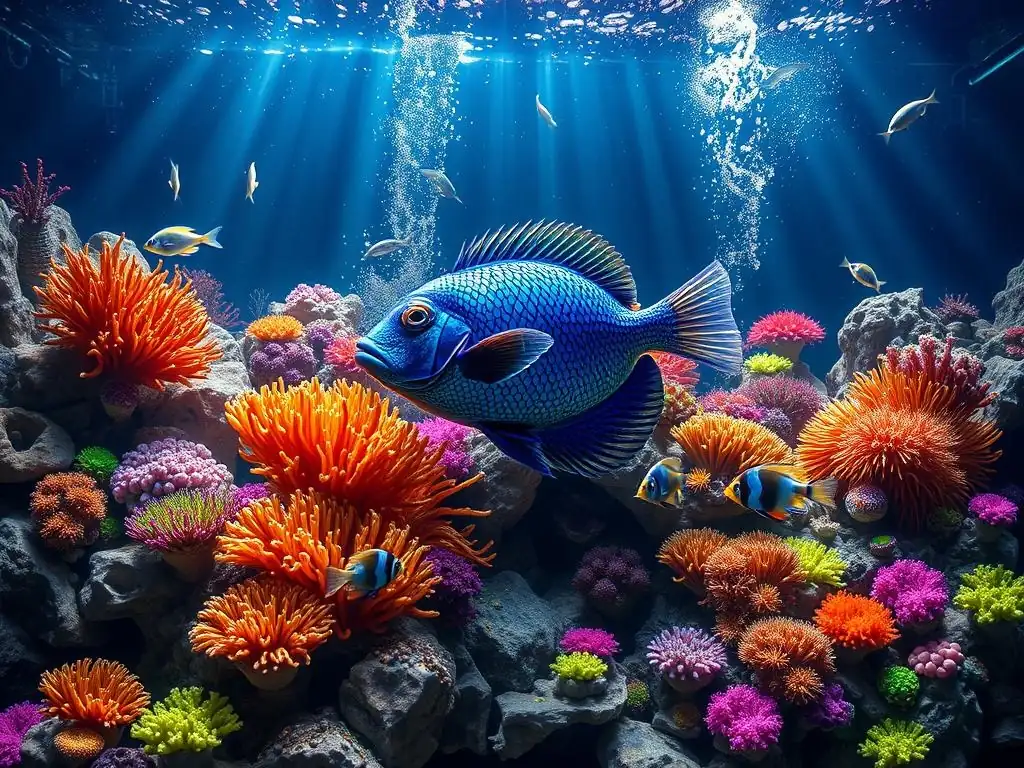
Welcome to Aquarium Mastery, where we unlock the secrets of aquatic ecosystems!
Ever been captivated by the vibrant dance of a reef's inhabitants? Prepare to be mesmerized! Dive in and uncover the mysteries surrounding the Mystery Wrasse tank setup, and discover how to create the perfect underwater haven for this enigmatic jewel. Intrigued? Let's explore the fascinating world of the Pseudocheilinus ocellatus and transform your aquarium dreams into reality!
- Introduction to the Mystery Wrasse: A Reef Aquarium Gem
- Understanding the Mystery Wrasse: Species Overview
- Is a Mystery Wrasse Right for Your Aquarium? Considerations Before Acquiring
- Mystery Wrasse Tank Setup: Creating the Ideal Environment
- Aquascaping for Mystery Wrasses: Mimicking Their Natural Habitat
- Mystery Wrasse Diet and Feeding: Ensuring Optimal Nutrition
- Mystery Wrasse Care: Maintenance and Common Issues
- Selecting Healthy Mystery Wrasses: What to Look For
- Mystery Wrasse Tank Mates: Compatible Species for a Thriving Reef
- Breeding Mystery Wrasses: Challenges and Potential
- Conclusion: Enjoying the Beauty and Intrigue of the Mystery Wrasse.
-
Frequently Asked Questions
- How difficult is it to set up a tank suitable for a Mystery Wrasse?
- What size tank is recommended for a Mystery Wrasse?
- What are the key water parameters to maintain for a Mystery Wrasse tank?
- What type of rockwork and hiding places should be included in a Mystery Wrasse tank setup?
- What type of fish are compatible with the Mystery Wrasse in a tank setting?
- Final Reflection: Unveiling the Reef's Secrets
- Unleash the Reef's Secret: Begin Your Wrasse Journey!
Introduction to the Mystery Wrasse: A Reef Aquarium Gem
The Mystery Wrasse, scientifically known as Pseudocheilinus ocellatus, stands as one of the most coveted and captivating fish in the marine aquarium hobby. Renowned for its stunning coloration, elusive nature, and relatively peaceful demeanor, this small but vibrant inhabitant can transform a reef tank into a dynamic display. Its secretive habits and sudden appearances from rockwork add an element of intrigue, making it a true "jewel of the reef" for discerning aquarists.
Acquiring and maintaining a Mystery Wrasse successfully hinges on understanding its specific needs, from its dietary preferences to its environmental requirements. This comprehensive guide will delve into every aspect of Pseudocheilinus ocellatus care, providing detailed insights into creating the optimal Mystery Wrasse tank setup and ensuring its long-term health and vibrancy within your aquatic ecosystem.
Understanding the Mystery Wrasse: Species Overview
Scientific Classification of Pseudocheilinus ocellatus
The Mystery Wrasse belongs to the family Labridae, a diverse group commonly known as wrasses, which encompasses over 500 species. Within this family, it falls under the genus Pseudocheilinus, distinguished by its "false lip" appearance. The specific epithet ocellatus refers to the eye-spot or ocellus often found on its dorsal fin, though this marking can be subtle.
Other members of the Pseudocheilinus genus, such as the Six-line Wrasse ( Pseudocheilinus hexataenia), share some behavioral traits but the Mystery Wrasse stands out for its unique coloration and slightly larger adult size. Its classification underscores its evolutionary adaptations as a small, reef-dwelling predator.
These wrasses are characterized by their unique dentition, featuring prominent canine teeth at the front of their jaws, adapted for picking small invertebrates from rockwork and substrate. Their classification as a Pseudocheilinus species also indicates a propensity for burying themselves in the sand at night or when startled, a crucial behavior to consider for their captive environment. Understanding this scientific background provides insight into their natural behaviors and the specific conditions required for a thriving Mystery Wrasse tank setup.
Physical Characteristics and Distinctive Markings of the Mystery Wrasse
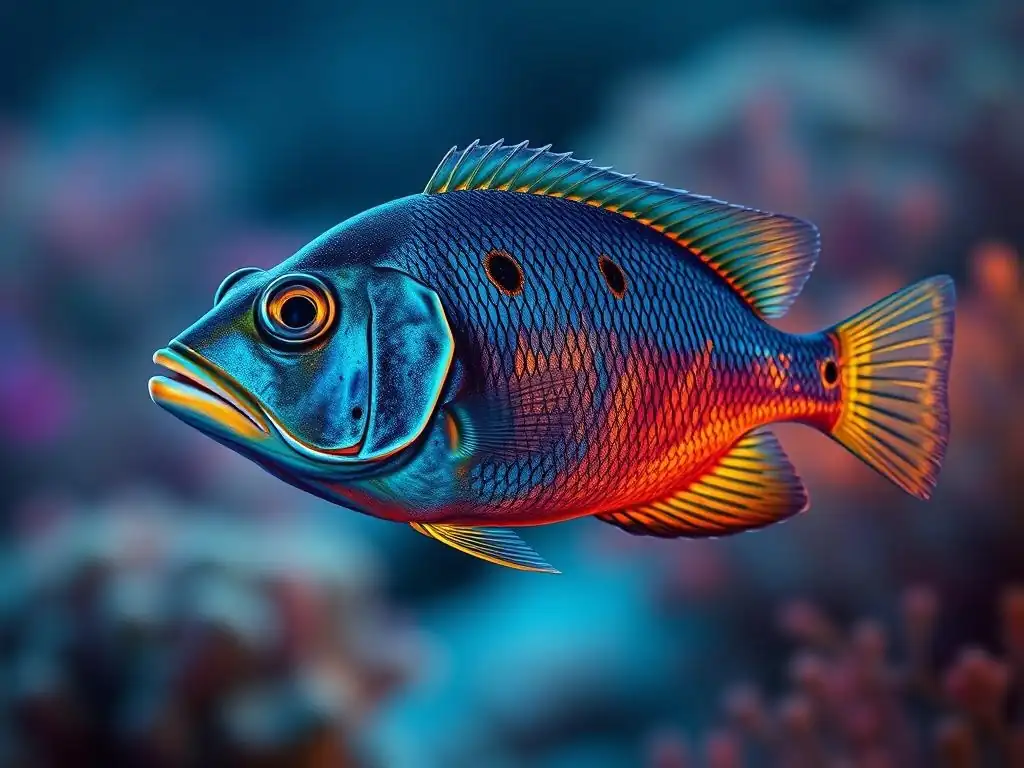
The Mystery Wrasse is celebrated for its breathtaking and highly variable coloration, which typically features a deep, iridescent purple or maroon base color. This striking background is often adorned with intricate patterns of bright blue, green, or yellow lines and spots, particularly noticeable around the head and fins. A defining characteristic, though sometimes faint, is the small, dark ocellus (eye-spot) ringed in blue or yellow, located on the posterior part of its dorsal fin. This ocellus is thought to deter predators by mimicking a larger eye.
Its body shape is torpedo-like, sleek and elongated, perfectly suited for darting quickly through reef crevices. Adults typically reach a maximum length of about 4 to 4.5 inches (approximately 10 to 11.5 cm), making them a moderately sized addition to many reef aquariums. The fins are generally translucent with colored margins, contributing to their overall ethereal appearance. While there are no overt sexual dimorphisms, males may display slightly more intense coloration, especially during courtship, though this is not a reliable indicator for sexing.
Natural Habitat and Behavior in the Wild
In their natural environment, Mystery Wrasses are found across the vast Indo-Pacific region, spanning from the Maldives and Sri Lanka in the west, eastward through Indonesia and the Philippines, all the way to the Marquesas Islands. They predominantly inhabit outer reef slopes, rubble zones, and areas rich in live rock and coral, typically at depths ranging from 10 to 30 meters (approximately 33 to 98 feet). Their preferred habitat is characterized by abundant hiding places, which they utilize extensively.
These wrasses are naturally shy and secretive, spending much of their time foraging among the rocks and sand for small invertebrates. They are generally solitary or found in loose pairs, and their quick, darting movements are a hallmark of their behavior as they navigate their complex reef homes. At night, or when feeling threatened, Pseudocheilinus ocellatus buries itself completely into the sand bed, re-emerging only when conditions are safe. This burying behavior is a critical aspect of their natural history and a key consideration for their captive Mystery Wrasse tank setup.
Is a Mystery Wrasse Right for Your Aquarium? Considerations Before Acquiring
Temperament and Compatibility with Other Reef Inhabitants
The Mystery Wrasse is generally considered a peaceful fish, making it an excellent candidate for most established reef aquariums. It typically coexists well with a wide variety of peaceful to semi-aggressive tank mates, including clownfish, gobies, blennies, cardinalfish, and anthias. However, while peaceful towards most species, it can exhibit territorial behavior towards other wrasses, especially those of similar size or body shape, or other members of the Pseudocheilinus genus. Introducing them simultaneously or ensuring ample space and hiding spots can mitigate this.
Despite its shy nature, the Mystery Wrasse is not easily intimidated by larger, peaceful fish. Its quick movements and ability to vanish into rockwork provide it with an effective defense mechanism. It is important to avoid housing them with overly aggressive or predatory species that could view them as prey, such as lionfish, large groupers, or certain triggerfish. Their calm disposition, combined with their active foraging, makes them a beneficial and unobtrusive addition to a community tank.
Size and Lifespan of Mystery Wrasses in Captivity
As previously mentioned, the Mystery Wrasse typically reaches a maximum adult size of about 4 to 4.5 inches (10 to 11.5 cm) in captivity. This relatively modest size makes them suitable for a variety of tank dimensions, though larger tanks are always preferred for stability and swimming room. Their growth rate is moderate, reaching their full size within 1-2 years under optimal conditions.
With proper care, including a stable Mystery Wrasse tank setup, pristine water quality, and a nutritious diet, these wrasses can enjoy a substantial lifespan in a home aquarium. It is not uncommon for Pseudocheilinus ocellatus to live for 5 to 7 years, and some well-maintained individuals have been reported to thrive for up to 8-10 years. Consistent monitoring of water parameters and proactive disease prevention are key factors in achieving their maximum lifespan.
Reef Safe? Assessing Coral and Invertebrate Interactions
One of the most appealing attributes of the Mystery Wrasse for reef aquarists is its excellent "reef safe" classification. Unlike some other wrasse species, Pseudocheilinus ocellatus is highly unlikely to nip at or damage corals, whether they are SPS (Small Polyp Stony), LPS (Large Polyp Stony), or soft corals.
Their natural diet consists primarily of small benthic invertebrates, not coral polyps. In fact, they are often sought after for their beneficial habit of consuming nuisance pests like pyramid snails (which prey on tridacnid clams) and certain species of flatworms, such as the red planaria ( Convolutriloba retrogemma), making them a natural form of pest control.
Regarding other invertebrates, the Mystery Wrasse generally coexists peacefully with ornamental shrimp (like cleaner shrimp), snails, and hermit crabs. There is a minimal risk of them preying on very small, newly molted shrimp, but this is rare and usually only occurs if the wrasse is severely underfed. For the vast majority of reef aquarium inhabitants, the Mystery Wrasse poses no threat, enhancing the biological diversity and health of the ecosystem without causing damage.
Mystery Wrasse Tank Setup: Creating the Ideal Environment
Minimum Tank Size for a Happy and Healthy Mystery Wrasse
Establishing the correct Mystery Wrasse tank setup begins with selecting an appropriately sized aquarium. While their adult size is relatively small at 4 to 4.5 inches, a minimum tank size of 30 gallons (approximately 113 liters) is recommended for a single Pseudocheilinus ocellatus. This allows for sufficient swimming space and, crucially, enough volume to maintain stable water parameters. For enhanced stability, greater swimming area, and the potential for a more diverse aquascape, a 40-gallon (around 150 liters) or larger aquarium is even more ideal.
Larger tanks also offer more opportunities for creating the elaborate rockwork and multiple hiding spots that are essential for this shy species. The increased water volume dilutes waste products more effectively, contributing to a more stable and forgiving environment, which is paramount for the long-term health of any marine fish, especially one as active as the Mystery Wrasse. Providing ample space also reduces stress, which can lead to a more vibrant and active fish.
Water Parameters: Maintaining Optimal Conditions for P. ocellatus
Maintaining stable and pristine water parameters is fundamental to a successful Mystery Wrasse tank setup. These fish thrive in conditions that mimic their natural reef environment. The ideal temperature range for Pseudocheilinus ocellatus is 72-78°F (22-26°C), with consistency being more important than hitting an exact number. Salinity should be kept between 1.023 and 1.026 specific gravity, or 33-35 parts per thousand (ppt). A stable pH level of 8.1-8.4 is also crucial.
Beyond these basic parameters, it is vital to keep ammonia and nitrite levels at zero, and nitrates should be kept as low as possible, ideally below 10 ppm, and preferably under 5 ppm for a thriving reef system. Phosphates should also be kept below 0.03 ppm to prevent nuisance algae growth and ensure coral health. Regular testing and consistent maintenance, including water changes and appropriate filtration, are the pillars of achieving and maintaining these optimal conditions for your Mystery Wrasse.
Essential Equipment for a Mystery Wrasse Aquarium
A well-equipped Mystery Wrasse tank setup requires several key pieces of equipment to ensure stable and healthy conditions. These components work synergistically to maintain water quality, provide appropriate environmental cues, and ensure the safety and comfort of your wrasse. Investing in quality equipment from the outset will prevent many common issues down the line.
Filtration Systems for Pristine Water Quality
Robust filtration is paramount for a Mystery Wrasse aquarium. A high-quality protein skimmer is considered essential for removing organic waste before it breaks down into harmful nitrates and phosphates, significantly contributing to overall water clarity and health. Live rock, typically recommended at 1 to 1.5 pounds per gallon (approximately 0.45 to 0.68 kg per 3.78 liters), serves as the primary biological filter, providing vast surface area for beneficial nitrifying bacteria.
Mechanical filtration, such as filter socks or sponges, should be employed to remove particulate matter, though these need to be cleaned or replaced frequently (every few days) to prevent them from becoming nitrate factories. Chemical filtration, including activated carbon for removing dissolved organics and GFO (granular ferric oxide) for phosphate removal, can also be used intermittently or continuously to maintain pristine water quality. A good flow pump, providing moderate to strong water movement, will also aid in gas exchange and keeping detritus suspended for removal by the filtration system.
Lighting Requirements for Coloration and Health
For the Mystery Wrasse itself, specific lighting requirements are relatively modest. As they are often found in deeper parts of the reef or in shaded crevices, moderate lighting is generally sufficient for their health and to enhance their vibrant coloration. They do not require intense light to thrive.
However, if your Mystery Wrasse tank setup includes corals, the lighting system will primarily be dictated by the needs of your coral inhabitants. Most reef-capable LED or T5 lighting systems will provide more than adequate illumination for the wrasse while also supporting various coral species. Ensure that the light cycle is consistent, typically 10-12 hours of light per day, to mimic natural day-night cycles and promote healthy behavior.
Temperature and Salinity Considerations
Maintaining stable temperature and salinity levels is critical for the well-being of the Mystery Wrasse. A reliable aquarium heater, equipped with an accurate thermostat, is necessary to keep the water temperature within the optimal range of 72-78°F (22-26°C). It is advisable to use two smaller heaters rather than one large one to prevent catastrophic temperature swings in case of a single heater failure.
Salinity stability is equally important. A high-quality refractometer is the most accurate tool for measuring specific gravity or salinity, far superior to hydrometers. To combat evaporation, which can rapidly increase salinity, an Auto Top-Off (ATO) system is highly recommended. This device automatically replenishes evaporated water with fresh RO/DI (Reverse Osmosis/Deionized) water, ensuring consistent salinity levels throughout the day and night, minimizing stress on the wrasse and other tank inhabitants.
Aquascaping for Mystery Wrasses: Mimicking Their Natural Habitat
Rockwork and Hiding Places: Providing Security and Territory
The aquascaping of your Mystery Wrasse tank setup is not merely for aesthetics; it is fundamental to the well-being of this shy and secretive species. Creating an abundance of rockwork, caves, crevices, and overhangs is absolutely crucial. These structures provide essential hiding places where the wrasse can retreat when startled, sleep at night, or simply feel secure. Without adequate cover, a Mystery Wrasse can become stressed, leading to health issues and a reluctance to emerge and feed.
Arrange live rock to form multiple distinct territories and escape routes. Think about creating a labyrinth of tunnels and small caves that the wrasse can dart into. Ensure that the rockwork is stable and securely stacked to prevent collapses, which could injure or trap the fish. A well-designed rock structure not only mimics their natural habitat but also encourages their natural foraging behaviors as they explore every nook and cranny.
Substrate Selection: Choosing the Right Bed for Your Wrasse
A critical, yet sometimes overlooked, aspect of a Mystery Wrasse tank setup is the substrate. Mystery Wrasses, like many other wrasse species, have a natural instinct to bury themselves in the sand at night or when they feel threatened. Therefore, a soft, fine sand bed is absolutely essential. The sand bed should be at least 2-3 inches (approximately 5-7.5 cm) deep to allow the wrasse to fully submerge itself comfortably.
Using coarse gravel or crushed coral as a substrate is highly discouraged, as these materials can abrade or injure the delicate skin and fins of the wrasse as it burrows, leading to infections. A fine aragonite sand or similar soft, calcareous substrate is ideal. This not only facilitates their natural burying behavior but also contributes to the overall stability of the aquarium's pH and alkalinity.
Live Rock and Biological Filtration
Live rock plays a dual role in a Mystery Wrasse tank setup: it acts as the primary source of biological filtration and provides the crucial structural elements for aquascaping. The porous nature of live rock offers an immense surface area for beneficial nitrifying and denitrifying bacteria to colonize, breaking down ammonia and nitrite into less harmful nitrates, and in anaerobic zones, even converting nitrates into nitrogen gas. A minimum of 1 to 1.5 pounds of live rock per gallon (0.45 to 0.68 kg per 3.78 liters) is generally recommended for a healthy marine aquarium.
Beyond its filtration capabilities, live rock provides the natural foraging grounds and the complex network of hiding spots that the Mystery Wrasse requires. As the wrasse explores the live rock, it will naturally pick at small copepods, amphipods, and other micro-invertebrates that inhabit the rock, supplementing its diet and encouraging natural behaviors. A well-cured and mature live rock system is the backbone of a successful and stable Pseudocheilinus ocellatus habitat.
Mystery Wrasse Diet and Feeding: Ensuring Optimal Nutrition
What Do Mystery Wrasses Eat? Natural Diet and Captive Feeding
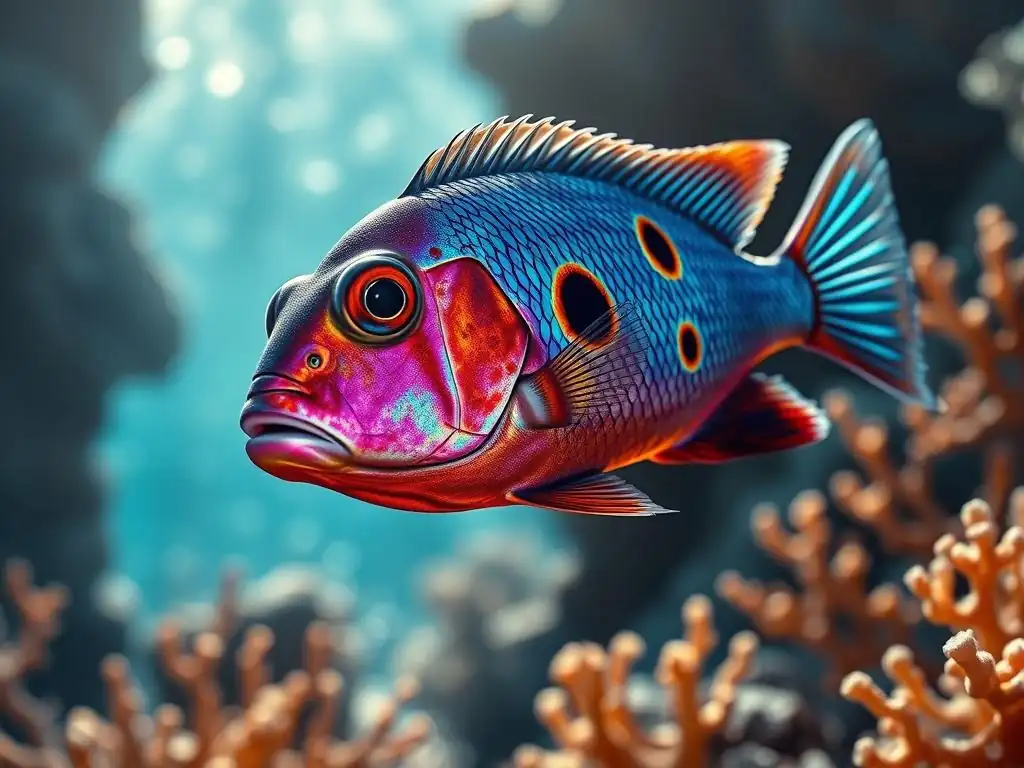
In their natural reef habitat, Mystery Wrasses are micro-predators, primarily feeding on a diverse array of small benthic invertebrates. Their diet consists of copepods, amphipods, various small crustaceans, marine worms, and even nuisance pests like flatworms. Their pointed snout and sharp teeth are perfectly adapted for picking these tiny organisms from cracks and crevices within the live rock and sand bed.
In captivity, Pseudocheilinus ocellatus typically adapts well to prepared foods, but a varied and high-quality diet is crucial for their long-term health and vibrant coloration. They are eager eaters once settled, and their active foraging behavior in the aquarium is both fascinating to observe and beneficial for controlling certain pests. Ensuring they receive a diet that mimics their natural intake will help them thrive in a Mystery Wrasse tank setup.
Recommended Foods for Captive Mystery Wrasses: Frozen, Flake, and Live Options
To ensure optimal nutrition for your captive Mystery Wrasse, offer a varied diet consisting of high-quality frozen, flake, and potentially live foods. Frozen options should include nutrient-rich selections such as mysis shrimp, enriched brine shrimp, finely chopped clam, or other small, meaty marine foods. Small frozen copepods and rotifers can also be excellent additions, especially for newly acquired or finicky individuals.
High-quality marine flake or pellet foods specifically formulated for carnivorous marine fish can also be offered, but these should not be the sole dietary component. For an added boost and to encourage natural hunting behaviors, live foods like copepods, amphipods, or small blackworms can be provided occasionally. These not only offer superior nutrition but also provide mental stimulation for the wrasse.
Feeding Schedule and Frequency: Preventing Overfeeding
Mystery Wrasses are active foragers, and in the wild, they would graze throughout the day. In the aquarium, it is best to feed them 2 to 3 times per day in small amounts rather than one large meal. This approach ensures they receive consistent nutrition while minimizing the amount of uneaten food that can degrade water quality. Offer only what the fish can consume within a few minutes to prevent excess food from accumulating in the tank.
Regular observation during feeding is key. A healthy Mystery Wrasse should have a slightly rounded belly after a meal, but never appear bloated. Overfeeding can lead to obesity in the fish and, more critically, to elevated nitrate and phosphate levels in the water, which can fuel nuisance algae growth and stress the entire aquarium ecosystem. Adjust feeding amounts based on the number of fish, their activity levels, and the overall water quality parameters.
Mystery Wrasse Care: Maintenance and Common Issues
Water Changes: Maintaining Water Quality
Consistent and regular water changes are a cornerstone of maintaining exceptional water quality for your Mystery Wrasse tank setup. Partial water changes, typically 10-20% weekly or 25% bi-weekly, are highly recommended. This practice helps to replenish essential trace elements that are consumed by corals and fish, while simultaneously removing accumulated nitrates, phosphates, and other dissolved organic compounds that filtration alone cannot completely eliminate.
Always use high-quality RO/DI (Reverse Osmosis/Deionized) water mixed with a reputable marine salt mix to the correct salinity. Prepare the new saltwater in advance and allow it to mix and aerate for at least 24 hours to ensure proper dissolution and stabilization of parameters before adding it to the aquarium. Matching the temperature and salinity of the new water to the tank water is crucial to minimize stress on the fish.
Monitoring Water Parameters: Regular Testing is Key
Regular and accurate testing of water parameters is indispensable for a healthy Mystery Wrasse tank setup. At a minimum, weekly or bi-weekly tests for salinity, temperature, pH, ammonia, nitrite, and nitrate should be performed. For reef aquariums, testing alkalinity (dKH), calcium, and magnesium is also vital, as these elements are crucial for coral growth and overall system stability.
Keeping a detailed log of your test results allows you to identify trends, detect potential issues before they become critical, and adjust your maintenance routine accordingly. For example, a gradual increase in nitrates might indicate insufficient water changes or overfeeding, while a drop in alkalinity could signal a need for dosing or increased water changes. Proactive monitoring helps ensure a stable and thriving environment for your Pseudocheilinus ocellatus.
Common Diseases and Treatments for Mystery Wrasses
While Mystery Wrasses are generally considered hardy once properly acclimated to a stable Mystery Wrasse tank setup, they can still be susceptible to common marine fish diseases if water quality is poor, if they are stressed, or if new, unquarantined fish are introduced. Recognizing the signs of illness early is key to successful treatment.
Amyloodinium ocellatum (Marine Velvet Disease)
Marine Velvet Disease, caused by the dinoflagellate parasite Amyloodinium ocellatum, is one of the most common and rapidly fatal diseases in marine aquariums. It manifests as a fine, dusty, yellowish-brown coating on the fish's skin, often resembling velvet. Other symptoms include rapid breathing (gilling), flashing (rubbing against rocks), lethargy, and loss of appetite. The disease progresses quickly, often leading to death within days if left untreated.
Treatment typically involves transferring the infected fish to a hospital tank and administering copper-based medications, such as Copper Power or Cupramine, following the manufacturer's instructions carefully. Hyposalinity (reducing salinity to 1.008-1.010 SG) can also be effective but is not suitable for the main display tank with corals and invertebrates. The main tank must remain fallow (fish-free) for at least 6-8 weeks to break the parasite's life cycle.
Uronema marinum Infections
Uronema marinum is a ciliate parasite that can cause significant damage, particularly in stressed or immunocompromised marine fish. Infections often present as white patches or lesions on the body, fin erosion, cloudy eyes, and general lethargy. In severe cases, it can lead to rapid tissue necrosis and death. This parasite is often opportunistic, flaring up in tanks with poor water quality, high organic loads, or after periods of stress.
Treatment for Uronema marinum typically involves transferring the affected fish to a hospital tank and treating with broad-spectrum antibiotics, such as Furan-2 or Maracyn 2, or specific anti-protozoan medications. Maintaining pristine water quality in the hospital tank and addressing any underlying issues in the main display tank (e.g., overfeeding, insufficient filtration) are crucial for recovery and preventing future outbreaks.
Quarantine Procedures: Preventing Disease Introduction
The single most effective measure to prevent disease outbreaks in your Mystery Wrasse tank setup is to implement a strict quarantine procedure for all new fish. A separate quarantine tank (QT) should be set up with basic filtration, a heater, and PVC pipes for hiding. All new fish, including the Mystery Wrasse, should be housed in this QT for a minimum of 4-6 weeks.
During the quarantine period, observe the fish closely for any signs of disease. You can also opt for preventative treatments, such as a copper treatment for parasites like marine velvet or ich, or a broad-spectrum antibiotic if bacterial issues are suspected. This proactive approach significantly reduces the risk of introducing pathogens to your established display tank, protecting your valuable inhabitants, including your Mystery Wrasse, from potentially devastating outbreaks.
Selecting Healthy Mystery Wrasses: What to Look For
Identifying Signs of a Healthy Specimen
When selecting a Mystery Wrasse for your Mystery Wrasse tank setup, careful observation is crucial to ensure you bring home a healthy specimen. Look for a fish that is active and alert, though it may initially be shy and hide. Its eyes should be clear and bright, not cloudy or sunken. The body should be full, not emaciated or pinched in the belly area, indicating it has been feeding well.
Inspect the fins for any signs of tearing, fraying, or fin rot. The coloration should be vibrant and uniform, without any faded or patchy areas, which can indicate stress or illness. Observe its breathing: it should be normal and even, not rapid or labored, which can be a sign of gill parasites or oxygen deprivation. A healthy Mystery Wrasse will show curiosity and awareness of its surroundings, even if it's darting in and out of cover.
Avoiding Diseased or Stressed Individuals
It is equally important to know what to avoid when purchasing a Mystery Wrasse. Do not purchase any fish that exhibits visible signs of disease, such as white spots (Ich), a velvety coating ( Amyloodinium), white patches, open sores, or frayed fins. Avoid fish that are extremely lethargic, constantly clamped-finned, or sitting motionless at the bottom of the tank, unless they are newly arrived and still acclimating.
Also, observe the overall condition of the tank the fish is in at the store. If the water is cloudy, or if there are multiple sick or deceased fish in the same system, it's a strong indicator of poor husbandry and a high risk of disease. While it may be tempting to "rescue" a sick fish, it often introduces significant problems to your home aquarium.
Choosing Reputable Suppliers and Retailers
The source of your Mystery Wrasse plays a significant role in its initial health and successful acclimation to your Mystery Wrasse tank setup. Always choose reputable fish stores or online suppliers that demonstrate excellent husbandry practices. Look for retailers with clean, well-maintained tanks, knowledgeable staff who can answer your questions about the fish's origin and care, and a clear return policy for sick or deceased animals.
Ask about their quarantine procedures and whether the fish is wild-caught or sustainably harvested. While aquaculture of Mystery Wrasses is rare, supporting responsible collection practices for wild-caught specimens is important. A reputable dealer will prioritize the health of their livestock, minimizing stress during transport and ensuring the fish are well-fed and acclimated before sale, giving your new Mystery Wrasse the best possible start.
Mystery Wrasse Tank Mates: Compatible Species for a Thriving Reef
Ideal Tank Mates for Peaceful Coexistence
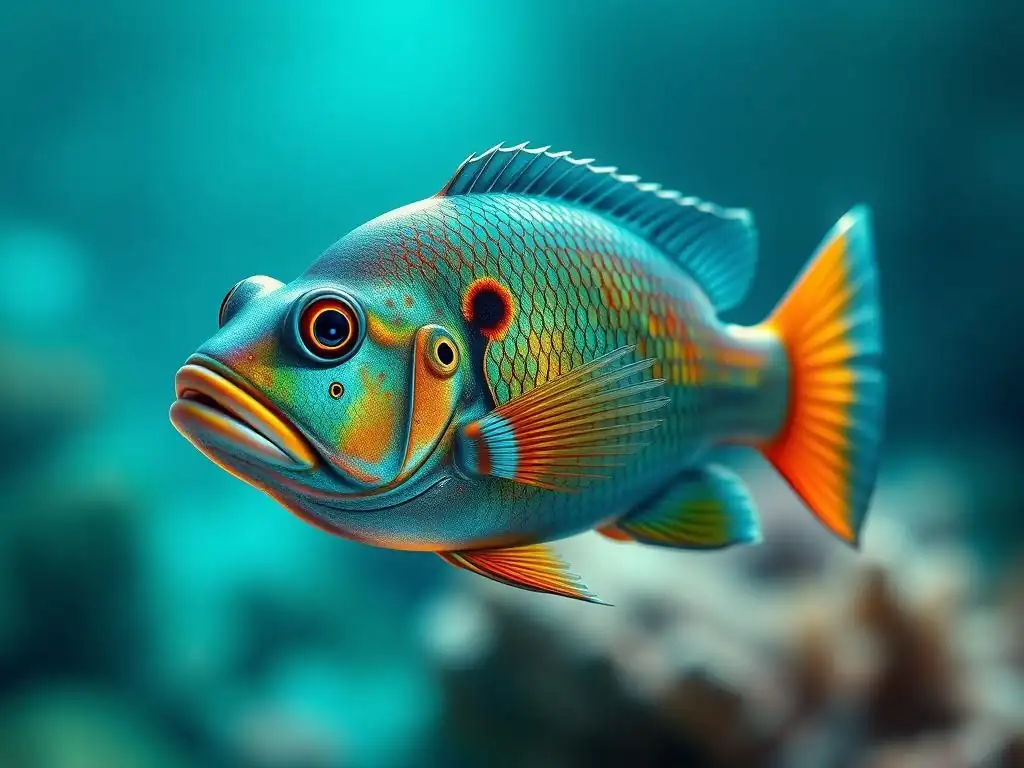
The Mystery Wrasse's generally peaceful temperament makes it an excellent candidate for a wide range of tank mates in a well-planned Mystery Wrasse tank setup. Ideal companions include other peaceful wrasse species, such as Flasher Wrasses ( Paracheilinus spp.) and Fairy Wrasses ( Cirrhilabrus spp. ), as long as they are of different genera to minimize direct competition or aggression. Ensure ample space and hiding spots if keeping multiple wrasse species.
Other compatible fish include clownfish, various species of gobies (e.g., watchman gobies, pistol shrimp gobies), blennies (e.g., Midas blennies, Two-spot blennies), cardinalfish, anthias, and chromis. Small, peaceful tangs (like Yellow Tangs or Kole Tangs) can also coexist in appropriately sized tanks (75 gallons or larger for tangs). The key is to choose fish with similar temperament and size, avoiding overly boisterous or aggressive species that might outcompete the wrasse for food or territory.
Fish to Avoid: Aggressive or Predatory Species
To ensure the safety and well-being of your Mystery Wrasse, avoid housing it with fish that are known to be highly aggressive, territorial, or predatory. Large predatory fish such as lionfish, large groupers, or large eels will view the relatively small Mystery Wrasse as a food source. Similarly, certain highly aggressive triggerfish or large angelfish known for their territoriality can stress or injure a shy wrasse.
While Mystery Wrasses are generally robust for their size, they can be intimidated by persistent bullying. Avoid other Pseudocheilinus species unless you have a very large tank (100+ gallons) with extensive rockwork and introduce them simultaneously, as they can be highly aggressive towards conspecifics. Researching the compatibility of any potential tank mate is crucial before introduction to prevent conflicts and maintain a harmonious Mystery Wrasse tank setup.
Invertebrate Compatibility: Shrimp, Crabs, and Snails
One of the great advantages of the Mystery Wrasse is its exceptional compatibility with a wide array of reef invertebrates. They are generally considered completely safe with ornamental shrimp, such as cleaner shrimp ( Lysmata amboinensis), peppermint shrimp ( Lysmata wurdemanni), and even smaller pistol shrimp. They typically do not bother snails (e.g., turbo snails, Nassarius snails), hermit crabs, or other common reef clean-up crew members.
In fact, their natural foraging habits can be beneficial for the reef ecosystem. As mentioned, they are known to consume nuisance pests like pyramid snails that parasitize clams, and certain species of flatworms that can overrun a tank. This makes them a valuable addition to a mixed reef aquarium, not just for their beauty but also for their contribution to the tank's biological balance without posing a threat to desirable invertebrates.
Breeding Mystery Wrasses: Challenges and Potential
Breeding Behavior in the Wild
Observations of Mystery Wrasse breeding behavior in the wild are limited due to their secretive nature and the depths at which they typically reside. Like many other wrasse species, Pseudocheilinus ocellatus is believed to be a pelagic spawner. This means that during spawning events, which typically occur at dusk, a male and female will ascend into the water column and release their eggs and sperm simultaneously. The fertilized eggs are then buoyant and disperse into the open ocean currents, developing as planktonic larvae.
This broadcast spawning strategy is common among many reef fish and is an adaptation to maximize the dispersal of offspring and minimize predation on eggs and larvae in the immediate reef environment. The specific triggers for spawning, such as lunar cycles or water temperature, are not well documented for this particular species in its natural habitat.
Captive Breeding Attempts and Success Stories
Captive breeding of the Mystery Wrasse is exceedingly rare and poses significant challenges for even the most advanced aquaculture facilities. While some public aquariums or highly specialized research institutions may have had limited success or observed spawning events, consistent captive breeding in home aquariums is virtually unheard of. The vast majority of Mystery Wrasses available in the hobby are wild-caught specimens.
The primary hurdles to captive breeding include conditioning adult pairs to spawn consistently in an enclosed environment, creating the precise environmental cues for spawning, and most critically, successfully rearing the extremely delicate and tiny larval stage. This requires highly specialized equipment, live food cultures of specific sizes, and meticulous water quality control, making it a feat beyond the capabilities of the average hobbyist.
Larval Rearing Challenges
The larval stage of the Mystery Wrasse, like many other pelagic-spawning marine fish, presents the greatest hurdle to captive breeding success. The newly hatched larvae are microscopic, typically measuring only a few millimeters in length. They possess very small mouths, requiring specific sizes of live food, often starting with specialized rotifers and progressing to various sizes of copepod nauplii. Culturing these live foods in sufficient quantities and maintaining their nutritional value is a complex task.
Furthermore, the larvae are highly susceptible to changes in water quality, bacterial infections, and predation from even the smallest of organisms. Their survival rates in captivity are notoriously low, often less than 1% without highly controlled conditions. The specific environmental parameters, lighting, and water flow required to support their development from egg to juvenile fish are still largely a subject of ongoing research for many wrasse species, including the Mystery Wrasse.
Conclusion: Enjoying the Beauty and Intrigue of the Mystery Wrasse.
The Mystery Wrasse ( Pseudocheilinus ocellatus) is undeniably one of the most enchanting and rewarding fish for a marine reef aquarium. Its stunning, iridescent coloration, combined with its intriguing, shy yet active behavior, makes it a true focal point for any aquarist. While it commands a premium price, its hardy nature once acclimated, reef-safe compatibility, and beneficial pest-eating habits often make it a worthwhile investment for the dedicated hobbyist.
Successfully keeping a Mystery Wrasse hinges on providing a stable and well-designed Mystery Wrasse tank setup, characterized by pristine water parameters, ample rockwork for hiding, and a deep, fine sand bed for burrowing. By adhering to the detailed care guidelines outlined in this article, from diet and feeding to water changes and disease prevention, aquarists can enjoy the beauty and subtle intrigue of this enigmatic jewel of the reef for many years to come.
Frequently Asked Questions
How difficult is it to set up a tank suitable for a Mystery Wrasse?
Setting up a tank for a Mystery Wrasse is generally considered moderate. It requires attention to water parameters and providing ample hiding places. A stable and well-established reef tank is often recommended.
What size tank is recommended for a Mystery Wrasse?
A minimum tank size of 30 gallons is generally recommended for a single Mystery Wrasse. This allows for adequate swimming space and helps maintain stable water quality. Larger tanks are always preferable.
What are the key water parameters to maintain for a Mystery Wrasse tank?
Maintaining stable water parameters is crucial. Key parameters include a specific gravity of 1.023-1.025, a pH of 8.1-8.4, and low levels of nitrates and ammonia. Regular testing is essential.
What type of rockwork and hiding places should be included in a Mystery Wrasse tank setup?
Mystery Wrasses need plenty of rockwork and hiding places to feel secure. Create a complex reef structure with caves and crevices for them to retreat into when threatened or stressed.
What type of fish are compatible with the Mystery Wrasse in a tank setting?
Mystery Wrasses can be aggressive towards smaller, peaceful fish. Choose tank mates carefully. Consider semi-aggressive species of similar size, while avoiding smaller, docile fish that may be bullied.
Final Reflection: Unveiling the Reef's Secrets
The journey into understanding the Mystery Wrasse, as we've explored, is more than just mastering a Mystery Wrasse tank setup. It's about appreciating the delicate balance and intricate beauty of coral reef ecosystems, and recognizing our responsibility in preserving them. The allure of this enigmatic fish lies not only in its vibrant colors but also in the reminder it offers: even the smallest creatures hold profound secrets and contribute to the grand tapestry of life.
This exploration has undeniably shaped our understanding of responsible reef keeping. The dedication required to create a thriving environment for a Mystery Wrasse mirrors the commitment needed to protect our oceans. In the end, we will conserve only what we love; we will love only what we understand; and we will understand only what we are taught.
- Baba Dioum. This quote resonates deeply, highlighting the importance of education and awareness in fostering a genuine connection with the natural world, prompting us to become better stewards of our planet.
Now, as you consider your own journey into the world of reef aquariums, remember the lessons learned about the Mystery Wrasse. Let its captivating presence inspire you to create not just a beautiful tank, but a thriving ecosystem that reflects the wonder and fragility of the ocean. Embrace the challenge, research diligently, and cultivate a deep respect for the life you bring into your home. Your efforts, however small, contribute to a larger movement of conservation and appreciation for the ocean's treasures.
Unleash the Reef's Secret: Begin Your Wrasse Journey!
Thank you for diving into the captivating world of the Mystery Wrasse! We hope you've gained valuable insights into this elusive jewel of the reef. Now, let's bring that knowledge to life and take some exciting steps forward.
Here are a few ways to continue your exploration:
- Dive Deep: Research Compatibility.: Before you even think about adding a Mystery Wrasse to your aquarium, thoroughly research its compatibility with your existing inhabitants. This prevents future conflicts and ensures a harmonious reef environment.
- Share the Spark: Ignite conversations about the Mystery Wrasse with fellow reef enthusiasts. Post your favorite facts on social media or engage in discussions on aquarium forums to spread the knowledge.
- Get Artistic: Create an artistic representation of the Mystery Wrasse, whether it's a drawing, painting, or even a digital design. Share your artwork online, tagging us @AquariumMastery, and inspire others with the beauty of this incredible fish.
What's one fascinating detail about the Mystery Wrasse you're eager to share or implement in your own reef aquarium?