
Black Skirt Tetra Elegance: Aquarium Mastery on Advanced Breeding for Flowing Fins

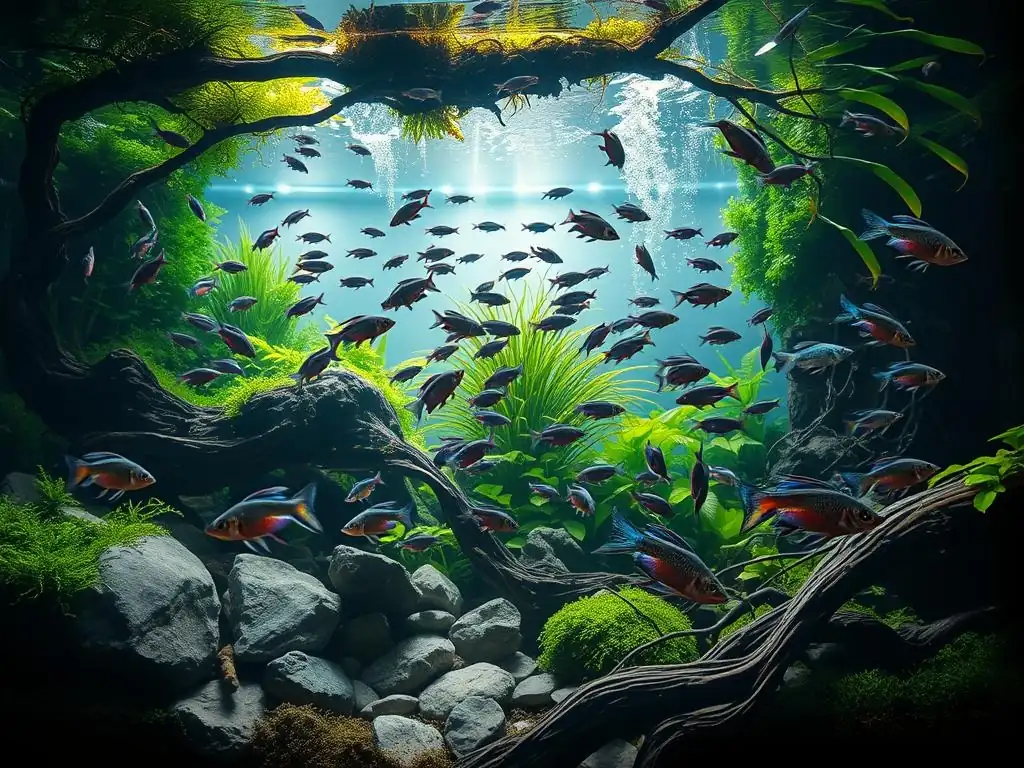
Welcome to Aquarium Mastery, where passion meets precision in the art of aquatic keeping! Ever wondered about the secrets behind successfully breeding those captivating Black Skirt Tetras? Dive in and unlock the mysteries of advanced breeding techniques for these elegant, flowing-finned beauties. Get ready to elevate your aquarium game and witness the magic unfold!
- Black Skirt Tetra Elegance: Aquarium Mastery on Breeding for Vibrant Health
- Understanding the Black Skirt Tetra: A Breeder's Introduction
- Setting Up the Ideal Breeding Tank for Black Skirt Tetras
- Black Skirt Tetra Breeding Process: A Step-by-Step Guide
- Hatching and Raising Black Skirt Tetra Fry
- Advanced Techniques for Enhancing Black Skirt Tetra Breeding Success
- Common Challenges in Black Skirt Tetra Breeding and How to Overcome Them
- Black Skirt Tetra Color Variations and Breeding
- Black Skirt Tetra Breeding: Sharing Your Success
- Conclusion: Mastering Black Skirt Tetra Breeding
-
Frequently Asked Questions
- How difficult is it to breed Black Skirt Tetras?
- What are the ideal water parameters for breeding Black Skirt Tetras?
- What type of breeding tank setup is recommended for Black Skirt Tetras?
- How can I increase the chances of successful Black Skirt Tetra breeding?
- What do Black Skirt Tetra fry eat, and how often should they be fed?
- Final Reflection: The Enduring Allure of Black Skirt Tetra Breeding
- Unlock the Secrets to Black Skirt Tetra Breeding!
Black Skirt Tetra Elegance: Aquarium Mastery on Breeding for Vibrant Health
Understanding the Black Skirt Tetra: A Breeder's Introduction
Black Skirt Tetra Origins and Natural Habitat
The Black Skirt Tetra (Gymnocorymbus ternetzi) hails primarily from the freshwater river basins of South America, specifically the Guaporé and Paraguay River Basins, stretching across Brazil, Bolivia, and Argentina. In their native environment, these fish inhabit slow-moving tributaries, streams, and floodplains, often found among dense vegetation and submerged roots. The water in these regions is typically soft and slightly acidic, with a pH ranging from 6.0 to 7.0, and temperatures hovering between 72-79°F (22-26°C). Understanding these natural conditions is paramount for successful Black Skirt Tetra breeding, as replicating them in an aquarium significantly boosts reproductive success.
Their natural diet consists of small insects, crustaceans, and plant matter, showcasing their omnivorous nature. This dietary flexibility is crucial for conditioning breeding pairs, as a varied and nutritious diet is essential for egg development and overall health. The dense plant cover in their habitat provides security from predators and serves as a natural spawning ground, scattering eggs among the leaves – a behavior that aquarists aim to mimic for effective Black Skirt Tetra breeding.
Identifying Healthy Black Skirt Tetras for Breeding
Selecting robust and healthy specimens is the cornerstone of successful Black Skirt Tetra breeding. A healthy Black Skirt Tetra will exhibit vibrant coloration, whether it's the classic silver-grey with prominent black bands or one of the various color morphs like the long-finned or albino varieties. Their fins should be fully intact, without any signs of nipping, tears, or fungal growths, and their bodies should appear full and well-rounded, not emaciated or bloated. Observe their swimming behavior; healthy tetras are active, swim fluidly, and display a curious temperament, often schooling together.
Beyond physical appearance, behavioral cues are equally important. Prospective breeding pairs should be between 6 to 12 months old, as this age range typically offers peak fertility and vigor. Avoid fish that are lethargic, gasp at the surface, or show signs of clamped fins, as these are indicators of stress or illness. A quarantine period of at least two weeks for new acquisitions is highly recommended to ensure they are disease-free before introducing them to your main breeding stock, safeguarding your existing fish and optimizing your Black Skirt Tetra breeding efforts.
Black Skirt Tetra Morphology: A Focus on Key Characteristics
Understanding the subtle morphological differences between male and female Black Skirt Tetras is crucial for successful pairing in Black Skirt Tetra breeding. Males generally tend to be smaller and more slender than females of the same age. Their dorsal fin, the fin on their back, often appears more pointed and can be slightly longer and more extended, especially during breeding readiness. The male's overall body shape is more torpedo-like, built for quick movements during spawning chases.
Conversely, female Black Skirt Tetras are typically larger and noticeably rounder, particularly when conditioned with high-quality foods and carrying eggs. Their body shape becomes more robust, and their belly will swell significantly, indicating gravidity. The female's dorsal fin is usually more rounded and less elongated than the male's. During the Black Skirt Tetra breeding season, the distinctions become even more pronounced, with the female's fullness being the most reliable visual cue for selecting a ready breeder.
Setting Up the Ideal Breeding Tank for Black Skirt Tetras
Tank Size and Dimensions for Optimal Black Skirt Tetra Breeding
For successful Black Skirt Tetra breeding, a dedicated breeding tank is highly recommended to provide a controlled environment and protect the eggs and fry from predation. A tank size ranging from 10 to 20 gallons (approximately 38 to 76 liters) is generally considered ideal for a single breeding pair or a small group of 3-4 fish (e.g., two males and two females).
The dimensions of the tank are more critical than just the gallonage; a longer tank provides more swimming space for the spawning chase, which is a key part of the Black Skirt Tetra breeding ritual, allowing the male to pursue and encourage the female to release eggs.
A 10-gallon tank measuring approximately 20 inches long, 10 inches wide, and 12 inches high (50cm x 25cm x 30cm) offers sufficient space for a pair to engage in their spawning dance without becoming overly stressed. For a group breeding setup, a 20-gallon long tank (around 30 inches long) provides ample room. The controlled environment of a dedicated breeding tank minimizes disturbances, allows for precise water parameter adjustments, and makes it significantly easier to manage the delicate eggs and fry, thereby maximizing the success rate of your Black Skirt Tetra breeding endeavors.
Water Parameters: Achieving the Perfect Breeding Environment
Precise water parameters are critical for stimulating spawning and ensuring the viability of eggs in Black Skirt Tetra breeding. The ideal temperature range for spawning is slightly warmer than their typical living conditions, usually between 78-82°F (25.5-27.8°C). This warmer temperature encourages metabolic activity and signals to the fish that conditions are favorable for reproduction. Maintaining a stable temperature is paramount, so a reliable heater with a thermostat is essential.
Water chemistry also plays a significant role. Black Skirt Tetras prefer soft, slightly acidic water for breeding, mimicking their natural Amazonian habitat. Aim for a pH between 6.0 and 7.0, with a general hardness (GH) of 4-8 dGH (70-140 ppm).
Achieving these parameters often involves using reverse osmosis (RO) water mixed with a small amount of tap water (if your tap water is soft) or using peat filtration to naturally lower pH and soften the water. Extremely hard or alkaline water can significantly reduce egg fertility and hatch rates, underscoring the importance of meticulous water parameter management for successful Black Skirt Tetra breeding.
Substrate and Plant Selection for Black Skirt Tetra Spawning
For Black Skirt Tetra breeding, the choice of substrate and plants is crucial for providing suitable spawning sites and protecting the delicate eggs. A bare-bottom tank is often preferred by experienced breeders as it simplifies the process of locating and removing eggs after spawning, making cleaning easier and reducing the risk of fungal infections. However, a bare bottom can also stress the fish, so some aquarists opt for a thin layer of very fine, dark gravel or sand to provide a sense of security and help the eggs blend in, reducing the parents' inclination to eat them.
Regardless of the substrate choice, the inclusion of spawning mops or fine-leaved plants is essential. Black Skirt Tetras are egg scatterers, and they will deposit their adhesive eggs among dense vegetation. Java Moss, Water Sprite, or Anacharis are excellent choices, as their intricate structures provide numerous surfaces for eggs to adhere to, as well as hiding spots for the parents.
Alternatively, artificial spawning mops made from nylon yarn can be used; these are easy to sanitize and remove once spawning is complete. The goal is to provide ample hiding places for the eggs, preventing the parents from consuming them immediately after they are laid, which is a common challenge in Black Skirt Tetra breeding.
Filtration and Aeration Considerations for Black Skirt Tetra Fry
When setting up a breeding tank for Black Skirt Tetras, filtration and aeration must be carefully considered, especially with the delicate fry in mind. A gentle air-driven sponge filter is the optimal choice for a Black Skirt Tetra breeding tank.
Unlike power filters or hang-on-back filters, a sponge filter provides biological filtration without creating strong currents that could harm or even suck in the tiny, vulnerable fry. The slow, bubbling action of the air stone connected to the sponge filter also provides sufficient aeration, ensuring adequate oxygen levels in the water, which is vital for both eggs and developing fry.
Excessive water flow can stress the breeding pair and dislodge eggs, so a minimal current is ideal. During the incubation period, and especially once the fry hatch, water quality must be pristine, but without aggressive filtration. A light air stone can be added if additional aeration is deemed necessary, but generally, the sponge filter's output is sufficient. The gentle nature of sponge filtration helps maintain stable water parameters, prevents the buildup of harmful ammonia and nitrites, and ensures a safe environment for the incredibly tiny Black Skirt Tetra fry to thrive and grow.
Black Skirt Tetra Breeding Process: A Step-by-Step Guide
Conditioning Black Skirt Tetra Breeding Pairs
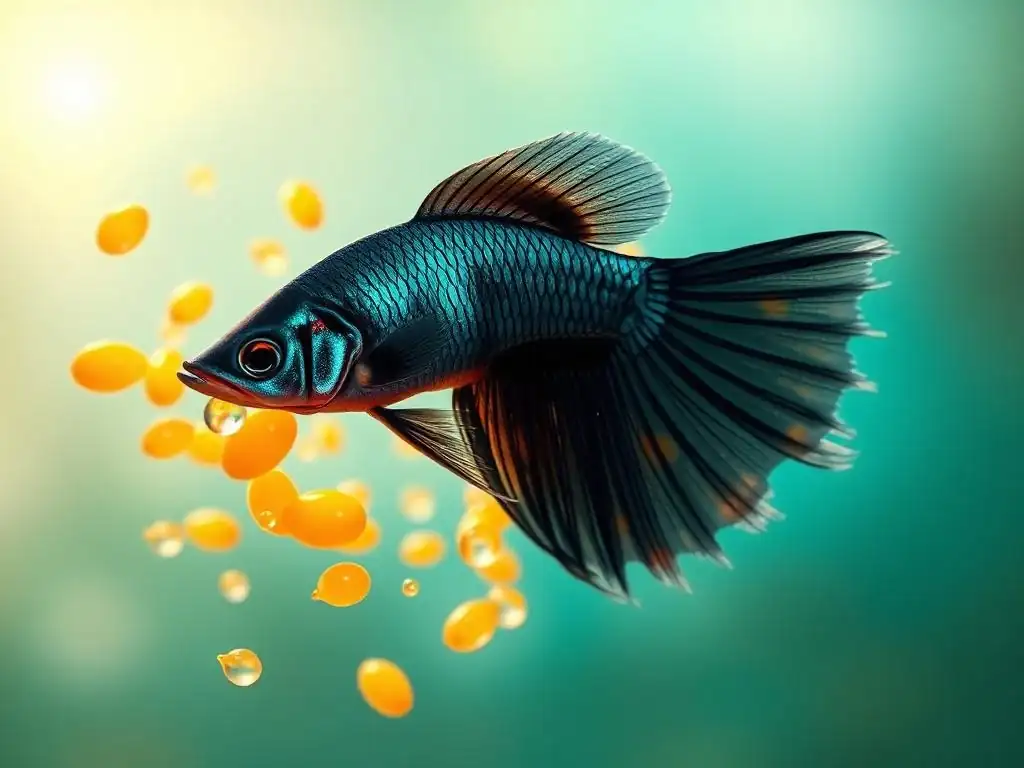
Conditioning is a vital preliminary step in successful Black Skirt Tetra breeding, preparing the fish for optimal reproductive health. Begin by separating the chosen male and female (or groups) into different tanks or using a tank divider for approximately one to two weeks. During this period, feed them a rich, high-quality diet several times a day.
This diet should include a variety of live and frozen foods such as bloodworms, brine shrimp, daphnia, and high-protein flake or pellet foods. The live and frozen foods are particularly effective as they are highly nutritious and mimic the natural diet that would signal abundant resources for reproduction.
The goal of conditioning is to build up the fish's energy reserves and provide the necessary nutrients for egg and milt production. For females, a successful conditioning period will result in a visibly fuller, more rounded abdomen as eggs develop. Males will become more vibrant in color and display increased activity. This specialized feeding regimen and brief separation enhance their desire to spawn when reunited, significantly increasing the chances of a productive Black Skirt Tetra breeding event.
Introducing the Breeding Pair to the Spawning Tank
Once the Black Skirt Tetra breeding pair has been adequately conditioned, carefully introduce them to the prepared spawning tank. It's often beneficial to introduce the female first, allowing her a few hours to acclimate to the new environment before adding the male. This can reduce potential stress and aggressive behavior from the male. Alternatively, introducing both fish simultaneously, especially after a brief period of darkness, can also work well. Ensure the spawning tank's water parameters, including temperature (78-82°F), pH (6.0-7.0), and softness (4-8 dGH), are precisely matched to those the conditioned fish were accustomed to, minimizing shock.
The introduction should ideally occur in the late afternoon or evening. Black Skirt Tetras often prefer to spawn in the early morning hours, around dawn, after a period of darkness. Dimming the room lights or covering the tank can help simulate natural conditions and encourage spawning. Observe the pair closely but without disturbing them; you should soon see the male begin to chase the female, a key indicator that the Black Skirt Tetra breeding process is about to commence.
Black Skirt Tetra Spawning Behavior: What to Expect
The spawning behavior of Black Skirt Tetras is a fascinating display of their natural instincts during the Black Skirt Tetra breeding process. Once introduced to the breeding tank, particularly in the early morning, the male will begin to actively pursue the female. This chase can appear somewhat vigorous, with the male nudging and nipping at the female's anal fin area. This is a normal part of their courtship and serves to encourage the female to release her eggs. The female, when ready, will dart into the fine-leaved plants or spawning mop, with the male closely following.
As they move through the vegetation, the female will release small, clear, adhesive eggs, typically in batches of 5 to 20 at a time. Simultaneously, the male will release his milt to fertilize them. This process is repeated numerous times, with the pair scattering eggs over a period of several hours.
A healthy, well-conditioned female can lay anywhere from 150 to 300 eggs, though this number can vary depending on her size and age. The eggs are tiny, almost transparent, and will stick to the plants or fall to the bottom. Once spawning is complete, the pair will usually cease their frantic activity, and the female's belly will appear significantly slimmer.
Removing the Parents After Spawning: Preventing Egg Consumption
Once the Black Skirt Tetra breeding pair has completed spawning, it is absolutely critical to remove the adult fish from the breeding tank immediately. Black Skirt Tetras, like many other egg-scattering species, have no parental instincts and will readily consume their own eggs if given the opportunity. This is a natural behavior in the wild to prevent predators from finding the eggs, but in a confined aquarium, it means a significant loss of potential fry.
Carefully net the male and female and return them to their main community tank or a recovery tank. This swift action protects the delicate eggs, which are now adhesive and attached to the spawning medium or settled on the bottom. Leaving the parents in the tank for even a short period after spawning can result in a significant reduction in the number of viable eggs. Prompt removal is a non-negotiable step to maximize your yield from the Black Skirt Tetra breeding attempt.
Hatching and Raising Black Skirt Tetra Fry
Incubation of Black Skirt Tetra Eggs
After the Black Skirt Tetra breeding pair has been removed, the eggs are left to incubate in the spawning tank. The incubation period for Black Skirt Tetra eggs is relatively short, typically lasting between 24 to 48 hours, depending on the water temperature. Maintaining a stable temperature of around 78-80°F (25.5-26.7°C) is crucial for optimal development and a successful hatch. During this period, it's beneficial to keep the tank in dim light or even complete darkness, as excessive light can sometimes inhibit development or encourage fungal growth on unfertilized eggs.
To prevent fungal infections, which are a common issue, some breeders add a very small amount of methylene blue solution to the water. This provides a mild antifungal property without harming the developing embryos. However, if the water quality is pristine and unfertilized eggs are promptly removed (if visible and accessible), this step might not be necessary. Observing the eggs closely, you may notice tiny movements or even the development of eyes within the clear egg casing as they near hatching, indicating a successful Black Skirt Tetra breeding outcome.
First Foods for Black Skirt Tetra Fry: A Nutritional Foundation
Once Black Skirt Tetra fry hatch, they are incredibly small and initially survive on their yolk sacs for the first 2-3 days. After this period, they will become free-swimming and require their first external food source. Providing the correct first foods is paramount for their survival and healthy development. Their mouths are microscopic, so standard flake food or even newly hatched brine shrimp are too large. The ideal initial diet consists of infusoria, which are microscopic organisms naturally occurring in established aquarium water or cultured manually.
Alternatively, liquid fry food or specialized powdered fry food designed for egg-laying fish can be used. These commercial products are finely ground to a size that the tiny fry can ingest. Feed small amounts multiple times a day, approximately 3-5 times, to ensure a constant supply of food.
Overfeeding should be avoided, as uneaten food quickly fouls the water, which is detrimental to the delicate fry. As they grow over the next week or two, they can gradually transition to larger foods like newly hatched brine shrimp nauplii, which provide excellent nutrition and encourage rapid growth, crucial for successful Black Skirt Tetra breeding.
Maintaining Water Quality for Black Skirt Tetra Fry Development
Maintaining pristine water quality is arguably the most critical factor in successfully raising Black Skirt Tetra fry. Due to their small size and undeveloped immune systems, fry are extremely sensitive to even minute fluctuations in water parameters and the presence of ammonia, nitrite, or nitrate. Since they are fed multiple times a day with very small foods, uneaten food and waste products can quickly degrade water quality. Regular, small water changes are essential, typically 10-20% daily or every other day, using aged or dechlorinated water that matches the tank's temperature and pH.
When performing water changes, use an air line tube or a small siphon to gently vacuum the bottom of the tank, carefully removing any uneaten food or debris without disturbing the fry. A sponge filter, as previously discussed, is ideal for providing gentle filtration without posing a threat to the fry. Avoid aggressive filtration or strong currents. Consistent monitoring of ammonia, nitrite, and nitrate levels with a test kit is highly recommended to ensure the water remains safe for the delicate Black Skirt Tetra fry as they grow and develop.
Black Skirt Tetra Fry Growth Stages and Development
The growth of Black Skirt Tetra fry is a fascinating, albeit slow, process that requires patience and consistent care. Immediately after hatching, they are tiny, almost transparent, and resemble slivers of glass. They spend their first 2-3 days absorbing their yolk sac, often resting on the bottom or clinging to tank surfaces. Once the yolk sac is absorbed, they become free-swimming, at which point feeding infusoria or liquid fry food becomes critical. Within the first week, with proper feeding, they will visibly grow, and their internal organs will become more defined.
By the second to third week, they will be large enough to consume newly hatched brine shrimp, which significantly accelerates their growth. At this stage, they start to resemble miniature versions of their parents, though without full coloration. The distinctive black bands typically begin to appear around 3-4 weeks of age.
By 6-8 weeks, they are usually large enough to be introduced to finely crushed flake food and can be moved to a larger grow-out tank if space is limited. Full adult size and coloration, especially the flowing fins of specific Black Skirt Tetra breeding strains, are achieved around 4-6 months of age, provided optimal conditions and nutrition are maintained throughout their development.
Advanced Techniques for Enhancing Black Skirt Tetra Breeding Success
Optimizing Diet for Increased Black Skirt Tetra Fertility
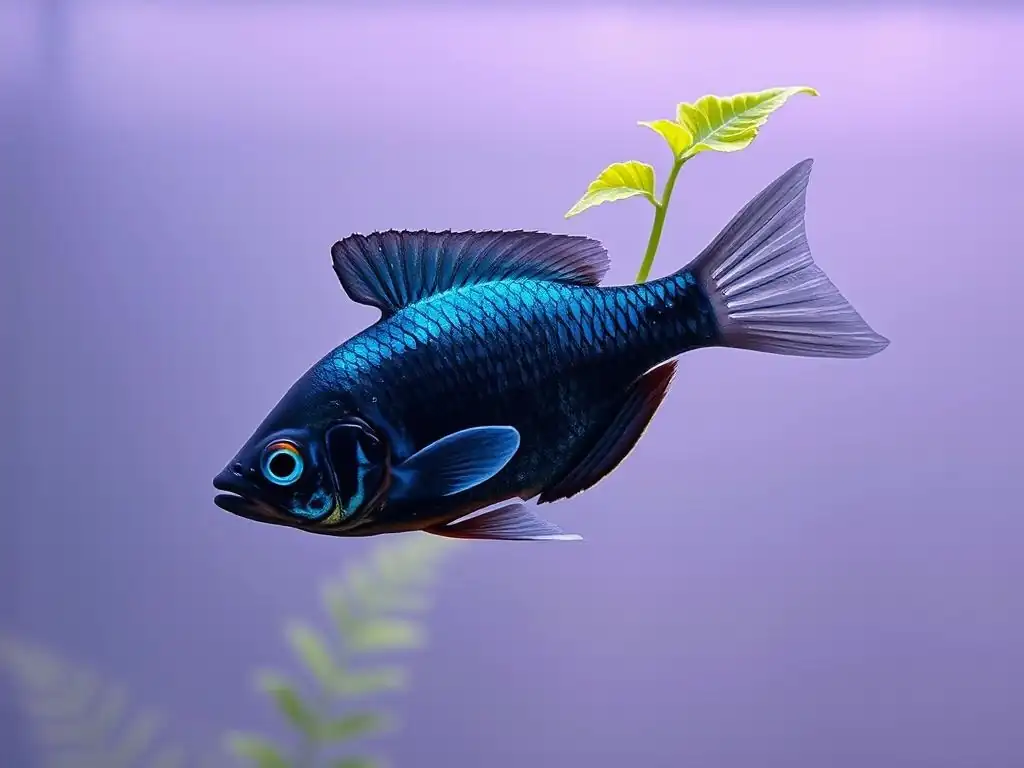
Beyond basic conditioning, optimizing the diet of your Black Skirt Tetras can significantly boost fertility and the quality of their offspring. A varied diet rich in high-quality proteins, essential fatty acids, and vitamins is paramount. While live and frozen foods like bloodworms, brine shrimp, and daphnia are excellent staples, consider incorporating specialized conditioning foods. For instance, some breeders rotate between different types of live foods to ensure a broad spectrum of nutrients. Culturing your own live foods, such as microworms or vinegar eels, can provide a consistent supply of highly nutritious, small prey items.
Supplementing their diet with high-quality spirulina flakes or pellets can provide essential vitamins and minerals, promoting overall vitality and reproductive health. Some aquarists also briefly gut-load live foods, feeding them nutrient-rich diets before offering them to the breeding pair, further enhancing the nutritional intake. This meticulous attention to diet not only increases the number of eggs laid but also improves egg viability and the vigor of the resulting Black Skirt Tetra fry, leading to a higher survival rate in your Black Skirt Tetra breeding efforts.
Water Chemistry Adjustments for Improved Hatch Rates
Subtle adjustments to water chemistry can have a profound impact on the hatch rates of Black Skirt Tetra eggs. While a pH of 6.0-7.0 and GH of 4-8 dGH are generally recommended, some advanced breeders fine-tune these parameters further. Slightly lowering the pH to around 6.0-6.5 and maintaining a very soft water environment (GH 2-4 dGH) can mimic the conditions in which Black Skirt Tetras often breed most successfully in the wild. This softer, more acidic water is believed to enhance sperm motility and egg membrane permeability, facilitating fertilization and reducing the incidence of infertile eggs.
To achieve these precise parameters, the use of reverse osmosis (RO) water, often remineralized to the desired hardness, is common. Peat filtration, either through a filter bag or by adding peat extract, can also help lower pH and add beneficial humic substances, which may have mild antifungal properties. However, any adjustments must be made gradually and monitored carefully with reliable test kits to prevent sudden parameter swings, which can be detrimental. Consistent water quality is always preferred over drastic changes, even when aiming for optimal Black Skirt Tetra breeding conditions.
Genetic Considerations in Black Skirt Tetra Breeding
Advanced Black Skirt Tetra breeding often involves careful genetic considerations to maintain health, vigor, and desirable traits within a breeding line. Inbreeding, while sometimes used to fix specific traits like extended fins or unique coloration, can quickly lead to a reduction in genetic diversity, resulting in weakened immune systems, smaller size, reduced fertility, and increased susceptibility to disease. To avoid the detrimental effects of excessive inbreeding, it is advisable to introduce new, unrelated bloodlines periodically, perhaps every 2-3 generations, if you are continuously breeding from your own stock.
When selecting breeding pairs, prioritize individuals that exhibit not only the desired aesthetic traits but also robust health, active behavior, and good size for their age. Avoid breeding fish that show any signs of deformities, chronic illness, or stunted growth, as these issues can be passed down genetically. For specific color variations or fin types, selective breeding involves consistently pairing individuals that best exemplify the desired characteristics. Documenting your breeding pairs and their offspring can help track genetic lines and prevent accidental close-kin matings, ensuring the long-term health and quality of your Black Skirt Tetra breeding program.
Triggering Spawning: Methods for Encouraging Reproduction
While proper conditioning and ideal tank setup are foundational, sometimes Black Skirt Tetras need a gentle nudge to initiate spawning. Several methods can be employed to trigger reproduction, mimicking natural environmental cues. One common and effective technique is a partial, cool water change. By performing a 25-50% water change with water that is 2-5°F (1-3°C) cooler than the tank water, you simulate the onset of a rainy season, which often triggers spawning in many tropical fish species. This temperature drop, followed by a gradual return to the ideal breeding temperature, can act as a powerful stimulus.
Another method is to increase the frequency and quantity of live food offerings for a few days leading up to the desired spawning time. A sudden abundance of high-protein live foods signals a period of plenty, encouraging the fish to reproduce. Additionally, ensuring a period of complete darkness for 10-12 hours overnight, followed by the first light of day, often encourages spawning in the early morning.
Some breeders also find that a very slight increase in water flow, perhaps by adjusting the sponge filter's air pump, can stimulate activity, although this must be done carefully to avoid stressing the fish or disturbing eggs. These combined triggers can significantly enhance the success rate of Black Skirt Tetra breeding.
Common Challenges in Black Skirt Tetra Breeding and How to Overcome Them
Addressing Infertile Eggs in Black Skirt Tetras
One of the frustrating challenges in Black Skirt Tetra breeding is encountering a high percentage of infertile eggs. These eggs typically remain opaque white or cloudy, unlike healthy fertilized eggs which are clear and translucent. Several factors can contribute to infertility. The most common reasons include:
- Age of Breeders: Fish that are too young or too old may have reduced fertility. Optimal breeding age for Black Skirt Tetras is usually between 6 to 18 months.
- Poor Conditioning: Insufficient or improper diet during the conditioning phase can lead to a lack of viable eggs or milt. Ensure a varied, high-protein diet for at least 1-2 weeks prior to spawning.
- Water Chemistry: Water that is too hard or too alkaline can negatively impact sperm viability and egg fertilization. Re-verify that your pH is between 6.0-7.0 and GH is 4-8 dGH, adjusting with RO water or peat if necessary.
- Stress: A stressful environment, perhaps due to inadequate tank size, aggressive tank mates (if not in a dedicated breeding tank), or frequent disturbances, can inhibit successful spawning or lead to poor egg quality.
To address infertile eggs, evaluate each of these factors. If age is not the issue, focus on enhancing the conditioning diet and meticulously re-checking and adjusting water parameters. Sometimes, simply trying a different pair of breeders or allowing the current pair more time to mature can resolve the issue, leading to more successful Black Skirt Tetra breeding outcomes.
Preventing Fungal Infections in Black Skirt Tetra Eggs
Fungal infections are a significant threat to Black Skirt Tetra eggs, often manifesting as fuzzy, white growths on the egg surface. These infections primarily target unfertilized or damaged eggs but can quickly spread to healthy ones, decimating an entire clutch. The key to prevention lies in maintaining impeccable water quality and addressing the root causes.
- Remove Infertile Eggs: If visible, carefully siphon out any infertile (opaque white) eggs as soon as they are identified. These eggs are prime targets for fungal growth and can spread spores to healthy eggs.
- Water Quality: Ensure the breeding tank water is pristine. Perform small, gentle water changes if necessary, and avoid overfeeding the adults prior to spawning, which can foul the water.
- Antifungal Treatment: A common preventive measure is to add a small amount of methylene blue to the breeding tank water immediately after spawning. This dye acts as a mild antifungal and antibacterial agent. Follow dosage instructions carefully, as it will temporarily stain the water blue. Alternatively, some breeders use Indian Almond Leaves, which release tannins that have natural antifungal properties, though they will also tint the water.
- Aeration: Good aeration is crucial. Ensure the sponge filter or air stone provides a gentle but consistent flow of oxygen to the eggs. Stagnant water promotes fungal growth.
By proactively managing these factors, you can significantly reduce the incidence of fungal infections and improve the overall hatch rate in your Black Skirt Tetra breeding efforts.
Minimizing Fry Mortality Rates
Despite successful hatching, high fry mortality rates remain a common challenge in Black Skirt Tetra breeding. The tiny fry are incredibly delicate and susceptible to various environmental stressors and nutritional deficiencies.
- First Food Availability: The most critical factor is ensuring an immediate and constant supply of appropriately sized food as soon as the yolk sacs are absorbed and they become free-swimming. If infusoria or liquid fry food is not available precisely when needed, the fry will starve. Feed tiny amounts multiple times a day (3-5 times).
- Water Quality: Ammonia, nitrite, and nitrate are lethal to fry even at low concentrations. Small, daily water changes (10-20%) with temperature-matched, dechlorinated water are vital. Gently siphon out any uneaten food or detritus from the bottom of the tank.
- Temperature Stability: Fluctuations in temperature can be devastating. Maintain a stable temperature within the ideal range (78-80°F or 25.5-26.7°C) using a reliable heater.
- Predation/Competition: Ensure there are no other fish or invertebrates in the fry tank that could prey on the tiny fry. Even adult snails might pose a risk. As the fry grow, avoid overcrowding, which can lead to competition for food and increased stress.
- Filtration: Only use gentle filtration like a sponge filter. Strong currents from other filter types can exhaust or even trap the fry.
By meticulously managing food, water quality, and environmental stability, you can significantly increase the survival rate of your Black Skirt Tetra fry, leading to a much more rewarding Black Skirt Tetra breeding experience.
Managing Stress During Black Skirt Tetra Breeding
Stress can severely impede the success of Black Skirt Tetra breeding at every stage, from conditioning to raising fry. Stressed fish are less likely to spawn, produce fewer or infertile eggs, and are more susceptible to disease.
- Quiet Environment: Position the breeding tank in a quiet area away from high traffic, loud noises, or sudden movements. Minimize external disturbances.
- Dim Lighting: While spawning often occurs at dawn, constant bright lighting can be stressful. Use dim, indirect lighting or cover the tank sides to provide a sense of security.
- Adequate Space: Ensure the breeding tank is appropriately sized (10-20 gallons for a pair). Overcrowding or a tank that is too small can lead to aggression and stress.
- Water Parameters Stability: Rapid fluctuations in temperature, pH, or hardness are major stressors. Make any water changes or parameter adjustments slowly and gradually.
- Appropriate Tank Mates (or lack thereof): The breeding tank should ideally be a dedicated space for the breeding pair, free from other fish that could cause stress, compete for food, or prey on eggs/fry.
- Nutrient-Rich Diet: A consistent, high-quality diet not only conditions fish for breeding but also supports their overall health, making them more resilient to stress.
By proactively creating a calm, stable, and secure environment, you can minimize stress on your Black Skirt Tetras, thereby improving their willingness to spawn, the quality of their offspring, and the overall success of your Black Skirt Tetra breeding program.
Black Skirt Tetra Color Variations and Breeding
Breeding for Enhanced Coloration
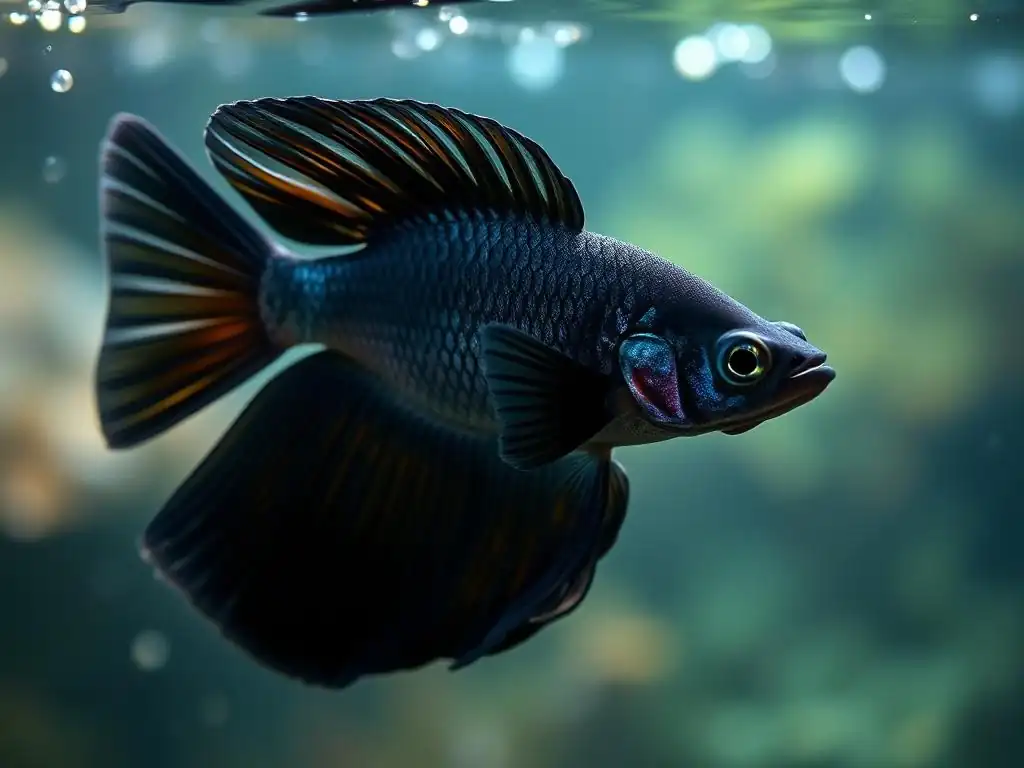
Black Skirt Tetras are renowned for their classic silver-grey body with prominent black vertical bands, but selective Black Skirt Tetra breeding has also produced a captivating array of color and fin variations. These include the long-finned "skirt" varieties, albino forms, and even artificially colored "painted" tetras (though ethical breeders generally avoid these due to the harmful process involved).
Breeding for enhanced natural coloration involves carefully selecting parent fish that display the most vibrant or desired hues of their specific strain. For instance, if aiming for a particularly deep black on the bands or a brighter silver body, choose individuals that exhibit these traits strongly.
Consistency in selective breeding is key. It often takes several generations of pairing fish with the most pronounced desired traits to solidify the genetic predisposition for enhanced coloration. Documenting the lineage and observing the offspring's color development helps refine the breeding process. Environmental factors, such as diet rich in color-enhancing foods (e.g., spirulina, astaxanthin-rich foods) and pristine water quality, also play a significant role in bringing out the best possible coloration in the fry as they mature, complementing the genetic efforts in Black Skirt Tetra breeding.
Maintaining the Health and Vigor of Color-Bred Black Skirt Tetras
While breeding for specific color variations can be rewarding, it's crucial to prioritize the overall health and vigor of the fish. Intense selective breeding, especially for exaggerated traits like exceptionally long fins or unique color patterns, can sometimes inadvertently lead to a reduction in genetic diversity, making the fish more susceptible to health issues. For example, very long-finned varieties might be more prone to fin rot or nipping from tank mates due to their flowing fins.
To counteract these potential issues, it's essential to maintain strict breeding practices. Regularly introduce new, unrelated bloodlines into your breeding program (perhaps every 2-3 generations) to bolster genetic diversity and prevent inbreeding depression, which can manifest as reduced fertility, stunted growth, or weakened immune systems.
Furthermore, provide an optimal environment with stable, clean water, a high-quality, varied diet, and minimal stress. Continuously monitor your color-bred Black Skirt Tetras for any signs of illness or weakness, culling (removing from the breeding program) any individuals that consistently show poor health or undesirable genetic traits, thereby ensuring the long-term vitality of your Black Skirt Tetra breeding line.
Ethical Considerations in Breeding Practices
Ethical considerations are paramount in any responsible Black Skirt Tetra breeding program. The primary concern should always be the health and well-being of the fish, not solely the production of a high quantity of offspring or extreme aesthetic traits. One significant ethical issue revolves around "painted" or "dyed" tetras, which are Black Skirt Tetras that have been artificially injected with dyes to achieve unnatural colors.
This process is highly stressful, often painful, and can significantly shorten the fish's lifespan due to increased susceptibility to disease. Responsible breeders and hobbyists should unequivocally avoid purchasing or supporting the trade of such fish.
Furthermore, responsible Black Skirt Tetra breeding involves preventing overpopulation and ensuring that all offspring have a chance at a good home. Plan for the capacity to house or rehome the potentially hundreds of fry a successful breeding effort can produce. Avoid breeding fish with known genetic deformities or chronic health issues, as passing these on is irresponsible. The goal should be to produce healthy, robust fish that thrive, ensuring the species' long-term welfare, rather than simply maximizing output. Adhering to these ethical guidelines elevates your Black Skirt Tetra breeding efforts beyond mere reproduction to a truly commendable practice.
Black Skirt Tetra Breeding: Sharing Your Success
The Value of Documenting Your Breeding Process
Documenting your Black Skirt Tetra breeding process is an invaluable practice that benefits not only your own learning but also the wider aquarium community. Keeping detailed records allows you to track specific parameters, identify successful strategies, and troubleshoot challenges over time. Your documentation should include:
- Breeding Pair Information: Identify individual fish (if possible), their age, and any notable traits.
- Conditioning Regimen: Details of the diet, frequency, and duration of conditioning.
- Spawning Tank Setup: Specifics on tank size, substrate, plants, and filtration.
- Water Parameters: Exact readings for temperature, pH, GH before, during, and after spawning.
- Spawning Details: Date and time of spawning, observed behaviors, estimated number of eggs.
- Fry Development: Hatch date, first foods, feeding schedule, growth rates, and any challenges encountered.
- Observations: Notes on any anomalies, health issues, or unexpected successes.
This meticulous record-keeping provides concrete data for future Black Skirt Tetra breeding attempts, allowing you to replicate successes and refine your techniques. It transforms your experience into actionable knowledge, proving essential for both personal mastery and contributing to the collective wisdom of aquarists.
Engaging with the Aquarium Community
Sharing your Black Skirt Tetra breeding successes, and even your failures, with the broader aquarium community is a rewarding and beneficial practice. Online forums, local aquarium clubs, social media groups, and dedicated websites like Aquarium Mastery provide excellent platforms for this engagement. By sharing your documented experiences, you contribute to a collective pool of knowledge that can help other aspiring breeders avoid common pitfalls and achieve their own breeding goals.
When engaging, be prepared to answer questions, offer advice, and even learn from others' experiences. Posting photos or videos (where allowed) of your breeding setup, eggs, and fry can be particularly engaging. Participating in local fish swaps or club auctions is another excellent way to share your excess fry with other hobbyists, ensuring they find good homes while potentially earning you a small return to support your breeding efforts. This active participation enriches the hobby, fosters a sense of community, and helps to continuously elevate the standards and understanding of Black Skirt Tetra breeding practices worldwide.
Conclusion: Mastering Black Skirt Tetra Breeding
Frequently Asked Questions
How difficult is it to breed Black Skirt Tetras?
Black Skirt Tetra breeding can be considered moderately challenging. It requires specific water parameters, a separate breeding tank, and careful observation to ensure the eggs are protected from being eaten by the parents.
What are the ideal water parameters for breeding Black Skirt Tetras?
The ideal water parameters include a slightly acidic pH (around 6.0-7.0), a temperature of 78-82°F (25-28°C), and very soft water. Maintaining pristine water quality is crucial for successful spawning and fry survival.
What type of breeding tank setup is recommended for Black Skirt Tetras?
A breeding tank should be sparsely decorated with fine-leaved plants or a spawning mop to provide a safe place for the tetras to lay their eggs. A bare bottom or a layer of marbles can also help protect the eggs from the parents.
How can I increase the chances of successful Black Skirt Tetra breeding?
To increase success, condition the parent fish with a high-quality diet of live and frozen foods. Lowering the water level slightly and performing a small water change can also stimulate spawning.
What do Black Skirt Tetra fry eat, and how often should they be fed?
Black Skirt Tetra fry require very small food particles, such as infusoria, liquid fry food, or baby brine shrimp. They should be fed multiple small meals throughout the day, typically 3-4 times.
Okay, here's a final reflection tailored for your article "Black Skirt Tetra Elegance: Aquarium Mastery on Advanced Breeding for Flowing Fins," optimized for the keyword "Black Skirt Tetra Breeding," and following the structure you provided:
Final Reflection: The Enduring Allure of Black Skirt Tetra Breeding
The journey into Black Skirt Tetra Breeding reveals not just the technical aspects of fishkeeping, but also a deeper appreciation for the delicate dance of life within our aquariums. The techniques explored, from water parameter manipulation to fry rearing strategies, highlight the dedication and precision required to successfully propagate these elegant fish, demonstrating that mastering this skill is a rewarding pursuit for any aquarist.
This fascination with Black Skirt Tetra breeding extends beyond mere hobbyism; it's a testament to our enduring connection with the natural world and our desire to understand and participate in its processes. Witnessing the transformation from tiny eggs to graceful, flowing-finned adults is a profoundly satisfying experience, fostering a sense of responsibility and stewardship. In every drop of water, there is a story of life, a story that breeding Black Skirt Tetras allows us to witness firsthand.
This quote encapsulates the magic inherent in the process, reminding us that even the smallest creatures hold immense beauty and complexity.
Now, as you close this article, consider the knowledge you've gained and the potential it holds. Embrace the challenge of Black Skirt Tetra breeding, not just as a technical exercise, but as an opportunity to connect with nature, to learn patience, and to contribute to the preservation of these captivating fish. Let the flowing fins of your Black Skirt Tetras inspire you to cultivate beauty and balance, both within your aquarium and in the world around you.
Unlock the Secrets to Black Skirt Tetra Breeding!
Thanks for exploring the elegant world of Black Skirt Tetras with us! We hope you’ve gained valuable insights into breeding these fascinating fish. Now, let’s put that knowledge into action.
Here's how you can take your aquarium skills to the next level:
- Initiate a breeding project for your Black Skirt Tetras using the advanced techniques discussed, paying close attention to water parameters and spawning conditions.
- Share your own Black Skirt Tetra breeding experiences and insights on social media, contributing to the Aquarium Mastery community.
- Research and compare different live food options, experimenting with what works best for your fry's growth and coloration.
What's one unexpected challenge you anticipate facing in your Black Skirt Tetra breeding journey, and how will you prepare for it?