
Corydoras Glass Surfing: Decoding This Common Behavior

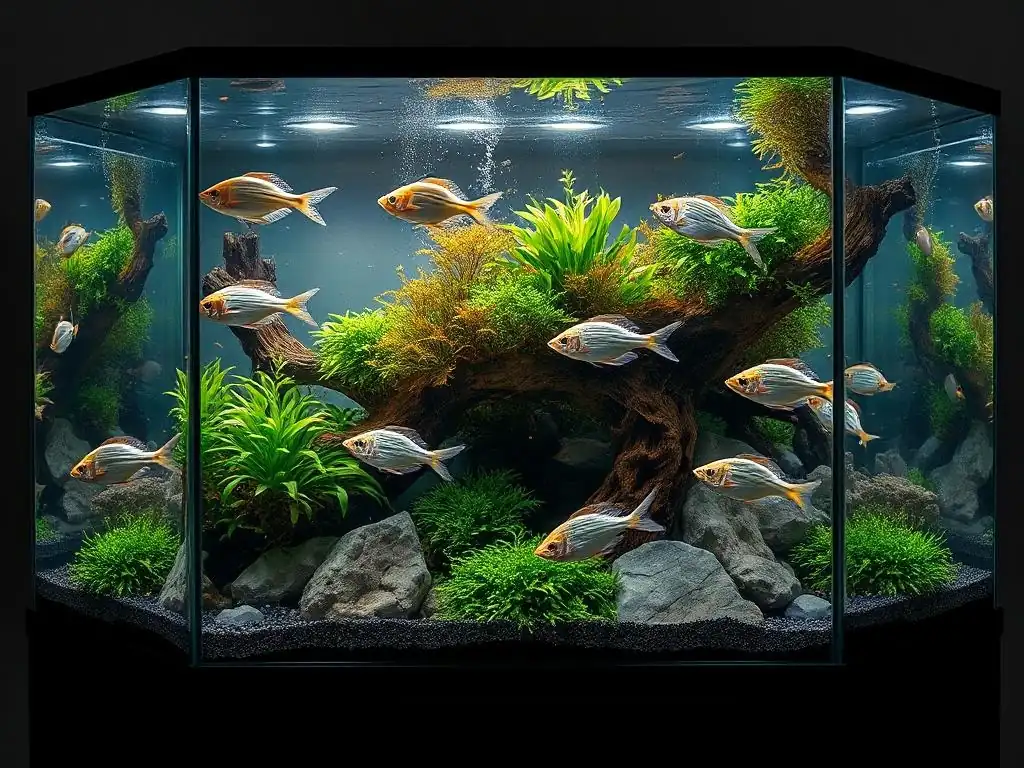
Welcome to Aquarium Mastery! Ever wondered why your adorable Corydoras seems to be obsessively swimming up and down the glass? Are they just showing off their moves, or is something else going on? Dive in as we decode this common, yet often misunderstood, behavior – Corydoras glass surfing – and unlock the secrets to keeping your little buddies happy and healthy. Let's explore what might be causing this, and more importantly, what you can do about it!
- Understanding Corydoras Glass Surfing Behavior
- Common Causes of Corydoras Glass Surfing
- Identifying Normal vs. Problematic Glass Surfing
- Solutions and Prevention: Stopping Corydoras Glass Surfing
- Other Potential Reasons for Corydoras Swimming Up and Down the Glass
- When to Seek Expert Advice for Corydoras Behavior
- Frequently Asked Questions
- Final Reflection: Understanding the Corydoras' Silent Plea
- Unlock the Secrets of Happy Corydoras!
Understanding Corydoras Glass Surfing Behavior
What is Corydoras Glass Surfing? A Definition
Corydoras glass surfing refers to the distinctive behavior where these bottom-dwelling catfish repeatedly swim up and down the sides of the aquarium glass, often in a frantic, darting motion. This action can sometimes appear as if the fish are trying to escape the tank or are exploring the very edges of their environment. While it can be a temporary, benign activity, persistent or intense Corydoras glass surfing behavior often signals underlying issues within their aquatic habitat.
This particular swimming pattern is distinct from their usual bottom-sifting activities or calm schooling movements. When observed, it typically involves a rapid ascent from the substrate to the water surface, followed by an equally swift descent, only to repeat the cycle continuously along the glass pane. Understanding the nuances of this behavior is key to ensuring the well-being of your Corydoras.
Why Corydoras Exhibit Glass Surfing in the Aquarium
Corydoras exhibit glass surfing for a variety of reasons, ranging from natural curiosity to significant environmental stress. While occasional, brief instances might simply be exploratory, prolonged or vigorous Corydoras glass surfing behavior is frequently a clear indicator that something is amiss in their tank. These fish are highly sensitive to their environment, and changes in water parameters, tank conditions, or social dynamics can trigger this response.
Often, this behavior serves as a visual cue for aquarists, signaling discomfort or distress before more severe health issues become apparent. It's an instinctive reaction to perceived threats or unfavorable conditions, prompting them to seek an escape or a more suitable area. Pinpointing the exact cause requires careful observation of the fish's overall health and a thorough assessment of the aquarium's setup and maintenance.
Common Causes of Corydoras Glass Surfing
Poor Water Quality and Corydoras Stress
Poor water quality is arguably one of the most prevalent and critical factors contributing to Corydoras glass surfing behavior. These catfish, like all aquarium inhabitants, require pristine water conditions to thrive. When the water parameters deviate from their ideal range, or when harmful compounds accumulate, Corydoras experience significant physiological stress, which often manifests as erratic swimming patterns, including glass surfing.
Chronic exposure to suboptimal water conditions can severely compromise their immune systems, making them susceptible to diseases and ultimately shortening their lifespan. Regular and accurate water testing is indispensable for identifying these issues before they escalate into persistent Corydoras glass surfing or other health problems.
Ammonia and Nitrite Spikes: A Major Cause of Glass Surfing
Ammonia and nitrite are highly toxic compounds that are byproducts of the nitrogen cycle in an aquarium. Even trace amounts, such as 0.25 ppm of ammonia or nitrite, can cause severe stress and gill damage in fish, directly leading to frantic Corydoras glass surfing behavior as they struggle to cope with the irritation and lack of oxygen. Ideal levels for both ammonia and nitrite should always be 0 ppm.
These spikes typically occur in new, uncycled tanks, or in established tanks that are overfed, overstocked, or have insufficient filtration. The presence of these toxins forces fish to gasp at the surface or swim erratically in an attempt to find better oxygenated water or escape the noxious environment. Regular testing for these parameters using a reliable liquid test kit is crucial; if detected, immediate large water changes (e.g., 50% or more) and a review of the filtration system are necessary.
Inadequate Water Changes and Glass Surfing
Infrequent or insufficient water changes lead to the accumulation of nitrates, phosphates, and other dissolved organic compounds, which, while less acutely toxic than ammonia or nitrite, degrade overall water quality over time. High nitrate levels, particularly above 40 ppm for sensitive species like Corydoras, can induce chronic stress, leading to lethargy, faded coloration, and increased instances of Corydoras glass surfing.
Aquarists should aim for weekly or bi-weekly water changes of 25-30% of the tank volume, depending on stocking levels and filtration efficiency. This routine helps dilute pollutants and replenish essential minerals, creating a more stable and healthy environment. Neglecting this fundamental aspect of aquarium maintenance inevitably puts stress on Corydoras, making glass surfing a common symptom of poor husbandry.
Inappropriate Tank Size and Overcrowding
The physical space available to Corydoras is a critical factor in their well-being. Housing them in tanks that are too small or overpopulated places immense stress on these social fish, often resulting in heightened Corydoras glass surfing behavior as they feel confined and anxious. Understanding their spatial needs is fundamental to preventing such stress responses.
A cramped environment not only limits their ability to exhibit natural behaviors like foraging and schooling but also exacerbates water quality issues due to increased bioload. Providing ample space is a proactive measure against stress-induced behaviors like glass surfing and contributes significantly to their overall health and longevity.
Insufficient Space for Corydoras Shoals
Corydoras are schooling fish by nature, thriving in groups of at least six individuals of the same species. A small group in an undersized tank, such as a 5 or 10-gallon aquarium for larger species like the Bronze Corydoras (Corydoras aeneus), severely restricts their movement and natural schooling patterns. While pygmy species like Corydoras pygmaeus might manage in a well-maintained 10-gallon tank for a small group, most common Corydoras species require a minimum of a 20-gallon long tank to comfortably accommodate a school of 6-8 individuals, allowing them ample floor space to forage and interact without feeling confined.
This lack of adequate space causes chronic stress, leading to frantic Corydoras glass surfing as they instinctively search for more territory or an escape from their perceived confinement. They need room to dart, explore, and retreat, and a tank that is too small prevents these essential behaviors, driving them to the glass in search of more open areas.
The Impact of Overstocking on Corydoras Behavior
Overstocking an aquarium, regardless of its size, creates a multitude of problems that directly contribute to Corydoras glass surfing. When too many fish inhabit a given volume of water, the biological load on the filtration system dramatically increases, leading to rapid accumulation of nitrates and other pollutants, even with regular water changes. For instance, a 20-gallon tank housing 15-20 fish instead of the recommended 8-10 will quickly become polluted, stressing the Corydoras.
Beyond water quality degradation, overstocking leads to increased competition for food, hiding spots, and personal space. This constant competition and lack of personal territory can make Corydoras feel insecure and agitated, prompting them to exhibit stress behaviors like incessant glass surfing. It's a clear sign that the tank's capacity has been exceeded, leading to an unhealthy and unstable environment for all inhabitants.
Lack of Hiding Places and Security
Corydoras are naturally shy and peaceful bottom dwellers that feel most secure when they have ample cover. An aquarium that lacks sufficient hiding places can make them feel exposed and vulnerable, leading to chronic stress. This insecurity often manifests as frantic Corydoras glass surfing behavior, as they attempt to find refuge or escape from perceived threats in an open environment.
Providing a variety of sheltered areas is crucial for their psychological well-being. When they feel secure, they are more likely to exhibit natural behaviors, such as sifting through the substrate and interacting calmly with their school, rather than panicking at the tank's edges.
Stress from Open Environments and Predation
In their natural habitats, Corydoras often inhabit areas with dense vegetation, submerged roots, and leaf litter, providing abundant cover from predators. In an aquarium that is sparsely decorated or features large, open expanses of substrate, these fish feel exposed and vulnerable to perceived threats, even if no actual predators are present. This constant state of alert can be incredibly stressful, leading to an instinctive desire to escape or hide.
The resulting anxiety often manifests as frantic Corydoras glass surfing, as they desperately try to find cover or a way out of the exposed environment. For instance, a tank with only a few small decorations and vast open sand will likely see more glass surfing than one with driftwood, rocks, and dense plant clusters.
Providing Adequate Shelter for Corydoras
To alleviate stress from open environments, it is essential to furnish the aquarium with plenty of appropriate hiding spots. This includes smooth rocks, driftwood pieces with crevices, ceramic caves, and dense live or artificial plant clusters. For example, a 20-gallon long tank housing a school of Corydoras should ideally feature at least 2-3 significant pieces of driftwood or rock formations and several areas of dense planting, such as clumps of Java Fern or Anubias.
These structures provide safe havens where Corydoras can retreat when they feel threatened, rest, or simply escape the activity of the main tank. The availability of such refuges significantly reduces their stress levels, thereby minimizing stress-induced Corydoras glass surfing behavior and promoting more natural, calm conduct.
Incompatible Tank Mates and Aggression
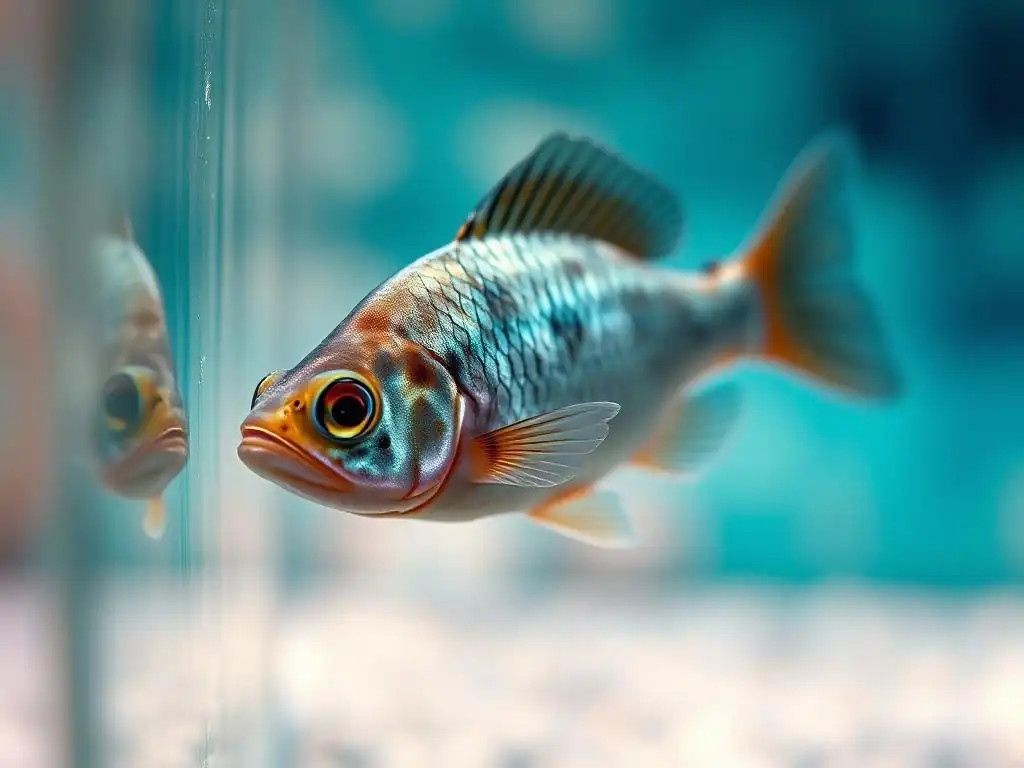
The selection of tank mates plays a crucial role in the peaceful coexistence of Corydoras in a community aquarium. If housed with aggressive or overly boisterous species, Corydoras can become targets of bullying or harassment, leading to chronic stress. This stress frequently manifests as heightened Corydoras glass surfing behavior, as they attempt to avoid confrontation or seek an escape from their tormentors.
Careful research into the temperament and needs of all potential tank inhabitants is essential to create a harmonious environment. A peaceful community prevents stress-induced behaviors and ensures the long-term health of your Corydoras.
Bullying and Harassment Leading to Glass Surfing
Aggressive or fin-nipping tank mates can cause immense stress to the generally peaceful Corydoras. Species like some Barbs (e.g., Tiger Barbs, unless in a very large, species-specific school) or certain Cichlids (e.g., aggressive Kribensis or Dwarf Cichlids if not paired correctly) may harass Corydoras, preventing them from feeding or resting comfortably on the substrate. This constant harassment can make Corydoras feel unsafe in their own tank, driving them to frantically swim up and down the glass in an attempt to escape the perceived threats.
For example, if a particularly dominant fish repeatedly chases a Corydora away from a feeding spot, that Corydora may resort to glass surfing out of fear and frustration. This behavior is a clear sign that the social dynamics of the tank are imbalanced and need immediate attention to prevent injury or chronic stress.
Choosing Peaceful Tank Mates for Corydoras
To prevent bullying and promote a calm environment, it is crucial to select tank mates that are known for their peaceful temperament and similar water parameter requirements. Ideal companions for Corydoras include small, peaceful schooling fish such as Neon Tetras, Cardinal Tetras, Harlequin Rasboras, and small Gouramis (like Dwarf Gouramis). Otocinclus catfish are also excellent choices as they are bottom dwellers but do not compete directly with Corydoras.
Ensuring that tank mates are not overly large or predatory is also vital. A good rule of thumb is to choose fish that are too large to be considered food but small enough not to intimidate the Corydoras. This careful selection significantly reduces the likelihood of stress-induced Corydoras glass surfing behavior, fostering a harmonious community.
Sudden Changes in Water Parameters
Corydoras are highly sensitive to fluctuations in their aquatic environment. Sudden or drastic changes in water parameters, such as temperature or pH, can induce severe shock and stress, leading to immediate and pronounced Corydoras glass surfing behavior. Their bodies are accustomed to stable conditions, and rapid shifts make it difficult for their physiological systems to adapt.
Maintaining consistent water parameters is as important as maintaining good water quality. Any abrupt alteration can trigger a stress response, making the fish agitated and prompting them to frantically swim as if seeking stability or an escape from the discomfort.
Temperature Fluctuations and Corydoras Discomfort
Corydoras thrive in stable water temperatures, typically ranging from 72-78°F (22-26°C), depending on the species. Sudden drops or spikes in temperature, even by just a few degrees (e.g., a 5°F swing over an hour), can cause thermal shock. This might occur due to a malfunctioning heater, large unheated water changes, or prolonged power outages.
When subjected to such rapid temperature changes, Corydoras often exhibit signs of discomfort, including erratic swimming and persistent Corydoras glass surfing, as their bodies struggle to adjust. They may also show clamped fins or rapid breathing. Maintaining a consistent temperature with a reliable heater and thermometer is crucial for their well-being.
pH Swings and Their Effect on Corydoras
Similar to temperature, rapid fluctuations in pH levels can be extremely stressful for Corydoras. While most common species tolerate a pH range of 6.5-7.5, sudden shifts (e.g., a drop from 7.5 to 6.5 within hours) can cause chemical shock and disrupt their internal osmotic balance. This can happen if large amounts of tap water with a significantly different pH are added during water changes, or if buffering capacity is lost.
When experiencing pH shock, Corydoras may display labored breathing, loss of color, and frantic Corydoras glass surfing behavior as they try to escape the uncomfortable chemical environment. Gradual changes, if necessary, are always preferred, ideally no more than 0.2 pH units per day. Stable pH is paramount for preventing stress and ensuring the long-term health of these sensitive fish.
Disease and Parasites Causing Stress
The presence of disease or parasites is a significant stressor for any fish, and Corydoras are no exception. An infection can cause discomfort, pain, and systemic stress, leading to abnormal behaviors, including Corydoras glass surfing. This frantic swimming is often an attempt by the fish to rub off parasites or escape the irritation caused by an internal or external affliction.
Early detection and prompt treatment are crucial not only for the individual fish's survival but also to prevent the spread of illness to other tank inhabitants. Recognizing the subtle signs of illness alongside unusual swimming patterns can help aquarists intervene effectively.
Recognizing Signs of Illness in Corydoras
When Corydoras are afflicted by disease or parasites, glass surfing might be one of several symptoms observed. Other common signs of illness include clamped fins, lethargy, loss of appetite, dull coloration, visible spots (like white spots of Ich, which affects tens of thousands of aquariums annually), frayed fins, labored breathing, or abnormal growths. For instance, a Corydora infected with Ich might be seen flashing against decor or glass, accompanied by persistent glass surfing behavior.
If the glass surfing is accompanied by any of these additional symptoms, it strongly suggests a health issue rather than environmental stress. Careful observation of all fish in the tank is essential for early diagnosis and treatment, as many diseases are more easily managed in their initial stages.
Treating Common Corydoras Diseases
Prompt and appropriate treatment is vital once a disease is identified. For common parasitic infections like Ich (White Spot Disease), a common treatment involves raising the tank temperature gradually to 82-84°F (28-29°C) (if compatible with other tank inhabitants) and using an anti-parasitic medication containing malachite green or formalin, following manufacturer instructions. For bacterial infections, broad-spectrum antibiotics might be necessary.
It is important to remove activated carbon from the filter during medication to ensure efficacy. Post-treatment, maintaining pristine water quality and a stable environment is crucial for the fish's recovery and to prevent recurrence. Addressing the root cause of the illness, whether it's poor water quality or stress from other factors, is also paramount to stop the Corydoras glass surfing associated with disease.
Identifying Normal vs. Problematic Glass Surfing
Distinguishing between normal, transient Corydoras glass surfing and problematic, persistent behavior is key to effective aquarium management. Not every instance of a Corydora swimming up the glass is a cause for alarm. Understanding the context and duration of the behavior helps aquarists determine if intervention is necessary.
Observing the frequency, intensity, and accompanying behaviors provides valuable clues. A calm, occasional swim versus a frantic, continuous dash can mean the difference between a curious fish and one under significant distress.
Occasional Glass Surfing: Is it Always a Concern?
Occasional Corydoras glass surfing, particularly when new fish are introduced to a tank or when the tank layout has been significantly altered, is often a normal exploratory behavior. A new Corydora might spend a few hours or even a day investigating the boundaries of its new home before settling in. Similarly, brief bursts of swimming up the glass might occur during feeding times as they anticipate food, or as part of courtship during breeding season.
If the behavior is intermittent, not accompanied by other signs of stress (like clamped fins, rapid breathing, or hiding), and the fish otherwise appears healthy and active, it is generally not a significant concern. For instance, a quick 1-2 minute session of glass surfing followed by normal bottom-dwelling behavior is usually benign.
Recognizing Patterns of Excessive Glass Surfing
Excessive or persistent Corydoras glass surfing behavior, however, is a strong indicator of underlying problems. This includes continuous swimming up and down the glass for hours on end, day after day, or frantic, desperate movements accompanied by other stress signals. If multiple Corydoras in a school are exhibiting this behavior simultaneously, it points to a systemic issue affecting the entire group rather than an isolated incident.
For example, if 7 out of 8 Corydoras are constantly glass surfing for more than an hour after a water change, it suggests an issue with the new water parameters. This pattern of prolonged, intense, and widespread glass surfing warrants immediate investigation into water quality, tank conditions, and tank mates.
Solutions and Prevention: Stopping Corydoras Glass Surfing
Addressing the root causes of Corydoras glass surfing behavior is essential for the health and well-being of these fascinating fish. Implementing proactive measures and corrective actions can significantly reduce or eliminate this stress-induced behavior. The solutions often involve a combination of diligent maintenance, appropriate tank setup, and careful species selection.
By focusing on these key areas, aquarists can create a stable, comfortable, and stimulating environment where Corydoras can thrive, exhibiting their natural behaviors rather than stress responses. Consistency in care is paramount for long-term success.
Improving Water Quality for Healthy Corydoras
Maintaining impeccable water quality is the cornerstone of preventing Corydoras glass surfing and ensuring the overall health of your fish. Poor water conditions are a primary stressor, and rectifying them often resolves many behavioral issues. This involves a consistent routine of testing and maintenance.
A clean, stable aquatic environment reduces physiological stress, allowing Corydoras to exhibit their natural, calm bottom-dwelling behaviors. Diligence in this area is perhaps the most impactful step an aquarist can take.
Regular Water Testing and Adjustments
To prevent Corydoras glass surfing caused by poor water quality, regular and accurate water testing is indispensable. Test kits should be used at least weekly to monitor ammonia, nitrite (both should be 0 ppm), nitrate (ideally below 20 ppm), and pH (stable within the species' preferred range, e.g., 6.5-7.5). If ammonia or nitrite are detected, immediate large water changes (e.g., 50%) are necessary, along with identifying and addressing the source (e.g., overfeeding, insufficient filtration).
High nitrates can be managed through more frequent or larger water changes (e.g., 25-30% weekly). For instance, if nitrates are consistently above 40 ppm, consider increasing weekly water change volume to 40-50% or increasing frequency to twice a week. Consistent monitoring allows for prompt adjustments, preventing parameters from reaching stress-inducing levels.
Effective Filtration Systems for Corydoras Tanks
An effective filtration system is crucial for maintaining stable water quality and preventing Corydoras glass surfing. A good filter provides mechanical filtration (removing particulate matter), chemical filtration (removing dissolved pollutants like odors and discoloration), and most importantly, biological filtration (converting toxic ammonia and nitrite into less harmful nitrates). For a 20-gallon Corydora tank, a hang-on-back (HOB) filter rated for 30-40 gallons, with a flow rate of 150-200 gallons per hour (GPH), would provide excellent biological capacity and circulation.
Canister filters are also excellent for larger tanks, offering superior media capacity. Ensure the filter is adequately sized for your tank's volume and stocking level. Regular maintenance of the filter media, such as rinsing mechanical media in old tank water every few weeks, is essential to prevent clogs and maintain optimal performance, thereby keeping water parameters stable and reducing stress on your Corydoras.
Providing an Appropriate Tank Size and Environment
Ensuring your Corydoras have ample space and a suitable environment is fundamental to preventing stress-induced Corydoras glass surfing. An appropriately sized tank, coupled with thoughtful decoration, allows these social bottom-dwellers to exhibit their natural behaviors without feeling cramped or exposed.
This proactive approach contributes significantly to their long-term health and reduces the likelihood of frantic escape attempts along the glass. Investing in the right tank from the start saves future stress for both the fish and the aquarist.
Determining the Right Tank Size for Your Corydoras School
The appropriate tank size is paramount for preventing Corydoras glass surfing. As schooling fish, Corydoras thrive in groups of at least six individuals. For smaller species like Corydoras pygmaeus or Corydoras habrosus, a well-maintained 10-gallon tank can house a school of 6-8, provided it's not overstocked with other fish. However, for most common species such as Bronze (Corydoras aeneus), Peppered (Corydoras paleatus), or Panda Corydoras (Corydoras panda), a minimum tank size of 20 gallons (specifically a 20-gallon long to maximize floor space) is recommended for a school of 6-8 individuals.
Larger schools (10+ individuals) or mixed species schools will require even larger tanks, such as 30 or 40 gallons, to ensure adequate swimming and foraging space. An undersized tank creates chronic stress and limits natural behaviors, often manifesting as persistent glass surfing.
Decorating the Tank to Reduce Stress
The physical layout and decorations within the tank significantly impact Corydoras' stress levels. To reduce Corydoras glass surfing, provide a soft, smooth substrate like sand (preferred by Corydoras for sifting) or fine gravel (less than 3mm). Avoid sharp or coarse gravel, which can damage their delicate barbels.
Incorporate plenty of smooth rocks, driftwood, and caves to create varied topography and visual barriers. These elements break up lines of sight, allowing fish to establish territories or retreat from perceived threats. For example, a large piece of driftwood stretching across the tank can provide multiple nooks and crannies. A well-decorated tank mimics their natural habitat, making them feel more secure and less inclined to frantically search for an escape.
Introducing Hiding Spots and Plants for Security
The provision of ample hiding spots and dense vegetation is critical for the psychological well-being of Corydoras. These elements offer security, allowing them to retreat from perceived threats, rest, or simply feel less exposed in their environment. A tank rich in cover significantly reduces stress-induced Corydoras glass surfing behavior.
By mimicking their natural habitat, aquarists can create a sanctuary where these shy bottom-dwellers can thrive, exhibiting their natural exploratory and foraging behaviors rather than stress responses.
Creating a Natural Habitat for Corydoras
To reduce Corydoras glass surfing, emulate their natural habitat by incorporating a variety of hiding spots. These can include small caves made from smooth rocks or ceramic, hollow driftwood pieces, or even overturned ceramic pots. Aim for at least one hiding spot per Corydora, although they often share. For instance, a tank with 6 Corydoras should have 3-4 distinct cave-like structures.
Additionally, strategically placed leaf litter (e.g., Indian almond leaves) not only provides cover but also releases beneficial tannins, mimicking their natural blackwater environments and potentially reducing stress. These elements provide crucial psychological security, allowing Corydoras to feel safe and less inclined to frantically swim the glass.
The Benefits of Live Plants for Corydoras
Live plants are immensely beneficial for Corydoras, offering both physical cover and improving water quality. Dense clumps of plants like Java Fern, Anubias, Cryptocoryne, or Amazon Swords provide excellent hiding spots where Corydoras can retreat when feeling stressed or needing a rest. For example, a cluster of Cryptocoryne wendtii can form a perfect little sanctuary for a small group of Corydoras.
Beyond providing physical shelter, live plants absorb nitrates, helping to maintain pristine water conditions and thus reducing a major source of stress that can lead to Corydoras glass surfing. They also oxygenate the water and contribute to a more stable ecosystem, making the overall environment more comfortable and natural for these sensitive fish.
Choosing Compatible Tank Mates
The selection of tank mates is a critical factor in preventing stress and subsequent Corydoras glass surfing. Housing these peaceful bottom-dwellers with aggressive or overly active species can lead to chronic intimidation and fear, forcing them into frantic escape behaviors. A harmonious community tank promotes the well-being of all inhabitants.
Careful planning and research into the temperament and needs of each species are essential to create a peaceful environment where Corydoras can thrive without constant anxiety.
Researching Compatible Species for a Peaceful Community
To avoid Corydoras glass surfing caused by bullying, thoroughly research the temperament and adult size of any potential tank mates before introduction. Focus on species known for their peaceful nature and similar water parameter requirements. Ideal tank mates include small, non-aggressive schooling fish that occupy the mid to upper levels of the tank, thereby avoiding direct competition for space with the bottom-dwelling Corydoras.
Examples include most species of small Tetras (e.g., Neon Tetras, Ember Tetras), Rasboras (e.g., Harlequin Rasboras), Dwarf Gouramis, and Otocinclus catfish. Always introduce new fish slowly and observe their interactions carefully for the first few days to ensure compatibility.
Avoiding Aggressive or Bullying Fish
Actively avoid tank mates that are known to be fin-nippers, overly territorial, or predatory towards smaller, docile fish like Corydoras. Species such as Tiger Barbs (unless in a very large, species-specific school of 10+), some larger or more aggressive Cichlids (e.g., certain Convict Cichlids or even some Dwarf Cichlids if not carefully chosen), and large, fast-swimming species that might intimidate Corydoras should generally be excluded from a Corydora community tank.
Even seemingly peaceful fish can become aggressive if the tank is too small or overstocked, exacerbating stress. Eliminating these potential sources of aggression is crucial for preventing Corydoras glass surfing behavior and ensuring a calm, safe environment for your catfish.
Acclimating New Corydoras Properly
Improper acclimation of new Corydoras to an existing aquarium is a common cause of immediate stress and can trigger Corydoras glass surfing behavior. A sudden change in water parameters (temperature, pH, hardness) between their transport bag and the tank can shock their systems, leading to severe physiological distress.
A slow and gradual acclimation process minimizes this shock, allowing the fish to adjust calmly to their new environment. This careful introduction is a vital first step in ensuring their long-term health and comfort.
Gradual Acclimation to Avoid Shock
To prevent shock and subsequent Corydoras glass surfing, always acclimate new fish slowly. The drip acclimation method is highly recommended for sensitive species like Corydoras. This involves placing the new fish and their transport water into a separate container (e.g., a clean bucket), then slowly dripping water from the main aquarium into the container using airline tubing, at a rate of about 1-2 drips per second.
Over 45-60 minutes, this process gradually equalizes the water parameters, minimizing the stress of transition. Once the volume of water in the container has doubled, gently net the fish and transfer them to the main tank, discarding the original transport water. This gradual approach significantly reduces the likelihood of immediate stress responses.
Quarantine Procedures for New Fish
Implementing a quarantine procedure for all new fish, including Corydoras, is a crucial preventative measure against disease and stress. A separate, smaller quarantine tank (e.g., a 10-gallon tank for a small school of Corydoras) should be set up with a filter, heater, and minimal decor. New fish should be kept in this tank for 2-4 weeks.
During this period, observe them closely for any signs of illness or abnormal behavior, such as persistent Corydoras glass surfing. This allows for treatment in isolation, preventing the introduction of pathogens to your main display tank. It also gives the fish time to recover from the stress of transport before joining a larger community, further reducing the chances of stress-induced behaviors.
Addressing Disease and Parasites Promptly
Promptly identifying and treating diseases or parasites is essential for stopping Corydoras glass surfing behavior that stems from illness. An untreated infection can rapidly escalate, causing severe discomfort, weakening the fish, and potentially spreading throughout the entire aquarium. Early intervention significantly improves the chances of recovery and prevents widespread issues.
Regular observation of your fish's behavior and physical condition is key to detecting problems in their initial stages, allowing for timely and effective treatment before the illness becomes debilitating.
Early Detection and Treatment of Illness
Daily observation of your Corydoras is crucial for the early detection of illness. Look for subtle changes in behavior such as increased hiding, loss of appetite, clamped fins, labored breathing, visible spots, or lesions. If Corydoras glass surfing is accompanied by any of these symptoms, it's a strong indicator of a health issue. For example, if a fish has faint white spots and is rubbing against decor while glass surfing, Ich is a likely culprit.
Upon identifying symptoms, research the specific disease and begin appropriate treatment immediately. Many common diseases, such as Ich or fungal infections, are highly treatable if caught early, preventing the progression of stress and subsequent Corydoras glass surfing related to the illness.
Maintaining a Clean and Healthy Aquarium Environment
A clean and healthy aquarium environment is the best defense against disease and parasites, thereby preventing Corydoras glass surfing caused by illness. Regular maintenance, including consistent water changes (e.g., 25-30% weekly), thorough gravel vacuuming (especially in substrate where Corydoras forage), and proper filter maintenance, reduces the accumulation of organic waste and pathogens.
Optimal water parameters and stable temperatures also bolster the fish's immune systems, making them more resilient to potential infections. By minimizing stressors and maintaining impeccable hygiene, aquarists create an environment where Corydoras are less susceptible to disease, thus eliminating a significant cause of distress and associated glass surfing behavior.
Other Potential Reasons for Corydoras Swimming Up and Down the Glass
While Corydoras glass surfing often signals stress or environmental issues, it's important to acknowledge that not every instance is a red flag. Sometimes, this behavior can be attributed to more benign or natural reasons that are part of their typical repertoire. Understanding these alternative explanations helps differentiate between problematic stress responses and normal fish activities.
Considering the broader context of their behavior and the tank environment is crucial for an accurate assessment. Occasional glass surfing might simply be a manifestation of their innate curiosity or biological drives.
Exploring the Tank: Natural Exploration Behavior
When new Corydoras are introduced to an aquarium, or after a significant tank rescape, they may exhibit temporary Corydoras glass surfing behavior as a form of natural exploration. This is particularly true for younger or more curious individuals. They are investigating the boundaries of their new territory, familiarizing themselves with the layout, and seeking out potential food sources or hiding spots.
This exploratory glass surfing is usually intermittent, less frantic, and typically subsides within a few hours to a day as the fish become accustomed to their surroundings. It's a normal part of their adjustment phase and not indicative of distress if other parameters are stable and no other stress signs are present.
Searching for Food: Hunger and Glass Surfing
Corydoras are highly driven by their sense of smell and their constant search for food. If food is scarce, if it doesn't reach the bottom effectively, or if they are underfed, they may resort to Corydoras glass surfing behavior in an agitated search for sustenance. Their barbels are designed for sifting through substrate, but if no food is present there, they might explore the glass, hoping to find any missed particles or algae.
For instance, if you primarily feed floating flakes that are consumed by mid-water fish before sinking, your Corydoras might become hungry and swim frantically. Ensuring that sinking pellets or wafers are provided specifically for them, 1-2 times daily, and that they receive adequate portions (enough to be consumed within 5-10 minutes) can often alleviate this hunger-driven glass surfing.
Spawning Behavior: Glass Surfing During Breeding
One of the more exciting and natural reasons for Corydoras glass surfing behavior is associated with their spawning rituals. During breeding periods, typically triggered by large, cool water changes mimicking a rainy season, male Corydoras will often frantically chase females, and both sexes may engage in vigorous swimming up and down the glass. This is part of their courtship dance, where the male attempts to entice the female to release eggs.
The glass provides a smooth surface where females may eventually deposit their adhesive eggs, often in conjunction with plants or decor. If you observe intense glass surfing, particularly by pairs or groups of Corydoras, alongside increased activity, chasing, and perhaps even the "T-position" (where the male clasps the female's barbels), it's a strong indication of spawning activity rather than stress.
When to Seek Expert Advice for Corydoras Behavior
While many instances of Corydoras glass surfing can be resolved by addressing common environmental factors, there are times when the situation warrants external expertise. If, despite diligent efforts to optimize water quality, tank size, tank mates, and diet, the behavior persists or worsens, it may indicate a more complex underlying issue.
Knowing when to consult experienced aquarists or aquatic veterinarians can prevent prolonged suffering for your fish and save you from further frustration. Professional guidance can offer new perspectives and specialized solutions.
Recognizing Persistent Issues and Seeking Help
If you have systematically addressed all common causes of Corydoras glass surfing—ensuring pristine water parameters (0 ppm ammonia/nitrite, <20 ppm nitrate), providing an appropriately sized tank with ample hiding spots, selecting compatible tank mates, and feeding a balanced diet—yet the behavior persists for more than a few days, it's time to consider seeking expert advice. This is especially true if the glass surfing is accompanied by other worsening symptoms such as severe lethargy, rapid weight loss, or unusual growths that you cannot identify.
For example, if you've performed multiple 50% water changes over a week, checked all parameters daily, and still observe frantic, continuous glass surfing in a previously healthy school, a deeper problem might be at play.
Consulting with Experienced Aquarists and Veterinarians
When faced with persistent Corydoras glass surfing or other perplexing health issues, consulting experienced aquarists can provide invaluable insights. Online forums dedicated to Corydoras or freshwater fish, local fish club meetings, or reputable local fish stores often have individuals with years of practical experience who can offer tailored advice based on your specific setup.
For more severe or undiagnosed illnesses, an aquatic veterinarian is the ultimate resource. While not widely available, an aquatic vet can perform diagnostic tests, prescribe specialized medications, and offer professional guidance that goes beyond general husbandry advice, ensuring the best possible outcome for your struggling Corydoras.
Frequently Asked Questions
What is Corydoras glass surfing behavior?
Corydoras glass surfing is when Corydoras catfish repeatedly swim up and down the glass walls of the aquarium. It's often a sign of stress or environmental issues within the tank.
Why do Corydoras engage in glass surfing?
Several factors can trigger this behavior, including poor water quality, inadequate tank size, or a lack of hiding places. Sudden changes in water parameters can also contribute.
How can I improve water quality in my Corydoras aquarium?
Regular water changes are crucial. Also, ensure proper filtration and avoid overfeeding to prevent the buildup of harmful substances like ammonia and nitrites.
What size tank is appropriate for Corydoras?
Corydoras are social fish and should be kept in groups. A minimum of a 20-gallon tank is recommended for a small group of Corydoras, allowing them ample swimming space.
How do I reduce stress for Corydoras in my aquarium?
Provide plenty of hiding places using plants, driftwood, and caves. Ensure a stable and consistent environment with appropriate water parameters and compatible tank mates.
Okay, here's a final reflection designed to close your article, "Corydoras Glass Surfing: Decoding This Common Behavior," optimized for the keyword "Corydoras glass surfing behavior" and following your requested structure:
Final Reflection: Understanding the Corydoras' Silent Plea
The information presented throughout this article underscores the critical importance of understanding Corydoras glass surfing behavior as a potential indicator of underlying issues within the aquarium environment. While seemingly innocuous, this repetitive action often serves as a silent plea, highlighting imbalances that, if left unaddressed, can compromise the well-being of these beloved bottom-dwellers. Ignoring this behavior is akin to ignoring a cry for help, potentially leading to more severe health problems and a shortened lifespan for your Corydoras.
The prevalence of Corydoras glass surfing in home aquariums speaks volumes about our responsibility as aquarists. It's a constant reminder that creating a thriving ecosystem requires more than just aesthetic appeal; it demands a deep understanding of the needs and behaviors of our aquatic companions. As the saying goes, The greatness of a nation and its moral progress can be judged by the way its animals are treated.
This sentiment extends to our aquariums, urging us to prioritize the health and happiness of our Corydoras.
Now, armed with a deeper understanding of Corydoras glass surfing behavior, I encourage you to reflect on your own aquarium setup. Are you providing the optimal water parameters, adequate space, and appropriate social environment for your Corydoras? Take the time to observe your fish closely, identify any potential stressors, and implement the necessary changes to create a truly thriving habitat. By doing so, you're not just preventing glass surfing; you're fostering a healthier, happier, and more fulfilling life for your Corydoras.
Unlock the Secrets of Happy Corydoras!
Thanks for diving into the world of Corydoras behavior! We hope you've gained valuable insights into why your little buddies might be glass surfing. Now it's time to put that knowledge into action and create an even better environment for them!
- Immediately check your water parameters! This is the most crucial step to rule out stress caused by poor water quality.
- Consider adding more plants or decorations to provide additional hiding spots and security for your Corydoras. Maybe even add some Indian Almond Leaves for a natural calming effect.
- Share this article with other Corydoras enthusiasts to help them understand and address this behavior in their tanks!
What specific changes will you implement this week to improve your Corydoras' habitat and reduce glass surfing?