
Auratus Cichlid (Melanochromis auratus): The Golden Terror A Guide for Advanced Keepers

Welcome to Aquarium Mastery!
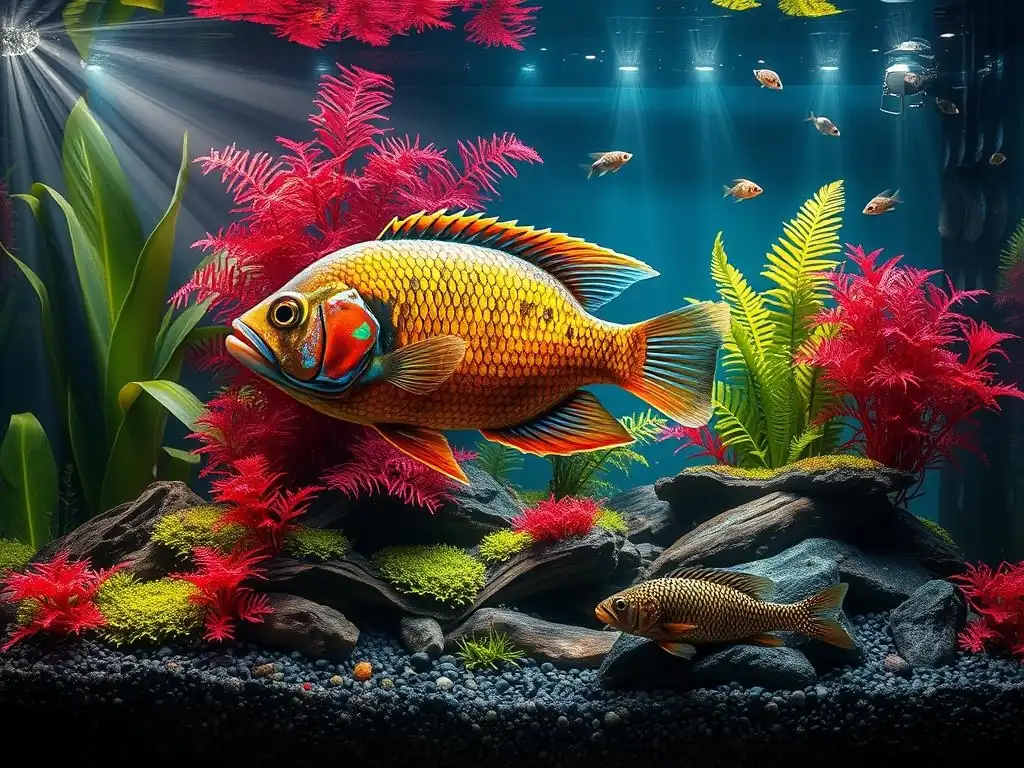
Ever been captivated by the shimmering gold of a Melanochromis auratus, also known as the Golden Cichlid? These beauties can truly elevate your freshwater aquarium, but be warned – they come with a reputation! Dive into our comprehensive Golden Cichlid Care Guide to unlock the secrets to successfully keeping these vibrant, and sometimes challenging, fish. Ready to learn if you have what it takes to master the Auratus? Let's explore!
- Introduction to the Golden Auratus Cichlid: Is This Fish Right for You?
- Golden Cichlid Care Guide: Essential Requirements for a Thriving Auratus
- Melanochromis auratus: Species Profile and Behavior
- Breeding Auratus Cichlids: A Challenging but Rewarding Endeavor
- Common Health Issues in Auratus Cichlids: Prevention and Treatment
- Managing Auratus Cichlid Aggression: Strategies for a Peaceful Tank
- The Golden Cichlid: Final Thoughts and Considerations
-
Frequently Asked Questions
- What makes the Auratus Cichlid (Golden Cichlid) a fish for advanced keepers?
- What are the key water parameters to maintain for a healthy Golden Cichlid tank?
- How large of an aquarium is recommended for keeping Auratus Cichlids?
- What type of diet is best suited for Golden Cichlids?
- What are some common health issues that Golden Cichlids are prone to, and how can I prevent them?
- Final Reflection: Embracing the Golden Terror's Legacy
- Unleash Your Inner Aquarist!
Introduction to the Golden Auratus Cichlid: Is This Fish Right for You?
Understanding the Auratus Cichlid's Reputation: Why "Golden Terror"?
The Melanochromis auratus, commonly known as the Auratus Cichlid or Golden Cichlid, has earned its moniker "Golden Terror" due to its remarkably aggressive and territorial nature. This species, hailing from the rocky shores of Lake Malawi in Africa, exhibits a strong propensity for dominance, especially among males. Their aggression is not merely confined to their own species; they will often harass or even kill other fish in the aquarium if not housed correctly. Understanding this inherent aggression is paramount for any aquarist considering this beautiful yet challenging fish, making a comprehensive golden cichlid care guide essential.
This aggressive behavior stems from their natural habitat, where competition for limited resources like food and breeding territories is fierce. In an enclosed aquarium environment, these instincts are amplified, leading to intense territorial disputes and a rigid dominance hierarchy. Males are particularly prone to aggression, often displaying an intolerance towards other males and even females if a proper male-to-female ratio is not maintained. Successfully managing this "terror" aspect is the cornerstone of responsible Auratus cichlid keeping.
The Allure of Melanochromis auratus: Striking Beauty and Bold Personality
Despite their challenging temperament, the Melanochromis auratus captivates aquarists with its striking beauty and bold personality. The vibrant coloration is a major draw: females and juveniles typically display bright yellow bodies adorned with two horizontal black or dark blue stripes, while dominant males undergo a dramatic color reversal, becoming dark blue or black with vivid yellow or light blue stripes. This sexual dimorphism adds a dynamic visual element to the aquarium.
Beyond their stunning appearance, Auratus cichlids are highly active and intelligent fish, constantly exploring their environment and interacting with their surroundings. Their energetic swimming patterns and inquisitive nature make them a fascinating species to observe. However, appreciating this allure requires a deep commitment to providing an environment that mitigates their aggressive tendencies, highlighting the need for a detailed golden cichlid care guide that addresses their unique behavioral traits.
Who Should Keep Auratus Cichlids? Assessing Your Experience Level
Given their specific requirements and aggressive nature, Auratus cichlids are unequivocally not suitable for beginner aquarists. They demand a high level of commitment, knowledge, and experience in managing aggressive cichlid species, understanding complex water chemistry, and maintaining large aquarium systems. An inexperienced keeper attempting to house Auratus cichlids will likely face significant challenges, including constant aggression, stress-related health issues, and potential fatalities among tank inhabitants.
Ideal keepers for Melanochromis auratus are those with a proven track record in keeping African cichlids, particularly Mbuna species. They should possess a thorough understanding of cichlid behavior, tank design for aggression diffusion, and consistent water parameter management. Successful keeping of the Golden cichlid requires proactive planning and continuous observation, ensuring that the aquarist is prepared for the unique demands outlined in any comprehensive golden cichlid care guide.
Golden Cichlid Care Guide: Essential Requirements for a Thriving Auratus
Setting Up the Ideal Auratus Cichlid Tank: Size and Aquascaping
Minimum Tank Size for Melanochromis auratus: Avoiding Overcrowding and Aggression
Establishing the correct tank size is the most critical factor in mitigating aggression and ensuring the well-being of Melanochromis auratus. For a single male with a harem of at least three to four females, a minimum tank size of 75 gallons (approximately 284 liters) is recommended. However, for a community setup involving multiple Auratus or other aggressive Mbuna species, a tank of 125 gallons (around 473 liters) or larger is highly advisable. This increased volume provides ample swimming space and helps to diffuse aggression by allowing subdominant fish to escape and establish territories.
Attempting to house Auratus cichlids in tanks smaller than these recommendations inevitably leads to heightened stress, severe territorial disputes, and potentially fatal aggression. The limited space intensifies confrontations, as fish have nowhere to retreat, leading to constant harassment. Therefore, any effective golden cichlid care guide must emphasize that tank size is not merely a suggestion but a foundational requirement for the long-term health and stability of these fish.
Recreating the Lake Malawi Environment: Rockwork, Substrate, and Hiding Places
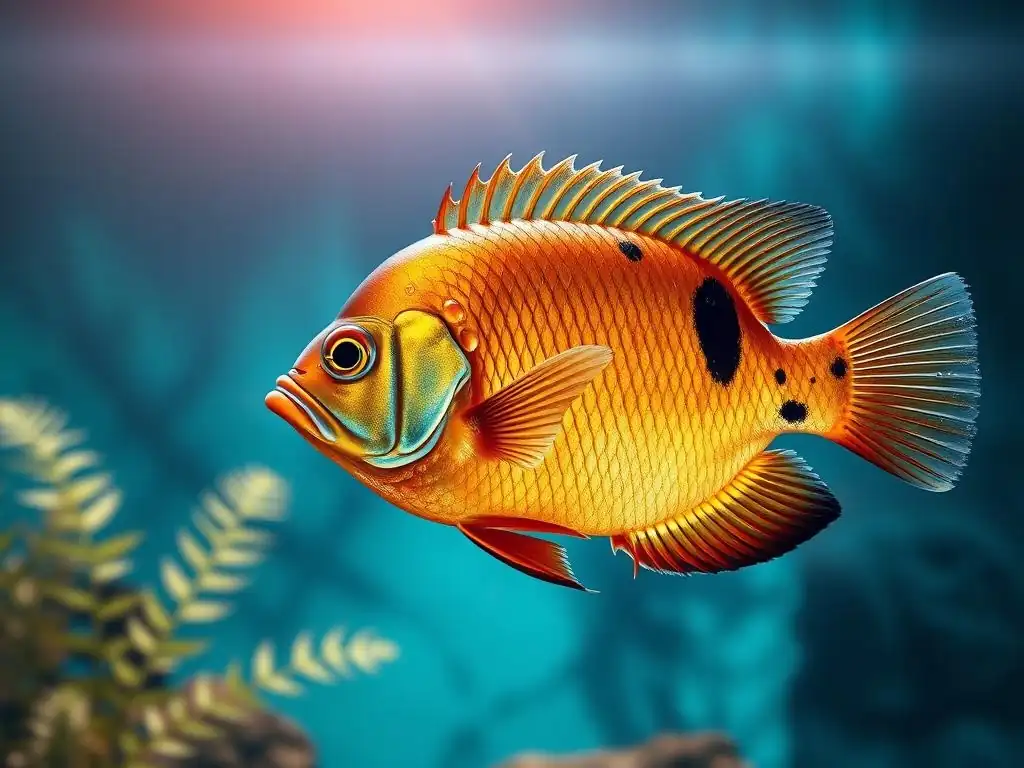
To create an optimal environment for Auratus cichlids, the aquascape should closely mimic their natural rocky Lake Malawi habitat. This means incorporating an abundance of rockwork to form caves, crevices, and visual barriers. Stacked rocks, slate, or artificial rock structures can be used to create intricate networks of hiding spots and territorial boundaries. Aim for rock formations that extend from the bottom to near the water surface, breaking up lines of sight and allowing weaker individuals to evade aggressive tank mates.
The substrate should consist of sand or very fine gravel, as Auratus cichlids, like many Mbuna, enjoy digging and sifting through the substrate. While plants are generally not recommended due to their tendency to be uprooted or eaten, extremely hardy species like Anubias or Java Fern, anchored to rocks, might survive. The strategic placement of decor is crucial; it helps to establish numerous territories, reducing direct confrontations and providing essential psychological security for all inhabitants, a key element in any comprehensive golden cichlid care guide.
Water Parameters for Auratus Cichlids: Maintaining a Stable and Healthy Habitat
Temperature, pH, and Hardness: Optimal Water Chemistry for Golden Cichlids
Maintaining precise and stable water parameters is paramount for the health and vitality of Auratus cichlids. These fish thrive in conditions that closely replicate their natural Lake Malawi environment, which is characterized by warm, hard, and alkaline water. The ideal temperature range for Melanochromis auratus is between 76-82°F (24-28°C). Consistent temperatures are crucial, as sudden fluctuations can cause stress and compromise their immune system.
Regarding pH, Auratus cichlids require highly alkaline water, with an optimal range of 7.8 to 8.6. Similarly, the water should be hard, typically between 10-20 dGH (degrees of General Hardness). Achieving and maintaining these parameters often requires the use of specialized buffers or substrates like crushed coral or aragonite sand, which naturally raise pH and hardness. Regular testing of these parameters is a non-negotiable aspect of a successful golden cichlid care guide, ensuring a stable and healthy habitat.
The Importance of Regular Water Changes for Auratus Health
Regular and substantial water changes are absolutely vital for the long-term health and well-being of Auratus cichlids. Due to their active metabolism and the high bioload associated with a large cichlid tank, nitrates can accumulate quickly, leading to poor water quality. A recommended schedule involves performing 25-50% water changes weekly or bi-weekly, depending on the tank's bioload and filtration efficiency. This practice not only removes harmful nitrates but also replenishes essential minerals that are consumed or depleted over time.
Consistent water changes prevent the buildup of toxins, reduce stress levels, and help maintain the stable water parameters that Auratus cichlids require. Neglecting regular water maintenance can lead to a host of health issues, including Malawi Bloat, compromised immune systems, and increased aggression due to poor environmental conditions. Therefore, diligent water change routines are a cornerstone of any effective golden cichlid care guide, directly contributing to the fish's vitality and longevity.
Golden Cichlid Diet and Feeding: Ensuring Proper Nutrition
What to Feed Your Auratus: A Balanced Diet for Optimal Growth and Color
The diet of Melanochromis auratus is a critical aspect of their care, directly impacting their health, coloration, and susceptibility to common ailments like Malawi Bloat. In their natural habitat, Auratus cichlids are primarily herbivorous, feeding on algae and the small invertebrates found within it. Therefore, their captive diet should reflect this, consisting mainly of high-quality spirulina-based flakes or pellets. These specialized foods provide the necessary plant-based nutrients and fiber.
Supplementing their diet with blanched vegetables such as zucchini, spinach, or shelled peas can further enhance their nutrition. While they are known to consume some small invertebrates in the wild, protein-rich foods like bloodworms, beef heart, or high-protein flakes should be offered very sparingly, if at all, as an occasional treat. An excessive amount of animal protein can severely disrupt their digestive system, leading to potentially fatal health issues. A well-structured golden cichlid care guide emphasizes this herbivorous leaning to promote optimal health and vibrant coloration.
Feeding Frequency and Quantity: Preventing Overfeeding and Malawi Bloat
Proper feeding frequency and quantity are just as important as the type of food provided to Auratus cichlids. Overfeeding is a common mistake that can lead to digestive problems, poor water quality, and the dreaded Malawi Bloat. It is recommended to feed your Auratus cichlids once or twice daily, offering only small amounts that they can consume entirely within one to two minutes. This ensures that food is not left to decay, which would contribute to ammonia and nitrate spikes.
Consistency in feeding times can also help establish a routine and reduce stress. It is crucial to observe their behavior during feeding to gauge if they are consuming all the food quickly. If food remains after a couple of minutes, reduce the quantity for subsequent feedings. Adhering to these guidelines is a fundamental part of any responsible golden cichlid care guide, significantly reducing the risk of overfeeding-related illnesses and maintaining pristine water conditions.
Melanochromis auratus: Species Profile and Behavior
Identifying Melanochromis auratus: Distinguishing Features and Color Variations
Male vs. Female Auratus Cichlids: Color Differences and Sexual Dimorphism
One of the most striking features of Melanochromis auratus is their pronounced sexual dimorphism, where males and females display vastly different coloration, particularly as they mature. This distinct difference makes sexing relatively straightforward. Females and juvenile males typically exhibit a bright yellow body with two prominent horizontal black or dark blue stripes running along their flanks. This vibrant "golden" coloration gives them their common name.
As males mature and establish dominance, their coloration undergoes a dramatic transformation. They develop a dark blue or black body, with the original yellow or light blue stripes now appearing as bright accents. This reverse coloration is a clear indicator of a dominant male. However, it's important to note that subdominant or stressed males may temporarily revert to the female coloration, making observation of behavior crucial for accurate sexing. Understanding these color variations is key to managing tank dynamics, an essential part of any detailed golden cichlid care guide.
Auratus Cichlid Behavior: Understanding Their Aggressive Nature
Dominance Hierarchies and Territoriality: Managing Aggression in the Auratus Tank
The aggressive nature of Auratus cichlids is rooted in their strong territorial instincts and the establishment of a rigid dominance hierarchy within the aquarium. A dominant male will claim a specific territory, often a rock formation or cave, and aggressively defend it against all perceived intruders, especially other males. This territoriality is amplified in smaller tanks or those lacking sufficient hiding places, leading to constant harassment and stress for subdominant individuals.
To manage this aggression effectively, it is crucial to maintain a proper male-to-female ratio, ideally one male to at least three or four females. This "harem" setup helps to diffuse the male's aggression across multiple females rather than concentrating it on a single individual. Additionally, strategically placed rockwork that creates numerous visual barriers and hiding spots allows submissive fish to escape the line of sight of the dominant male. Understanding and actively managing these dynamics is a core component of a successful golden cichlid care guide.
Potential Tank Mates for Auratus Cichlids: Compatibility Considerations
Selecting appropriate tank mates for Melanochromis auratus requires careful consideration due to their high level of aggression. They are best housed with other equally robust and aggressive Mbuna cichlids from Lake Malawi that can hold their own. Compatible species often include other Melanochromis species (though caution is advised with similar-looking ones), Pseudotropheus demasoni, Labidochromis caeruleus (Yellow Labs), or Maylandia estherae (Red Zebras). The key is to choose species of similar size and temperament that are not too similar in appearance to avoid triggering further aggression.
Avoid housing Auratus cichlids with peaceful community fish, slow-moving species, fish with long flowing fins, or cichlids from other African lakes (like Tanganyikan or Victorian cichlids) unless specific compatibility research indicates otherwise. Introducing fish that are significantly smaller or less aggressive will almost certainly result in constant bullying, injury, or even death. A well-researched golden cichlid care guide will always stress the importance of careful tank mate selection to maintain a balanced and less stressful environment.
Breeding Auratus Cichlids: A Challenging but Rewarding Endeavor
Creating Breeding Conditions for Melanochromis auratus
Triggering Spawning: Water Changes and Temperature Adjustments
Breeding Melanochromis auratus can be a rewarding experience for the dedicated aquarist, though their aggressive nature still requires careful management during this period. To encourage spawning, ensuring optimal water conditions is paramount. This includes maintaining pristine water quality through consistent, large water changes (e.g., 50% weekly) and ensuring parameters are within their preferred range: pH 7.8-8.6 and hard water. Slightly increasing the water temperature, perhaps to the upper end of their comfortable range (e.g., 80-82°F or 27-28°C), can also serve as a trigger.
Providing suitable spawning sites is also essential. Auratus cichlids are substrate spawners and mouthbrooders, so flat rocks, slate, or smooth cave surfaces should be readily available for the female to lay her eggs. A well-conditioned diet, rich in high-quality spirulina and occasional protein treats, will also help to prepare the fish for breeding. Observing increased aggression from the male towards females can often be an indicator that spawning is imminent, a sign highlighted in any comprehensive golden cichlid care guide.
The Auratus Cichlid Breeding Process: Mouthbrooding and Fry Care
Caring for Auratus Fry: Feeding and Protecting the Young
Once spawning occurs, the female Auratus cichlid will exhibit the characteristic mouthbrooding behavior, gathering the fertilized eggs into her buccal cavity (mouth) for incubation. This period typically lasts between 21 to 28 days, during which the female will not eat and may become more reclusive. It's crucial to ensure she has plenty of hiding places to minimize stress from the male or other tank mates during this vulnerable time. Some advanced keepers choose to "strip" the fry from the female's mouth after about two weeks to improve fry survival rates and allow the female to recover faster.
Upon release, Auratus fry are relatively large and can immediately consume newly hatched brine shrimp or finely crushed spirulina flakes. It is highly recommended to move the fry to a separate grow-out tank to protect them from predation by the adult cichlids. A 10-20 gallon (38-76 liter) tank with ample hiding spots and good filtration is suitable for initial fry rearing. Consistent small water changes (10-20% daily or every other day) are vital for fry health and rapid growth, a key practice in a successful golden cichlid care guide.
Common Health Issues in Auratus Cichlids: Prevention and Treatment
Malawi Bloat in Auratus Cichlids: Recognizing and Treating This Deadly Condition
Malawi Bloat is arguably the most prevalent and deadly disease affecting Auratus cichlids and other Mbuna. It is primarily caused by an improper diet (too much protein, fatty foods, or inadequate fiber), poor water quality, or high stress levels. Symptoms include lethargy, loss of appetite, a swollen abdomen, white and stringy feces, and rapid breathing. Without prompt intervention, this condition is often fatal within days.
Treatment involves immediate isolation of the affected fish in a hospital tank. If caught early, medications containing Metronidazole (like Seachem Metronidazole or API General Cure) can be effective. Epsom salt baths (1 teaspoon per 5 gallons) can also help reduce internal swelling. However, prevention is far more effective: strictly adhere to a high-quality, spirulina-based diet, avoid overfeeding, maintain pristine water parameters, and minimize stress through proper tank setup and compatible tank mates. Any reliable golden cichlid care guide will emphasize these preventative measures.
Ich and Other Parasitic Infections: Prevention and Treatment Strategies
Like many freshwater fish, Auratus cichlids can be susceptible to common parasitic infections such as Ich (Ichthyophthirius multifiliis), often triggered by stress, sudden temperature changes, or the introduction of new, unquarantined fish. Symptoms of Ich include small white spots resembling salt grains on the body and fins, rapid breathing, flashing (rubbing against tank objects), and clamped fins. Other external parasites like gill flukes or skin flukes can also occur, presenting similar signs of irritation.
Treatment for Ich typically involves a gradual increase in water temperature to 86°F (30°C) over 24-48 hours, coupled with the addition of aquarium salt (1 tablespoon per 5 gallons) or specific Ich medications. For other parasitic infections, broad-spectrum antiparasitic medications may be necessary. Prevention is key: always quarantine new fish for at least 2-4 weeks before introducing them to the main tank, maintain stable water parameters, and provide a low-stress environment. These preventative steps are crucial components of a comprehensive golden cichlid care guide.
Maintaining a Healthy Auratus Cichlid: Proactive Care and Observation
Proactive care and diligent observation are essential for maintaining the long-term health of Auratus cichlids. Daily visual inspections of your fish for any changes in behavior, appetite, coloration, or physical appearance can help detect potential health issues early, allowing for timely intervention. Look for signs such as faded colors, labored breathing, clamped fins, unusual swimming patterns, or any visible lesions or growths.
Beyond daily checks, consistently adhering to the core principles of a golden cichlid care guide—such as regular water testing, consistent water changes, appropriate diet, and a properly aquascaped tank—significantly reduces the likelihood of disease outbreaks. Minimizing stress through careful tank mate selection and providing ample hiding places also boosts their immune system. By being proactive and attentive, aquarists can ensure a robust and healthy life for their Melanochromis auratus.
Managing Auratus Cichlid Aggression: Strategies for a Peaceful Tank
Overstocking and Understocking: Finding the Right Balance
Managing the inherent aggression of Auratus cichlids requires a nuanced approach to stocking, which often involves what is known as "controlled overstocking" for Mbuna species. While counter-intuitive for most fish, this strategy involves keeping a higher number of fish than typically recommended in a sufficiently large aquarium (e.g., 125 gallons or more). The theory is that by having many fish, aggression is diffused among numerous targets, preventing any single fish from being relentlessly bullied. This reduces the ability of one dominant individual to establish and defend a rigid territory.
Conversely, understocking an Auratus cichlid tank can lead to heightened aggression. If only a few fish are kept, the dominant male will have limited targets for his aggression, concentrating his harassment on one or two individuals, often leading to their demise. Finding this "right balance" is critical: enough fish to spread aggression, but not so many that water quality becomes unmanageable. This delicate balance is a hallmark of an advanced golden cichlid care guide.
Providing Ample Hiding Places: Breaking Up Sightlines and Reducing Stress
One of the most effective strategies for mitigating aggression in an Auratus cichlid tank is the provision of abundant and strategically placed hiding places. Rockwork should be extensively used to create numerous caves, crevices, and visual barriers throughout the aquarium. These structures serve multiple purposes: they offer retreats for submissive fish to escape pursuit, break up the line of sight of dominant individuals, and allow multiple fish to establish small, defensible territories without constant confrontation.
When aquascaping, aim for a complex layout with multiple entry and exit points for each hiding spot. This prevents a dominant fish from cornering a weaker one. The goal is to create a labyrinthine environment where fish can easily disappear from view, thereby reducing stress and preventing prolonged aggressive encounters. This detailed approach to aquascaping is a fundamental pillar of any effective golden cichlid care guide focused on aggression management.
Regular Observation and Intervention: Addressing Aggression Early On
Even with careful planning and proper tank setup, regular observation and timely intervention are crucial for managing Auratus cichlid aggression. Daily monitoring of your fish's behavior is necessary to identify any emerging issues. Look for signs of excessive bullying, such as constant chasing, nipped fins, faded colors in a particular fish, or individuals hiding excessively and refusing to eat. These are indicators that the aggression has become detrimental.
If severe aggression is observed, intervention may be necessary. This could involve rearranging the tank decor to disrupt established territories, temporarily removing the aggressor to a separate tank (a "time-out" period of a few days), or in extreme cases, rehoming the overly aggressive individual. Being proactive and addressing aggression early can prevent serious injury or fatalities, reinforcing the need for continuous vigilance as detailed in a comprehensive golden cichlid care guide.
The Golden Cichlid: Final Thoughts and Considerations
Is the Auratus Cichlid Right for You? Reviewing the Challenges and Rewards
The Melanochromis auratus, or Golden Cichlid, undeniably presents a significant challenge to even experienced aquarists due to its profound aggression, specific dietary needs, and stringent water parameter requirements. Successfully keeping these fish demands a large aquarium, meticulous attention to water quality, a diet predominantly of spirulina, and a strategic approach to aquascaping and tank mate selection to mitigate their territorial nature. The ongoing vigilance required to manage aggression and prevent diseases like Malawi Bloat can be demanding.
However, for those willing to commit to these challenges, the rewards are considerable. Auratus cichlids are stunningly beautiful, highly active, and display fascinating behaviors, particularly their dramatic sexual dimorphism and intricate social dynamics. Their vibrant colors and lively presence can be a captivating centerpiece in a well-managed cichlid tank. Ultimately, deciding if the Auratus cichlid is right for you means honestly assessing your experience, dedication, and ability to meet the rigorous demands outlined in this golden cichlid care guide.
Resources for Further Research on Melanochromis auratus
For aquarists seeking to deepen their understanding of Melanochromis auratus and refine their golden cichlid care guide practices, consulting additional expert resources is highly recommended. Detailed species profiles, scientific studies on Lake Malawi cichlid behavior, and forums dedicated to African cichlid keeping can provide invaluable insights. Exploring various perspectives on tank setup, diet, and aggression management strategies will further equip you for successful long-term care of these magnificent yet challenging fish.
Frequently Asked Questions
What makes the Auratus Cichlid (Golden Cichlid) a fish for advanced keepers?
Auratus Cichlids are known for their aggressive behavior and specific water parameter needs. They require a properly established and maintained aquarium to thrive, making them unsuitable for beginners.
What are the key water parameters to maintain for a healthy Golden Cichlid tank?
Maintaining stable water conditions is crucial. Aim for a pH of 7.5-8.5, a temperature of 72-82°F (22-28°C), and regular water changes to keep nitrates low.
How large of an aquarium is recommended for keeping Auratus Cichlids?
Due to their territorial nature, a minimum of 75 gallons is recommended for a small group. Larger tanks are always preferable to reduce aggression and stress.
What type of diet is best suited for Golden Cichlids?
Auratus Cichlids are omnivores, but their diet should be primarily plant-based. Supplement with high-quality cichlid pellets and occasional protein-rich foods like bloodworms.
What are some common health issues that Golden Cichlids are prone to, and how can I prevent them?
Common issues include Ich (white spot disease) and Malawi bloat, often caused by poor water quality or stress. Preventative measures include maintaining pristine water conditions and a balanced diet.
Final Reflection: Embracing the Golden Terror's Legacy
The journey through the world of Melanochromis auratus, the Golden Cichlid, reveals more than just the intricacies of aquarium keeping; it illuminates the responsibility that comes with wielding the power to shape a miniature ecosystem. Understanding the Golden Cichlid's aggressive nature and specific needs is not merely about successful fishkeeping, but about respecting the inherent wildness of this vibrant creature and ensuring its well-being within the confines of our care. The "Golden Terror" moniker serves as a stark reminder of the potential consequences of uninformed decisions, urging us to approach this hobby with knowledge and foresight.
This exploration of Melanochromis auratus has undoubtedly influenced the way we perceive the delicate balance within aquatic environments. It's a humbling reminder that even seemingly small choices, like selecting a fish for our aquarium, can have profound impacts on the lives of the creatures we bring into our homes. The dedication required to successfully keep these cichlids underscores the importance of diligent research and responsible pet ownership. The greatness of a nation and its moral progress can be judged by the way its animals are treated.
- Mahatma Gandhi. This quote resonates deeply, reminding us that our treatment of animals, even seemingly "aggressive" fish, reflects our own humanity.
Now, armed with the knowledge from this guide, I invite you to reflect on your own role in the aquarium hobby. Consider the ethical implications of your choices and strive to create environments that not only showcase the beauty of these creatures but also prioritize their health and happiness. Embrace the challenge of responsible fishkeeping, and let the "Golden Terror" inspire you to become a steward of the aquatic world, ensuring a brighter future for all its inhabitants.
Unleash Your Inner Aquarist!
Thank you for diving deep into the world of the Auratus Cichlid! We hope this guide has provided you with the knowledge and confidence to potentially take on the challenge of keeping this stunning, yet demanding, fish. Now, it's time to put that knowledge into action!
Here's how you can continue your journey:
- Carefully Assess Your Tank: Before even considering an Auratus, thoroughly evaluate your current tank setup. Is it large enough? Do you have adequate filtration and the right water parameters? Don't rush this crucial step!
- Connect with fellow cichlid enthusiasts! Join online forums or local aquarium clubs to share your experience, ask questions, and learn from others who have kept Auratus Cichlids.
- Dive into deeper research! Explore scholarly articles and advanced resources to understand the Auratus Cichlid's specific dietary and environmental needs beyond the scope of this article.
What specific modifications will you make to your aquarium to ensure a thriving environment for these "Golden Terrors?"