
Ricordea Florida vs. Ricordea Yuma: A Detailed Comparison Guide

Welcome to Aquarium Mastery!
Ever been mesmerized by the vibrant colors of Ricordea corals? Dive into our world and unlock the secrets to keeping these stunning anemone relatives thriving! This guide compares Ricordea florida and Ricordea yuma, giving you the knowledge you need to choose the perfect additions for your reef. Ready to master Ricordea coral care? Let's get started!
- Ricordea Florida vs. Ricordea Yuma: A Detailed Comparison Guide for Reef Aquariums
- Introduction to Ricordea Corals: Understanding the Basics
-
Ricordea Florida: Characteristics, Care, and Identification
- Identifying Ricordea Florida: Key Visual Traits
- Ricordea Florida Color Variations and Morphology
- Optimal Water Parameters for Ricordea Florida Growth
- Ricordea Florida Placement and Lighting Requirements
- Feeding Ricordea Florida: Supplementing Their Diet
- Common Problems and Solutions for Ricordea Florida Care
- Identifying Ricordea Yuma: Key Visual Traits
- Ricordea Yuma Color Variations and Morphology
- Optimal Water Parameters for Ricordea Yuma Growth
- Ricordea Yuma Placement and Lighting Requirements
- Feeding Ricordea Yuma: Supplementing Their Diet
- Common Problems and Solutions for Ricordea Yuma Care
- Ricordea Florida vs. Ricordea Yuma: Side-by-Side Comparison
- Essential Ricordea Coral Care Tips for Both Species
- Propagating Ricordea Corals: A Step-by-Step Guide
- Troubleshooting Ricordea Coral Problems
- Selecting the Best Ricordea for Your Reef Aquarium
- Conclusion: Mastering Ricordea Coral Care for a Thriving Reef
-
Frequently Asked Questions
- What are the key differences between Ricordea florida and Ricordea yuma corals?
- What are the ideal water parameters for Ricordea corals in general?
- What kind of lighting is best for Ricordea corals?
- How often should I feed my Ricordea corals?
- What are some common problems that can affect Ricordea corals, and how can I prevent them?
- Final Reflection: Embracing the Vibrant World of Ricordea
- Ignite Your Reef Tank: Start a Ricordea Garden Today!
Ricordea Florida vs. Ricordea Yuma: A Detailed Comparison Guide for Reef Aquariums
Introduction to Ricordea Corals: Understanding the Basics
What are Ricordea Corals? A Beginner's Guide
Ricordea corals are fascinating and vibrant members of the Corallimorpharia order, commonly known as disc anemones or mushroom corals. Unlike stony corals, they lack a hard skeleton, possessing a fleshy, disc-like body that can expand and contract. These captivating invertebrates are highly sought after by aquarists for their stunning array of colors and unique textures, making them a popular choice for both novice and experienced reef keepers looking for a comprehensive Ricordea coral care guide. They typically range in size from 1 to 3 inches in diameter, though some specimens can grow larger under optimal conditions.
Their popularity stems from their relatively easy care requirements compared to more demanding SPS (Small Polyp Stony) corals, combined with their striking aesthetic appeal. Ricordea corals primarily rely on symbiotic algae, zooxanthellae, for nutrition through photosynthesis, but they can also capture small food particles from the water column. Understanding their basic biology is the first step in providing excellent Ricordea coral care, ensuring they thrive and contribute to the biodiversity of your reef aquarium.
Why Choose Ricordea for Your Reef Tank? Benefits and Considerations
Choosing Ricordea corals for your reef tank offers numerous benefits, making them an excellent addition to almost any setup. Their vibrant and often multi-colored patterns, ranging from electric blues and greens to fiery oranges and reds, provide unparalleled visual interest. They are also relatively hardy once acclimated, tolerating a wider range of water parameters than many other coral species, which simplifies overall coral care. Furthermore, their modest size makes them suitable for smaller nano tanks as well as larger display aquariums, and they can be propagated relatively easily, allowing hobbyists to grow their collection or trade frags.
However, there are a few considerations to keep in mind for optimal Ricordea coral care. While generally peaceful, they can extend mesenterial filaments to sting nearby corals if placed too closely, so adequate spacing (at least 2-3 inches from other corals) is recommended. Their specific lighting and flow requirements, though generally moderate to low, must be met to prevent stress or bleaching. Despite these minor considerations, the unique beauty and hardiness of Ricordea corals make them a rewarding choice for enhancing the visual appeal and ecological balance of a thriving reef environment.
Ricordea Florida: Characteristics, Care, and Identification
Identifying Ricordea Florida: Key Visual Traits
Ricordea Florida, often abbreviated as "Rics," is one of the most popular species within the Ricordea genus, primarily due to its striking appearance and resilience. A key visual trait for identifying Ricordea Florida is its distinct, bubbly, and textured surface, characterized by numerous small, uniform vesicles (bumps) that cover the entire oral disc. These vesicles give the coral a unique, almost granular feel. The mouth, or oral disc, is typically less pronounced and blends seamlessly with the overall texture of the coral, often appearing as a subtle slit.
These corals typically grow to about 1 to 2 inches in diameter, though larger specimens can be found. When healthy, they maintain a full, inflated appearance, with their vesicles clearly defined. Observing the uniformity of these bubbles across the entire surface, along with a less conspicuous mouth, are reliable indicators for distinguishing Ricordea Florida from its close relative, Ricordea Yuma, which exhibits more irregular and often larger vesicles, particularly towards its margins.
Ricordea Florida Color Variations and Morphology
Ricordea Florida is celebrated for its incredible diversity in color variations, making it a favorite among collectors and a focal point of any comprehensive Ricordea coral care guide. These corals can display single solid colors such as bright green, electric blue, or fiery orange, but are most prized for their multi-colored morphs.
Common variations include "Watermelon Ricordea" with green and red hues, "Rainbow Ricordea" showcasing a spectrum of colors from purple to yellow, and "Superman Ricordea" with distinct blue, red, and yellow patterns. The intensity and combination of these colors are largely influenced by genetics and the specific lighting conditions they are kept under.
Morphologically, Ricordea Florida maintains a relatively flat to slightly domed disc shape when fully expanded, with a clearly defined pedal disc at its base for attachment to rockwork or substrate. Unlike some other mushroom corals, they generally possess only one mouth per disc. Their ability to display such a vast palette of colors, often with iridescent qualities under actinic lighting, is a significant reason for their widespread appeal in the reef keeping hobby, highlighting their unique contribution to the aesthetic diversity of a marine aquarium.
Optimal Water Parameters for Ricordea Florida Growth
Maintaining stable and optimal water parameters is crucial for the long-term health and vibrant coloration of Ricordea Florida, a cornerstone of effective Ricordea coral care. These corals thrive within a relatively narrow range of conditions that mimic their natural habitat. The ideal temperature range is between 76-80°F (24.4-26.7°C). Salinity should be maintained at a specific gravity of 1.024-1.026, or a corresponding PSU (Practical Salinity Units) of 34-35.
For alkalinity, aim for 8-12 dKH (carbonate hardness), with stability being more important than hitting an exact number. Calcium levels should be kept between 400-450 ppm, and magnesium between 1250-1350 ppm, as these elements are vital for cellular functions and overall coral health, even for soft corals. While Ricordea Florida can tolerate slightly higher nutrient levels than some SPS corals, keeping nitrates below 10 ppm and phosphates below 0.05 ppm is advisable to prevent nuisance algae growth and ensure optimal coral health. Regular testing and small, consistent water changes (e.g., 10-15% bi-weekly) are key to maintaining these parameters effectively.
Ricordea Florida Placement and Lighting Requirements
Proper placement and appropriate lighting are critical components of a successful Ricordea coral care guide, directly impacting the coral's health, coloration, and growth. Ricordea Florida generally prefers low to moderate light intensity. A PAR (Photosynthetically Active Radiation) range of 50-150 is typically ideal.
Placing them in the lower to mid-section of the tank, often on the sand bed or attached to rockwork that provides some shading, is usually effective. For instance, in a tank equipped with a high-output LED fixture, Ricordea Florida might thrive under a PAR of 80-100, which could be achieved by setting the blue channels at 70% and white channels at 30% intensity.
Regarding water flow, Ricordea Florida prefers low to moderate, indirect flow. Strong, direct flow can cause the coral to retract, shrink, or even detach from its substrate, leading to stress and potential tissue damage. Gentle, turbulent flow that allows the polyps to gently sway and brings food particles to them is ideal. Observing the coral's behavior is key: if it appears deflated or struggles to stay attached, the flow or light may be too intense. Adjustments should be made gradually to allow the coral to acclimate, ensuring it receives adequate light for photosynthesis without being overwhelmed.
Feeding Ricordea Florida: Supplementing Their Diet
While Ricordea Florida primarily obtains nutrition through photosynthesis via its symbiotic zooxanthellae, supplementing their diet can significantly enhance their growth, coloration, and overall vitality, making it an important aspect of advanced Ricordea coral care. These corals are capable of capturing small food particles from the water column. Ideal supplemental foods include finely chopped mysis shrimp, cyclop-eeze, copepods, and various commercially prepared coral foods such as Red Sea Reef Energy A&B, Polyp-Lab Reef-Roids, or Brightwell Aquatics CoralAmino.
Target feeding is the most effective method, using a pipette or turkey baster to gently deliver food directly onto the coral's oral disc when its tentacles are extended. Feeding 1-2 times per week is generally sufficient. For example, a small pea-sized portion of thawed mysis shrimp, finely minced, can be offered to a cluster of Ricordea Florida. Overfeeding should be avoided as it can degrade water quality. Regular supplemental feeding, combined with stable water parameters and appropriate lighting, contributes to the lush, vibrant appearance that makes Ricordea Florida so desirable in reef aquariums.
Common Problems and Solutions for Ricordea Florida Care
Despite their hardiness, Ricordea Florida can encounter several common problems that require prompt attention for effective Ricordea coral care. One prevalent issue is bleaching, characterized by a loss of color, often due to excessive light intensity or unstable water parameters. If bleaching occurs, gradually reduce the light or move the coral to a more shaded area in the tank. Another problem is tissue recession or shrinking, which can indicate poor water quality (e.g., high nitrates/phosphates), insufficient feeding, or inadequate flow. Addressing this involves performing water changes, ensuring parameters are stable, and potentially increasing target feeding frequency.
Pest infestations, while less common than with some other soft corals, can also affect Ricordea Florida. Nudibranchs or flatworms may sometimes target them. Regular inspection, especially during dips of new corals, is crucial.
If pests are identified, manual removal with tweezers or a series of commercial coral dips (e.g., Coral Rx, Revive) can be effective. For example, a 10-minute dip in a diluted Coral Rx solution can often dislodge pests. Always ensure proper water flow and stable parameters to reduce stress, as stressed corals are more susceptible to disease and pest issues, underscoring the importance of proactive Ricordea coral care.
Identifying Ricordea Yuma: Key Visual Traits
Ricordea Yuma, while sharing the general "mushroom" coral morphology with Ricordea Florida, possesses distinct visual traits that differentiate it. The most prominent characteristic of Ricordea Yuma is its larger, more irregularly shaped vesicles, or "warts," which are often concentrated around the margin of the oral disc. Unlike the uniform, fine bubbles of Ricordea Florida, Yuma's vesicles can vary significantly in size and distribution, giving it a more "warty" or textured appearance. The mouth of Ricordea Yuma is also typically more pronounced and often raised, sometimes appearing as a distinct, multi-lobed structure.
These corals generally grow larger than Ricordea Florida, often reaching 2 to 4 inches in diameter, with some exceptional specimens exceeding 6 inches. They tend to have a flatter, more spread-out growth habit. When identifying Ricordea Yuma, look for the combination of larger, uneven vesicles, a more prominent and often raised oral opening, and a generally larger overall size compared to its Florida counterpart. These features are key to accurate identification within the broader Ricordea coral care guide.
Ricordea Yuma Color Variations and Morphology
Ricordea Yuma is renowned for its extraordinarily vibrant and often complex color patterns, making it a highly prized specimen in the reef aquarium hobby. While sharing a similar color palette with Ricordea Florida, Yuma often displays more distinct contrasting rings, stripes, or patterns within its coloration. For instance, a single Ricordea Yuma might feature a bright green center, a purple mid-section, and a blue margin, with each color intensely saturated. Popular morphs include "Electric Blue Yuma" or "Rainbow Yuma" which showcase multiple distinct color zones. The irregular vesicles often highlight these color transitions, adding to their unique aesthetic.
Morphologically, Ricordea Yuma tends to be flatter and more expansive than Ricordea Florida when fully open, sometimes appearing almost pancake-like. While typically possessing a single primary mouth, it is not uncommon for larger or older Yuma specimens to develop multiple mouths on a single disc, especially as they prepare for fission. This unique combination of vivid, often contrasting colors and a distinct morphology with prominent vesicles makes Ricordea Yuma a standout choice for aquarists seeking truly exceptional soft corals and a testament to specialized Ricordea coral care.
Optimal Water Parameters for Ricordea Yuma Growth
Similar to Ricordea Florida, maintaining stable water parameters is paramount for the health and vitality of Ricordea Yuma, though Yuma can be slightly more sensitive to fluctuations. The ideal temperature range for Ricordea Yuma is 76-80°F (24.4-26.7°C). Salinity should be kept between 1.024-1.026 specific gravity (34-35 PSU), mirroring the requirements for most marine invertebrates.
Alkalinity should be consistently maintained between 8-12 dKH, with an emphasis on stability to prevent stress. Calcium levels of 400-450 ppm and magnesium levels of 1250-1350 ppm are also crucial for their overall cellular function, even without a calcified skeleton. Ricordea Yuma benefits from very low nutrient levels; nitrates ideally should be below 5 ppm and phosphates below 0.03 ppm.
While they are soft corals, pristine water quality is particularly beneficial for their vibrant coloration and growth. Regular monitoring with reliable test kits and weekly 10-15% water changes are highly recommended to provide the best Ricordea Yuma care and prevent any parameter swings that could lead to tissue recession or melting.
Ricordea Yuma Placement and Lighting Requirements
Optimal placement and precise lighting are arguably the most critical aspects of Ricordea Yuma care, as these corals are more sensitive to environmental conditions than Ricordea Florida. Ricordea Yuma thrives under very low light intensity, typically a PAR range of 30-100.
Placing them in the lowest light areas of the tank, such as directly on the sand bed, under rock overhangs, or in heavily shaded crevices, is often ideal. For instance, in a tank with a high-end LED system, a Yuma might prosper in an area receiving only 40-50 PAR, potentially achieved by placing it at the very bottom of a 24-inch deep tank.
Regarding water flow, Ricordea Yuma requires extremely low and indirect flow. Strong or direct flow can cause them to retract, detach, or even melt, leading to significant stress and potential loss. Gentle, turbulent flow that barely causes the coral to undulate is preferred, simply to ensure detritus does not settle on its surface and that it receives any supplemental food. Observing the coral's expansion and coloration is key; if it appears shrunken or its colors are fading, adjusting light and flow downwards should be the first course of action to ensure proper Ricordea Yuma care.
Feeding Ricordea Yuma: Supplementing Their Diet
While Ricordea Yuma, like its Florida counterpart, hosts zooxanthellae for photosynthesis, it often benefits more significantly from supplemental feeding, making it a crucial part of comprehensive Ricordea Yuma care. Due to their preference for lower light, they may rely more on external food sources for energy and growth. Ricordea Yuma readily accepts small, meaty foods. Excellent options include finely chopped mysis shrimp, enriched brine shrimp, cyclop-eeze, and high-quality coral-specific foods like Fauna Marin LPS Grow and Color or Reef-Roids, which contain a blend of proteins and lipids.
Target feeding is highly effective. Using a pipette, gently squirt a small amount of prepared food directly onto the coral's oral disc when it is open. Feeding 2-3 times per week is often beneficial, especially for promoting faster growth and more vibrant coloration. For example, a small cluster of Yumas might consume a quarter of a teaspoon of thawed, finely chopped mysis shrimp spread over them during a feeding session. Ensure that any uneaten food is promptly removed to maintain water quality. Consistent supplemental feeding, tailored to the coral's response, contributes greatly to the success of Ricordea Yuma care.
Common Problems and Solutions for Ricordea Yuma Care
Ricordea Yuma, while stunning, can be more challenging than Ricordea Florida, presenting specific problems that demand careful Ricordea Yuma care. A frequent issue is shrinking or melting, often caused by excessive light or flow. If a Yuma begins to shrink or develop transparent spots, immediately move it to a significantly lower light and very low flow area. Bleaching, a loss of color, is almost always indicative of too much light; a rapid reduction in PAR is necessary. Unlike Florida, Yuma can sometimes "melt" entirely if stressed, which is irreversible.
Pest infestations, particularly by Ricordea-eating nudibranchs, are a serious threat. These tiny, camouflaged predators can decimate a Yuma colony quickly. Regular inspection, especially of new corals, is vital.
If identified, manual removal with tweezers and repeated dips (e.g., in a commercial coral dip like Revive or Coral Rx) every 3-5 days for several weeks are necessary to break their life cycle. For example, a 7-minute dip in a diluted Coral Rx solution can often cause nudibranchs to detach. Maintaining pristine water quality and avoiding large parameter swings are fundamental preventative measures, as stressed Yumas are more susceptible to these severe issues.
Ricordea Florida vs. Ricordea Yuma: Side-by-Side Comparison
Appearance and Morphology: Key Differences
| Feature | Ricordea Florida | Ricordea Yuma |
|---|---|---|
| Surface Texture | Uniform, small, bubbly vesicles across the entire disc. | Larger, irregular, wart-like vesicles, often concentrated on margins. |
| Oral Disc (Mouth) | Less pronounced, subtle slit, blends with texture. | More pronounced, often raised, can be multi-lobed. |
| Size | Typically 1-2 inches in diameter. | Generally 2-4 inches, can exceed 6 inches. |
| Overall Shape | Generally disc-like, slightly domed when fully inflated. | Often flatter, more expansive, pancake-like. |
| Color Patterns | Wide range, often multi-colored with blended hues (e.g., watermelon, rainbow). | Intense, vibrant, often distinct contrasting rings or zones. |
The visual distinction between Ricordea Florida and Ricordea Yuma is primarily in the texture and prominence of their vesicles and oral disc. Florida's signature is its uniformly bubbled surface, giving it a neat, compact appearance. In contrast, Yuma's irregular, larger "warts" and often more pronounced mouth create a more rugged, yet equally captivating, aesthetic. These morphological differences are crucial for identification and play a role in their specific care needs, particularly regarding flow and light, which are central to any comprehensive Ricordea coral care guide.
Care Requirements: Comparing Water Parameters and Lighting
While both Ricordea species share a general preference for stable water parameters, there are nuanced differences in their ideal lighting and flow requirements that significantly impact their care. Both thrive in temperatures of 76-80°F, salinity of 1.024-1.026, and stable alkalinity (8-12 dKH), calcium (400-450 ppm), and magnesium (1250-1350 ppm). However, Ricordea Yuma tends to be slightly more sensitive to parameter fluctuations and requires even lower nutrient levels (nitrates <5 ppm, phosphates <0.03 ppm) for optimal health and color.
The most significant distinction in their care lies in lighting and flow. Ricordea Florida prefers low to moderate light (PAR 50-150) and low to moderate, indirect flow. It can adapt to a wider range of conditions within this spectrum. Ricordea Yuma, on the other hand, demands very low light (PAR 30-100) and extremely gentle, indirect flow. Exposing Yuma to light or flow levels suitable for Florida can quickly lead to stress, bleaching, or even melting. Understanding these precise requirements is fundamental for tailored Ricordea coral care and successful long-term husbandry of either species.
Growth Rate and Propagation: Which is Faster?
When considering growth rate and ease of propagation, Ricordea Florida generally outperforms Ricordea Yuma, making it a more accessible option for hobbyists looking to expand their coral collection. Ricordea Florida exhibits a faster growth rate and is known to propagate more readily through asexual fission (splitting). Under ideal conditions, a single Ricordea Florida polyp can split into two or three new polyps within 6 to 12 months, effectively doubling or tripling its numbers. This natural tendency to divide makes Ricordea Florida an excellent candidate for fragging and sharing with other aquarists.
Ricordea Yuma, in contrast, grows at a considerably slower pace and propagates less frequently. While fission does occur, it is often a slower process, with a single Yuma polyp potentially taking 12 to 18 months or even longer to split into a new individual. Furthermore, fragging Ricordea Yuma can be more challenging and carries a higher risk of the frag "melting" or failing to recover due to its increased sensitivity. This difference in growth and propagation rate is a key factor for aquarists planning their long-term Ricordea coral care strategy and budget.
Pricing and Availability: Finding the Right Coral for Your Budget
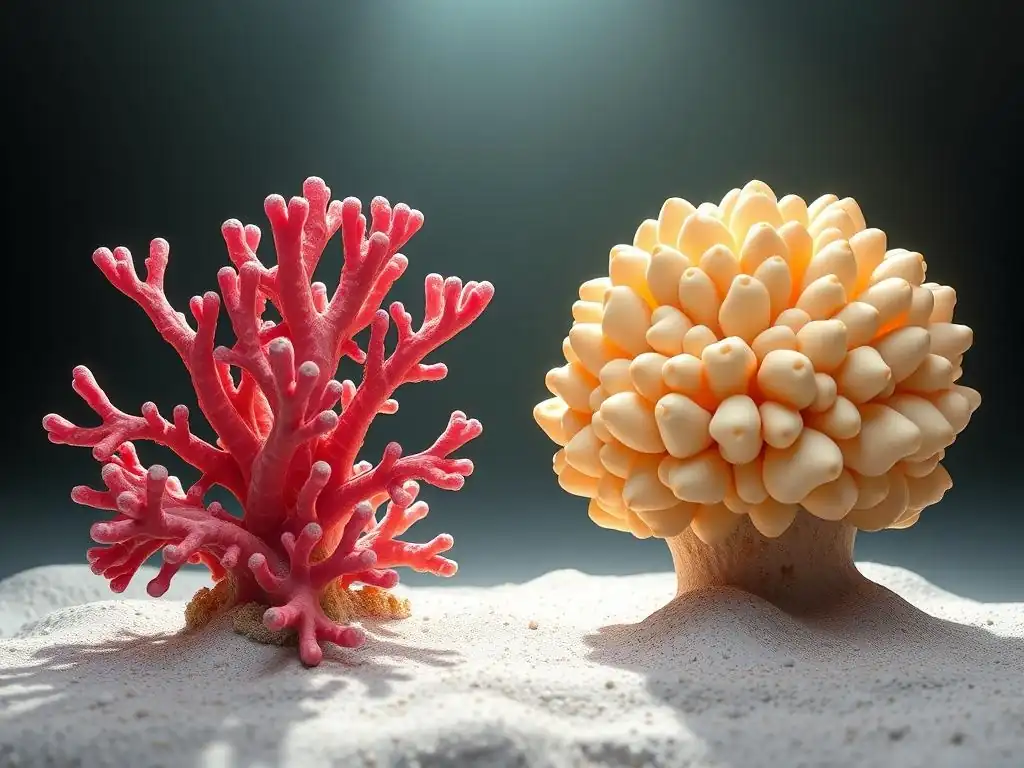
The pricing and availability of Ricordea Florida and Ricordea Yuma vary significantly, reflecting their differences in growth rate, hardiness, and demand. Ricordea Florida is generally more widely available in the aquarium trade and is typically more affordable. Common color morphs of Ricordea Florida can be found for prices ranging from $20 to $60 per polyp, depending on size, coloration, and the vendor. Its relatively fast propagation rate contributes to its greater availability and lower cost, making it an excellent entry point for those new to Ricordea coral care.
Ricordea Yuma, due to its slower growth, increased sensitivity, and often more intricate color patterns, tends to be less common and significantly more expensive. Prices for Ricordea Yuma polyps can range from $50 to $200+, with rare or highly sought-after "rainbow" or "electric" morphs fetching even higher prices. Availability can also be more sporadic, requiring aquarists to seek out specialized coral vendors or wait for specific shipments. Therefore, budget and desired visual impact are important considerations when selecting between these two stunning Ricordea species, directly influencing your Ricordea coral care journey.
Tank Placement: Where to Best Position Each Coral
Optimal tank placement is crucial for the long-term health and vibrant display of both Ricordea Florida and Ricordea Yuma, and their differing needs dictate distinct positioning strategies. Ricordea Florida, preferring low to moderate light and gentle to moderate flow, is best placed in the lower to mid-sections of the reef tank. This could be on the sand bed, attached to the lower rockwork, or nestled in areas with indirect flow. For example, positioning a Florida Ricordea approximately 15 inches below a moderate LED light source in a 24-inch deep tank typically provides ideal PAR.
Ricordea Yuma, requiring very low light and extremely gentle flow, demands more careful consideration. They should be placed in the lowest light areas of the tank, such as directly on the sand bed, under overhangs, or in heavily shaded crevices. Any direct or strong flow should be avoided entirely, as it can cause immediate stress and potential melting.
For instance, a Ricordea Yuma might thrive in a shaded corner of the sand bed, far from powerheads, where PAR levels are typically below 70. Careful observation of the coral's expansion and coloration after placement is essential to fine-tune its position for successful Ricordea coral care.
Essential Ricordea Coral Care Tips for Both Species
Maintaining Water Quality for Optimal Health
Maintaining pristine and stable water quality is the single most critical factor for the optimal health and vibrant coloration of both Ricordea Florida and Ricordea Yuma. These corals, like all reef inhabitants, are highly sensitive to fluctuating parameters and elevated nutrient levels. Regular water changes are fundamental; a weekly or bi-weekly 10-15% water change using high-quality saltwater mix helps replenish essential trace elements and reduce accumulated nitrates and phosphates. For example, consistently maintaining nitrates below 10 ppm and phosphates below 0.05 ppm is a good general target for Ricordea coral care.
Consistent testing of key parameters such as salinity (1.024-1.026 SG), alkalinity (8-12 dKH), calcium (400-450 ppm), and magnesium (1250-1350 ppm) is equally important. Using reliable test kits and logging results allows you to identify trends and make necessary adjustments before problems arise. Avoid rapid swings in any parameter, as stability is often more crucial than hitting exact numbers. Implementing a robust filtration system, including protein skimming and potentially activated carbon or GFO, further aids in nutrient export, ensuring an environment conducive to thriving Ricordea corals.
Preventing and Treating Common Coral Diseases
Proactive measures are essential in preventing common coral diseases in Ricordea, a vital aspect of effective Ricordea coral care. The most important preventative step is to quarantine all new corals for a minimum of 2-4 weeks in a separate tank. During quarantine, perform regular inspections for pests and signs of disease.
Furthermore, dipping new corals in a commercial coral dip solution (e.g., Coral Rx, Revive) before introducing them to the main display can effectively remove external parasites and bacteria. For example, a 10-minute dip in a diluted solution followed by a thorough rinse in clean tank water is a standard procedure.
Should a disease manifest, prompt identification and treatment are key. Common issues include bacterial infections (often appearing as tissue recession or a white film), which can sometimes be treated with antibiotic dips (e.g., Ciprofloxacin, Kanamycin in a separate bath for short durations) if severe. Ricordea Pox, a specific bacterial issue, requires similar antibiotic treatment. For pest infestations like nudibranchs, manual removal and repeated dips are necessary. Always isolate affected corals to prevent spread and ensure excellent water quality to support their immune system. A vigilant approach to disease prevention and treatment significantly enhances overall Ricordea coral care.
Proper Lighting and Flow for Ricordea Corals
Achieving the correct balance of lighting and flow is paramount for both Ricordea Florida and Ricordea Yuma, as their distinct preferences directly influence their health and vibrant coloration. As detailed previously, Ricordea Florida thrives under low to moderate light (PAR 50-150) and gentle to moderate, indirect flow. This ensures adequate photosynthesis without causing stress or bleaching, allowing their vesicles to remain fully inflated. Observing their expansion is key: if they appear shrunken or deflated, adjust lighting or flow downwards.
Ricordea Yuma, conversely, requires very low light (PAR 30-100) and extremely gentle, indirect flow. They are highly susceptible to bleaching and tissue damage from excessive light or strong, direct water movement. Placement in shaded areas or on the sand bed, far from direct powerhead output, is crucial for their survival.
For example, if a Yuma begins to lose color or melt, immediately moving it to an area with significantly reduced PAR (e.g., 50 PAR or less) and minimal flow often aids recovery. Gradual acclimation to any new light or flow condition is always recommended for both species to ensure successful Ricordea coral care.
Choosing the Right Tank Mates for Ricordea
Selecting appropriate tank mates is a vital, yet often overlooked, aspect of comprehensive Ricordea coral care. While Ricordea corals are generally peaceful, they can be vulnerable to predation or irritation from certain fish and other corals. Avoid housing them with known coral nippers such as certain angelfish (e.g., Genicanthus, Centropyge species can be hit or miss), triggerfish, or large aggressive wrasses, which may view the fleshy polyps as a food source. For instance, a small lemon peel angelfish might occasionally nip at Ricordea, causing irritation or damage.
Similarly, exercise caution when placing Ricordea near corals with potent stinging capabilities, such as Euphyllia (hammer, frogspawn, torch corals), large polyp stony (LPS) corals, or some aggressive SPS colonies. Maintain a minimum clearance of 3-4 inches (7-10 cm) to prevent chemical warfare or physical stinging. Ideal tank mates include peaceful community fish like clownfish, gobies, blennies, and most small wrasses. Other compatible invertebrates include hermit crabs, snails, and cleaner shrimp. Ensuring peaceful cohabitation contributes significantly to a stress-free environment, which is essential for thriving Ricordea corals and a successful Ricordea coral care guide.
Propagating Ricordea Corals: A Step-by-Step Guide
Preparing for Ricordea Fragging: Tools and Setup
Propagating Ricordea corals, commonly known as fragging, is a rewarding process that allows hobbyists to grow their collection or share with others. Proper preparation and sterile tools are essential to minimize stress to the coral and ensure a high success rate. Before beginning, gather the following:
- Sterile Razor Blade or Scalpel: A new, sharp blade ensures a clean cut.
- Non-Porous Cutting Surface: A small, clean plastic cutting board or an acrylic sheet works well.
- Super Glue Gel: Cyanoacrylate-based glue is used to attach the frag to a plug.
- Frag Plugs or Discs: Ceramic or plastic plugs provide a stable base for the new coral.
- Two Containers of Clean Saltwater: One for the coral before cutting, one for post-cut rinsing.
- Coral Dip Solution: (e.g., Iodine-based dip, Revive) for post-fragging sanitation.
- Gloves: To protect your hands and prevent contamination of the coral.
- Eye Protection: To guard against splashes.
Ensure your work area is clean and well-lit. Having everything ready before you start reduces the time the coral is out of water, which is crucial for successful Ricordea coral care during propagation.
Fragging Ricordea Florida: A Detailed Process
Fragging Ricordea Florida is generally straightforward due to its relatively robust nature and tendency to naturally fission. Here’s a detailed process for successful Ricordea coral care during propagation:
- Preparation: Gently remove the Ricordea Florida from your tank and place it in a container of clean tank water. Have all your sterile tools, frag plugs, and glue ready.
- Cutting: Carefully place the coral on your non-porous cutting surface. With a sharp, sterile razor blade or scalpel, identify a natural line of fission if present, or make a clean cut directly through the oral disc (mouth). Aim to create pieces that are at least 1 inch in diameter and, ideally, contain a portion of the original mouth for faster recovery. For example, a 2-inch Ricordea Florida can often yield two healthy 1-inch frags.
- Dipping: Immediately after cutting, transfer the fragged pieces to a separate container with a diluted coral dip solution (e.g., 5-10 minutes in a Revive or iodine-based dip) to prevent infection and clean any residual slime.
- Rinsing: After dipping, rinse the frags thoroughly in a third container of clean tank water to remove any dip residue.
- Mounting: Apply a small amount of super glue gel to the top of a frag plug. Carefully pick up the Ricordea frag (handle by the pedal disc if possible) and gently press its base onto the glue, holding it in place for 10-20 seconds until it adheres.
- Recovery: Place the newly fragged Ricordea Florida on frag plugs in a low-flow, low-light area of your main tank or a dedicated frag tank. This allows them to heal without excessive stress. Expect a healing period of 1-3 weeks. Under good Ricordea coral care, Ricordea Florida fragging typically boasts a success rate of 70-80%.
Fragging Ricordea Yuma: A Detailed Process
Fragging Ricordea Yuma requires more caution and precision than Ricordea Florida due to its increased sensitivity and tendency to melt if stressed. While challenging, successful propagation is possible with meticulous Ricordea Yuma care:
- Preparation: Follow the same preparation steps as for Ricordea Florida, ensuring all tools are sterile and ready. Handle the Yuma as little as possible.
- Cutting: Gently place the Ricordea Yuma on your cutting surface. Unlike Florida, Yuma often has an irregular shape and larger vesicles, making clean cuts more difficult. If the coral shows natural tears or divisions, follow those. Otherwise, make a swift, clean cut through the oral disc, ensuring each frag receives a portion of the mouth. Aim for pieces at least 1.5-2 inches in size, as smaller Yuma frags have a significantly lower survival rate. For instance, a 4-inch Yuma might only yield two viable frags.
- Dipping: Immediately after cutting, transfer the Yuma frags to a coral dip solution for a shorter duration (e.g., 3-5 minutes in a very diluted Revive solution) to minimize stress. Yumas are more prone to reacting negatively to dips.
- Rinsing: Thoroughly rinse the frags in clean tank water.
- Mounting: Apply super glue gel to the frag plug. Gently attach the Ricordea Yuma frag, pressing lightly and holding for 15-30 seconds. Minimize direct contact with the coral tissue.
- Recovery: Place the newly fragged Ricordea Yuma in an area with extremely low flow and very dim light. A dedicated frag tank with stable, pristine water parameters is ideal. Monitor them closely for signs of melting or recession. Recovery can take 3-6 weeks, and success rates for Yuma fragging are typically lower, around 40-60%, even with meticulous Ricordea coral care.
Caring for Newly Fragged Ricordea Corals
Proper post-fragging care is crucial for the survival and successful integration of new Ricordea frags into your reef system. Immediately after fragging and mounting, place the newly created Ricordea corals in a designated "frag tank" or a low-stress area within your main display. This area should have:
- Very Stable Water Parameters: Ensure alkalinity, calcium, magnesium, salinity, and temperature are consistently at optimal levels. Any fluctuations can severely impede healing.
- Low to Very Low Light: Provide dim lighting initially, gradually increasing it over several weeks as the coral shows signs of recovery and expansion. For example, start with PAR levels of 30-50 for Florida frags and 20-30 for Yuma frags, slowly increasing by 5-10 PAR weekly.
- Extremely Gentle Flow: Avoid any direct or strong water currents that could dislodge the frag or cause tissue irritation.
- Pristine Water Quality: Maintain low nitrates (<5 ppm) and phosphates (<0.03 ppm) to prevent bacterial infections and promote healing. Regular small water changes can help.
- Minimal Disturbance: Avoid handling the frags unnecessarily. Allow them to attach firmly to the plug and fully expand before considering moving them to their final display location.
- No Aggressive Feeding Immediately: While established Ricordea benefit from feeding, newly fragged corals are stressed. Wait until they show signs of recovery (e.g., full expansion) before attempting target feeding, typically after 1-2 weeks.
Consistent and patient care during this recovery period is a cornerstone of successful Ricordea coral care, ensuring the new frags establish and grow into healthy, vibrant colonies.
Troubleshooting Ricordea Coral Problems
Identifying Signs of Stress in Ricordea Corals
Early identification of stress signs is crucial for effective Ricordea coral care, allowing for prompt intervention before problems escalate. A healthy Ricordea coral will typically be fully expanded, vibrant in color, and firmly attached to its substrate. Conversely, signs of stress often include:
- Shrinking or Deflated Appearance: The coral appears smaller than usual, with its vesicles flattened or retracted. This is often the first sign of discomfort.
- Loss of Color (Bleaching): The coral's colors fade, becoming pale or translucent. This indicates stress to the zooxanthellae.
- Tissue Recession: The coral tissue pulls away from its base or margins, sometimes revealing the bare pedal disc.
- Slime Coating: An opaque, whitish, or brownish slime covering the coral, often a response to irritation or bacterial infection.
- Refusal to Open/Expand: The coral remains tightly closed for extended periods, even during optimal lighting.
- Detachment: The coral completely detaches from its frag plug or rockwork.
- Unusual Spots or Lesions: White spots (e.g., Ricordea Pox) or discolored patches on the tissue.
Regular daily observation of your Ricordea corals is the best way to catch these subtle indicators early, enabling you to investigate potential causes and implement corrective measures quickly as part of your Ricordea coral care routine.
Addressing Common Issues: Bleaching, Recession, and Pest Infestations
Once signs of stress are identified, prompt action is necessary for effective Ricordea coral care.
- Bleaching: This is almost always due to excessive light intensity or unstable water parameters.
- Solution: Immediately reduce the light intensity (e.g., lower PAR settings on LEDs) or move the coral to a more shaded area in the tank. Ensure all water parameters (temperature, salinity, alkalinity, calcium, magnesium) are stable and within optimal ranges. For example, if PAR is measured at 250 for a Ricordea Yuma, move it to an area with <100 PAR.
- Recession (Shrinking/Deflation): Can be caused by poor water quality (high nitrates/phosphates), insufficient feeding, or inappropriate flow/light.
- Solution: Perform a 10-15% water change. Test all parameters and correct any imbalances. Consider increasing target feeding frequency (e.g., 2-3 times per week with small meaty foods). Verify that flow is gentle and indirect, and light is appropriate for the species (low-moderate for Florida, very low for Yuma).
- Pest Infestations: Common pests include Ricordea-eating nudibranchs and sometimes flatworms.
- Solution: Manual removal with tweezers can be effective for visible pests. For more thorough eradication, perform a series of coral dips using a commercial product (e.g., Coral Rx, Revive) every 3-5 days for several weeks to disrupt their life cycle. For instance, a 7-minute dip in a diluted Coral Rx solution can cause nudibranchs to detach. Always quarantine new corals to prevent introducing pests.
Addressing these issues systematically and promptly is key to successful Ricordea coral care and preventing irreversible damage.
Ricordea Pox: Identification and Treatment in Ricordea Florida
Ricordea Pox is a specific and potentially serious bacterial infection that primarily affects Ricordea Florida, presenting a unique challenge in Ricordea coral care. It typically manifests as small, raised, white or off-white lesions or "bumps" on the coral's tissue, often resembling tiny air bubbles or cysts. These lesions can spread rapidly across the coral's surface, leading to tissue necrosis and eventual loss of the coral if left untreated. The causative agent is often a Vibrio species bacterium, which can proliferate in tanks with fluctuating water quality or stressed corals.
Treatment for Ricordea Pox involves isolating the affected coral to prevent spread and administering antibiotic dips. A common and effective treatment involves using Ciprofloxacin or Kanamycin in a separate, dedicated container. For example, a Ciprofloxacin bath at a concentration of 10mg per gallon, with the coral dipped for 30-60 minutes daily for 3-5 consecutive days, has shown good results.
During treatment, maintain pristine water quality in both the dip container and the isolation tank. After each dip, rinse the coral in clean tank water before returning it. Consistent and timely intervention is crucial for successful recovery from Ricordea Pox, highlighting the importance of vigilant Ricordea coral care.
Nudibranchs: Identification and Treatment in Ricordea Yuma
Ricordea-eating nudibranchs (e.g., Phyllodesmium rudmani) are a significant threat to Ricordea Yuma, often blending seamlessly with the coral's coloration, making identification challenging but critical for effective Ricordea Yuma care. These small, camouflaged sea slugs feed exclusively on Ricordea tissue, leading to tissue loss, shrinking, and eventually the death of the coral. Signs of their presence include unexplained tissue recession, bite marks, or the appearance of small, gelatinous egg spirals on the coral or nearby rockwork. They are often most visible at night or when the coral is removed from the water for inspection.
Treatment requires a multi-pronged approach:
- Manual Removal: Carefully inspect the affected Ricordea (and any nearby Ricordea) and manually remove any visible nudibranchs with tweezers.
- Repeated Dips: Perform a series of commercial coral dips (e.g., Coral Rx, Revive, Lugol's Iodine dip) every 3-5 days for several weeks. The dips help dislodge eggs and any remaining nudibranchs. For example, a 5-7 minute dip in a diluted Coral Rx solution, gently swishing the coral, can be effective.
- Quarantine: Isolate any infested corals to a dedicated quarantine tank to prevent the nudibranchs from spreading to other Ricordea in your main display.
- Predator Introduction: In some cases, certain wrasse species (e.g., Six-Line Wrasse, Yellow Coris Wrasse) may prey on nudibranchs, but this is not a guaranteed solution and should be considered carefully for compatibility.
Vigilance, especially when introducing new Ricordea Yuma, and consistent treatment are vital for managing nudibranch infestations and ensuring the success of your Ricordea coral care efforts.
Selecting the Best Ricordea for Your Reef Aquarium
Assessing Your Tank's Conditions and Compatibility
Selecting the best Ricordea coral for your reef aquarium begins with a thorough assessment of your tank's existing conditions and its compatibility with either Ricordea Florida or Ricordea Yuma. First, accurately measure your current lighting PAR levels at various depths and locations. If your tank has predominantly moderate light (e.g., 150-200 PAR in the mid-section) with some shaded areas, Ricordea Florida might be a more straightforward fit. However, if you have very low light zones (e.g., below 70-80 PAR) or can easily create them, Ricordea Yuma becomes a viable option.
Next, evaluate your water flow patterns. Tanks with gentle, indirect flow throughout are suitable for Florida, while those with extremely low flow pockets are ideal for Yuma. Consider your existing inhabitants: aggressive fish that nip corals or other corals with strong stings (e.g., Euphyllia placed too close) can stress Ricordea.
Finally, ensure your water parameters are consistently stable and within the optimal ranges for Ricordea coral care, as fluctuations can be detrimental to both species, particularly the more sensitive Yuma. A realistic assessment of these factors will guide you toward the Ricordea species most likely to thrive in your specific setup.
Considering Your Experience Level with Coral Care
Your experience level with coral care is a significant factor in determining which Ricordea species is best suited for your reef aquarium. For aquarists who are relatively new to keeping soft corals or are looking for a more forgiving species, Ricordea Florida is generally the better choice. Its broader tolerance for varying light and flow conditions, combined with its faster growth rate and easier propagation, makes it a more resilient and less demanding coral. It serves as an excellent introduction to Ricordea coral care, allowing hobbyists to gain confidence and experience.
Conversely, Ricordea Yuma is typically recommended for more experienced aquarists. Its heightened sensitivity to light, flow, and water parameter fluctuations, along with its slower growth and more challenging propagation, means it requires precise placement and meticulous attention to detail. An experienced reef keeper with a well-established, stable tank and a good understanding of coral behavior will be better equipped to provide the specific conditions necessary for Ricordea Yuma to thrive. Choosing based on your current skill set ensures a more rewarding and successful Ricordea coral care journey.
Matching Ricordea Colors to Your Reef's Aesthetic
Beyond care requirements, matching Ricordea colors to your reef's aesthetic is a delightful, yet strategic, part of selecting the best coral for your aquarium. Both Ricordea Florida and Ricordea Yuma offer an astonishing palette of colors, from single vibrant hues to complex multi-color patterns. Consider the existing color scheme of your tank: do you have a lot of blues and purples? A fiery orange or red Ricordea could provide a stunning contrast. Is your tank dominated by greens and browns? An electric blue or rainbow Ricordea can add a much-needed pop of vibrant color.
Ricordea Florida often comes in beautiful blended color morphs like "watermelon" or "rainbow," where colors seamlessly transition. Ricordea Yuma, on the other hand, frequently displays more distinct, often contrasting, zones of color, creating a striking visual impact. Think about how the coral will appear under different lighting conditions – actinic blue light often enhances their iridescence and fluorescent properties. By thoughtfully selecting Ricordea based on their color variations, you can create a truly cohesive and visually captivating reef landscape, elevating your overall Ricordea coral care strategy to include artistic design.
Conclusion: Mastering Ricordea Coral Care for a Thriving Reef
Mastering Ricordea coral care is a rewarding endeavor that culminates in a vibrant, flourishing reef aquarium. This detailed comparison has highlighted the unique characteristics and specific care requirements of both Ricordea Florida and Ricordea Yuma, underscoring that while both are stunning mushroom corals, their needs diverge significantly, especially concerning light and flow. Ricordea Florida offers a more forgiving entry point into the world of disc anemones with its robust nature and adaptability, while Ricordea Yuma challenges experienced aquarists with its exquisite beauty and demand for precise, stable conditions.
Regardless of your chosen species, the core principles of Ricordea coral care remain paramount: maintaining stable water parameters, providing appropriate lighting and flow, ensuring pristine water quality, and vigilant observation for signs of stress or pests. By understanding their individual needs, from optimal water chemistry to targeted feeding and strategic placement, aquarists can cultivate these captivating corals to their fullest potential. Ultimately, diligent Ricordea coral care not only ensures the health and longevity of these beautiful invertebrates but also contributes to the breathtaking diversity and aesthetic appeal of a thriving home reef ecosystem.
Frequently Asked Questions
What are the key differences between Ricordea florida and Ricordea yuma corals?
Ricordea florida generally has smaller polyps and a wider range of colors, while Ricordea yuma boasts larger polyps. Yuma also tends to be more forgiving in terms of water parameters.
What are the ideal water parameters for Ricordea corals in general?
Ricordea corals thrive in stable water conditions. Aim for a temperature of 72-78°F, a salinity of 1.024-1.026 specific gravity, and a pH of 8.1-8.4. Consistent parameters are crucial.
What kind of lighting is best for Ricordea corals?
Ricordea corals prefer moderate lighting. Avoid intense light, which can bleach them. LED or T5 lighting systems, adjusted for intensity, are commonly used.
How often should I feed my Ricordea corals?
While Ricordea corals can survive with just light, supplemental feeding enhances their growth and coloration. Target feed them small pieces of meaty food once or twice a week.
What are some common problems that can affect Ricordea corals, and how can I prevent them?
Common problems include bleaching from excessive light or temperature fluctuations, and pest infestations like nudibranchs. Maintaining stable water parameters and regular observation are key to prevention.
Final Reflection: Embracing the Vibrant World of Ricordea
The intricate details explored in this guide, from the subtle nuances of Ricordea florida to the captivating allure of Ricordea yuma, highlight the ever-growing fascination with reef aquariums and the delicate ecosystems they represent. Understanding the specific needs of these corals is not merely about maintaining a beautiful tank; it's about fostering a deeper appreciation for the biodiversity and fragility of our oceans.
This journey into the world of Ricordea has underscored the profound impact that informed choices can have on the well-being of these captivating creatures. My own experience with reef keeping has taught me that patience and meticulous observation are key to success, fostering a deeper connection with the underwater world. In the end, we will conserve only what we love; we will love only what we understand; and we will understand only what we are taught.
- Baba Dioum. This quote resonates deeply, reminding us that education is the cornerstone of conservation.
As you embark on your own Ricordea coral care journey, remember that each polyp represents a small piece of a larger, interconnected web of life. Let this guide serve as a foundation for your understanding, but never cease to learn and adapt. Dive deeper into the research, connect with fellow reef enthusiasts, and most importantly, observe your corals with a keen eye. By embracing a mindful and informed approach, you can contribute to the thriving beauty of your reef aquarium and, in turn, become a steward of the ocean's wonders.
Ignite Your Reef Tank: Start a Ricordea Garden Today!
Thank you for exploring the vibrant world of Ricordea mushrooms with us! We hope this comparison has empowered you with the knowledge to make informed decisions for your reef aquarium. Now, it’s time to take the next step and bring the beauty of Ricordea corals into your home.
Here are a few things you can do right now:
- Start planning your Ricordea garden: Visit your local fish store or reputable online vendor and choose at least one Ricordea Florida AND one Ricordea Yuma to see their contrasting beauty side-by-side!
- Share your newfound knowledge: Discuss this guide with fellow reef keepers on forums or social media, and help them choose the right Ricordea for their tank.
- Document your Ricordea journey: Start a photo journal of your Ricordea as they grow and thrive, showcasing their unique colors and patterns.
What unique color morph are you most excited to add to your reef, and why?