
Why Is My Euphyllia Not Opening? Troubleshooting Guide by Aquarium Mastery

Welcome to Aquarium Mastery, where we dive deep into the captivating world of aquariums!
Ever wondered why your prized Euphyllia isn't displaying its usual, vibrant beauty? Discover the secrets to a thriving reef and find the definitive "Euphyllia not opening solution" right here. Let's unravel the mysteries behind coral health and unlock the key to a flourishing underwater ecosystem. Ready to troubleshoot? Let's get started!
- Understanding Euphyllia Coral Health and Opening
- Common Reasons for Euphyllia Coral Not Opening
- Diagnosing the Specific Reason Your Euphyllia Isn't Opening
- Euphyllia Not Opening Solution: Step-by-Step Troubleshooting
- Preventing Future Euphyllia Closing Issues
- Advanced Euphyllia Care Tips for Long-Term Health
-
Frequently Asked Questions
- Why is my Euphyllia not opening despite seemingly good water parameters?
- What are the most common water chemistry problems that can cause a Euphyllia to stay closed?
- How can I tell if my Euphyllia is suffering from brown jelly disease, and what should I do?
- What role does proper salinity play in the health and opening of my Euphyllia coral?
- Besides water quality and lighting, what other stressors could prevent my Euphyllia from opening?
- Final Reflection: Embracing the Fragility of Reef Life
- Revitalize Your Euphyllia: Claim Your Reef's Glory!
Understanding Euphyllia Coral Health and Opening
What Does Healthy Euphyllia Behavior Look Like?
A healthy Euphyllia coral, such as a Frogspawn, Hammer, or Torch, typically displays fully expanded polyps that extend significantly from their skeletal base, often reaching several inches in length. Their vibrant colors, whether green, gold, purple, or multi-colored, are rich and consistent, indicating thriving zooxanthellae within their tissues. Observing rhythmic pulsing or swaying of the polyps, especially in species like Frogspawn, is another strong indicator of optimal health and contentment within the aquarium environment.
Daily observation is crucial for understanding your Euphyllia's baseline health. A thriving coral will consistently expand, typically reaching 2-3 times its retracted size during the day when lights are on. This full expansion allows the coral to maximize light absorption for photosynthesis and efficiently capture suspended food particles. Any deviation from this consistent, full expansion can be an early warning sign that a Euphyllia not opening solution may be needed.
Why is Euphyllia Opening and Closing Cyclically?
Euphyllia corals, like most photosynthetic corals, exhibit natural daily cycles of expansion and retraction. During the day, they extend their polyps fully to expose their symbiotic zooxanthellae to light for photosynthesis, which provides a significant portion of their energy needs. As night approaches or lights turn off, they naturally retract their polyps to protect themselves from potential nocturnal predators and to rest, conserving energy. This daily rhythm is a normal and healthy behavior.
However, it's important to differentiate between natural cyclical behavior and stress-induced closure. A healthy Euphyllia will typically begin to expand within 30-60 minutes after the aquarium lights come on and remain fully open for most of the photoperiod. If your Euphyllia remains closed for prolonged periods during the day, or only opens minimally, it is a clear indication of underlying stress or an environmental issue, signaling that a dedicated Euphyllia not opening solution is required.
Common Reasons for Euphyllia Coral Not Opening
Poor Water Quality: A Primary Cause of Euphyllia Closure
High Nitrate and Phosphate Levels Affecting Euphyllia
Elevated levels of nitrates and phosphates are common culprits behind coral stress and the failure of Euphyllia to open fully. Nitrates exceeding 10-20 ppm and phosphates above 0.03 ppm can inhibit polyp expansion, dull coloration, and over time, lead to tissue recession or necrosis. These nutrients fuel the growth of nuisance algae, which can directly irritate the coral's delicate tissue, forcing it to retract as a defensive mechanism.
Chronic exposure to high nutrient concentrations disrupts the vital symbiotic relationship between the Euphyllia coral and its zooxanthellae. This can impair the coral's ability to photosynthesize effectively, leading to a decline in overall health and energy reserves. When nutrient levels are consistently out of balance, the coral may appear shrunken, pale, or slimy, clearly indicating that a Euphyllia not opening solution focused on water chemistry is urgently needed.
Inconsistent Salinity and Alkalinity Impacting Euphyllia
Stability in water parameters is paramount for Euphyllia health. Sudden or significant fluctuations in salinity, even by as little as 0.002 specific gravity (SG) within a day, can cause immediate and prolonged polyp retraction as the coral attempts to cope with osmotic stress. Similarly, inconsistent alkalinity levels, particularly swings greater than 0.5 dKH per day, directly hinder the coral's calcification process and disrupt crucial metabolic functions, leading to stress and closure.
Maintaining stable parameters within ideal ranges is critical: Salinity at 1.025-1.026 SG, Alkalinity between 8-12 dKH, Calcium at 400-450 ppm, and Magnesium at 1250-1350 ppm. Any deviation from these stable ranges, whether due to improper top-off procedures, insufficient dosing, or inadequate water changes, is a frequent reason for a Euphyllia not opening solution, as the coral reacts defensively to an unstable environment.
Inadequate Lighting Conditions for Euphyllia Growth
Too Much Light Causing Euphyllia to Close
While Euphyllia corals require light for photosynthesis, excessive intensity can be detrimental. If the PAR (Photosynthetically Active Radiation) levels are too high, generally exceeding 250-300 PAR for many Euphyllia species without proper acclimation, the coral can experience photoinhibition or even bleaching. In response, the coral will retract its polyps significantly to protect its zooxanthellae from damage, often appearing shrunken, pale, or even exhibiting browning/whitening of its tips.
This protective retraction is a clear sign of light stress. It is particularly common when new, powerful LED lighting systems are introduced or when a coral is moved from a lower-light environment to a much brighter one without gradual acclimation. Recognizing this symptom is key to applying the correct Euphyllia not opening solution, which typically involves reducing light intensity or providing shade.
Insufficient Light Preventing Euphyllia Expansion
Conversely, inadequate lighting can also prevent Euphyllia from fully expanding. If the PAR levels are too low, typically below 75-100 PAR for most Euphyllia, the coral will struggle to perform sufficient photosynthesis. In an attempt to maximize light absorption, the polyps may appear stretched, pale, or exhibit poor extension, as they are not receiving enough energy to thrive and grow optimally.
While Euphyllia are generally considered LPS (Large Polyp Stony) corals that don't demand extreme light intensity, prolonged exposure to insufficient light will lead to stunted growth, dull coloration, and a gradual decline in health. The coral won't have the energy reserves to maintain full expansion, making light optimization a necessary Euphyllia not opening solution to encourage robust polyp extension and overall vitality.
Water Flow Issues Affecting Euphyllia Health
Strong, Direct Flow Irritating Euphyllia Polyps
Euphyllia corals prefer moderate, indirect, and turbulent water flow. Direct, laminar flow, where water constantly blasts the polyps from one direction, can be highly irritating and even physically damaging to their delicate tissues. This constant bombardment forces the polyps to retract, preventing them from fully extending and appearing tattered or torn.
When subjected to overly strong or direct flow, the coral expends excessive energy fighting the current rather than using it for growth, feeding, or maintaining health. Symptoms include polyps constantly pressed against the skeleton, rhythmic "flapping" without full expansion, or even tissue recession on the side facing the direct flow. Adjusting flow is a crucial Euphyllia not opening solution to ensure the coral's comfort and expansion.
Insufficient Flow Leading to Detritus Buildup on Euphyllia
On the other hand, insufficient water flow around a Euphyllia can be equally problematic. Low flow allows detritus, such as uneaten food, fish waste, and other particulate matter, to settle directly onto the coral's delicate tissue. This accumulation can irritate the polyps, smother them, and create anaerobic pockets, leading to bacterial infections or localized tissue recession.
Signs of insufficient flow include visible debris collecting on the coral's surface or localized patches of tissue loss where waste has settled. Adequate, turbulent flow is essential for delivering nutrients to the coral, removing metabolic waste products, and keeping the coral's surface clean. Addressing inadequate flow is a straightforward Euphyllia not opening solution that prevents a common source of irritation and stress.
Pests and Diseases: Threats to Euphyllia Health
Brown Jelly Disease: Identifying and Treating in Euphyllia
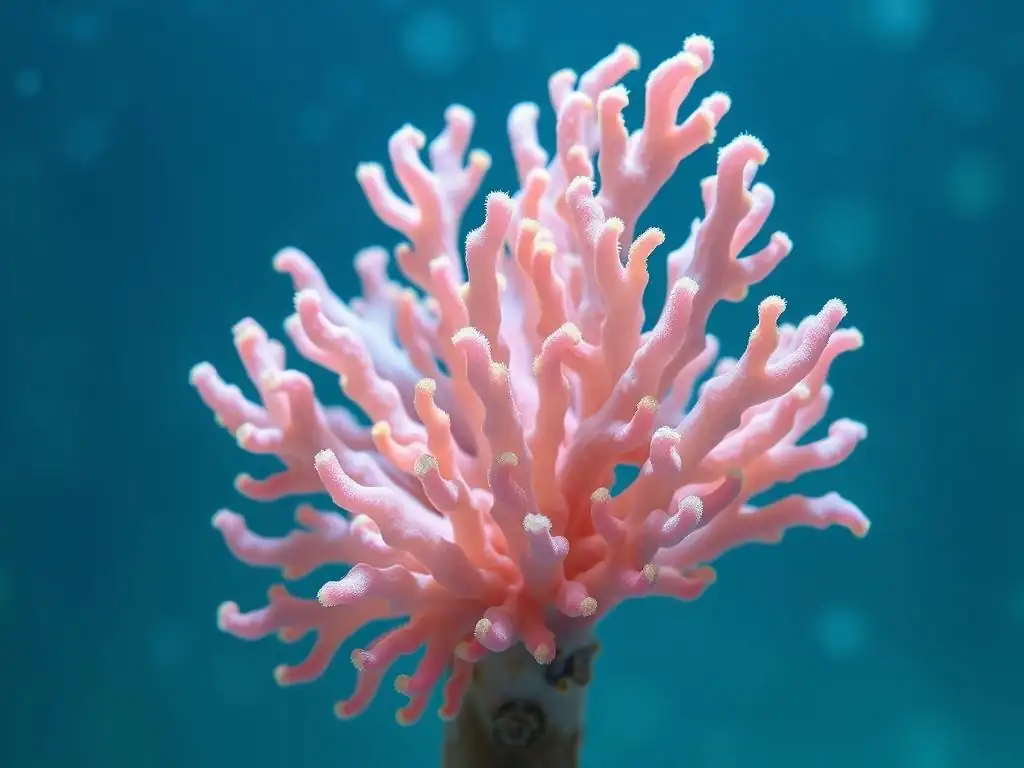
Brown Jelly Disease (BJD) is a highly aggressive and rapidly progressing bacterial infection that can devastate Euphyllia corals. It manifests as a slimy, brownish-red goo that quickly covers and consumes coral tissue, often starting at the tips or base of the polyps. This disease can spread with alarming speed, capable of destroying an entire colony within hours if left untreated.
BJD is highly contagious and can quickly spread to other corals in the tank. Immediate identification and intervention are critical. Symptoms include rapid tissue loss, foul odor, and the distinctive brown, gelatinous mass. Without swift action, such as isolation, targeted siphoning of the affected area, and application of iodine dips or antibiotics, the prognosis is often grim, making it a critical aspect of any Euphyllia not opening solution for severe cases.
Flatworms and Nudibranchs Affecting Euphyllia
While less common than general water quality issues, specific pests can also cause Euphyllia to retract. Certain types of flatworms, though primarily associated with SPS corals, can sometimes irritate Euphyllia. More specifically, Phestilla melanobrachia nudibranchs are known to exclusively prey on Euphyllia tissue, leaving visible bite marks or causing localized tissue recession. These pests are often small and camouflaged, making them difficult to spot.
Infestations typically lead to poor polyp extension, tissue damage, and a general decline in the coral's health. Inspection, particularly at night or with a magnifying glass, is necessary to identify these tiny predators, which often hide at the base or within the folds of the coral. Manual removal, often combined with specialized coral dips, forms a vital part of the Euphyllia not opening solution when pests are the cause.
Physical Irritation and Tankmate Aggression
Aggressive Fish or Invertebrates Bothering Euphyllia
Certain tank inhabitants, even those generally considered reef-safe, can occasionally bother or damage Euphyllia corals. Fish such as some angelfish, butterflyfish, or even curious tangs might nip at the delicate polyps. Invertebrates like hermit crabs or snails can crawl over the coral, causing physical irritation or dislodging it from its position. This constant harassment prevents the coral from fully extending and can lead to chronic stress or physical injury.
Observing your tankmates, especially during feeding times or when the lights are dimming, is crucial to identify any potential aggressors. Even seemingly peaceful fish can develop a taste for coral slime or tissue. If persistent nipping or physical interaction is observed, it necessitates considering relocation of the coral or the offending tankmate as a direct Euphyllia not opening solution.
Physical Damage from Handling or Placement
Euphyllia corals, with their delicate fleshy polyps and relatively fragile skeletons, are susceptible to physical damage. Rough handling during placement, fragging, or routine tank maintenance can cause tears, bruising, or abrasions to the tissue. Even bumping against live rock, tank glass, or other corals can lead to injury. Once damaged, the coral diverts its energy towards healing the wound rather than maintaining full polyp expansion.
Improper placement, such as too close to aggressive stinging corals (e.g., certain LPS or SPS) or in an area where it's easily knocked by tank inhabitants or equipment, can also lead to chronic irritation. Ensure adequate space, typically at least 6-8 inches from other corals to avoid stinging interactions, and more for larger, fast-growing colonies. Careful handling and strategic placement are fundamental to preventing physical stress and ensuring your Euphyllia thrives.
Diagnosing the Specific Reason Your Euphyllia Isn't Opening
Observing Your Euphyllia: Key Signs to Look For
The first and most critical step in diagnosing why your Euphyllia isn't opening is consistent and meticulous observation. Regularly inspect your coral for any subtle changes in its appearance: look for alterations in color (bleaching, browning, or dullness), signs of tissue recession from the skeleton, the presence of any unusual slime or film, or visible pests. Note the pattern of closure – does it retract immediately when lights come on, or gradually throughout the day? Does it show any expansion at night?
Pay close attention to how the polyps retract. Are they shrunken and tightly closed, or merely deflated? Are there any visible tears or physical damage? Observe the water flow around the coral; are the polyps being battered, or is detritus settling on them? Also, watch your tankmates for any signs of nipping or irritation. A shrunken, dull appearance often points to internal stress from water parameters, while localized damage or slime suggests external factors like pests or physical trauma.
Testing Your Water Parameters: A Crucial Step
Accurate and regular water testing is non-negotiable for diagnosing coral health issues. Utilize a reliable and comprehensive test kit to check all critical parameters: Salinity (1.025-1.026 SG), Alkalinity (8-12 dKH), Calcium (400-450 ppm), Magnesium (1250-1350 ppm), Nitrate (below 10-20 ppm), and Phosphate (below 0.03 ppm). Test at least weekly, or even more frequently if your Euphyllia is showing signs of distress.
Even slight deviations from optimal ranges can induce stress and cause your coral to retract. For instance, a sudden drop in alkalinity from a stable 9 dKH to 7 dKH could be the primary reason for closure, impacting the coral's ability to calcify and metabolize effectively. Conversely, chronically high nitrates and phosphates can lead to a gradual decline. Consistent, accurate testing allows for precise identification of the chemical imbalance and guides the appropriate Euphyllia not opening solution.
Checking for Pests and Diseases on Your Euphyllia
A thorough visual inspection for pests and diseases is essential, especially if water parameters appear stable. Use a flashlight, even at night, to look for any unusual spots, discoloration, or visible organisms moving on or around the coral. Pay particular attention to the base of the coral, within the folds of the polyps, and on the undersides of the skeleton, as many pests are masters of camouflage.
For tiny pests like nudibranchs or flatworms, a magnifying glass can be invaluable. Look for small, irregular bite marks or localized tissue recession that doesn't correspond to physical damage. Any unusual, rapidly spreading slime or rapid tissue loss should immediately raise suspicion of Brown Jelly Disease. Early detection of pests or disease is paramount, as many of these issues can spread quickly and require urgent intervention to save your Euphyllia and prevent further tank contamination.
Euphyllia Not Opening Solution: Step-by-Step Troubleshooting
Step 1: Addressing Water Quality Issues for Euphyllia
Performing Water Changes to Improve Euphyllia Health
If water parameters are identified as the culprit, performing a targeted water change is often the quickest and most effective Euphyllia not opening solution. A 10-20% water change using high-quality salt mix and RODI (Reverse Osmosis Deionized) water can help dilute pollutants like nitrates and phosphates while replenishing essential trace elements. This immediate action can significantly reduce stress on the coral.
When performing water changes, ensure the new saltwater is precisely matched to your tank's temperature and salinity to avoid further shock to the coral. Gradual addition of the new water, if possible, can also minimize stress. Regular, smaller water changes (e.g., 10% weekly) are generally more beneficial for long-term stability than infrequent, large changes, preventing parameters from fluctuating wildly.
Adjusting Alkalinity, Calcium, and Magnesium Levels
For specific parameter deficiencies, gradual adjustment is key. Use high-quality dosing solutions for alkalinity, calcium, and magnesium. Rapid changes can be more detrimental than slightly off but stable parameters. Aim for daily adjustments of no more than 0.5 dKH for alkalinity, 10-20 ppm for calcium, and 20-30 ppm for magnesium. Test frequently during the adjustment period to monitor progress and ensure stability.
Consistency in these major elements is paramount for Euphyllia health and calcification. If your tank's consumption is high, consider implementing a consistent dosing regimen (e.g., daily manual dosing or an automatic dosing pump) rather than relying on sporadic additions. Stable parameters are a fundamental Euphyllia not opening solution, promoting long-term health and vibrant expansion.
Step 2: Optimizing Lighting for Euphyllia Expansion
Acclimating Euphyllia to New Lighting Systems
When introducing a new Euphyllia to your tank or upgrading your lighting system, proper acclimation is crucial to prevent light shock. Start with lower light intensity, perhaps 50-60% of your target PAR, or place the coral lower in the tank, on the sandbed. Gradually increase the intensity or raise the coral over a period of 2-4 weeks, observing its response daily.
The goal is to find the "sweet spot" for PAR, which for most Euphyllia species is typically between 100-250 PAR. If your Euphyllia retracts or shows signs of bleaching (whitening or browning) after a light adjustment, reduce the intensity immediately. Gradual acclimation is a proactive Euphyllia not opening solution that prevents stress-induced closure from excessive light.
Adjusting Light Intensity and Spectrum
If your Euphyllia isn't opening due to light issues, you'll need to adjust the intensity or spectrum. If light is too strong, you can raise your light fixture, reduce its output settings, or move the coral to a more shaded area within the tank. If light is insufficient, increase the intensity slightly or move the coral to a higher position.
Euphyllia generally thrive under a blue-heavy spectrum, typically in the 14,000K-20,000K range, which promotes the health of their symbiotic zooxanthellae and enhances their natural coloration. Experimentation may be required to find the ideal balance for your specific setup, but focusing on consistent PAR and a suitable spectrum is a direct Euphyllia not opening solution for light-related issues.
Step 3: Correcting Water Flow Around Your Euphyllia
Repositioning Powerheads and Wavemakers
To correct water flow issues, the first step is to reposition your powerheads or wavemakers. Avoid pointing flow directly at your Euphyllia polyps. Instead, aim powerheads to create indirect, turbulent flow by bouncing water off the tank walls, rockwork, or other aquascaping elements. The goal is a gentle, swaying motion of the polyps, indicating ideal flow, rather than constant forceful pushing.
Consider adding or removing powerheads as needed to achieve the desired flow pattern. A randomized or gyre-style flow can be highly beneficial, mimicking natural reef conditions and preventing dead spots where detritus can accumulate. Optimizing water flow provides a quick Euphyllia not opening solution by alleviating physical stress and promoting nutrient delivery and waste removal.
Ensuring Gentle, Indirect Flow
The ideal flow for Euphyllia is gentle enough not to cause physical damage but strong enough to prevent detritus from settling on the coral tissue. Ensure that your Euphyllia's polyps are not constantly pressed against its skeleton or vigorously flapping. If you observe either, the flow is likely too strong or too direct.
A good rule of thumb is that the polyps should sway gently and rhythmically. This allows them to effectively capture food particles from the water column while remaining free of irritating debris. Regularly clean your powerheads and wavemakers to ensure consistent performance, as reduced flow due to buildup can also be a cause for a Euphyllia not opening solution.
Step 4: Treating Pests and Diseases Affecting Euphyllia
Identifying and Removing Pests Manually
If pests like nudibranchs or flatworms are identified, manual removal is often the most immediate Euphyllia not opening solution. Use fine-tipped tweezers or a siphon to carefully remove any visible pests from the coral's surface. It is crucial to inspect all new corals in a quarantine tank before introducing them to your main display to prevent pest introductions.
Diligence is key, as many pests lay eggs that can hatch days or weeks later. Repeat inspections and manual removals over several weeks may be necessary to break their life cycle. For particularly persistent infestations, a targeted dip in a specialized coral pest treatment may be required to eradicate remaining pests and their eggs.
Using Coral Dips and Treatments Safely
Specialized coral dips (e.g., iodine-based solutions, or specific pest-control dips) can be highly effective as a Euphyllia not opening solution for identified pest infestations or as a preventative measure for new corals. Always follow the product manufacturer's instructions precisely regarding dilution ratios and dip duration, typically ranging from 5 to 15 minutes.
Perform dips in a separate container with tank water, never directly in your display tank. Observe the coral carefully during the dip for any signs of severe stress. After dipping, gently rinse the coral with clean tank water before returning it to the display. For Brown Jelly Disease, a targeted dip of the affected area with an iodine solution or a freshwater dip (if carefully executed) can sometimes halt its progression, but often requires more aggressive intervention.
Step 5: Minimizing Physical Irritation to Your Euphyllia
Moving Euphyllia to a Safer Location
If observation suggests that physical irritation from tankmates or proximity to other aggressive corals is preventing your Euphyllia from opening, relocating it to a safer spot is a direct Euphyllia not opening solution. Choose an isolated area in the tank where the coral has ample space – at least 6-8 inches of clearance from other corals, and more if they are known for aggressive stinging.
Ensure the new location still provides appropriate lighting and water flow conditions. Observe the coral for several days after relocation to see if it begins to recover and expand. This simple change can often alleviate chronic stress and allow the coral to thrive in a more peaceful environment.
Monitoring Tankmate Interactions
Ongoing monitoring of your fish and invertebrates is crucial to prevent future physical irritation. Pay close attention to their behavior, especially during feeding times or when the lights are dim. Look for any nipping, bumping, or resting on the coral polyps. Some fish, like certain butterflyfish or triggerfish, are notorious for nipping at corals.
If a specific tankmate is consistently bothering your Euphyllia, consider rehoming it if feasible. Alternatively, explore ways to deter the behavior, such as providing more hiding spots for the fish or placing the coral in an area less accessible to the aggressor. Proactive tankmate management is key to preventing physical stress and ensuring your Euphyllia remains fully expanded.
Preventing Future Euphyllia Closing Issues
Maintaining Consistent Water Parameters for Euphyllia Health
The cornerstone of long-term Euphyllia health and consistent expansion is unwavering stability in water parameters. Implement a routine of daily checks for temperature and salinity, and weekly or bi-weekly tests for alkalinity, calcium, magnesium, nitrates, and phosphates. Utilizing an auto-top-off (ATO) system is highly recommended to prevent daily salinity swings caused by evaporation, which can severely stress corals.
Beyond just testing, establish a consistent dosing regimen for alkalinity, calcium, and magnesium based on your tank's consumption. This proactive approach prevents the fluctuations that force corals to retract. A stable environment, where parameters deviate minimally over time, significantly reduces stress and ensures your Euphyllia remains robust and fully open, preventing the need for a reactive Euphyllia not opening solution.
Regularly Inspecting Your Euphyllia for Signs of Stress
A few minutes of daily visual inspection of your Euphyllia can be the most powerful preventative measure against future closing issues. Make it a habit to observe your coral's polyp extension, color, and overall appearance. Look for subtle changes that might indicate early signs of stress, such as slight retraction, dulling of color, or any unusual textures on the polyps.
Early detection of minor retraction or a slight change in vitality allows for proactive adjustments to your tank's environment before the issue escalates into severe stress or disease. By catching problems when they are small, you can often implement minor tweaks to flow, light, or water parameters, effectively preventing the need for a major Euphyllia not opening solution.
Providing Optimal Lighting and Flow Conditions
Consistency in lighting and water flow is vital for sustained Euphyllia health. Establish a regular photoperiod (e.g., 8-10 hours) and maintain a consistent light intensity. Avoid sudden, drastic changes to your lighting schedule or output. If possible, use a PAR meter to periodically verify that your Euphyllia is receiving optimal light levels for its specific placement within the tank, typically between 100-250 PAR.
Regularly clean your powerheads and wavemakers to ensure they maintain consistent flow and do not develop dead spots. As your corals grow and your aquascape evolves, periodically review and adjust your flow patterns to ensure that your Euphyllia continues to receive gentle, turbulent flow without direct impingement. Optimal and consistent environmental conditions are the best defense against your Euphyllia closing.
Advanced Euphyllia Care Tips for Long-Term Health
Supplementing Trace Elements for Euphyllia Growth
While major elements like calcium, alkalinity, and magnesium are crucial, trace elements are equally important for the long-term health, vibrant coloration, and robust growth of Euphyllia corals. Elements such as iodine, strontium, potassium, and iron are consumed by corals and contribute to essential biological processes, including skeletal formation and enzyme activity. Deficiencies can lead to dull coloration, slower growth, and reduced polyp expansion.
Consider using a high-quality trace element supplement specifically formulated for reef aquariums, following the manufacturer's instructions for dosing. For the most precise and effective approach, regular ICP-OES (Inductively Coupled Plasma - Optical Emission Spectrometry) water testing can accurately identify specific trace element deficiencies or excesses in your system. Dosing based on these detailed results ensures optimal levels without the risk of over-supplementation, enhancing your Euphyllia's vitality and preventing future closure.
Target Feeding Euphyllia for Enhanced Color and Expansion
Although Euphyllia corals derive a significant portion of their energy from photosynthesis via their zooxanthellae, they are also facultative filter feeders capable of capturing and consuming small food particles from the water column. Target feeding small meaty foods can significantly boost their growth rate, enhance their coloration, and promote more consistent and robust polyp expansion.
Offer foods such as mysis shrimp, brine shrimp, finely chopped krill, coral pellets, or specialized zooplankton solutions 1-2 times per week. To target feed, turn off your aquarium's circulation pumps for a short period. Use a turkey baster or pipette to gently deliver the food directly to the expanded polyps. Observe the polyps retracting and consuming the food. This supplemental feeding provides essential nutrients that may not be fully met by photosynthesis alone, often serving as a direct Euphyllia not opening solution if the coral is primarily suffering from nutritional deficiency.
Frequently Asked Questions
Why is my Euphyllia not opening despite seemingly good water parameters?
The issue may be related to water flow or lighting. Euphyllia corals prefer moderate, indirect flow and can be stressed by too much or too little light. Consider adjusting your powerheads and light intensity.
What are the most common water chemistry problems that can cause a Euphyllia to stay closed?
Common culprits include high nitrate levels, alkalinity swings, and unstable calcium levels. Regularly testing your water and performing water changes can help maintain optimal conditions.
How can I tell if my Euphyllia is suffering from brown jelly disease, and what should I do?
Brown jelly disease presents as a brown, gelatinous substance covering the coral. Immediately isolate the affected coral and treat it with an iodine dip to prevent the spread.
What role does proper salinity play in the health and opening of my Euphyllia coral?
Maintaining a stable salinity is crucial. Fluctuations or incorrect salinity levels can cause osmotic stress, preventing the coral from opening fully. Aim for a salinity of 1.025-1.026 specific gravity.
Besides water quality and lighting, what other stressors could prevent my Euphyllia from opening?
Potential stressors include fish nipping, parasites, and physical damage. Observe your tank inhabitants carefully and take action to eliminate any sources of irritation to the Euphyllia.
Final Reflection: Embracing the Fragility of Reef Life
The intricacies of reef keeping, as highlighted in this guide to solving the mystery of a Euphyllia's closed polyps, serve as a powerful microcosm of the delicate balance within our larger ecosystems. Understanding the specific needs of these corals, and the potential stressors that prevent them from thriving, underscores the importance of responsible stewardship, not just within our aquariums, but in the world's oceans.
The challenge of coaxing a Euphyllia to open is more than just a technical exercise; it's a lesson in patience, observation, and empathy for a living creature. This journey of understanding, of meticulously adjusting parameters and observing responses, mirrors the broader need for careful consideration in all our interactions with the natural world. The cure for boredom is curiosity. There is no cure for curiosity.
- Dorothy Parker. This quote encapsulates the spirit of reef keeping, and indeed, of all scientific inquiry, reminding us that the pursuit of knowledge is a reward in itself.
So, as you navigate the complexities of your own reef aquarium, remember that each closed polyp is an opportunity to learn, to adapt, and to deepen your connection with the underwater world. Let the lessons learned from troubleshooting your Euphyllia's reluctance to open inspire you to be a more conscientious and informed steward of our planet, both within and beyond the glass walls of your aquarium.
Revitalize Your Euphyllia: Claim Your Reef's Glory!
Thank you for diving deep into the world of Euphyllia care with Aquarium Mastery! We hope you've gained valuable insights to help your coral thrive. Now, let's put that knowledge into action and bring your Euphyllia back to its full, vibrant glory.
Here are some actionable steps you can take right now:
- Immediately test your water parameters, focusing on alkalinity, calcium, and magnesium levels. Stable water chemistry is paramount for Euphyllia health!
- Carefully observe your Euphyllia under different lighting conditions. Could your lighting be too intense or too weak? Adjust accordingly!
- Share your Euphyllia's transformation journey (before & after pics!) with fellow reef keepers in our Aquarium Mastery community forum!
What specific changes will you make today to help your Euphyllia flourish? Share your plan in the comments below!