
Identifying Mushroom Coral Types: Discosoma, Rhodactis, Ricordea Explained

Welcome to Aquarium Mastery!
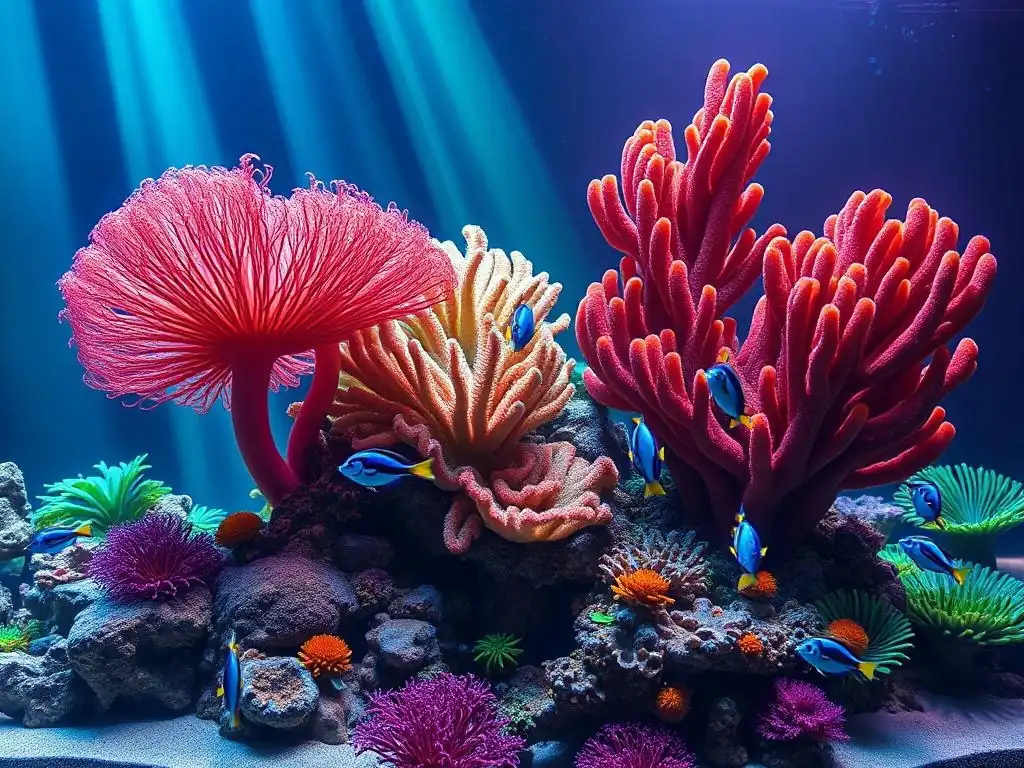
Ever been mesmerized by the vibrant colors and textures of mushroom corals? Dive into the fascinating world of these captivating invertebrates as we unravel the differences between Discosoma, Rhodactis, and Ricordea. This guide will help you confidently identify and appreciate the unique beauty of each type, starting with an in-depth look at the stunning Discosoma rhodactis ricordea coral. Ready to discover the secrets to keeping these beauties thriving in your reef tank? Let's explore!
- Understanding Mushroom Corals: An Aquarium Mastery Guide
- Discosoma Mushroom Corals: Characteristics and Identification
- Rhodactis Mushroom Corals: Distinguishing Features and Care
- Ricordea Mushroom Corals: A Closer Look
- Comparing Discosoma, Rhodactis, and Ricordea: A Side-by-Side Analysis
- Optimal Reef Tank Parameters for Mushroom Corals (Discosoma, Rhodactis, Ricordea)
- Troubleshooting Common Mushroom Coral Issues
- Propagating Mushroom Corals: A Beginner's Guide
- Choosing the Right Mushroom Coral for Your Reef Aquarium: Discosoma, Rhodactis, Ricordea
- Conclusion: Mastering Mushroom Coral Care for a Thriving Reef
-
Frequently Asked Questions
- What are the key differences between Discosoma, Rhodactis, and Ricordea mushroom corals?
- How do I identify a Ricordea coral specifically?
- What water parameters are crucial for maintaining Discosoma rhodactis ricordea coral?
- What type of lighting is best for Discosoma rhodactis ricordea coral?
- Are Discosoma rhodactis ricordea coral aggressive towards other corals in a reef tank?
- Final Reflection: Appreciating the Underwater Tapestry
- Unleash Your Inner Reef Explorer!
Understanding Mushroom Corals: An Aquarium Mastery Guide
Introduction to Mushroom Corals for Reef Tanks
Mushroom corals, scientifically classified as Corallimorphs, are a popular and visually striking group of soft corals widely favored by saltwater aquarists. They are renowned for their vibrant colors, diverse textures, and relatively hardy nature, making them excellent choices for both beginner and experienced reef tank enthusiasts. Unlike stony corals, mushroom corals do not possess a calcareous skeleton, instead relying on their fleshy bodies to absorb nutrients and expand.
Within the broad category of mushroom corals, three genera stand out for their distinct characteristics and prevalence in the aquarium trade: Discosoma, Rhodactis, and Ricordea. Each of these offers unique aesthetic qualities and subtle differences in care requirements. Understanding how to identify and properly care for each type of Discosoma rhodactis ricordea coral is crucial for their long-term health and the overall vibrancy of your reef aquarium. Some common varieties are highly sought after, with individual polyps ranging from $20 to over $300, depending on their rarity and coloration.
Why Choose Mushroom Corals for Your Saltwater Aquarium?
One of the primary reasons aquarists choose mushroom corals is their remarkable ease of care compared to more demanding stony corals like SPS (Small Polyp Stony) or even some LPS (Large Polyp Stony) corals. They are highly adaptable to various tank conditions and can tolerate a wider range of water parameters, making them an ideal entry point for new reef keepers. Their resilience is noteworthy; for instance, a healthy mushroom coral can often recover from minor fluctuations in salinity or temperature that might prove fatal to more sensitive coral species.
Beyond their hardiness, mushroom corals offer unparalleled aesthetic diversity. They come in an astonishing array of colors, including brilliant blues, fiery reds, emerald greens, and soft oranges, often with mesmerizing patterns and contrasting oral discs. Their unique textures, ranging from smooth and disc-like to bubbly or hairy, add significant visual interest to any aquascape. Furthermore, many mushroom coral species propagate readily, quickly colonizing rockwork and creating lush, natural-looking environments that mimic thriving natural reefs.
Discosoma Mushroom Corals: Characteristics and Identification
Discosoma Coral Morphology: What to Look For
Discosoma mushroom corals are characterized by their relatively flat, disc-like shape, which gives them their common name. Their surface typically ranges from smooth to slightly bumpy or warty, and they often exhibit distinct radial striations extending from the central mouth to the edge of the polyp. These corals generally range in size from approximately 1 to 4 inches in diameter, though some larger specimens can reach up to 6-8 inches under optimal conditions.
A key identifying feature of Discosoma is the appearance of their oral disc and mouth. Unlike some other mushroom corals, their tentacles are usually very short, almost imperceptible, or entirely absent, contributing to their smooth, untextured appearance. Common colorations for Discosoma include vibrant blues, deep reds, various shades of green, and earthy browns, frequently with a contrasting color around the central mouth or along the radial lines, enhancing their visual appeal.
Common Discosoma Species: Red Mushroom, Blue Mushroom
Among the most popular and readily available Discosoma varieties are the "Red Mushroom" and "Blue Mushroom." The Red Mushroom ( Discosoma sp. 'Red') typically displays a deep crimson to maroon coloration, often with a slightly velvety or textured surface. These hardy corals are widely available and relatively affordable, often found in local fish stores for $10 to $25 per polyp, making them an excellent choice for beginner aquarists looking to add a splash of color.
The Blue Mushroom ( Discosoma sp. 'Blue') is highly prized for its striking iridescent blue or purple coloration, sometimes accented with hints of green or contrasting oral discs. Its intense, almost glowing hue makes it a standout in any reef tank, and individual polyps can sell for $15 to $40, depending on the intensity of the color and size. Other notable Discosoma variations include the "Green Mushroom" with its vibrant emerald tones and the "Warty Mushroom" which has more pronounced bumps on its surface.
Caring for Discosoma Corals in a Reef Environment
Discosoma corals are known for their resilience and relatively low maintenance requirements, making them ideal for a wide range of reef tanks. They thrive best under low to moderate lighting conditions, typically in the PAR (Photosynthetically Active Radiation) range of 50-150. Too much intense light can cause them to bleach, shrink, or lose their vibrant coloration. Similarly, they prefer low to moderate water flow; excessive or direct flow can cause them to retract, detach from their substrate, or even sustain tissue damage.
Maintaining stable water parameters is crucial for the health of Discosoma corals. Optimal conditions include a salinity of 1.025-1.026 specific gravity, alkalinity between 8-10 dKH, calcium levels of 400-450 ppm, and magnesium between 1300-1400 ppm. While Discosoma primarily derive nutrition from their symbiotic zooxanthellae, they can benefit from occasional target feeding of small planktonic foods or coral-specific liquid foods, particularly larger specimens or those that appear to be less extended. Feeding once or twice a month can enhance their growth and vibrancy.
Rhodactis Mushroom Corals: Distinguishing Features and Care
Identifying Rhodactis Corals: Texture and Color Variations
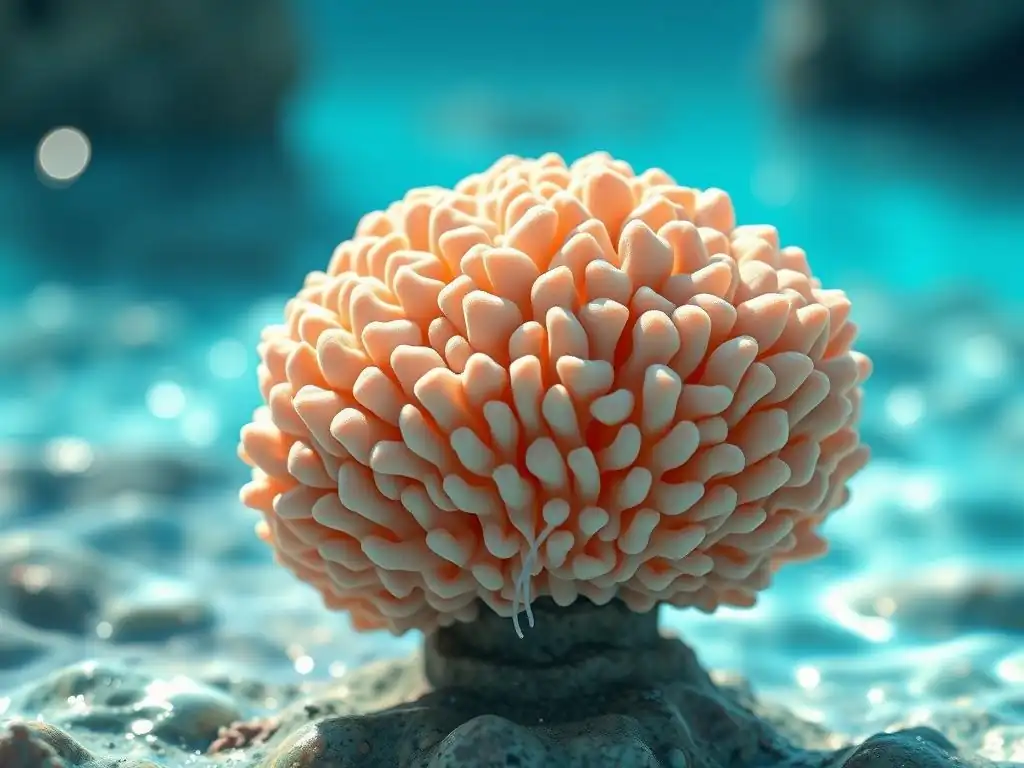
Rhodactis mushroom corals are easily distinguished from Discosoma by their more varied and often highly textured oral discs. Instead of a smooth surface, Rhodactis typically feature prominent vesicles, papillae, or elongated tentacles that give them a "bubbly," "hairy," or "fuzzy" appearance. These textures are what make Rhodactis visually unique. They generally range in size from 2 to 6 inches in diameter, though some species, particularly the highly prized "Bounce Mushrooms," can grow considerably larger.
The diversity in Rhodactis color patterns is vast, encompassing mottled greens, browns, blues, and even purples, often with contrasting highlights. The "Hairy Mushroom" morph, for example, has numerous long, fine tentacles covering its surface, giving it a distinct fuzzy look. Perhaps the most famous Rhodactis is the "Bounce Mushroom," characterized by large, iridescent, bubble-like vesicles that protrude from its surface. These rare and highly sought-after specimens can command prices of several hundred dollars per polyp, making them one of the most expensive mushroom coral varieties.
Rhodactis Growth and Placement in Your Aquarium
Rhodactis corals are known for their ability to spread relatively rapidly in favorable conditions, typically through budding or fission. This means a single polyp can quickly multiply to form a large colony, covering significant portions of rockwork. While this can be desirable for creating a lush aquascape, it's important to provide ample space for Rhodactis to grow and to place them away from other corals, especially sensitive SPS or LPS species. Some Rhodactis can release allelopathic chemicals, which, while generally mild, can irritate nearby corals if placed too closely, potentially causing retraction or tissue recession.
Ideal placement for Rhodactis often involves lower to mid-tank areas where they receive moderate light (typically PAR 75-200) and gentle, indirect water flow. Strong, direct water flow can cause them to retract, remain closed, or even detach from their substrate. Placing them on an isolated piece of rock or in an area where they have room to expand without encroaching on other inhabitants is recommended. They are quite adaptable and can thrive in various lighting conditions within their preferred range.
Rhodactis Coral Care: Lighting, Flow, and Feeding
Similar to Discosoma, Rhodactis mushroom corals thrive under moderate lighting and gentle, indirect water flow. While they are generally more tolerant of varying conditions than some other coral types, consistency is key to their long-term health and vibrant coloration. Aim for a PAR range of 75-200, adjusting based on the specific morph and its response. If a Rhodactis appears shrunken or pale, it might be receiving too much light, while a lack of full extension could indicate insufficient flow.
Rhodactis also require stable water parameters, mirroring those recommended for other mushroom corals: salinity 1.025-1.026, alkalinity 8-10 dKH, calcium 400-450 ppm, and magnesium 1300-1400 ppm. However, Rhodactis are often more active feeders than Discosoma and benefit significantly from regular target feeding. Offering small meaty foods such as mysis shrimp, brine shrimp, or specialized coral foods a few times a week can greatly enhance their growth, improve their coloration, and encourage the development of their unique textures. This is particularly true for larger or more textured varieties like the "Bounce Mushroom."
Ricordea Mushroom Corals: A Closer Look
Ricordea yuma vs. Ricordea florida: Key Differences
Ricordea mushroom corals are among the most highly prized and visually stunning of the Corallimorphs, celebrated for their extraordinary colors and unique textured surfaces. The two primary species encountered in the hobby are Ricordea florida and Ricordea yuma, each possessing distinct characteristics. Ricordea florida, hailing from the Caribbean, typically grows larger, reaching diameters of up to 3-4 inches.
Its distinguishing feature is its more pronounced, distinct vesicles (bumps) on the oral disc, often arranged in a somewhat radial pattern. Ricordea florida polyps usually display more solid or striking single hues, such as vibrant oranges, electric blues, or deep purples, and commonly sell for $40 to $150 per polyp.
In contrast, Ricordea yuma, originating from the Indo-Pacific, is generally smaller, typically reaching 1-2 inches in diameter. Its vesicles are more numerous, smaller, and less distinct than those of R. florida. Ricordea yuma is renowned for its incredible variety of complex color patterns, often displaying multiple contrasting colors on a single polyp, creating a kaleidoscopic effect. These intricate patterns and color combinations make Ricordea yuma highly sought after by collectors, with rare morphs often commanding prices from $75 to over $300 per polyp, depending on their unique coloration and pattern.
Ricordea Coral Placement: Optimizing Color and Health
Ricordea corals, particularly Ricordea yuma, are more sensitive to environmental conditions than Discosoma or Rhodactis. They generally prefer low to moderate lighting, similar to Discosoma, with a PAR range of 50-150. Proper lighting is crucial for enhancing their vibrant coloration, but sudden increases in light intensity can cause stress, leading to retraction or bleaching. It's advisable to acclimate new Ricordea slowly to your tank's lighting by placing them in a shaded area initially and gradually moving them to their desired spot over several days.
Water flow is another critical factor for Ricordea health. They require low to very low water flow; strong or direct flow can cause them to remain retracted, detach from their substrate, or even suffer tissue damage. Ideal placement for Ricordea is often on the sandbed or lower rockwork in calmer areas of the tank where they can fully extend and display their full beauty without being constantly buffeted by currents. Ensuring gentle, indirect flow allows them to capture food particles effectively and maintain their delicate structure.
Maintaining Ricordea Corals: Water Parameters and Supplements
Maintaining pristine water quality and stable parameters is paramount for the long-term health and vibrant coloration of Ricordea corals. While they are soft corals, they are less forgiving of fluctuations than Discosoma or Rhodactis. Key parameters to monitor include salinity (1.025-1.026 SG), alkalinity (8-10 dKH), calcium (400-450 ppm), and magnesium (1300-1400 ppm). Crucially, nitrates should be kept very low, ideally below 10 ppm, and phosphates below 0.03 ppm, as high nutrient levels can inhibit their growth and cause tissue recession.
Although Ricordea host symbiotic zooxanthellae for nutrition, they are active feeders and significantly benefit from regular target feeding. Offering very small meaty foods such as cyclops, rotifers, or finely crushed flakes a few times a week can dramatically boost their growth, enhance their colors, and improve their overall vitality. Some aquarists report feeding their Ricordea two to three times per week to encourage optimal health and expansion. Consistent water changes also contribute to maintaining the clean water they prefer.
Comparing Discosoma, Rhodactis, and Ricordea: A Side-by-Side Analysis
Size and Polyp Structure: Discosoma vs. Rhodactis vs. Ricordea
When comparing the three main types of mushroom corals, their size and polyp structure offer clear distinguishing characteristics. Discosoma corals are typically flat, disc-shaped, and smooth to slightly textured, ranging from 1 to 6 inches in diameter, with very short or imperceptible tentacles. Rhodactis species are generally larger, from 2 to 8 inches, and feature a more varied surface, often appearing bubbly, warty, or hairy due to prominent vesicles or elongated tentacles.
Ricordea corals, particularly Ricordea florida and Ricordea yuma, are characterized by their distinct, often colorful, bubble-like vesicles covering their oral disc. R. florida tend to be larger (up to 4 inches) with more pronounced, widely spaced vesicles, while R. yuma are smaller (1-2 inches) with more numerous, finer vesicles. Understanding these structural differences is key to accurately identifying your Discosoma rhodactis ricordea coral specimens.
Color Patterns and Variations in Mushroom Corals
The color patterns and variations are perhaps the most captivating aspect differentiating these mushroom coral types. Discosoma are often known for their solid, vibrant colors, such as electric blues, deep reds, or emerald greens, sometimes with a contrasting oral disc. Their beauty lies in the intensity and purity of their single-color expression.
Rhodactis offer a wider range of patterns, from mottled greens and browns to unique "hairy" textures and the highly prized "Bounce Mushroom" morphs, which exhibit large, iridescent, bubble-like protrusions. However, it is Ricordea, especially Ricordea yuma, that truly stands out for its unparalleled color complexity. Ricordea yuma polyps can display multiple contrasting colors and intricate patterns on a single polyp, creating a mosaic-like appearance that makes them some of the most sought-after and expensive corals in the hobby.
Aggressiveness and Compatibility with Other Reef Inhabitants
Mushroom corals are generally considered low-aggression corals, making them suitable for most mixed reef aquariums. However, it's important to note that they can release chemical compounds (allelopathy) into the water, which may irritate or negatively affect more sensitive corals, particularly SPS and some LPS, if placed in close proximity. Among the three, Rhodactis species are often considered to be the most chemically potent, requiring slightly more spacing.
It is advisable to provide ample space, ideally 4-6 inches, between mushroom corals and other coral types to prevent chemical warfare and ensure all inhabitants thrive. They are generally compatible with most reef-safe fish and invertebrates. However, caution should be exercised with certain fish species, such as some angelfish or triggerfish, which are known to occasionally nip at soft corals. Observing your Discosoma rhodactis ricordea coral and other tank inhabitants is crucial for peaceful coexistence.
Optimal Reef Tank Parameters for Mushroom Corals (Discosoma, Rhodactis, Ricordea)
Water Chemistry: Maintaining Ideal Conditions
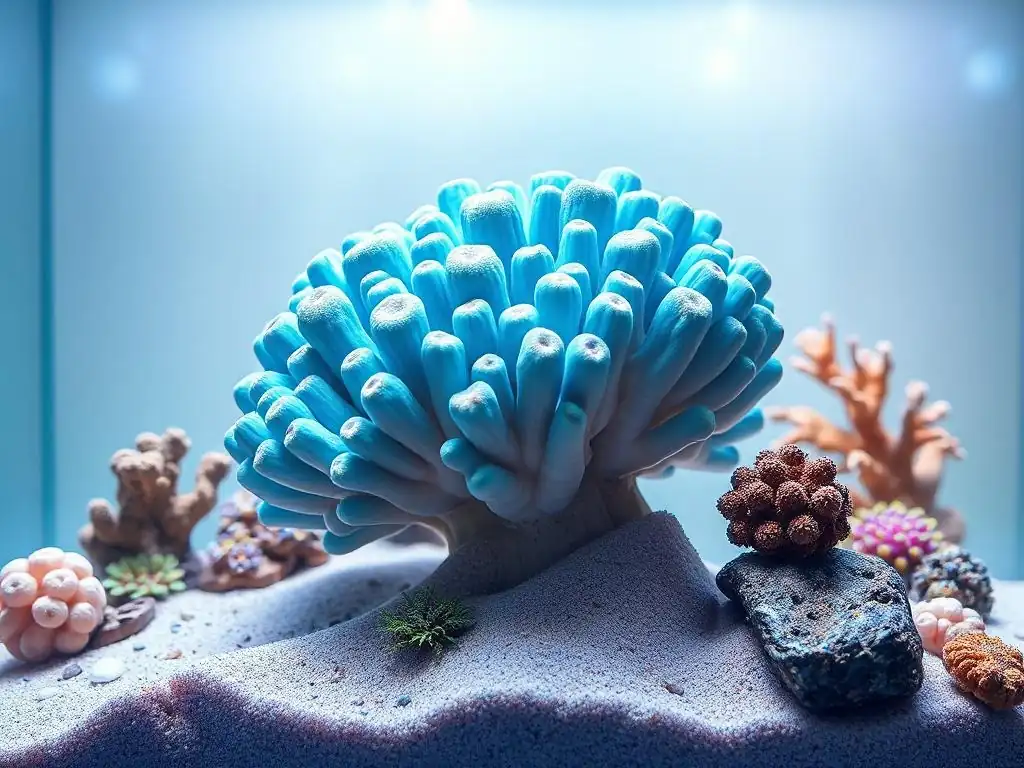
Maintaining stable and appropriate water chemistry is the cornerstone of successful mushroom coral care. For all Discosoma rhodactis ricordea coral types, a stable salinity of 1.025-1.026 specific gravity (or 35 ppt) is crucial. Sudden fluctuations in salinity can cause significant stress, leading to retraction, shrinking, or even melting. While soft corals do not build calcium carbonate skeletons like stony corals, stable levels of alkalinity (8-10 dKH), calcium (400-450 ppm), and magnesium (1300-1400 ppm) are still important for overall reef health and their metabolic processes.
Furthermore, keeping nitrates below 10 ppm and phosphates below 0.03 ppm is vital. High levels of these nutrients can inhibit mushroom coral growth, cause tissue recession, and encourage nuisance algae growth. Regular water changes (typically 10-20% bi-weekly) using high-quality saltwater mix are highly recommended to replenish trace elements and maintain pristine water quality.
Lighting Requirements for Healthy Mushroom Coral Growth
The lighting requirements for Discosoma rhodactis ricordea coral generally fall into the low to moderate intensity range. Discosoma and Ricordea typically thrive in lower PAR ranges, often between 50-150 PAR. Rhodactis can sometimes tolerate slightly higher intensities, up to 200 PAR, depending on the specific morph. It is crucial to avoid sudden changes in lighting intensity or spectrum, as this can stress the corals and lead to bleaching or retraction.
When introducing new mushroom corals or upgrading your lighting system, proper acclimation is key. Start them in a shaded area or at a lower light intensity and gradually move them to their desired location over several days or weeks. Signs of too much light include pale coloration, shrinking, or a lack of full extension. Conversely, insufficient light might result in dull colors or slow growth.
Water Flow: Finding the Right Balance
All mushroom corals, including Discosoma, Rhodactis, and Ricordea, prefer low to moderate, indirect water flow. Strong, direct water flow is detrimental to their delicate tissues, causing them to remain retracted, detach from their substrate, or even suffer physical damage. The goal is to provide enough turbulent but gentle flow to prevent detritus from settling on the polyps while allowing them to fully extend comfortably.
Powerheads and wavemakers should be positioned to create broad, sweeping currents that gently wash over the corals rather than direct blasts. If a mushroom coral consistently appears shrunken or struggles to inflate fully, it may indicate that the flow in its current location is too strong. Adjusting powerhead direction or moving the coral to a calmer area of the tank can often resolve this issue.
Troubleshooting Common Mushroom Coral Issues
Mushroom Coral Melting: Causes and Solutions
"Melting" in mushroom corals refers to a distressing condition where the coral tissue begins to disintegrate, often becoming translucent and shrinking significantly. This is typically a severe symptom of stress. Common causes include sudden and drastic changes in water parameters (temperature, salinity, pH), prolonged exposure to poor water quality (high nitrates or phosphates), excessive lighting, or overly strong water flow. Physical damage or bacterial infections can also contribute to melting.
To address melting, it's crucial to identify and rectify the underlying cause immediately. Begin by performing a small (10-20%) water change to improve water quality. Test all critical parameters and correct any imbalances slowly and steadily. Reduce light intensity or adjust water flow if these are suspected culprits. If only a single polyp is affected, consider isolating it in a quarantine tank with stable, pristine conditions to prevent potential spread to other corals. Regular observation of your Discosoma rhodactis ricordea coral can help catch issues early.
Identifying and Treating Mushroom Coral Diseases
Mushroom corals are generally robust and less susceptible to diseases compared to some other coral types. However, they can occasionally suffer from bacterial infections or fungal issues, which often manifest as slimy patches, discolored areas, or localized tissue necrosis. These issues are frequently triggered by poor water quality, physical damage that creates an entry point for pathogens, or prolonged stress.
Treatment typically involves improving overall water quality and ensuring stable tank conditions. For localized infections, a freshwater dip (using RO/DI water matched to tank temperature and pH for 30-60 seconds) can sometimes help, but this should be used with extreme caution as it can be stressful. Alternatively, a dip in an iodine-based coral dip can be effective for some external issues; always follow product instructions carefully. Preventing diseases relies heavily on maintaining a clean, stable environment and inspecting all new Discosoma rhodactis ricordea coral introductions for signs of distress or infection.
Preventing Pests in Your Mushroom Coral Tank
Several pests can target mushroom corals, the most common being certain species of nudibranchs, such as those in the Phyllodesmium genus. These specialized predators can mimic the appearance of mushroom corals and will slowly consume the coral tissue, leaving behind bite marks or causing tissue recession. Other general reef pests like flatworms can also irritate mushrooms, causing them to remain retracted.
Prevention is the most effective strategy against pests. Always dip all new corals, including Discosoma rhodactis ricordea coral frags, in a reputable coral dip solution before introducing them to your display tank. Thoroughly inspect the coral for any visible pests or eggs before placement. Maintaining excellent water quality and regularly observing your corals for any unusual behavior or physical changes can help in early detection. For small nudibranch infestations, manual removal with tweezers is often effective, but for larger outbreaks, chemical treatments might be necessary, though they come with risks to other tank inhabitants.
Propagating Mushroom Corals: A Beginner's Guide
Fragging Discosoma, Rhodactis, and Ricordea Corals
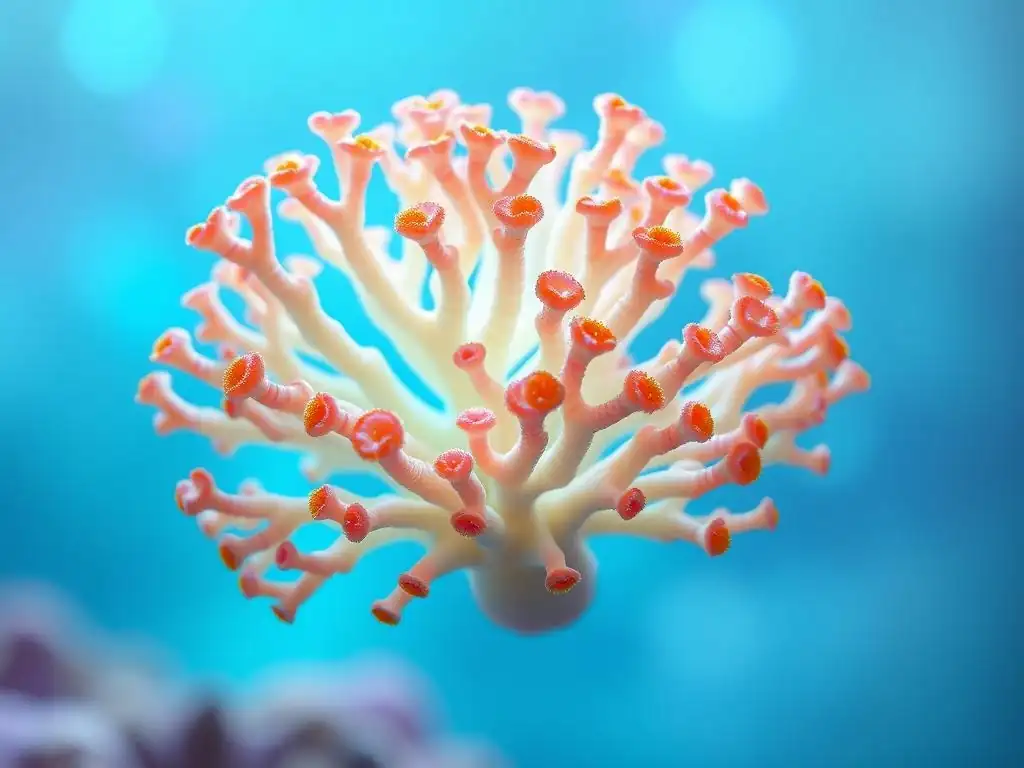
Propagating mushroom corals is relatively straightforward, making them an excellent choice for aquarists interested in fragging. The most common method involves carefully cutting the oral disc or foot of the polyp. For Discosoma and Rhodactis, you can often gently peel a portion of the polyp off the rock once it has started to spread, or use a sharp, clean razor blade or scalpel to cut directly through the oral disc and foot. Ensure each frag has a portion of the central foot, as this is where they will reattach.
For Ricordea, a precise cut through the foot with a sharp blade is usually the preferred method. Always wear protective gloves and eye protection when handling corals, as some can release irritants. While mushrooms can regenerate from surprisingly small pieces, aiming for a frag that includes a portion of the mouth increases the chances of successful growth. After cutting, allow the frags to sit in a calm, low-flow area of the tank for a few minutes to recover before attempting to attach them.
Attaching Mushroom Coral Frags to Plugs or Rocks
Once fragged, the next step is to get the mushroom coral to attach to a new substrate, typically a frag plug or a small piece of rubble rock. The simplest and most effective method is often to place the frag on the desired substrate in a low-flow area of the tank. The mushroom will naturally extend its foot and attach itself within a few days to a few weeks, depending on the species and environmental conditions.
To help the frag stay in place during the attachment process, you can use a small mesh cup, a rubber band (loosely secured around the plug and frag, ensuring it doesn't constrict the coral tissue), or simply wedge it between two pieces of rubble. Avoid using super glue directly on the mushroom's delicate tissue, as this can cause irritation, tissue damage, or prevent it from attaching naturally. Patience is key; allow the coral to attach on its own terms.
Post-Fragging Care: Ensuring Successful Growth
After fragging, newly cut mushroom corals require a stable and gentle environment to heal and attach successfully. Place the fragged Discosoma rhodactis ricordea coral in an area of the tank with low light and very gentle water flow. This minimizes stress during the healing process, allowing the coral to recover from the physical trauma and dedicate energy to reattachment and growth.
Maintaining pristine water quality is crucial during this period. Avoid any sudden shifts in water parameters, as these can hinder the healing process or even cause the frag to melt. Once the mushroom frag has fully attached to its new substrate and shows signs of recovery, such as full extension and vibrant coloration, it can be gradually moved to its desired permanent location in the display tank, where it will continue to grow and thrive.
Choosing the Right Mushroom Coral for Your Reef Aquarium: Discosoma, Rhodactis, Ricordea
Considering Tank Size and Livestock Compatibility
Mushroom corals are highly versatile and suitable for a wide range of tank sizes, from compact nano aquariums (as small as 5-10 gallons) to expansive large reef systems. Their relatively small individual footprint and tendency to colonize rather than grow large, rigid structures make them an excellent choice for adding color and life to tanks of various dimensions.
In terms of livestock compatibility, mushroom corals are generally peaceful and pose little threat to most reef-safe fish and invertebrates. However, as discussed, they can release chemical compounds that might irritate more sensitive corals if placed too closely. Therefore, when adding Discosoma rhodactis ricordea coral to a mixed reef, ensure adequate spacing (at least 4-6 inches) from SPS corals, particularly those known to be sensitive. Avoid housing them with fish species known to nip at soft corals, such as some angelfish or triggerfish, which might view their fleshy polyps as a food source.
Matching Mushroom Corals to Your Experience Level
For beginner aquarists, Discosoma and most Rhodactis species are ideal choices. Their exceptional hardiness, adaptability to varying water parameters, and forgiving nature make them highly resilient and easy to care for. They provide a vibrant and rewarding entry point into the world of coral keeping, allowing new hobbyists to gain confidence in maintaining a reef environment without the steep learning curve associated with more delicate corals.
Ricordea corals, especially the highly prized Ricordea yuma, are slightly more demanding and are generally better suited for intermediate aquarists. While still considered relatively easy to care for, they require more pristine water quality and very stable parameters to truly thrive and display their best colors. Their sensitivity to fluctuations means that aquarists with a solid understanding of water chemistry and consistent maintenance routines will have greater success with these exquisite corals.
Budgeting for Mushroom Corals: Cost Considerations
Mushroom corals offer a wide range of price points, making them accessible to almost any budget. Common Discosoma and basic Rhodactis varieties are among the most affordable corals, often found for $10 to $40 per polyp at local fish stores or online retailers. This affordability allows hobbyists to acquire several different types or build a small collection without a significant financial outlay.
However, the cost can escalate dramatically for rare morphs and highly sought-after specimens. For instance, a "Bounce Mushroom" ( Rhodactis) with large, prominent bubbles can range from $100 to several hundred dollars per polyp, depending on its size and unique characteristics. Similarly, Ricordea yuma polyps with exceptional coloration and intricate patterns can command prices from $75 to over $300, making them a significant investment for collectors. When planning your Discosoma rhodactis ricordea coral collection, consider your budget alongside your aesthetic preferences and experience level.
Conclusion: Mastering Mushroom Coral Care for a Thriving Reef
Mushroom corals, encompassing the diverse genera of Discosoma, Rhodactis, and Ricordea, offer an incredible spectrum of colors, textures, and forms that can transform any saltwater aquarium into a vibrant underwater landscape. From the beginner-friendly hardiness of Discosoma to the exquisite and more demanding beauty of Ricordea yuma, these Corallimorphs provide options for every level of reef aquarist. Understanding their individual characteristics and specific care requirements is the key to their long-term health and proliferation.
Mastering the care of your Discosoma rhodactis ricordea coral involves consistently providing stable water parameters, appropriate low to moderate lighting, and gentle, indirect water flow. Regular observation, proactive pest prevention, and understanding their propagation methods will ensure a thriving and expanding mushroom coral collection. With proper attention, these fascinating soft corals will not only enhance the aesthetic appeal of your reef but also contribute to a robust and dynamic ecosystem, bringing immense satisfaction to any dedicated aquarist.
Frequently Asked Questions
What are the key differences between Discosoma, Rhodactis, and Ricordea mushroom corals?
The primary differences lie in their texture and appearance. Discosoma corals tend to be smoother, Rhodactis are often fuzzy, and Ricordea have distinctive vesicles or bumps on their surface. These features help distinguish them.
How do I identify a Ricordea coral specifically?
Ricordea corals are recognized by their unique bumpy, vesicle-covered surface. They also often exhibit vibrant colors and can be more challenging to keep than Discosoma.
What water parameters are crucial for maintaining Discosoma rhodactis ricordea coral?
Maintaining stable water parameters is crucial. Key parameters include temperature (72-78°F), salinity (1.024-1.026 specific gravity), and proper alkalinity, calcium, and magnesium levels. Regular testing is highly recommended.
What type of lighting is best for Discosoma rhodactis ricordea coral?
These corals generally prefer moderate lighting. Avoid intense light, which can cause bleaching. Observe your corals and adjust lighting as needed to prevent stress.
Are Discosoma rhodactis ricordea coral aggressive towards other corals in a reef tank?
While not highly aggressive, they can sting nearby corals. Provide adequate spacing between corals to prevent chemical warfare or physical contact. Consider their placement carefully.
Final Reflection: Appreciating the Underwater Tapestry
The intricate world of mushroom corals, specifically Discosoma, Rhodactis, and Ricordea, extends far beyond the confines of aquarium keeping. Understanding their subtle differences and appreciating their unique beauty is not just about successful reef keeping; it's about fostering a deeper connection to the delicate ecosystems they represent and the urgent need for their conservation.
These vibrant corals, with their diverse colors and textures, have profoundly influenced the aesthetic of modern aquariums and, more subtly, our understanding of marine biodiversity. My own fascination with these corals began with a single, unassuming Discosoma, and it has since blossomed into a deep respect for the complexity and resilience of the reef. In the end, we will conserve only what we love; we will love only what we understand; and we will understand only what we are taught.
- Baba Dioum. This quote perfectly encapsulates the importance of education and awareness in protecting these fragile ecosystems.
As you gaze upon the vibrant images and consider the distinctions between Discosoma, Rhodactis, and Ricordea, I encourage you to reflect on your own role in preserving our planet's precious coral reefs. Let this knowledge inspire you to make informed choices, support sustainable practices, and advocate for the protection of these underwater treasures, ensuring that future generations can marvel at their beauty and ecological significance.
Unleash Your Inner Reef Explorer!
Thank you for diving deep into the world of mushroom corals! Now that you're equipped to identify Discosoma, Rhodactis, and Ricordea, let's put that knowledge to use.
Here's how to take your reefing journey to the next level:
- Start photographing the mushroom corals in your own aquarium, or those you see at your local fish store. Practice identifying them, focusing on key differences in texture and color. This is your primary mission!
- Share your newly acquired knowledge! Create a post on your favorite reefing forum or social media group showcasing your identification skills and tagging us!
- Experiment with different lighting conditions in your tank and observe how it affects the colors and growth patterns of your mushroom corals. You might be surprised!
What's the most challenging mushroom coral you've encountered to identify, and what made it so tricky?