
Rainbow Acans & Beyond: Exploring the Most SoughtAfter Morphs

Welcome to Aquarium Mastery!
Dive into the vibrant world of corals and discover the secrets to a thriving reef! Ever wondered how to unlock the dazzling colors of the reef's most coveted gems? In this article, we're peeling back the curtain on Rainbow Acan Coral Care and exploring some of the most sought-after morphs. Get ready to learn everything you need to know to keep these beauties flourishing in your slice of the ocean. Ready to unlock the rainbow? Let's get started!
- Acan Lords: Care, Identification, and Sought-After Morphs
- Understanding Acan Lords
- Identifying Acan Morphs
- Acan Coral Care: Essential Guidelines
- Preventing and Treating Acan Diseases
- Advanced Acan Care
- Exploring Popular Acan Morphs
- Sourcing Acans
- Conclusion: Thriving Reefs with Acan Lords
-
Frequently Asked Questions
- What are Rainbow Acan corals, and why are they so popular?
- What are the key water parameters to maintain for optimal Rainbow Acan coral care?
- How much light do Rainbow Acan corals need, and what type of lighting is recommended?
- What should I feed Rainbow Acan corals, and how often should I feed them?
- What are some common problems encountered when caring for Rainbow Acan corals, and how can I prevent them?
- Final Reflection: The Enduring Allure of Rainbow Acans
- Unleash Your Inner Reef Aquarist!
Acan Lords: Care, Identification, and Sought-After Morphs
Understanding Acan Lords
What are Acanthastrea lordhowensis?
Acanthastrea lordhowensis, commonly known as Acan Lords, are highly sought-after Large Polyp Stony (LPS) corals originating primarily from the Indo-Pacific region, including Lord Howe Island off the coast of Australia. These corals are characterized by their fleshy polyps, which typically range from 0.5 to 2 centimeters in diameter, and their encrusting growth habit, often forming brain-like colonies. Each polyp possesses distinct septa, which are the skeletal ridges visible within the coral's tissue, contributing to their unique appearance.
Their popularity in the reef aquarium hobby stems from their striking coloration and relatively manageable care requirements compared to some other stony corals. While often confused with similar genera due to historical reclassifications, true Acanthastrea lordhowensis are prized for their robust nature and ability to thrive in a well-maintained home aquarium, making them a cornerstone for many LPS-dominated reef tanks.
The Appeal of Vibrant Acan Coloration
The primary allure of Acan Lords lies in their astonishing diversity of vibrant colors. These corals can display an incredible spectrum of hues, including deep reds, electric greens, brilliant blues, rich purples, bright oranges, and sunny yellows. What makes them particularly captivating is the ability of a single colony to exhibit multiple, contrasting colors, leading to highly prized "Rainbow Acans." This multi-colored phenomenon creates a dynamic visual impact within a reef tank, adding depth and focal points.
Beyond the broad color categories, many Acan Lords feature intricate patterns, stripes, and speckles across their polyps, further enhancing their visual appeal. This natural artistry allows aquarists to collect specific morphs that complement their existing tank aesthetics, turning a simple coral collection into a living mosaic. The distinct color combinations and patterns are a major driver behind their high desirability and market value.
Desirability in Reef Aquariums
Acan Lords are highly desirable in reef aquariums for several compelling reasons. Their stunning coloration and diverse morphs make them exceptional showpiece corals, often serving as central attractions in a mixed reef or LPS-specific display. While some SPS corals can be notoriously challenging, Acans offer a relatively more forgiving entry point into stony coral keeping, making them accessible to a broader range of aquarists.
Their encrusting growth form allows them to fill spaces on rockwork, creating a natural and established look. Furthermore, their resilience, when provided with optimal Acan coral care, makes them a long-term inhabitant of a healthy reef system, providing consistent beauty and growth. The collector's appeal for rare and unique "Rainbow Acan coral care" morphs also contributes significantly to their high demand and robust market in the hobby.
Identifying Acan Morphs
Distinguishing Features
Identifying Acanthastrea lordhowensis primarily involves observing the unique structure of their polyps and overall colony growth. Acan polyps are notably fleshy and distinct, with individual polyps typically clearly defined. A key feature is the visibility of the septa, which are the radiating ridges on the skeletal cup, often appearing as subtle lines or patterns within the polyp tissue itself. These septa are generally more pronounced and less numerous compared to some other similar LPS corals.
Their growth pattern is predominantly encrusting, meaning they spread outwards over the rockwork or substrate, though some colonies can develop a more lobed or mounding shape over time. Individual polyps usually maintain a consistent size across the colony, and their mouths are typically centrally located. Careful observation of these characteristics helps differentiate them from other corals that might bear a superficial resemblance.
Avoiding Misidentifications
Misidentification is a common issue with Acan Lords, largely due to historical taxonomic revisions and the visual similarities they share with other LPS corals. The most frequent confusion arises with Micromussa lordhowensis (formerly also classified under Acanthastrea) and certain species of Favia or Blastomussa. While Micromussa polyps are generally smaller and more tightly packed, Favia corals often have larger, more angular polyps with fused walls.
To avoid misidentification, it is crucial to purchase from reputable vendors who accurately label their corals with scientific names. Always examine the coral closely; true Acans will have clearly defined, somewhat puffy polyps with distinct septa, and their growth will tend to be more encrusting than the brain-like patterns of some Favias. Understanding these subtle differences is key to ensuring you are getting a genuine Acan Lord for your Acan coral care efforts.
Coloration and Value
The coloration of Acan morphs is a primary determinant of their market value and desirability. While all Acans are beautiful, specific color combinations and patterns elevate certain morphs to elite status. "Rainbow Acans," which display a kaleidoscope of three or more distinct colors within a single polyp or colony, are among the most highly prized due to their rarity and visual impact. Other popular morphs include "UFO Acans" (often vibrant green with contrasting eyes) and "Watermelon Acans" (typically red and green).
The intensity, vibrancy, and uniqueness of the color blend directly correlate with the coral's price. For example, a colony with deep, saturated reds, electric blues, and vivid greens will command a significantly higher price than a more common single-color morph. Market trends also influence value, with certain patterns or color combinations experiencing surges in popularity. Understanding these nuances helps aquarists appreciate the true worth of their Rainbow acan coral care investments.
Acan Coral Care: Essential Guidelines
Optimal Water Parameters
Temperature, Salinity, and Alkalinity
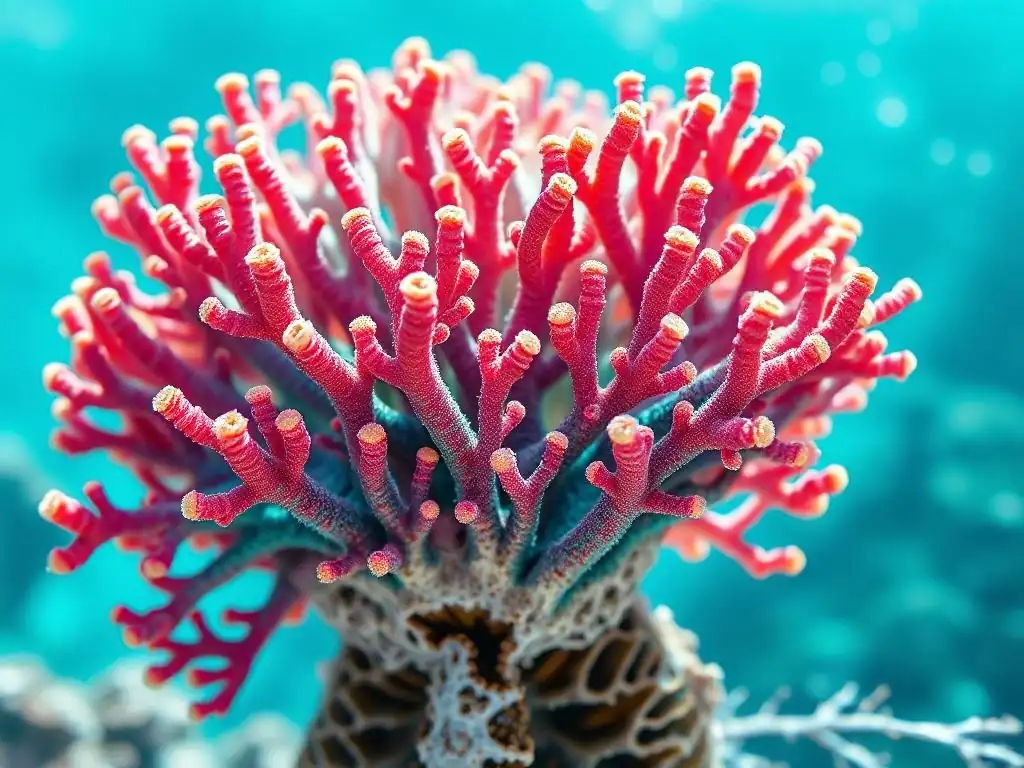
Maintaining stable and optimal water parameters is the cornerstone of successful Rainbow acan coral care. Acan Lords thrive in temperatures ranging from 75-79°F (24-26°C), with consistency being more critical than hitting an exact number. Salinity should be maintained at a specific gravity of 1.025-1.026, or approximately 35 parts per thousand (ppt). Alkalinity is vital for skeletal growth and should be kept between 8-11 dKH (degrees of carbonate hardness), with a focus on stability rather than chasing high numbers.
Fluctuations in any of these parameters can cause significant stress to Acan Lords, leading to tissue recession, reduced polyp extension, and increased susceptibility to disease. Regular testing with reliable test kits is essential to monitor these levels and make small, incremental adjustments as needed. Consistency in these core parameters ensures the coral can allocate energy towards growth and maintaining its vibrant coloration.
Water Chemistry Stability
Beyond hitting the target numbers, water chemistry stability is paramount for robust Acan coral care. Acan Lords, like most stony corals, are sensitive to sudden swings in temperature, salinity, or alkalinity. Even seemingly minor daily or weekly fluctuations can cumulatively stress the coral over time, diminishing its health and vibrancy. Implementing a consistent maintenance routine is key to achieving this stability.
Regular partial water changes, typically 10-20% monthly using high-quality saltwater mix, help replenish trace elements and dilute accumulating nitrates and phosphates. For more mature tanks with significant coral biomass, automated dosing systems or a calcium reactor may be necessary to maintain calcium, alkalinity, and magnesium at steady levels. Prioritizing stability over perfection in any single parameter is crucial for the long-term well-being of your Acanthastrea lordhowensis care efforts.
Lighting Requirements
PAR and Spectrum
Acan Lords generally prefer moderate lighting conditions. Optimal PAR (Photosynthetic Available Radiation) levels for these corals typically fall within the range of 75-150 PAR. While they can tolerate slightly lower or higher PAR, sudden changes or excessive intensity can lead to stress or bleaching. When selecting lighting, a full spectrum fixture with a strong emphasis on blue wavelengths (around 420-470 nm) is recommended. The blue spectrum not only aids in photosynthesis but also significantly enhances the fluorescent colors of "Rainbow Acans" and other morphs, making them truly pop in the aquarium.
It's important to acclimate new Acans to your lighting slowly, especially if they came from a lower-light environment. Start them in a shaded area or lower in the tank and gradually move them to their desired position over several weeks. This gradual acclimation minimizes stress and helps prevent light shock, which can manifest as tissue recession or blanching.
Preventing Bleaching
Bleaching in Acan Lords is a critical sign of stress, characterized by the coral losing its color and appearing pale or white as the symbiotic zooxanthellae algae are expelled. The most common cause of bleaching is excessive or sudden changes in light intensity. Placing an Acan directly under very strong lighting without proper acclimation, or a sudden increase in light output, can quickly overwhelm the coral's photosynthetic capacity.
Other factors contributing to bleaching include drastic swings in water parameters (temperature, salinity, alkalinity), high nutrient levels, or prolonged exposure to high temperatures. To prevent bleaching, ensure stable water parameters, introduce new lighting or corals gradually, and provide appropriate flow. If bleaching occurs, immediately assess water parameters, reduce light intensity, and ensure optimal flow and feeding to support the coral's recovery. Consistent Rainbow acan coral care practices are vital to avoid this detrimental condition.
Feeding Strategies
Target vs. Broadcast Feeding
Acan Lords are carnivorous and benefit significantly from direct feeding, which supplements the nutrients they receive from photosynthesis. Target feeding involves using a pipette or turkey baster to deliver small food particles directly onto the polyps. This method ensures that the coral receives adequate nutrition and is highly effective for promoting growth and enhancing coloration. For optimal Acan care, target feed your Acans once or twice a week, ideally when their feeding tentacles are extended, which often occurs after the main tank lights are off or dimmed.
While broadcast feeding (dispersing food into the water column) can provide some nutrition, it is less efficient for Acans as much of the food may be consumed by fish or other invertebrates before reaching the coral. However, a combination of both can be beneficial, with broadcast feeding contributing to overall water column nutrients and target feeding ensuring your Acans get their specific dietary needs met.
Recommended Foods
For feeding Acan Lords, a variety of small, meaty foods are recommended to provide a comprehensive nutritional profile. Excellent choices include frozen mysis shrimp, cyclop-eeze, finely chopped krill, and enriched brine shrimp. Specialized coral foods, such as powdered or liquid formulations designed for LPS corals, are also highly beneficial, as they often contain a blend of proteins, amino acids, and fatty acids essential for coral health and vibrant coloration.
When preparing food, ensure it is thawed thoroughly and, if necessary, rinsed to prevent nutrient spikes in the tank. Feed small amounts to avoid fouling the water. Regular, consistent feeding of appropriate foods is a crucial aspect of successful Acanthastrea lordhowensis care, directly impacting their growth rate, polyp extension, and the intensity of their stunning colors, especially for those highly prized "Rainbow Acans."
Flow Requirements
Ideal Water Movement
Proper water movement is critical for the health and longevity of Acan Lords. They require moderate, indirect flow that gently washes over their polyps. The ideal flow prevents detritus from settling on the coral tissue, which can lead to tissue necrosis, while also ensuring that food particles are brought within reach. Strong, direct flow, on the other hand, can be detrimental, causing tissue irritation, forcing polyps to retract, and potentially leading to tissue damage over time.
When placing Acans in your aquarium, consider the output of your powerheads and return pumps. Aim for turbulent, random flow patterns rather than laminar, unidirectional currents. This can be achieved through the strategic placement of multiple wavemakers or by using gyre-style pumps that create broad, gentle water movement.
Detritus Prevention
One of the primary functions of adequate water flow for Acan Lords is the prevention of detritus accumulation. Detritus, which consists of uneaten food, fish waste, and other organic debris, can settle on the fleshy polyps of Acans. If allowed to remain, this organic matter can smother the coral, leading to localized tissue recession, bacterial infections, and ultimately, the demise of the colony.
Consistent moderate flow helps keep detritus in suspension, allowing it to be filtered out by mechanical filtration or consumed by the tank's cleanup crew. Regular siphoning of the substrate around Acans and maintaining efficient protein skimming further aids in detritus removal. Ensuring good water movement is an often-underestimated but vital component of comprehensive Rainbow acan coral care.
Preventing and Treating Acan Diseases
Recognizing Health Problems
Tissue Recession and Discoloration
Recognizing early signs of health problems is paramount for effective Acan coral care. Tissue recession, where the coral tissue pulls away from its skeleton, is a common and concerning symptom. This can appear as a white ring around the base of the polyps or as the polyps shrinking and exposing more of the underlying skeleton. Discoloration, such as browning, paling, or a general dullness in vibrant hues, also indicates stress or illness.
These symptoms can be triggered by a variety of factors, including unstable water parameters, insufficient or excessive lighting, inadequate flow, nutrient deficiencies, or the presence of pests. Upon observing tissue recession or discoloration, the immediate steps involve thoroughly checking all water parameters, assessing lighting and flow, and carefully inspecting the coral for any visible pests or signs of physical damage. Prompt diagnosis and intervention significantly improve the chances of recovery.
Bacterial Infections
Bacterial infections can rapidly devastate an Acan colony if not addressed quickly. Symptoms often include the appearance of white, fuzzy, or slimy patches on the coral tissue, sometimes accompanied by rapid tissue loss (RTN - Rapid Tissue Necrosis) or slower, progressive tissue loss (STN - Slow Tissue Necrosis). These infections are often opportunistic, taking hold when a coral is already stressed due to poor water quality, physical injury, or other environmental stressors.
Treatment typically involves targeted antibiotic dips, such as those containing Furan-2 or a broad-spectrum coral dip solution like Coral RX, administered in a separate container. It is equally important to identify and rectify the underlying stressor, such as improving water quality, optimizing flow, or addressing nutrient imbalances. Quarantining new corals before introduction to the main display tank is a crucial preventative measure against introducing harmful bacteria.
Pest Control
Acan Eating Flatworms (AEFW)
Acan Eating Flatworms (AEFW), Amakusaplana acroporae (though not exclusive to Acropora), are a notorious pest that specifically target and feed on Acan corals. These flatworms are small, typically brown or reddish-brown, and blend almost perfectly with the coral tissue, making them incredibly difficult to spot. Signs of their presence include bite marks on the polyps, tissue recession, and the coral's failure to fully extend its polyps, even under optimal conditions.
Treating AEFW requires a multi-pronged approach. Regular coral dips using products like Revive or Coral RX are effective at dislodging and killing the flatworms. Manual removal with tweezers or a baster can help for visible pests. For severe infestations, some aquarists consider introducing specific predatory nudibranchs, though this method requires careful research and management. Thorough inspection and dipping of all new corals before adding them to the display tank are essential preventative steps for Rainbow acan coral care.
Nudibranchs
While AEFW are the most common flatworm pest, certain species of nudibranchs can also pose a threat to Acan Lords. These marine slugs are often camouflaged and can be difficult to detect until they have caused significant damage. They typically feed on the coral's tissue, leading to localized tissue loss and failure of polyps to inflate. The specific species of nudibranch will determine its appearance and feeding habits, but the damage pattern is often similar to other tissue-eating pests.
Treatment involves careful manual removal of any visible nudibranchs and their egg masses, which often appear as small, spiral-shaped white or clear strings on the coral or nearby rock. Regular coral dips are also effective at dislodging these pests. As with all pests, prevention is key: always quarantine new corals for several weeks, inspecting them thoroughly daily, and performing prophylactic dips to ensure no unwanted hitchhikers enter your main aquarium system.
Advanced Acan Care
Fragging Acan Lords
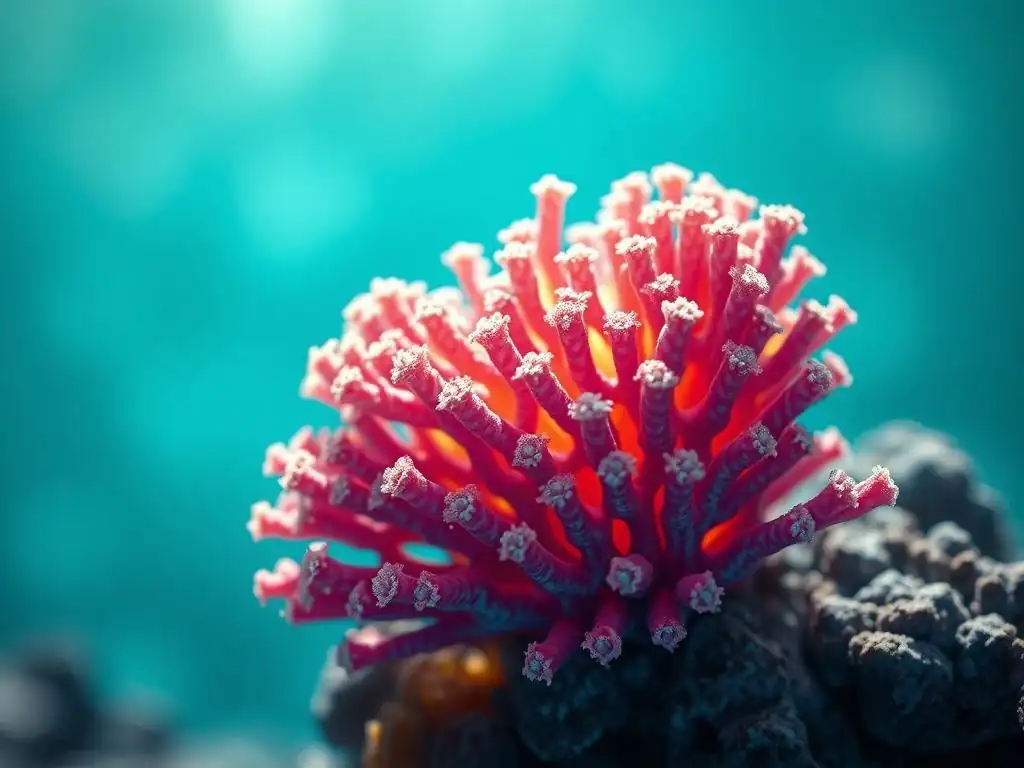
Fragging Acan Lords is a common practice among advanced aquarists for propagation, trading, or to save a larger colony from localized tissue loss. The process involves carefully cutting a portion of the coral, ideally containing at least one healthy polyp, from the main colony. Bone cutters or a Dremel tool with a diamond cutting wheel are typically used for this, ensuring a clean cut through the skeleton. It is crucial to cut between polyps if possible, or through the skeleton in a way that minimizes damage to existing polyps.
After fragging, the new fragment should be dipped in an iodine-based solution or a coral dip to prevent infection and aid in healing. The frag can then be glued to a frag plug or a small piece of rock and placed in an area of the tank with stable, optimal conditions and gentle flow to allow it to heal and encrust. Successful fragging contributes to the sustainability of Acan coral care by reducing reliance on wild-caught specimens.
Optimizing Water Chemistry
Trace Elements
Beyond the major parameters of alkalinity, calcium, and magnesium, trace elements play a vital, albeit smaller, role in the long-term health and vibrant coloration of Acan Lords. Elements such as iodine, strontium, potassium, and boron are essential for various metabolic processes, enzyme functions, and the formation of the coral's skeleton. While regular water changes with high-quality salt mix replenish some of these elements, heavily stocked reef tanks or those with rapid coral growth may benefit from targeted supplementation.
It is important to use trace element solutions specifically designed for reef aquariums and to follow dosing instructions carefully. Over-dosing can be detrimental. Monitoring these elements through advanced ICP-OES (Inductively Coupled Plasma - Optical Emission Spectrometry) testing can provide precise insights into their levels and guide accurate supplementation for optimal Rainbow acan coral care.
Magnesium and Calcium
Calcium and magnesium are two of the most critical elements for the skeletal growth and overall health of stony corals like Acan Lords. Calcium is the primary building block for the coral's calcium carbonate skeleton, and levels should be maintained between 400-450 ppm. Magnesium, typically maintained between 1250-1350 ppm, plays a crucial role in preventing calcium precipitation and helps maintain the stability of alkalinity levels, allowing calcium to remain available for uptake by the coral.
Regular testing of these parameters is essential. For tanks with significant coral growth, manual two-part dosing solutions, automated dosing pumps, or a calcium reactor can be employed to consistently replenish these elements. Maintaining stable and appropriate levels of calcium and magnesium is fundamental for robust skeletal development and ensuring the polyps of your Acans remain plump and healthy.
Supplementation
In addition to maintaining core water parameters and trace elements, targeted supplementation can further enhance the health, growth, and coloration of Acan Lords. Amino acid supplements are highly beneficial, as they provide the building blocks for proteins, which are crucial for tissue repair, growth, and the production of vibrant pigments. Many aquarists observe enhanced polyp extension and more intense colors when amino acids are dosed regularly.
Liquid coral foods, often containing a blend of proteins, carbohydrates, vitamins, and fatty acids, can also provide a comprehensive nutritional boost, particularly for corals that may not be target-fed frequently. Vitamin supplements, such as Vitamin C, can support overall coral immune function. When implementing any form of supplementation for Acan care, always start with a lower dose than recommended and observe the coral's response, adjusting as necessary to avoid nutrient imbalances.
Exploring Popular Acan Morphs
Gold
Gold Acan morphs are highly prized for their dazzling, often iridescent, golden or yellow coloration. These morphs can range from a uniform golden hue across the entire polyp to variations where the gold is concentrated in the mouth or skirt, contrasting with other colors like green or blue. Examples include the "Gold Rush Acan" or the "Golden Eye Acan," where the central mouth area glows with intense yellow.
The appeal of gold Acans lies in their ability to stand out and reflect light brilliantly in a reef aquarium, particularly under actinic lighting. Their vibrant yellow and gold pigments provide a striking contrast to the more common blues and greens found in many coral collections, making them a highly desirable addition for aquarists aiming for a diverse and visually captivating display.
Red
Red Acan morphs are among the most popular and classic variations, known for their deep, rich, and often fiery red coloration. These can range from a uniform deep crimson across the polyps to intricate patterns where red blends with orange, pink, or even blue. "Blood Red Acans" and "Fire Acans" are common names for these intensely colored specimens, which can truly dominate a section of the reef with their vibrant presence.
The intensity and saturation of the red pigments are key factors in their desirability. A well-cared-for red Acan can exhibit a stunning depth of color, providing a dramatic focal point in any reef tank. Their popularity underscores the enduring appeal of strong, foundational colors in the intricate tapestry of a coral collection, making them a staple in Acan coral care.
Green
Green Acan morphs are widely available and highly sought after for their vibrant, often fluorescent, green hues. These can range from bright lime greens to deep emeralds, frequently exhibiting contrasting colors in their mouths or skirts, such as red, orange, or purple. The "Hulk Acan" and "Electric Green Acan" are popular examples, known for their intense glow under actinic lighting, which highlights their natural fluorescence.
Green Acans are particularly effective at adding a lively, glowing dimension to a reef aquarium, especially when paired with other contrasting colors. Their common availability combined with their undeniable beauty makes them an excellent choice for both beginner and experienced aquarists looking to add a pop of vibrant color. The combination of red, green, and gold often forms the basis for the highly prized "Rainbow Acans."
Sourcing Acans
Reputable Vendors
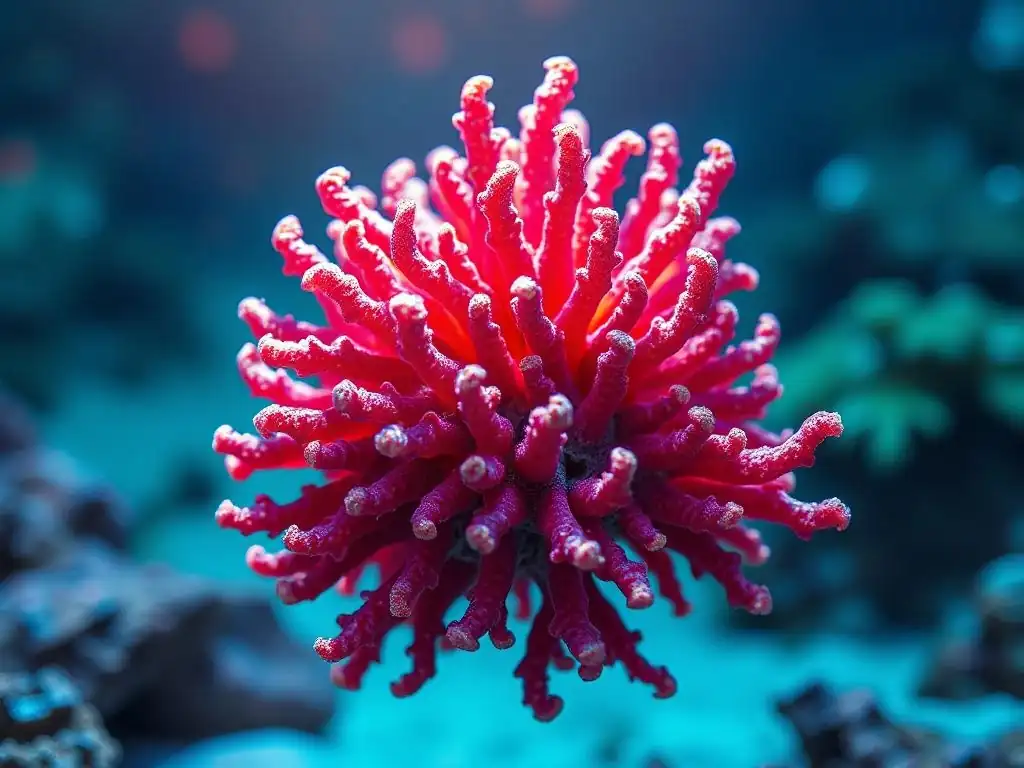
Sourcing Acan Lords from reputable vendors is a critical step in ensuring the health and long-term success of your Rainbow acan coral care. A reputable vendor will provide clear, accurate photos of the exact coral you are purchasing, often with various lighting conditions. They will also be transparent about the coral's origin (aquacultured vs. wild-caught), its health history, and their own quarantine procedures. Look for vendors with strong community reviews, excellent customer service, and a visible commitment to coral health and ethical practices.
Purchasing from a reliable source minimizes the risk of introducing pests or diseases into your main display tank. It also ensures that you receive a healthy, properly acclimated coral that has been handled with care. A good vendor will also be knowledgeable about Acanthastrea lordhowensis care and can provide valuable advice if you encounter issues.
Quarantine Procedures
Implementing a robust quarantine procedure for all new corals, including Acan Lords, is arguably the most crucial preventative measure in reef keeping. A dedicated quarantine tank (QT) allows you to observe new arrivals for 2-4 weeks in isolation before introducing them to your main display. During this period, you can monitor for signs of pests (like AEFW or nudibranchs), diseases (such as bacterial infections), and ensure the coral is acclimating well to your water parameters.
During quarantine, perform prophylactic coral dips using products like Revive or Coral RX, following manufacturer instructions carefully. These dips help dislodge and kill many common pests. By isolating new corals, you prevent the potential spread of pathogens and unwanted organisms to your established and thriving reef, thereby protecting your entire investment in Acan care.
Pre-Purchase Inspection
Before finalizing a purchase, whether online or in-person, a thorough pre-purchase inspection of the Acan Lord is highly recommended. For in-person purchases, carefully examine the coral for any signs of tissue recession, exposed skeleton, or discolored patches. Ensure the polyps appear plump and healthy, with good extension if the coral has been given time to acclimate to the store's conditions. Look closely for any visible pests, such as flatworms or nudibranchs, or their egg masses on the coral or frag plug.
For online purchases, scrutinize all available photos and videos. Don't hesitate to ask the vendor for more detailed images or specific information about the coral's health status, feeding response, and the water parameters it was kept in. A healthy start is paramount for the long-term success of your Acan coral care, and a careful inspection can prevent significant headaches down the line.
Conclusion: Thriving Reefs with Acan Lords
Long-Term Rewards
Successfully maintaining Acan Lords in your reef aquarium offers immense long-term rewards. These captivating LPS corals, with their extraordinary range of "Rainbow Acan" morphs and vibrant patterns, become living jewels that continually enhance the beauty and dynamism of your aquatic display. Witnessing their growth, the intensification of their colors under optimal Acan coral care, and their full polyp extension provides immense satisfaction to any dedicated aquarist.
Beyond their aesthetic appeal, thriving Acans contribute to a stable and diverse reef ecosystem within your tank. Their relatively hardy nature, combined with consistent care, makes them a reliable and enduring component of a mixed reef, rewarding the aquarist with years of enjoyment and a constantly evolving underwater landscape.
Reef Aquarium Sustainability
The responsible husbandry of Acan Lords also plays a vital role in the broader context of reef aquarium sustainability. By providing optimal Acanthastrea lordhowensis care and ensuring their long-term health, aquarists contribute to the demand for aquacultured corals, thereby reducing pressure on wild coral populations. The practice of fragging, which allows hobbyists to propagate their own corals, further supports this sustainable approach.
As the hobby continues to grow, prioritizing ethical sourcing, implementing robust quarantine protocols, and sharing knowledge about best practices for Acan care are crucial. By fostering thriving reef environments in our homes, we not only enjoy the beauty of these incredible organisms but also become active participants in the conservation and perpetuation of coral species for future generations.
Frequently Asked Questions
What are Rainbow Acan corals, and why are they so popular?
Rainbow Acan corals are a type of LPS (Large Polyp Stony) coral known for their vibrant and diverse color patterns. Their popularity stems from their striking appearance and relative ease of care compared to some other coral species.
What are the key water parameters to maintain for optimal Rainbow Acan coral care?
Maintaining stable water parameters is crucial. Key parameters include a temperature of 72-78°F, a salinity of 1.024-1.026, and stable levels of alkalinity, calcium, and magnesium. Regular testing and adjustments are essential.
How much light do Rainbow Acan corals need, and what type of lighting is recommended?
Rainbow Acan corals generally prefer moderate lighting. LED fixtures are a popular choice, allowing for customizable intensity and spectrum to meet the coral's needs without causing bleaching.
What should I feed Rainbow Acan corals, and how often should I feed them?
They benefit from regular feeding of small, meaty foods, such as mysis shrimp or coral-specific foods. Feeding once or twice a week can promote healthy growth and vibrant coloration.
What are some common problems encountered when caring for Rainbow Acan corals, and how can I prevent them?
Common issues include coral bleaching due to improper lighting or water parameters, and pests like coral eating nudibranchs. Maintaining stable tank conditions and quarantining new additions can help prevent these problems.
Final Reflection: The Enduring Allure of Rainbow Acans
The vibrant world of reef keeping, as we've explored, is constantly evolving, but the iridescent beauty of Rainbow Acan corals remains a captivating and highly sought-after prize. The information we've shared, from optimal care practices to identifying the most desirable morphs, underscores the dedication and passion that fuels this intricate hobby, highlighting the enduring appeal of these living jewels in a world increasingly drawn to the digital realm.
The quest for the perfect Rainbow Acan is more than just a pursuit of aesthetics; it's a testament to our connection with the natural world and our desire to cultivate beauty and complexity within our own homes. This journey, filled with learning and careful observation, mirrors our own personal growth, reminding us that patience and dedication yield the most rewarding results. The sea, once it casts its spell, holds one in its net of wonder forever.
- Jacques Cousteau. This quote perfectly encapsulates the addictive nature of reef keeping and the profound impact these creatures have on our lives.
Now, as you embark on your own journey into the mesmerizing world of Rainbow Acans, remember that the true reward lies not just in acquiring the rarest morph, but in the knowledge gained and the connection forged with these incredible organisms. Let the principles of responsible reef keeping, coupled with a genuine appreciation for the delicate balance of the marine ecosystem, guide your choices. Cultivate not just corals, but a deeper understanding and respect for the ocean's wonders. Your dedication to responsible care will ensure the continued vibrancy of these living rainbows for generations to come.
Unleash Your Inner Reef Aquarist!
Thanks for diving into the world of vibrant Acan corals with us! We hope you found some inspiration to elevate your reef tank to a masterpiece. Now it's time to put that knowledge into action!
Here are a few things you can do next:
- Identify and document your current Acan collection. This will help you track their growth and color morphs over time!
- Explore reputable local reefing groups to discover potential trades or frag swaps – you might just find that dream Acan!
- Share your most stunning Acan photos on social media using #AquariumMastery – let's inspire other reef keepers together!
What's the one Acan morph you're absolutely determined to add to your collection next, and why?