
Setting Up a Dedicated Line Breeding System for Swordtails & Variatus

Welcome to Aquarium Mastery!
Ever wondered how to unlock the full potential of your Swordtail and Variatus genetics? This isn't just about breeding; it's about mastering the art of line breeding to achieve breathtaking colors and robust health. Dive into our comprehensive guide, "Setting Up a Dedicated Line Breeding System for Swordtails & Variatus," and discover the secrets to creating truly exceptional fish. Ready to elevate your breeding game? Let's begin!
- Understanding Line Breeding for Swordtails and Variatus: An Introduction
- Preparing for Line Breeding: Tank Setup and Equipment
- Selecting Your Foundation Stock: Choosing the Right Swordtails and Variatus
- Establishing Your Breeding Lines: The Breeding Process
- Raising the Fry: From Birth to Maturity
- Maintaining Genetic Diversity and Preventing Inbreeding Depression
- Line Breeding for Specific Traits: Color, Fin Shape, and Pattern
- Common Issues and Troubleshooting in Line Breeding Swordtails & Variatus
- Documenting Your Progress: The Importance of Record Keeping
- Advanced Line Breeding Techniques: Pedigree Analysis and Genetic Tracking
-
Frequently Asked Questions
- How does line breeding differ from random breeding in Swordtails and Variatus?
- What are the primary benefits of line breeding Swordtails & Variatus?
- What are the potential risks associated with line breeding Swordtails and Variatus?
- How do I choose the best Swordtails and Variatus for my line breeding project?
- How often should I introduce new bloodlines into my line breeding program for Swordtails & Variatus?
- Final Reflection: Cultivating Genetic Potential
- Embark on Your Line Breeding Adventure!
Understanding Line Breeding for Swordtails and Variatus: An Introduction
What is Line Breeding and Why Use It?
Line breeding is a systematic approach to selective breeding that aims to concentrate desirable traits within a specific lineage of fish over successive generations. Unlike random breeding, which can lead to unpredictable outcomes, line breeding involves carefully selecting individuals that exhibit the desired characteristics – such as vibrant coloration, unique finnage, or specific body patterns – and breeding them together.
The primary goal is to enhance and stabilize these traits, ensuring they are consistently passed down to offspring. This method is particularly popular among aquarists who wish to develop distinct strains of livebearers like swordtails and variatus, creating uniformity and predictability in their offspring.
The motivation behind employing line breeding techniques for species like swordtails and variatus extends beyond mere aesthetics. It allows breeders to improve overall stock health, vigor, and disease resistance by selecting robust individuals. For example, a breeder might focus on developing a strain of red swordtails with exceptionally long, flowing fins, or a variatus strain with intense blue coloration and a compact body shape. By meticulously tracking parentage and offspring traits, breeders can identify the most influential individuals in their lines and make informed decisions about future pairings, progressively refining their fish populations towards a specific ideal.
Benefits of Line Breeding Swordtails & Variatus
One of the significant advantages of line breeding swordtails and variatus is the ability to achieve genetic stability for specific traits. Through generations of selective pairing, characteristics that were once sporadic can become fixed, meaning a high percentage of offspring will consistently display them. This precision allows breeders to create truly unique and recognizable strains, such as a "Pineapple Swordtail" with its distinctive yellow body and red fins, or a "Sunset Variatus" known for its gradient orange and red hues. This consistency is highly valued in the aquarium hobby, both for personal satisfaction and for potential commercial ventures.
Furthermore, line breeding swordtails variatus allows for the systematic improvement of stock quality beyond just visual appeal. Breeders can select for traits like prolificacy, strong immune systems, and resilience to common aquarium conditions. For instance, by consistently breeding swordtails that produce large, healthy broods, a breeder can establish a highly productive line. Similarly, by culling fish prone to common livebearer ailments like fin rot or columnaris, the overall genetic health of the line improves, leading to a more robust and easier-to-maintain population. This iterative process of selection and refinement ultimately yields superior fish that are both beautiful and hardy.
Challenges and Considerations in Line Breeding Livebearers
Despite its benefits, line breeding swordtails and variatus presents several challenges that require careful management. A primary concern is the potential for inbreeding depression, which occurs when closely related individuals are repeatedly bred, leading to a reduction in genetic diversity. This can manifest as decreased fertility, smaller broods, higher rates of deformities, weakened immune systems, and a general decline in vigor.
For example, a line of swordtails bred too closely for many generations might start exhibiting stunted growth or an increased susceptibility to common parasitic infections. Recognizing and mitigating these signs is crucial for the long-term health of the breeding program.
Another consideration is the significant time and space commitment required. Establishing a successful line breeding program for swordtails or variatus often necessitates multiple tanks to house different lines, separate fry, and grow out juveniles. This can easily escalate into a substantial aquarium setup, demanding considerable dedication in terms of daily care, water changes, and meticulous record-keeping.
Moreover, the process is not always straightforward; unexpected genetic mutations or the re-emergence of undesirable recessive traits can occur, requiring breeders to adapt their strategies and sometimes restart lines. Patience and perseverance are key to overcoming these hurdles and achieving the desired breeding goals.
Preparing for Line Breeding: Tank Setup and Equipment
Dedicated Breeding Tanks for Swordtails and Variatus
To successfully implement a line breeding system for swordtails variatus, dedicated breeding tanks are indispensable. These tanks provide controlled environments crucial for monitoring breeding activity, protecting fry, and managing specific genetic lines. For swordtails, a minimum 10-gallon (approximately 38-liter) tank can serve as a breeding setup for a single pair or trio, though a 20-gallon (76-liter) tank offers more stability and space, especially for larger swordtail varieties.
Variatus, being slightly smaller, can also thrive in 10-gallon tanks, but a 15-gallon (57-liter) tank provides ample room for a trio and subsequent fry. It's advisable to have multiple tanks – at least three to five – to manage different breeding pairs, a grow-out tank for juveniles, and a separate tank for holding potential future breeders or culls.
The design of these breeding tanks should prioritize functionality and ease of maintenance. Simple setups with minimal decor are preferred to facilitate observation and cleaning. A bare bottom tank or one with a thin layer of sand is often chosen to make it easier to spot and remove waste, thereby maintaining pristine water quality.
Live plants, such as Java moss or water sprite, can be added to provide hiding places for newborn fry, though they should be easily removable for cleaning. The overall goal is to create a stress-free environment where the fish can breed naturally, and the breeder can easily monitor their progress and separate offspring as needed.
Essential Equipment for a Successful Line Breeding Program
Spawning Tanks and Fry Protection
For line breeding swordtails variatus, effective spawning tanks and fry protection are paramount. While some breeders opt for a simple setup where adults and fry coexist, a more controlled approach often involves using breeding boxes or separate "fry traps" within the main breeding tank, or even transferring gravid females to dedicated smaller birthing tanks. Breeding boxes, typically clear plastic containers with slotted bottoms, allow newborn fry to fall through to a safer compartment below, away from hungry adults.
However, these can be stressful for the female if left in too long. A better alternative for dedicated breeders might be a 5-gallon (19-liter) "birthing tank" where a gravid female can be moved a few days before she is due to drop her fry, and then returned to her main tank after birth.
Regardless of the method, the primary objective is to maximize fry survival rates. Swordtail and variatus fry are tiny and vulnerable, making them easy targets for adult fish, including their own parents. Providing dense live plants like guppy grass (Najas guadalupensis) or artificial spawning mops offers excellent natural hiding spots if fry are to remain in the main tank.
For a truly dedicated line breeding swordtails variatus system, having several small, bare-bottom tanks (e.g., 2.5 to 5 gallons) specifically for separating gravid females and raising the initial batches of fry is highly beneficial. This allows for precise monitoring of fry numbers and early separation by lineage.
Filtration and Water Quality Management
Maintaining impeccable water quality is non-negotiable for a successful line breeding program for swordtails and variatus. Sponge filters are highly recommended for breeding tanks due to their gentle flow, which prevents fry from being sucked in, and their excellent biological filtration capabilities.
For a 10-gallon breeding tank, a small air-driven sponge filter is usually sufficient, providing both mechanical and biological filtration without creating strong currents that could stress the fish or dislodge fry. For larger grow-out tanks (e.g., 20-40 gallons), multiple sponge filters or a hang-on-back (HOB) filter with a pre-filter sponge over the intake can be used, provided the flow is adjustable and not overly powerful.
Regular water changes are perhaps the most critical aspect of water quality management. For breeding tanks with adults and fry, daily or every-other-day water changes of 20-30% are often necessary, especially once fry begin to grow and produce more waste. For example, in a 10-gallon breeding tank, removing 2-3 gallons of water and replacing it with dechlorinated, temperature-matched fresh water can significantly reduce nitrate buildup and maintain stable parameters.
Swordtails and variatus generally thrive in a pH range of 7.0-8.0 and moderately hard water (GH 10-20 dGH). Consistent monitoring with a reliable liquid test kit for ammonia, nitrite, and nitrate levels is essential to prevent spikes that could jeopardize the health and breeding success of your valuable stock.
Heating and Lighting for Optimal Breeding Conditions
Precise control over water temperature is vital for encouraging consistent breeding in swordtails and variatus. These livebearers typically breed most readily in temperatures ranging from 74°F to 79°F (23°C to 26°C). A submersible aquarium heater with an adjustable thermostat is essential for each breeding tank to maintain a stable temperature.
It's prudent to have a reliable thermometer in each tank to cross-reference the heater's setting and ensure accuracy. Fluctuations in temperature can stress fish, reduce fertility, and even lead to premature births or stillbirths. For instance, a sudden drop below 72°F might cause a gravid female to hold her fry, leading to complications.
Lighting requirements for line breeding swordtails variatus are relatively straightforward. A standard aquarium LED light set on a timer for 10-12 hours a day is generally sufficient. While lighting doesn't directly trigger breeding in the same way temperature does, a consistent photoperiod mimics natural conditions and contributes to the overall well-being of the fish.
Overly intense or prolonged lighting can lead to algae blooms and may stress the fish. Conversely, insufficient light can negatively impact any live plants used in the tank, which in turn can affect water quality. The goal is to provide a balanced light cycle that supports both the fish's natural rhythms and any beneficial plant growth.
Selecting Your Foundation Stock: Choosing the Right Swordtails and Variatus
Identifying Desirable Traits in Swordtails and Variatus
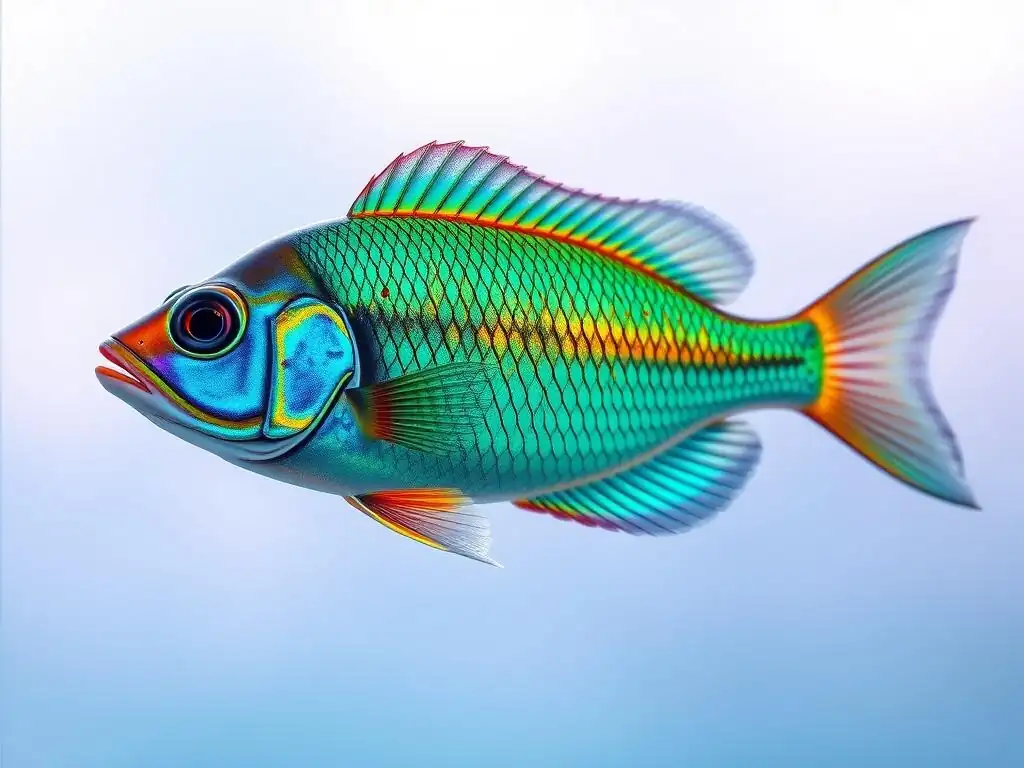
The cornerstone of a successful line breeding swordtails variatus program lies in the meticulous identification of desirable traits in your foundation stock. For swordtails, these traits often include specific color patterns (e.g., solid red, pineapple, tuxedo, koi), unique finnage (e.g., high-fin, lyretail, sword extension length and shape), and robust body conformation.
For instance, a breeder might be looking for a male Red Swordtail with an exceptionally long, straight sword and deep, uniform red coloration, paired with a female exhibiting the same intense red and a healthy, plump body. It's crucial to be precise about what you want to achieve, as vague goals lead to inconsistent results.
Variatus, while smaller, offer a similar spectrum of traits to consider. Desirable characteristics often revolve around vibrant body colors (e.g., sunset, blue, red, gold), fin coloration (especially in the dorsal and caudal fins), and overall body shape, which ideally should be compact and well-proportioned. Some breeders might focus on the "pintail" or "lyretail" fin mutations that occasionally appear.
When evaluating potential breeders, observe their behavior, vigor, and overall health; a fish that is active, responsive, and free from any signs of disease is always a better candidate, regardless of its visual appeal. Documenting these traits with detailed notes and photographs for each individual fish is highly recommended.
Sourcing High-Quality Breeding Stock
Sourcing high-quality breeding stock is a critical step that directly impacts the success and speed of your line breeding swordtails variatus project. Avoid purchasing fish from general pet store tanks where their lineage, age, and health history are often unknown, and cross-breeding with other livebearers might have occurred.
Instead, seek out reputable dedicated livebearer breeders, local aquarium clubs, or specialized online forums where breeders share and sell their specific strains. For example, you might find a breeder specializing in a "Kohaku Swordtail" strain with a known pedigree, offering a much more reliable starting point than a random "red swordtail" from a retail tank.
When selecting stock, prioritize health and vigor above all else. Observe the fish carefully for any signs of disease, parasites, or stress, such as clamped fins, labored breathing, or abnormal swimming. Even if a fish displays perfect color, a compromised immune system will hinder your breeding efforts.
It's often beneficial to acquire multiple individuals (e.g., 2-3 males and 4-6 females) from different sources or lines if possible, especially if you plan to introduce genetic diversity later. This initial investment in quality stock will save significant time and effort in the long run, as it provides a strong genetic foundation for your desired swordtail and variatus lines.
Quarantine and Acclimation of New Fish
The importance of a strict quarantine protocol cannot be overstated when introducing new fish into your line breeding swordtails variatus system. New fish, even from reputable sources, can carry diseases, parasites, or bacteria that could devastate your established lines. A separate quarantine tank, ideally 10-20 gallons, should be set up with its own heater, filter (sponge filter is ideal), and basic decor.
All new swordtails or variatus should spend a minimum of 2-4 weeks in this tank, during which they are observed closely for any signs of illness. During this period, it's common practice to perform daily water changes (25-50%) and potentially administer a broad-spectrum anti-parasitic or anti-bacterial treatment as a preventative measure, even if no symptoms are observed.
Acclimation is the process of gradually introducing new fish to their new environment's water parameters, minimizing stress and shock. The drip acclimation method is highly recommended for sensitive fish or when water parameters differ significantly.
This involves slowly dripping water from the quarantine tank (or their eventual main tank) into the bag or container holding the new fish over a period of 1-2 hours, allowing them to adjust to changes in pH, temperature, and hardness. Once acclimated and the quarantine period is complete, the new swordtails or variatus can be safely introduced to their designated breeding tanks, ready to become part of your selective breeding program.
Establishing Your Breeding Lines: The Breeding Process
Setting Up Breeding Pairs or Trios
Establishing precise breeding pairs or trios is fundamental to a successful line breeding swordtails variatus program. Unlike community breeding, where fish breed indiscriminately, line breeding requires careful selection of specific individuals. For swordtails and variatus, a common approach is to set up a "trio" – one male and two females – in a dedicated 10 to 20-gallon breeding tank.
This ratio helps distribute the male's attention, reducing stress on any single female and often leading to higher fry yields. For example, if aiming for a "High-Fin Red Swordtail" line, you would select the male with the best high-fin trait and most intense red coloration, and two females displaying strong red coloration and robust health.
Alternatively, some breeders prefer a "pair" setup (one male, one female) in smaller tanks (e.g., 5-10 gallons) for extremely precise control over genetics, especially when working with rare or delicate lines. This method allows for clearer identification of which female produced which fry.
Regardless of whether you choose pairs or trios, ensure the selected fish are healthy, mature (typically 3-6 months old for swordtails and variatus), and exhibit the desired traits you wish to propagate. Providing ample live plants or spawning mops in the breeding tank will give the females places to retreat from the male's constant pursuit and offer initial hiding spots for fry.
Monitoring Breeding Activity and Fry Production
Consistent monitoring of breeding activity and fry production is essential for effective line breeding swordtails variatus. Livebearers like swordtails and variatus have a gestation period of approximately 28 to 35 days, meaning females can drop fry roughly once a month. Gravid females will develop a noticeable "gravid spot" – a dark spot near their anal fin – which becomes more pronounced as the pregnancy progresses. Their abdomen will also swell significantly, becoming boxy in shape just before giving birth. Regularly observing your breeding tanks, ideally daily, allows you to identify gravid females nearing their delivery date.
Once fry are born, meticulous counting and immediate separation from adults are crucial for maximizing survival and maintaining accurate lineage records. A typical swordtail or variatus female can produce anywhere from 20 to 100+ fry per brood, depending on her age, size, and health. For instance, a mature 3-inch female swordtail might produce 50-70 fry, while a younger 2-inch variatus female might yield 20-30.
Carefully net the fry and transfer them to a separate, dedicated fry grow-out tank. This step ensures they are not eaten by adults and allows you to track the exact number of offspring from each specific pairing, which is vital for your pedigree records.
Maintaining Detailed Breeding Records: Pedigree Tracking
The backbone of any successful line breeding swordtails variatus program is comprehensive and meticulous record-keeping. Pedigree tracking allows you to trace the lineage of each fish, understand the inheritance patterns of specific traits, and make informed decisions about future pairings. Each breeding tank or pair should have its own dedicated record sheet or digital entry. Key information to record includes:
- Parent IDs: Unique identifiers for the male and female (e.g., "M-Red101," "F-HighFin003").
- Pairing Date: When the male and female were introduced.
- Drop Date: The exact date fry were born.
- Fry Count: The number of live fry produced in that brood.
- Observed Traits: Initial observations of fry color, finnage, or any abnormalities.
- Notes: Any unusual behavior, health issues, or specific observations about the parents or fry.
Example record entry:
Pair ID: RedLine_A_2023
Male ID: SWM-001 (High-Fin Red)
Female ID: SWF-003 (Red, good body)
Pairing Date: 2023-10-15
Drop Date: 2023-11-12
Fry Count: 68
Initial Fry Traits: Predominantly red, few paler, good vigor.
Notes: Female seemed stressed first week, then settled. Male very active.
This level of detail enables you to analyze genetic trends over generations. For example, if a specific male consistently produces offspring with vibrant colors, you'll know to use him more extensively. Conversely, if a pair consistently yields fry with deformities, you'll know to discontinue that pairing. Consistent record-keeping provides invaluable data for refining your selective breeding strategies for swordtails and variatus.
Raising the Fry: From Birth to Maturity
Providing Optimal Fry Care: Feeding and Water Changes
Optimal fry care is paramount for the successful development of your line breeding swordtails variatus and ensuring a high survival rate. Newborn swordtail and variatus fry are tiny but immediately free-swimming and capable of consuming small foods. Their rapid growth requires frequent, small feedings throughout the day.
High-quality powdered fry food, crushed flake food, or specialized liquid fry food are suitable for the first few days. As they grow, within a week or two, they can transition to finely crushed flake food, baby brine shrimp (Artemia nauplii), or micro worms. Feeding baby brine shrimp 2-3 times a day is highly recommended as it provides excellent nutrition, promoting fast growth and vibrant coloration.
Alongside feeding, diligent water changes are absolutely critical. Fry tanks can quickly become fouled due to frequent feedings and the high metabolic rate of rapidly growing fish. Daily 20-30% water changes are often necessary, using a small airline tubing to gently siphon out debris from the bottom without disturbing the fry. For example, in a 5-gallon fry tank, a daily 1-1.5 gallon water change significantly helps maintain pristine water quality, which is vital for preventing disease and supporting healthy growth. Always ensure the replacement water is dechlorinated and temperature-matched to avoid shocking the delicate fry.
Separating Fry by Lineage
As your swordtail and variatus fry grow, separating them by lineage is a crucial step in maintaining the integrity of your line breeding swordtails variatus program. Once the fry are large enough to be easily handled – typically around 2-3 weeks old, or when they reach about half an inch in length – they should be moved from the initial fry tank into larger grow-out tanks designated for specific lines.
For instance, all fry from "RedLine_A_2023" should go into a tank labeled "Grow-out Tank A," while fry from "SunsetLine_B_2023" go into "Grow-out Tank B." This prevents accidental interbreeding and ensures that your pedigree records remain accurate.
The size of the grow-out tank should be appropriate for the number of fry. A 20-gallon long tank can comfortably house 50-70 swordtail or variatus fry for their initial growth phase (up to 1-1.5 inches). Overcrowding must be avoided, as it leads to stunted growth, increased aggression, and higher disease susceptibility. If you have a particularly large brood, consider splitting them into multiple grow-out tanks. As the fry mature further (around 1-2 months old), it will become easier to identify males and females, and also to spot the emerging desired traits, which leads to the next critical step: culling.
Culling Undesirable Traits in Juvenile Fish
Culling, the process of removing individuals that do not meet your breeding goals, is an indispensable and often challenging aspect of line breeding swordtails variatus. It is not about cruelty but about maintaining the integrity and progress of your selective breeding program. This process typically begins when the juvenile fish are around 1-2 months old, as their adult coloration and finnage begin to develop. For example, if you are breeding for a solid red swordtail, any fish showing signs of black markings, dull coloration, or malformed fins would be candidates for culling.
Undesirable traits include:
- Deformities: Bent spines, missing fins, gill plate deformities, or other anatomical abnormalities.
- Poor Coloration: Dull, patchy, or incorrect color patterns for your target strain.
- Incorrect Finnage: Short fins when breeding for long fins, or irregular fin shapes.
- Stunted Growth: Significantly smaller than siblings of the same age.
- Lack of Vigor: Lethargic behavior, constant hiding, or signs of chronic illness.
Culling helps concentrate the desired genes, prevents the propagation of genetic defects, and reduces the number of fish in your tanks, allowing the remaining quality fish to thrive. Culled fish can be humanely euthanized (e.g., using clove oil), used as feeder fish (if appropriate and healthy), or given away as "pet quality" fish (clearly stating they are not for breeding). While difficult, consistent culling is what truly drives the improvement and stability of your swordtail and variatus lines over generations.
Maintaining Genetic Diversity and Preventing Inbreeding Depression
Introducing New Genetic Material: Outcrossing Strategies
To combat inbreeding depression and inject new vigor into your line breeding swordtails variatus program, strategic outcrossing is essential. Outcrossing involves introducing an unrelated individual (or a fish from a very distant line) into your established line.
The goal is to bring in fresh genes that can restore vitality, improve fertility, and potentially introduce new desirable traits without completely diluting your carefully cultivated characteristics. For instance, if your "Red High-Fin Swordtail" line is showing signs of reduced brood size and stunted growth, you might acquire a healthy, unrelated "Red Swordtail" (not necessarily high-fin) known for its robust health and prolificacy.
When performing an outcross, it's often best to introduce a male from the new line to a female from your existing line, or vice versa. The offspring (F1 generation) will be a mix of both genetic backgrounds. These F1 individuals are then carefully selected for the desired traits and bred back to the original line (backcrossing) or to each other.
This process requires careful observation and culling, as the F1 generation may not perfectly display your target traits. The key is to use the outcross sparingly and strategically, only when needed, to avoid undoing years of selective breeding for your specific swordtail or variatus strain.
Recognizing and Addressing Signs of Inbreeding
Recognizing the signs of inbreeding depression early is crucial for the long-term viability of your line breeding swordtails variatus program. Continuous breeding of closely related individuals, while concentrating desired traits, inevitably reduces genetic diversity. Common indicators of inbreeding depression include:
- Reduced Fertility: Smaller brood sizes, fewer successful pregnancies, or infertile males/females.
- Decreased Vigor: Fish appear less active, more lethargic, or generally weaker than previous generations.
- Stunted Growth: Fish do not reach their expected adult size, even with optimal care.
- Increased Susceptibility to Disease: More frequent or severe outbreaks of common ailments like fin rot, ich, or bacterial infections.
- Physical Deformities: Higher incidence of bent spines, gill deformities, missing fins, or other congenital defects.
- Loss of Color Intensity: Colors may appear duller or less vibrant than in earlier generations.
If these signs become prevalent, it's a clear indication that new genetic material is needed through an outcross. Ignoring these warnings can lead to the collapse of your entire breeding line. A proactive approach involves planning outcrosses every few generations (e.g., every 3-5 generations) even before severe signs of inbreeding depression appear, as a preventative measure to maintain genetic health and vitality in your swordtail and variatus populations.
Selective Breeding Techniques for Long-Term Success
Long-term success in line breeding swordtails variatus relies on consistent application of selective breeding techniques. Beyond just culling undesirable traits, this involves actively choosing the "best of the best" from each generation to become the parents of the next.
This "best of the best" refers to individuals that not only display the desired aesthetic traits but also exhibit robust health, strong growth rates, and good temperament. For example, from a brood of 50 swordtail fry, only the top 5-10 individuals that most perfectly match your breeding goals might be selected for future breeding, with the rest being culled or moved to pet-quality tanks.
Another technique is "backcrossing," where a desirable offspring (often an F1 from an outcross) is bred back to one of its parents or a close relative from the original line. This helps to re-establish the desired traits from the original line while retaining some of the genetic vigor introduced by the outcross.
Consistent and detailed record-keeping (as discussed earlier) is paramount for these advanced techniques, as it allows you to track the genetic contributions of each fish and predict potential outcomes. By diligently applying these principles over multiple generations, you can progressively refine and stabilize your swordtail and variatus lines, ensuring their beauty, health, and genetic integrity for years to come.
Line Breeding for Specific Traits: Color, Fin Shape, and Pattern
Breeding for Enhanced Coloration in Swordtails and Variatus
Line breeding swordtails variatus for enhanced coloration is a common and rewarding goal. To achieve vibrant and stable colors, consistency in selection is key. For example, if you aim for a deep "Red Velvet Swordtail," you would consistently select the males and females that exhibit the most intense and uniform red across their entire bodies, with minimal black spots or dull patches. Any offspring that show diluted color or undesirable markings would be culled. It's often beneficial to work with a single color initially to establish its purity before attempting to combine it with other traits.
Variatus offer a stunning array of color possibilities, from "Sunset Variatus" with their gradient orange-red bodies to "Blue Variatus" with iridescent blue scales. Achieving these requires careful observation under good lighting conditions. For instance, when breeding for a "Sunset Variatus," you would pick individuals where the orange transitions smoothly into red, and the colors are rich and bright. Environmental factors like diet can also influence color expression; feeding high-quality foods rich in color-enhancing pigments (e.g., astaxanthin for reds/oranges) can help maximize the genetic potential of your selectively bred swordtails and variatus.
Developing Unique Fin Shapes Through Selective Breeding
Developing unique fin shapes is another exciting aspect of line breeding swordtails variatus. The swordtail's eponymous "sword" extension, for instance, can be selectively bred for length, straightness, and even specific colors. To achieve a very long, straight sword, you would identify males with the longest and straightest swords, and females from the same line that show potential for carrying these genes. Consistently breeding these individuals and culling those with short, curved, or split swords will, over generations, lead to a strain with exaggerated sword extensions.
Other fin shapes, such as the "high-fin" (elongated dorsal fin) or "lyretail" (forked caudal fin) in both swordtails and variatus, are also amenable to selective breeding. For a "High-Fin Swordtail," you would select parents with the tallest and most erect dorsal fins, ensuring the gene for this trait is concentrated.
Similarly, for a "Lyretail Variatus," individuals with clearly defined, elongated caudal fin lobes would be prioritized. It's important to remember that fin development can be influenced by water quality and diet, so optimal care is crucial to allow the genetic potential for finnage to fully express itself in your swordtail and variatus lines.
Breeding for Desirable Pattern Traits (e.g., Cobra, Snakeskin)
Breeding for specific pattern traits adds another layer of complexity and reward to line breeding swordtails variatus. While not as common as in guppies, some swordtail and variatus strains exhibit interesting body patterns. For example, "Tuxedo Swordtails" feature a distinct black lateral marking, while "Koi Swordtails" display blotches of red, white, and black similar to Koi carp. To establish a "Tuxedo" line, you would select fish with the most defined and symmetrical black patches, ensuring the pattern is consistent and covers the desired area of the body.
The "Snakeskin" or "Cobra" patterns, characterized by intricate reticulated markings, are more prevalent in guppies but can occasionally appear as subtle variations in swordtails and variatus. If such a pattern emerges in your stock, you would isolate those individuals and selectively breed them to enhance the pattern's visibility and coverage.
This often involves careful observation under different lighting conditions to fully appreciate the pattern's nuances. Success in breeding for patterns requires a keen eye and patience, as it can take many generations to fix a complex pattern trait in your swordtail and variatus lines, but the results can be visually stunning and highly unique.
Common Issues and Troubleshooting in Line Breeding Swordtails & Variatus
Addressing Fertility Problems
Fertility problems can be a frustrating hurdle in any line breeding swordtails variatus program. If your selected pairs or trios are not producing fry regularly, or if brood sizes are consistently small, several factors could be at play. First, review environmental conditions: ensure water parameters (pH 7.0-8.0, temperature 74-79°F, GH 10-20 dGH) are stable and optimal for livebearers. Fluctuations or incorrect parameters can stress fish and inhibit breeding. Overcrowding in the breeding tank can also lead to stress and reduced fertility; consider increasing tank size or reducing the number of fish.
Diet is another critical factor. A high-quality, varied diet rich in protein is essential for reproductive health. Supplementing flakes with live or frozen foods like brine shrimp, bloodworms, or daphnia can significantly boost fertility. Sometimes, the issue might be related to the fish themselves:
- Age: Very young or very old fish might have reduced fertility. Swordtails and variatus are typically most fertile between 6 months and 2 years of age.
- Genetic Issues: Inbreeding can lead to genetic infertility. If other signs of inbreeding depression are present (e.g., deformities, susceptibility to disease), an outcross may be necessary.
- Male Dominance/Stress: If a male is overly aggressive, a female might be too stressed to breed. Providing ample hiding spots or using a trio setup (one male, two females) can help.
- Sterile Individuals: Rarely, a fish might simply be sterile. If a specific individual consistently fails to breed despite optimal conditions, consider replacing it.
Managing Disease Outbreaks in Breeding Tanks
Disease outbreaks pose a significant threat to a line breeding swordtails variatus program, potentially wiping out entire lines. Prevention is always the best strategy. Strict quarantine for all new fish (2-4 weeks minimum) is non-negotiable to prevent introducing pathogens. Maintaining pristine water quality through regular water changes (e.g., 20-30% daily for fry tanks, 25-50% weekly for adult tanks) and efficient filtration is paramount, as poor water conditions are a leading cause of stress and disease. Overfeeding should be avoided to prevent excess waste buildup.
Despite best efforts, diseases can still occur. Common ailments in swordtails and variatus include Ich (white spot disease), fin rot, fungal infections, and bacterial infections.
- Ich: Appears as small white spots. Treat by slowly raising temperature to 82-84°F (if no sensitive tank mates) and adding aquarium salt (1-2 tablespoons per 5 gallons) or an Ich-specific medication.
- Fin Rot/Fungal Infections: Often caused by poor water quality or injury. Treat with daily water changes and a broad-spectrum anti-bacterial or anti-fungal medication.
- Bacterial Infections (e.g., Columnaris): Can manifest as white patches, mouth rot, or rapid breathing. Requires prompt treatment with appropriate antibiotics.
Always diagnose accurately before treating, and remove affected fish to a separate hospital tank to avoid medicating your entire breeding setup and potentially harming beneficial bacteria in your main filters. Discard severely diseased or deformed fish humanely to prevent the spread of illness and to avoid propagating weak genetics within your swordtail and variatus lines.
Dealing with Genetic Mutations and Deformities
While the goal of line breeding swordtails variatus is to fix desirable traits, genetic mutations and deformities can occasionally appear, even in well-established lines. These are often indicators of inbreeding depression or random genetic anomalies. Common deformities include:
- Bent Spines: Fish with curved or kinked spines.
- Gill Plate Deformities: Malformed gill covers.
- Missing or Malformed Fins: Fins that are underdeveloped or absent.
- Stunted Growth: Fish that remain significantly smaller than their siblings.
- Swim Bladder Issues: Fish that struggle to maintain buoyancy.
When such individuals appear, it's crucial to remove them from the breeding population immediately. They should be humanely culled (e.g., using clove oil) to prevent them from passing on undesirable genes and to free up tank space for healthy, desirable fish. Attempting to breed fish with deformities will only perpetuate the problem and undermine your breeding goals.
If a significant percentage (e.g., consistently over 10-15%) of your broods are exhibiting deformities, it's a strong sign of severe inbreeding depression. At this point, a planned outcross with a healthy, unrelated individual is highly recommended to introduce new genetic material and improve the overall genetic health and vigor of your swordtail and variatus line. Documenting these occurrences in your breeding log is important for tracking the genetic health of your lines over time.
Documenting Your Progress: The Importance of Record Keeping
Creating a Comprehensive Breeding Log
A comprehensive breeding log is the cornerstone of any successful line breeding swordtails variatus program. It serves as your genetic roadmap, allowing you to track progress, identify trends, and make informed decisions. This log can be a physical notebook, a spreadsheet (e.g., Google Sheets, Excel), or specialized aquarium software. Essential information to include for each pair/line:
- Line ID: A unique identifier for the specific line (e.g., "Red High-Fin Line A").
- Parent IDs: Unique IDs for the male and female (e.g., M-RHF001, F-RHF002).
- Pairing Date: When the male and female were put together.
- Brood Number: A sequential number for each brood from that specific pair.
- Drop Date: The date the fry were born.
- Fry Count: The total number of live fry.
- Fry Survival Rate: Number of fry surviving to a certain age (e.g., 1 month).
- Key Traits Observed in Fry: Initial assessment of color, finnage, and any deformities.
- Cull Count/Reason: Number of fry culled and why (e.g., "5 culled - bent spine, 3 culled - dull color").
- Selected Breeders from Brood: IDs of offspring chosen for future breeding.
- Water Parameters: Periodic readings (pH, temperature, nitrates) for the breeding tank.
- Notes: Any specific observations, feeding changes, disease incidents, or breeding behaviors.
This detailed data enables you to see patterns, such as which parents produce the healthiest fry, which pairings yield the most desirable traits, and when an outcross might be needed to maintain vigor in your swordtail and variatus lines.
Using Photography to Track Trait Development
Photography is an invaluable tool for visually documenting the progress of your line breeding swordtails variatus efforts. A picture truly is worth a thousand words, especially when tracking subtle changes in color, fin shape, or pattern over generations. Regularly photographing your key breeding stock and selected offspring at different developmental stages provides a visual archive of your line's evolution.
Tips for effective photographic documentation:
- Consistent Lighting: Use consistent lighting conditions to ensure accurate color representation. A light box or a well-lit tank background can help.
- Standardized Background: A plain, consistent background (e.g., white or blue) helps the fish stand out and prevents distractions.
- Multiple Angles: Capture photos from various angles to show all relevant traits (e.g., side profile for body shape and finnage, top-down for color patterns).
- Scale Reference: If possible, include a ruler or other scale reference in some photos, especially for tracking growth rates or fin length.
- Labeling: Clearly label each photo with the fish's ID, date taken, and any relevant notes (e.g., "M-RHF001 - 6 months old - showing full fin extension").
These visual records, combined with your written breeding log, provide a powerful means to assess the success of your selective breeding decisions, allowing you to visually compare offspring to their parents and observe the gradual refinement of traits in your swordtail and variatus lines.
While line breeding swordtails variatus is often a personal endeavor, sharing your successes and learning from challenges within the aquarist community can be highly beneficial. Documenting your journey, including both triumphs and setbacks, provides valuable insights for other breeders and can help you receive feedback. Online forums, local aquarium clubs, and social media groups dedicated to livebearers are excellent platforms for this.
Sharing your successes, such as photos of a newly established, vibrant swordtail strain or a variatus line with unique patterns, can inspire others and contribute to the collective knowledge of the hobby. Conversely, openly discussing challenges – like unexpected deformities, fertility issues, or disease outbreaks – can lead to solutions. Other experienced breeders might offer advice, point to resources, or even provide new genetic material for outcrossing. This collaborative approach not only enriches your own breeding experience but also strengthens the broader community of aquarists passionate about line breeding swordtails variatus, fostering innovation and improvement in livebearer genetics.
Advanced Line Breeding Techniques: Pedigree Analysis and Genetic Tracking
Utilizing Pedigree Software for Lineage Management
For the serious line breeding swordtails variatus enthusiast, moving beyond manual logs to specialized pedigree software can significantly streamline lineage management. While a well-maintained spreadsheet can work for smaller operations, dedicated software offers advanced features for visualizing family trees, calculating inbreeding coefficients, and quickly identifying potential breeding pairs. Programs like "Aquarium Breeder" or "Fish Breeder Pro" (or even general animal pedigree software adapted for fish) allow you to input individual fish IDs, parentage, birth dates, and specific traits.
Benefits of using pedigree software include:
- Automated Pedigree Charts: Instantly generate visual family trees, making it easy to see relationships and identify potential inbreeding.
- Inbreeding Coefficient Calculation: Automatically calculate the coefficient of inbreeding (COI) for potential pairings, helping you quantify genetic relatedness and avoid excessive inbreeding. A COI above 6.25% (equivalent to breeding first cousins) is often a warning sign.
- Trait Tracking & Analysis: Easily filter and search for fish based on specific traits, helping you identify the best candidates for your next generation of swordtails and variatus breeders.
- Reporting: Generate reports on brood sizes, survival rates, and overall line health.
- Data Consistency: Reduces errors common with manual record-keeping.
While there's a learning curve, the long-term benefits of precise data management for complex line breeding swordtails variatus programs are substantial, allowing for more informed and strategic breeding decisions.
Understanding Genetic Markers and Their Role in Breeding
Understanding the concept of genetic markers, even at a basic level, can elevate your line breeding swordtails variatus efforts. In the context of hobby breeding, a "genetic marker" often refers to a visible trait (phenotype) that reliably indicates the presence of a specific gene (genotype) or a set of genes. For example, the presence of a "high-fin" dorsal fin is a clear marker for the gene responsible for that trait. By observing these markers, breeders can infer the underlying genetics of their fish.
More advanced breeders might delve into the basic principles of Mendelian inheritance, understanding dominant and recessive genes. For instance, the "red" coloration in many swordtails is often a dominant trait, meaning only one copy of the gene is needed for the fish to express red. Other traits, like specific patterns, might be recessive, requiring two copies of the gene (one from each parent) to be expressed.
While true genetic testing is rarely feasible for hobbyists, understanding how traits are passed down (e.g., if a specific male consistently produces 25% offspring with a rare recessive trait) allows you to more accurately predict outcomes and strategically plan pairings in your line breeding swordtails variatus program. This knowledge helps you make educated guesses about the genetic makeup of your fish, even without laboratory analysis.
Considerations for Implementing Selective Breeding for Disease Resistance
Beyond aesthetics, a highly advanced goal in line breeding swordtails variatus is to selectively breed for increased disease resistance. This is a long-term and challenging endeavor but can significantly improve the hardiness and longevity of your lines. The principle is simple: consistently select and breed individuals that show natural resilience to common aquarium diseases, even when exposed to minor stressors or pathogens that might sicken other fish.
Implementation involves:
- Observation: Meticulously observe your entire stock for fish that consistently remain healthy while others in the same environment (e.g., a grow-out tank) show signs of illness. These "survivors" or "naturally resistant" individuals are your potential breeders.
- Controlled Exposure (Caution!): In highly controlled, advanced scenarios, some breeders might intentionally expose a small, isolated group of fish to a mild form of a common pathogen (e.g., Ich) to identify the most resistant individuals. This is a risky strategy and should only be attempted by experienced breeders with strict biosecurity protocols and separate facilities to avoid widespread outbreaks.
- Data Tracking: Document which fish get sick, how quickly they recover, and which individuals never show symptoms. This data is crucial for identifying truly resistant lines.
- Breeding Resistant Pairs: Select the most resistant males and females from different broods and breed them together. Cull offspring that show early signs of weakness or susceptibility.
This process requires immense patience and careful management, as it can take many generations to build a truly disease-resistant strain. However, the reward is a robust and resilient line breeding swordtails variatus population that is less prone to common ailments, leading to healthier fish and a more stable breeding program.
Frequently Asked Questions
How does line breeding differ from random breeding in Swordtails and Variatus?
Line breeding focuses on selectively breeding closely related individuals to strengthen desired traits and reduce genetic diversity. Random breeding involves breeding unrelated individuals, leading to greater genetic diversity but potentially less predictable outcomes.
What are the primary benefits of line breeding Swordtails & Variatus?
Line breeding allows breeders to stabilize specific traits like color patterns, fin shapes, and body size. This results in more consistent and predictable offspring, making it easier to establish and maintain a particular line or variety.
What are the potential risks associated with line breeding Swordtails and Variatus?
The major risk is increased inbreeding depression, leading to reduced fertility, weakened immune systems, and an increased susceptibility to genetic disorders. Careful selection and culling are vital to mitigate these risks.
How do I choose the best Swordtails and Variatus for my line breeding project?
Select individuals that strongly exhibit the desired traits you want to perpetuate. Also, consider their overall health, vigor, and breeding history if available, avoiding any fish that show signs of disease or deformities.
How often should I introduce new bloodlines into my line breeding program for Swordtails & Variatus?
Introducing new bloodlines, even infrequently, can help reduce inbreeding depression and maintain genetic diversity. Consider introducing unrelated individuals every few generations (e.g., every 3-5 generations) to prevent the accumulation of harmful recessive genes.
Final Reflection: Cultivating Genetic Potential
The meticulous process of line breeding, as explored in this article, isn't just about fish; it's about understanding and shaping the very fabric of heredity. The principles outlined here, though applied to swordtails and variatus, resonate far beyond the aquarium, highlighting the power of focused effort and careful observation in any endeavor aimed at improvement and refinement.
The impact of line breeding extends beyond creating visually stunning fish. It underscores the importance of responsible breeding practices and the preservation of genetic diversity within a closed population. This dedication to controlled selection, while demanding, ultimately contributes to healthier, more resilient fish. The future belongs to those who believe in the beauty of their dreams.
- Eleanor Roosevelt. This quote resonates deeply when considering the long-term vision required for successful line breeding.
Now, consider the dedication and patience required to establish and maintain a dedicated line breeding system. How can you apply that same level of focus and commitment to your own passions and goals? Let the meticulousness required in line breeding inspire you to cultivate excellence in your own life, nurturing your own potential with the same care and precision.
Embark on Your Line Breeding Adventure!
Thank you for exploring the intricacies of line breeding with us! We hope you've gained valuable insights into creating a stable and thriving lineage for your swordtails and variatus. Now, it's time to translate that knowledge into action.
Here are a few steps you can take to start your dedicated line breeding system:
- Prioritize the selection of your foundation fish. Meticulously choose individuals that exemplify the traits you wish to enhance in your line.
- Dive deeper into understanding genetic inheritance by researching specific genes associated with desired traits in swordtails and variatus. This will help you predict outcomes and refine your breeding strategy.
- Share your experiences and challenges with other aquarists on forums or social media groups. Collaboration and shared knowledge can accelerate your learning and improve your breeding success.
What specific trait are you most excited to refine in your swordtail or variatus line, and what initial pair will you select to begin the journey?