
Exploring the Different Color Morphs of Zebra Danios: Beyond the Stripes

Welcome to Aquarium Mastery!
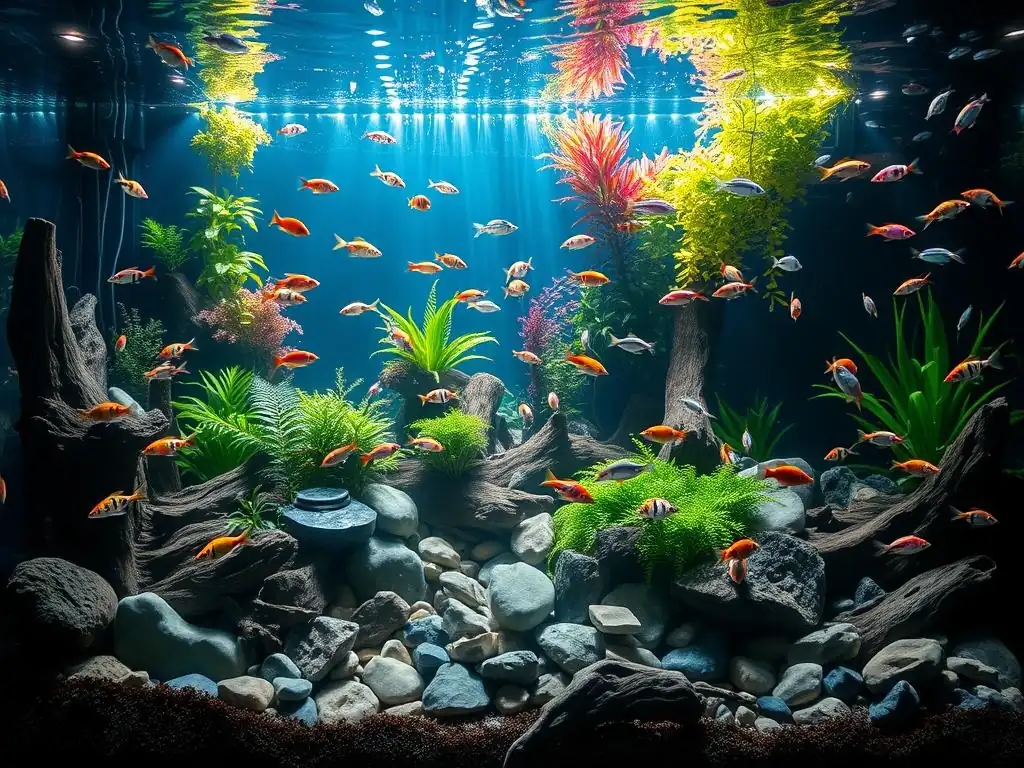
Ever wondered if there's more to the Zebra danio than just those classic stripes? Prepare to be amazed! This guide dives deep into the fascinating world of Zebra danio color morphs, uncovering a vibrant spectrum of possibilities that will transform your freshwater aquarium. Ready to discover the secrets hidden within their genes and unlock a new level of aquatic beauty? Let's explore!
- Understanding Zebra Danios: An Introduction to Danio rerio
- Zebra Danio Color Morphs: A Spectrum of Shades
- Common Zebra Danio Color Morphs Explained
- Caring for Zebra Danio Color Morphs: Tank Setup and Maintenance
- Breeding Zebra Danio Color Morphs: A Guide to Successful Spawning
- Health Considerations for Zebra Danio Color Morphs
- Enhancing Coloration in Zebra Danios: Tips and Tricks
- Choosing the Right Zebra Danio Color Morph for Your Aquarium
- Conclusion: The Enduring Appeal of Zebra Danio Color Morphs
-
Frequently Asked Questions
- How many different color morphs of Zebra Danios are commonly available?
- What causes the different color variations in Zebra Danios?
- Are there any specific care requirements for certain Zebra Danio color morphs?
- Do Zebra Danio color morphs interbreed, and what are the results?
- Where can I find reliable information about rarer Zebra Danio color morphs?
- Final Reflection: Embracing the Spectrum of Life
- Unleash the Rainbow: Dive Deeper into the Danio World!
Understanding Zebra Danios: An Introduction to Danio rerio
The Popularity of Zebra Danios in Home Aquariums
Zebra Danios ( Danio rerio) have long been a cornerstone of the freshwater aquarium hobby, cherished for their hardiness, active schooling behavior, and relatively small size. Their adaptability to a wide range of water conditions, from pH 6.0 to 8.0 and temperatures between 65-78°F (18-26°C), makes them an ideal choice for beginner aquarists. Furthermore, their peaceful temperament allows them to coexist harmoniously with many other small to medium-sized community fish, contributing to a vibrant and dynamic tank environment.
Their enduring popularity is also fueled by their role in scientific research, particularly in developmental biology and genetics. The translucent nature of their embryos allows scientists to observe organ development in real-time, leading to significant breakthroughs in understanding vertebrate biology. This scientific prominence has inadvertently enhanced their profile within the pet trade, as their robust nature and ease of care translate well from laboratory to home aquarium.
Natural Habitat and Behavior of Wild Zebra Danios
In their natural habitat, Zebra Danios originate from the Ganges and Brahmaputra river basins in India, Bangladesh, Nepal, and Bhutan. They typically inhabit slow-moving or stagnant waters such as rice paddies, ditches, and small streams, often found in areas with dense vegetation and muddy substrates. These environments are characterized by fluctuating water levels and temperatures, contributing to the species' remarkable resilience and adaptability.
Wild Zebra Danios are primarily micro-predators, feeding on small insects, larvae, and zooplankton. They exhibit strong schooling behavior, a crucial survival mechanism that offers protection from larger predators in their native waters. This innate schooling instinct translates directly to their behavior in home aquariums, where they thrive in groups of six or more, displaying their characteristic rapid swimming and social interactions. Observing a tight school of Zebra Danios darting through an aquascape is one of the most appealing aspects of keeping these fish.
Key Characteristics of Zebra Danios: Size, Temperament, and Lifespan
Zebra Danios are relatively small fish, typically reaching an adult size of about 1.5 to 2 inches (3.8 to 5 cm) in length, making them suitable for tanks as small as 10 gallons, though larger tanks are always preferred for their active schooling nature. Their slender, torpedo-shaped bodies are well-suited for fast swimming. The classic wild-type Danio rerio exhibits distinctive horizontal blue and silver stripes running along its body, hence the "zebra" moniker.
Their temperament is generally peaceful, making them excellent community fish. However, their active nature can sometimes be overwhelming for very timid or slow-moving tank mates. With proper care, including a varied diet and stable water conditions, Zebra Danios can live for 3 to 5 years, with some individuals even reaching 6 years or more. Their hardiness and longevity further contribute to their appeal as a low-maintenance yet engaging aquarium inhabitant.
Zebra Danio Color Morphs: A Spectrum of Shades
Genetic Basis of Color Morphs in Zebra Danios
The diverse array of Zebra Danio color morphs available today is largely a result of natural genetic mutations and subsequent selective breeding. The wild-type coloration is determined by the interplay of several types of chromatophores: melanophores (black), xanthophores (yellow/orange), and iridophores (reflective/iridescent). Mutations in the genes controlling the development, distribution, or function of these pigment cells can lead to dramatic changes in appearance. For instance, a mutation affecting melanophore density can result in a golden or albino variant, while changes in iridophore structure can create a metallic sheen.
Scientists have extensively studied the genetics of Danio rerio due to its role as a model organism, identifying specific genes responsible for various traits, including coloration. For example, the nacre mutation results in a reduced number of iridophores, leading to a more translucent appearance, while the leopard mutation causes a fragmentation of stripes into spots. This deep understanding of their genetic makeup has allowed breeders to predict and intentionally create specific Zebra Danio color morphs.
Selective Breeding and the Creation of New Color Strains
Selective breeding is the primary method used by aquarists and commercial breeders to enhance and stabilize desirable color morphs in Zebra Danios. This process involves carefully selecting individuals with specific color characteristics and breeding them together over multiple generations, progressively intensifying the desired traits. For instance, to produce a more vibrant golden Zebra Danio, breeders would only select the most intensely golden individuals from each spawn for the next breeding cycle.
This meticulous process has led to the development of numerous distinct Zebra Danio color morphs, far beyond the classic striped pattern. Beyond just color, breeders also select for fin length, body shape, and even behavior, though color remains the most prominent focus. The goal is often to create stable lines that consistently produce offspring with the desired aesthetic, ensuring a steady supply for the aquarium trade.
Common Zebra Danio Color Morphs Explained
Standard Zebra Danios: The Classic Striped Pattern
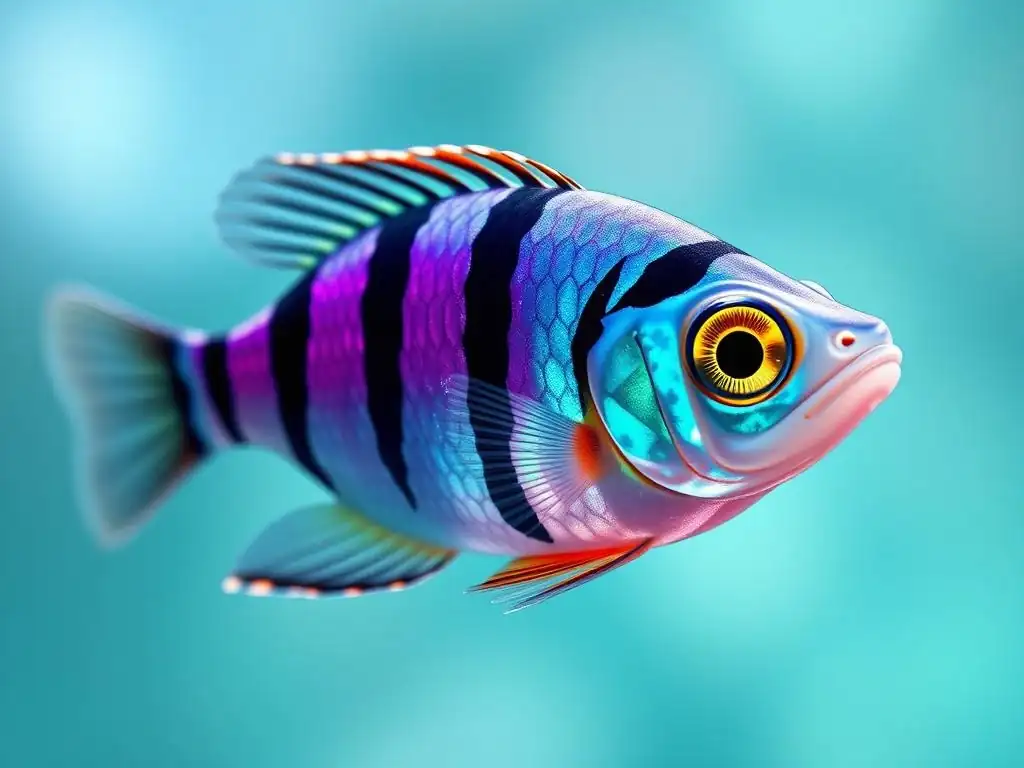
The standard Zebra Danio represents the wild-type coloration, characterized by its distinctive horizontal stripes. Typically, these consist of four to five iridescent blue or purplish-blue stripes running the length of the body, alternating with silvery-gold bands. The fins are usually clear or lightly tinted. This classic appearance is what most people associate with the species and serves as the baseline from which all other Zebra Danio color morphs have originated through genetic variation.
These standard fish are highly active and visually striking, especially when kept in a large school, where their coordinated movements highlight their striped patterns. They maintain their vibrant coloration best when provided with optimal water conditions and a balanced diet. Despite the emergence of many new morphs, the original Zebra Danio remains a popular choice for its classic beauty and historical significance in the hobby.
Leopard Danios: Spotting the Difference
Leopard Danios are a popular and easily recognizable Zebra Danio color morph, distinguished by their unique spotted pattern instead of stripes. This morph is the result of a specific genetic mutation that causes the melanophores (black pigment cells) to aggregate into irregular spots rather than forming continuous lines. The spots are typically dark on a lighter, often golden or silvery-tan background, giving them a distinct "leopard" appearance.
While they share the same hardiness and active nature as their striped counterparts, Leopard Danios offer a visually different aesthetic. They are often slightly larger than standard Zebra Danios, reaching up to 2.5 inches in some cases. Like other Zebra Danio color morphs, they thrive in groups and benefit from a well-planted tank that provides both open swimming space and areas for exploration.
Longfin Zebra Danios: Graceful Extensions
The Longfin Zebra Danio is a captivating morph primarily distinguished by its elongated, flowing fins rather than a significant change in body coloration. While they can exhibit the classic striped pattern, or even be combined with other color morphs like golden or leopard, their most prominent feature is the exaggerated length of their dorsal, anal, and caudal fins. These extended fins add a graceful, ethereal quality to their rapid movements.
This fin mutation is a result of selective breeding, with breeders favoring individuals that display increasingly longer and more elaborate finnage. While beautiful, these longer fins can sometimes make them slightly more susceptible to fin nipping from certain aggressive tank mates or fin rot if water quality is not meticulously maintained. Despite this, their elegance makes them a sought-after Zebra Danio color morph for many aquarists.
Golden Zebra Danios: Luminous Hues
Golden Zebra Danios are a striking color morph characterized by their overall lighter, more luminous body coloration compared to the standard striped variety. This morph typically exhibits a bright, almost iridescent golden or yellow-orange hue across its body, with the characteristic horizontal stripes still present but often appearing in a lighter blue or pale grey, sometimes even translucent, against the golden background. This lighter pigmentation is due to a mutation that reduces the amount of melanin, enhancing the underlying xanthophores.
This radiant Zebra Danio color morph adds a vibrant splash of color to any aquarium, particularly when illuminated by proper lighting. They share all the same care requirements and active schooling behavior as other Danio rerio varieties, making them an excellent choice for community tanks where a bright, active fish is desired. Their distinct golden shimmer makes them easily identifiable among other Danios.
GloFish Danios: Biofluorescent Wonders
GloFish Danios are perhaps the most widely recognized and commercially successful Zebra Danio color morph, known for their brilliant, unnatural-looking biofluorescent colors. These fish are genetically modified organisms (GMOs) that have been infused with genes from naturally occurring fluorescent proteins found in jellyfish or sea anemones. This genetic modification causes them to glow under specific light conditions, particularly blue or ultraviolet (blacklight) illumination.
Available in a range of vivid colors such as Starfire Red, Electric Green, Sunburst Orange, Cosmic Blue, Galactic Purple, and Moonrise Pink, GloFish Danios are patented and sold under the GloFish brand. Despite their genetic modification, they possess the same fundamental care requirements, temperament, and lifespan as their non-GM counterparts. Their unique ability to "glow" has made them incredibly popular, especially among children and those seeking a truly unique aquarium display.
Other Emerging Zebra Danio Color Morphs
Beyond the commonly recognized Zebra Danio color morphs, the world of Danio rerio is constantly evolving with new variations emerging through ongoing selective breeding efforts. These can include combinations of existing traits, such as Longfin Golden Zebra Danios or Longfin Leopard Danios, which combine the elongated fins with specific body colors or patterns. There are also efforts to produce albino forms, which lack all dark pigmentation, resulting in fish with pinkish-white bodies and red eyes.
Furthermore, subtle variations in stripe intensity, body shape, or even the development of unique patterns that don't fit neatly into existing categories are always being discovered and refined by dedicated breeders. While some of these might not achieve widespread commercial availability, they highlight the incredible genetic plasticity of the Zebra Danio and the continuous innovation within the aquarium hobby to develop new and exciting Zebra Danio color morphs.
Caring for Zebra Danio Color Morphs: Tank Setup and Maintenance
Ideal Tank Size and Water Parameters for Zebra Danios
For Zebra Danios, regardless of their color morph, a minimum tank size of 10 gallons is generally recommended for a small school of 6-8 individuals. However, given their highly active nature and schooling instincts, a 20-gallon long tank or larger is significantly better, providing ample swimming space and reducing stress. The tank should be well-cycled before introducing fish, establishing a stable nitrogen cycle.
Optimal water parameters for Zebra Danios include a temperature range of 65-78°F (18-26°C), a pH between 6.0 and 8.0, and a water hardness (GH) of 5-19 dGH. Regular water changes, typically 25% weekly, are crucial to maintain pristine water quality, which directly impacts the fish's health and the vibrancy of their Zebra Danio color morphs. A reliable filter system providing good mechanical and biological filtration is also essential.
Suitable Tank Mates for Zebra Danios
Zebra Danios are generally peaceful and make excellent community tank inhabitants, but their active and fast-swimming nature means selecting tank mates carefully. Ideal companions include other peaceful, similarly sized fish that appreciate similar water parameters and activity levels. Good choices often include other small schooling fish like Neon Tetras, Rummy Nose Tetras, Harlequin Rasboras, or other Danio species.
Bottom dwellers such as Corydoras catfish, Otocinclus catfish, and Kuhli Loaches also make suitable tank mates as they occupy a different part of the water column and are not bothered by the Danios' energetic swimming. Avoid pairing them with very slow-moving or long-finned fish like certain Betta fish varieties (unless the tank is very large and heavily planted with plenty of hiding spots) or guppies with elaborate tails, as the Danios' nippy tendencies, though usually mild, can sometimes be an issue.
Feeding Zebra Danios: Nutritional Needs and Diet
Zebra Danios are omnivores and are not particularly picky eaters, making their feeding relatively straightforward. A balanced diet is crucial for maintaining their health, energy, and the vibrancy of their Zebra Danio color morphs. High-quality flake food or small pellets specifically designed for tropical community fish should form the staple of their diet, fed once or twice daily in small amounts that can be consumed within a few minutes.
To supplement their diet and provide essential nutrients, offer a variety of live or frozen foods regularly. This can include brine shrimp, daphnia, bloodworms, and finely chopped earthworms. Vegetable matter, such as blanched spirulina flakes or algae wafers, can also be offered occasionally. A varied diet not only promotes optimal health but also enhances their natural coloration and encourages active foraging behavior.
Maintaining Water Quality for Healthy Color Expression
Consistent and high water quality is paramount for the health and vibrant coloration of all Zebra Danio color morphs. Poor water conditions, characterized by elevated ammonia, nitrite, or nitrate levels, can stress fish, suppress their immune systems, and lead to dull coloration and susceptibility to disease. Regular testing of water parameters using a reliable test kit is essential to monitor these levels and ensure they remain within safe ranges.
Performing weekly partial water changes (25-30%) helps to dilute accumulated nitrates and replenish essential minerals. Using a good quality water conditioner to neutralize chlorine and chloramines from tap water is also vital. A well-maintained filtration system, including mechanical, chemical, and biological media, further contributes to stable water parameters and a clean, healthy environment, allowing the full spectrum of Zebra Danio color morphs to truly shine.
Breeding Zebra Danio Color Morphs: A Guide to Successful Spawning
Setting Up a Breeding Tank for Zebra Danios
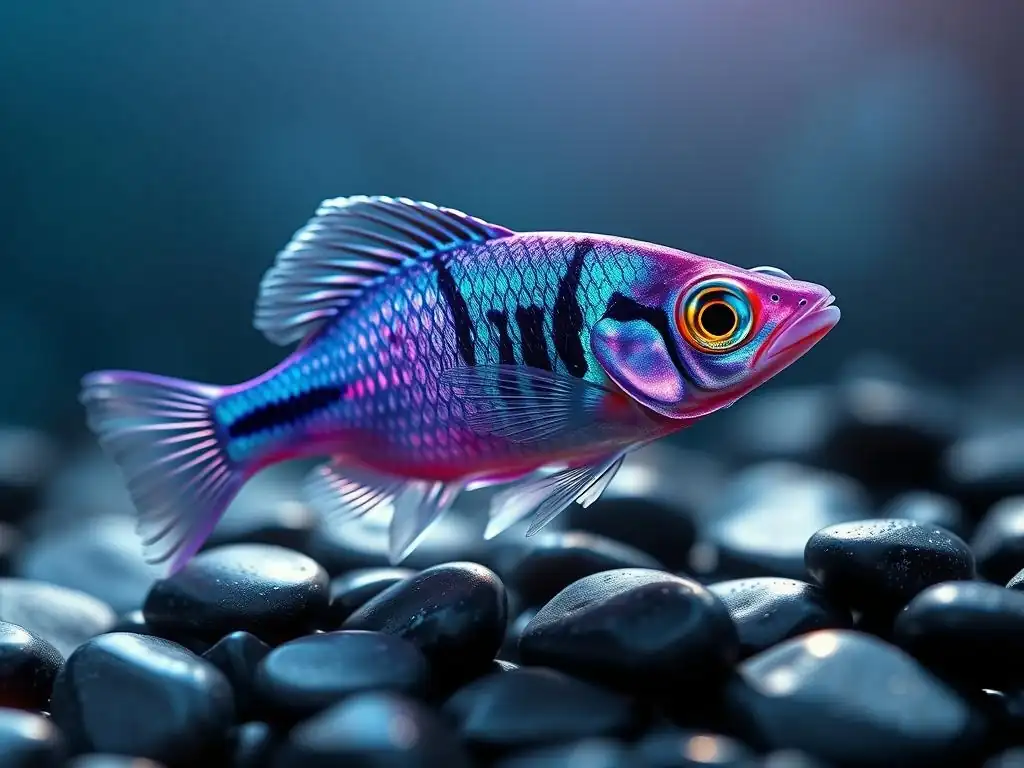
Breeding Zebra Danios, including their various color morphs, is relatively straightforward and can be a rewarding experience for aquarists. A dedicated breeding tank, typically 5-10 gallons, is recommended to maximize the survival rate of eggs and fry. This tank should be set up with soft, slightly acidic water (pH 6.5-7.0) and a temperature of around 78-82°F (25-28°C), simulating their natural spawning conditions.
The breeding tank should include a spawning mop, Java moss, or a mesh grid at the bottom to protect the eggs from being eaten by the parents. Danios are egg scatterers, and their eggs are non-adhesive. A sponge filter provides gentle filtration without posing a risk to delicate fry. Dim lighting or a dark environment can also encourage spawning activity.
Identifying Male and Female Zebra Danios
Distinguishing between male and female Zebra Danios is relatively easy, particularly when they are in breeding condition. Female Zebra Danios are generally larger and noticeably plumper, especially when gravid (full of eggs), appearing rounder in the belly. Their coloration might also be slightly less vibrant than males.
Male Zebra Danios, conversely, are typically more slender and torpedo-shaped. They often exhibit more intense and vivid coloration, particularly the blue stripes, which become more pronounced during courtship. Males are also more active and will frequently chase females during the spawning ritual. Observing these subtle differences helps in selecting a healthy breeding pair or group to produce desired Zebra Danio color morphs.
Encouraging Spawning and Fry Care
To encourage spawning, condition the chosen breeding pair or group (often 2 males to 1 female, or 3 males to 2 females) with a high-protein diet for several days, including live foods like bloodworms or brine shrimp. Introduce them to the breeding tank in the evening. Spawning usually occurs at dawn, as the male chases the female, prompting her to scatter eggs, which he then fertilizes. The process can last for several hours, with hundreds of eggs potentially laid.
Once spawning is complete, usually indicated by the female appearing visibly thinner, remove the adult fish immediately to prevent them from consuming the eggs. The eggs will hatch in approximately 24-36 hours at optimal temperatures. The tiny fry will feed on their yolk sacs for the first few days, after which they require infusoria or specialized liquid fry food. As they grow, they can be transitioned to newly hatched brine shrimp or micro-worms. Maintaining pristine water quality with small, frequent water changes is critical for fry survival.
Hybridization Considerations Between Different Color Strains
While different Zebra Danio color morphs are all Danio rerio and can freely interbreed, hybridization between distinct strains can have implications for maintaining specific genetic lines. If the goal is to produce specific Zebra Danio color morphs (e.g., only Golden or only Leopard), it is crucial to breed fish of the same morph together. Breeding different morphs, such as a Golden Zebra Danio with a Leopard Danio, will result in offspring with mixed genetic traits, potentially leading to less predictable or less defined color patterns in subsequent generations.
For hobbyists interested in genetic experimentation, cross-breeding can be fascinating, but for those aiming to preserve the purity of a particular Zebra Danio color morph, strict separation of breeding lines is necessary. Understanding the dominant and recessive traits of specific color genes can help predict the outcomes of such crosses, but for consistent results, selective breeding within a single morph is the recommended practice.
Health Considerations for Zebra Danio Color Morphs
Common Diseases Affecting Zebra Danios
Zebra Danios, including their various color morphs, are generally robust fish, but like all aquarium inhabitants, they can be susceptible to common freshwater diseases if their environment is compromised. Ich (white spot disease), caused by the parasite Ichthyophthirius multifiliis, is one of the most prevalent issues, appearing as small white spots resembling salt grains on the fish's body and fins. Fin rot, a bacterial infection often caused by poor water quality, manifests as frayed or decaying fins.
Other common ailments include fungal infections, which appear as cotton-like growths, and various bacterial infections leading to lethargy, clamped fins, or loss of appetite. Stress, primarily induced by poor water conditions, overcrowding, or incompatible tank mates, significantly weakens their immune system, making them more vulnerable to these diseases. Early detection and prompt treatment are crucial for recovery.
Recognizing Signs of Illness in Your Zebra Danio
Vigilant observation of your Zebra Danio color morphs is the first line of defense against disease. Healthy Danios are active, alert, and display vibrant coloration. Signs of illness can include a change in swimming behavior, such as lethargy, erratic movements, or rubbing against objects. Physical symptoms might involve the appearance of spots, growths, or discolored patches on the body, as well as clamped fins or frayed edges.
Behavioral changes like loss of appetite, hiding more than usual, or gasping at the surface are also red flags. Any noticeable dulling or fading of their distinctive Zebra Danio color morphs can indicate stress or underlying health issues. Promptly addressing these signs by testing water parameters and isolating affected fish can prevent the spread of disease and improve the chances of recovery.
Preventative Measures and Treatment Options
Prevention is key to maintaining healthy Zebra Danio color morphs. This primarily involves providing a stable, clean, and appropriately sized environment. Regular partial water changes (25% weekly), consistent water parameter monitoring, and a well-balanced diet are fundamental. Quarantining new fish for at least two weeks before introducing them to the main tank is also a critical preventative measure against introducing pathogens.
If illness does occur, identifying the specific disease is crucial for effective treatment. For common ailments like Ich, increasing the water temperature slightly (to 82°F/28°C, if compatible with other tank inhabitants) and using an over-the-counter Ich medication can be effective. Fin rot and fungal infections often respond to broad-spectrum antibacterial or antifungal treatments, alongside immediate water quality improvements. Always follow dosage instructions carefully and consider removing carbon from the filter during medication.
Enhancing Coloration in Zebra Danios: Tips and Tricks
Importance of Proper Lighting for Color Display
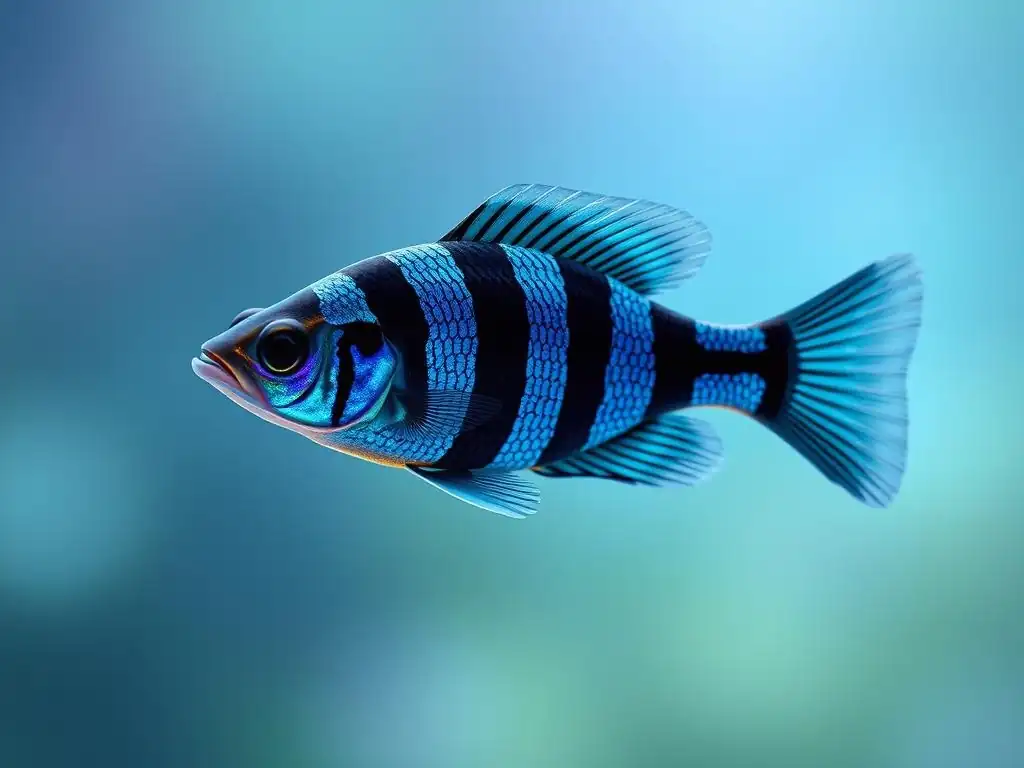
Proper lighting plays a significant role in showcasing the full vibrancy of Zebra Danio color morphs. While Danios do not require intense lighting, a good quality LED light designed for freshwater aquariums can dramatically enhance their natural iridescence and the distinct patterns of their stripes or spots. Lights with a balanced spectrum, often around 6500K, mimic natural daylight and bring out the best in fish coloration.
For GloFish Danios, specialized blue or actinic lighting is essential to activate their biofluorescence, making them "glow" brilliantly in the dark. Even for non-GloFish varieties, a regular day-night cycle, typically 8-10 hours of light per day, is important for their well-being and helps to maintain natural coloration and activity patterns. Avoid prolonged periods of darkness or excessive lighting, as both can stress fish and dull their colors.
Diet and Supplements to Boost Color Vibrancy
The most effective way to enhance the coloration of Zebra Danio color morphs is through a high-quality, varied diet. Foods rich in natural color enhancers, such as carotenoids, are particularly beneficial. Spirulina, astaxanthin, and other plant-based pigments found in certain fish foods can intensify red, orange, and yellow hues, while also supporting overall fish health. Look for flakes or pellets that list these ingredients prominently.
Supplementing their staple diet with live or frozen foods like brine shrimp, bloodworms, and daphnia not only provides essential proteins and fats but also contains natural pigments that contribute to vibrant coloration. Feeding small amounts frequently rather than large amounts infrequently also ensures better nutrient absorption and reduces waste, contributing to cleaner water, which indirectly supports healthy color expression.
Minimizing Stress to Maintain Healthy Coloration
Stress is a major factor that can cause Zebra Danio color morphs to fade or appear dull. A stressed fish will divert energy from maintaining vibrant coloration towards coping with its environment. Key stressors include poor water quality (fluctuating parameters, high nitrates), overcrowding, incompatible tank mates, inadequate hiding spots, and sudden changes in lighting or tank environment.
Providing a stable, well-maintained aquarium with appropriate tank mates and plenty of open swimming space, along with some plant cover for security, helps to minimize stress. Maintaining consistent water parameters within their ideal range and performing regular, but not excessive, tank maintenance creates a calm and secure environment. A healthy, unstressed Zebra Danio will naturally display its most brilliant and defined coloration.
Choosing the Right Zebra Danio Color Morph for Your Aquarium
Considering Tank Size and Compatibility with Other Fish
When selecting a Zebra Danio color morph for your aquarium, tank size and compatibility with existing or planned tank mates are crucial considerations. While all Danio rerio morphs share similar size and temperament, their active schooling nature means they thrive in groups of six or more. A 10-gallon tank is the absolute minimum for a small school, but a 20-gallon long or larger is significantly better to accommodate their energetic swimming and ensure their well-being.
Compatibility with other fish is also vital. Zebra Danios are generally peaceful but their quick movements can sometimes intimidate very slow-moving or shy species. Avoid pairing them with fin-nippers or overly aggressive fish. Ensure all chosen tank mates share similar water parameter requirements to prevent stress and maintain a harmonious community, regardless of the specific Zebra Danio color morph chosen.
Personal Preferences and Aesthetic Goals
The wide array of Zebra Danio color morphs available allows aquarists to choose fish that best suit their personal aesthetic preferences and the overall design of their aquarium. Whether you prefer the classic elegance of the striped wild-type, the unique spotting of the Leopard Danio, the graceful fins of the Longfin variety, or the brilliant luminescence of the GloFish, there's a morph to fit almost any vision.
Consider how the chosen Zebra Danio color morph will complement your aquascape, plants, and other fish. A school of Golden Zebra Danios might add a warm glow, while GloFish can create a captivating, futuristic display under specific lighting. Thinking about the visual impact and how the fish will enhance your tank's overall appeal can guide your selection process, making your aquarium truly unique.
Ethical Considerations When Purchasing Zebra Danios
When purchasing any Zebra Danio color morph, it's important to consider ethical implications, particularly concerning the source and welfare of the fish. Always buy from reputable local fish stores or online suppliers that maintain clean tanks, healthy-looking fish, and knowledgeable staff. Inquire about the fish's origin and quarantine procedures. This helps ensure you are acquiring healthy specimens and supports ethical breeding practices.
For genetically modified GloFish Danios, ensure they are purchased from authorized retailers. While generally considered safe for the hobby, their existence raises discussions about genetic engineering in pets. Regardless of the morph, avoid impulse purchases. Research the specific care requirements of Zebra Danios and commit to providing a suitable environment before bringing them home. This responsible approach ensures the well-being of your new Zebra Danio color morphs and contributes to a sustainable hobby.
Conclusion: The Enduring Appeal of Zebra Danio Color Morphs
The world of Zebra Danios extends far beyond their original striped form, offering a captivating spectrum of color morphs that continue to enchant aquarists worldwide. From the classic elegance of the standard striped variety to the spotted charm of the Leopard Danio, the flowing fins of the Longfin, the luminous glow of the Golden, and the biofluorescent wonder of the GloFish, these variations provide diverse aesthetic choices for any freshwater aquarium. Each Zebra Danio color morph, while distinct in appearance, retains the species' inherent hardiness, active schooling behavior, and peaceful temperament, making them ideal inhabitants for community tanks.
Understanding the genetic basis of these unique colorations and the role of selective breeding highlights the fascinating interplay between nature and human intervention in shaping the ornamental fish trade. By providing optimal care—including appropriate tank size, stable water parameters, a varied diet, and a stress-free environment—aquarists can ensure their Zebra Danio color morphs not only thrive but also display their most brilliant hues. The enduring appeal of these vibrant, active, and adaptable fish, coupled with the continuous emergence of new and exciting variations, solidifies the Zebra Danio's place as a perennial favorite in the home aquarium.
Frequently Asked Questions
How many different color morphs of Zebra Danios are commonly available?
While the classic striped Zebra Danio is well-known, several other color morphs exist, including leopard, golden, and longfin varieties. Some newer, less common morphs are also emerging in the aquarium trade.
What causes the different color variations in Zebra Danios?
The diverse color morphs are primarily due to genetic mutations and selective breeding. These processes can alter the pigment production and distribution in the fish's scales, resulting in different patterns and colors.
Are there any specific care requirements for certain Zebra Danio color morphs?
Generally, all Zebra Danio color morphs share the same basic care requirements. They thrive in similar water parameters and require the same diet and tank setup.
Do Zebra Danio color morphs interbreed, and what are the results?
Yes, different color morphs can interbreed, and the offspring's appearance will depend on the genetic makeup of the parents. The resulting fry can exhibit a mix of traits from both parents.
Where can I find reliable information about rarer Zebra Danio color morphs?
Start with reputable aquarium forums and breeders specializing in Zebra Danios. Also, look for articles and resources on sites like AquariumMastery.com, which may feature information on less common varieties.
Final Reflection: Embracing the Spectrum of Life
The exploration of Zebra Danio color morphs, as we've seen, is more than just a catalog of aquatic variations; it's a testament to the boundless creativity of nature and the fascinating potential hidden within even the most familiar species. The vibrant array of colors and patterns challenges our preconceived notions and reminds us that beauty exists in diversity, even within the confines of a small aquarium.
This journey into the world of Zebra Danio color morphs has profoundly impacted how we perceive the natural world. It underscores the importance of appreciating subtle differences and recognizing the inherent value in every unique expression of life. The real voyage of discovery consists not in seeking new landscapes, but in having new eyes.
- Marcel Proust. This quote perfectly encapsulates the shift in perspective that comes from truly observing and understanding the nuances of the world around us, even within something as seemingly simple as a Zebra Danio.
Now, as you gaze upon your own aquarium, or simply reflect on the world around you, consider the lessons learned from the Zebra Danio. Let their vibrant diversity inspire you to seek out and celebrate the unique qualities in yourself and others. Embrace the spectrum of life, for it is in the tapestry of differences that true beauty and understanding reside.
Unleash the Rainbow: Dive Deeper into the Danio World!
Thank you for exploring the fascinating world of zebra danios with us! We hope you’ve discovered the incredible diversity hidden within these striped wonders and are eager to bring that vibrancy into your own aquarium. Now, it's time to turn that knowledge into action and truly immerse yourself in the colorful possibilities.
Here are a few ways to get started:
- Start Planning! Decide on which morphs pique your interest and research their specific care requirements.
- Spread the joy of these colorful fish by sharing this article with fellow aquarium enthusiasts. Let’s get more people excited about the diversity within a single species!
- Visit local aquarium stores to observe danio morphs in person and connect with other hobbyists.
What surprising color morph did you find most intriguing, and how might it influence your next aquarium setup?