
Kribensis: The Hardy Beginner's Dwarf Cichlid?

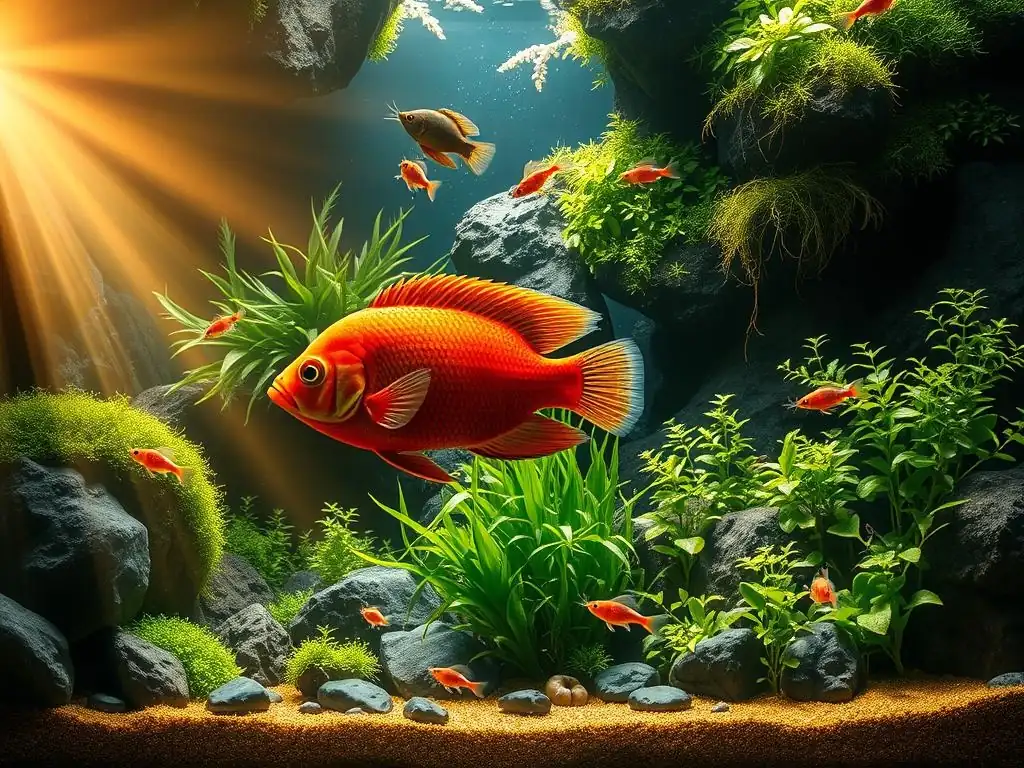
Welcome to Aquarium Mastery!
Intrigued by the vibrant colors and captivating personalities of dwarf cichlids? Prepare to be amazed! Our latest guide dives deep into the world of Kribensis, revealing essential Kribensis care tips that will help you successfully raise these hardy and beautiful fish. But are they truly the perfect beginner's cichlid? Keep reading to uncover the secrets to their thriving and discover if a Kribensis is the right choice for your freshwater aquarium.
- Introduction to Kribensis Cichlids: A Beginner-Friendly Guide
- Understanding Kribensis: Origins, Appearance, and Temperament
- Kribensis Care Guide: Essential Tips for a Thriving Tank
- Kribensis Breeding: A Rewarding Experience
- Common Kribensis Health Issues and Prevention
- Advanced Kribensis Care Tips: Going Beyond the Basics
- Kribensis vs. Other Dwarf Cichlids: A Comparison
- Where to Buy Kribensis: Selecting Healthy Specimens
- Conclusion: The Allure of the Kribensis Cichlid
- Frequently Asked Questions
- Final Reflection: Embracing the Vibrant World of Kribensis
- Unleash Your Inner Aquarist: Nurture Your First Krib!
Introduction to Kribensis Cichlids: A Beginner-Friendly Guide
The Kribensis Cichlid, scientifically known as Pelvicachromis pulcher, stands out as one of the most popular and accessible dwarf cichlids for freshwater aquarists. Renowned for its vibrant coloration, manageable size, and intriguing breeding behaviors, the Kribensis offers a captivating glimpse into the world of cichlids without the aggression often associated with larger species. This comprehensive article serves as a detailed Kribensis care tips guide, providing essential insights for both novice and experienced hobbyists looking to successfully keep and even breed these fascinating fish.
Often hailed as an ideal "beginner's cichlid," the Kribensis is relatively hardy and adaptable to a range of water conditions, making it a forgiving choice for those new to the hobby. However, understanding their specific needs, from tank setup and diet to social dynamics and potential health issues, is crucial for their long-term well-being. By delving into the nuances of Kribensis husbandry, aquarists can ensure a thriving environment that allows these beautiful fish to display their full potential and natural behaviors.
Understanding Kribensis: Origins, Appearance, and Temperament
Kribensis Origins and Natural Habitat
The Kribensis Cichlid originates from the slow-moving, often blackwater rivers and streams of West Africa, primarily found in Nigeria and Cameroon, with significant populations in the Niger Delta system. Their natural habitat is characterized by dense vegetation, submerged roots, leaf litter, and a substrate composed of sand or fine gravel. These environments typically feature soft, acidic to neutral water, with a pH ranging from approximately 5.0 to 7.0 and temperatures between 24°C and 28°C (75-82°F).
In these serene, sheltered environments, Kribensis seek refuge among the roots and plants, often found near the banks where they establish territories and breed within small caves or crevices. This natural preference for cover and secluded breeding sites is a critical aspect to replicate in their aquarium setup, contributing significantly to their comfort and overall health. Understanding their native conditions is the first step in providing excellent Kribensis care tips for a thriving home aquarium.
Distinctive Physical Characteristics of Kribensis
Pelvicachromis pulcher is celebrated for its striking and sexually dimorphic appearance. Males typically grow larger, reaching up to 10 cm (4 inches) in length, while females are generally smaller, maxing out around 7-8 cm (3 inches). The male's dorsal and anal fins often extend into pointed filaments, presenting a more streamlined profile.
Females, though smaller, are often more vibrantly colored, especially when in breeding condition. They display a prominent, iridescent purple to cherry-red belly that becomes intensely saturated during spawning. Both sexes feature a distinct dark lateral stripe running from the eye to the caudal fin, and their bodies often shimmer with iridescent blue, green, or yellow hues, particularly on the fins. The dorsal fin typically boasts a black ocellus (eye-spot), which is usually more pronounced in females. This vivid coloration and clear sexual dimorphism make them a captivating addition to any freshwater tank.
Kribensis Temperament: Are They Truly Community Fish?
Kribensis Cichlids are generally considered peaceful for a cichlid species, making them suitable for many community aquariums, especially when given adequate space and appropriate tank mates. They are primarily bottom-dwellers, spending most of their time exploring the substrate and navigating through décor. However, their temperament can shift significantly during breeding periods.
When a pair forms and prepares to spawn, Kribensis become highly territorial and protective of their chosen breeding cave and surrounding area. During this time, they may display increased aggression towards other fish, particularly those that venture too close to their nest. Providing ample hiding spots and visual barriers within the tank can significantly mitigate this aggression. For the most effective Kribensis care tips guide, it's crucial to understand this duality in their behavior: peaceful most of the time, but fiercely defensive parents.
Kribensis Care Guide: Essential Tips for a Thriving Tank
Setting Up the Ideal Kribensis Tank Environment
Tank Size Recommendations for Kribensis
For a single pair of Kribensis Cichlids, a minimum tank size of 75 liters (20 gallons) is recommended. This allows sufficient space for them to establish a territory without excessive aggression, especially during breeding. For a community tank with multiple Kribensis or other fish, a larger aquarium of 115-150 liters (30-40 gallons) or more is highly advisable. This increased volume provides more swimming room and helps diffuse potential territorial disputes among tank inhabitants.
Adequate tank size is paramount for Kribensis health and behavior. A cramped environment can lead to increased stress, stunted growth, and heightened aggression, particularly between a breeding pair and their tank mates. Ensuring sufficient space is a fundamental aspect of providing excellent Kribensis care tips.
Water Parameters: Maintaining Optimal Conditions for Kribensis
Maintaining stable and appropriate water parameters is critical for the long-term health of Kribensis Cichlids. They thrive in slightly acidic to neutral water with a moderate hardness. The ideal temperature range is between 24°C and 28°C (75-82°F). A pH level between 6.0 and 7.5 is generally suitable, with many aquarists finding that a pH closer to 6.5-7.0 encourages optimal health and breeding.
Regarding water hardness, a dGH (general hardness) of 5-12 is typically recommended. While Kribensis are relatively hardy and can tolerate minor fluctuations, consistency is key. Regular partial water changes, typically 25-30% weekly, are essential to keep nitrate levels low (below 20 ppm) and maintain pristine water quality. A well-cycled aquarium with stable parameters is non-negotiable for anyone following a comprehensive Kribensis care tips guide.
Substrate, Decor, and Planting for Kribensis Health
The choice of substrate is important for Kribensis, as they enjoy digging and sifting through it. A fine sand substrate or small, smooth gravel is ideal, allowing them to engage in natural behaviors without damaging their delicate barbels. Avoid sharp or coarse substrates that could cause injury.
Decorations are crucial for providing the necessary hiding spots and territorial markers. Caves are absolutely essential for Kribensis, as they are cave-spawners. Terracotta pots, coconut shells, driftwood with crevices, or carefully arranged rock formations can serve this purpose. Providing multiple caves, even for a single pair, can help reduce aggression and provide alternative resting spots. Dense planting is also highly beneficial, offering additional cover, security, and visual barriers. Plants like Anubias, Java Fern, Cryptocoryne species, and various stem plants create a naturalistic and comforting environment, contributing significantly to a successful Kribensis care tips guide.
Kribensis Diet and Feeding: Ensuring Proper Nutrition
What Do Kribensis Eat?
Kribensis Cichlids are omnivores, with a diet that leans towards carnivorous in the wild, primarily consuming small invertebrates and some plant matter. In the aquarium, a varied and high-quality diet is crucial for their vibrant coloration, health, and breeding readiness. A good staple diet includes high-quality flake or small pellet foods specifically formulated for cichlids.
Supplementing their staple diet with a variety of frozen and live foods is highly recommended. Excellent choices include:
- Frozen foods: Bloodworms, brine shrimp, daphnia, Mysis shrimp. These provide essential proteins and fats.
- Live foods: Daphnia, microworms, small earthworms. Live foods can stimulate natural hunting behaviors and condition fish for breeding.
- Vegetable matter: While not their primary diet, they may occasionally graze on soft algae or blanched vegetables like zucchini or spinach.
Feeding Schedule and Portion Control
To ensure proper nutrition and maintain water quality, Kribensis should be fed 2-3 times a day. The key is to offer small portions that they can consume entirely within 2-3 minutes. Overfeeding is a common mistake that can lead to significant water quality issues, such as elevated ammonia and nitrates, which are detrimental to fish health.
It's important to observe your Kribensis during feeding to ensure all individuals are getting enough food, especially if they are shy or if more dominant fish are present. Varying the types of food offered throughout the week not only provides a complete nutritional profile but also keeps them engaged and interested in their meals. Adhering to a strict feeding regimen is a vital part of any effective Kribensis care tips guide.
Kribensis Tank Mates: Choosing Compatible Companions
Suitable Tank Mates for Kribensis
Choosing appropriate tank mates is crucial for a peaceful Kribensis aquarium, especially given their territorial nature during breeding. Ideal companions are generally peaceful, occupy different levels of the water column, and are not fin-nippers or overly aggressive. Good choices include:
- Small schooling fish: Neon Tetras, Cardinal Tetras, Rummy-nose Tetras, Harlequin Rasboras, and various Danio species. These fish are fast enough to avoid aggression and typically stay in the upper or mid-water column.
- Peaceful bottom-dwellers: Corydoras Catfish species are excellent choices as they are hardy, peaceful, and do not compete directly for the same cave territories as Kribensis. Otocinclus catfish are also suitable algae eaters.
- Other peaceful dwarf cichlids (with caution): In very large tanks (150+ liters / 40+ gallons) with ample hiding spots and distinct territories, some aquarists successfully keep Kribensis with other peaceful dwarf cichlids like Bolivian Rams, but this requires careful observation and experience.
Fish to Avoid Housing with Kribensis
Certain fish species should be avoided when keeping Kribensis to prevent stress, aggression, or potential harm. This list includes:
- Large, aggressive cichlids: While Kribensis are cichlids, larger or more aggressive cichlid species (e.g., African Cichlids, Oscar Cichlids) will likely bully, stress, or even prey upon them.
- Fin-nippers: Fish like Tiger Barbs are notorious for nipping fins, which can cause stress and injury to Kribensis, making them more susceptible to disease.
- Very small or delicate fish: Extremely small or slow-moving fish could become targets for a breeding Kribensis pair, or simply be outcompeted for food.
- Other highly territorial bottom-dwellers: Housing Kribensis with other fish that require similar cave territories (unless the tank is exceptionally large with numerous territories) can lead to constant conflict.
Careful consideration of tank mates is a pivotal Kribensis care tips guide for maintaining harmony in your aquarium.
Kribensis Breeding: A Rewarding Experience
Creating the Perfect Breeding Environment for Kribensis
Kribensis Cichlids are relatively easy to breed in the home aquarium, making them a rewarding species for aspiring breeders. To encourage spawning, the breeding environment should mimic their natural habitat as closely as possible. Optimal water parameters for breeding typically include slightly acidic to neutral water (pH 6.0-7.0) with soft to moderately soft hardness (dGH 4-8). A stable temperature around 26-27°C (78-80°F) often stimulates spawning.
The most crucial element is the provision of suitable caves. Terracotta pots, coconut shells, or small pieces of PVC pipe laid on their side are ideal. A pair will typically choose one cave to lay their eggs. Dense planting around the caves provides security and reduces stress, allowing the pair to feel safe enough to reproduce. A well-fed, healthy pair is also more likely to breed, emphasizing the importance of following a robust Kribensis care tips guide.
Identifying Male and Female Kribensis for Breeding
Distinguishing between male and female Kribensis (sexual dimorphism) is relatively straightforward, especially as they mature, which greatly aids in setting up a breeding pair.
- Males: Generally larger, reaching up to 10 cm (4 inches). Their dorsal and anal fins are typically more pointed and elongated. While still colorful, their overall body coloration may be slightly less intense than a breeding female's, and their belly is usually more streamlined.
- Females: Smaller, typically 7-8 cm (3 inches). Their most distinctive feature is a vibrant, often intense purple or cherry-red belly, which becomes incredibly pronounced when they are gravid (full of eggs). Their dorsal and anal fins are more rounded, and they often have a more pronounced black ocellus (eye-spot) on their dorsal fin.
Observing these differences allows aquarists to select a healthy, compatible pair for breeding.
Kribensis Breeding Behavior and Parental Care
Once a pair forms, Kribensis display fascinating courtship and parental behaviors. The female typically initiates courtship by displaying her vibrant belly and shimmying, attempting to entice the male into a chosen cave. After the cave is selected and cleaned, the female will lay her eggs, usually between 50 and 300, sticking them to the ceiling or walls of the cave. The male then fertilizes them.
Both parents exhibit strong parental care. The female usually takes primary responsibility for fanning the eggs to ensure oxygenation and guarding the inside of the cave, while the male guards the perimeter of the territory, chasing away any perceived threats. The eggs typically hatch within 3-5 days, and the fry become free-swimming about 7-10 days after hatching. During this period, the parents will often move the fry to different secure locations within their territory. This diligent parental care is a hallmark of Kribensis cichlids and a highlight of their behavior.
Raising Kribensis Fry: A Step-by-Step Guide
Raising Kribensis fry is a rewarding experience, especially with the parents' active involvement. Once the fry are free-swimming, they will venture out of the cave under the watchful eyes of their parents.
- Initial Feeding: For the first few days, the fry are small and require microscopic food. Infusoria or liquid fry food are excellent initial options.
- Progression to Larger Foods: After a few days, or once they've grown slightly (around 1-2 mm), they can be fed newly hatched baby brine shrimp or microworms. These highly nutritious foods are crucial for rapid growth.
- Frequency: Fry should be fed small amounts multiple times a day, ideally 3-5 times, to support their fast metabolism and growth.
- Water Quality: Maintaining pristine water quality is paramount. Perform small, frequent water changes (e.g., 10-15% every other day) using a siphon with a fine mesh or sponge over the end to avoid accidentally sucking up fry.
- Parental Separation: Kribensis parents are generally good caregivers, but as the fry grow (around 3-4 weeks), the parents may begin to lose interest or even show aggression towards them, especially if they are preparing for another spawn. At this point, it's advisable to move the fry to a separate grow-out tank to ensure their safety and continued growth.
Following these steps for raising fry is a critical component of a comprehensive Kribensis care tips guide for successful breeding.
Common Kribensis Health Issues and Prevention
Recognizing Signs of Illness in Kribensis
Early detection of illness is key to successful treatment and preventing widespread disease in your aquarium. Healthy Kribensis are typically active, display vibrant coloration, have clear eyes, and exhibit a good appetite. Any deviation from these norms could indicate a health issue. Common signs of illness include:
- Lethargy or unusual hiding: Fish spending excessive time at the bottom, hiding, or showing lack of interest in food.
- Clamped fins: Fins held close to the body, indicating stress or discomfort.
- Loss of appetite: Refusal to eat or spitting out food.
- Abnormal swimming patterns: Erratic movements, darting, spiraling, or difficulty maintaining buoyancy.
- Faded coloration: A dulling of their usual vibrant hues.
- Visible spots, lesions, or growths: White spots, fuzzy patches, ulcers, or swelling on the body or fins.
- Rapid or labored breathing: Gills moving quickly, or fish gasping at the surface.
Regular observation is the best Kribensis care tips guide for early intervention.
Common Kribensis Diseases and Treatments
Ich (White Spot Disease) in Kribensis
Ich, caused by the parasite Ichthyophthirius multifiliis, is one of the most common freshwater fish diseases.
- Symptoms: Small, white spots resembling grains of salt on the body, fins, and gills. Fish may flash or rub against tank decor.
- Treatment: Gradually raise the tank temperature to 28-30°C (82-86°F) over 24 hours (if compatible with other tank inhabitants) to speed up the parasite's life cycle. Add aquarium salt (1 teaspoon per gallon, dissolved first) and use an anti-parasitic medication containing malachite green or formalin, following manufacturer instructions. Continue treatment for at least 7-10 days, even after spots disappear, to eradicate all stages of the parasite.
Fin Rot in Kribensis
Fin rot is a bacterial infection often caused by poor water quality, stress, or injury.
- Symptoms: Fins appear ragged, frayed, or torn, with edges that may be white, red, or inflamed. In severe cases, fins may completely rot away, and the infection can spread to the body.
- Treatment: The primary treatment is improving water quality. Perform daily 30-50% water changes and ensure the filtration system is adequate. Treat with a broad-spectrum antibiotic designed for fin rot, such as those containing Furan-2 or Maracyn. Remove any sharp decor that could cause injury.
Hole-in-the-Head Disease in Kribensis
Hole-in-the-Head, or HITH, is a progressive disease often linked to poor water quality, nutritional deficiencies (especially lack of vitamins and minerals), and potentially the Hexamita parasite.
- Symptoms: Pitted lesions and erosions, typically appearing on the head, around the eyes, and along the lateral line. These pits may ooze white fluid.
- Treatment: Improve water quality immediately with large, frequent water changes. Enhance the diet with vitamin-enriched foods and consider adding a vitamin supplement to the water. If Hexamita is suspected, treat with metronidazole-based medications, often administered in food or directly to the water.
Preventing Health Problems in Kribensis
Prevention is always better than cure when it comes to fish health. Adhering to these Kribensis care tips is vital for maintaining a disease-free aquarium:
- Pristine Water Quality: Perform regular weekly water changes (25-30%) to keep nitrate levels low and stable. Ensure your filter is properly maintained and never overstock your tank.
- Balanced Diet: Provide a varied diet of high-quality flakes/pellets, frozen, and occasional live foods to ensure complete nutrition.
- Avoid Overstocking: An overcrowded tank leads to increased waste, poor water quality, and higher stress levels, making fish more susceptible to disease.
- Compatible Tank Mates: Choose tank mates carefully to avoid aggression and stress.
- Quarantine New Fish: Always quarantine new fish in a separate tank for 2-4 weeks before introducing them to your main aquarium. This allows you to observe them for signs of illness and treat them if necessary, preventing the introduction of pathogens into your established tank.
- Stable Parameters: Avoid sudden fluctuations in temperature, pH, or hardness, which can stress fish.
Advanced Kribensis Care Tips: Going Beyond the Basics
Optimizing Water Chemistry for Kribensis Coloration
To truly bring out the iridescent blues, fiery reds, and rich purples of your Kribensis, optimizing water chemistry can make a significant difference. While they are hardy, providing water parameters closer to their natural West African habitat can enhance their vibrancy. Aim for slightly acidic water with a pH between 6.0 and 6.5, and soft water with a general hardness (dGH) of 4-6. This can be achieved through methods such as using reverse osmosis (RO) water remineralized to desired levels, adding peat to the filter, or incorporating driftwood and Indian almond leaves, which naturally release tannins.
Tannins, released from botanical elements, not only provide beneficial humic substances that mimic blackwater conditions but also slightly lower pH and soften water. These conditions are believed to reduce stress and promote the development of more intense, natural coloration in Kribensis, making them truly shine. Combining these specific water parameters with a high-quality, varied diet rich in color-enhancing ingredients (like astaxanthin found in brine shrimp and bloodworms) will ensure your Kribensis display their most spectacular hues.
Advanced Aquascaping Techniques for Kribensis
Advanced aquascaping for Kribensis goes beyond simply providing caves and plants; it involves creating a dynamic and secure environment that encourages natural behaviors and minimizes stress. Focus on establishing distinct territories within the tank using natural barriers. Large pieces of driftwood, strategically placed rocks, and dense clusters of tall plants can effectively break up lines of sight, preventing dominant Kribensis from constantly seeing and harassing subordinate fish or tank mates.
Consider creating multiple "zones" within the tank: open swimming areas, densely planted refuges, and several potential cave spawning sites. For example, a central open area allows for swimming, while heavily planted corners with driftwood and rock caves provide privacy and security. Utilizing foreground plants like Cryptocoryne parva or Staurogyne repens can create a carpeted effect, while mid-ground plants such as Anubias barteri or Java Fern attached to decor offer additional perching and hiding spots.
Background stem plants like Rotala or Ludwigia provide vertical cover and absorb nitrates, contributing to overall water quality. This thoughtful design is a top Kribensis care tips guide for behavioral enrichment.
Dealing with Aggression in Kribensis: Solutions and Strategies
While Kribensis are generally peaceful, aggression can arise, particularly during breeding or in undersized tanks. When faced with increased aggression, several strategies can be employed. Firstly, evaluate the tank size; if it's below 75-115 liters (20-30 gallons) for a pair, consider upgrading. More space directly translates to larger territories, which reduces conflict.
Secondly, increase the number of hiding spots and visual barriers. Adding more caves, dense plant clusters, or driftwood can provide ample retreats for targeted fish. Rearranging the existing decor can also help, as it disrupts established territories and forces the Kribensis to re-establish them, sometimes with less intensity.
If a pair is constantly harassing other tank mates during breeding, temporarily separating the most aggressive fish into a different tank or providing a breeding-specific tank can be a solution. Lastly, ensure that all tank mates are compatible and not contributing to the aggression by being overly boisterous or challenging. Sometimes, removing a single incompatible tank mate can restore peace to the entire aquarium.
Kribensis vs. Other Dwarf Cichlids: A Comparison
Kribensis vs. Rams: Key Differences
When comparing Kribensis to Rams (such as German Blue Rams, Mikrogeophagus ramirezi, or Bolivian Rams, Mikrogeophagus altispinosus), several key differences emerge. Kribensis are generally considered hardier and more forgiving of fluctuating water parameters, making them a more robust choice for beginners. They can tolerate a wider range of pH (6.0-7.5) and hardness. Rams, especially German Blue Rams, are notoriously sensitive to water quality and require very stable, pristine conditions, typically soft, acidic water (pH 5.0-6.5) and warmer temperatures.
In terms of lifespan, Kribensis typically live 5-8 years, while German Blue Rams often have a shorter lifespan of 2-3 years, and Bolivian Rams around 3-5 years. Both are territorial during breeding, but Kribensis can be more overtly aggressive in smaller tanks. Visually, Rams are often more compact and can display incredibly vibrant, intricate patterns, while Kribensis have a more elongated body with distinct sexual dimorphism, particularly the female's red belly. For those seeking a simpler Kribensis care tips guide, the Kribensis often comes out ahead in terms of resilience.
Kribensis vs. Apistos: Which is Right for You?
The choice between Kribensis and Apistogramma species (often referred to as "Apistos," e.g., Apistogramma cacatuoides, Apistogramma agassizii) depends heavily on an aquarist's experience level and desired challenge. Kribensis are generally larger, more active swimmers, and significantly more tolerant of varied water conditions, making them an excellent entry point into dwarf cichlid keeping. Their breeding is also more straightforward and prolific.
Apistogramma species, on the other hand, represent a vast and diverse genus with hundreds of recognized species, each often having very specific water parameter requirements. Many Apistos demand very soft, acidic water (pH 4.5-6.5, dGH 0-5) and are much more sensitive to nitrates and poor water quality. They are often smaller and can be more delicate.
While their coloration and unique finnage are arguably more exotic and striking, their specialized care requirements and often higher price point make them better suited for intermediate to advanced aquarists. For a reliable Kribensis care tips guide focusing on ease of care, Kribensis is often the superior choice.
Kribensis vs. Cockatoo Cichlids: A Detailed Comparison
Cockatoo Cichlids ( Apistogramma cacatuoides) are a popular Apistogramma species known for the male's impressive, elongated dorsal fin resembling a cockatoo's crest. They share some similarities with Kribensis but also critical differences in care. Both are dwarf cichlids, cave spawners, and exhibit strong parental care. However, A. cacatuoides generally prefers softer, more acidic water (pH 5.0-7.0, dGH 2-10) and is more sensitive to water quality than the more adaptable Kribensis.
In terms of size, male Cockatoo Cichlids can reach up to 8 cm (3 inches), while Kribensis males can grow slightly larger, up to 10 cm (4 inches). Aggression levels are comparable during breeding, with both species becoming territorial. However, A. cacatuoides males can be more aggressive towards other males of their own species than Kribensis.
For vibrant coloration, the Cockatoo Cichlid male boasts intricate patterns and finnage, while the Kribensis female's intense red belly is a unique draw. Ultimately, Kribensis offers a slightly less demanding Kribensis care tips guide for beginners, while Cockatoo Cichlids provide a beautiful challenge for those ready for more specific water chemistry management.
Where to Buy Kribensis: Selecting Healthy Specimens
Choosing a Reputable Kribensis Breeder or Supplier
When looking to acquire Kribensis, selecting a reputable breeder or supplier is paramount to ensuring you bring home healthy, vibrant fish. Start by researching local fish stores and online retailers, looking for positive reviews regarding fish health and customer service. A good supplier will maintain clean, well-kept tanks with clear water and no visible signs of sick or dead fish.
Don't hesitate to ask questions about their fish's origin, how long they've had the Kribensis, and their quarantine procedures. Reputable breeders often have specific breeding programs and can provide detailed information about the fish's lineage and specific care needs. While local fish stores offer the advantage of visual inspection, online suppliers often have a wider selection of genetic strains. Prioritizing quality over price is a crucial Kribensis care tips guide when starting your aquatic journey.
Identifying Healthy Kribensis Before Purchase
Once you've found a potential source, it's essential to visually inspect the Kribensis before making a purchase. A healthy Kribensis will exhibit several key characteristics:
- Active and Alert: They should be swimming purposefully, exploring their environment, and responding to your presence. Avoid fish that are listless, sitting at the bottom, or hiding excessively (unless it's a naturally shy species in a new environment).
- Clear Eyes and Intact Fins: Their eyes should be bright and clear, not cloudy or sunken. Fins should be fully extended, without any tears, ragged edges, or signs of fin rot (white or red edges).
- Good Coloration: While stress during transport can temporarily dull colors, healthy Kribensis should display their characteristic vibrant hues. Look for fish that are not unusually pale or dark.
- No Visible Spots or Lesions: Carefully inspect the body for any white spots (Ich), fuzzy patches (fungus), open sores, or unusual growths.
- Normal Breathing: Gills should be moving rhythmically and not excessively fast or labored. Fish gasping at the surface may indicate poor water quality or gill issues.
By taking the time to observe these factors, you significantly increase your chances of bringing home robust Kribensis that will thrive in your aquarium.
Conclusion: The Allure of the Kribensis Cichlid
The Kribensis Cichlid stands as a testament to the fact that cichlids can be both beautiful and approachable for aquarists of all experience levels. Its vibrant colors, manageable size, intriguing behaviors, and relatively hardy nature make it an exceptional choice for those looking to explore the fascinating world of dwarf cichlids. From their captivating courtship rituals to their diligent parental care, Kribensis offer a constant source of wonder and engagement within the home aquarium.
By diligently following a comprehensive Kribensis care tips guide, including providing adequate tank size, stable water parameters, a varied diet, and appropriate tank mates, aquarists can ensure a thriving environment for these charming fish. The rewarding experience of watching a Kribensis pair raise their fry is unparalleled, making them not just pets, but active participants in the aquatic ecosystem you create. Embracing the journey of Kribensis husbandry promises years of enjoyment and a deeper appreciation for these small, yet spectacular, freshwater gems.
Frequently Asked Questions
What makes Kribensis a good choice for beginner aquarists?
Kribensis are considered a good choice due to their hardiness and relatively easy care requirements. They are also relatively peaceful compared to other cichlids, making them suitable for community tanks.
What are the ideal water parameters for Kribensis in an aquarium?
Kribensis thrive in water with a temperature between 75-82°F (24-28°C), a pH of 6.0-7.5, and moderate hardness. Maintaining stable water parameters is crucial for their health and well-being.
What type of tank setup is recommended for Kribensis?
A tank with plenty of hiding places, such as caves, rocks, and driftwood, is essential for Kribensis. A well-planted aquarium mimics their natural habitat and provides security.
What should I feed my Kribensis to ensure they stay healthy?
Kribensis are omnivores and will accept a variety of foods, including flake food, pellets, and frozen or live foods like brine shrimp and bloodworms. A varied diet is key to their optimal health and vibrant coloration.
How can I encourage Kribensis to breed in my aquarium?
To encourage breeding, provide stable water parameters, a suitable breeding cave, and a nutritious diet. A slight increase in temperature and frequent partial water changes can also stimulate spawning.
Final Reflection: Embracing the Vibrant World of Kribensis
The journey into the world of Kribensis, as we've explored, reveals not only their hardiness and suitability for beginner aquarists but also their captivating beauty and complex social dynamics. Understanding these nuances is more crucial than ever in a hobby increasingly focused on ethical and sustainable practices. As the popularity of aquarium keeping grows, responsible care for these fascinating creatures becomes paramount, ensuring their well-being and the preservation of their natural habitats.
The impact of responsible Kribensis keeping extends beyond the individual aquarium. It fosters a deeper appreciation for the delicate balance of aquatic ecosystems and encourages a more mindful approach to pet ownership. The joy of observing their intricate behaviors, from courtship rituals to parental care, is a constant reminder of the wonders of the natural world. In nature, nothing exists alone.
- Rachel Carson. This quote perfectly encapsulates the interconnectedness we must strive to understand and respect in our aquariums and beyond.
Now, armed with this comprehensive Kribensis care guide, I invite you to reflect on your own role in the aquarium hobby. Consider how you can contribute to the well-being of these remarkable fish and promote responsible practices within the community. Let's all strive to be informed, compassionate aquarists, creating thriving environments for our Kribensis and inspiring others to do the same.
Unleash Your Inner Aquarist: Nurture Your First Krib!
Thanks for diving into the world of Kribensis cichlids! Now that you’re equipped with the knowledge to successfully keep these vibrant fish, it’s time to take the plunge. Ready to transform your aquarium into a Kribensis paradise?
Here's how you can get started:
- Boldly purchase your first pair of Kribensis! Visit your local fish store or a reputable online breeder to select healthy, active fish.
- Share your Kribensis tank setup plans with fellow aquarists on social media using #AquariumMasteryKribs to get feedback and inspire others.
- Document your Kribensis journey with weekly photos or videos to track their growth, behavior, and potential breeding activities!
What's the first thing you'll do to prepare your aquarium for these captivating cichlids?