
GloFish® Danios: Comprehensive Care, Color Varieties, and Ethical Considerations

Welcome to Aquarium Mastery!
Ever wondered how to unlock the vibrant secrets of GloFish® Danios? These shimmering jewels of the aquarium world can bring a burst of color to your freshwater tank, but their unique needs and even the ethical questions surrounding them deserve careful consideration. Dive into our comprehensive GloFish® Danios care guide and discover everything you need to know about keeping these captivating creatures happy and healthy – and exploring the responsible side of aquarium keeping. Let's explore the dazzling world of these fish together!
- Understanding GloFish® Danios: An Introduction to Active Fish
-
GloFish® Danios Care Guide: Creating the Ideal Environment
- Tank Size and Setup for GloFish® Danios: How Much Space Do They Need?
- Water Parameters for GloFish® Danios: Maintaining Optimal Water Quality
- Substrate and Decorations for GloFish® Danios: Enhancing Their Habitat
- Lighting Requirements for GloFish® Danios: General Aquarium Lighting
- Filtration and Aeration for GloFish® Danios: Keeping the Water Clean and Oxygenated
- Feeding GloFish® Danios: Nutritional Needs and Diet
- GloFish® Danios Tank Mates: Compatibility and Social Behavior
- GloFish® Danios Color Varieties: Exploring the Spectrum
- GloFish® Danios Breeding: Understanding the Process
- Common GloFish® Danios Diseases and Health Issues
- Ethical Considerations of Fish Ownership
- Troubleshooting Common GloFish® Danio Problems
- Conclusion: Enjoying Your GloFish® Danios Responsibly
- Frequently Asked Questions
- Final Reflection: Illuminating the Depths of Responsible GloFish Ownership
- Dive Deeper: Transform Your Aquarium Experience!
Understanding GloFish® Danios: An Introduction to Active Fish
What are GloFish® Danios? A Popular and Hardy Freshwater Fish Explained
GloFish® Danios are a fascinating and popular variety of freshwater fish, known for their vibrant, fluorescent colors. These unique aquatic pets are not dyed or injected with color; rather, they are genetically modified Zebra Danios (Danio rerio) that contain a fluorescent protein gene.
This gene allows them to produce their own brilliant colors under white light and glow intensely under blue or UV light, making them a captivating addition to any aquarium. Their natural hardiness and active schooling behavior, inherited from their Zebra Danio ancestors, make them an excellent choice for both beginner and experienced aquarists looking for a visually striking and relatively low-maintenance fish.
The genetic modification process for GloFish® Danios originated from scientific research aimed at detecting environmental pollutants. Scientists inserted genes from naturally fluorescent organisms, such as jellyfish and sea anemones, into the Danio rerio embryo. This process resulted in fish that express these proteins, leading to their distinct fluorescent hues. The first GloFish® Danios were introduced to the pet trade in 2003, and since then, their popularity has soared, leading to the development of several color varieties and other GloFish® species.
The History of GloFish® Danios: From Research to Aquarium Trade
The journey of GloFish® Danios began in the late 1990s at the National University of Singapore. Dr. Zhiyuan Gong and his team were working on developing a fish that could detect pollution by glowing in the presence of toxins. They successfully inserted a gene from a sea anemone into a Zebra Danio embryo, resulting in a fish that glowed red. This scientific breakthrough laid the foundation for what would become the commercial GloFish® product. The initial purpose was purely scientific, focusing on environmental monitoring rather than pet trade.
In 2003, Yorktown Technologies, a company based in Austin, Texas, licensed the technology and introduced the first GloFish® Danios to the North American market. These initial fish were the "Starfire Red" variety.
Their immediate popularity led to the expansion of the GloFish® brand, which now includes a range of colors and other genetically modified fish species like Tetras, Barbs, and Sharks. Despite some initial ethical debates regarding genetically modified organisms in the pet trade, the United States Food and Drug Administration (FDA) determined that GloFish® posed no threat to the environment or human health, paving the way for their widespread availability.
Are GloFish® Danios Right for Your Aquarium? Assessing Compatibility
Assessing whether GloFish® Danios are the right fit for your aquarium involves considering their specific needs and compatibility with your existing setup and other fish. These active, schooling fish thrive in groups of at least six individuals, which helps reduce stress and promotes their natural social behaviors. A single GloFish Danio or a pair will often become stressed and shy, leading to health issues. They are generally peaceful and can coexist with many other non-aggressive freshwater species of similar size, making them suitable for a community tank setup.
However, their energetic nature means they might not be ideal tank mates for very timid or slow-moving fish species that could be stressed by constant activity. Additionally, while generally small, their rapid movements can sometimes outcompete slower eaters for food. Before adding GloFish® Danios, ensure your tank is sufficiently cycled, stable, and meets their environmental parameters. Their hardiness makes them forgiving of minor fluctuations, but optimal conditions are always best for their long-term health and vibrant coloration, making them a rewarding choice for many aquarists.
GloFish® Danios Care Guide: Creating the Ideal Environment
Tank Size and Setup for GloFish® Danios: How Much Space Do They Need?
For a healthy and thriving school of GloFish® Danios, a minimum tank size of 10 gallons is recommended for a group of 6-8 fish. While a 10-gallon tank can house a small school, a 20-gallon long aquarium is often preferred as it provides more swimming space, which these active fish truly appreciate. The "long" dimension is crucial because GloFish® Danios are very active swimmers that prefer horizontal space to vertical depth. This larger footprint allows them to exhibit their natural schooling behaviors and dart around freely, reducing stress and promoting overall well-being.
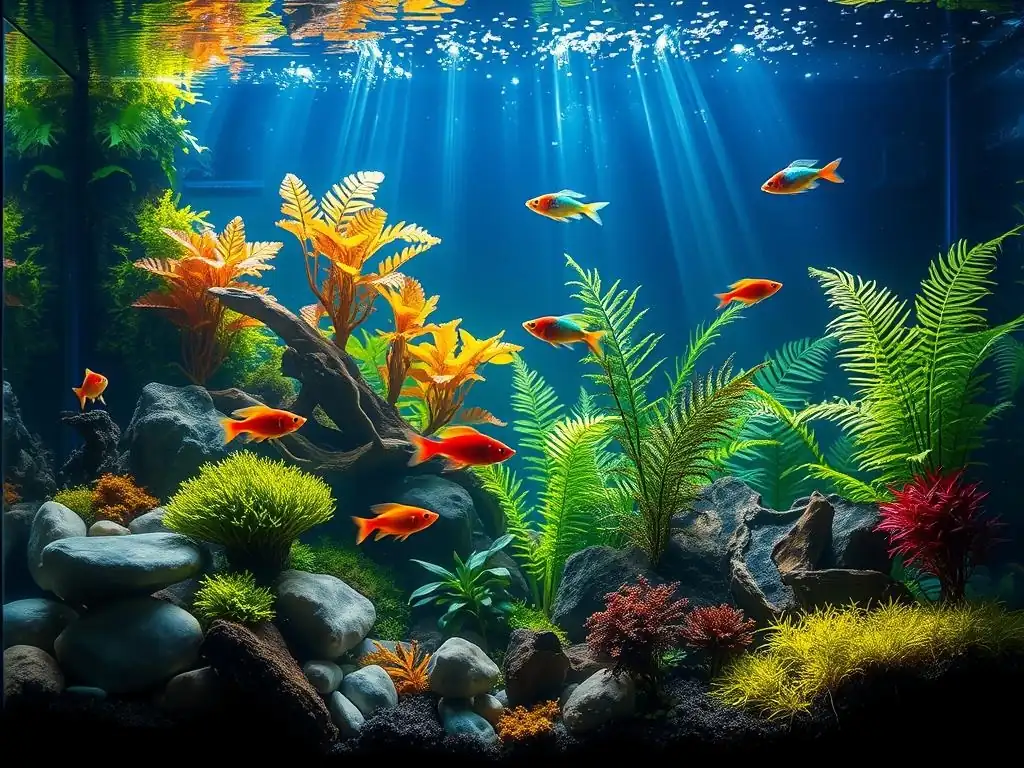
When setting up the tank, consider their natural habitat which includes open swimming areas combined with planted sections for security. Incorporate live or artificial plants along the back and sides of the tank to provide hiding spots and visual barriers, while leaving the central area open for swimming. A secure lid is essential as these fish are known jumpers, especially when startled or during breeding. Ensure all equipment, such as heaters and filters, are safely installed and functioning before introducing any fish.
Water Parameters for GloFish® Danios: Maintaining Optimal Water Quality
Maintaining optimal water quality is paramount for the health and vibrancy of GloFish® Danios. They are relatively hardy but thrive in stable conditions. The ideal water temperature for GloFish® Danios ranges between 70°F and 78°F (21°C to 26°C), with a stable temperature being more important than the exact point within this range. Fluctuations can cause stress and weaken their immune system. A reliable aquarium heater with a thermostat is essential to maintain this temperature consistently.
Regarding water chemistry, GloFish® Danios prefer a slightly acidic to neutral pH, ideally between 6.5 and 7.5. The water hardness (GH) should be in the range of 5-19 dGH (80-320 ppm). Regular water changes, typically 25% weekly, are critical to keep nitrate levels low and replenish essential minerals. Always use a reliable liquid test kit to monitor ammonia, nitrite, and nitrate levels, ensuring ammonia and nitrite remain at 0 ppm. Using a dechlorinator with every water change is also vital to remove harmful chlorine and chloramines from tap water.
Substrate and Decorations for GloFish® Danios: Enhancing Their Habitat
The choice of substrate and decorations plays a significant role in enhancing the habitat for GloFish® Danios, contributing to their comfort and overall well-being. A fine gravel or sand substrate is generally suitable as these fish do not typically dig or sift through the bottom. Darker substrates can help highlight their vibrant colors, making them even more visually striking, while also potentially reducing stress by providing a less reflective environment. Ensure any gravel is smooth to prevent injuries to delicate fins.
For decorations, a balance between open swimming spaces and areas of cover is ideal. Live plants like Anubias, Java Fern, and various stem plants provide excellent hiding spots and contribute to water quality by absorbing nitrates. If live plants are not feasible, high-quality silk or plastic plants can be used, ensuring they have no sharp edges that could tear fins. Driftwood and smooth rocks can also be incorporated to create a naturalistic feel and provide additional visual interest. Arrange these elements strategically to offer plenty of exploration opportunities without cluttering the central swimming area.
Lighting Requirements for GloFish® Danios: General Aquarium Lighting
GloFish® Danios, like most freshwater aquarium fish, have general lighting requirements that align with standard aquarium setups. A typical LED or fluorescent aquarium light that provides a full spectrum is sufficient for their health and well-being. They do not require specialized lighting beyond what is necessary for plant growth (if live plants are used) or for viewing purposes. An average of 8-10 hours of light per day is generally recommended to simulate a natural day-night cycle, which helps regulate their metabolism and behavior.
However, to fully appreciate the unique fluorescent quality of GloFish® Danios, many aquarists choose to use blue or actinic lighting. Under this specific spectrum, the fluorescent proteins within the fish become highly activated, causing them to "glow" intensely. While not necessary for their health, dedicated GloFish® LED lights often include a "moonlight" or "GloFish® mode" setting that emphasizes these colors, creating a captivating display. It's important to provide a period of darkness each day to allow the fish to rest and to prevent excessive algae growth.
Filtration and Aeration for GloFish® Danios: Keeping the Water Clean and Oxygenated
Effective filtration and adequate aeration are critical components of a healthy GloFish® Danios care guide, ensuring clean and oxygenated water. A hang-on-back (HOB) filter or an internal power filter that provides both mechanical and biological filtration is highly recommended for tanks housing GloFish® Danios. Mechanical filtration removes particulate matter, keeping the water clear, while biological filtration breaks down harmful ammonia and nitrites into less toxic nitrates through beneficial bacteria. For a 10-gallon tank, a filter rated for 10-20 gallons is a good starting point, providing sufficient flow and filtration capacity.
In addition to filtration, proper aeration is essential to maintain high dissolved oxygen levels in the water, which GloFish® Danios require for respiration. The surface agitation created by a good filter outflow can often provide sufficient aeration. However, for added peace of mind or in heavily stocked tanks, an air stone connected to an air pump can be used.
This creates a steady stream of bubbles that facilitate gas exchange at the water surface, ensuring ample oxygenation. Regular maintenance of filters, including rinsing filter media in old tank water and replacing carbon as needed, is vital to prevent filter clogs and maintain optimal water quality.
Feeding GloFish® Danios: Nutritional Needs and Diet
What to Feed GloFish® Danios: A Balanced Diet for Optimal Health
Providing a balanced diet is crucial for the optimal health, vibrant coloration, and longevity of GloFish® Danios. As omnivores, they readily accept a variety of foods, and their diet should ideally consist of high-quality flake food as a staple, supplemented with small pellets, frozen, and live foods. A good quality flake food designed for tropical fish will provide essential vitamins, minerals, and proteins necessary for their daily energy and growth. Look for flakes that list fish meal or spirulina as primary ingredients.
To ensure a comprehensive nutritional intake, it's important to vary their diet. Supplementing with frozen foods such as bloodworms, brine shrimp, and daphnia provides additional protein and can trigger their natural hunting instincts. Live foods, like newly hatched brine shrimp or microworms, are also excellent for conditioning breeding pairs and offering a stimulating feeding experience. Integrating plant-based foods, such as spirulina flakes, can also benefit their digestive system and enhance their natural colors.
Feeding Frequency and Portion Control for GloFish® Danios: Avoiding Overfeeding
Proper feeding frequency and strict portion control are vital aspects of GloFish® Danios care, primarily to prevent overfeeding, which can lead to various health issues and poor water quality. GloFish® Danios have small stomachs and a high metabolism, so they benefit from being fed small amounts multiple times a day rather than one large meal. Feeding them two to three times daily is ideal, with each feeding lasting no more than 2-3 minutes. This ensures they consume all the food quickly, leaving no excess to decompose.
A common guideline for portion control is to offer only what the fish can consume within 2-3 minutes. Any uneaten food should be promptly removed from the tank to prevent it from decaying and polluting the water, which can lead to spikes in ammonia and nitrite. Overfeeding is a common mistake among new aquarists and can result in bloating, swim bladder issues, and increased waste production, putting a strain on the filtration system and potentially causing harmful algae blooms. Consistent feeding practices contribute significantly to a stable and healthy aquarium environment.
Recommended Foods for GloFish® Danios: Flakes, Pellets, and Live Foods
For the best GloFish® Danios care guide, a varied diet incorporating high-quality flakes, small pellets, and occasional live or frozen foods is highly recommended. High-quality tropical fish flakes should form the cornerstone of their diet. Brands like Hikari Tropical Flakes, TetraMin Pro, or Omega One Super Color Flakes are excellent choices, providing a balanced nutritional profile. Ensure the flakes are small enough for their mouths to easily consume.
Supplementing with small, sinking pellets can also be beneficial, providing a different texture and ensuring all fish, including shyer individuals, get enough to eat. Micro-pellets or small granule foods are suitable. For treats and to boost their health, especially during breeding or recovery, offer frozen or live foods. Frozen bloodworms, brine shrimp, and daphnia are readily available and widely accepted. Live options such as newly hatched brine shrimp, microworms, or even small fruit flies (for surface feeding) can provide excellent enrichment and nutritional benefits, mimicking their natural diet in the wild.
Best Tank Mates for GloFish® Danios: Peaceful Community Fish
When selecting tank mates for GloFish® Danios, prioritizing peaceful community fish that share similar water parameter requirements is key. GloFish® Danios are active, schooling fish, and their lively nature means they thrive best with other species that can handle their energy without becoming stressed. Ideal companions include other small, non-aggressive schooling fish suchers as other GloFish® varieties (e.g., GloFish® Tetras, GloFish® Barbs), Neon Tetras, Cardinal Tetras, Harlequin Rasboras, and other smaller Danio species. These fish appreciate similar water conditions and won't be intimidated by the GloFish® Danios' rapid movements.
Additionally, bottom dwellers like Corydoras catfish or Otocinclus catfish make excellent tank mates. These peaceful scavengers occupy a different part of the water column, reducing competition for space and food, while also helping keep the substrate clean. Snails such as Nerite snails or Mystery snails can also be added, contributing to algae control without posing any threat to the GloFish® Danios. The key is to choose tank mates that are not prone to nipping fins and are not large enough to consider the Danios as prey.
Fish to Avoid with GloFish® Danios: Preventing Aggression and Stress
To ensure a harmonious aquarium environment, it's crucial to identify and avoid fish species that are incompatible with GloFish® Danios. Aggressive or semi-aggressive fish, even those of similar size, can quickly stress out the active but relatively small Danios. Species like Tiger Barbs (unless kept in a very large school where their aggression is diffused) or certain types of Cichlids are generally not suitable, as they may nip at the GloFish® Danios' fins or outcompete them for food, leading to injury or starvation.
Furthermore, very large or predatory fish should be strictly avoided. Fish such as Angelfish, larger Gouramis, or any species that grows significantly larger than the Danios might view them as a food source, leading to constant stress and eventual predation. Similarly, extremely slow-moving or timid fish, such as some types of fancy Guppies or long-finned Bettas, might become stressed by the GloFish® Danios' constant activity and fast swimming, or have their delicate fins nipped. Always research the temperament and adult size of any potential tank mate before introducing them to your GloFish® Danio aquarium.
Maintaining a Peaceful Community Tank with GloFish® Danios
Maintaining a peaceful community tank with GloFish® Danios requires careful planning and ongoing observation. The first step is to ensure the tank is adequately sized for all inhabitants, as overcrowding is a primary cause of stress and aggression. A larger tank provides more territory for each fish, reducing territorial disputes. For GloFish® Danios, ensuring they are kept in a school of at least six individuals is paramount; a larger school (8-10+) helps distribute any minor squabbles and makes them feel more secure, showcasing their natural schooling behavior.
Providing ample hiding spots and visual breaks through live plants, driftwood, or rock formations can also significantly contribute to a peaceful environment. These elements allow fish to retreat when feeling stressed or to establish their own small territories. Regularly observe your fish for any signs of aggression, fin nipping, or undue stress. If issues arise, be prepared to separate incompatible fish or adjust your stocking levels. Consistent water quality and a varied diet also play a role in reducing stress, as healthy fish are less prone to exhibiting aggressive behaviors.
GloFish® Danios Color Varieties: Exploring the Spectrum
Different Colors of GloFish® Danios: A Visual Guide
GloFish® Danios are renowned for their striking array of fluorescent colors, which are the result of their unique genetic modification. Each color variety is distinct and vibrant, making them a popular choice for creating visually stunning aquariums. The original color introduced was "Starfire Red," a deep, glowing red hue. Following its success, other colors were developed and released to the market.
Today, GloFish® Danios are available in a spectrum of brilliant colors, including "Electric Green" (a vivid lime green), "Sunburst Orange" (a bright, fiery orange), "Cosmic Blue" (a deep, rich blue), "Galactic Purple" (a captivating purple), and "Moonrise Pink" (a soft, luminous pink). These colors are stable and will not fade over the fish's lifetime, providing consistent vibrancy. Many aquarists enjoy mixing different color varieties in a single school to create a rainbow effect, enhancing the visual appeal of their tank, especially under blue or actinic lighting which truly brings out their glow.
Genetic Basis of GloFish® Danio Patterns: How They Develop
The vibrant patterns and colors of GloFish® Danios are not achieved through artificial dyes or injections, but rather through a sophisticated genetic modification process. The genetic basis involves the insertion of specific genes from naturally fluorescent organisms into the Danio rerio (Zebra Danio) genome. These genes code for fluorescent proteins, such as Green Fluorescent Protein (GFP) from jellyfish (Aequorea victoria) for the green color, and Red Fluorescent Protein (RFP) from sea anemones (Discosoma sp.) for the red color.
When these genes are successfully incorporated into the fish's DNA, they become a permanent part of its genetic makeup. This means that the fish itself produces the fluorescent proteins in its cells, leading to its characteristic glow. Furthermore, this genetic trait is heritable, meaning that GloFish® Danios will pass their fluorescent colors on to their offspring, making them a truly unique and self-sustaining line of genetically modified organisms. The specific combination of inserted genes determines the final color, allowing for the wide array of hues seen in the commercial GloFish® line.
Choosing Your GloFish® Danio Colors: Personal Preferences and Tank Aesthetics
Choosing your GloFish® Danio colors is largely a matter of personal preference and how you envision the overall aesthetic of your aquarium. With the wide spectrum of "Starfire Red," "Electric Green," "Sunburst Orange," "Cosmic Blue," "Galactic Purple," and "Moonrise Pink" available, aquarists have ample opportunity to create a unique and visually appealing display. Some hobbyists prefer to select a single color for a cohesive, monochromatic look, creating a striking school of uniform hue that contrasts beautifully with green plants or dark substrate.
Alternatively, many enjoy mixing multiple color varieties to create a vibrant "rainbow" effect within their tank. A school composed of various GloFish® Danio colors can be incredibly dynamic and eye-catching, especially when viewed under specialized blue or actinic lighting, which intensifies their glow. Consider the existing colors of your tank decorations, substrate, and other fish species when making your selection to ensure a harmonious and aesthetically pleasing environment that highlights the unique beauty of these fluorescent fish.
GloFish® Danios Breeding: Understanding the Process
Breeding GloFish® Danios: A Step-by-Step Guide
Breeding GloFish® Danios is a relatively straightforward process, making them an excellent choice for beginner breeders interested in the fascinating world of fish reproduction. These fish are egg-layers and prolific spawners, often breeding without much intervention in a well-maintained community tank, though a dedicated breeding setup significantly increases the survival rate of the fry. The process typically begins with conditioning the adult fish to encourage spawning.
Step-by-Step Guide:
- Conditioning: Feed adult GloFish® Danios a high-protein diet for 1-2 weeks, including live foods like bloodworms, brine shrimp, and daphnia. This helps them become "gravid" (full of eggs) and signals readiness for spawning.
- Setup Breeding Tank: Prepare a separate 5-10 gallon breeding tank.
- Introduce Spawning Mop/Marble Substrate: Place a spawning mop (made of yarn) or a layer of marbles (at least 1 inch deep) on the bottom. These provide a safe place for eggs to fall and prevent adults from eating them.
- Add Fish: Introduce 2-3 males for every female, or a single pair if space is limited.
- Water Parameters: Maintain water temperature at the higher end of their range (around 78-80°F or 25-27°C) and ensure soft, slightly acidic water (pH 6.5-7.0) for optimal spawning.
- Spawning: Spawning usually occurs in the morning, often at dawn, after a period of darkness. The male will chase the female, nudging her to release eggs, which he then fertilizes.
- Remove Adults: Once spawning is complete (usually within a few hours), remove the adult fish to prevent them from consuming the eggs.
- Hatching: Eggs typically hatch within 24-48 hours, depending on temperature.
- Fry Care: Provide appropriate food for the newly hatched fry.
Setting Up a Breeding Tank for GloFish® Danios
Setting up a dedicated breeding tank is crucial for successful GloFish® Danios breeding, maximizing the survival rate of the delicate eggs and fry. A 5 to 10-gallon tank is usually sufficient for a breeding pair or a small group (e.g., two males and one female). The tank itself should be clean and well-cycled, but it does not require elaborate filtration; a small sponge filter is ideal as it provides gentle filtration without creating strong currents that could harm the tiny fry.
The most critical element of a GloFish® Danio breeding tank setup is the provision for egg protection. Since adult Danios are notorious egg-eaters, a method to separate the eggs from the parents is essential. This can be achieved by placing a layer of marbles (at least 1 inch deep) or a mesh screen above the bottom of the tank, allowing eggs to fall through where adults cannot reach them.
Alternatively, a spawning mop made of synthetic yarn can be used, which provides a place for eggs to adhere and then be easily removed. The tank should also have a heater to maintain a consistent temperature of around 78-80°F (25-27°C) to encourage spawning and rapid egg development.
Caring for GloFish® Danio Fry: Raising Healthy Young Fish
Caring for GloFish® Danio fry requires specific attention to their nutritional needs and water quality, as they are extremely small and delicate. Once the eggs hatch, typically within 24-48 hours, the fry will initially feed on their yolk sac for the first day or two. After this, they become free-swimming and require microscopic food. Infusoria, a culture of microscopic organisms, is an excellent first food for newly hatched GloFish® Danio fry. Commercial liquid fry food or finely crushed spirulina powder can also be used.
As the fry grow, usually within a week, they can be transitioned to slightly larger foods such as newly hatched brine shrimp nauplii. This highly nutritious food promotes rapid growth. Feed the fry several times a day in very small amounts to avoid polluting the water. Maintaining pristine water quality is paramount; perform small, daily water changes (10-15%) using a slow siphon to avoid disturbing the fry. Ensure the water temperature remains stable, as fluctuations can be detrimental. With consistent care and appropriate feeding, the GloFish® Danio fry will grow rapidly, reaching juvenile size within a few weeks.
Common GloFish® Danios Diseases and Health Issues
Identifying Common GloFish® Danio Diseases: Symptoms and Diagnosis
Despite their hardiness, GloFish® Danios can sometimes fall victim to common freshwater aquarium diseases, especially if water quality is poor or they are stressed. Early identification of symptoms is crucial for effective treatment and preventing the spread of illness. One of the most common issues is Ich (Ichthyophthirius multifiliis), a parasitic infection characterized by small, white spots resembling grains of salt on the fish's body and fins. Affected fish may also rub against tank decorations due to irritation.
Another prevalent problem is Fin Rot, typically caused by bacterial infections thriving in poor water conditions. Symptoms include frayed, ragged, or disintegrating fins, which may also appear discolored or inflamed. Bloat is another concern, often resulting from overfeeding or an improper diet. A fish suffering from bloat will have a noticeably swollen abdomen and may struggle with buoyancy or lethargy. Observing your GloFish® Danios daily for changes in behavior, appetite, or physical appearance is the best way to catch these issues early.
Treating GloFish® Danio Diseases: Medications and Prevention
Treating GloFish® Danio diseases effectively involves a combination of targeted medications and improving environmental conditions. For Ich, increasing the water temperature gradually to 82-86°F (28-30°C) over 24 hours can help accelerate the parasite's life cycle, making it more susceptible to medication. Simultaneously, treat the tank with an Ich medication containing malachite green or formalin, following the manufacturer's instructions carefully. Ensure adequate aeration during treatment, as higher temperatures reduce dissolved oxygen.
For Fin Rot, the primary treatment involves improving water quality through frequent, large water changes (e.g., 50% daily for several days) and ensuring proper filtration. If the infection is severe, broad-spectrum antibacterial medications like Maracyn or Furan-2 can be used. Bloat often responds to dietary adjustments.
Fasting the affected fish for 2-3 days can help clear its digestive system. If no improvement, a small dose of Epsom salt (1 teaspoon per 5 gallons) can act as a laxative. Prevention is always better than cure: maintain excellent water quality, provide a balanced diet, avoid overfeeding, and quarantine new fish to minimize disease introduction.
Preventing Health Problems in GloFish® Danios: Proactive Care
Preventing health problems in GloFish® Danios is rooted in proactive and consistent care, creating an environment where they can thrive rather than just survive. The cornerstone of prevention is maintaining pristine water quality. This involves performing regular, weekly water changes of 25-30% to keep nitrate levels low and remove accumulated toxins. Always use a reliable liquid test kit to monitor ammonia, nitrite, and nitrate levels, ensuring they remain at 0 ppm for ammonia and nitrite, and below 20 ppm for nitrates. Proper filtration and aeration are also non-negotiable.
Beyond water parameters, providing a balanced and varied diet is crucial. Overfeeding can lead to digestive issues and pollute the tank, so feed small amounts multiple times a day. Quarantine all new fish for at least two weeks in a separate tank before introducing them to your main aquarium. This allows you to observe them for signs of disease and treat them if necessary, preventing the introduction of pathogens to your established community. Finally, avoiding overcrowding and providing adequate space and hiding spots reduces stress, strengthening the fish's immune system and making them less susceptible to illness.
Ethical Considerations of Fish Ownership
The Ethics of Keeping Fish in Aquariums: A Balanced Perspective
The ethics of keeping fish in aquariums, particularly genetically modified varieties like GloFish® Danios, is a topic that warrants a balanced perspective. On one hand, responsible aquarium keeping can provide educational benefits, fostering an appreciation for aquatic life and promoting conservation efforts by raising awareness about aquatic ecosystems.
Many aquarists find deep satisfaction in creating thriving mini-ecosystems and observing the fascinating behaviors of their fish. For GloFish® Danios specifically, their genetic modification was originally for scientific research purposes, and their introduction to the pet trade was deemed safe by regulatory bodies like the FDA, posing no known threat to the environment if kept responsibly.
However, ethical concerns persist regarding the welfare of individual fish and the broader implications of the aquarium trade. Critics argue that confining fish to limited spaces, even large aquariums, can be stressful and unnatural.
For genetically modified fish, some raise questions about the long-term impacts of genetic alteration on the animals themselves and the potential for unintended consequences if they were to enter natural waterways (though GloFish® are sterile or have very low reproductive rates, and are bred in captivity). Responsible ownership, therefore, hinges on providing optimal care, understanding the needs of the species, and supporting ethical breeding and sourcing practices to mitigate these concerns.
Responsible GloFish® Danio Ownership: Supporting Sustainable Practices
Responsible GloFish® Danio ownership extends beyond just providing excellent care; it encompasses supporting sustainable practices within the aquarium hobby. Given that GloFish® Danios are genetically modified organisms, their responsible ownership includes understanding their origins and ensuring they are acquired from reputable sources that adhere to ethical breeding standards. These fish are bred in secure, contained facilities, ensuring they do not impact wild ecosystems. Choosing certified or well-established pet stores that prioritize animal welfare and proper husbandry is a key step.
Furthermore, responsible ownership means never releasing any aquarium fish, including GloFish® Danios, into natural waterways. Even though GloFish® are designed to be non-invasive and are often sterile or have reduced reproductive capabilities, introducing any non-native species can disrupt delicate local ecosystems. Proper disposal of fish involves humane euthanasia if necessary, rather than release. By adhering to these practices, aquarists contribute to the sustainability of the hobby and help protect natural environments, upholding the highest standards of GloFish® Danios care guide principles.
The Impact of Aquarium Fish on the Environment: Preventing Invasive Species
The impact of aquarium fish on the environment, particularly concerning the prevention of invasive species, is a critical ethical consideration for all aquarists, including those keeping GloFish® Danios. While GloFish® Danios are specifically designed to be less invasive due to their breeding controls and inability to thrive in many natural environments, the general principle of preventing invasive species remains paramount. Many non-native species, when released into local waterways, can outcompete native species for resources, introduce diseases, or disrupt the food web, leading to ecological imbalances and even extinctions.
Therefore, a fundamental rule for any aquarium owner is: Never release aquarium fish, plants, or water into local waterways, storm drains, or sewers. This simple act can have devastating and irreversible environmental consequences.
If an aquarist can no longer care for their GloFish® Danios or other aquatic pets, responsible options include rehoming them through a local fish club, donating them to a school or reputable pet store, or, as a last resort, humane euthanasia. Educating oneself and others about these risks is a vital part of responsible aquarium stewardship and contributes significantly to preserving biodiversity and protecting natural aquatic ecosystems.
Troubleshooting Common GloFish® Danio Problems
GloFish® Danio Behavior Issues: Identifying and Addressing Problems
GloFish® Danios are generally active and social fish, but changes in their behavior can signal underlying problems that require attention. Identifying these issues early is crucial for maintaining their health. One common behavior issue is lethargy or hiding, where typically active fish become listless, stay at the bottom, or hide excessively.
This often indicates stress, poor water quality (e.g., high ammonia or nitrite), or illness. Conversely, excessive aggression or fin nipping (either towards tank mates or other Danios) can occur if the school size is too small (less than six), leading to stress and redirected aggression, or if tank mates are incompatible.
Loss of appetite is another critical behavioral symptom, often pointing to illness or severe stress. A healthy GloFish® Danio should eagerly approach food. Erratic swimming or darting can indicate poor water quality (e.g., sudden temperature changes, high chlorine), external parasites (like Ich), or internal issues. Addressing these problems involves first testing water parameters and correcting any imbalances. If water quality is optimal, then observing for physical signs of disease and reviewing tank mate compatibility and school size are the next steps to restore healthy behavior in your GloFish® Danios.
Water Quality Problems Affecting GloFish® Danios: Solutions and Prevention
Water quality problems are the most frequent cause of health issues and stress in GloFish® Danios, as they are for most aquarium fish. High levels of ammonia, nitrite, or nitrate are common culprits. Ammonia and nitrite spikes are highly toxic, causing gill damage and leading to gasping at the surface, lethargy, and a loss of appetite. These usually occur in new, uncycled tanks or due to overfeeding and insufficient filtration. High nitrates, while less immediately toxic, can cause chronic stress, suppress the immune system, and lead to dull coloration and susceptibility to diseases over time.
The immediate solution for ammonia and nitrite spikes is large, frequent water changes (e.g., 50% daily) combined with the use of a water conditioner that detoxifies ammonia. Ensuring the tank is fully cycled before adding fish is the best prevention. For high nitrates, regular weekly water changes (25-30%) are essential.
Increasing live plants can also help absorb nitrates. Prevention is key: never overfeed, perform consistent water changes, maintain a robust filter, and avoid overcrowding. Regularly testing your water parameters with a liquid test kit is the best way to monitor and proactively address any potential water quality problems, ensuring the long-term health of your GloFish® Danios.
Fin Rot: Poor Water Quality, Antibiotics
Fin rot is a common bacterial infection in GloFish® Danios, easily identifiable by the progressive deterioration of their fins, which may appear ragged, frayed, or even completely absent. The edges of the affected fins might also be discolored, appearing white or reddish. This condition is almost always a direct result of poor water quality, particularly elevated ammonia, nitrite, or nitrate levels, or sudden temperature fluctuations. Stress from overcrowding or incompatible tank mates can also weaken a fish's immune system, making it more susceptible to bacterial infections like fin rot.
Treating fin rot effectively begins with aggressive improvement of water quality. Immediate and significant water changes (up to 50% daily for several days) are crucial to remove pollutants and reduce bacterial load. Ensure your filtration system is clean and functioning optimally. If the fin rot is severe or does not improve with water changes, a broad-spectrum antibacterial medication designed for aquarium use, such as those containing erythromycin or furan-2, can be administered according to the manufacturer's instructions. Providing a clean, stress-free environment and a nutritious diet will aid in the fish's recovery and fin regeneration.
Ich: White Spots, Increased Temperature and Medication
Ich, or Ichthyophthirius multifiliis, is one of the most common and recognizable parasitic diseases in freshwater aquariums, including those housing GloFish® Danios. It manifests as small, white spots resembling grains of salt scattered across the fish's body, fins, and gills. Affected fish may also show signs of irritation, such as "flashing" (rubbing their bodies against tank decorations or substrate), rapid breathing, and lethargy. The parasite has a complex life cycle, with the visible white spots representing the mature trophonts feeding on the fish, which then drop off to reproduce in the substrate.
Treatment for Ich typically involves a multi-pronged approach. Gradually increasing the water temperature to 82-86°F (28-30°C) over 24-48 hours can accelerate the parasite's life cycle, causing the trophonts to drop off faster and making the free-swimming stage more vulnerable to medication. Simultaneously, treat the tank with an Ich-specific medication, often containing malachite green or formalin, strictly following the dosage instructions.
It is crucial to treat the entire tank, as the parasite is present in the water and substrate. Continue treatment for the recommended duration, even if symptoms disappear, to ensure all stages of the parasite are eradicated and prevent recurrence.
Bloat: Overfeeding, Fasting and Epsom Salt
Bloat in GloFish® Danios is a condition characterized by a noticeably swollen abdomen, often accompanied by lethargy, loss of appetite, and difficulty swimming (e.g., floating uncontrollably or sinking). While bloat can sometimes be a symptom of more serious internal bacterial infections or organ failure, it is most commonly caused by overfeeding, particularly with dry, expanding foods that are not properly hydrated, or a diet lacking in fiber. The excess food can ferment in the gut, leading to gas buildup and swelling, or cause constipation.
Initial treatment for bloat often involves a period of fasting. Withhold food from the affected GloFish® Danio for 2-3 days to allow its digestive system to clear. If the fish is still bloated after fasting, a small dose of Epsom salt (magnesium sulfate, not table salt) can be added to the aquarium water. A common guideline is 1 teaspoon per 5 gallons of water.
Epsom salt acts as a muscle relaxant and a mild laxative, which can help relieve constipation and reduce swelling. Ensure the salt is dissolved completely before adding it. If symptoms persist or worsen, it may indicate a more severe underlying issue requiring a broad-spectrum antibiotic designed for internal bacterial infections. Preventing bloat involves feeding a varied, high-quality diet and strictly avoiding overfeeding.
Conclusion: Enjoying Your GloFish® Danios Responsibly
Key Takeaways for GloFish® Danio Care
Caring for GloFish® Danios is a rewarding experience that combines the joy of keeping active, schooling fish with the unique visual appeal of their vibrant, fluorescent colors. To ensure their health and longevity, several key takeaways from this GloFish® Danios care guide are paramount. Firstly, always maintain pristine water quality through consistent weekly water changes and robust filtration, meticulously monitoring ammonia, nitrite, and nitrate levels. Secondly, provide an appropriately sized tank (minimum 10 gallons for a school of 6-8, preferably larger) with ample swimming space and secure hiding spots to reduce stress and encourage natural behaviors.
Thirdly, a balanced and varied diet, consisting of high-quality flakes supplemented with frozen or live foods, fed in small, controlled portions, is essential for their nutritional needs and vibrant coloration. Fourthly, select tank mates carefully, opting for peaceful, similarly sized community fish and avoiding aggressive or overly large species. Finally, remember that GloFish® Danios are social creatures and thrive in schools of at least six individuals. Adhering to these core principles will ensure your GloFish® Danios remain healthy, active, and continue to mesmerize with their unique glow, making them a truly captivating addition to your freshwater aquarium.
Resources for Further Learning about GloFish® Danios
For aquarists seeking to deepen their understanding and enhance their GloFish® Danios care guide expertise, numerous reputable resources are available. The official GloFish® website (glofish.com) provides valuable information directly from the brand, including details on their various species, care tips, and product information. While direct links are not provided here per instructions, a quick search for "GloFish official website" will lead you to this primary source.
Beyond brand-specific information, general freshwater aquarium forums and online communities are excellent places to connect with experienced aquarists, ask specific questions, and learn from shared experiences. Websites dedicated to freshwater fish care, such as AquariumMastery.com itself, offer comprehensive articles on fish profiles, water chemistry, plant selection, and troubleshooting common tank issues, often with dedicated sections on Danio species. Additionally, well-regarded aquarium books on freshwater fishkeeping and specific Danio species can provide in-depth scientific and practical knowledge, serving as invaluable references for both beginners and seasoned hobbyists alike.
Frequently Asked Questions
What are GloFish® Danios?
GloFish® Danios are genetically modified Danio rerio (zebra danios) that have been engineered to fluoresce under blue or UV lighting. They come in various bright colors and are popular in home aquariums.
What are the ideal water parameters for GloFish® Danios?
GloFish® Danios thrive in water temperatures between 68-78°F (20-26°C), a pH of 6.5-7.5, and a general hardness (GH) of 5-12 dGH. Maintaining stable water parameters is crucial for their health.
What should I feed my GloFish® Danios?
Offer a varied diet of high-quality flake food, supplemented with small live or frozen foods like daphnia, bloodworms, and brine shrimp. Avoid overfeeding to prevent water quality issues.
How many GloFish® Danios should I keep together?
GloFish® Danios are social fish and should be kept in groups of at least 6 or more. This helps reduce stress and allows them to exhibit natural schooling behavior.
What are some common health problems in GloFish® Danios, and how can I prevent them?
Common issues include ich (white spot disease), fin rot, and fungal infections. Preventing these involves maintaining excellent water quality, providing a balanced diet, and quarantining new fish.
Final Reflection: Illuminating the Depths of Responsible GloFish Ownership
The journey through understanding GloFish Danios, from their vibrant colors to the intricacies of their care, ultimately underscores the importance of informed and ethical pet ownership. While their captivating glow has made them a popular addition to aquariums worldwide, it's crucial to remember that these are living creatures with specific needs and a place within a broader ethical framework. Ignoring these aspects diminishes the joy of keeping them and compromises our responsibility as stewards of the natural world.
This exploration has highlighted how deeply our choices impact the lives of these fascinating fish. The ongoing debate surrounding genetically modified organisms, even within the seemingly contained environment of a home aquarium, forces us to confront our values and consider the long-term consequences of our actions. The greatness of a nation and its moral progress can be judged by the way its animals are treated.
- Mahatma Gandhi. This quote resonates profoundly when considering the care and ethical implications surrounding GloFish Danios, urging us to prioritize their well-being and responsible breeding practices.
As you embark on, or continue, your journey with GloFish Danios, remember that their vibrant colors are not just a spectacle, but a reminder of the responsibility that comes with bringing any life into our care. Let this knowledge empower you to provide the best possible environment for these creatures, ensuring their health, happiness, and longevity. Consider the ethical implications of your choices and strive to be a responsible and informed aquarist. The beauty of GloFish Danios lies not just in their glow, but in the conscious and compassionate care we provide.
Dive Deeper: Transform Your Aquarium Experience!
Thank you for exploring the vibrant world of GloFish Danios! We hope you've gained valuable insights into caring for these captivating creatures. Now, let's turn that knowledge into action and truly elevate your aquarium hobby.
Here are a few things you can do:
- Reimagine your aquarium's aesthetic: Design a new aquascape specifically to showcase your GloFish Danios, enhancing their colors and creating a stunning visual display.
- Share your GloFish journey: Post photos and videos of your GloFish setup on social media using #GloFishGlowUp and inspire other aquarists!
- Explore the community: Join a local aquarium club to learn advanced techniques and network with other passionate fish keepers!
What's one small change you can make today to create a more enriching environment for your GloFish Danios and a more rewarding experience for yourself?