
Decoding Shrimp Behavior: What Your Freshwater Shrimp Are Telling You

Welcome to Aquarium Mastery!
Ever wondered what your freshwater shrimp are really trying to tell you? Decoding shrimp behavior meaning signals can unlock a deeper understanding of your aquarium's ecosystem and the health of your tiny, fascinating inhabitants. Dive in to discover the secrets hidden within their subtle movements and uncover a whole new world of aquarium keeping. What are those antennae really doing? Let's find out!
- Understanding Freshwater Shrimp Behavior: An Introduction
-
Shrimp Behavior Meaning Signals: A Comprehensive Guide
- Molting Behavior in Shrimp: Recognizing the Signs and Ensuring Success
- Pre-Molting Shrimp Behavior: What to Look For
- Post-Molting Shrimp Behavior: Understanding the Vulnerable Period
- Shrimp Swimming Behavior: Is It Normal or a Cause for Concern?
- Erratic Swimming Patterns: Identifying Potential Problems
- Normal Swimming Behavior: Exploring the Tank
- Shrimp Feeding Behavior: Ensuring Proper Nutrition and Avoiding Overfeeding
- Healthy Feeding Behavior: Indicators of a Thriving Shrimp Colony
- Changes in Feeding Behavior: Identifying Potential Issues
- Shrimp Social Behavior: Understanding Hierarchy and Interactions
- Shrimp Aggression: Identifying and Addressing Conflicts
- Mating Behavior in Shrimp: Recognizing the Signs of Reproduction
-
Interpreting Specific Shrimp Behavior Patterns
- Shrimp Hiding Behavior: When to Worry and When to Relax
- Reasons for Hiding: Stress, Molting, or Predation?
- Creating a Safe Environment to Minimize Hiding
- Shrimp Color Changes: What Do They Indicate?
- Stress-Induced Color Changes: Identifying the Causes
- Natural Color Variations and Genetic Factors
- Shrimp Antennal Flicking: Understanding Communication and Sensing
- The Role of Antennae in Shrimp Navigation and Food Detection
- Interpreting Antennal Flicking Frequency
- Troubleshooting Abnormal Shrimp Behavior
- Corrective Actions for Common Shrimp Behavior Problems
- Maintaining a Healthy Environment for Optimal Shrimp Behavior
- Advanced Shrimp Keeping: Understanding Nuances in Shrimp Behavior
- Conclusion: Mastering the Art of Understanding Your Freshwater Shrimp
-
Frequently Asked Questions
- What are some common shrimp behaviors that might indicate stress or illness?
- How can I interpret the meaning of a shrimp's molting behavior?
- What does it mean if my shrimp are constantly hiding and not coming out to feed?
- Are there specific shrimp behaviors that indicate they are happy and healthy in their aquarium?
- How can I differentiate between normal shrimp behavior and behavior that requires immediate intervention?
- Final Reflection: Unveiling the Secrets of the Shrimplet World
- Unleash the Shrimp Whisperer Within!
Understanding Freshwater Shrimp Behavior: An Introduction
Why Observing Shrimp Behavior is Crucial for Aquarium Success
Observing the subtle nuances of shrimp behavior meaning signals is paramount for any aquarist aiming for a thriving freshwater aquarium. Shrimp, particularly popular species like Neocaridina and Caridina, are highly sensitive to their environment, acting as delicate bio-indicators. Changes in their activity, feeding habits, or social interactions often serve as early warnings of underlying issues, such as fluctuating water parameters, the presence of toxins, or the onset of disease, long before these problems become apparent through water tests or affect other tank inhabitants.
A proactive approach, rooted in understanding these behavioral cues, allows aquarists to intervene swiftly, preventing minor problems from escalating into critical situations. For instance, noticing a sudden increase in shrimp activity near the water surface or erratic swimming could signal low oxygen levels or ammonia spikes, prompting immediate testing and corrective action. This attentive observation not only contributes to the longevity and health of the shrimp colony but also enhances the overall stability and success of the entire aquarium ecosystem.
Common Freshwater Shrimp Species and Their Behavioral Traits
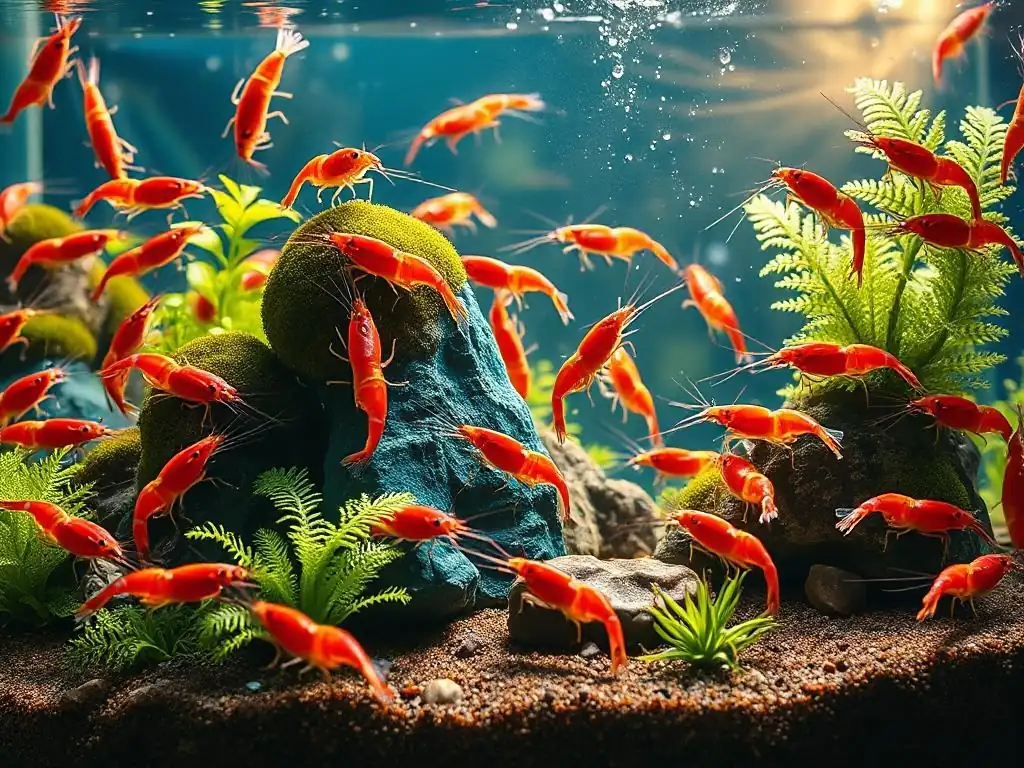
Freshwater aquariums commonly host a variety of shrimp species, each exhibiting distinct yet generally predictable behavioral traits. Neocaridina davidi, widely known as Cherry Shrimp, Blue Dream Shrimp, or Yellow Shrimp, are highly active grazers, constantly foraging on biofilm and algae across all surfaces of the tank. Their robust nature means their shrimp behavior meaning signals are often clear indicators of tank health, with active grazing and frequent molting signifying well-being. They are generally peaceful and will often be seen in large groups, particularly during feeding times.
Caridina cantonensis, encompassing species like Crystal Red Shrimp, Black Bee Shrimp, and Taiwan Bee Shrimp, are often more delicate and require more stable water conditions. Their behavior, while similar to Neocaridina in terms of grazing, can be more subtle in signaling distress.
For instance, reduced activity or a lack of interest in food might be a more pronounced shrimp behavior meaning signal of stress in Caridina varieties compared to the hardier Neocaridina. Amano Shrimp ( Caridina multidentata), known for their excellent algae-eating capabilities, are typically more solitary grazers, often found meticulously cleaning plants and decor, and may exhibit more pronounced territoriality during feeding.
Shrimp Behavior Meaning Signals: A Comprehensive Guide
Molting Behavior in Shrimp: Recognizing the Signs and Ensuring Success
Molting is a critical biological process for shrimp, allowing them to grow by shedding their old exoskeleton. Recognizing the shrimp behavior meaning signals associated with molting is essential for ensuring the shrimp's survival and overall colony health. A successful molt signifies healthy growth and proper water chemistry, particularly adequate calcium levels.
Pre-Molting Shrimp Behavior: What to Look For
Before molting, a shrimp will often become less active, seeking out secluded or heavily planted areas of the tank to hide. This increased reclusiveness is a primary shrimp behavior meaning signal of an impending molt, as the shrimp becomes vulnerable during this period. You might also notice a slight dulling of their color or a visible gap forming between the old exoskeleton and the new one, particularly around the neck area (the carapace separating from the abdomen). This preparation phase can last from a few hours to a couple of days, depending on the individual shrimp and environmental conditions.
Additionally, some shrimp may exhibit a "hunched" posture or appear to be struggling to move, indicating the physical exertion involved in preparing to shed their rigid outer layer. Ensuring stable water parameters, especially a consistent GH (General Hardness) of around 6-10 dGH for most common species, provides the necessary minerals for the new shell to harden properly post-molt. The presence of ample hiding spots like moss, leaf litter, or small caves is crucial to reduce stress during this vulnerable stage.
Post-Molting Shrimp Behavior: Understanding the Vulnerable Period
Immediately after molting, a shrimp is extremely vulnerable. The newly formed exoskeleton is soft and requires time, typically 24-48 hours, to harden completely. During this period, the shrimp will remain hidden, often motionless, to avoid predators or aggressive tank mates. Observing a freshly shed, translucent exoskeleton (often mistaken for a dead shrimp) is the clearest shrimp behavior meaning signal that a successful molt has occurred.
It is vital not to remove the shed exoskeleton from the tank, as shrimp will often consume it to reabsorb valuable calcium and other minerals, aiding in the hardening of their new shell. A shrimp that remains hidden for too long post-molt, or appears lethargic after the typical hardening period, may be experiencing issues such as insufficient mineral uptake or stress. Consistent water parameters and a nutrient-rich diet are paramount to support healthy molting cycles.
Shrimp Swimming Behavior: Is It Normal or a Cause for Concern?
The way a shrimp moves through the water provides significant shrimp behavior meaning signals about its health and environment. While generally bottom-dwellers and grazers, shrimp do exhibit various swimming patterns. Understanding these patterns is key to distinguishing between normal activity and signs of distress.
Erratic Swimming Patterns: Identifying Potential Problems
Erratic or frantic swimming, especially darting around the tank, attempting to jump out, or congregating near the water surface, are strong shrimp behavior meaning signals of environmental distress. This behavior often indicates poor water quality, such as elevated ammonia or nitrite levels, a sudden drop in oxygen, or the presence of toxins like chlorine or heavy metals. For example, if multiple shrimp are seen swimming erratically shortly after a water change, it could point to issues with the new water's parameters or temperature.
Similarly, rapid, uncontrolled movements followed by periods of lethargy can also be a symptom of internal parasites or bacterial infections. It's crucial to test water parameters immediately if such shrimp behavior meaning signals are observed. Prompt action, such as a partial water change with properly conditioned water, can often mitigate the stress and prevent further harm.
Normal Swimming Behavior: Exploring the Tank
Healthy freshwater shrimp typically exhibit calm, deliberate swimming patterns. They often "hop" or glide short distances using their pleopods (swimmerets) to move between grazing spots on plants, substrate, or decor. You will frequently see them actively foraging, meticulously picking at surfaces for biofilm, algae, and detritus. This constant grazing activity across all levels of the tank – from the substrate to plant leaves and driftwood – is a positive shrimp behavior meaning signal indicating comfort and a healthy appetite.
During breeding periods, male shrimp may engage in more active swimming, darting around the tank in search of receptive females. This behavior, often described as a "dance," is a natural part of their reproductive cycle and should not be confused with distress. Overall, a colony of shrimp calmly exploring and grazing throughout the aquarium signifies a well-established and comfortable environment.
Shrimp Feeding Behavior: Ensuring Proper Nutrition and Avoiding Overfeeding
Observing how your shrimp eat provides clear shrimp behavior meaning signals about their nutritional status and the overall health of the colony. Proper feeding behavior indicates a thriving environment, while changes can highlight underlying issues.
Healthy Feeding Behavior: Indicators of a Thriving Shrimp Colony
In a healthy shrimp colony, individuals will be constantly grazing on biofilm and micro-algae present on all surfaces of the tank, including plants, substrate, and decor. When supplemental food is introduced, healthy shrimp will quickly converge, actively picking up and consuming the food items with their tiny claws (chelipeds). This immediate and enthusiastic response to food, often resulting in a "shrimp ball" around the food source, is a key shrimp behavior meaning signal of robust health and a good appetite.
Furthermore, you will notice that their digestive tracts, visible through their translucent bodies, appear full, indicating consistent intake. A well-fed colony will also show consistent growth and successful molting. For instance, a colony of 50 Neocaridina shrimp might consume a 1/4-inch sinking pellet within an hour, demonstrating their active foraging and healthy metabolism.
Changes in Feeding Behavior: Identifying Potential Issues
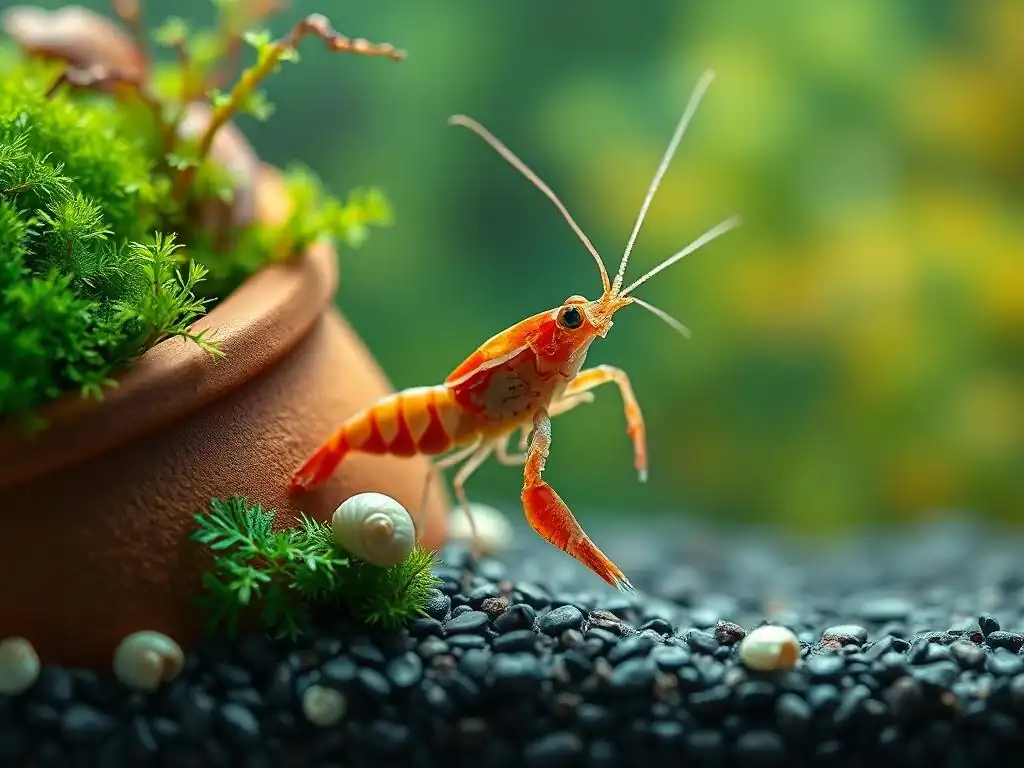
Any significant deviation from normal feeding behavior can be a critical shrimp behavior meaning signal of a problem. A sudden loss of appetite, where shrimp ignore offered food or only pick at it sporadically, often indicates poor water quality (e.g., high nitrates, ammonia, or nitrites), illness, or stress. If shrimp are not actively foraging on tank surfaces, it could also suggest a lack of sufficient biofilm, potentially due to an overly clean tank or insufficient mature filtration.
Conversely, excessively frantic feeding, where shrimp appear to be constantly searching for food even after being fed, might indicate an inadequate diet or insufficient food availability. For example, if a colony of 30 Caridina shrimp barely touches a specialized shrimp pellet over several hours, it's a strong indicator to test water parameters immediately, as they are highly sensitive to environmental stressors. Observing these changes allows for timely intervention to adjust feeding practices or address environmental concerns.
Freshwater shrimp are generally peaceful and social creatures, often found grazing in groups. Their social interactions are typically minimal, focusing more on communal foraging than complex hierarchies. However, understanding subtle shrimp behavior meaning signals in their interactions can still provide insights into their well-being.
Shrimp Aggression: Identifying and Addressing Conflicts
True aggression among common freshwater dwarf shrimp species like Neocaridina or Caridina is rare. They are not known to establish strict hierarchies or engage in territorial disputes over space. However, occasional displays of dominance might be observed, especially during feeding, where larger or stronger shrimp might push smaller ones away from a food source. This is generally a minor squabble and rarely results in harm. Amano shrimp, being larger, can sometimes be more assertive, occasionally nudging smaller dwarf shrimp away from prime grazing spots, but actual physical harm is uncommon.
If sustained aggressive behavior, such as chasing or nipping, is observed, it's often a shrimp behavior meaning signal that something is amiss. This could be due to extreme overcrowding, insufficient food, or the presence of inappropriate tank mates (e.g., certain fish known to nip at shrimp). For instance, if you notice a single large Amano shrimp consistently harassing several smaller Cherry shrimp, it might indicate a need for more widespread feeding stations or even rehoming if the behavior persists and causes stress to the smaller individuals. Providing ample hiding spots and multiple feeding zones can help mitigate potential conflicts.
Mating Behavior in Shrimp: Recognizing the Signs of Reproduction
Recognizing mating shrimp behavior meaning signals is exciting for aquarists aiming to breed their shrimp. The most prominent sign is a sudden burst of activity from male shrimp. After a female shrimp molts, she releases pheromones into the water, signaling her readiness to mate. This chemical cue triggers a frantic "mating dance" among the males, who will swim rapidly and erratically throughout the tank, searching for the receptive female.
Once a male locates the female, he will attempt to mount her and transfer sperm. This process is usually quick, lasting only a few seconds. Following successful mating, the female will soon be seen with eggs (often green or yellow in Neocaridina, or white/grey in Caridina) tucked under her tail, attached to her pleopods. These eggs are referred to as being "berried," a clear shrimp behavior meaning signal of successful reproduction. A female will typically carry these eggs for about 28-35 days until they hatch, fanning them periodically to ensure oxygenation.
Interpreting Specific Shrimp Behavior Patterns
Shrimp Hiding Behavior: When to Worry and When to Relax
Shrimp hiding behavior is a common observation in aquariums, and interpreting its shrimp behavior meaning signals is crucial. It can be a natural response or a significant red flag indicating distress.
Reasons for Hiding: Stress, Molting, or Predation?
One of the most common reasons for shrimp to hide is an impending or recent molt. As discussed, molting renders them vulnerable, so they seek secluded spots among plants, rocks, or decor. This is a natural shrimp behavior meaning signal and generally not a cause for concern. Similarly, new shrimp introduced to an aquarium will often hide for the first few days or even a week as they acclimate to their new environment, exploring cautiously before becoming more outgoing.
However, prolonged or excessive hiding by the entire colony can be a strong shrimp behavior meaning signal of significant stress. This stress might stem from poor water quality (e.g., high ammonia, nitrites, or nitrates), unsuitable water parameters (e.g., incorrect pH or GH), the presence of aggressive tank mates (predation threat), or even sudden changes in lighting or temperature. For instance, if a colony of 50 shrimp, previously active, suddenly disappears into the shadows for days, it's a clear sign to investigate water conditions and tank compatibility.
Creating a Safe Environment to Minimize Hiding
To minimize stress-induced hiding and encourage natural shrimp behavior meaning signals of activity, it is vital to create a secure and stable environment. Providing ample hiding spots is paramount. This includes dense live plants (like Java Moss, Anubias, or Bucephalandra), driftwood with crevices, ceramic shrimp tubes, or small caves. These features offer refuge during molting, acclimation, or simply as safe zones from potential disturbances.
Maintaining stable water parameters within the optimal range for your specific shrimp species (e.g., Neocaridina pH 6.5-7.5, GH 6-10 dGH; Caridina pH 5.5-6.5, GH 4-6 dGH) is also critical. Avoiding sudden changes in temperature or lighting, and ensuring compatible tank mates (e.g., small, peaceful fish like Otocinclus or micro rasboras, or ideally a shrimp-only tank) will significantly reduce stress. A well-established tank with mature biofilm also encourages shrimp to graze openly, reducing their need to hide for food.
Shrimp Color Changes: What Do They Indicate?
Shrimp color changes can be fascinating shrimp behavior meaning signals, offering insights into their health, environment, and even genetics. While some changes are natural, others can indicate distress or underlying issues.
Stress-Induced Color Changes: Identifying the Causes
One of the most immediate shrimp behavior meaning signals of stress is a significant dulling or fading of a shrimp's vibrant coloration. For instance, a bright red Cherry Shrimp might turn pale or almost translucent when stressed by poor water quality, sudden temperature fluctuations (e.g., a rapid 5°F drop), or the presence of aggressive tank mates. This color loss is a physiological response, as the shrimp directs energy away from pigment production to cope with the stressor.
Similarly, a shrimp that is ill or nearing death may also exhibit pale or patchy coloration. If multiple shrimp in a colony suddenly lose their color, it's a strong indicator to check water parameters (ammonia, nitrite, nitrate, pH, GH, KH) immediately and assess for potential environmental toxins. Overcrowding can also lead to stress-induced color dulling, as competition for resources and space increases.
Natural Color Variations and Genetic Factors
Not all color changes are indicative of stress. Many shrimp behavior meaning signals related to color are perfectly natural. For example, female shrimp carrying eggs (berried) often display more intense coloration, particularly red and blue varieties, as a protective measure or due to hormonal changes. The type of substrate can also influence coloration; shrimp kept on dark substrates tend to develop deeper, richer colors to camouflage themselves, while those on light substrates may appear paler.
Diet also plays a crucial role. Shrimp fed a diet rich in carotenoids (found in foods like spirulina, paprika, or specialized color-enhancing shrimp foods) will often exhibit more vibrant reds, oranges, and yellows. Genetic factors are also paramount; some shrimp strains are naturally more vibrant than others, and offspring may display a range of colors even within the same clutch. It's important to differentiate these natural variations from stress-induced fading when interpreting shrimp behavior meaning signals related to color.
Shrimp Antennal Flicking: Understanding Communication and Sensing
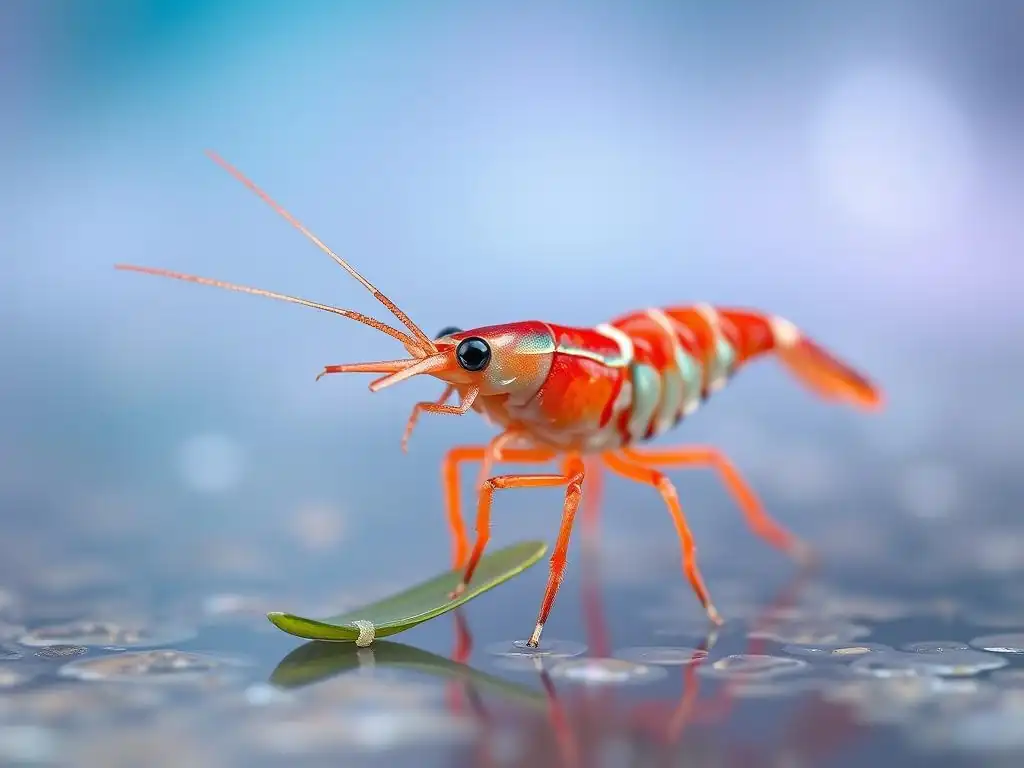
The constant flicking of a shrimp's antennae is one of the most consistent and vital shrimp behavior meaning signals, representing their primary mode of interacting with and understanding their environment.
Shrimp possess two pairs of antennae: the longer antennules and the shorter antennae. Both are covered in chemoreceptors and mechanoreceptors, making them highly sensitive sensory organs. The constant flicking motion allows the shrimp to "taste" and "smell" the water, detecting chemical cues related to food sources, the presence of predators, or the release of pheromones by other shrimp. For example, male shrimp will frenetically flick their antennae when a female releases mating pheromones, allowing them to pinpoint her location.
Beyond chemical detection, antennae also play a crucial role in navigation. They act like tactile feelers, helping the shrimp map out its surroundings, detect obstacles, and navigate through dense plant growth or rocky terrain. A shrimp actively exploring its environment with constant antennal flicking is displaying a healthy shrimp behavior meaning signal, indicating alertness and engagement with its surroundings.
Interpreting Antennal Flicking Frequency
The frequency and intensity of antennal flicking can also provide shrimp behavior meaning signals. A healthy, active shrimp will exhibit a consistent, rhythmic flicking motion as it grazes and explores. This continuous sensing is normal and indicates an alert, well-adapted individual.
However, a sudden increase in flicking speed or frantic, agitated movements of the antennae could be a shrimp behavior meaning signal of alarm or the detection of a significant change in water chemistry. For instance, if a shrimp suddenly encounters a potential predator or a patch of water with undesirable parameters, its antennal flicking might become noticeably more rapid as it tries to gather more information or assess the threat. Conversely, very slow or absent antennal movement could indicate extreme lethargy, illness, or even impending death, as the shrimp lacks the energy to maintain this vital sensory function.
Troubleshooting Abnormal Shrimp Behavior
Identifying Potential Causes of Unusual Shrimp Behavior
When shrimp exhibit abnormal shrimp behavior meaning signals, it's crucial to systematically identify the underlying cause. Most issues stem from environmental factors that can be rectified with careful observation and intervention.
Water Parameter Issues: Ammonia, Nitrite, Nitrate Imbalances
The most common culprit behind unusual shrimp behavior meaning signals is poor water quality. Shrimp are incredibly sensitive to nitrogenous compounds. Even trace amounts of ammonia (NH3/NH4+) or nitrite (NO2-) are highly toxic, causing shrimp to become lethargic, swim erratically, or attempt to escape the tank. Ammonia levels above 0.1 ppm can be lethal, while nitrite levels as low as 0.25 ppm can cause severe stress and death.
While less immediately toxic, high nitrate (NO3-) levels (consistently above 20-40 ppm for sensitive species like Caridina) can also lead to chronic stress, reduced activity, and failed molts. A sudden change in pH, especially a drop below 6.0 or a rise above 8.0 for most dwarf shrimp, can also induce stress behaviors like hiding or rapid breathing. Observing shrimp behavior meaning signals like sudden death or a lack of activity in conjunction with poor water test results confirms these chemical imbalances as the cause.
Disease and Parasites: Recognizing the Symptoms
While less common than water parameter issues, diseases and parasites can also manifest as abnormal shrimp behavior meaning signals. Bacterial or fungal infections might cause lethargy, loss of appetite, discoloration (e.g., white patches, black spots), or visible fuzzy growths on the shrimp's body. For instance, a shrimp with a bacterial infection might appear cloudy or have a dull, opaque shell, coupled with reduced movement.
Parasites, such as Vorticella or Scutariella japonica, can often be seen as small white tufts or worms attached to the shrimp's exoskeleton, particularly around the rostrum or gills. Infested shrimp might exhibit increased scratching or rubbing behavior, reduced foraging, or difficulty molting. A shrimp constantly picking at its gills or carapace could be indicating the presence of external parasites. Early recognition of these shrimp behavior meaning signals is vital for successful treatment.
Inadequate Diet: Addressing Nutritional Deficiencies
A prolonged inadequate diet can also lead to subtle but significant shrimp behavior meaning signals of distress and poor health. Shrimp require a balanced diet rich in proteins, minerals (especially calcium for molting), and vitamins. A deficiency in essential nutrients can result in stunted growth, failed molts (often seen as a shrimp getting stuck in its old shell), dull coloration, and reduced activity.
For example, a shrimp colony fed only algae wafers without additional protein sources might show signs of slow growth and infrequent breeding compared to a colony receiving a varied diet including specialized shrimp pellets, blanched vegetables, and occasional protein supplements. Consistent failed molts are a strong shrimp behavior meaning signal of calcium deficiency or improper GH levels, indicating a need to supplement minerals or adjust water hardness. Observing shrimp that are constantly foraging but appear thin or lackluster suggests their current food source is not meeting their nutritional needs.
Corrective Actions for Common Shrimp Behavior Problems
Improving Water Quality: Water Changes and Filtration
Addressing water quality issues is the first and most critical step when abnormal shrimp behavior meaning signals are observed. Immediate action often involves performing a partial water change, typically 20-30% of the tank volume, using dechlorinated water that is temperature-matched to prevent shock. For instance, if ammonia is detected at 0.5 ppm, a 50% water change might be necessary, followed by daily 20% changes until parameters stabilize.
Ensuring adequate filtration is also key. A mature biological filter (e.g., sponge filter or hang-on-back filter with biomedia) is essential for converting toxic ammonia and nitrite into less harmful nitrate. Regular filter maintenance, such as gently rinsing sponge filters in old tank water, prevents clogging without destroying beneficial bacteria. Adding fast-growing live plants like Hornwort or Water Wisteria can also help absorb excess nitrates, further contributing to stable water parameters and preventing stress-related shrimp behavior meaning signals.
Treating Diseases and Parasites: Safe Medications and Quarantine Procedures
Treating shrimp diseases and parasites requires caution, as many common fish medications are toxic to invertebrates. If shrimp behavior meaning signals point to disease, it's best to first confirm the diagnosis through close observation or microscopy if possible. For external parasites like Vorticella, non-copper-based treatments or salt dips (e.g., a short bath in a separate container with 1 teaspoon of aquarium salt per gallon for 5-10 minutes) can be effective.
For internal bacterial infections, broad-spectrum antibiotics safe for invertebrates might be considered, but always research thoroughly and use with extreme care. Quarantining affected shrimp in a separate, established tank is highly recommended to prevent the spread of disease and to allow for targeted treatment without harming the main colony. For example, if a shrimp shows signs of a fungal infection, isolating it and treating with a methylene blue dip (diluted, shrimp-safe concentration) could be a viable option.
Supplementing Diet: Providing a Balanced and Nutritious Food Source
If shrimp behavior meaning signals indicate nutritional deficiencies, adjusting the diet is crucial. Provide a varied diet that includes high-quality, specialized shrimp pellets or sticks formulated with essential minerals (like calcium carbonate) and proteins. Supplement this with blanched vegetables such as spinach, zucchini, or kale, which provide fiber and vitamins. For example, offering blanched spinach leaves every other day can help ensure a good supply of plant-based nutrients.
Additionally, consider providing occasional protein sources like spirulina flakes or small amounts of bloodworms (ensure they are clean and free of parasites). Indian Almond Leaves or alder cones can also be added to the tank, as they release beneficial tannins and encourage biofilm growth, providing a natural food source. A balanced diet not only improves coloration and growth but also strengthens the shrimp's immune system, making them more resilient to stress and disease.
Maintaining a Healthy Environment for Optimal Shrimp Behavior
Creating a Shrimp-Friendly Aquarium Setup
A well-designed aquarium setup is fundamental to promoting natural shrimp behavior meaning signals and overall well-being. The physical environment plays a significant role in their comfort and security.
Substrate, Plants, and Decorations: Providing Shelter and Grazing Areas
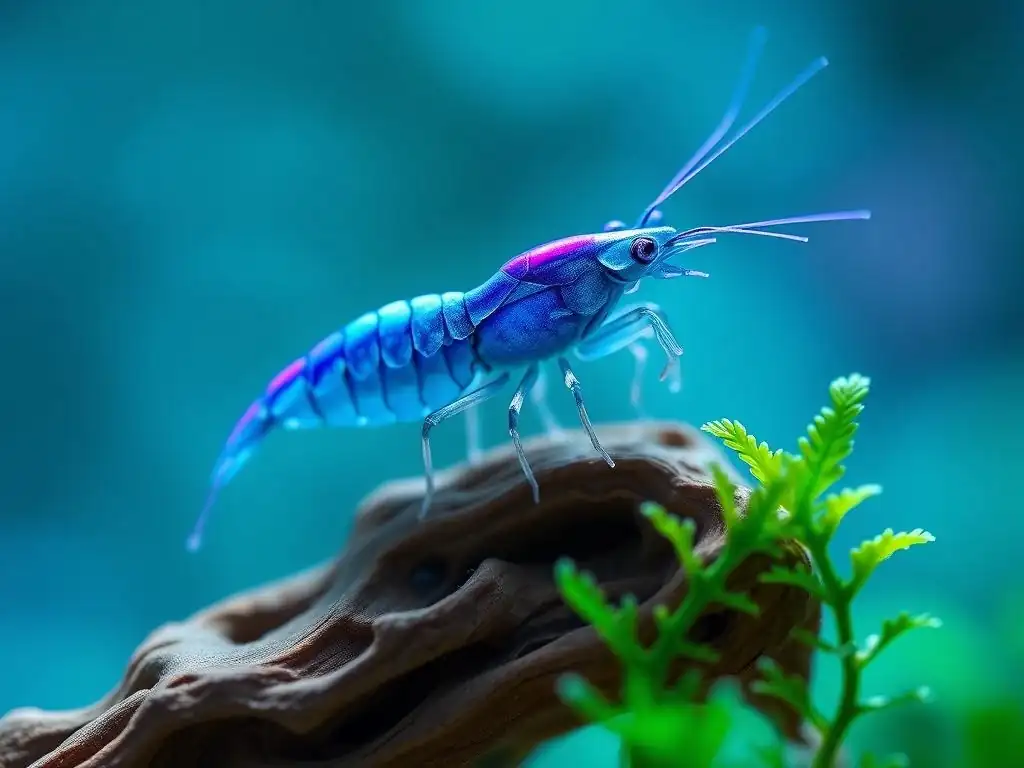
The choice of substrate profoundly impacts shrimp health and behavior. Fine-grained substrates like inert sand or specialized shrimp-specific soils (e.g., ADA Aquasoil, Fluval Stratum) are ideal, as they allow shrimp to safely graze without damaging their delicate legs and antennae. A dark substrate can also help enhance shrimp coloration, making their shrimp behavior meaning signals more visible.
Dense live plants, particularly mosses (Java Moss, Christmas Moss), provide abundant grazing surfaces for biofilm, essential micro-organisms, and algae, which are primary food sources for shrimp. Plants also offer crucial hiding spots for molting shrimp and shrimplets, reducing stress and increasing survival rates. Adding driftwood, small rocks, and ceramic shrimp tubes further enhances the habitat, offering additional grazing areas and secure retreats. For instance, a 10-gallon tank with 50% plant coverage, including a large clump of moss, offers ample space for a colony of 30-40 Neocaridina shrimp to thrive and display natural shrimp behavior meaning signals.
Water Parameters: Maintaining Optimal Conditions for Shrimp Health
Maintaining stable and optimal water parameters is the cornerstone of successful shrimp keeping and directly influences their shrimp behavior meaning signals. Specific parameters vary by species, but consistency is universally critical. For Neocaridina shrimp, ideal parameters include a pH of 6.5-7.5, GH (General Hardness) of 6-10 dGH, KH (Carbonate Hardness) of 2-8 dKH, and a temperature of 68-78°F (20-25.5°C). Caridina shrimp typically prefer slightly softer, more acidic water: pH 5.5-6.5, GH 4-6 dGH, KH 0-2 dKH, and a temperature of 68-74°F (20-23.5°C).
Regular water testing (at least weekly) using reliable liquid test kits is essential to monitor ammonia, nitrite, nitrate, pH, GH, and KH levels. Sudden fluctuations in any of these parameters can cause severe stress, leading to abnormal shrimp behavior meaning signals like erratic swimming or lethargy. Using a reliable water conditioner that neutralizes chlorine and chloramines, and performing consistent, small water changes (e.g., 10-20% weekly) helps maintain stability and remove accumulated nitrates.
Preventing Stress and Promoting Natural Shrimp Behavior
Shrimp are sensitive to changes and disturbances, which can induce stress and alter their natural shrimp behavior meaning signals. Minimizing sudden environmental shifts is crucial. This includes avoiding rapid temperature fluctuations (e.g., keeping the heater stable), sudden changes in lighting intensity or duration, and loud noises or vibrations near the tank. For example, installing a dimmer on your aquarium light or using a timer can help simulate natural dawn/dusk cycles, reducing stress from abrupt light changes.
Over-cleaning the tank can also be detrimental, as it removes the beneficial biofilm that shrimp graze on. Instead of scrubbing everything clean, focus on targeted cleaning and allow some algae growth. A stable, mature tank environment with consistent parameters and minimal external interference will encourage shrimp to display their full range of natural shrimp behavior meaning signals, such as active grazing, breeding, and confident exploration.
Choosing Compatible Tank Mates
The selection of tank mates profoundly impacts shrimp stress levels and shrimp behavior meaning signals. The ideal scenario for shrimp is a species-only tank, as almost any fish, even small ones, can view shrimplets as food and sometimes even adult shrimp as a snack. If tank mates are desired, choose very small, peaceful, and non-aggressive fish that occupy different water columns and have tiny mouths, making them less likely to prey on shrimp.
Excellent choices include Otocinclus catfish, small Boraras species (e.g., Chili Rasboras), or certain micro-rasboras. Avoid larger tetras, most cichlids, guppies (especially males with flowing fins that might nip), and bettas, as they are notorious shrimp predators. Observing shrimp behavior meaning signals like constant hiding or darting away when fish are near indicates a strong predation threat. A colony of shrimp that actively grazes in the open, even with fish present, suggests compatible tank mates have been chosen.
Advanced Shrimp Keeping: Understanding Nuances in Shrimp Behavior
Observing Substrate Digging Behavior
While not as common as in some fish species, freshwater shrimp, particularly some Caridina varieties and Amano shrimp, may exhibit subtle substrate digging or sifting behavior. This shrimp behavior meaning signal is often associated with foraging for detritus, micro-organisms, or leftover food particles buried within the substrate. They use their antennae and tiny legs to sift through the top layer of sand or soil, actively searching for edibles.
In a well-established tank with a rich biofilm layer in the substrate, this behavior is a positive indication of active foraging and a healthy micro-ecosystem. For instance, you might observe a group of Crystal Red Shrimp meticulously sifting through a patch of specialized shrimp soil, their pleopods fanning to stir up particles. However, if shrimp are frantically digging in an otherwise clean substrate, it could also be a shrimp behavior meaning signal of insufficient food availability on surfaces, prompting them to search deeper.
Identifying Dominance Displays Among Shrimp
While true aggression is rare, subtle dominance displays can be observed, especially around highly desirable food sources or during breeding. These shrimp behavior meaning signals are typically non-violent and involve one shrimp attempting to "push" or "shove" another away from a prime spot. Larger or more robust individuals, often females, might subtly assert themselves by simply occupying the most advantageous position on a food pellet, causing smaller shrimp to back away.
In a healthy colony, these interactions are usually brief and harmless, with the displaced shrimp simply moving to another feeding spot. Persistent or overly aggressive pushing, however, could be a shrimp behavior meaning signal of overcrowding or insufficient feeding stations. For example, if 30 shrimp are trying to feed on a single small pellet, you might see more frequent gentle nudges than if multiple pellets are distributed throughout the tank.
Recognizing Signs of Unsuccessful Molting Attempts
One of the most concerning shrimp behavior meaning signals is an unsuccessful molting attempt, often referred to as "Molting Death Syndrome" or "White Ring of Death." This occurs when the shrimp fails to fully shed its old exoskeleton, often getting stuck with a ring of the old shell around its body, typically near the mid-section where the carapace meets the abdomen. The shrimp will appear to struggle, sometimes twitching or lying on its side, unable to free itself.
This is a critical shrimp behavior meaning signal indicating a serious underlying issue, most commonly a deficiency in minerals (especially calcium and magnesium) needed for the new shell to form correctly, or incorrect water hardness (GH/KH). It can also be caused by rapid changes in water parameters or insufficient protein in the diet. A shrimp exhibiting these shrimp behavior meaning signals is likely to die within hours if the issue is not immediately addressed by ensuring optimal GH and KH levels and providing a balanced diet.
Conclusion: Mastering the Art of Understanding Your Freshwater Shrimp
Mastering the art of understanding your freshwater shrimp is a rewarding journey for any aquarist. By diligently observing their shrimp behavior meaning signals, you gain an invaluable window into their health, well-being, and the overall state of your aquarium. From the subtle flick of an antenna indicating exploration, to the frantic swimming that warns of environmental distress, every action provides crucial information.
Recognizing normal molting patterns, healthy feeding habits, and peaceful social interactions allows you to appreciate the thriving life within your tank. Conversely, identifying abnormal shrimp behavior meaning signals such as prolonged hiding, erratic movements, or faded coloration empowers you to act swiftly, addressing underlying water quality issues, nutritional deficiencies, or potential threats. This proactive approach, guided by an informed interpretation of shrimp behavior meaning signals, not only ensures the longevity and vibrancy of your shrimp colony but also fosters a deeper connection with these captivating invertebrates, transforming your aquarium into a truly harmonious ecosystem.
Frequently Asked Questions
What are some common shrimp behaviors that might indicate stress or illness?
Common indicators include decreased activity, loss of color, and erratic swimming. These can point to poor water parameters or disease.
How can I interpret the meaning of a shrimp's molting behavior?
Molting is a natural process where shrimp shed their exoskeleton. Frequent molting could suggest water quality issues, while difficulty molting can indicate a mineral deficiency.
What does it mean if my shrimp are constantly hiding and not coming out to feed?
Excessive hiding often indicates stress or a lack of security. Check for aggressive tank mates, poor water quality, or insufficient hiding places.
Are there specific shrimp behaviors that indicate they are happy and healthy in their aquarium?
Signs of healthy shrimp include active foraging, bright coloration, and regular molting. They'll also exhibit social interaction with other shrimp.
How can I differentiate between normal shrimp behavior and behavior that requires immediate intervention?
Normal behavior includes grazing on algae and exploring the tank. Intervention is needed for sudden changes like lethargy, clamped swimming, or unusual coloration.
Final Reflection: Unveiling the Secrets of the Shrimplet World
The intricacies of freshwater shrimp behavior, once a mystery to many aquarists, are now becoming increasingly clear, thanks to dedicated observation and shared knowledge. Understanding these subtle "shrimp behavior meaning signals" is no longer just a hobbyist pursuit, but a gateway to providing optimal care and fostering thriving aquatic ecosystems. By learning to interpret their movements, molting patterns, and social interactions, we can create environments where these fascinating creatures can truly flourish.
This journey into the shrimplet world has profoundly impacted how we perceive the delicate balance of our aquariums. Recognizing the nuances of shrimp communication allows us to be more attentive and responsive caretakers, fostering a deeper connection with these often-overlooked inhabitants. The smallest creatures, the most overlooked, often hold the greatest secrets.
This sentiment rings true as we delve deeper into understanding the complex lives of our freshwater shrimp, revealing a world of communication and social dynamics previously hidden from view.
Now, armed with a greater understanding of shrimp behavior, I encourage you to observe your own aquatic companions with renewed curiosity. Take the time to decipher their signals, respond to their needs, and appreciate the intricate beauty of their miniature world. By becoming more attuned to their silent language, you can unlock a deeper level of connection and create a truly harmonious and thriving aquarium environment for your shrimp.
Unleash the Shrimp Whisperer Within!
Thanks for diving into the fascinating world of shrimp behavior! We hope you've gained valuable insights into understanding your tiny aquatic companions. Now, it's time to put that knowledge into action and create an even better environment for your shrimp.
Here's how you can further connect with your shrimp:
- Start a Shrimp Journal: Dedicate a notebook or digital document to recording your shrimp's daily behaviors, molting patterns, and any changes you observe. This will help you identify potential problems early and gain a deeper understanding of their individual personalities.
- Share Your Shrimp Secrets: Post a picture or video of your shrimp on social media using #AquariumMasteryShrimp and tell us what you've learned about their unique behaviors. Let's build a community of shrimp enthusiasts!
- Experiment with Enrichment: Introduce a new, shrimp-safe plant or decoration to your tank and observe how your shrimp interact with it. Do they seem more active, playful, or curious?
What's the most surprising behavior you've observed in your shrimp today, and how will you use that knowledge to improve their well-being?