
Neocaridina vs. Ghost Shrimp: Key Differences for Aquarists to Know

Welcome to Aquarium Mastery!
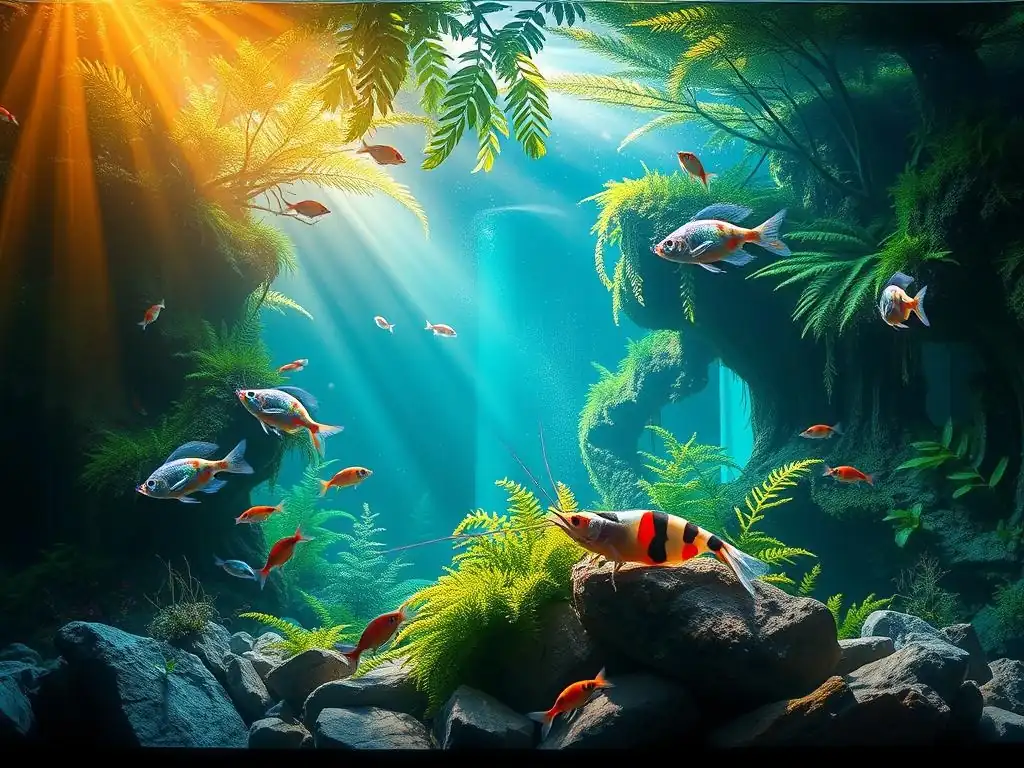
Ever wondered if those adorable Neocaridina shrimp are the right fit for your aquarium, or if ghost shrimp might be a better choice? Dive in! This article unravels the key differences between these popular invertebrates, offering essential Neocaridina shrimp care tips and insights that will help you create a thriving aquatic ecosystem. Ready to discover which shrimp will truly thrive in your tank and bring your underwater world to life? Let's get started!
- Cherry Shrimp vs. Amano Shrimp: Key Differences for Aquarists to Know
- Introduction: Choosing the Right Shrimp for Your Freshwater Aquarium
- Cherry Shrimp: A Colorful and Popular Choice
- Amano Shrimp: The Algae-Eating Powerhouse
-
Cherry Shrimp vs. Amano Shrimp: A Detailed Comparison
- Appearance and Color Variations: Cherry Shrimp's Reds vs. Amano Shrimp's Translucence
- Size and Growth Rate: How They Compare in Your Aquarium
- Temperament and Behavior: Are They Peaceful Tank Mates?
- Diet and Feeding Habits: Algae Grazers vs. Algae Control
- Water Parameter Requirements: pH, Temperature, and Hardness Considerations
- Breeding and Reproduction: Ease of Breeding in Home Aquariums
- Cherry Shrimp Care Tips: A Deeper Dive
- Amano Shrimp Care Tips: Ensuring Their Well-being
- Which Shrimp is Right for You? Making the Best Choice for Your Aquarium
- Conclusion: Mastering Shrimp Keeping for a Thriving Aquarium
-
Frequently Asked Questions
- How difficult is it to care for Neocaridina shrimp compared to ghost shrimp?
- What are the key differences in appearance between Neocaridina and ghost shrimp?
- What are the ideal water parameters for keeping Neocaridina shrimp healthy?
- Can Neocaridina shrimp and ghost shrimp be kept together in the same aquarium?
- What are some common issues encountered when caring for Neocaridina shrimp, and how can they be resolved?
- Final Reflection: Appreciating the Nuances of Aquatic Life
- Transform Your Aquarium: Embrace the Shrimp Life!
Cherry Shrimp vs. Amano Shrimp: Key Differences for Aquarists to Know
Introduction: Choosing the Right Shrimp for Your Freshwater Aquarium
Selecting the appropriate inhabitants for a freshwater aquarium is a crucial step for any aquarist, and shrimp are often a popular choice due to their unique behaviors, vibrant colors, and beneficial roles in tank maintenance. Among the most commonly kept species are the Cherry Shrimp ( Neocaridina davidi) and the Amano Shrimp ( Caridina multidentata). While both are excellent additions to a community tank, they possess distinct characteristics that make them suitable for different aquarium setups and aquarist goals.
Understanding these differences is key to ensuring the health and prosperity of your aquatic ecosystem. This article will delve into a comprehensive comparison of Cherry Shrimp and Amano Shrimp, covering their appearance, care requirements, breeding habits, and overall suitability for various aquarium environments. By the end, you'll be equipped with the knowledge to make an informed decision, leading to a thriving and balanced aquatic display.
Cherry Shrimp: A Colorful and Popular Choice
Understanding Cherry Shrimp Color Grades and Genetics
Cherry Shrimp, scientifically known as Neocaridina davidi, are renowned for their striking red coloration, which has been selectively bred over generations to achieve various intensity levels. These color grades, ranging from standard Red Cherry to Sakura, Fire Red, and Painted Fire Red, represent increasing saturation and opacity of the red pigment. The genetics behind these grades involve polygenic traits, meaning multiple genes contribute to the color expression, making selective breeding a common practice among hobbyists aiming for specific hues.
Aquarists often start with lower-grade shrimp and, through careful breeding and culling, can gradually improve the color intensity within their colonies. This process not only enhances the aesthetic appeal of the shrimp but also provides a fascinating insight into basic genetic principles for the dedicated shrimp keeper. Understanding these grades is an important aspect of Neocaridina shrimp care tips, as it influences market value and breeding goals.
Key Features of Cherry Shrimp: Size, Color, and Lifespan
Cherry Shrimp are relatively small invertebrates, typically reaching an adult size of about 1 to 1.5 inches (2.5 to 3.8 cm) in length. While red is their most famous color, Neocaridina davidi also comes in a wide array of other colors, including blue, yellow, orange, green, and black, all stemming from the same base species but through different selective breeding lines. Their small size makes them ideal for nano tanks, and their vibrant colors provide a beautiful contrast against green plants and dark substrates.
The average lifespan of a Cherry Shrimp in a well-maintained aquarium is typically between 1 to 2 years, though some individuals may live slightly longer under optimal conditions. Factors such as consistent water parameters, a balanced diet, and the absence of predatory tank mates significantly contribute to their longevity. Their relatively short lifespan means that a healthy breeding colony is often desired by aquarists to ensure a continuous population.
Ideal Water Parameters for Cherry Shrimp Health and Breeding
Maintaining stable and appropriate water parameters is paramount for the health and successful breeding of Cherry Shrimp. These hardy Neocaridina shrimp thrive in a slightly alkaline to neutral pH range, ideally between 6.5 and 8.0. They prefer moderately hard water, with a General Hardness (GH) of 6-10 dGH and a Carbonate Hardness (KH) of 2-8 dKH, which provides the necessary minerals for molting and shell development.
The optimal water temperature for Cherry Shrimp is generally between 68-78°F (20-25.5°C). While they can tolerate temperatures outside this range for short periods, consistent temperatures within this spectrum encourage active foraging and prolific breeding. Providing these stable conditions is one of the most critical Neocaridina shrimp care tips, ensuring robust health and vibrant coloration.
Cherry Shrimp Care Tips: Diet, Tank Mates, and Maintenance
Cherry Shrimp are omnivorous scavengers and excellent detritivores, primarily feeding on biofilm, algae, and decaying plant matter found within the aquarium. Their diet should be supplemented with high-quality shrimp-specific pellets, algae wafers, and blanched vegetables like zucchini or spinach. Providing a varied diet ensures they receive all necessary nutrients, supporting their growth and vibrant coloration.
When choosing tank mates, it's essential to select small, peaceful fish that will not prey on the shrimp or their tiny shrimplets. Ideal companions include Otocinclus catfish, small rasboras (e.g., Chili Rasboras), and Endler's Livebearers. Avoid aggressive or large fish like Cichlids or most barbs. Regular, small water changes (e.g., 10-20% weekly or bi-weekly) using dechlorinated water are crucial for maintaining water quality and preventing the buildup of harmful nitrates, which is a key part of effective Neocaridina shrimp care tips.
Amano Shrimp: The Algae-Eating Powerhouse
What are Amano Shrimp? Understanding Their Role in the Aquarium
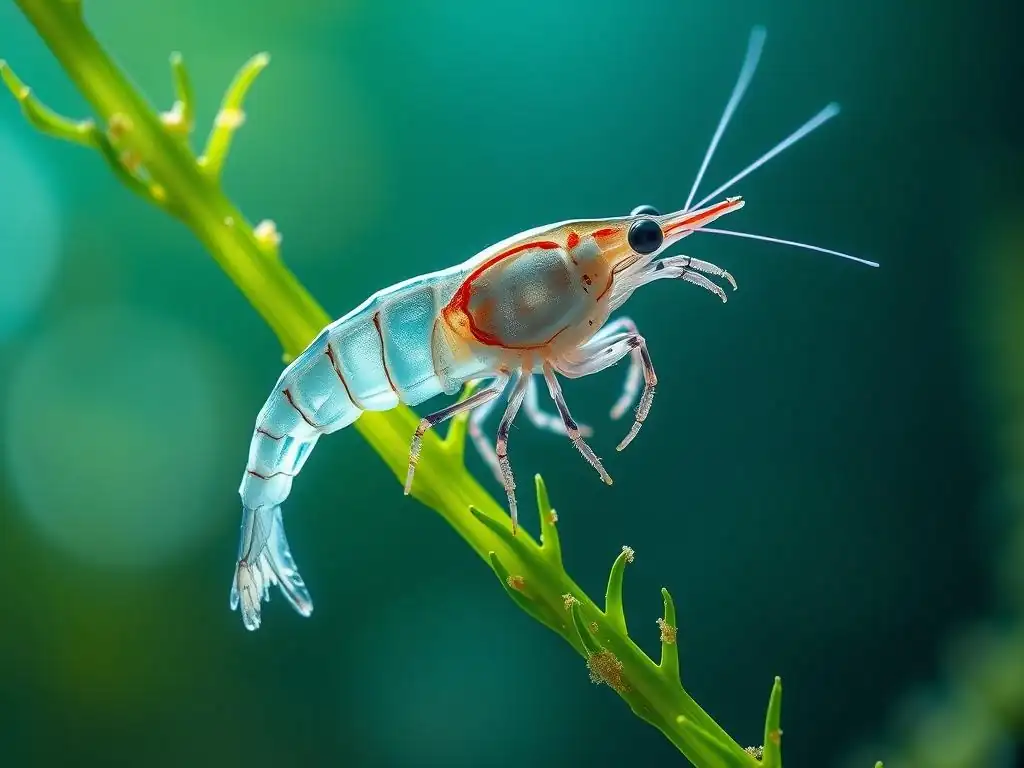
Amano Shrimp, scientifically known as Caridina multidentata, are widely celebrated in the aquarium hobby for their unparalleled ability to consume various types of algae, including stubborn hair algae and even some forms of black beard algae. Named after the famous aquascaper Takashi Amano, who popularized their use in planted tanks, these shrimp are often considered one of the most effective natural algae control solutions available to aquarists. Their diligent grazing habits help maintain a clean and aesthetically pleasing aquarium environment, reducing the need for manual algae removal.
Unlike many other shrimp species, Amano Shrimp primarily focus on consuming nuisance algae and biofilm, making them highly desirable for aquarists struggling with algae outbreaks. Their unique feeding behavior, characterized by constant scavenging and grazing on surfaces, contributes significantly to the overall health and cleanliness of the tank. This makes them an invaluable asset for both new and experienced aquarists seeking biological solutions for algae management.
Amano Shrimp Characteristics: Size, Appearance, and Behavior
Amano Shrimp are larger than Cherry Shrimp, typically reaching an adult size of 1.5 to 2 inches (3.8 to 5 cm) in length, with females generally being larger than males. Their appearance is distinct: they are mostly translucent or pale grey, adorned with a series of reddish-brown or dark spots and dashes along their bodies. These markings can vary in intensity depending on their diet and environment, sometimes appearing almost invisible.
Their behavior is characterized by constant activity; Amano Shrimp are perpetual scavengers, diligently combing through plants, substrate, and decorations in search of food. They are generally peaceful and spend most of their time grazing, often seen in open areas of the tank. While they are not known for their vibrant colors, their industrious nature and effectiveness in algae control make them highly valued members of the aquarium clean-up crew.
Optimal Water Conditions for Amano Shrimp Survival
Amano Shrimp are relatively adaptable when it comes to water parameters, making them suitable for a wide range of freshwater setups. They thrive in a pH range of 6.0 to 8.0, demonstrating a good tolerance for both slightly acidic and alkaline conditions. For hardness, a General Hardness (GH) of 5-15 dGH and a Carbonate Hardness (KH) of 1-10 dKH are generally considered ideal, providing sufficient minerals for their exoskeletons without being overly restrictive.
The preferred water temperature for Amano Shrimp is between 70-80°F (21-26.5°C). While they can tolerate cooler temperatures, consistent warmth within this range encourages active metabolism and foraging. Like all aquatic invertebrates, Amano Shrimp are highly sensitive to sudden changes in water parameters and the presence of copper, so slow acclimation and avoiding copper-based medications are crucial for their survival.
Amano Shrimp Care Guidelines: Feeding, Tank Setup, and Compatibility
While Amano Shrimp are renowned for their algae-eating prowess, they also benefit from supplemental feeding, especially in tanks where algae growth is minimal. They readily accept algae wafers, spirulina flakes, blanched vegetables, and high-quality shrimp pellets. Ensuring a varied diet prevents them from becoming opportunistic feeders on live plants or other tank inhabitants if their primary food sources are scarce.
A suitable tank setup for Amano Shrimp should include plenty of hiding places such as dense plant cover, driftwood, and rock formations, which provide security, especially after molting. They are generally peaceful and can coexist with a wide array of small, non-aggressive fish like Tetras, Rasboras, and even other peaceful shrimp species. Due to their tendency to climb, a secure lid is recommended to prevent them from escaping the aquarium, as they can be quite adventurous.
Cherry Shrimp vs. Amano Shrimp: A Detailed Comparison
Appearance and Color Variations: Cherry Shrimp's Reds vs. Amano Shrimp's Translucence
The most striking difference between Cherry Shrimp and Amano Shrimp lies in their appearance. Cherry Shrimp are celebrated for their wide array of vibrant, opaque colors, most notably various shades of red (from light cherry to deep fire red), but also yellow, blue, green, and black. These colors are a result of extensive selective breeding, making them a focal point for aesthetic appeal in the aquarium. Their bodies are typically solid and uniform in color, with females often exhibiting a more intense hue.
In contrast, Amano Shrimp are primarily translucent or a pale grey-brown, allowing them to blend into their surroundings. They are characterized by a series of small, broken dashes or dots along their sides, which can be black, brown, or reddish, and may vary in visibility depending on the shrimp's diet and environment. While not as visually flamboyant as Cherry Shrimp, their subtle markings contribute to a more natural, understated look in a planted tank.
Size and Growth Rate: How They Compare in Your Aquarium
Cherry Shrimp are considered small dwarf shrimp, typically reaching an adult size of 1 to 1.5 inches (2.5 to 3.8 cm). They grow relatively quickly, reaching maturity and reproductive age within a few months, especially under optimal conditions. Their compact size makes them ideal for smaller nano aquariums (as small as 5 gallons) and for aquarists who prefer a less conspicuous presence from their invertebrates.
Amano Shrimp are noticeably larger, growing to about 1.5 to 2 inches (3.8 to 5 cm) in length, with mature females often being the largest. Their growth rate is also steady, and they generally reach their full size within six months to a year. Their larger size means they are better suited for tanks of 10 gallons or more, where they have ample space to forage without overcrowding.
Temperament and Behavior: Are They Peaceful Tank Mates?
Both Cherry Shrimp and Amano Shrimp are known for their peaceful temperaments, making them excellent community tank inhabitants. Cherry Shrimp are generally shy and spend their time grazing on surfaces, often seen picking at biofilm on plants, substrate, and decorations. They are non-aggressive towards other tank inhabitants and prefer to stay out of the way, making them suitable for peaceful community setups.
Amano Shrimp are also highly peaceful and non-aggressive. They are more active and bolder foragers than Cherry Shrimp, often seen openly grazing on algae throughout the tank. Their larger size means they are less likely to be intimidated by small to medium-sized fish. Neither species will bother fish or other invertebrates, provided the tank mates are not predatory towards them.
Diet and Feeding Habits: Algae Grazers vs. Algae Control
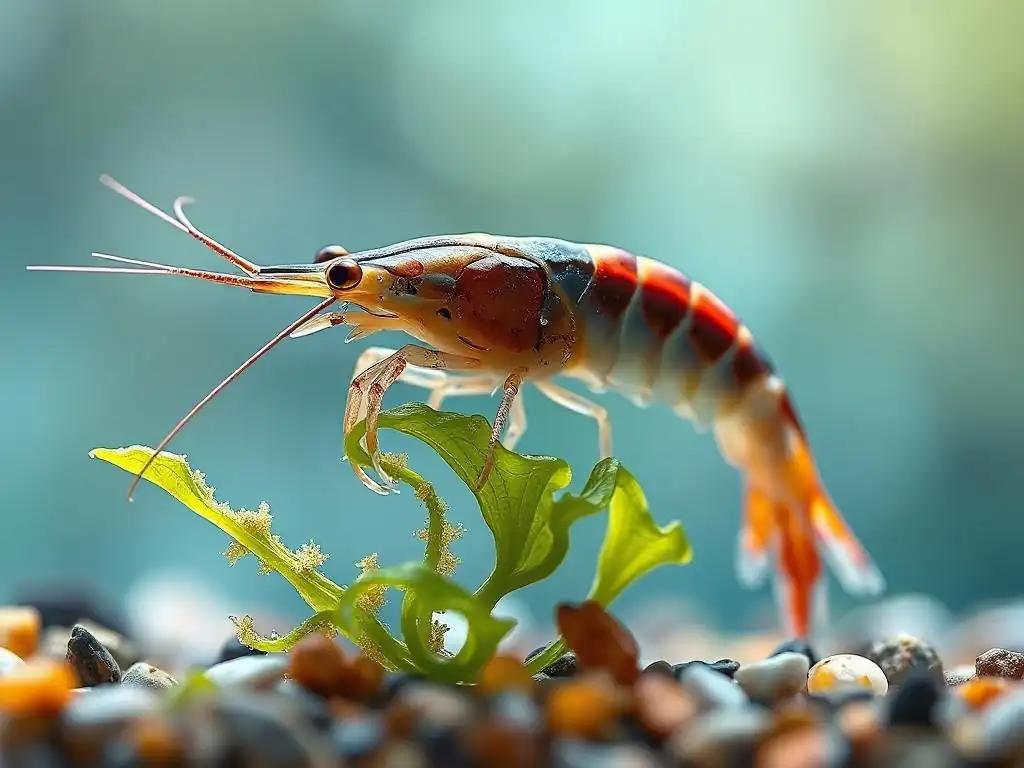
The primary diet and feeding habits represent a significant functional difference. Cherry Shrimp are primarily scavengers and detritivores, constantly grazing on biofilm, microalgae, and decaying plant matter. While they do consume some algae, their effectiveness against widespread algae outbreaks is limited. They thrive on supplemental foods like algae wafers, blanched vegetables, and specialized shrimp pellets, which are crucial for their health and breeding.
Amano Shrimp, on the other hand, are renowned for their voracious appetite for various types of nuisance algae, including hair algae, string algae, and even some forms of black beard algae. They are far more efficient and dedicated algae eaters than Cherry Shrimp, making them the preferred choice for aquarists specifically looking for biological algae control. While they also scavenge, their main contribution is their superior algae-grazing ability.
Water Parameter Requirements: pH, Temperature, and Hardness Considerations
Both shrimp species are relatively hardy, but they have slight preferences in their ideal water parameters. Cherry Shrimp prefer a pH range of 6.5-8.0, a GH of 6-10 dGH, and a KH of 2-8 dKH, with temperatures between 68-78°F (20-25.5°C). They thrive in slightly harder, more alkaline water which supports their exoskeleton development and breeding.
Amano Shrimp are slightly more tolerant of a broader range of parameters, accepting a pH of 6.0-8.0, a GH of 5-15 dGH, and a KH of 1-10 dKH. Their preferred temperature range is similar, 70-80°F (21-26.5°C). While both can adapt, Cherry Shrimp tend to breed more prolifically and show better coloration in conditions leaning towards slightly harder and more alkaline water, whereas Amano Shrimp are more forgiving across a wider spectrum.
Breeding and Reproduction: Ease of Breeding in Home Aquariums
The ability to breed in a home aquarium is a major differentiating factor. Cherry Shrimp are incredibly easy to breed in freshwater aquariums. Females will regularly carry eggs (berried) and, after a gestation period of about 3-4 weeks, release fully formed, miniature versions of the adult shrimp. These shrimplets require no special care and can survive and grow within the same tank as the adults, making them an excellent choice for hobbyists interested in breeding and establishing a self-sustaining colony. This ease of reproduction is a significant appeal for Neocaridina shrimp care tips.
Amano Shrimp, however, are much more challenging to breed in a typical home aquarium setup. While females will readily become berried and release larvae in freshwater, these larvae require brackish water (a mix of fresh and saltwater) to survive and develop through several larval stages before metamorphosing into miniature shrimp. This complex life cycle, requiring precise salinity changes and specific microscopic food sources, makes breeding Amano Shrimp a specialized endeavor that is rarely achieved by casual hobbyists.
Cherry Shrimp Care Tips: A Deeper Dive
Setting Up the Ideal Cherry Shrimp Tank: Substrate, Plants, and Decorations
For optimal Cherry Shrimp health and breeding, a well-set-up tank is crucial. A fine-grained substrate like sand or small gravel is preferred, as it allows the shrimp to sift for detritus and protects their delicate legs. Live plants are indispensable, providing ample surface area for biofilm growth, hiding spots, and a sense of security. Java Moss, Anubias, and Cryptocoryne species are excellent choices. Densely planted areas, especially with mosses, offer ideal refuges for shrimplets.
Driftwood and smooth rocks also enhance the tank environment by providing additional surfaces for biofilm and grazing. These elements contribute to a natural aesthetic and create a complex ecosystem where shrimp can thrive. Ensuring the tank is mature (cycled for several weeks) before adding shrimp is a vital Neocaridina shrimp care tip, as it provides a stable environment and a ready supply of biofilm.
Maintaining Water Quality for Cherry Shrimp: Water Changes and Filtration
Consistent water quality is paramount for Cherry Shrimp. They are sensitive to sudden fluctuations in parameters and the accumulation of nitrates. Small, frequent water changes, typically 10-20% weekly or bi-weekly, using dechlorinated water, are highly recommended to keep nitrate levels low and replenish essential minerals. Avoid large water changes that can shock the shrimp.
For filtration, sponge filters are ideal for Cherry Shrimp tanks. They provide gentle filtration without the risk of sucking up tiny shrimplets, and their porous surface offers an additional area for biofilm growth. Hang-on-back (HOB) filters can be used if an intake sponge is added to prevent shrimp from being drawn into the filter. Chemical filtration media like activated carbon can be used sparingly but should be monitored to ensure it doesn't remove essential minerals.
Avoiding Common Cherry Shrimp Problems: Diseases and Predation
Cherry Shrimp are generally hardy, but they can suffer from issues related to poor water quality, lack of minerals, and predation. Common problems include molting issues (often due to insufficient calcium or magnesium), bacterial infections (indicated by lethargy or discoloration), and parasitic infestations. Maintaining stable parameters, providing a balanced diet, and ensuring proper mineral content in the water are key preventative measures.
Predation is a significant threat, especially to shrimplets. Avoid housing Cherry Shrimp with any fish large enough to fit a shrimplet in its mouth, or fish known to be aggressive or fin-nippers. Even seemingly peaceful fish can opportunistically prey on shrimp. Ensuring adequate hiding spots, such as dense plant cover, can help shrimplets survive. Avoiding copper-based medications is another critical Neocaridina shrimp care tip, as copper is highly toxic to all invertebrates.
Choosing the Right Tank Mates for Cherry Shrimp: Compatibility Guide
Selecting compatible tank mates is crucial for the well-being of Cherry Shrimp. The general rule is to choose fish that are too small to eat adult shrimp and are not aggressive. Ideal tank mates include Otocinclus catfish, small rasboras (e.g., Chili Rasboras, Harlequin Rasboras), Endler's Livebearers, and peaceful nano fish like Dwarf Gouramis (though some caution is advised). Snails, such as Nerite Snails and Mystery Snails, also make excellent, peaceful companions.
Avoid any cichlids, most barbs, larger tetras (like Serpae Tetras), goldfish, and any predatory fish. Even bettas, while sometimes listed as compatible, can be opportunistic predators on shrimp, especially shrimplets. The safest option for prolific breeding is a shrimp-only tank, which allows the colony to grow without any risk of predation.
Amano Shrimp Care Tips: Ensuring Their Well-being
Creating a Suitable Habitat for Amano Shrimp: Hiding Places and Substrate
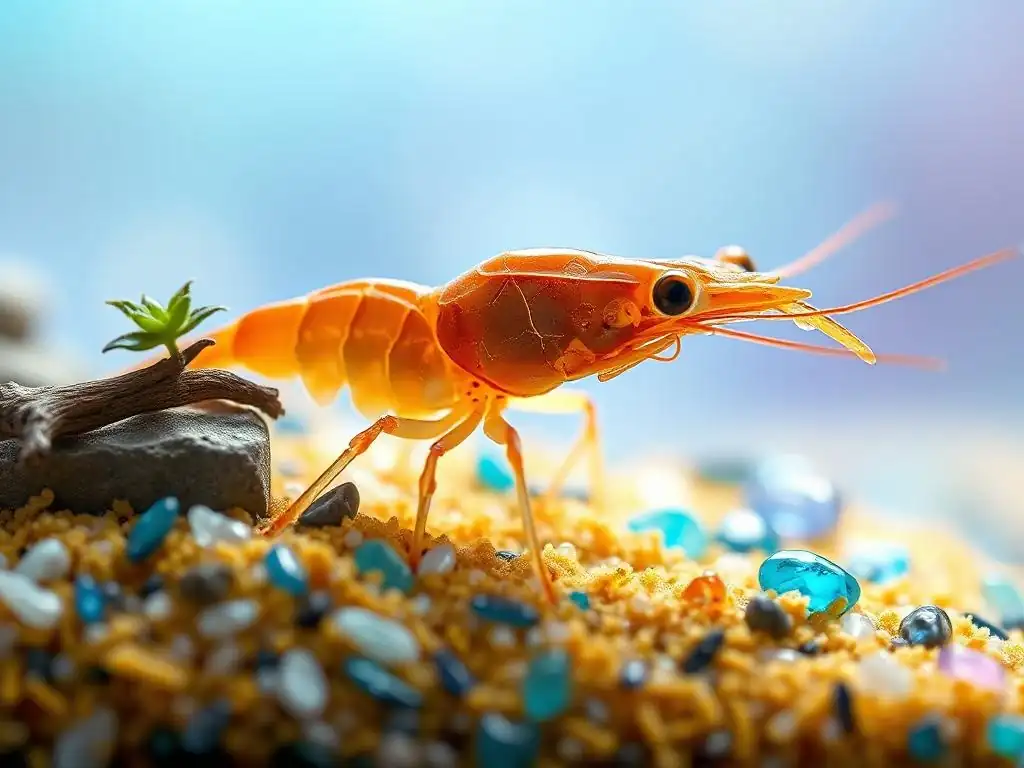
While Amano Shrimp are robust, a suitable habitat significantly contributes to their well-being and activity. A densely planted tank with plenty of natural decor like driftwood and rocks provides ample surface area for algae growth, which is their primary food source, and offers numerous hiding spots. These hiding places are particularly important after molting when their new exoskeleton is soft and they are most vulnerable.
A fine-grained substrate like sand or small, smooth gravel is ideal, as it allows them to forage effectively without damaging their delicate appendages. A mature tank with established biofilm is highly beneficial before introducing Amano Shrimp, as it provides a readily available food supply and a stable environment.
Preventing Amano Shrimp Deaths: Addressing Common Issues
Amano Shrimp are generally hardy, but several factors can lead to their demise. The most common cause of death is improper acclimation to a new tank; they are very sensitive to sudden changes in water parameters. Drip acclimation over an hour or more is highly recommended. Copper-based medications are lethal to all shrimp, so ensure no copper is present in the tank or any new products introduced.
Another common issue is escape; Amano Shrimp are notorious jumpers, especially if water quality is poor or if they are stressed. A tight-fitting lid is essential. Ensuring consistent water parameters, providing a varied diet, and maintaining a clean, well-filtered tank environment are key preventative measures for their long-term survival.
Understanding Amano Shrimp Molting Process
Molting is a natural and essential part of an Amano Shrimp's growth cycle, just as it is for all crustaceans. As they grow, their rigid exoskeleton cannot expand, so they periodically shed it to allow for new growth. Signs of an impending molt include a duller color, reduced activity, or a visible gap between their shell and body. The actual molting process is quick, often lasting only a few minutes, during which they pull themselves out of their old shell.
After molting, the shrimp is very vulnerable, as its new shell is soft. It will typically hide for a few hours to a day until the new exoskeleton hardens. It is crucial not to remove the shed exoskeleton from the tank, as the shrimp will often consume it to reabsorb valuable minerals like calcium, which are vital for strengthening its new shell.
Recognizing Signs of Illness in Amano Shrimp
Recognizing signs of illness early can help in addressing issues before they become fatal. A healthy Amano Shrimp is active, constantly foraging, and has a translucent appearance with clear markings. Signs of illness include lethargy or inactivity, refusal to eat, unusual swimming patterns (e.g., erratic movements or struggling), discoloration (becoming opaque white or cloudy), or the presence of visible parasites.
If an Amano Shrimp shows signs of distress, first check water parameters for any fluctuations or imbalances, particularly ammonia, nitrite, and nitrate levels. Ensure the water is free of copper. Isolating sick individuals can prevent the spread of potential diseases, though specific treatments for shrimp diseases are limited and often involve improving water quality and providing optimal conditions.
Which Shrimp is Right for You? Making the Best Choice for Your Aquarium
Factors to Consider: Tank Size, Experience Level, and Tank Mate Compatibility
When deciding between Cherry Shrimp and Amano Shrimp, several factors should guide your choice. For tank size, Cherry Shrimp are suitable for nano tanks as small as 5 gallons, while Amano Shrimp, due to their larger size and active foraging, thrive better in tanks of 10 gallons or more.
Your experience level also plays a role: Cherry Shrimp are generally easier to breed and maintain, making them an excellent choice for beginners looking to venture into shrimp keeping and Neocaridina shrimp care tips. Amano Shrimp are also hardy but their inability to breed in freshwater might be a consideration for some.
Tank mate compatibility is crucial. Both are peaceful, but Cherry Shrimp are more vulnerable to predation due to their smaller size and the size of their shrimplets. If you plan to keep any fish larger than nano species, Amano Shrimp might be a safer bet due to their larger adult size. For a dedicated breeding project, a shrimp-only tank is ideal for Cherry Shrimp.
Budget Considerations: Cost of Cherry vs. Amano Shrimp
The initial cost of the shrimp can also be a factor, although prices can vary significantly by region and supplier. Generally, Cherry Shrimp (especially lower grades) are less expensive per individual than Amano Shrimp. A standard Red Cherry Shrimp might cost around $2-$5, while an Amano Shrimp typically ranges from $4-$8 or more due to their wild-caught nature and the difficulty of breeding them commercially.
However, consider the long-term investment. Cherry Shrimp breed readily, allowing you to establish a self-sustaining colony relatively quickly, potentially offsetting the initial cost if you plan to keep a large population. Amano Shrimp, on the other hand, will always need to be purchased as adults, as breeding them at home is exceptionally difficult, meaning ongoing costs for replacement or additional individuals.
Algae Control: Which Shrimp is the Best Algae Eater?
If your primary goal is effective algae control, particularly against tough types like hair algae or black beard algae, the Amano Shrimp is the undisputed champion. Their larger size and voracious appetite for a wide variety of algae make them highly efficient clean-up crew members, capable of making a noticeable difference in a tank plagued by algae. Many aquascapers rely on Amano Shrimp specifically for this purpose.
While Cherry Shrimp do graze on biofilm and some soft algae, they are not nearly as effective as Amano Shrimp for significant algae outbreaks. They primarily act as detritivores and scavengers, helping to keep the tank generally clean of decaying matter. If algae is a major concern, supplementing with Amano Shrimp is a wise decision, even if you keep Cherry Shrimp for their aesthetic appeal.
Planted Tank: Which Shrimp is Best for a Planted Tank?
Both Cherry Shrimp and Amano Shrimp are excellent additions to planted tanks, but they serve slightly different roles. Cherry Shrimp, with their vibrant colors, add a dynamic visual element, especially when contrasted against green foliage. They are also beneficial for consuming decaying plant matter and biofilm on leaves, contributing to the overall cleanliness without disturbing the plants. Their small size means they are unobtrusive.
Amano Shrimp are particularly valued in planted tanks for their superior algae-eating abilities, which help maintain the pristine appearance of plants by keeping their leaves free from unsightly algae. They will not harm healthy plants, making them ideal for meticulously aquascaped setups. Ultimately, a combination of both types can offer the best of both worlds: the vibrant aesthetics of Cherry Shrimp and the powerful algae control of Amano Shrimp.
Conclusion: Mastering Shrimp Keeping for a Thriving Aquarium
Choosing between Cherry Shrimp and Amano Shrimp ultimately depends on your specific goals and the characteristics of your aquarium. If you prioritize vibrant colors, ease of breeding, and a self-sustaining population, the Cherry Shrimp ( Neocaridina davidi) is an excellent choice, offering a rewarding experience in Neocaridina shrimp care tips. Their small size and prolific breeding make them ideal for dedicated shrimp tanks or very peaceful community setups.
Conversely, if your primary need is robust algae control and you desire a larger, active scavenger that won't readily breed in your display tank, the Amano Shrimp ( Caridina multidentata) stands out as the superior option. Many aquarists find that a combination of both species provides the perfect balance of aesthetic appeal and functional cleanliness. By understanding their distinct needs and characteristics, you can make an informed decision that leads to a thriving, balanced, and visually appealing freshwater aquarium.
Frequently Asked Questions
How difficult is it to care for Neocaridina shrimp compared to ghost shrimp?
Neocaridina shrimp are generally considered easier to care for than ghost shrimp. They are more adaptable to a wider range of water parameters and less prone to sudden deaths, making them ideal for beginners. Ghost shrimp can be more sensitive and require stricter conditions.
What are the key differences in appearance between Neocaridina and ghost shrimp?
Neocaridina shrimp come in a wide variety of colors, such as red cherry, yellow golden back, and blue dream. Ghost shrimp, as their name suggests, are mostly transparent, sometimes with a slight greenish or brownish tint. This makes Neocaridina shrimp more visually appealing in aquariums.
What are the ideal water parameters for keeping Neocaridina shrimp healthy?
Neocaridina shrimp thrive in a water temperature of 68-78°F (20-26°C), a pH of 6.5-8.0, and a general hardness (GH) of 4-8 dGH. Maintaining stable and clean water is crucial for their well-being. Regular water changes are recommended.
Can Neocaridina shrimp and ghost shrimp be kept together in the same aquarium?
While it's possible to keep them together, it's not always recommended. Ghost shrimp can sometimes become predatory towards smaller or molting Neocaridina shrimp, especially if food is scarce. Providing ample hiding places can help mitigate this risk.
What are some common issues encountered when caring for Neocaridina shrimp, and how can they be resolved?
Common issues include molting problems, often caused by inadequate water parameters (especially calcium), and sudden deaths due to poor water quality or contamination. Ensure proper water parameters and avoid using copper-based medications, which are toxic to shrimp.
Final Reflection: Appreciating the Nuances of Aquatic Life
The distinctions between Neocaridina and Ghost Shrimp, as we've explored, are more than just biological; they represent a microcosm of the choices and responsibilities inherent in aquarium keeping. Understanding these subtle differences is paramount not only for the health and well-being of our aquatic companions but also for fostering a deeper appreciation for the delicate balance of the ecosystem we create within our tanks. This knowledge empowers aquarists to make informed decisions, ultimately leading to a more rewarding and sustainable hobby.
The impact of informed aquascaping extends beyond the confines of our glass boxes. It fosters a greater awareness of the interconnectedness of life and the importance of responsible pet ownership. The growing popularity of shrimp keeping, particularly Neocaridina shrimp, is a testament to this shift. As we learn to cater to their specific needs, we become more attuned to the broader environmental challenges facing aquatic ecosystems. In the end, we will conserve only what we love; we will love only what we understand; and we will understand only what we are taught.
- Baba Dioum's words resonate deeply, reminding us that education is the cornerstone of conservation.
Now, consider the knowledge you've gained. How can you apply these insights to your own aquarium, or even to your understanding of the natural world? Take a moment to reflect on the choices you make as an aquarist and how they impact the lives of the creatures in your care. Let this understanding inspire you to become a more responsible and informed hobbyist, contributing to a future where aquatic life thrives, both in our tanks and in the wild.
Transform Your Aquarium: Embrace the Shrimp Life!
Thank you for diving into the fascinating world of shrimp keeping! Now that you're armed with the knowledge of Neocaridina and Ghost Shrimp, it's time to take the plunge and create a thriving shrimp haven.
Here are a few actions to elevate your aquarium game:
- Start your shrimp adventure by selecting the right species for your tank! Consider your water parameters, tank size, and desired aesthetic.
- Delve deeper into the specifics with further research on specialized forums or dedicated online resources.
- Share your newfound shrimp wisdom! Help fellow aquarists by sharing this article with your friends and aquarium groups.
Ready to create a vibrant shrimp ecosystem? Which shrimp species are you most excited to introduce to your aquarium?