
The Art of Coculturing: Rotifer, Copepod, and Phytoplankton Synergy Explained

Welcome to Aquarium Mastery!
Ever wondered how to unlock the true potential of your saltwater aquarium ecosystem and create a thriving, self-sustaining environment? Dive in and discover the fascinating world of rotifer copepod phytoplankton cultivation. We'll guide you through the art of co-culturing, revealing how these tiny organisms can drastically improve the health and vitality of your saltwater fish and corals. Ready to explore the secrets of a balanced aquatic world? Let's get started!
- Understanding Rotifer, Copepod, and Phytoplankton Coculture for Saltwater Larval Rearing
- Setting Up Your Coculture System: A Step-by-Step Guide
- Optimizing Your Coculture: Environmental Factors and Nutrition
- Managing and Harvesting Your Coculture System
- Troubleshooting Common Coculture Issues
- Advanced Coculture Techniques and Strategies
- The Benefits of Coculturing for Saltwater Aquarium Breeding
-
Frequently Asked Questions
- How does co-culturing rotifers, copepods, and phytoplankton benefit an aquarium?
- What are the ideal conditions for successful rotifer, copepod, and phytoplankton cultivation?
- Why is phytoplankton essential in this co-culturing system?
- What are some common challenges faced when co-culturing these organisms, and how can they be overcome?
- What types of containers and equipment are needed to start co-culturing rotifers, copepods, and phytoplankton?
- Final Reflection: Cultivating a Symbiotic Future
- Unleash the Power of Coculture!
Understanding Rotifer, Copepod, and Phytoplankton Coculture for Saltwater Larval Rearing
Why Coculturing is Crucial for Successful Saltwater Fish Breeding
Successful saltwater fish breeding hinges critically on providing appropriate live feed for newly hatched larvae. Most marine fish larvae are incredibly small, often measuring just 1-3 millimeters at hatch, and possess tiny mouthparts that can only ingest microscopic prey. Commercial dry feeds are typically too large, lack the necessary nutritional profile, or leach nutrients too quickly, leading to starvation and high mortality rates in delicate larval stages. This makes a reliable source of live, appropriately sized, and nutritionally rich food indispensable for marine aquarists aiming to breed challenging species.
Coculturing, specifically the integrated rotifer copepod phytoplankton cultivation, addresses this fundamental challenge by creating a dynamic, self-sustaining food chain. Instead of relying on single-species cultures that may be nutritionally incomplete, coculturing ensures that the primary consumers (rotifers and copepods) are continuously gut-loaded with a diverse array of phytoplankton.
This process significantly enhances the nutritional value of the live feed, providing essential fatty acids (like DHA and EPA), amino acids, and vitamins crucial for rapid larval development, proper organ formation, and robust immune systems. For example, larval clownfish (Amphiprion ocellaris) fed an enriched diet derived from cocultured systems typically exhibit survival rates exceeding 70%, a stark contrast to the often less than 30% survival observed when fed un-enriched or single-species diets.
The Interconnected Ecosystem: Rotifers, Copepods, and Phytoplankton
At the heart of successful marine larval rearing lies the understanding of the interconnected ecosystem formed by phytoplankton, rotifers, and copepods. Phytoplankton, as primary producers, form the base of this miniature food web, converting light energy into biomass through photosynthesis. They are then grazed upon by primary consumers: rotifers and copepods. These zooplankton, in turn, become the vital live feed for marine fish larvae, which are secondary consumers. This direct feeding relationship ensures that the energy and nutrients captured by the phytoplankton are efficiently transferred up the food chain to the developing fish.
Beyond a simple food chain, a symbiotic relationship exists within a well-managed rotifer copepod phytoplankton cultivation system. Phytoplankton actively consumes metabolic byproducts from the zooplankton, such as nitrates and phosphates, helping to maintain water quality and reduce the accumulation of harmful compounds. This nutrient recycling creates a more stable and resilient culture environment, mirroring natural marine food webs where producers and consumers maintain a delicate balance. The continuous presence of fresh, actively growing phytoplankton ensures that the rotifers and copepods are always consuming a highly nutritious diet, directly translating to superior health and growth for the target fish larvae.
Setting Up Your Coculture System: A Step-by-Step Guide
Selecting the Right Phytoplankton Species for Rotifer and Copepod Feed
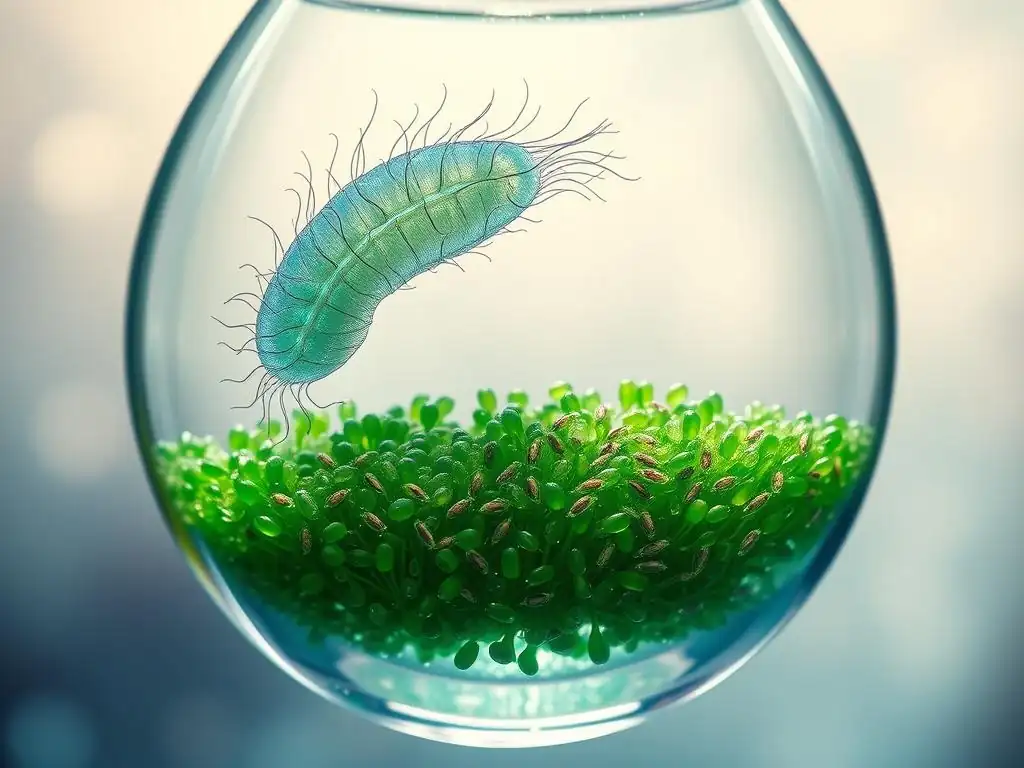
The selection of appropriate phytoplankton species is paramount for the success of any rotifer copepod phytoplankton cultivation system. Not all phytoplankton strains are equally digestible or nutritionally complete for zooplankton. Different species vary in size, cell wall composition, and their profile of essential nutrients, particularly lipids and fatty acids. It is crucial to choose species that are readily consumed by your target rotifer and copepod strains and that offer a balanced nutritional content to support their rapid reproduction and subsequent enrichment of larval fish.
For instance, Nannochloropsis oculata is a widely used and highly effective phytoplankton for rotifer cultivation due due to its small cell size (2-4 µm), which makes it easily ingestible by even the smallest rotifer species, and its relatively high lipid content. For copepods and larger rotifers, Tetraselmis chuii (8-12 µm) offers a good alternative or supplement, providing a broader range of nutrients.
Another excellent choice is Chaetoceros muelleri (5-10 µm), a diatom known for its beneficial fatty acid profile, which is particularly valuable for enriching copepods and is crucial for the development of certain sensitive marine fish larvae. A diverse mix of two or three compatible phytoplankton species often yields the best results in a robust rotifer copepod phytoplankton cultivation setup.
Best Phytoplankton Strains for Rotifer Enrichment and Copepod Growth
When considering specific phytoplankton strains for enriching rotifers and promoting copepod growth, focus on their nutritional composition, particularly their highly unsaturated fatty acid (HUFA) content. Nannochloropsis remains a staple for L-type rotifers ( Brachionus plicatilis) and S-type rotifers ( Brachionus rotundiformis) due to its consistent growth and digestibility.
However, for maximum larval benefit, Isochrysis galbana (often referred to as T-Iso) is unparalleled for its high levels of Docosahexaenoic Acid (DHA), an omega-3 fatty acid critical for the neurological and retinal development of marine fish larvae. Rotifers fed Isochrysis at concentrations of 1-2 million cells/mL for 6-12 hours prior to feeding larvae can see their DHA content increase significantly, often by 200-500%.
For copepods, especially harpacticoids like Tisbe holothuriae or calanoids such as Acartia tonsa, a mixed diet of phytoplankton often yields superior results. While Nannochloropsis can serve as a base, incorporating diatoms like Chaetoceros muelleri or Thalassiosira weissflogii is highly beneficial. These diatoms provide essential sterols and fatty acids that are often less abundant in green algae, leading to more robust copepod growth and reproduction. A typical feeding density for copepod cultures might involve maintaining phytoplankton concentrations between 50,000 to 100,000 cells/mL, ensuring a constant food source to drive their life cycle from nauplii to adult.
Establishing a Stable Rotifer Culture for Larval Feed
Establishing a stable rotifer culture is the cornerstone of any successful rotifer copepod phytoplankton cultivation system. Begin with a clean, disinfected culture vessel, typically a clear plastic bucket or carboy, ranging from 10 to 50 liters. Inoculate with a healthy starter culture of Brachionus plicatilis (L-type) or Brachionus rotundiformis (S-type), depending on the target larval fish's mouth gape. An initial density of 50-100 rotifers per milliliter is a good starting point. Ensure gentle, continuous aeration is provided using an air stone to keep the rotifers suspended and oxygenated without causing turbulence that could damage them.
Once inoculated, the rotifer culture needs a consistent and abundant food source. Concentrated phytoplankton (e.g., Nannochloropsis or Isochrysis) should be added daily to maintain a light green tint in the culture water. A common feeding strategy involves adding enough phytoplankton to clear within 24 hours, ensuring the rotifers are actively feeding but not overfed, which could lead to bacterial blooms.
For a 10-liter rotifer culture at 200 rotifers/mL, this might translate to feeding 1-2 billion Nannochloropsis cells per day, adjusted based on rotifer density and consumption rate. Regular monitoring of rotifer density and water clarity is essential to prevent crashes and ensure continuous production for rotifer copepod phytoplankton cultivation.
Maintaining Optimal Rotifer Density and Water Quality
Maintaining optimal rotifer density and pristine water quality is crucial for the long-term stability and productivity of your rotifer culture within a broader rotifer copepod phytoplankton cultivation setup. The most effective method is a semi-continuous culture system, where a portion of the rotifers (typically 20-30%) is harvested daily and replaced with fresh, clean saltwater and new phytoplankton. This approach prevents the accumulation of waste products, provides a fresh environment, and encourages consistent reproduction, allowing cultures to maintain densities of 150-300 rotifers per milliliter for extended periods.
Water quality parameters must be rigorously controlled. Salinity should match the intended larval rearing tank, typically between 30-35 parts per thousand (ppt), to avoid osmotic shock when transferring rotifers to the larval tank. Temperature is another critical factor; for Brachionus species, an optimal range of 24-28°C (75-82°F) maximizes reproduction rates.
Below 20°C, reproduction slows significantly, and above 30°C, stress and crashes become more likely. Regular partial water changes, for example, 50% every 2-3 days, are vital to dilute ammonia, nitrite, and nitrate buildup, ensuring a healthy environment for the rotifers and preventing culture collapse, which is a common pitfall in rotifer copepod phytoplankton cultivation.
Introducing Copepods to the Culture: Nauplii and Adult Copepod Considerations
Introducing copepods into your coculture system significantly elevates the nutritional profile of live feeds for marine fish larvae, particularly for species known to be finicky or require specialized diets, such as mandarinfish, seahorses, or angelfish. Copepods offer superior nutritional value compared to rotifers, being richer in essential fatty acids and sterols, and their distinctive jerky swimming motion can trigger a stronger feeding response in certain larvae. You can start a copepod culture with either nauplii (larval stage) or adult copepods, depending on the species and availability.
When seeding a new copepod culture, it's important to select a clean, aerated vessel and inoculate with a sufficient number of healthy individuals. For a harpacticoid copepod like Tisbe holothuriae, an initial density of 5-10 adult copepods per liter can quickly lead to exponential growth under optimal conditions. These benthic copepods produce planktonic nauplii that are excellent first foods.
For planktonic calanoid copepods such as Acartia tonsa, which remain suspended, a similar initial density is suitable. Ensure the phytoplankton provided is appropriate for the chosen copepod species, as their dietary preferences can vary. Consistent feeding and stable water parameters are key to encouraging rapid reproduction and establishing a thriving copepod population for your rotifer copepod phytoplankton cultivation.
Choosing the Right Copepod Species for Your Larvae
Selecting the appropriate copepod species for your larval rearing program is a critical decision, as their size, swimming behavior, and nutritional profile vary significantly. Harpacticoid copepods, such as Tisbe holothuriae and Apocyclops panamensis, are often easier to culture due to their benthic nature, but their nauplii are planktonic and highly nutritious. Tisbe nauplii, typically ranging from 50-100 µm, are excellent for very small-mouthed larvae, like those of marine gobies or blennies. Their nauplii are rich in DHA and EPA, crucial for early development.
Calanoid copepods, such as Acartia tonsa and Parvocalanus crassirostris, are entirely planktonic throughout their life cycle, making them ideal for pelagic larval species that feed in the water column. Acartia nauplii can range from 80-200 µm, with adults reaching up to 1 mm, providing a range of sizes as larvae grow. Their continuous swimming motion often elicits a strong feeding response from larvae.
For species like marine bettas or dottybacks, which require precise food sizes, the smaller nauplii of Parvocalanus (often around 50-80 µm) are particularly valuable. A diverse rotifer copepod phytoplankton cultivation system often incorporates both rotifers and at least one species of copepod to provide a comprehensive and size-appropriate diet for various larval stages.
Optimizing Your Coculture: Environmental Factors and Nutrition
Water Quality Parameters: Salinity, Temperature, and pH in Cocultures
Maintaining precise and stable water quality parameters is non-negotiable for the sustained success of a rotifer copepod phytoplankton cultivation system. Salinity must be kept consistent, typically within the range of 28-35 parts per thousand (ppt), matching the requirements of the specific phytoplankton, rotifers, and copepods being cultured, as well as the eventual larval rearing tank. Sudden fluctuations can induce osmotic stress, leading to reduced reproduction rates or even culture crashes. Using high-quality synthetic sea salt mix and reverse osmosis/deionized (RO/DI) water ensures a clean and consistent starting point for your cultures.
Temperature profoundly influences the metabolic rates and reproductive cycles of all three organisms. For most tropical marine species, an optimal temperature range of 24-28°C (75-82°F) is ideal for maximizing growth and reproduction of both phytoplankton and zooplankton. Deviations outside this range can significantly slow growth or, if extreme, cause culture failure.
pH should be stable and within the typical marine range of 7.8-8.2. While phytoplankton photosynthesis can cause slight pH swings throughout the day, a well-buffered system will minimize these changes. Regular monitoring of these parameters with calibrated instruments is essential to ensure the health and productivity of your rotifer copepod phytoplankton cultivation.
Lighting and Aeration for Enhanced Phytoplankton Growth
Lighting is a critical environmental factor directly driving phytoplankton growth within a rotifer copepod phytoplankton cultivation system. Phytoplankton, being photosynthetic organisms, require adequate light intensity and spectrum to thrive. Full-spectrum LED or fluorescent lights with a color temperature of 6500K are highly effective, mimicking natural daylight.
A photoperiod of 16-18 hours of light followed by 6-8 hours of darkness is generally recommended to optimize photosynthetic activity and biomass production. Light intensity should be sufficient but not excessive; typically, 50-100 PAR (Photosynthetically Active Radiation) at the culture surface is adequate, as too much light can lead to photoinhibition or encourage unwanted algal growth.
Aeration serves multiple vital roles in a coculture. Firstly, it provides the necessary carbon dioxide (CO2) for phytoplankton photosynthesis, which is consumed as the cells grow. Secondly, it ensures adequate oxygen levels for the aerobic respiration of rotifers and copepods, especially at night when phytoplankton are not producing oxygen.
Thirdly, gentle aeration keeps the phytoplankton cells suspended in the water column, preventing them from settling and ensuring uniform light exposure and nutrient uptake. For a rotifer copepod phytoplankton cultivation system, use fine-bubble air stones to create a gentle boil, avoiding strong turbulence that can damage delicate phytoplankton cells or stress zooplankton.
Nutritional Enrichment Strategies for Rotifers and Copepods
While phytoplankton forms the foundational diet for rotifers and copepods in a coculture, it often lacks sufficient quantities of certain essential nutrients, particularly highly unsaturated fatty acids (HUFA) like Docosahexaenoic Acid (DHA) and Eicosapentaenoic Acid (EPA), which are critical for the healthy development of marine fish larvae. Therefore, nutritional enrichment of the zooplankton before feeding them to larvae is a crucial step to ensure optimal larval nutrition. This process, often called "gut-loading," involves feeding the rotifers and copepods a concentrated, nutrient-dense diet for a short period.
Commercial enrichment diets, such as lipid emulsions or microalgal concentrates, are specifically formulated to be rich in HUFAs, phospholipids, and essential vitamins. For instance, common products like Selco or Roti-Rich are frequently used. Rotifers are typically enriched for 6-12 hours in a separate, smaller vessel before being fed to larval tanks.
This brief enrichment period significantly boosts their DHA content, often increasing it by 2-5 times compared to unenriched rotifers, directly contributing to improved larval survival, growth, and reduced deformities. Similarly, copepods can be enriched, though their natural nutritional profile is often superior to rotifers, making enrichment less critical but still beneficial for peak larval performance within a rotifer copepod phytoplankton cultivation system.
Supplementing Phytoplankton with Additional Nutrients
Even the most robust phytoplankton cultures can benefit from direct nutrient supplementation to ensure their optimal growth and, consequently, their nutritional value for the zooplankton. While the waste products from rotifers and copepods provide some nutrients, they are often insufficient or imbalanced for sustained, high-density phytoplankton growth. The most common and effective method for supplementing phytoplankton is the use of aquaculture-grade fertilizers, specifically Guillard's F/2 media. This formulation provides a balanced array of macro-nutrients (nitrates, phosphates, silicates) and essential trace metals (iron, manganese, zinc, copper, cobalt, molybdenum) and vitamins (B12, thiamine, biotin) that are crucial for comprehensive phytoplankton development.
F/2 media is typically added to phytoplankton cultures at recommended concentrations, often 1 milliliter per liter of culture water, either as an initial dose when starting a new culture or periodically to replenish depleted nutrients. Regular observation of the phytoplankton's color and density can indicate nutrient needs; a pale green or yellowish culture often signals nutrient limitation. By ensuring the phytoplankton themselves are nutritionally robust, you are effectively strengthening the base of your rotifer copepod phytoplankton cultivation system, directly translating to healthier and more nutritious rotifers and copepods for your valuable marine fish larvae.
Managing and Harvesting Your Coculture System
Monitoring Rotifer and Copepod Populations
Consistent monitoring of rotifer and copepod populations is paramount for maintaining a productive and stable rotifer copepod phytoplankton cultivation system. This involves regularly assessing their density and overall health. The most common method for density estimation is taking a small, representative sample (e.g., 1-5 mL) from the culture and counting the individuals under a low-power microscope (typically 40x-100x magnification) using a Sedgwick-Rafter counting chamber or a gridded petri dish. This allows you to track population growth and determine optimal harvest rates.
Daily counts are recommended, especially for rotifers, which have rapid reproduction cycles. A healthy rotifer culture, for example, should show a doubling in density every 24-48 hours. For copepods, monitoring the presence and abundance of nauplii (larval copepods) is a key indicator of successful reproduction. If nauplii numbers are low, it suggests issues with the adult culture's health or feeding. Regular monitoring helps prevent overpopulation, which can crash a culture due to oxygen depletion or nutrient exhaustion, and also ensures you have a consistent supply of live feed for your larval fish.
Harvesting Techniques for Rotifers and Copepods
Effective harvesting techniques are crucial for efficiently utilizing your live feed cultures and maintaining their long-term health within a rotifer copepod phytoplankton cultivation system. For rotifers, the most common method involves siphoning or draining a portion of the culture (typically 30-50% daily) through a fine mesh screen. The mesh size is critical: for L-type rotifers ( Brachionus plicatilis), a 50-70 micron screen is generally used, while for smaller S-type rotifers ( Brachionus rotundiformis), a 30-40 micron screen might be necessary.
The rotifers are retained on the screen, while the culture water passes through. After harvesting, gently rinse the rotifers with clean, temperature-matched saltwater before adding them to the larval rearing tank to remove any residual culture water or waste.
Copepods require specific mesh sizes based on their life stage. Tisbe holothuriae nauplii, for instance, might be harvested using a 50-micron screen, while adult Tisbe typically require a 100-150 micron screen. Planktonic copepods like Acartia tonsa can sometimes be harvested by light trapping, where they are attracted to a light source in a darkened room and then siphoned off. Always return the filtered culture water to the main culture vessel after harvesting to maintain the integrity of the system. Careful handling during harvesting minimizes stress on the zooplankton and ensures they remain viable and nutritious for the fish larvae.
Preventing Culture Crashes: Best Practices for Long-Term Stability
Preventing culture crashes is paramount for the continuous and reliable supply of live feed from your rotifer copepod phytoplankton cultivation system. A crash can wipe out weeks of progress and leave your larval fish without their essential food source. Common causes of crashes include nutrient depletion, overfeeding leading to bacterial blooms, sudden temperature fluctuations, and contamination by unwanted organisms. To mitigate these risks, consistent feeding, precise environmental control, and meticulous hygiene are essential.
Best practices for long-term stability include maintaining sterile conditions by disinfecting all equipment before use, employing filtered and UV-sterilized saltwater for all culture media and water changes, and rigorously inspecting any new starter cultures for contaminants. Implementing a semi-continuous harvesting schedule, as discussed previously, helps to regularly remove waste products and replenish nutrients, preventing buildup that could lead to crashes. Furthermore, always having backup cultures of both phytoplankton and zooplankton, even small ones, provides a vital safety net in case of an unexpected crash in your primary rotifer copepod phytoplankton cultivation system, ensuring you can quickly re-establish your supply.
Troubleshooting Common Coculture Issues
Identifying and Addressing Phytoplankton Blooms and Crashes
Phytoplankton cultures, the base of any successful rotifer copepod phytoplankton cultivation system, are prone to both excessive blooms and sudden crashes, both of which can be detrimental. A "bloom" is characterized by the water becoming excessively dense and dark green, or even brown/red depending on the species. While initially seemingly positive, an overdense bloom can lead to critical oxygen depletion during the night when photosynthesis ceases, and respiration consumes oxygen.
It also rapidly depletes nutrients, leading to a subsequent crash. To address a bloom, increase aeration, temporarily reduce light intensity, or perform a partial water change (e.g., 20-30%) with fresh, un-inoculated saltwater to dilute the culture.
Conversely, a "crash" is a sudden and complete clearing of the culture water, often accompanied by a foul, sulfuric smell, indicating cell death and decomposition. Common causes include complete nutrient depletion, sudden temperature shock, contamination by protozoa or bacteria, or prolonged darkness. If a crash occurs, immediate action is required: perform a large partial water change (e.g., 50-70%) to remove dead cells and metabolites, identify and rectify the underlying cause (e.g., check nutrient dosing, temperature stability), and re-inoculate with fresh, healthy phytoplankton from a backup culture. Prompt action is crucial to restart your rotifer copepod phytoplankton cultivation.
Combating Rotifer and Copepod Contamination
Contamination is a persistent threat to the purity and productivity of rotifer and copepod cultures within a rotifer copepod phytoplankton cultivation setup. Common contaminants include unwanted ciliates (e.g., Euplotes, Vorticella), nematodes, and other wild zooplankton species. These invaders compete for food, can prey on your desired zooplankton, or even directly harm delicate fish larvae. Prevention is the first line of defense: always sterilize all culture vessels and equipment before use, use only filtered and UV-sterilized saltwater, and meticulously inspect any new starter cultures under a microscope before introducing them.
If contamination is detected, treatment strategies vary depending on the severity and type of contaminant. For mild ciliate contamination in rotifer cultures, a brief freshwater dip (20-30 seconds) for the harvested rotifers before feeding them to larvae can help remove some ciliates, though this is stressful for the rotifers. For severe or persistent contamination, especially with predatory organisms or resistant ciliates, it is often most effective and safest to discard the contaminated culture entirely. Then, thoroughly sterilize all equipment and restart with a fresh, clean starter culture to ensure the integrity of your rotifer copepod phytoplankton cultivation.
Dealing with Low Rotifer or Copepod Reproduction Rates
Low reproduction rates in your rotifer or copepod cultures are a clear indicator of underlying issues within your rotifer copepod phytoplankton cultivation system, directly impacting your ability to feed larval fish. The most common culprits are insufficient or poor-quality food, suboptimal water quality parameters (temperature, salinity, pH), or the accumulation of metabolic waste products. The first step in troubleshooting is to assess the phytoplankton culture: Is it dense enough? Is its color vibrant, indicating healthy growth? If the phytoplankton is sparse or pale, increase its nutrient supplementation (e.g., F/2 media) or light intensity.
Next, review the zooplankton culture's environment. Ensure the temperature is within the optimal range (e.g., 24-28°C for Brachionus rotifers). Verify salinity and pH stability. If the water appears cloudy or has a noticeable odor, it suggests a buildup of waste products. In such cases, perform a partial water change (e.g., 30-50%) with fresh, clean, temperature-matched saltwater. Consider increasing the feeding frequency or concentration of your phytoplankton to ensure the rotifers and copepods have a continuous and abundant food supply. Consistent observation and prompt adjustment of these factors are key to restoring robust reproduction in your rotifer copepod phytoplankton cultivation.
Advanced Coculture Techniques and Strategies
Scaling Up Your Coculture System for Larger-Scale Breeding
Scaling up your rotifer copepod phytoplankton cultivation system is a natural progression for aquarists moving from small-scale hobby breeding to larger, more ambitious projects or even commercial operations. The fundamental principles remain the same, but the execution requires larger equipment and more robust management. Instead of a single 10-liter bucket, you might transition to multiple 20-liter carboys, 100-liter conical tanks, or even custom-built fiberglass raceways designed for high-volume production. This increased volume necessitates more powerful aeration systems, larger and more numerous light fixtures, and potentially automated dosing pumps for phytoplankton.
Logistically, scaling up often involves maintaining multiple cultures in parallel for each organism. This strategy provides redundancy, acting as a crucial buffer against unexpected culture crashes in any single vessel. For example, having three 50-liter rotifer cultures ensures that if one crashes, you still have two others to draw from, allowing time to restart the failed one. Commercial facilities often dedicate entire rooms with precise environmental controls (temperature, humidity, lighting cycles) to optimize the growth of their rotifer copepod phytoplankton cultivation, ensuring a consistent and abundant supply of live feed for thousands of larval fish.
Integrating Cocultures with Larval Rearing Tanks
Integrating your rotifer copepod phytoplankton cultivation directly with larval rearing tanks represents an advanced strategy aimed at optimizing larval feeding and minimizing manual intervention. The most straightforward integration involves harvesting enriched rotifers and copepods from their culture vessels and manually adding them to the larval rearing tanks at regular intervals throughout the day. This ensures a constant supply of live, nutritious food, which is critical for species that feed continuously.
More sophisticated integration can involve automated or semi-automated systems. Dosing pumps can be programmed to deliver precise quantities of concentrated phytoplankton to the rotifer and copepod cultures at specific times, maintaining optimal food density for the zooplankton.
Subsequently, another set of dosing pumps or gravity-fed systems can transfer the zooplankton (rotifers and copepods) from their culture vessels directly into the larval rearing tanks at pre-set intervals, maintaining a consistent prey density for the developing larvae. This level of integration reduces labor, minimizes stress on the live feeds, and provides a more stable and efficient feeding environment, directly improving the success rates of rotifer copepod phytoplankton cultivation in larval aquaculture.
Using Cocultures to Improve Larval Survival and Growth Rates
The ultimate benefit of a well-managed rotifer copepod phytoplankton cultivation system is its profound impact on larval survival and growth rates. Marine fish larvae, particularly in their delicate first feeding stages, thrive on a diet that closely mimics their natural prey. Cocultured rotifers and copepods, especially when properly enriched with essential fatty acids (HUFA) and vitamins from their phytoplankton diet, provide a nutritionally complete package that artificial feeds simply cannot replicate. This superior nutrition translates directly into healthier, more robust larvae.
For example, studies and practical experience show that larval clownfish fed enriched rotifers and copepods from a diverse coculture can achieve survival rates of 70-80% or higher through metamorphosis, compared to often less than 30-40% when fed unenriched rotifers or exclusively dry feeds. The high levels of DHA and EPA, along with other critical micronutrients, support rapid tissue development, reduce deformities, and boost the immune system, leading to faster growth and more vigorous juvenile fish.
The diverse prey sizes offered by both rotifers and copepod nauplii also ensure that all larvae, regardless of their initial mouth gape or individual growth rate, have access to appropriately sized food throughout their early development, maximizing their potential in a comprehensive rotifer copepod phytoplankton cultivation program.
The Benefits of Coculturing for Saltwater Aquarium Breeding
Improved Larval Nutrition and Development
One of the most significant advantages of employing a rotifer copepod phytoplankton cultivation strategy is the dramatic improvement in larval nutrition and subsequent development. Marine fish larvae have extremely high metabolic rates and specific dietary requirements, particularly for essential fatty acids like DHA and EPA, and phospholipids, which are crucial for the development of their nervous system, vision, and cell membranes. Naturally occurring live feeds, continuously gut-loaded with nutrient-rich phytoplankton, provide these vital components in a highly bioavailable form that artificial diets often lack.
For instance, research and practical breeding efforts with species like yellow tangs ( Zebrasoma flavescens) and blue tangs ( Paracanthurus hepatus), historically challenging to breed, have shown significantly higher survival and metamorphosis rates when their larvae are fed a diverse diet incorporating copepod nauplii alongside rotifers. This is directly attributable to the unique nutritional components—such as specific lipid profiles and sterols—found in copepods that are less abundant in rotifers or artificial feeds. The holistic nutritional approach of rotifer copepod phytoplankton cultivation supports robust growth, reduces deformities, and enhances overall larval vitality, leading to more successful breeding outcomes.
Reduced Reliance on Artificial Feeds
Implementing a robust rotifer copepod phytoplankton cultivation system substantially reduces a breeder's reliance on artificial feeds for the critical first-feeding stages of marine fish larvae. While commercial dry larval diets exist, they often present several challenges: palatability issues, rapid nutrient leaching into the water column, and difficulty in matching the precise nutritional needs and size requirements of diverse marine larval species. Many delicate marine larvae simply will not recognize or consume non-motile dry particles, leading to starvation.
By cultivating your own live feeds, you gain complete control over the quality and nutritional enrichment of the food source. This self-sufficiency often proves to be more reliable and, in the long run, more cost-effective than continually purchasing specialized, often expensive, commercial larval diets that may still yield suboptimal results. The initial investment in setting up a rotifer copepod phytoplankton cultivation system is quickly offset by the consistently high survival rates and the ability to produce a steady supply of superior live food tailored to your breeding needs, minimizing dependence on external, less effective solutions.
A More Natural and Sustainable Approach to Larval Rearing
The practice of rotifer copepod phytoplankton cultivation represents a more natural and sustainable approach to marine larval rearing compared to methods heavily reliant on artificial feeds. This coculture system inherently mimics the foundational food webs found in natural marine environments, where phytoplankton are grazed by zooplankton, which are then consumed by larval fish. Providing live, motile prey that exhibits natural swimming behaviors and is continuously gut-loaded with fresh algae creates a less stressful and more biologically appropriate feeding environment for delicate larvae. This natural interaction can lead to healthier, more vigorous offspring that are better adapted for survival.
Furthermore, fostering self-sufficiency in live feed production through rotifer copepod phytoplankton cultivation contributes significantly to sustainable aquaculture practices within the hobby. By successfully breeding ornamental marine fish in captivity using in-house cultured feeds, aquarists actively reduce the demand for wild-caught larvae or juvenile fish, thereby alleviating pressure on vulnerable wild populations and their ecosystems. This approach aligns with the growing global movement towards responsible and environmentally conscious practices in the aquarium industry, allowing enthusiasts to contribute to conservation efforts while enjoying the rewarding experience of breeding marine life.
Frequently Asked Questions
How does co-culturing rotifers, copepods, and phytoplankton benefit an aquarium?
Co-culturing creates a self-sustaining food web within your aquarium. Phytoplankton feeds the rotifers and copepods, which in turn become live food for fish and invertebrates, improving their health and vibrancy. This also helps maintain water quality.
What are the ideal conditions for successful rotifer, copepod, and phytoplankton cultivation?
Optimal conditions include stable temperature, appropriate salinity (depending on the species), and sufficient light for phytoplankton growth. Regular monitoring of water parameters like ammonia and nitrates is also crucial, as is gentle aeration.
Why is phytoplankton essential in this co-culturing system?
Phytoplankton serves as the primary food source for both rotifers and copepods. It also helps to stabilize the water chemistry and remove waste products, creating a more balanced and sustainable environment.
What are some common challenges faced when co-culturing these organisms, and how can they be overcome?
Challenges include population crashes, imbalances in nutrient levels, and contamination. Regular monitoring, water changes, and careful control of lighting and feeding can help prevent these issues.
What types of containers and equipment are needed to start co-culturing rotifers, copepods, and phytoplankton?
You'll need culture vessels (buckets or tanks), an air pump with air stone, a light source for phytoplankton, and equipment for monitoring water parameters such as a salinity refractometer and test kits.
Final Reflection: Cultivating a Symbiotic Future
The intricacies of rotifer, copepod, and phytoplankton cultivation extend far beyond the laboratory, offering a microcosm of the delicate balance inherent in all ecosystems. Understanding and optimizing these symbiotic relationships, as explored in this article, is not merely an academic exercise; it's a crucial step towards sustainable aquaculture and a deeper appreciation for the interconnectedness of life itself. The principles of coculturing, when applied thoughtfully, can unlock unprecedented efficiencies and resilience in food production systems.
This journey into the world of microscopic organisms has profoundly impacted my perspective on the power of collaboration and the importance of mimicking natural processes. Witnessing the synergistic dance between rotifers, copepods, and phytoplankton underscores the potential for innovation when we embrace the wisdom of nature. In nature, nothing exists alone.
- Rachel Carson. This quote resonates deeply, reminding us that true progress lies not in isolation, but in fostering harmonious relationships within complex systems, whether in a laboratory setting or on a global scale.
Now, consider the implications of these insights for your own endeavors. How can you apply the principles of coculturing – collaboration, resource optimization, and a holistic approach – to your own life and work? Embrace the power of synergy, seek out mutually beneficial relationships, and strive to cultivate a more sustainable and interconnected future, one microscopic interaction at a time.
Unleash the Power of Coculture!
Thanks for diving into the fascinating world of coculturing! Now that you understand the potential benefits for your aquarium's ecosystem, it's time to put that knowledge into action. Let's take your aquarium hobby to the next level.
Here are some immediate steps you can take:
- Start small: Experiment with a simplified coculture setup using rotifers and a readily available phytoplankton species like Nannochloropsis to gain practical experience.
- Explore local resources: Research local aquarium clubs or online forums in your area to connect with experienced aquarists who have successfully implemented coculturing techniques. Sharing experiences and resources can drastically shorten your learning curve.
- Document your journey: Keep a detailed log of your coculture experiments, noting observations, successes, and challenges. Share your findings with the Aquarium Mastery community to contribute to the collective knowledge base.
What surprising observation did you make when establishing your first phytoplankton culture, and how did it influence your approach to coculturing?