
Tiger Oscar Deep Dive: Care & Temperament of This Striped Beauty


Welcome to Aquarium Mastery!
Ever wondered what it takes to truly master the art of keeping a Tiger Oscar, that captivating striped beauty? You've come to the right place. Dive in and unlock the secrets to providing the perfect environment and ensuring a thriving life for your finned friend. Our Tiger Oscar care guide is just the beginning – explore a world of freshwater knowledge and discover how to create a stunning and healthy aquarium! Intrigued? Let's get started!
- Introduction to the Tiger Oscar: A Charismatic Cichlid for Your Aquarium
- Tiger Oscar Care Guide: Essential Requirements for a Thriving Fish
- Tiger Oscar Tank Mates: Compatibility and Considerations
- Tiger Oscar Temperament and Behavior: Understanding Their Personality
- Identifying and Treating Common Tiger Oscar Diseases
- Breeding Tiger Oscars: A Rewarding Experience
- Tiger Oscar Varieties: Exploring Different Species
- Frequently Asked Questions About Tiger Oscar Care
- Conclusion: Mastering Tiger Oscar Care for a Long and Healthy Life
- Frequently Asked Questions
- Final Reflection: Embracing the Oscar's Enduring Allure
- Ignite Your Oscar Passion!
Introduction to the Tiger Oscar: A Charismatic Cichlid for Your Aquarium
The South American Origins of Astronotus ocellatus
The Tiger Oscar, scientifically known as Astronotus ocellatus, is a large, charismatic cichlid native to the Amazon River basin in South America. Their natural habitat spans across several countries, including Brazil, Peru, Ecuador, Colombia, and French Guiana. These fish typically inhabit slow-moving white-water and black-water environments, such as floodplains, sluggish rivers, and canals, where they can find ample cover among submerged roots, branches, and aquatic vegetation. The specific water parameters in these regions often feature soft, acidic conditions, though Oscars demonstrate remarkable adaptability to varying water chemistries.
In their native environments, Tiger Oscars are opportunistic feeders, primarily preying on smaller fish, crustaceans, insects, and even some plant matter. Their robust build, large mouths, and keen eyesight make them efficient predators. The distinctive eye-spot (ocellus) near their caudal fin is believed to mimic a larger predator's eye, potentially deterring attacks on their vulnerable tail or confusing predators about the fish's orientation. This natural history is crucial for understanding the specific needs for successful Tiger Oscar care in an aquarium setting.
Oscars in the Wild vs. Captivity: Behavioral Adaptations
The behavior of Tiger Oscars in captivity can differ significantly from their wild counterparts, primarily due to environmental constraints and the absence of natural predators. In the wild, Oscars are territorial but also exhibit schooling behavior, especially when young, for protection. As they mature, they become more solitary or form breeding pairs, fiercely defending their chosen territories. Their diet is diverse, allowing them to thrive on a wide range of available food sources.
In an aquarium, the limited space and artificial environment can influence their temperament and activity levels. Captive Oscars, while still retaining their intelligent and curious nature, may exhibit heightened aggression towards tank mates if space is insufficient or if appropriate hiding spots are lacking. They can become quite accustomed to their owners, often recognizing individuals and even "begging" for food, a behavior rarely observed in their natural, more cautious state. Providing adequate space, a varied diet, and proper environmental enrichment are key aspects of providing optimal Tiger Oscar care and promoting natural behaviors.
Tiger Oscar Care Guide: Essential Requirements for a Thriving Fish
Tank Size for Tiger Oscars: Providing Ample Space for Growth
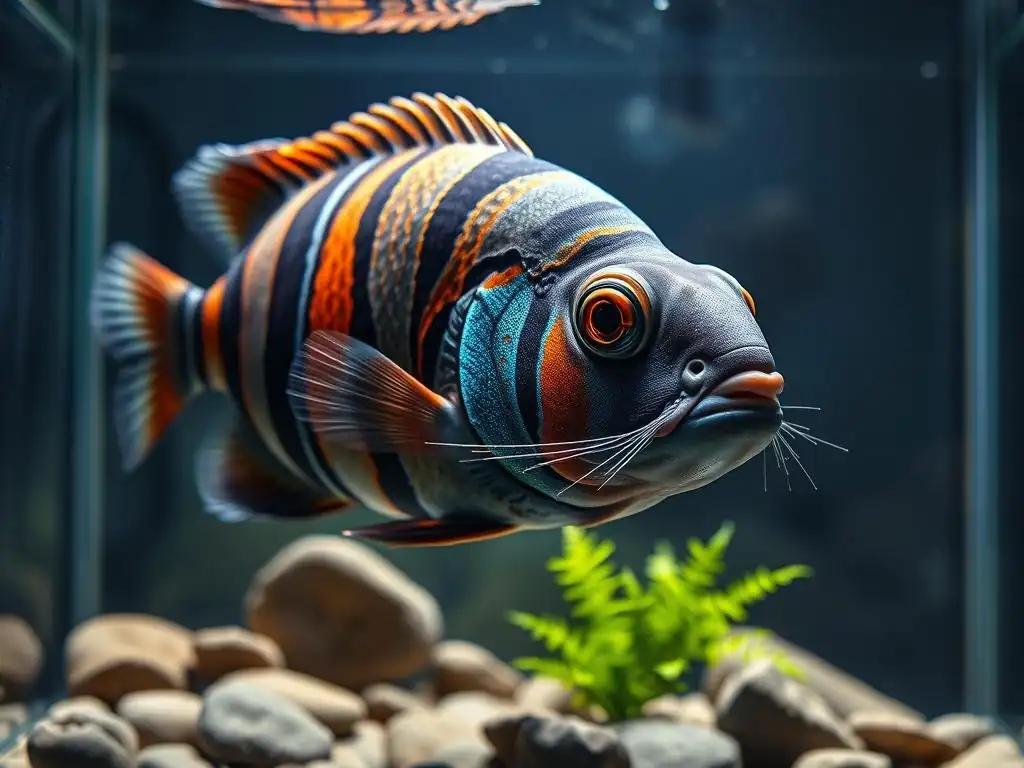
Providing an appropriately sized tank is paramount for successful Tiger Oscar care, as these fish grow quite large and are known for their significant bioload. A single adult Tiger Oscar can reach lengths of 10 to 14 inches (25 to 35 cm) and requires a minimum tank size of 75 gallons (approximately 284 liters).
This allows sufficient swimming room and helps dissipate the waste they produce. For two Oscars, or if planning to keep them with suitable tank mates, a tank of 125 gallons (about 473 liters) or larger is highly recommended to prevent aggression and maintain stable water quality.
Underestimating tank size can lead to stunted growth, increased aggression, and a higher susceptibility to diseases due to poor water conditions. A larger tank also provides more stable water parameters, making it easier for aquarists to manage the significant waste production of these large cichlids. Investing in a spacious aquarium from the outset is a critical component of responsible Tiger Oscar care, ensuring the long-term health and well-being of these impressive fish.
Water Parameters for Optimal Oscar Health: Temperature, pH, and Hardness
Maintaining stable and appropriate water parameters is fundamental to successful Tiger Oscar care. These fish thrive in warm, slightly acidic to neutral water conditions that mimic their South American origins. The ideal water temperature for Tiger Oscars ranges from 74°F to 81°F (23°C to 27°C), with consistency being more important than hitting an exact number within this range. Fluctuations can cause stress and weaken their immune system, making them vulnerable to illness.
Regarding pH, Oscars prefer a range between 6.0 and 7.5, with 6.5 to 7.0 often cited as optimal. While they can tolerate slight deviations, extreme swings should be avoided. Water hardness (GH) should ideally be soft to medium, typically between 5 to 19 dGH (90-340 ppm). Regular monitoring with a reliable test kit is essential to ensure these parameters remain stable. Key parameters to monitor include:
- Temperature: 74-81°F (23-27°C)
- pH: 6.0-7.5
- Ammonia (NH3/NH4+): 0 ppm
- Nitrite (NO2-): 0 ppm
- Nitrate (NO3-): <20 ppm
Filtration and Water Changes: Maintaining a Pristine Oscar Aquarium
Effective filtration and consistent water changes are arguably the most crucial aspects of Tiger Oscar care, given their substantial waste production. Oscars are messy eaters and produce a significant bioload, necessitating robust filtration systems. A combination of mechanical, chemical, and biological filtration is ideal. Mechanical filtration removes physical debris, chemical filtration (like activated carbon) removes dissolved organic compounds and odors, and biological filtration converts harmful ammonia and nitrites into less toxic nitrates. Many experienced aquarists opt for oversized canister filters or multiple hang-on-back (HOB) filters to handle the bioload effectively.
Beyond filtration, regular and substantial water changes are indispensable. For an adult Oscar in a 75-gallon tank, a weekly water change of 25-30% is a common recommendation, though some may opt for two smaller changes per week (e.g., 15-20% twice a week) to maintain even more pristine conditions. For larger tanks or multiple Oscars, the percentage may be adjusted, but the frequency remains vital.
Gravel vacuuming during water changes helps remove accumulated waste from the substrate, further contributing to a healthy environment. Neglecting water changes can lead to elevated nitrates, which can stress Oscars and lead to health issues like Hole-in-the-Head disease.
Diet and Feeding: What to Feed Your Oscar for Vibrant Health and Growth
Proper nutrition is a cornerstone of excellent Tiger Oscar care, influencing their coloration, growth rate, and overall health. As omnivores with a carnivorous leaning, their diet should be diverse and rich in protein. High-quality cichlid pellets or sticks should form the staple of their diet, providing essential vitamins and minerals. Look for pellets that list fish meal or shrimp meal as the primary ingredients. Supplementing these with a variety of other foods ensures a well-rounded nutritional intake and keeps them engaged during feeding times.
Avoid feeding live feeder fish from unknown sources, as they can introduce diseases and parasites into the aquarium. Instead, focus on a varied diet of commercially prepared foods and occasional treats. This comprehensive approach to feeding ensures your Tiger Oscar receives all the necessary nutrients for a long and vibrant life.
Recommended Foods for Tiger Oscars: A Balanced Dietary Approach
A balanced diet for Tiger Oscars should include a mix of dry, frozen, and fresh foods. High-quality cichlid pellets or sticks (e.g., Hikari Cichlid Gold, New Life Spectrum Large Fish Formula) should be the primary component, fed daily. These commercial foods are formulated to provide a complete nutritional profile. For variety and enrichment, incorporate frozen foods such as:
- Bloodworms
- Brine shrimp
- Mysis shrimp
- Chopped earthworms
- Small pieces of fish (e.g., tilapia, salmon, cod – ensure they are fresh and unseasoned)
Additionally, some Oscars will accept blanched vegetables like peas or spinach, though this is less common for their carnivorous nature. Occasional treats of crickets or grasshoppers (from a reliable, pesticide-free source) can also be offered. It's crucial to avoid fatty meats like beef heart too frequently, as they can lead to digestive issues and internal fat deposits.
Feeding Frequency and Portion Control for Oscars
The frequency and portion size for feeding Tiger Oscars depend on their age and size. Young Oscars (up to 4-5 inches) should be fed 2-3 times a day, small amounts that they can consume within 1-2 minutes. This promotes rapid, healthy growth. As they mature and grow larger (over 5 inches), feeding frequency can be reduced to once a day, or even every other day for very large adults, with larger portions. The key is to avoid overfeeding, which can lead to obesity, poor water quality, and digestive problems.
A good rule of thumb for portion control is to offer only what the Oscar can eat within 5 minutes. Any uneaten food should be promptly removed from the tank to prevent it from decaying and fouling the water. Observing your Oscar's behavior and body condition is essential; a healthy Oscar should be active and have a full, but not bloated, belly after feeding. Adjusting feeding amounts based on their activity level and the cleanliness of the tank is a critical part of effective Tiger Oscar care.
Tiger Oscar Tank Mates: Compatibility and Considerations
Suitable Tank Mates for Tiger Oscars: Robust Companions
Choosing appropriate tank mates for Tiger Oscars requires careful consideration due to their large size, predatory instincts, and potential for aggression. The best companions are often other large, robust, and semi-aggressive cichlids or similarly sized fish that can hold their own and are not easily intimidated. It is generally recommended to introduce all tank mates at the same time, ideally when they are young, to allow them to grow up together and establish a pecking order.
Some suitable tank mates that have been successfully kept with Tiger Oscars include:
- Other Large Cichlids:
- Green Terrors ( Andinoacara rivulatus)
- Jack Dempseys ( Rocio octofasciata)
- Severums ( Heros severus)
- Convict Cichlids ( Amatitlania nigrofasciata) - though their smaller size can sometimes be an issue.
- Large Catfish:
- Plekos (e.g., Common Pleco, Sailfin Pleco - Pterygoplichthys spp.)
- Pictus Catfish ( Pimelodus pictus) - ensure they are large enough not to be seen as food.
- Synodontis Catfish (e.g., Synodontis eupterus)
- Other Large Fish:
- Silver Dollars ( Metynnis argenteus) - their schooling behavior and speed can help them avoid conflict.
- Arowanas ( Osteoglossum bicirrhosum) - in very large aquariums, with caution.
The primary factors for successful cohabitation are tank size, individual temperament of the Oscar, and providing ample hiding spots and visual barriers. Even with compatible species, close observation is necessary to detect any signs of aggression or stress.
Incompatible Tank Mates: Avoiding Aggression and Predation
Due to their predatory nature and potential for aggression, many fish species are entirely unsuitable as Tiger Oscar tank mates. Any fish small enough to fit into an Oscar's mouth is at risk of being eaten, regardless of its temperament. This includes most small community fish, fry, and even juvenile versions of larger species if the Oscar is significantly bigger. Furthermore, slow-moving or delicate fish are also poor choices, as they may be harassed or stressed to death.
Examples of incompatible tank mates for Tiger Oscars include:
- Small Community Fish: Neon Tetras, Guppies, Danios, Rasboras, etc.
- Delicate or Slow-Moving Fish: Angelfish, Discus, Gouramis, Bettas.
- Shrimp and Snails: Will be seen as food.
- Fin-Nippers: Barbs (e.g., Tiger Barbs), as they can damage an Oscar's fins, leading to stress and potential infection.
- Overly Aggressive or Territorial Cichlids: While some large cichlids work, species like Flowerhorns or certain Midas Cichlids can be too aggressive, even for an Oscar, leading to constant fighting.
When considering Tiger Oscar care, always prioritize the safety and well-being of all inhabitants. It's often best to keep Oscars in a species-only tank or with a very limited selection of carefully chosen, robust tank mates in a sufficiently large aquarium.
Tiger Oscar Temperament and Behavior: Understanding Their Personality
Tiger Oscars are renowned for their distinct personalities and engaging behaviors, often displaying intelligence and curiosity. However, their temperament can range from relatively docile to highly aggressive, depending on individual fish, tank size, and tank mates. Generally, Oscars are considered semi-aggressive to aggressive, especially towards smaller fish or those that infringe upon their perceived territory. They are known to rearrange tank decor, digging up plants and moving rocks, which is a natural territorial behavior.
In a social context, Oscars can be kept in pairs or in groups of 3-5 (often referred to as a "harem") in very large tanks, provided they are introduced simultaneously as juveniles. This can sometimes dilute aggression among the group, but individual personalities vary. When aggression does occur, it often manifests as nipping, chasing, or even direct attacks, particularly during breeding periods or if a new fish is introduced into an established tank. Understanding these social dynamics is crucial for effective Tiger Oscar care and preventing conflicts.
Recognizing Signs of Stress or Illness in Your Tiger Oscar
Early detection of stress or illness is vital for successful Tiger Oscar care and treatment. Oscars are generally hardy fish, but they can be susceptible to various ailments if water quality is poor or if they are stressed. Recognizing subtle changes in their behavior or physical appearance can make a significant difference in their recovery.
Common signs of stress or illness include:
- Loss of Appetite: Refusing food or spitting it out.
- Lethargy or Hiding: Remaining motionless at the bottom or top of the tank, or hiding excessively.
- Fins Clamped: Holding fins close to the body, rather than spread out.
- Rapid Gilling: Breathing heavily, indicating potential oxygen deprivation or gill irritation.
- Fading Coloration: Colors appearing dull or washed out.
- Physical Changes:
- White spots (Ich)
- Fungus (cotton-like growths)
- Fin rot (frayed or deteriorating fins)
- Hole-in-the-Head disease (pitting or lesions around the head and lateral line)
- Bloating or swollen body
- Cloudy eyes
- Rubbing against tank decor or substrate ("flashing")
Upon noticing any of these symptoms, it's imperative to test water parameters immediately, as poor water quality is a leading cause of stress and disease in Oscars. Prompt action can often prevent minor issues from escalating into serious health crises.
Enriching Your Oscar's Environment: Decorations and Hiding Places
Enriching the aquarium environment is a vital aspect of Tiger Oscar care, promoting natural behaviors and reducing stress. Oscars are intelligent and curious fish that appreciate a stimulating environment. While they are known for rearranging decor, providing appropriate structures can greatly enhance their well-being.
Key elements for environmental enrichment include:
- Substrate: A fine to medium-sized gravel or sand substrate is ideal, as Oscars enjoy digging and sifting through it.
- Hiding Places: Large caves, overturned ceramic pots, or PVC pipes provide secure retreats where they can feel safe and reduce stress. These are particularly important if keeping multiple Oscars or tank mates.
- Driftwood and Rocks: Large pieces of bogwood or smooth, non-porous rocks (e.g., river rocks) can create natural-looking structures and visual barriers. Ensure all decor is heavy and stable enough not to be toppled by the Oscar's digging.
- Artificial Plants: While live plants are often uprooted, sturdy artificial plants can add aesthetic appeal and provide cover. Choose those with heavy bases.
- Open Swimming Space: Despite their need for decor, ensure a significant portion of the tank remains open for swimming, as Oscars are active fish.
Regularly observing how your Oscar interacts with its environment can help you adjust decor to best suit its personality and needs, contributing to comprehensive Tiger Oscar care.
Identifying and Treating Common Tiger Oscar Diseases
Ich (White Spot Disease): Recognizing and Eradicating Parasites in Oscars
Ich, caused by the parasite Ichthyophthirius multifiliis, is one of the most common and recognizable diseases in freshwater aquariums, including those housing Tiger Oscars. It manifests as small, white spots resembling grains of salt sprinkled over the fish's body, fins, and gills. Infected Oscars may also exhibit signs of irritation, such as "flashing" (rubbing their bodies against tank surfaces) and clamped fins. Stress, often due to poor water quality or sudden temperature fluctuations, typically triggers an Ich outbreak.
Treatment for Ich involves raising the water temperature gradually to 82-86°F (28-30°C) over 24 hours (as the parasite's life cycle speeds up in warmer water, making it more vulnerable to medication) and using an appropriate Ich medication, such as malachite green or formalin-based products, available at pet stores. Always follow the product instructions carefully. Concurrently, perform daily partial water changes (25-30%) and siphon the substrate thoroughly to remove free-swimming parasites.
Treatment usually lasts 7-10 days, or until all visible spots have disappeared for at least 48 hours. Continuing treatment for a few days after symptoms vanish ensures eradication of the parasite's free-swimming stage.
Hole-in-the-Head Disease: Prevention and Treatment Strategies
Hole-in-the-Head Disease (HITH), also known as Hexamita, is a common and often serious condition affecting large cichlids like Tiger Oscars. It is characterized by small, pitting lesions or erosions that develop on the head, face, and along the lateral line of the fish. These lesions can progress to deep craters, making the fish susceptible to secondary bacterial infections. While the exact cause is debated, it is widely believed to be linked to the flagellate parasite Hexamita (or Spironucleus) combined with poor water quality, nutritional deficiencies (especially lack of vitamins and minerals), and chronic stress.
Prevention is key and involves maintaining pristine water quality through regular large water changes and robust filtration, providing a balanced and varied diet rich in vitamins (especially Vitamin C and D), and ensuring a stable, low-stress environment. If HITH is suspected, treatment typically involves metronidazole, administered either through medicated food or as a water treatment. It's also crucial to address the underlying environmental issues—improving water parameters and diet—to prevent recurrence. Early intervention significantly improves the chances of recovery for affected Tiger Oscars.
Fin Rot and Bacterial Infections: Diagnosis and Treatment
Fin rot is a common bacterial infection that affects the fins of fish, causing them to appear frayed, ragged, or disintegrating. In Tiger Oscars, it can be a primary infection or a secondary one following stress, injury, or poor water conditions. The edges of the fins may become red or inflamed, and in severe cases, the entire fin can erode down to the body. Untreated fin rot can lead to systemic bacterial infections, threatening the fish's life. Other bacterial infections can manifest as cloudy eyes, body sores, red streaks on the body, or general lethargy.
The primary cause of fin rot and most bacterial infections in aquariums is poor water quality, particularly high levels of ammonia, nitrite, and nitrate. Therefore, the first step in treatment is always to perform a large water change (50% or more) and ensure optimal filtration. If water quality issues are resolved and the infection is mild, the fish may recover on its own.
For more severe cases, broad-spectrum antibacterial medications are often necessary, such as those containing erythromycin, furan-2, or oxytetracycline. Always follow the medication instructions precisely. Maintaining consistently clean water and a balanced diet are the best preventative measures for these common ailments in Tiger Oscar care.
Breeding Tiger Oscars: A Rewarding Experience
Setting Up a Breeding Tank for Tiger Oscars
Breeding Tiger Oscars can be a challenging but highly rewarding experience for dedicated aquarists. A dedicated breeding tank is essential, as Oscars are known for their aggression during spawning and their parental care. For a breeding pair, a minimum tank size of 100-125 gallons (378-473 liters) is recommended to provide ample space and reduce stress. The tank should have stable water parameters, mirroring their preferred conditions: temperature around 78-82°F (26-28°C), pH between 6.5 and 7.0, and soft to moderately hard water.
Decor in the breeding tank should be minimal but functional. A large, flat, smooth surface is crucial for egg deposition; this can be a slate tile, a large flat rock, or even the bottom of an overturned ceramic pot. Good filtration is necessary, but strong currents should be avoided as they can disturb eggs and fry. A sponge filter or a baffled HOB filter is often preferred. Dim lighting and a peaceful environment will also encourage spawning. Providing a clean, stable environment is the first step in successful Tiger Oscar breeding and Tiger Oscar care guide for offspring.
Identifying Male and Female Oscars
Distinguishing between male and female Tiger Oscars can be challenging, as they exhibit very little sexual dimorphism outside of spawning periods. Both sexes look remarkably similar in size, coloration, and finnage. The most reliable method for sexing Oscars is observing their behavior and physical changes during the breeding season.
During spawning, both male and female Oscars will develop a visible breeding tube (papilla) near their anal fin. The female's papilla will be blunter and wider, designed for laying eggs, while the male's will be narrower and more pointed, used for fertilizing the eggs. This difference is often subtle and requires close observation. Behavioral cues, such as a pair cleaning a spawning site together, also indicate a male and female pair. Sometimes, a pair will form spontaneously from a group of young Oscars, making the sexing process easier through observation rather than attempting to guess based on external features.
The Spawning Process and Caring for Oscar Fry
Once a male and female Tiger Oscar pair has formed and the breeding tank conditions are optimal, spawning can occur. The pair will typically select and meticulously clean a flat surface. The female will then begin laying rows of adhesive eggs, often numbering from 800 to 2,000, depending on her size and age. Immediately after the female lays a batch, the male will follow, fertilizing them. This process can continue for several hours until all eggs are laid. Both parents will diligently guard and fan the eggs, providing oxygen and preventing fungal growth.
The eggs typically hatch within 3-5 days, depending on temperature. The newly hatched fry, known as "wrigglers," are immobile and survive on their yolk sacs for another 3-5 days. During this period, the parents may move them to different pits or depressions they've dug. Once the yolk sacs are absorbed, the fry become free-swimming and will begin to feed.
At this stage, they can be fed newly hatched brine shrimp, micro-worms, or finely crushed high-quality flake food. The parents will continue to provide protection and guidance. After a few weeks, it's often best to separate the fry from the parents to prevent predation, as parental care can wane, and the parents may view the growing fry as food. Consistent water changes and small, frequent feedings are critical for the rapid growth of Oscar fry.
Tiger Oscar Varieties: Exploring Different Species
Popular Oscar Morphs: Albino, Red, and Veil Tail Oscars
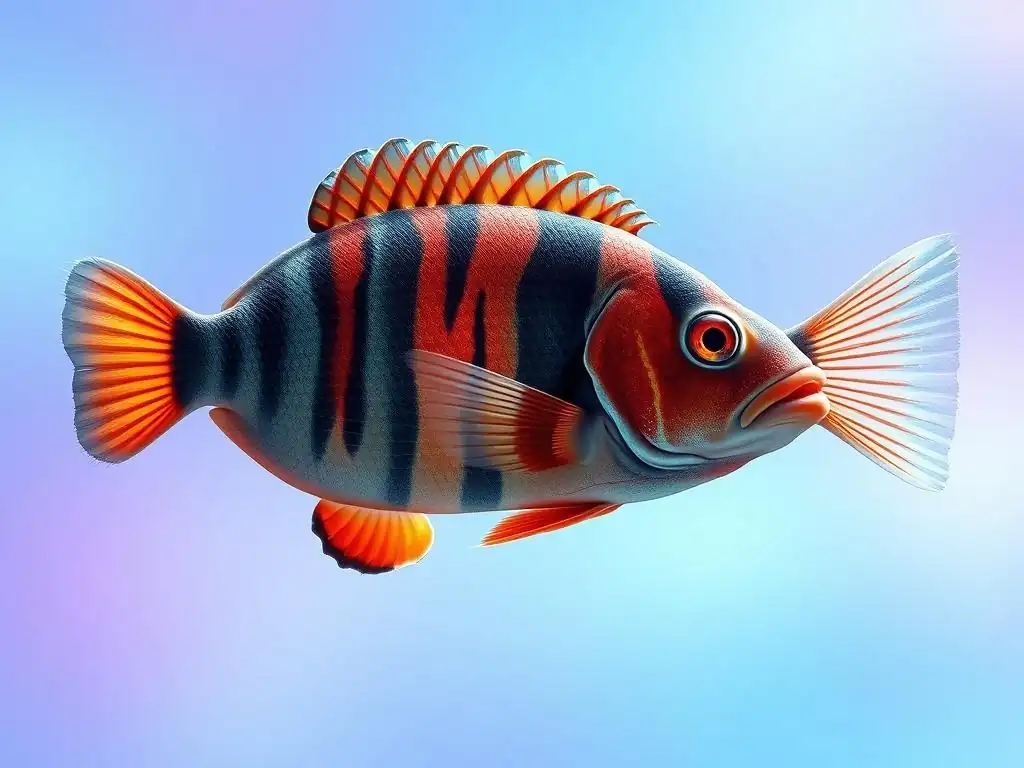
While Astronotus ocellatus is the primary species of Oscar kept in aquariums, selective breeding has led to the development of numerous captivating color morphs and fin variations. These varieties exhibit the same intelligent personality and care requirements as the wild-type Tiger Oscar but offer a wider aesthetic choice for aquarists. Understanding these variations is part of comprehensive Tiger Oscar care, as their unique appearances are highly sought after.
Some of the most popular Oscar morphs include:
- Albino Oscar: Lacks dark pigmentation, resulting in a creamy white or pale yellow body with distinct red or orange markings and characteristic red eyes. They are often more sensitive to bright light.
- Red Oscar: Features a vibrant, almost solid red or orange body with minimal or no black patterning. This striking coloration is achieved through extensive selective breeding.
- Tiger Oscar: The most common and namesake variety, characterized by its mottled black and orange/red patterns resembling tiger stripes, similar to its wild counterpart but often with more pronounced coloration.
- Velvet Oscar (Black Oscar): Possesses a predominantly solid black body, sometimes with subtle hints of red or orange, giving it a very dark, velvety appearance.
- Veil Tail Oscar: Distinguished by its elongated, flowing fins, which are significantly longer than those of the standard Oscar. While beautiful, these longer fins can be more prone to fin nipping by tank mates or damage from decor.
- Lemon Oscar: A less common variety, showcasing a pale yellow or yellowish-white body with faint darker markings.
These morphs are all Astronotus ocellatus and share the same fundamental Tiger Oscar care guide principles, including tank size, water parameters, and diet.
Frequently Asked Questions About Tiger Oscar Care
How Long Do Tiger Oscars Live?
With proper Tiger Oscar care, these intelligent and robust fish can live for a surprisingly long time in captivity. The average lifespan of a Tiger Oscar in a well-maintained aquarium is typically 10 to 15 years. Some dedicated aquarists have reported Oscars living even longer, reaching ages of 18-20 years or more, though this is less common.
Factors that significantly influence their lifespan include:
- Tank Size: Adequate space prevents stunting and reduces stress.
- Water Quality: Consistent maintenance of pristine water parameters (0 ammonia, 0 nitrite, low nitrates) is crucial.
- Diet: A balanced, high-quality diet prevents nutritional deficiencies and promotes overall health.
- Stress Levels: A stable environment with appropriate tank mates minimizes stress.
- Genetics: Healthy lineage contributes to longevity.
Providing optimal Tiger Oscar care directly translates to a longer, healthier life for these captivating fish.
Are Tiger Oscars Good for Beginners?
While Tiger Oscars are incredibly charismatic and interactive, they are generally not recommended for absolute beginners in the aquarium hobby. Their care requirements present several challenges that new aquarists may find overwhelming.
Reasons why they are not ideal for beginners include:
- Large Size: They grow very large, requiring a minimum of a 75-gallon tank for a single adult, which is a significant investment in space and cost.
- High Bioload: Oscars produce a lot of waste, demanding robust filtration and frequent, substantial water changes to maintain water quality. This requires consistent dedication.
- Dietary Needs: They need a varied, high-protein diet, not just standard flakes.
- Temperament: Their semi-aggressive nature means careful tank mate selection or a species-only tank is often necessary. They can also be destructive to decor.
- Longevity: Their long lifespan means a significant long-term commitment.
Beginners who are truly dedicated and willing to commit to learning advanced aquarium husbandry, investing in appropriate equipment, and performing diligent maintenance can potentially succeed with Tiger Oscar care. However, it is advisable for novices to gain experience with smaller, hardier fish before taking on the responsibility of an Oscar.
How Often Should I Clean My Tiger Oscar's Tank?
Maintaining impeccable water quality is paramount for Tiger Oscar care, and this necessitates a consistent cleaning schedule. The frequency and extent of tank cleaning depend on several factors, including tank size, the number of Oscars, filtration efficiency, and feeding habits.
As a general guideline:
- Weekly Water Changes: Perform a 25-30% water change once a week. For larger tanks or multiple Oscars, two smaller water changes (e.g., 15-20% twice a week) can be even more beneficial for maintaining stable parameters.
- Gravel Vacuuming: During each water change, thoroughly vacuum the substrate to remove uneaten food and detritus, which are major sources of ammonia and nitrates.
- Filter Maintenance:
- Mechanical Media (sponges, filter floss): Rinse or replace weekly/bi-weekly during water changes to prevent clogging. Use old tank water to rinse biological media to preserve beneficial bacteria.
- Chemical Media (activated carbon): Replace monthly, as it becomes saturated and ineffective.
- Biological Media (ceramic rings, bio-balls): Rinse sparingly and only when necessary, typically every few months, to avoid disturbing beneficial bacteria. Never clean all filter media at once.
- Glass Cleaning: Wipe down the inside and outside of the glass as needed to remove algae and water spots.
- Deep Cleaning: A more thorough cleaning of decor and equipment can be done every few months, but always be mindful not to disrupt the biological filter significantly.
Regular testing of water parameters (ammonia, nitrite, nitrate, pH) will help you fine-tune your cleaning schedule. If nitrates are consistently high (above 20 ppm) despite weekly changes, you may need to increase the volume or frequency of your water changes. Consistent cleaning is the backbone of successful Tiger Oscar care.
Conclusion: Mastering Tiger Oscar Care for a Long and Healthy Life
Frequently Asked Questions
How big do Tiger Oscars typically get in an aquarium setting?
Tiger Oscars can grow quite large, often reaching 12-14 inches in length. Therefore, a large tank is essential for their well-being.
What kind of water parameters are ideal for Tiger Oscars?
Tiger Oscars prefer warm water, around 74-80°F (23-27°C), and a slightly acidic to neutral pH, ideally between 6.0 and 7.0. Regular water changes are crucial.
What is the recommended diet for a healthy Tiger Oscar?
A varied diet is key, including high-quality cichlid pellets as a staple, supplemented with live or frozen foods like bloodworms and krill. Avoid feeding them feeder fish.
Are Tiger Oscars aggressive towards other fish?
Tiger Oscars can be territorial and aggressive, especially towards smaller or similarly sized fish. Choose tank mates carefully, considering their temperament and size.
How often should I perform water changes in my Tiger Oscar aquarium?
You should aim for 25-50% water changes every week or two, depending on the tank size and the bioload. This helps maintain water quality and prevent nitrate buildup.
Final Reflection: Embracing the Oscar's Enduring Allure
The journey through the intricacies of Tiger Oscar care, as detailed in this guide, underscores a vital point: responsible pet ownership extends far beyond mere provision. Understanding the unique needs and temperament of these magnificent fish is paramount to ensuring their well-being and fostering a harmonious aquatic environment. The Oscar's popularity endures, but with it comes the responsibility to educate ourselves and others on their proper care, preventing neglect and promoting ethical aquascaping.
The enduring fascination with the Tiger Oscar reflects a deeper human connection with the natural world. This connection, however, demands respect and understanding, not just admiration. The Oscar's complex personality and striking appearance have captivated aquarists for decades, but their long lifespan and specific requirements necessitate a commitment that should not be taken lightly. In the end, we will conserve only what we love; we will love only what we understand; and we will understand only what we are taught.
- Baba Dioum's words resonate deeply, reminding us of the crucial role education plays in conservation and responsible pet ownership.
As you embark on, or continue, your journey with these captivating creatures, remember that knowledge is your greatest tool. Let this guide serve as a foundation, but never cease to learn and adapt to the ever-evolving understanding of Tiger Oscar care. Embrace the challenge, celebrate the beauty, and contribute to a future where these striped beauties thrive under the watchful eyes of informed and dedicated aquarists.
Ignite Your Oscar Passion!
Thanks for diving into the fascinating world of Tiger Oscars! We hope you've gained valuable insights into caring for these magnificent fish. Now, let's put that knowledge into action:
- Plan your Oscar's dream tank today! Measure your space and start researching suitable tank sizes and equipment.
- Share this article with a fellow fish enthusiast and spark a conversation about Oscar keeping.
- Explore Aquarium Mastery’s forum and join the community to exchange tips and experiences with other Oscar keepers.
What's one enrichment activity you're excited to introduce to your Oscar's environment?