
White Cloud Mountain Minnow Breeding Made Easy: Your Path to Abundant Fry

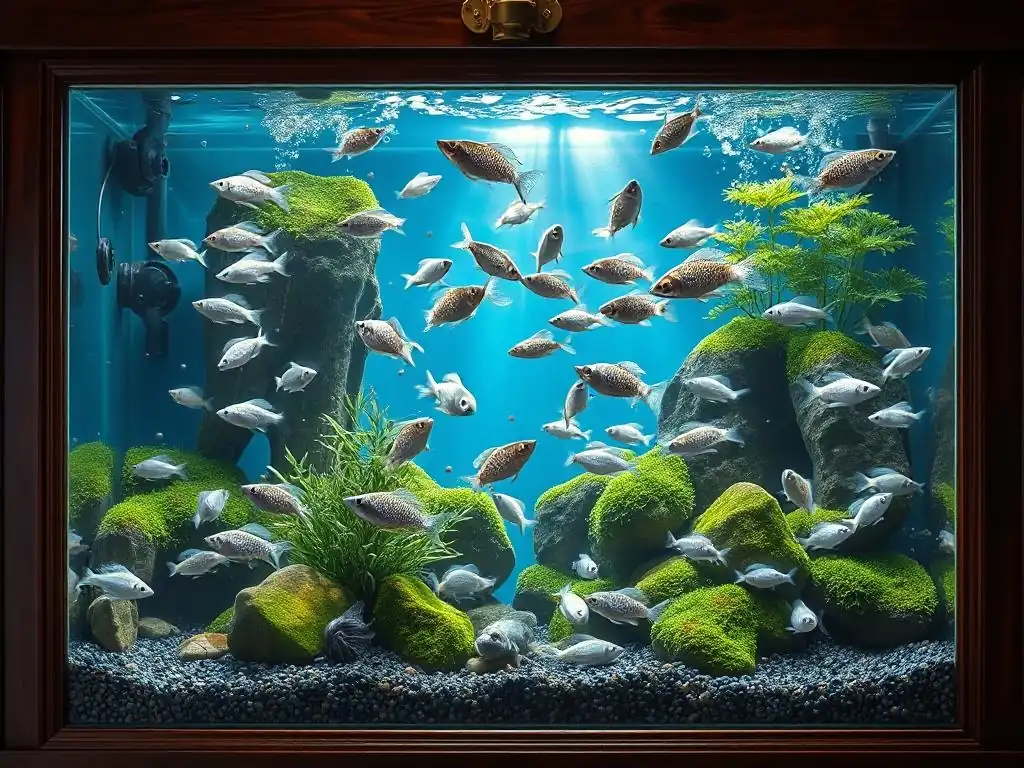
Welcome to Aquarium Mastery!
Ever wondered how to unlock the secrets to successfully breeding White Cloud Mountain Minnows? These hardy, beautiful fish are more accessible to breed than you might think! Dive into our detailed guide and discover proven white cloud minnow breeding tips that will have you raising abundant fry in no time. Get ready to transform your aquarium into a thriving ecosystem – let's get started!
- White Cloud Mountain Minnow Breeding: Your Path to Abundant Fry
- Understanding White Cloud Minnow Breeding: A Beginner's Guide
- Setting Up a Breeding Tank for White Clouds
- Preparing Your White Cloud Minnows for Breeding
- The White Cloud Minnow Spawning Process: A Step-by-Step Guide
- Raising White Cloud Mountain Minnow Fry
- Common Problems and Solutions in White Cloud Minnow Breeding
- Advanced White Cloud Minnow Breeding Techniques
- Enjoying Your Abundant White Cloud Minnow Fry
-
Frequently Asked Questions
- How do I best prepare my aquarium for White Cloud Mountain Minnow breeding?
- What are the key indicators that my White Cloud Mountain Minnows are ready to breed?
- What specific water parameters are ideal for successful White Cloud Mountain Minnow breeding?
- How should I care for the White Cloud Mountain Minnow fry after they hatch?
- What common challenges might I encounter when breeding White Cloud Mountain Minnows, and how can I overcome them?
- Final Reflection: A Symphony of Spawning
- Ignite Your Minnow Mania: Breed Your Own Vibrant School!
White Cloud Mountain Minnow Breeding: Your Path to Abundant Fry
Understanding White Cloud Minnow Breeding: A Beginner's Guide
Why Breed White Cloud Mountain Minnows? Advantages and Benefits
Breeding White Cloud Mountain Minnows ( Tanichthys albonubes) is an incredibly rewarding experience for aquarists of all levels, especially beginners. These hardy, small cyprinids are renowned for their ease of breeding, making them an ideal choice for those taking their first steps into fish propagation. Unlike many other aquarium fish, White Clouds do not require highly specialized conditions to spawn, often breeding continuously when their basic needs are met, providing a consistent supply of new life in the aquarium.
Beyond the satisfaction of successfully raising fry, there are several practical benefits to White Cloud minnow breeding. For instance, successfully breeding these fish can reduce the demand for wild-caught specimens, contributing to sustainable aquarium practices. Furthermore, a thriving population of fry can be a source of income or a way to share your passion with other hobbyists, as local fish stores or fellow aquarists are often keen to acquire healthy, locally bred fish.
White Cloud Minnow Breeding Behavior: What to Expect
White Cloud Mountain Minnows are classic egg scatterers, meaning they release their eggs freely into the water column, often among dense vegetation or spawning mops, rather than guarding them. They exhibit no parental care, and in fact, adults will readily consume their own eggs and fry if given the opportunity. This behavior necessitates the removal of either the adults or the eggs/fry from the breeding tank to ensure high survival rates.
Spawning typically occurs in the early morning hours, often triggered by slight temperature drops or fresh water changes. A single female can lay anywhere from 100 to 300 eggs over several days, though not all at once. The males will display vibrant colors and engage in a "dance" to entice females to release eggs, which are then fertilized externally. The eggs are tiny, clear, and slightly adhesive, often sticking to plants or substrate, and typically hatch within 48 to 72 hours, depending on water temperature.
Setting Up a Breeding Tank for White Clouds
Choosing the Right Tank Size and Location for Breeding White Clouds
For successful White Cloud minnow breeding, a dedicated breeding tank is highly recommended. A tank size of 5 to 10 gallons (approximately 19 to 38 liters) is ideal for a small breeding group or a trio (one male, two females). This smaller volume makes it easier to monitor spawning activity, remove adults after egg deposition, and manage the delicate fry. A 5-gallon tank, for example, offers sufficient space for a small breeding project without being cumbersome.
The location of the breeding tank is also crucial for optimal White cloud minnow breeding tips. Choose a quiet spot away from high-traffic areas, direct sunlight, and sudden temperature fluctuations. A stable environment minimizes stress on the breeding fish, encouraging them to spawn more readily. Consistent room temperature, ideally between 68-75°F (20-24°C), is important, even if a heater isn't strictly necessary for the fish themselves, stability is key for egg development.
Essential Equipment for White Cloud Minnow Fry Success
To maximize the survival rate of White Cloud Mountain Minnow fry, specific equipment is essential. A gentle filtration system is paramount, with sponge filters being the preferred choice due to their inability to suck in tiny fry. An air pump connected to the sponge filter is necessary for operation. A reliable heater, while not always critical for adult White Clouds, can help maintain a stable temperature for egg development and fry growth, especially if room temperatures fluctuate.
Other vital items include a lid to prevent jumpers and reduce evaporation, a thermometer to monitor water temperature, and a light source, though ambient room light is often sufficient. The most crucial addition, however, will be spawning media to give the fish a place to deposit their eggs safely. These White cloud minnow breeding tips focus on creating a safe haven for the vulnerable eggs and fry.
Spawning Mop Options for White Cloud Minnows
Spawning mops are highly effective for White Cloud minnow breeding as they provide an ideal substrate for egg deposition and make egg collection easy. DIY spawning mops can be crafted from acrylic yarn, with dark colors often preferred as they make the tiny, clear eggs easier to spot. Simply tie strands of yarn together and weigh them down so they float just above the substrate or sink to the bottom.
Alternatively, fine-leafed live plants like Java moss ( Taxiphyllum barbieri), Hornwort ( Ceratophyllum demersum), or Water Sprite ( Ceratopteris thalictroides) serve as excellent natural spawning sites. These plants also offer cover for newly hatched fry, providing both a place for eggs to adhere and a refuge from potential predators (including their parents) if adults are not immediately removed.
Sponge Filters: Protecting Delicate Fry
Sponge filters are indispensable for a White Cloud minnow breeding setup. Their design ensures gentle filtration, circulating water without creating strong currents that could harm or disorient delicate fry. Unlike hang-on-back or internal power filters, sponge filters operate by drawing water through a porous sponge using an air pump, effectively trapping debris while allowing beneficial bacteria to colonize.
Before introducing fish, it's beneficial to "pre-cycle" the sponge filter by placing it in an established aquarium for a few weeks. This allows beneficial bacteria to colonize the sponge, providing immediate biological filtration when moved to the breeding tank. This critical White cloud minnow breeding tip ensures that the water quality for the newly hatched fry remains stable and free from harmful ammonia and nitrite spikes.
Water Parameters for Optimal White Cloud Minnow Breeding
While White Cloud Mountain Minnows are famously hardy and can tolerate a wide range of water conditions, optimizing their water parameters will significantly increase breeding success and fry survival. Consistency is often more important than hitting exact numbers. Clean, well-aerated water is the foundation for any successful breeding program, and White Clouds are no exception.
Regular water testing for ammonia, nitrite, and nitrate is essential to ensure pristine conditions, especially in a breeding tank where uneaten food and waste can quickly accumulate. Aim for ammonia and nitrite levels of 0 ppm, and nitrates below 20 ppm. Maintaining these parameters through diligent tank maintenance is a key element of effective White cloud minnow breeding tips.
Maintaining Ideal Temperature for Spawning
White Cloud Minnows are often called "coldwater" fish, comfortably living in unheated tanks. However, for breeding purposes, a slightly warmer and stable temperature can act as a trigger. Maintaining the breeding tank temperature between 72-76°F (22-24°C) is often reported to encourage more frequent spawning and faster egg development. Some breeders even employ small daily temperature fluctuations (e.g., a slight drop overnight) to mimic natural seasonal changes that stimulate breeding.
Using a small, reliable heater set to the desired temperature will ensure stability, particularly in homes with fluctuating ambient temperatures. Avoiding sudden and drastic temperature swings is crucial, as this can stress the fish and hinder spawning activity or negatively impact egg viability. A consistent thermal environment provides the best conditions for egg maturation and successful hatching.
Water Chemistry: GH, KH, and pH Considerations
White Cloud Mountain Minnows are adaptable regarding water chemistry, thriving in a pH range of 6.5 to 7.5, which covers slightly acidic to neutral conditions. For General Hardness (GH), a range of 5-15 dGH (degrees of General Hardness) is generally suitable, while Carbonate Hardness (KH) between 3-8 dKH is ideal. These ranges provide sufficient mineral content without being overly hard or soft.
It's important to note that stability in these parameters is more critical than precise numbers. Rapid fluctuations in pH or hardness can cause stress and prevent successful spawning or healthy fry development. Using a reliable water test kit to monitor these parameters regularly and performing small, consistent water changes with dechlorinated, temperature-matched water will help maintain the desired chemical balance, contributing to successful White cloud minnow breeding tips.
Preparing Your White Cloud Minnows for Breeding
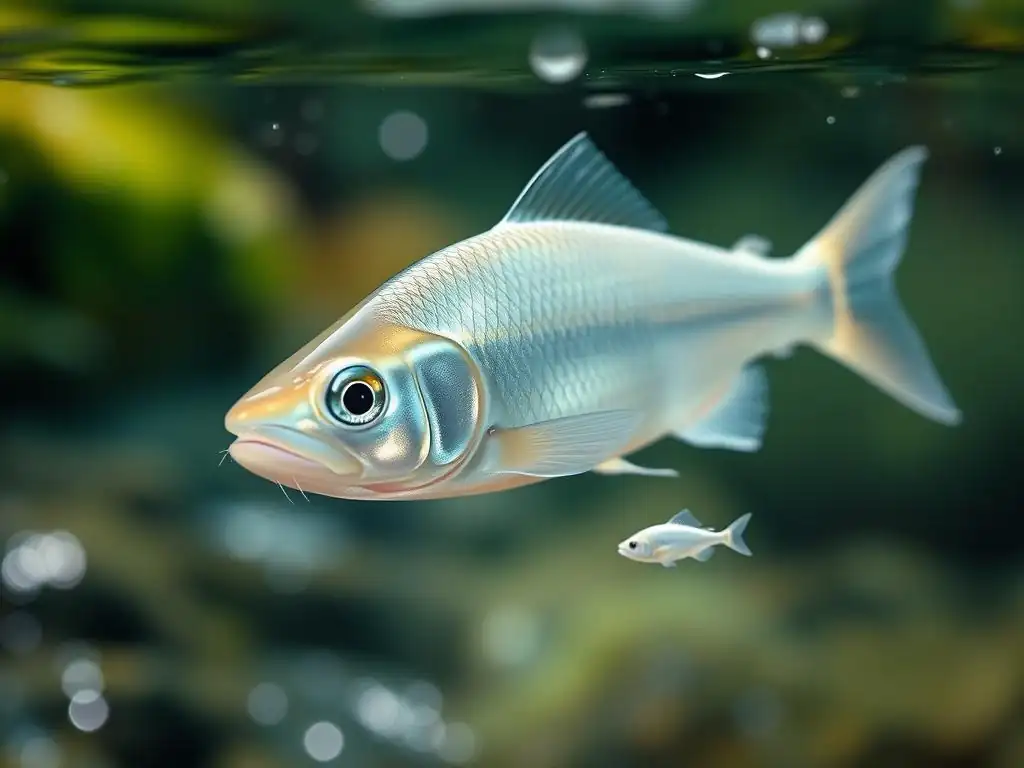
Selecting Healthy Breeding Stock: Male vs. Female
The foundation of successful White Cloud minnow breeding lies in selecting healthy, mature, and vigorous breeding stock. Choose fish that are active, display vibrant coloration, and show no signs of disease such as clamped fins, ragged fins, or unusual growths. Fish typically reach breeding maturity between 3 to 6 months of age, when they are around 0.75 to 1 inch (1.9 to 2.5 cm) in length.
Distinguishing between male and female White Clouds is relatively straightforward. Males are generally more slender, often display brighter, more intense coloration (especially noticeable red on their fins), and may develop slightly elongated dorsal and anal fins. Females, conversely, tend to be rounder and plumper, particularly when gravid (full of eggs), and their colors are usually less intense. For optimal breeding, aim for a ratio of one male to two or three females.
Conditioning White Clouds for Breeding: Diet and Environment
Conditioning refers to preparing your fish for breeding by providing optimal nutrition and environmental cues. A varied, high-quality diet is paramount. Incorporate live foods such as newly hatched brine shrimp, daphnia, or micro worms several times a week. These foods are rich in protein and essential nutrients, which stimulate egg production in females and enhance male vigor.
Supplement live foods with high-quality frozen options like spirulina brine shrimp or bloodworms, and a good flake or pellet food designed for small omnivores. Feeding small amounts 2-3 times a day, rather than one large meal, can further boost their condition. Alongside diet, performing small, regular water changes (e.g., 10-15% every few days) with slightly cooler water can mimic natural rain events, often triggering spawning behavior in White Clouds.
Identifying Breeding Readiness in White Cloud Minnows
Observing your White Cloud Minnows closely will reveal signs of breeding readiness. Males will become more vibrant in color, particularly the red on their fins, and will actively chase and display to females, often flaring their fins. This courtship behavior can be quite energetic, involving the male quivering alongside the female.
Females ready to spawn will appear noticeably plumper and rounder in the belly area, indicating they are full of eggs. They may also begin to spend more time near the spawning media (mops or plants), occasionally nudging or exploring them. Witnessing these behaviors, especially the male's persistent courtship and the female's increased girth, are strong indicators that your White Clouds are primed for spawning and that your White cloud minnow breeding tips are yielding results.
The White Cloud Minnow Spawning Process: A Step-by-Step Guide
Introducing the Breeding Pair or Group
Once your White Clouds are conditioned and show signs of readiness, it's time to introduce them to the breeding tank. There are two primary approaches: using a breeding pair/trio or a group spawning method. For a pair or trio (one male, two females), simply transfer them gently from their main tank to the prepared breeding tank. This method allows for easier monitoring of individual fish and egg production.
Alternatively, a group spawning setup involves placing a larger group, typically 5-10 individuals with a balanced male-to-female ratio, into a larger breeding tank (e.g., 10 gallons). This can increase the overall egg yield as multiple fish are spawning simultaneously. Regardless of the method, ensure the fish are acclimated slowly to the new tank's water parameters to minimize stress and encourage spawning.
Observing Spawning Behavior: Signs of Success
Spawning usually occurs in the early morning, often shortly after the lights come on or after a small water change. You'll observe males actively pursuing females, nudging them towards the spawning mop or dense plants. The actual egg deposition is quick: the male will align himself alongside the female, they will quiver together, and tiny, clear, adhesive eggs will be released and fertilized simultaneously.
The eggs are very small, about 1mm in diameter, and can be difficult to spot initially. Look closely at the spawning mop or plant leaves for these tiny, translucent spheres. If you see them, it's a clear sign that your White cloud minnow breeding tips are working. Spawning can continue for several hours or even days, with eggs being laid incrementally.
Removing Adult White Clouds After Spawning
This is a critical step in White Cloud minnow breeding to ensure a high survival rate of the fry. White Cloud Mountain Minnows, like many other egg-scattering cyprinids, have no parental instincts and will readily consume their own eggs and newly hatched fry. Therefore, as soon as you confirm that eggs have been laid, the adult fish must be carefully removed from the breeding tank.
Use a fine-meshed net to gently transfer the adult White Clouds back to their main display tank or a separate holding tank. Be careful not to disturb the eggs clinging to the spawning media. Some breeders choose to remove the spawning mop with the eggs to a separate hatching tank, leaving the adults in the breeding tank for continuous spawning. This method protects the eggs and simplifies fry care.
Raising White Cloud Mountain Minnow Fry
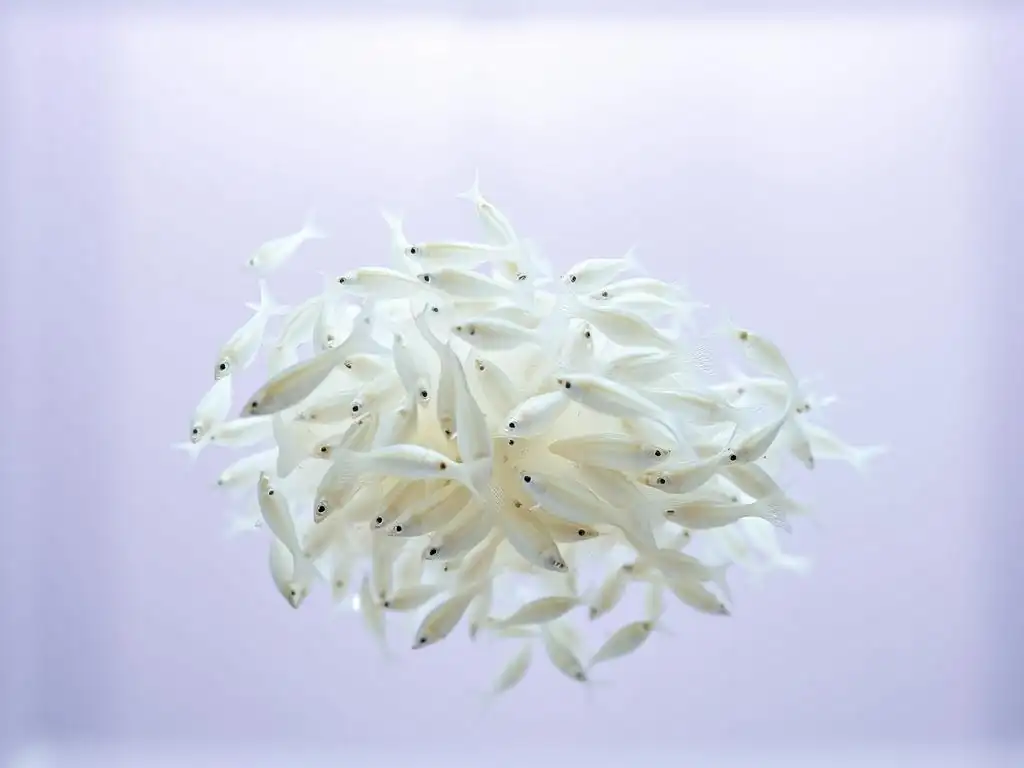
First Foods for White Cloud Minnow Fry: Infusoria and Beyond
White Cloud Mountain Minnow fry are incredibly tiny upon hatching, typically measuring only about 2-3mm. Their initial food requirements are microscopic. For the first 3-5 days post-hatch, infusoria is the ideal first food. Infusoria are microscopic organisms that can be cultured easily at home by placing a banana peel or a few dried leaves in a jar of aquarium water a few days prior.
As the fry grow, usually after 4-5 days, they will be large enough to consume slightly larger live foods. Newly hatched brine shrimp nauplii are an excellent next step, providing essential proteins for rapid growth. Micro worms are another suitable option. These live foods are crucial for the initial development of the fry, ensuring they receive the necessary nutrients for a strong start.
Feeding Schedule for Rapid Growth of White Cloud Fry
To promote rapid growth and minimize mortality, White Cloud minnow fry require frequent, small feedings. For the first few weeks, aim to feed them 3 to 5 times per day. Due to their small size and undeveloped digestive systems, they need a constant supply of food. Avoid overfeeding, as uneaten food can quickly foul the water, but underfeeding will lead to stunted growth and higher susceptibility to disease.
As the fry grow, typically after 2-3 weeks, they can gradually be introduced to finely crushed high-quality flake food or specialized fry pellets. Continue to supplement their diet with live foods like baby brine shrimp for optimal development. Consistent feeding with appropriate food sizes is one of the most important White cloud minnow breeding tips for successful fry rearing.
Maintaining Water Quality in the Fry Tank
Maintaining pristine water quality is arguably the most critical factor for raising White Cloud Mountain Minnow fry successfully. Fry are extremely sensitive to ammonia, nitrite, and nitrate, which can accumulate rapidly in a small tank with frequent feedings. Even small amounts of these nitrogenous wastes can be lethal to developing fry.
A gentle sponge filter, pre-cycled and running continuously, provides essential biological filtration without creating harmful currents. Avoid strong aeration or vigorous water movement, as this can stress or disorient the tiny fry. Regular monitoring of water parameters with a reliable test kit is essential to catch any issues before they become problematic.
Regular Water Changes: Protecting Fry Health
Small, frequent water changes are vital for maintaining optimal water quality in a fry tank. Daily water changes of 10-20% are highly recommended, especially during the initial weeks when feeding is frequent and fry are most vulnerable. This helps remove uneaten food, waste, and dilute any accumulating toxins.
When performing water changes, always use dechlorinated water that is temperature-matched to the fry tank to avoid thermal shock. Siphon water slowly from the bottom of the tank using a small airline tube to remove detritus and uneaten food, being extremely careful not to accidentally suck up any fry. A piece of fine netting over the end of the siphon can act as a safety measure.
Avoiding Overfeeding and Ammonia Buildup
Overfeeding is the most common cause of high fry mortality in aquarium breeding. While fry need frequent meals, feeding too much at once leads to uneaten food decomposing and rapidly increasing ammonia levels. Only feed what the fry can consume within a few minutes. If you see food particles lingering on the bottom after 10-15 minutes, you are likely overfeeding.
To prevent ammonia buildup, combine careful feeding practices with diligent water changes. Regularly inspect the tank bottom for any excess food or waste. If ammonia or nitrite levels begin to rise, perform an immediate, larger water change (e.g., 25-30%) and reduce feeding slightly until parameters stabilize. These White cloud minnow breeding tips are crucial for the delicate fry.
Common Problems and Solutions in White Cloud Minnow Breeding
Fry Not Hatching: Troubleshooting Tips
If your White Cloud minnow eggs are not hatching as expected, several factors could be at play. One common issue is infertile eggs, which often turn opaque white or develop a fuzzy fungal growth. This can happen if the male is not mature, not sufficiently conditioned, or if the male-to-female ratio is imbalanced. Ensuring healthy, well-conditioned breeding stock is the first step.
Another cause could be poor water quality or incorrect temperature during the incubation period. Eggs require stable, clean water to develop properly. Fungal infections can also prevent hatching; a very mild anti-fungal treatment (like a tiny amount of methylene blue) can sometimes be used, but prevention through excellent water hygiene is always better. Ensure proper aeration around the eggs, especially if they are heavily clustered.
Fry Mortality: Identifying and Addressing Causes
High fry mortality rates can be disheartening, but understanding the causes is key to improving future White cloud minnow breeding tips. The most frequent culprits are poor water quality (ammonia/nitrite spikes being the primary), insufficient or inappropriate food, and rapid temperature fluctuations. Ensure your sponge filter is matured and water changes are consistent and gentle.
Other causes include genetic weaknesses in the breeding stock, or physical injury from overly strong currents or aggressive adults if they were not removed promptly. If fry are not receiving enough food of the correct size, they will starve, leading to high mortality. Observe the fry's behavior and appearance: lethargy, gasping, or visible deformities can indicate underlying issues.
Preventing Diseases in White Cloud Minnow Fry
White Cloud Mountain Minnow fry are highly susceptible to diseases due to their underdeveloped immune systems. The best prevention strategy is maintaining impeccable water quality and minimizing stress. A clean environment, stable parameters, and a consistent, nutritious diet are the cornerstones of healthy fry development.
Quarantining new adult fish before introducing them to your breeding program can prevent the introduction of pathogens. Always use clean, dedicated equipment for your fry tank to avoid cross-contamination from other aquariums. Avoid overcrowding the fry tank as they grow, as this increases stress and the likelihood of disease outbreaks. Healthy, well-fed fry are naturally more resilient to common fish ailments.
Advanced White Cloud Minnow Breeding Techniques
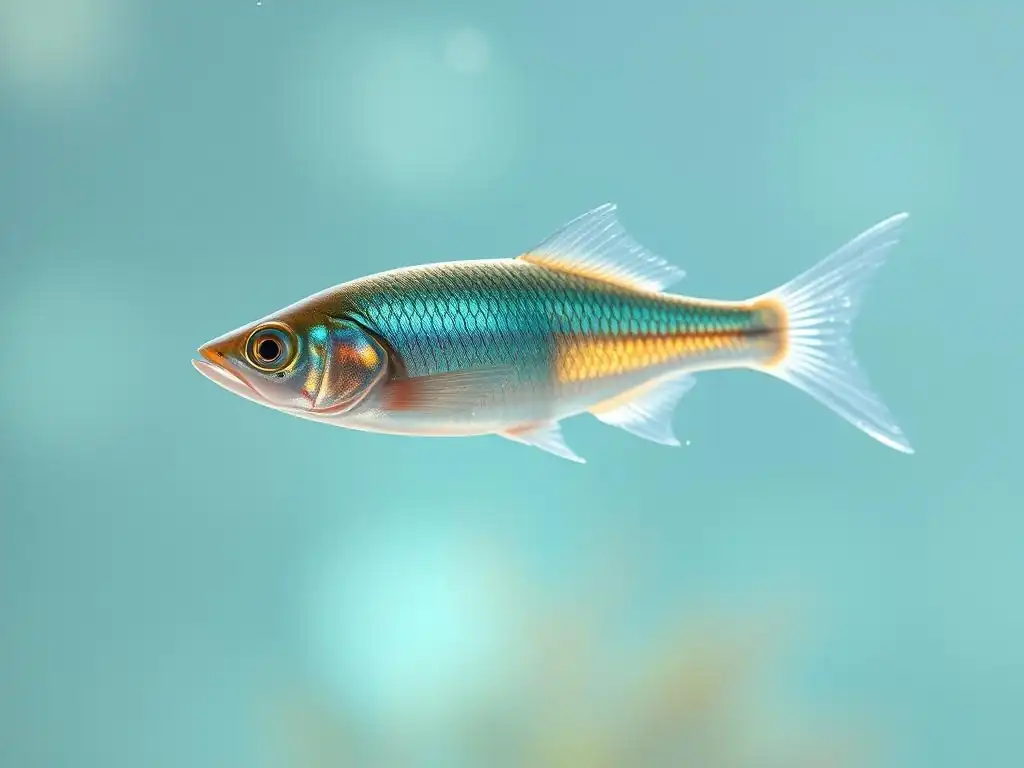
Selective Breeding for Color and Finnage
For aquarists looking to take their White Cloud minnow breeding to the next level, selective breeding offers an exciting avenue to develop specific traits. This involves carefully choosing parent fish that exhibit desirable characteristics, such as vibrant "Golden" or "Longfin" variations, and breeding them together to enhance those traits in subsequent generations. Over time, this can lead to the development of unique and visually stunning strains.
Selective breeding requires dedication, careful record-keeping of lineage, and often multiple breeding tanks to isolate different lines. It's a long-term project that demands patience, but the reward is the creation of distinct White Cloud populations with enhanced colors, fin shapes, or patterns. This advanced White cloud minnow breeding tip is typically for hobbyists with established success in general breeding.
Increasing Fry Yield: Optimizing Breeding Conditions
To maximize the number of White Cloud minnow fry produced, several advanced White cloud minnow breeding tips can be employed. One effective technique is continuous spawning, where a breeding group is maintained in a dedicated tank with ample spawning media. Eggs are then collected daily or every other day and moved to a separate hatching tank. This prevents adults from eating the eggs and ensures a steady supply of new fry.
Optimizing the male-to-female ratio (e.g., 2 females per male) can also encourage more frequent spawning. Providing a rich and varied diet, including live foods, consistently, will keep females in peak egg-laying condition. Experimenting with slight daily temperature fluctuations or performing small, regular cool water changes can also act as triggers for increased spawning activity.
Enjoying Your Abundant White Cloud Minnow Fry
As your White Cloud Mountain Minnow fry grow, they will quickly outgrow their initial small fry tank. After about 3-4 weeks, when they reach approximately 0.5 inches (1.2 cm) in length, they will require more space to prevent stunting and overcrowding. A 20-gallon long tank (approximately 76 liters) can comfortably house dozens of growing juveniles, allowing them ample room to develop.
White Clouds are schooling fish, and it's beneficial for their social development and overall well-being to keep them in groups as they grow. Observing their natural schooling behavior in a larger tank is a rewarding experience. Providing plenty of open swimming space alongside some plant cover will create an ideal environment for your growing White cloud minnow breeding efforts.
Introducing Fry to the Main Tank
Before introducing your White Cloud minnow fry to a community main tank, ensure they are large enough to avoid becoming a meal for larger tank mates. A size of at least 0.5 to 0.75 inches (1.2 to 1.9 cm) is generally recommended. Even at this size, it's wise to introduce them carefully.
Acclimate the young White Clouds slowly to the main tank's water parameters, using a drip acclimation method if possible, to minimize stress. Introduce them during the main tank's feeding time to distract larger fish, and ensure there are plenty of hiding places, such as dense plants or decorations, for the new additions to retreat to if needed. This gradual introduction helps ensure their successful integration.
One of the most enjoyable aspects of successful White Cloud minnow breeding is the ability to share your abundant fry. Once the juveniles are robust, independent, and a suitable size (e.g., 0.75-1 inch or 1.9-2.5 cm), they can be shared with fellow hobbyists, sold to local fish stores, or used to expand your own community tanks. Many fish stores are keen to purchase locally bred fish due to their hardiness and reduced transport stress.
This not only helps offset the costs associated with breeding but also contributes to the wider aquarium community by providing healthy, well-acclimated fish. Sharing your White cloud minnow breeding tips and success stories with others can also inspire more aquarists to try their hand at breeding these delightful and easy-to-propagate fish.
Frequently Asked Questions
How do I best prepare my aquarium for White Cloud Mountain Minnow breeding?
To prepare for breeding, ensure a mature, well-established tank with plenty of live plants or spawning mops. Maintain excellent water quality and a slightly cooler temperature.
What are the key indicators that my White Cloud Mountain Minnows are ready to breed?
Observe your minnows for increased activity and chasing behavior. Females will appear plumper with eggs, and males will display more vibrant colors.
What specific water parameters are ideal for successful White Cloud Mountain Minnow breeding?
Maintain a temperature between 68-72°F (20-22°C) and a pH of around 7.0. Excellent water quality is crucial, so frequent small water changes are recommended.
How should I care for the White Cloud Mountain Minnow fry after they hatch?
Feed the fry infusoria or liquid fry food initially. Gradually introduce baby brine shrimp as they grow. Perform frequent small water changes to maintain water quality.
What common challenges might I encounter when breeding White Cloud Mountain Minnows, and how can I overcome them?
Fry predation by adult fish is a common issue. Separate the adults or the eggs into a separate breeding tank to increase fry survival rates.
Final Reflection: A Symphony of Spawning
The journey into White Cloud Mountain Minnow breeding reveals more than just aquarium techniques; it unveils a microcosm of life's delicate balance and the profound satisfaction of nurturing new beginnings. The ease with which these vibrant fish can be bred, as detailed in this article, underscores the accessibility of conservation and the potential for even novice aquarists to contribute to a thriving ecosystem, however small. This accessibility is especially important in a world increasingly disconnected from the natural world.
This exploration has not only provided practical guidance on breeding White Cloud Mountain Minnows but also fostered a deeper appreciation for the intricate dance of life within our aquariums. The simple act of providing the right environment can unlock a cascade of new life, reminding us of our role as stewards of the natural world. The best way to observe a fish is to become a fish.
- Jacques Cousteau. This quote encapsulates the empathy and understanding that comes with truly engaging with the natural world, even within the confines of a home aquarium.
Now, dear reader, consider the lessons learned from the humble White Cloud Mountain Minnow. Let the ease and joy of breeding these fish inspire you to cultivate growth and abundance in other areas of your life. Whether it's nurturing a garden, fostering creativity, or simply creating a supportive environment for those around you, embrace the power of small actions to create a ripple effect of positive change. Let the vibrant life of your aquarium be a constant reminder of the beauty and potential that lies within every beginning.
Ignite Your Minnow Mania: Breed Your Own Vibrant School!
Thanks for diving into the world of White Cloud Mountain Minnows! Hopefully, you've uncovered some valuable insights to boost your fishkeeping prowess. Now, it's time to turn that knowledge into action and create your own thriving minnow community.
Here's how you can take your minnow passion to the next level:
- Set up a dedicated breeding tank: This is the most crucial step! Prepare a safe and nurturing environment specifically for breeding, complete with spawning mops or fine-leaved plants.
- Share your minnow success story! Post photos and updates of your growing fry on social media using #AquariumMastery and inspire other fishkeepers.
- Contribute your unique insights! Visit our forums and share your experiences and additional tips for breeding White Cloud Mountain Minnows with fellow enthusiasts.
What innovative approach will you take to optimize your breeding setup and maximize fry survival rates?