
Bristlenose Pleco Care Masterclass: Tank Setup, Diet, and Breeding

Welcome to Aquarium Mastery!
Dive into the fascinating world of freshwater aquariums and unlock the secrets to successful fishkeeping. Are you ready to witness the miracle of life in your tank? Our Bristlenose pleco breeding guide offers everything you need to know about creating the perfect environment for these amazing algae eaters to thrive and reproduce. Curious about the ideal tank parameters, specific diets, and proven breeding techniques? Let's explore the art of breeding Bristlenose plecos, and discover how to nurture these captivating creatures from egg to adult. Read on to begin your journey!
- Introduction to Bristlenose Plecos: A Comprehensive Care Guide
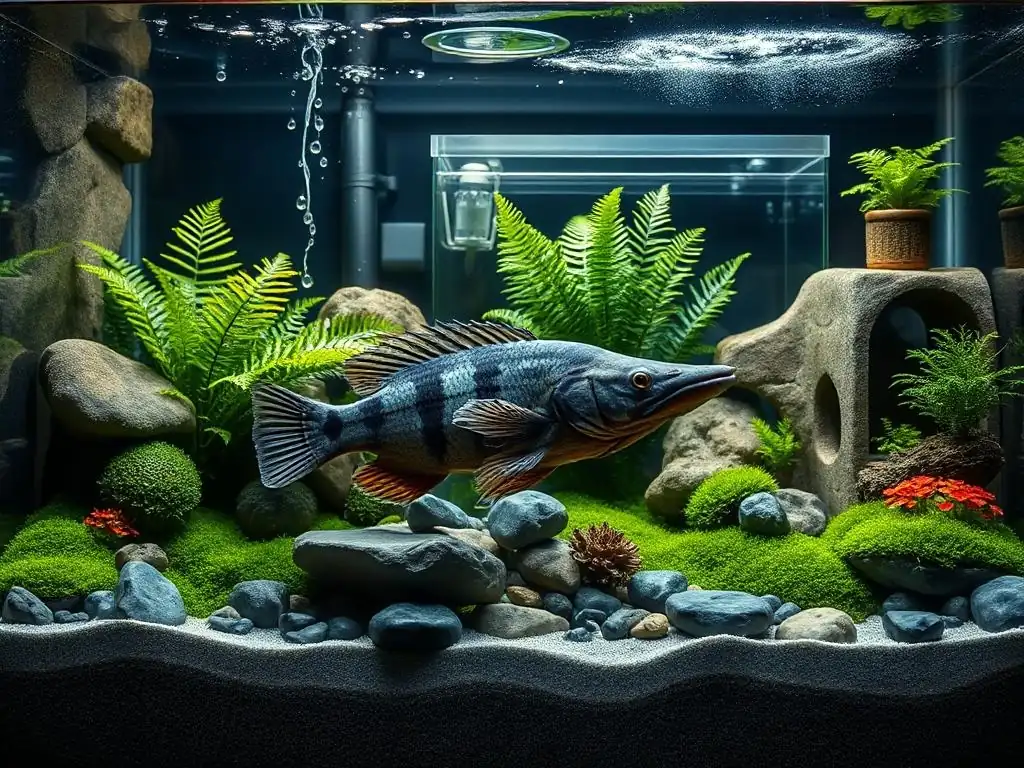
- Setting Up the Ideal Bristlenose Pleco Tank Environment
- Bristlenose Pleco Diet and Feeding: A Balanced Approach
- Bristlenose Pleco Tank Mates: Compatibility and Considerations
-
Bristlenose Pleco Breeding Guide: A Step-by-Step Approach to Successful Spawning
- Identifying Male and Female Bristlenose Plecos: Sexing Your Fish
- Creating Breeding Conditions: Triggering Spawning Behavior
- Providing a Breeding Cave: The Ideal Spawning Location
- The Bristlenose Pleco Breeding Process: From Courtship to Eggs
- Caring for Bristlenose Pleco Eggs and Fry: Ensuring Survival
- Common Breeding Challenges and Solutions for Ancistrus Species
- Maintaining Bristlenose Pleco Health: Preventing and Treating Common Diseases
- Advanced Bristlenose Pleco Care: Tips and Tricks for Experienced Keepers
- Conclusion: Mastering Bristlenose Pleco Care for a Thriving Aquarium
- Frequently Asked Questions
- Final Reflection: The Enduring Allure of the Bristlenose Pleco
- Unleash Your Inner Pleco Pro!
Introduction to Bristlenose Plecos: A Comprehensive Care Guide
Understanding the Appeal of Bristlenose Plecos for Aquarium Hobbyists
Bristlenose plecos, scientifically known as Ancistrus cirrhosus, are among the most popular and cherished catfish in the freshwater aquarium hobby. Their enduring appeal stems from a unique combination of practical benefits and charming characteristics. Unlike their larger pleco cousins, Bristlenoses remain relatively small, typically reaching an adult size of 4-5 inches, making them suitable for a wider range of tank sizes.
Their distinctive "bristles" or odontodes, particularly prominent on males, give them a charming, prehistoric appearance that captivates aquarists. Furthermore, their peaceful temperament ensures they are excellent additions to most community aquariums, coexisting harmoniously with a variety of fish species.
Beyond their aesthetic appeal, Bristlenose plecos are highly valued for their diligent algae-eating habits. They tirelessly graze on algae and biofilm that accumulate on tank surfaces, driftwood, and rocks, acting as natural clean-up crew members. This not only helps maintain a cleaner, more aesthetically pleasing tank but also contributes to a balanced aquatic ecosystem by managing organic waste. Their robust nature and adaptability to a range of water conditions also make them a forgiving choice for beginner aquarists, while their interesting breeding behaviors provide a rewarding challenge for more experienced hobbyists seeking a comprehensive Bristlenose pleco breeding guide.
Quick Stats: Bristlenose Pleco Size, Lifespan, and Temperament
Bristlenose plecos are a relatively compact species of armored catfish, with adult males typically reaching lengths of 4 to 5 inches (approximately 10 to 13 cm), while females tend to be slightly smaller, often around 3 to 4 inches (7 to 10 cm). Their manageable size is a significant factor in their popularity, as it allows them to thrive in tanks where larger pleco species would quickly outgrow their environment.
With optimal care, including stable water parameters and a nutritious diet, these hardy fish can enjoy a remarkably long lifespan, often living for 5 to 10 years, with some individuals even exceeding this range.
In terms of temperament, Bristlenose plecos are generally peaceful and non-aggressive, making them ideal inhabitants for most community aquariums. They are primarily nocturnal, preferring to be active during the evening and night hours, though they will often graze during the day if the tank is dimly lit or if food is present.
While males can exhibit some territoriality towards other male Bristlenoses, particularly when a breeding cave is present, this aggression rarely extends to other fish species. Their calm demeanor and bottom-dwelling nature ensure they do not interfere with mid-water or surface-dwelling tank mates, contributing to a harmonious aquarium environment.
Setting Up the Ideal Bristlenose Pleco Tank Environment
Tank Size Requirements for Bristlenose Plecos: Growing Space Matters
Providing an appropriately sized aquarium is fundamental to the health and well-being of Bristlenose plecos. For a single adult Bristlenose pleco, a minimum tank size of 20 gallons (approximately 75 liters) is recommended. This volume allows for sufficient swimming space, ample surface area for grazing, and helps dilute the bioload produced by these active bottom dwellers. While they are not large fish, their constant grazing and waste production necessitate adequate water volume to maintain stable water parameters and prevent rapid nitrate buildup, which can stress the fish and lead to health issues.
For aquarists considering keeping multiple Bristlenose plecos, such as a breeding pair or a small group, a larger tank is imperative. A 30 to 40-gallon (113 to 150-liter) aquarium or larger is advisable in such scenarios. This increased volume provides additional territory, reducing potential aggression between males, especially when following a Bristlenose pleco breeding guide. Furthermore, a wider and deeper tank footprint is often more beneficial than a tall one, as it offers more bottom surface area for foraging and exploring, aligning with their natural behaviors as substrate dwellers.
Water Parameters: Maintaining Optimal Conditions for Bristlenose Pleco Health
Maintaining stable and appropriate water parameters is paramount for the long-term health and vitality of Bristlenose plecos. These fish, like many freshwater species, are sensitive to sudden fluctuations in water chemistry. Consistent monitoring and regular water changes are key to preventing stress, which can weaken their immune system and make them susceptible to various diseases. Unstable parameters, such as drastic pH swings or fluctuating temperatures, can lead to organ damage, reduced appetite, and overall poor health, significantly shortening their lifespan.
Furthermore, pristine water quality directly impacts their ability to digest food properly, absorb nutrients, and maintain their vibrant coloration. High levels of ammonia, nitrite, or nitrate, often resulting from inadequate filtration or infrequent water changes, can be highly toxic. Ammonia and nitrite should always be at zero parts per million (ppm), while nitrates should be kept below 20 ppm through regular maintenance. A well-maintained aquatic environment not only supports their physical health but also encourages natural behaviors, including foraging and, crucially, successful Bristlenose pleco breeding.
Temperature, pH, and Hardness: The Key Water Quality Factors
Bristlenose plecos thrive within a specific range of water temperature, pH, and hardness, mirroring their native South American river habitats. The ideal water temperature for these fish ranges from 72 to 80°F (22 to 27°C). Maintaining a stable temperature within this range is critical, as temperatures outside this spectrum can cause significant stress. For instance, temperatures below 70°F can slow their metabolism, making them sluggish and prone to illness, while prolonged exposure to temperatures above 82°F can reduce oxygen levels and accelerate disease progression.
Regarding pH, Bristlenose plecos prefer slightly acidic to neutral water, with an optimal range of 6.5 to 7.5. While they can tolerate a slightly wider range, consistency is more important than hitting an exact number. Sudden shifts in pH can shock their system, leading to osmotic stress.
Water hardness, measured in dGH (degrees of General Hardness), should ideally be soft to medium-hard, typically between 2 to 15 dGH. Extremely soft or hard water can impact their osmoregulation, affecting their ability to maintain proper fluid balance within their bodies. Regular testing with a reliable aquarium test kit is essential to ensure these parameters remain within the healthy range, particularly when attempting to implement a Bristlenose pleco breeding guide.
Substrate, Decor, and Hiding Places: Creating a Bristlenose Pleco Paradise
The choice of substrate, decor, and the provision of ample hiding places are not merely aesthetic considerations but are vital components of a Bristlenose pleco's habitat. These elements significantly influence their comfort, stress levels, and natural behaviors. A well-designed environment that mimics their natural habitat encourages these nocturnal and often shy fish to feel secure, reducing the likelihood of stress-related illnesses. The right substrate allows them to forage safely, while appropriate decor offers surfaces for grazing and essential retreats.
Furthermore, the presence of specific decor elements, such as driftwood, plays a direct role in their digestive health, providing necessary dietary fiber. Hiding spots are particularly crucial for Bristlenose plecos, as they spend much of their day resting in secluded areas. Without adequate cover, they can become anxious and withdrawn, impacting their appetite and overall vitality. Providing a diverse range of hiding options also helps to diffuse potential territorial disputes, especially among males, which is a key consideration for anyone following a Bristlenose pleco breeding guide.
Choosing the Right Substrate for a Healthy Bristlenose Pleco Tank
When selecting a substrate for a Bristlenose pleco tank, the primary concern should be the safety and comfort of the fish's delicate barbels, which they use for foraging. Fine sand or very smooth, small-grained gravel (approximately 2-3mm in diameter) are the ideal choices. Sand allows them to sift through it without injury, mimicking their natural foraging behavior in riverbeds. Smooth gravel, if chosen, should be free of sharp edges that could abrade their sensitive mouthparts or barbels.
Rough or coarse gravel with sharp edges should be strictly avoided, as it can cause abrasions and infections to their barbels and underside. The depth of the substrate can be around 1-2 inches (2.5-5 cm) for general tank purposes. If live plants are extensively used, a slightly deeper substrate may be beneficial for root development. A proper substrate not only protects the fish but also provides a surface for beneficial bacteria to colonize, contributing to biological filtration and overall water quality.
The Importance of Driftwood for Bristlenose Plecos: More Than Just Decoration
Driftwood is an absolutely essential component of a Bristlenose pleco's aquarium environment, serving far more than just a decorative purpose. These fish require lignin, a complex polymer found in wood, as a crucial part of their diet to aid in digestion. As they rasp on the surface of the driftwood, they ingest small particles of wood, which helps with their digestive processes and prevents issues like bloat. Without access to driftwood, Bristlenose plecos can suffer from digestive problems and nutritional deficiencies.
In addition to its dietary benefits, driftwood provides excellent surfaces for the growth of biofilm and algae, offering a constant, natural food source for the plecos to graze upon. It also acts as a natural hiding place, offering security and reducing stress for these shy fish. Types such as Mopani wood, Malaysian driftwood, or Cholla wood are popular choices. It is advisable to soak or boil new driftwood before adding it to the tank to release tannins, which can tint the water but are harmless and often beneficial, and to ensure the wood sinks properly.
Providing Ample Hiding Spots: Caves, Plants, and Other Options
Providing a variety of ample hiding spots is critical for the well-being and security of Bristlenose plecos. As nocturnal and often shy fish, they require secure retreats where they can rest undisturbed during the day and feel safe from perceived threats. Without sufficient hiding places, Bristlenoses can become stressed, leading to a weakened immune system and increased susceptibility to disease. These retreats also serve as important territorial markers, especially for males during breeding, making them essential for a successful Bristlenose pleco breeding guide.
Excellent options for hiding spots include ceramic pleco caves, PVC pipes (cut to appropriate sizes), hollow coconut shells, and strategically placed rocks or slate formations. Dense planting with robust aquatic plants like Java Fern, Anubias, or Amazon Swords can also provide natural cover. It is advisable to offer more hiding spots than there are Bristlenoses, especially if keeping multiple individuals, to reduce competition and ensure each fish has its own private space. This enhances their comfort and encourages natural behaviors, including the crucial breeding process.
Filtration and Aeration: Keeping the Water Clean and Oxygenated
Effective filtration and adequate aeration are cornerstones of a healthy Bristlenose pleco aquarium. Bristlenose plecos, despite their relatively small size, produce a significant bioload due to their constant grazing and digestive processes. A robust filtration system is therefore essential to process waste products, maintain pristine water quality, and prevent the buildup of harmful ammonia, nitrite, and nitrate. Canister filters, hang-on-back (HOB) filters, or large sponge filters are all suitable options, providing mechanical, biological, and often chemical filtration. The filter should be appropriately sized for the tank volume and regularly maintained to prevent clogs and ensure optimal performance.
Beyond filtration, sufficient aeration is equally vital. Bristlenose plecos, like all fish, require dissolved oxygen in the water for respiration. Good aeration is achieved through surface agitation, which can be provided by the outflow of the filter, or by using air stones and an air pump. Maintaining high oxygen levels is particularly critical in tanks housing multiple plecos or during the Bristlenose pleco breeding process, as both adult fish and developing fry require ample oxygen for healthy growth and survival. Low oxygen can lead to stress, lethargy, and increased susceptibility to disease.
Bristlenose Pleco Diet and Feeding: A Balanced Approach
What Do Bristlenose Plecos Eat? A Varied Diet for Optimal Health
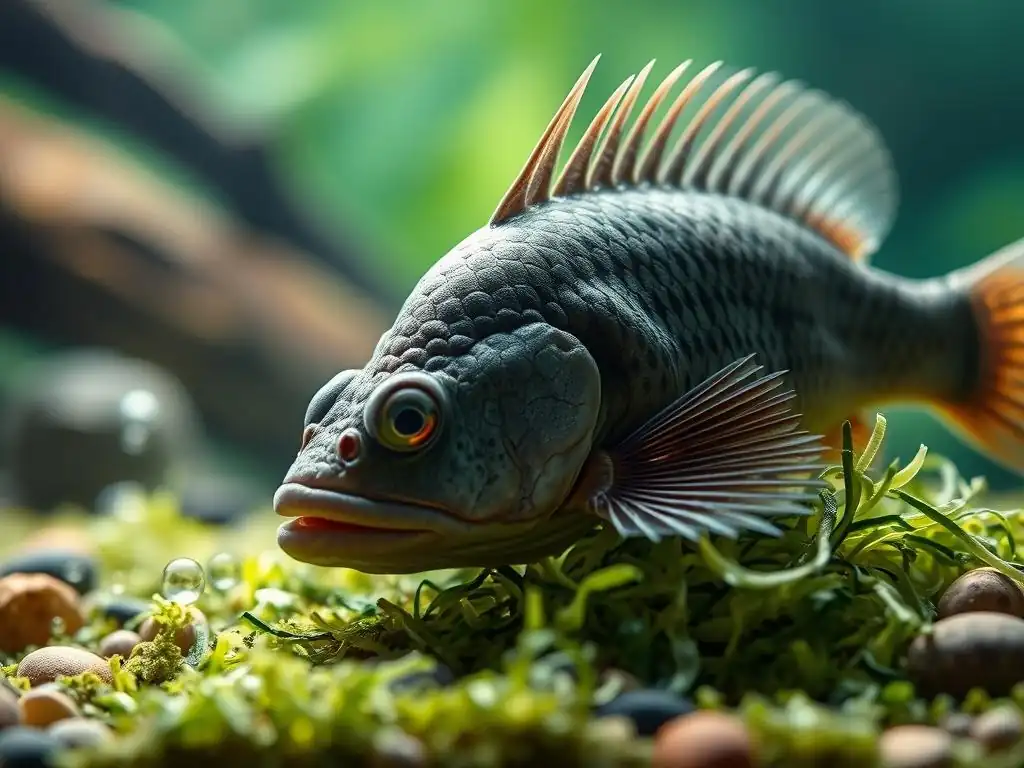
While Bristlenose plecos are renowned for their algae-eating prowess, relying solely on tank algae for their nutrition is insufficient for their long-term health. These omnivorous bottom feeders require a varied and balanced diet to thrive, which includes a significant portion of plant-based matter supplemented with occasional protein. A diet lacking variety can lead to nutritional deficiencies, stunted growth, and a weakened immune system, making them more susceptible to common aquarium diseases.
A comprehensive feeding regimen ensures they receive all the necessary vitamins, minerals, and macronutrients. Without proper dietary supplementation, even in a tank with visible algae, Bristlenose plecos can become malnourished. For instance, while they consume soft green algae, they generally do not eat tougher types like black beard algae, meaning their natural "cleaning" diet is often incomplete. Therefore, understanding and implementing a varied feeding strategy is crucial for their vitality and is a key component of any successful Bristlenose pleco breeding guide.
Algae Consumption: The Bristlenose Pleco's Natural Diet
In their natural habitats, Bristlenose plecos primarily graze on biofilm, diatoms, and soft green algae that grow on submerged surfaces like rocks and driftwood. This natural diet forms the foundation of their nutritional needs, providing essential fiber and some basic nutrients. In the aquarium, they are highly effective at keeping glass, decor, and plant leaves clear of many types of algae, making them valuable members of the clean-up crew. Their specialized rasping mouthparts are perfectly adapted for this grazing behavior.
However, it is a common misconception that Bristlenose plecos can subsist entirely on tank algae. While they are diligent grazers, the amount and type of algae available in an average aquarium are often insufficient to meet all their dietary requirements. For example, they typically ignore tougher, filamentous algae like hair algae or black beard algae. Therefore, while their algae consumption is significant and beneficial for the tank, it must always be supplemented with other food sources to ensure they receive a complete and balanced diet for optimal health and growth.
Supplementing Algae: Vegetables, Wafers, and Other Food Sources
To ensure a balanced diet, it is crucial to supplement the Bristlenose pleco's natural algae consumption with a variety of other food sources. High-quality sinking algae wafers or spirulina pellets should form a staple of their diet, providing concentrated plant-based nutrition. These should be offered daily, preferably after the tank lights are out, as this is when plecos are most active. A single wafer for an adult pleco is often sufficient, ensuring it is consumed within a few hours.
Fresh, blanched vegetables are also an excellent dietary addition, offering a wide range of vitamins and minerals. Popular choices include:
- Zucchini slices: A favorite, easily weighted down with a veggie clip or fork.
- Cucumber slices: Similar to zucchini, provide good hydration and fiber.
- Blanched peas (shelled): Excellent for digestive health, especially if bloat is a concern.
- Romaine lettuce or spinach: Offer a good source of greens.
- Sweet potato: Can be offered sparingly as a treat.
Always remove uneaten vegetable matter after 24 hours to prevent water fouling. This varied approach is vital for their overall health and particularly important for successful Bristlenose pleco breeding.
The Importance of Protein in a Bristlenose Pleco's Diet
While Bristlenose plecos are predominantly herbivorous, a small but significant amount of protein is necessary for their growth, development, and overall health, particularly for juveniles and breeding adults. Protein is crucial for tissue repair, muscle development, and egg production. A diet composed solely of plant matter, without any protein supplementation, can lead to deficiencies, slow growth, and reduced vitality.
Therefore, it is beneficial to offer protein-rich foods occasionally, perhaps one to two times per week. Suitable protein sources include:
- High-quality sinking carnivore pellets: Ensure they are formulated for bottom feeders.
- Bloodworms (frozen or freeze-dried): A popular and readily accepted treat.
- Brine shrimp (frozen): Another good option for occasional protein.
- Daphnia: Small crustaceans that can provide protein and fiber.
These should be offered in moderation, as an excessive protein diet can lead to digestive issues like bloat. A balanced approach, combining plant-based staples with occasional protein, ensures the Bristlenose pleco receives all necessary nutrients for a thriving life and successful Bristlenose pleco breeding.
Feeding Schedule and Portion Control: Preventing Overfeeding
Establishing a consistent feeding schedule and practicing strict portion control are crucial for the health of your Bristlenose plecos and the overall water quality of your aquarium. As primarily nocturnal fish, it is best to feed them once a day, typically after the tank lights have been turned off for the evening. This ensures that the food is available when they are most active and reduces competition from more agile, mid-water dwelling fish. Feeding at night also minimizes the amount of time uneaten food sits in the water during daylight hours, when it might begin to decompose.
Portion control is equally important to prevent overfeeding, which is a common cause of poor water quality and health issues like bloat in plecos. Offer only enough food that your Bristlenose pleco can consume within a few hours, generally no more than 2-3 hours. For example, one sinking algae wafer per adult Bristlenose is often sufficient.
If you notice significant amounts of uneaten food remaining in the morning, reduce the quantity provided. Overfeeding not only pollutes the water with excess nutrients, leading to algae blooms and elevated nitrates, but it can also lead to severe digestive problems for the fish.
Avoiding Foods That Are Harmful to Bristlenose Plecos
Just as it is important to know what to feed Bristlenose plecos, it is equally vital to understand which foods should be avoided to prevent health complications. Foods that are high in protein and fat, particularly those designed for carnivores or surface feeders, can be detrimental to their primarily herbivorous digestive system. Examples include:
- High-protein fish flakes or pellets: These can be too rich and difficult for their digestive tract to process.
- Processed human foods: Bread, meat scraps, or dairy products are completely unsuitable and can cause severe internal issues and pollute the tank.
Certain vegetables or fruits, while healthy for humans, can also be harmful to Bristlenose plecos. For instance, citrus fruits like oranges or lemons are too acidic and can upset their delicate digestive balance. Avocado, while fatty, is not suitable due to potential toxins. Always ensure that any fresh vegetables offered are organic and free from pesticides. Sticking to their natural diet of algae, blanched vegetables, and specialized sinking wafers, with only occasional, appropriate protein supplements, will ensure your Bristlenose pleco remains healthy and vibrant.
Bristlenose Pleco Tank Mates: Compatibility and Considerations
Suitable Tank Mates for Bristlenose Plecos: Peaceful Companions
Bristlenose plecos are renowned for their peaceful and non-aggressive nature, making them excellent candidates for most community aquariums. Their bottom-dwelling habits ensure they rarely interact with fish that occupy the mid or upper levels of the tank, minimizing potential conflicts. Ideal tank mates are other peaceful, non-aggressive species that thrive in similar water parameters and temperatures.
Some of the most suitable companions include:
- Small Tetras: Such as Neon Tetras, Cardinal Tetras, Ember Tetras, and Rummy-nose Tetras. These schooling fish add vibrancy without posing a threat.
- Rasboras: Harlequin Rasboras, Chili Rasboras, and other small rasboras are peaceful and active.
- Corydoras Catfish: These peaceful bottom-dwellers share similar habitat preferences and dietary needs without competing directly with Bristlenoses.
- Dwarf Gouramis: Peaceful and colorful, they occupy the mid-to-upper tank levels.
- Peaceful Livebearers: Guppies, Mollies, and Platies can coexist well, provided the tank is large enough.
- Smaller, Peaceful Cichlids: Such as German Blue Rams, though careful monitoring is advised to ensure temperament matches.
Ensuring adequate space and hiding spots for all inhabitants will further promote a harmonious environment, especially if you are following a Bristlenose pleco breeding guide, as stressed fish can impact breeding success.
Fish to Avoid: Aggressive or Fin-Nipping Species
While Bristlenose plecos are generally hardy, they are not immune to stress or injury from aggressive tank mates. Certain fish species should be avoided as companions, as they can harass, injure, or outcompete Bristlenoses for food and space. Aggressive or fin-nipping species can cause chronic stress, leading to a weakened immune system and increased susceptibility to disease.
Species to avoid include:
- Large, Aggressive Cichlids: Many African Cichlids (e.g., Mbunas, Oscars) or larger South American Cichlids are highly territorial and can severely injure or kill a Bristlenose pleco.
- Tiger Barbs: Known fin-nippers, they can stress and damage the delicate fins of plecos.
- Red Tail Sharks and Rainbow Sharks: While often kept in community tanks, these fish can be territorial and aggressive towards other bottom dwellers, including plecos.
- Pufferfish: Most pufferfish are highly aggressive and will nip at fins and even consume smaller fish.
- Large, Predatory Fish: Any fish large enough to view a Bristlenose pleco as prey should be avoided.
Selecting compatible tank mates is a crucial step in ensuring a stress-free and thriving environment for your Bristlenose pleco.
Invertebrates and Bristlenose Plecos: Shrimp, Snails, and More
Bristlenose plecos generally coexist well with most types of aquarium invertebrates, making them compatible additions to tanks featuring snails and shrimp. Their primary focus is on grazing algae and biofilm, and they typically show no interest in consuming adult snails or shrimp. This makes them excellent companions for a variety of popular invertebrates, contributing to a diverse and balanced ecosystem within the aquarium.
Good invertebrate tank mates include:
- Nerite Snails: Excellent algae eaters that pose no threat to plecos and help maintain tank cleanliness.
- Mystery Snails and Apple Snails: Larger snails that are too big for a Bristlenose to bother.
- Amano Shrimp: Robust and active algae eaters that are generally safe from adult Bristlenoses due to their size.
- Ghost Shrimp: Another larger shrimp species that typically coexists peacefully.
While adult Bristlenoses are usually safe with adult shrimp, very small or juvenile shrimp (like newly hatched Cherry Shrimp) might occasionally be seen as food if the pleco is unusually hungry or if the shrimp are extremely tiny. However, this is rare, and overall, the compatibility between Bristlenose plecos and most common aquarium invertebrates is high, enhancing the tank's clean-up crew without conflict.
Bristlenose Pleco Breeding Guide: A Step-by-Step Approach to Successful Spawning
Identifying Male and Female Bristlenose Plecos: Sexing Your Fish
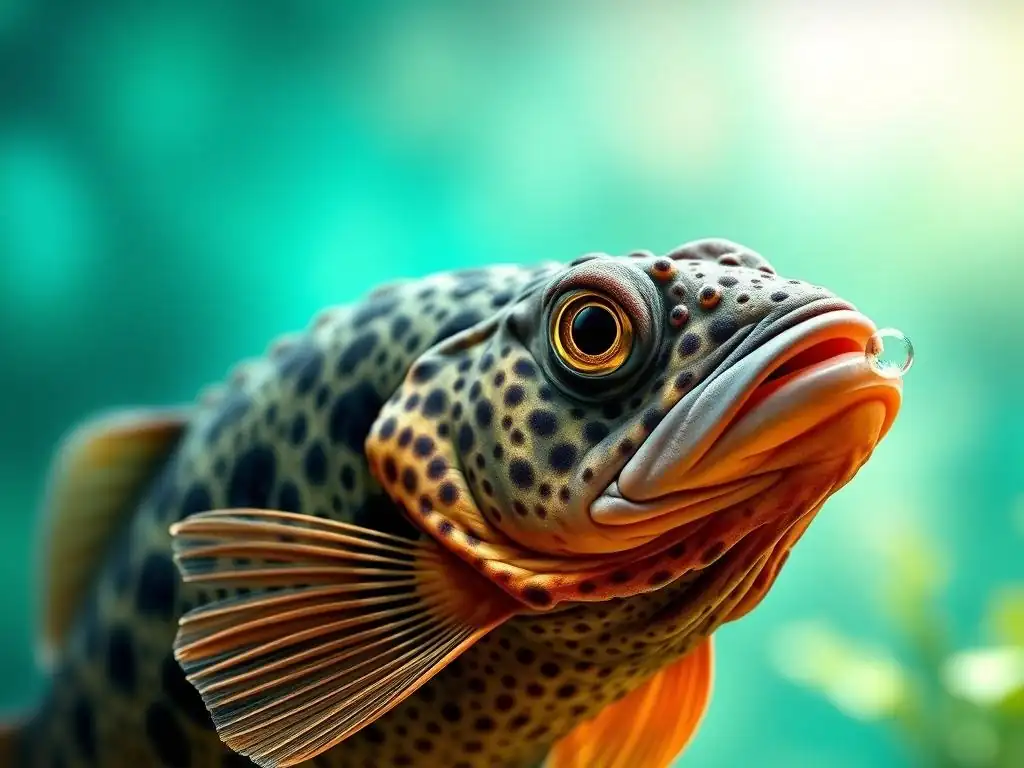
Accurately identifying the sex of your Bristlenose plecos is the foundational step in any successful Bristlenose pleco breeding guide. The most reliable method involves observing the development of their distinctive "bristles" or odontodes, which are fleshy appendages that grow on their snout and head. These bristles become notably prominent as the fish mature, typically starting around 4 to 6 months of age.
Male Bristlenose plecos develop numerous, long, and often branched bristles that cover a significant portion of their snout and even extend onto their forehead. These bristles are quite obvious and can give the male a somewhat bushy appearance. In contrast, female Bristlenose plecos either have no bristles at all, or they possess only a few, very small, unbranched bristles located primarily around the very edge of their snout.
Furthermore, males are generally more robust in build and may appear slightly larger than females of the same age, especially when actively breeding. Females, when gravid with eggs, will also appear noticeably rounder and fuller in the abdomen.
Creating Breeding Conditions: Triggering Spawning Behavior
Once you have identified a male and female Bristlenose pleco, the next crucial step in a Bristlenose pleco breeding guide is to create optimal conditions that encourage them to spawn. Bristlenoses are cave spawners, and their breeding behavior is often triggered by environmental cues that mimic the onset of the rainy season in their natural South American habitats. This involves ensuring pristine water quality, maintaining stable parameters, and providing a highly nutritious and varied diet for both the male and female. A well-fed, healthy pair is far more likely to engage in breeding activity.
Beyond general good husbandry, specific environmental adjustments can act as powerful triggers. These often involve manipulating water temperature and performing strategic water changes to simulate the influx of fresh, cooler water characteristic of seasonal rainfall. Providing an ideal spawning location, such as a dedicated breeding cave, is also paramount, as the male will meticulously prepare and guard this site. By carefully orchestrating these conditions, aquarists can significantly increase their chances of successful Bristlenose pleco breeding.
Water Changes and Temperature Adjustments: Simulating Natural Conditions
To effectively trigger spawning behavior in Bristlenose plecos, aquarists can simulate the onset of the rainy season, a natural cue for breeding in their wild environment. This is primarily achieved through a series of specific water changes and temperature adjustments. Begin by performing large, frequent water changes, typically 25% to 50% of the tank volume, every 2-3 days. Crucially, replace the water with water that is slightly cooler than the current tank temperature, by about 1-2°F (0.5-1°C). This influx of cooler, fresh water mimics the natural conditions of heavy rainfall.
Following these cooler water changes, gradually allow the tank temperature to rise back to the higher end of their preferred range, around 78-80°F (25.5-27°C), over the next few days. This cycle of cooler, fresh water followed by a return to warmer temperatures often signals to the Bristlenoses that breeding conditions are ideal. The increased oxygenation from the fresh water and the slight temperature fluctuation can stimulate the pair to begin courtship and ultimately, spawning. Consistency in these water changes, along with a rich diet, significantly enhances the probability of successful Bristlenose pleco breeding.
Providing a Breeding Cave: The Ideal Spawning Location
Providing a dedicated breeding cave is an absolutely indispensable element for successful Bristlenose pleco breeding. These fish are cavity spawners, meaning the male will meticulously select, clean, and guard a secluded, dark cave or crevice where the female will deposit her eggs. Without a suitable and secure spawning location, the likelihood of successful breeding is significantly reduced, as the male will not feel secure enough to initiate the process or protect the eggs.
Ideal breeding caves can be commercially purchased ceramic pleco caves, PVC pipes (with one end capped), or even natural options like hollow coconut shells or slates arranged to form a secure tunnel. The opening of the cave should be just slightly larger than the male's body to allow him to enter and turn around comfortably, while being snug enough to deter predators.
It is often beneficial to provide multiple caves of varying sizes and shapes within the tank to allow the male to choose his preferred location. Positioning these caves in a quiet, dimly lit area of the tank can further encourage the Bristlenose pleco breeding process.
The Bristlenose Pleco Breeding Process: From Courtship to Eggs
Once the breeding conditions are met and a suitable cave is provided, the Bristlenose pleco breeding process begins with the male's courtship. The male will select a cave and diligently clean its interior, often spending hours rasping away any debris or algae to prepare it for the female. He will then attempt to entice a gravid (egg-laden) female into the cave, often by fanning his fins and nudging her towards the entrance. The female, if receptive, will enter the cave to inspect it.
If the female accepts the male and the cave, she will then deposit her adhesive eggs onto the interior surfaces of the cave. Bristlenose eggs are typically vibrant orange to yellow in color, quite large (around 2-3mm in diameter), and are laid in tightly packed clusters, often numbering from 20 to 100, though larger females can lay up to 200 eggs.
Once the eggs are laid and fertilized, the female will typically leave the cave, and the male takes on the sole responsibility of guarding and caring for the eggs until they hatch. This dedicated paternal care is a defining characteristic of Bristlenose pleco breeding.
Caring for Bristlenose Pleco Eggs and Fry: Ensuring Survival
After the eggs have been laid, the male Bristlenose pleco diligently guards them, becoming highly protective of his chosen cave. He will remain inside, fanning the eggs continuously with his fins. This fanning action is crucial as it provides vital oxygen to the developing embryos and helps prevent the growth of fungus on the eggs.
During this period, it is paramount not to disturb the male or the cave, as stress can cause him to abandon or even consume the eggs. The incubation period typically lasts between 4 to 10 days, depending on the water temperature, with warmer temperatures accelerating the process.
Once the eggs hatch, the tiny Bristlenose fry will emerge with a noticeable yolk sac attached to their underside. This yolk sac serves as their primary food source for the first few days, providing all the necessary nutrients. The fry will remain in the safety of the cave, continuing to absorb their yolk sacs for approximately 2 to 4 days post-hatching.
During this vulnerable stage, the male will continue to guard them fiercely. Only after the yolk sacs are fully absorbed will the fry become free-swimming and begin to venture out in search of external food sources, marking the next critical phase in the Bristlenose pleco breeding guide.
Egg Incubation and Hatching: What to Expect
The incubation period for Bristlenose pleco eggs is a fascinating phase of their life cycle, entirely managed by the dedicated male. After the female lays her adhesive, typically orange or yellow eggs within the breeding cave, the male assumes full responsibility. He meticulously guards the egg clutch, fanning them consistently with his pectoral and caudal fins. This constant fanning serves two vital purposes: it provides a steady flow of oxygen to the developing embryos and prevents the growth of detrimental fungus, which can quickly spoil a clutch.
The duration of incubation is primarily influenced by water temperature; generally, at an optimal temperature of around 78°F (25.5°C), the eggs will hatch within 4 to 7 days. As hatching approaches, the eggs may darken slightly, and you might even be able to discern the tiny eyes of the developing fry within. Once hatched, the fry emerge with a prominent yolk sac attached to their bellies.
They will remain within the safety of the cave for another 2 to 4 days, absorbing this nutrient-rich yolk sac. During this time, the male continues his vigilant care, ensuring their protection until they are strong enough to venture out as free-swimming fry.
Feeding Bristlenose Pleco Fry: A Specialized Diet
Once the Bristlenose pleco fry have fully absorbed their yolk sacs, typically around 7 to 10 days post-spawning, they will become free-swimming and actively seek external food sources. This is a critical period, as consistent and appropriate feeding is essential for their rapid growth and survival. Their diet should primarily consist of soft, easily digestible plant-based matter.
Excellent food options for Bristlenose pleco fry include:
- Blanched vegetables: Thin slices of blanched zucchini, cucumber, or shelled peas are ideal. These should be offered daily and replaced frequently to prevent spoilage.
- Algae wafers: Crushed into a fine powder, these provide concentrated nutrition.
- Specialized fry foods: Some commercial fry foods are available, formulated for bottom-dwelling fry.
- Softwood: Ensure there is plenty of soft driftwood in the tank, as the fry will also graze on the biofilm and lignin it provides, which aids their digestion.
Feed small amounts frequently, perhaps 2-3 times a day, to ensure a constant supply of food. The fry have a high metabolism and require consistent nourishment to grow.
Maintaining Water Quality for Growing Fry
Maintaining impeccable water quality is paramount for the survival and healthy development of Bristlenose pleco fry. Due to their small size and delicate nature, fry are significantly more sensitive to fluctuations in water parameters and the presence of nitrogenous wastes than adult fish. High levels of ammonia, nitrite, or nitrate can quickly become toxic and lead to mass die-offs. Therefore, a rigorous water change schedule is non-negotiable.
Perform small, frequent water changes, ideally 10-15% daily or every other day, using dechlorinated water that matches the tank's temperature and pH as closely as possible. This helps to dilute waste products without causing significant environmental shocks. Filtration should be gentle to prevent the tiny fry from being sucked into the filter intake.
A sponge filter, with its large surface area for beneficial bacteria and minimal flow, is often the preferred choice for fry tanks. Consistent monitoring of water parameters (temperature 72-78°F, pH 6.5-7.5) and ensuring adequate aeration will provide the stable, clean environment necessary for the successful rearing of Bristlenose pleco fry, a cornerstone of any effective Bristlenose pleco breeding guide.
Common Breeding Challenges and Solutions for Ancistrus Species
Even with a detailed Bristlenose pleco breeding guide, aquarists may encounter several challenges when attempting to breed Ancistrus species. One common issue is infertile eggs, which may appear white and fuzzy, indicating fungal growth. This is often due to poor water quality, insufficient nutrition of the parents, or the fish being too young or too old to produce viable eggs. Another challenge can be the male abandoning the eggs, particularly if he is a first-time breeder, stressed by tank mates, or if the breeding cave is frequently disturbed.
Solutions to these challenges require careful observation and adjustments. For infertile eggs, ensure the breeding pair is receiving a high-quality, varied diet rich in both plant matter and occasional protein, and that water parameters are consistently optimal. If the male abandons eggs, try to minimize disturbances around the breeding cave.
Providing multiple, varied cave options can also help him feel more secure. In some cases, separating the breeding pair into a dedicated breeding tank can significantly reduce stress and improve the chances of successful egg care and fry survival, offering a more controlled environment for the Bristlenose pleco breeding process. Patience and persistence are key to overcoming these hurdles.
Maintaining Bristlenose Pleco Health: Preventing and Treating Common Diseases
Recognizing Signs of Illness in Bristlenose Plecos
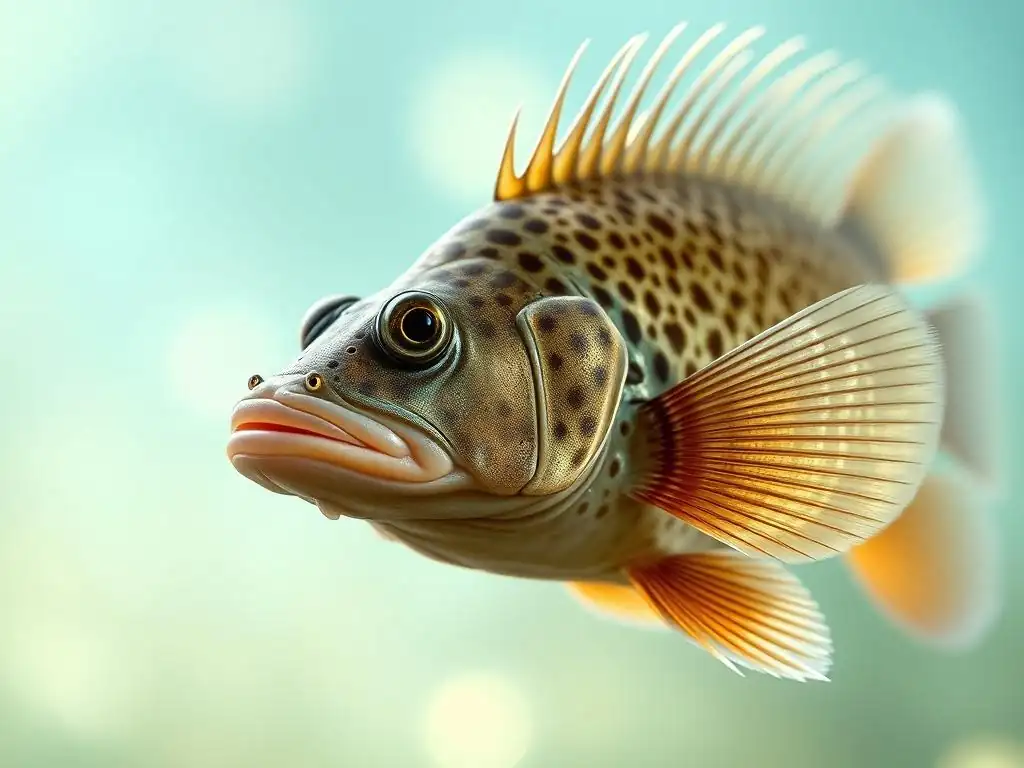
Early detection of illness is crucial for the successful treatment and recovery of Bristlenose plecos. As bottom dwellers and often nocturnal fish, their behaviors can sometimes mask initial signs of disease, making careful observation essential. Any deviation from their normal behavior should be a red flag. Look for changes in their activity levels; a healthy Bristlenose pleco is typically active during the night, grazing, and exploring, and will rest in a secure hiding spot during the day. Lethargy, excessive hiding (more than usual), or conversely, unusual activity during daylight hours, can all indicate stress or illness.
Physical signs are also key indicators. Observe their body for any visible spots, lesions, discoloration, or growths. Their fins should be intact and spread, not clamped or frayed. A healthy pleco will have a firm, not bloated, abdomen.
Changes in appetite, such as refusing food or a sudden decrease in feeding, are also significant warning signs. Rapid or labored gill movement suggests respiratory distress, often due to poor water quality or gill parasites. Regular, close inspection of your Bristlenose pleco can help you identify these subtle cues early, allowing for prompt intervention and improving the chances of a full recovery, which is vital for maintaining a healthy breeding stock for future Bristlenose pleco breeding endeavors.
Common Bristlenose Pleco Diseases and Treatments
Bristlenose plecos are generally hardy fish, but like all aquarium inhabitants, they can fall prey to common freshwater diseases, particularly when stressed by poor water quality, improper diet, or incompatible tank mates. Many ailments that affect Bristlenoses are often secondary infections, meaning an underlying issue, such as sustained stress or a compromised immune system, made them vulnerable in the first place. Therefore, prevention through excellent husbandry is always the first line of defense.
Overfeeding, especially with protein-rich or fatty foods, is a frequent cause of digestive issues like bloat in plecos. This highlights the importance of a balanced diet, as discussed in any comprehensive Bristlenose pleco breeding guide. Furthermore, introducing new fish without proper quarantine procedures can introduce pathogens into an established tank, leading to widespread outbreaks. Understanding the common diseases and their treatments, combined with preventative measures, is essential for maintaining a healthy and thriving Bristlenose pleco population.
Ich (White Spot Disease): Identification and Treatment Options
Ich, also known as White Spot Disease, is one of the most common and easily recognizable parasitic infections in freshwater aquariums, and Bristlenose plecos are susceptible to it. The tell-tale sign of Ich is the appearance of small, distinct white spots on the fish's body and fins, resembling grains of salt or sugar. These spots are actually cysts containing the Ich parasite.
Affected fish may also exhibit signs of irritation, such as "flashing" (rubbing their bodies against tank decorations or substrate) and rapid gill movement due to discomfort. Ich is highly contagious and can spread rapidly throughout the tank if left untreated.
Treatment for Ich typically involves a multi-pronged approach. One common method is to gradually increase the water temperature to 82-84°F (28-29°C) over 24 hours, if your tank mates can tolerate it, and maintain it for 10-14 days. The increased temperature accelerates the parasite's life cycle, making it more vulnerable to treatment.
Concurrently, adding aquarium salt (non-iodized) at a concentration of 1 tablespoon per 5 gallons of water can help disrupt the parasite's osmotic balance. For severe outbreaks, or if heat and salt are ineffective, over-the-counter Ich medications containing ingredients like malachite green or formalin can be used. Always remove activated carbon from your filter before using medications, as it will absorb the treatment.
Fin Rot: Causes, Prevention, and Treatment Strategies
Fin Rot is a common bacterial infection that affects the fins of fish, including Bristlenose plecos. It manifests as frayed, ragged, or disintegrating fins, which may also appear discolored at the edges (often white or red). In severe cases, the infection can progress to the body, potentially leading to secondary infections or systemic issues. Fin Rot is almost always a secondary infection, meaning it occurs when a fish's immune system is compromised, often due to poor water quality, stress, physical injury, or bullying from aggressive tank mates.
Prevention is the most effective strategy against Fin Rot. This includes maintaining excellent water quality through regular water changes and proper filtration, avoiding overstocking, providing ample hiding spots, and ensuring compatible tank mates. Treating Fin Rot involves addressing the underlying cause. Begin with large, frequent water changes (25-50% daily for several days) to improve water parameters.
Adding aquarium salt (1 tablespoon per 5 gallons) can also aid healing. For more persistent or severe cases, broad-spectrum antibacterial medications, such as those containing Furan-2 or Maracyn, can be used. Always follow the manufacturer's instructions carefully and remove activated carbon from the filter during treatment.
Bloat: Understanding the Causes and Providing Relief
Bloat, characterized by a noticeably swollen or distended abdomen, is a serious and potentially fatal condition in Bristlenose plecos. It is typically a symptom of an underlying digestive issue or internal bacterial infection. Common causes include overfeeding, particularly with foods that are too rich in protein or fat for their primarily herbivorous digestive system, or a lack of sufficient fiber in their diet (e.g., not enough driftwood).
Poor water quality can also contribute to stress, making fish more susceptible to internal infections that manifest as bloat. Affected fish may also show lethargy, loss of appetite, and difficulty swimming or remaining upright.
Treatment for bloat depends on the suspected cause. If overfeeding is suspected, the first step is to fast the fish for 2-3 days to allow its digestive system to clear. After fasting, you can offer blanched peas (shelled) as a natural laxative; many Bristlenoses enjoy them. If the bloat is persistent or accompanied by other severe symptoms, it may indicate an internal bacterial infection.
In such cases, medicated foods containing antibiotics like Metronidazole are often effective. Always ensure pristine water quality during treatment. Prevention is key: feed a balanced, fiber-rich diet, avoid overfeeding, and maintain stable, clean water parameters to reduce the risk of bloat in your Bristlenose plecos.
Quarantine Procedures: Preventing Disease Spread
Implementing strict quarantine procedures for all new fish, plants, and even invertebrates before introducing them to your main display tank is one of the most critical preventative measures an aquarist can take. A quarantine tank is a separate, smaller aquarium (typically 5-10 gallons for a single Bristlenose) that allows you to observe new arrivals for signs of illness, treat any potential diseases, and prevent the introduction of pathogens to your established fish population. This simple step can save you immense heartache and expense in the long run.
The quarantine period should ideally last for 2 to 4 weeks. During this time, observe the new Bristlenose pleco closely for any signs of disease, parasites, or unusual behavior. Perform regular water changes and maintain excellent water quality.
If any signs of illness appear, treat them in the quarantine tank. This isolation prevents the spread of common ailments like Ich, Fin Rot, or bacterial infections to your existing, healthy fish. By quarantining, you create a buffer zone that protects your entire aquarium ecosystem, ensuring the long-term health and success of your Bristlenose plecos and any future Bristlenose pleco breeding efforts.
Advanced Bristlenose Pleco Care: Tips and Tricks for Experienced Keepers
Optimizing Water Chemistry for Enhanced Coloration
For experienced aquarists looking to truly make their Bristlenose plecos shine, optimizing water chemistry beyond basic parameters can significantly enhance their natural coloration. While good health and a balanced diet are foundational, subtle adjustments to water chemistry can bring out the most vibrant hues in these fish. Pristine, stable water conditions are paramount, with low nitrates being particularly important, as high nitrate levels can dull colors over time. Regular, small water changes (e.g., 10-15% twice a week) help maintain this purity.
Furthermore, a slightly acidic to neutral pH (e.g., 6.5-7.0) and soft to moderately hard water (3-8 dGH) often align with their native Amazonian habitats and can promote more vivid pigmentation. Incorporating natural elements like Indian Almond Leaves (Catappa leaves) or small amounts of bogwood can release beneficial tannins, which subtly tint the water brown and replicate blackwater conditions.
These tannins not only provide a natural aesthetic but are also believed to have mild antiseptic properties and can help reduce stress, allowing the fish to display their full genetic potential for coloration. A varied diet rich in spirulina and other natural pigments, such as blanched sweet potato or carrot, also directly contributes to enhancing their coloration.
Creating a Biotope Aquarium for Bristlenose Plecos
For the dedicated aquarist, creating a biotope aquarium specifically designed to replicate the natural habitat of Bristlenose plecos offers an enriching experience for both keeper and fish. Their native environment in the Amazon and other South American river basins typically consists of slow-moving, tannin-stained waters with abundant submerged wood and leaf litter. Mimicking these conditions not only enhances the fish's well-being but also encourages natural behaviors rarely seen in more generic setups.
A Bristlenose pleco biotope tank should feature:
- Substrate: Fine, dark sand to mimic riverbeds.
- Water Chemistry: Soft to moderately soft water (2-8 dGH) with a slightly acidic pH (6.0-7.0), achieved through RO/DI water mixed with minerals and pH buffers if necessary.
- Tannins: Abundant use of driftwood (e.g., Malaysian, Mopani) and leaf litter (e.g., Indian Almond Leaves, Oak leaves) to release tannins and create a natural blackwater effect. Replace leaves as they decompose.
- Hiding Spots: Numerous caves, hollow logs, and dense plant cover (e.g., Anubias, Java Fern attached to wood) to provide security.
- Lighting: Dim lighting, perhaps with floating plants to diffuse light, simulating the shaded conditions of their natural habitat.
- Water Flow: Gentle flow, avoiding strong currents.
Such a specialized setup minimizes stress, enhances natural foraging, and can significantly improve the success rate for Bristlenose pleco breeding by providing the most authentic conditions.
Breeding Rare Bristlenose Pleco Varieties
Beyond the common brown or albino Bristlenose plecos, experienced aquarists often delve into the fascinating world of breeding rarer and more specialized varieties. This includes striking morphs such as the Super Red Bristlenose, the L144 Blue Eye Lemon Bristlenose, or various longfin mutations of these and other colors. Breeding these specific varieties requires the same foundational knowledge outlined in any Bristlenose pleco breeding guide, but often demands more meticulous attention to genetics, selective breeding, and sometimes even more precise environmental controls to ensure the desired traits are passed on consistently.
Success with rare varieties often involves acquiring high-quality breeding stock from reputable breeders to ensure genetic purity and health. Aquarists may focus on line breeding to enhance specific color intensity or fin length, carefully documenting lineage to avoid inbreeding, which can lead to weakened fry or undesirable genetic traits.
The dedication required for these endeavors, from sourcing specific bloodlines to optimizing every aspect of their care and environment, is a testament to mastering the Bristlenose pleco breeding guide. The reward is not only the satisfaction of producing beautiful and sought-after fish but also contributing to the diversity and advancement of the aquarium hobby.
Conclusion: Mastering Bristlenose Pleco Care for a Thriving Aquarium
Frequently Asked Questions
What are the ideal tank conditions for breeding Bristlenose Plecos?
Bristlenose Plecos breed best in tanks with stable water parameters, including a temperature of 78-82°F and a pH of 6.5-7.5. Providing caves or breeding tubes is also essential for successful spawning.
What is the best diet to promote breeding in Bristlenose Plecos?
A varied diet rich in vegetables, algae wafers, and protein sources like bloodworms or brine shrimp is crucial. This ensures the plecos are healthy and have the energy required for breeding.
How can I tell if my Bristlenose Plecos are ready to breed?
Mature males develop larger bristles on their nose, while females are typically rounder in the abdomen when carrying eggs. Observing courtship behavior like the male cleaning a cave is also a good indicator.
How long does it take for Bristlenose Pleco eggs to hatch?
Bristlenose Pleco eggs typically hatch within 4-10 days, depending on the water temperature. The male pleco will guard the eggs during this period.
What should I do with the fry after they hatch?
Once the fry hatch, they can be fed crushed algae wafers or blanched vegetables. Maintain good water quality with regular water changes to ensure their healthy growth.
Final Reflection: The Enduring Allure of the Bristlenose Pleco
The journey into understanding and caring for the Bristlenose Pleco, as we've explored, is more than just aquarium maintenance; it's a testament to our connection with the natural world and our capacity to create thriving ecosystems within our homes. The popularity of these fascinating creatures speaks volumes about our desire to bring a piece of the wild into our lives, and to nurture life in its most captivating forms.
The joy of witnessing a Bristlenose Pleco thrive, and perhaps even successfully breeding them, is a deeply rewarding experience. It's a reminder of the delicate balance of nature and the responsibility we hold as caretakers. In the end, we will conserve only what we love; we will love only what we understand; and we will understand only what we are taught.
- Baba Dioum. This quote encapsulates the essence of responsible pet ownership and the importance of continued learning and sharing of knowledge, like this guide, to ensure the well-being of these amazing fish.
Now, armed with this knowledge, I encourage you to reflect on your own role in the aquarium hobby. Consider how you can further enhance the lives of your Bristlenose Plecos, and perhaps even inspire others to embark on this rewarding journey. The future of these captivating creatures, and the health of our planet, depends on our collective commitment to understanding and respecting the delicate balance of life.
Unleash Your Inner Pleco Pro!
Thanks for diving into the world of Bristlenose Plecos with us! We hope you found the information helpful in creating the best possible environment for your algae-eating friend. Ready to take the next step?
Here are a few ways to continue your Pleco journey:
- Start mapping out your new Bristlenose Pleco tank today! Consider the plants, substrate, and decorations that will best mimic their natural habitat.
- Share this article with a fellow aquarium enthusiast and start a discussion about your favorite Pleco care tips.
- Delve deeper by researching unique Bristlenose Pleco morphs and explore the possibility of adding a new, colorful addition to your aquarium.
What's one specific thing you plan to change in your Bristlenose Pleco's habitat based on what you've learned?