
Mastering Neocaridina Care: Tank Setup, Parameters & Feeding Secrets

Welcome to Aquarium Mastery!
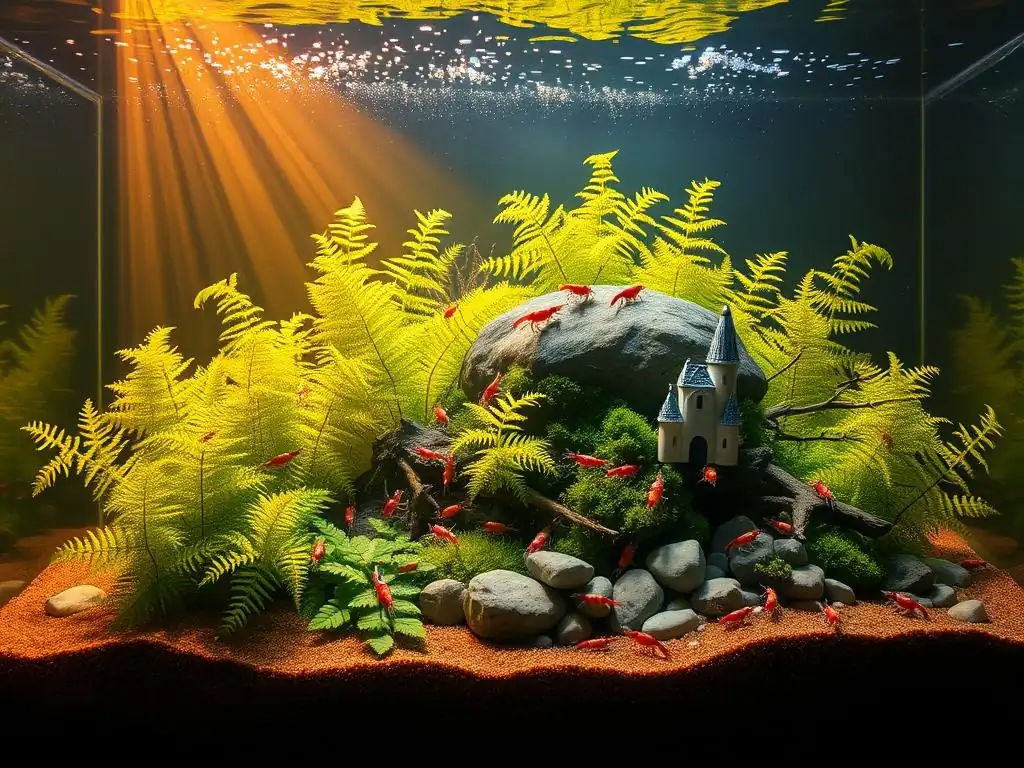
Dive in and unlock the secrets to a thriving Neocaridina shrimp tank! Curious about achieving crystal-clear water, vibrant colors, and a bustling colony? This guide unveils everything you need to know about Neocaridina shrimp tank care, from ideal tank setup to crucial water parameters and feeding strategies. Let's embark on a journey to master the art of shrimp keeping and create a miniature underwater paradise. Keep reading to discover the simple steps to shrimp-keeping success!
- Understanding Neocaridina Shrimp: A Beginner's Guide to Successful Keeping
- Setting Up the Ideal Neocaridina Shrimp Tank Environment
- Maintaining Optimal Water Parameters for Neocaridina Shrimp Health
-
Feeding Neocaridina Shrimp: Ensuring a Balanced and Nutritious Diet
- What Do Neocaridina Shrimp Eat? Natural Diet and Nutritional Needs
- Best Food Options for Neocaridina Shrimp: Commercial Foods and Supplements
- How Often to Feed Neocaridina Shrimp: Avoiding Overfeeding and Water Pollution
- Supplementing Your Neocaridina Shrimp's Diet: Vegetables and Natural Foods
- Avoiding Harmful Foods for Neocaridina Shrimp: What to Avoid Feeding
- Neocaridina Shrimp Tank Mates: Compatibility and Considerations
- Troubleshooting Common Neocaridina Shrimp Problems
- Breeding Neocaridina Shrimp: Encouraging a Healthy and Growing Colony
- Advanced Neocaridina Shrimp Care Techniques
- Frequently Asked Questions
- Final Reflection: The Thriving Ecosystem Within
- Unleash the Thriving Shrimp Tank of Your Dreams!
Understanding Neocaridina Shrimp: A Beginner's Guide to Successful Keeping
What are Neocaridina Shrimp? An Overview of Popular Species
Neocaridina shrimp, often referred to as "cherry shrimp" due to one of their most popular color morphs, are small, freshwater invertebrates belonging to the Atyidae family. Originating primarily from Taiwan, they are highly sought after in the aquarium hobby for their vibrant colors, docile nature, and relatively straightforward care requirements, making them an excellent choice for beginners interested in Neocaridina shrimp tank care. These dwarf shrimp typically reach an adult size of about 2 to 3 centimeters (approximately 0.8 to 1.2 inches), with females generally being larger and more vibrantly colored than males.
These fascinating creatures are prolific breeders, and a single female can carry between 20 to 50 eggs, known as "berries," every 4 to 6 weeks once mature. Their diet primarily consists of biofilm, algae, and detritus, which they constantly graze on, contributing to the cleanliness of an aquarium. Their adaptability to a wide range of water parameters, compared to their Caridina cousins, further solidifies their position as a preferred choice for those new to the intricate world of Neocaridina shrimp tank care.
Why Choose Neocaridina Shrimp for Your Aquarium? Benefits and Advantages
Choosing Neocaridina shrimp for an aquarium offers numerous benefits, making them an increasingly popular addition to many freshwater setups. Their primary appeal lies in their vibrant coloration, which can add a dynamic splash of color to any planted tank or nano aquarium. Beyond aesthetics, Neocaridina shrimp are excellent algae eaters, constantly grazing on various types of algae, including hair algae and diatoms, thereby helping to maintain a cleaner and healthier tank environment without the need for chemical treatments. This natural cleaning ability is a significant advantage for effective Neocaridina shrimp tank care.
Furthermore, these shrimp are non-aggressive and have a minimal bioload, meaning they produce very little waste, which helps in maintaining stable water parameters. This low bioload allows for keeping a larger colony in a smaller tank size compared to fish, making them ideal for nano tanks or desktop aquariums.
Their peaceful demeanor also makes them suitable for community tanks with very small, non-aggressive fish, though careful consideration of tank mates is crucial for successful Neocaridina shrimp tank care. Their breeding success rate is high in optimal conditions, offering aquarists the rewarding experience of observing their life cycle from eggs to shrimplets.
Different Neocaridina Shrimp Varieties: Colors, Patterns, and Unique Traits
Neocaridina shrimp have been selectively bred over generations to produce an astonishing array of color morphs, each with its unique charm and appeal. The most well-known is the Red Cherry Shrimp ( Neocaridina davidi "Red"), famous for its striking red coloration. Building on this, variants like the Bloody Mary shrimp boast a deeper, more opaque red, often with red legs, while Fire Red shrimp offer a slightly less intense but still vibrant red hue. These distinctions are important for enthusiasts focusing on specific aesthetic goals in their Neocaridina shrimp tank care.
Beyond red, the spectrum includes Yellow Goldenback shrimp ( Neocaridina davidi "Yellow"), which are a bright, almost neon yellow, and Blue Dream shrimp ( Neocaridina davidi "Blue"), displaying a stunning, deep blue body. Other popular varieties include the Orange Sunkist, Green Jade, Black Rose, and Snowball shrimp, which are milky white. Some varieties, like the Rili shrimp, exhibit unique patterns with clear sections on their bodies, such as the Red Rili or Blue Rili. Each variety typically shares similar care requirements, making a mixed-color Neocaridina shrimp tank possible, though interbreeding will often result in a return to wild-type brownish offspring over generations.
Setting Up the Ideal Neocaridina Shrimp Tank Environment
Choosing the Right Size Tank for Your Neocaridina Shrimp Colony
When embarking on Neocaridina shrimp tank care, selecting the appropriate tank size is a crucial first step. While Neocaridina shrimp are small, a larger tank provides greater stability in water parameters, which is paramount for their health and longevity. For a beginner colony of 5-10 shrimp, a tank of 5 to 10 gallons (approximately 19 to 38 liters) is often recommended as a minimum. This size allows for sufficient space for grazing, molting, and breeding without rapid fluctuations in water chemistry.
However, for a thriving, long-term colony or if you plan to incorporate plants and other non-aggressive inhabitants, a 10-gallon tank is generally preferred, and even larger tanks (e.g., 20 gallons) are excellent as they offer even more stability and room for expansion. A larger water volume dilutes waste products more effectively, reduces the impact of minor environmental changes, and provides more surface area for beneficial biofilm growth, which is a primary food source for the shrimp. This contributes significantly to successful Neocaridina shrimp tank care.
Substrate Selection for Neocaridina Shrimp: Influencing Water Chemistry
The choice of substrate plays a significant role in Neocaridina shrimp tank care, particularly concerning water chemistry. Unlike Caridina shrimp which often require specific active substrates to lower pH, Neocaridina shrimp are more adaptable. A neutral substrate, such as inert gravel or sand, is generally recommended. Options like fine-grain black sand or natural-colored gravel not only provide an aesthetically pleasing backdrop that can make the shrimp's colors pop but also do not alter the water parameters, which is ideal for maintaining the stable conditions Neocaridina thrive in.
Avoid substrates that are known to buffer pH downwards unless specifically aiming for a lower pH, which is not typically necessary for most Neocaridina varieties. If using a planted tank substrate, ensure it is shrimp-safe and does not leach harmful chemicals or excessive nutrients into the water, which can lead to ammonia spikes or heavy metal contamination. A thin layer (1-2 inches) of substrate is usually sufficient, providing surface area for beneficial bacteria and a place for food particles to settle for the shrimp to graze on.
Essential Equipment for a Thriving Neocaridina Shrimp Tank: Filters, Heaters, and Lighting
Setting up a successful Neocaridina shrimp tank requires careful selection of essential equipment to ensure optimal conditions. For filtration, a sponge filter is highly recommended. These filters provide gentle mechanical and biological filtration, are inexpensive, easy to maintain, and most importantly, prevent shrimplets from being sucked into the filter intake, a common issue with hang-on-back or canister filters. For larger tanks, two sponge filters can be used for redundancy and increased filtration capacity, crucial for maintaining excellent water quality for Neocaridina shrimp tank care.
While Neocaridina shrimp are quite adaptable to temperature fluctuations, a heater is often necessary to maintain a stable temperature, especially in homes with fluctuating ambient temperatures. A small, submersible heater with a thermostat set between 70-78°F (21-25.5°C) is ideal. Lighting requirements are typically low to moderate, depending on the plants you choose. Simple LED lights designed for aquariums are usually sufficient. Avoid excessively bright lights, as they can promote aggressive algae growth and stress the shrimp. A timer for the light is also beneficial to establish a consistent day-night cycle, typically 8-10 hours of light per day.
Aquascaping for Neocaridina Shrimp: Creating a Natural and Safe Habitat
Aquascaping a Neocaridina shrimp tank involves creating a natural and safe environment that supports their well-being and encourages their natural behaviors. Live plants are highly beneficial; they provide hiding spots for shrimp, especially vulnerable shrimplets and molting adults, and contribute to water quality by absorbing nitrates. Mosses, such as Java Moss ( Taxiphyllum barbieri), Christmas Moss ( Vesicularia montagnei), and Fissidens, are particularly excellent choices as they provide extensive surface area for biofilm and algae to grow, which are primary food sources. Other good plants include Anubias, Bucephalandra, and various types of aquatic ferns, which are low-maintenance and attach easily to decor.
Beyond plants, incorporate natural decor like driftwood and smooth rocks. Driftwood releases tannins, which can slightly lower pH (though usually negligibly in well-buffered water) and provide additional surfaces for biofilm. Rocks offer hiding crevices and visual interest. Ensure all decor is inert and thoroughly cleaned before introduction to prevent introducing harmful substances or parasites. When arranging, create plenty of nooks and crannies for the shrimp to explore and retreat into, enhancing their sense of security and overall health in your Neocaridina shrimp tank care efforts.
Maintaining Optimal Water Parameters for Neocaridina Shrimp Health
The Importance of Water Quality for Neocaridina Shrimp
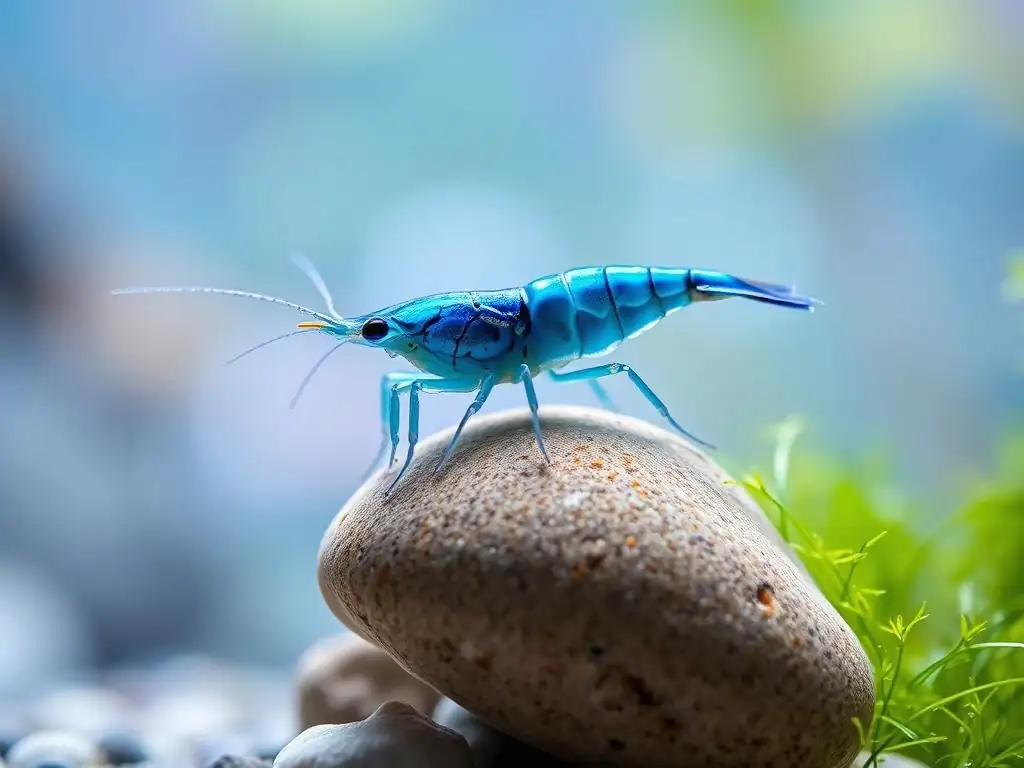
Water quality is the single most critical factor for successful Neocaridina shrimp tank care. These invertebrates are highly sensitive to sudden changes in water parameters and the presence of harmful substances. Poor water quality can lead to stress, weakened immune systems, molting issues, disease, and ultimately, death. Stable parameters are more important than absolute "perfect" numbers; consistency minimizes stress on the shrimp. This means avoiding large, infrequent water changes or dramatic temperature swings.
High levels of ammonia and nitrite are particularly lethal to shrimp, even at concentrations that fish might tolerate. Nitrates, while less immediately toxic, can still cause long-term health problems if levels are consistently high (above 20 ppm is generally considered the upper limit for long-term health, with lower being better). Understanding and maintaining pristine water conditions is fundamental to allowing your Neocaridina shrimp to thrive, breed, and display their vibrant colors.
Key Water Parameters to Monitor: Ammonia, Nitrite, Nitrate, pH, GH, and KH
To ensure optimal Neocaridina shrimp tank care, regular monitoring of key water parameters is essential. Ammonia ( NH3/NH4+) and Nitrite ( NO2-) should always be at 0 ppm. These are highly toxic byproducts of the nitrogen cycle. Nitrate ( NO3-), the end product, should be kept as low as possible, ideally below 20 ppm, though some hobbyists aim for below 10 ppm for maximum shrimp health. A liquid test kit is far more accurate than test strips for these parameters.
Beyond the nitrogen cycle, pH, GH (General Hardness), and KH (Carbonate Hardness) are crucial. Neocaridina shrimp generally prefer a pH between 6.5 and 8.0, with many thriving around 7.0-7.5. GH, which measures calcium and magnesium levels, is vital for proper molting and shell formation; an ideal range is 6-10 dGH (100-160 ppm). KH, which measures buffering capacity, helps maintain stable pH; a range of 2-8 dKH (35-140 ppm) is typically suitable. Consistent monitoring with reliable test kits is the cornerstone of effective Neocaridina shrimp tank care.
Achieving and Maintaining Stable Water Parameters: Water Changes and Testing
Achieving and maintaining stable water parameters for Neocaridina shrimp involves a combination of regular testing, consistent water changes, and proper tank cycling. Before introducing shrimp, ensure your tank is fully cycled, meaning beneficial bacteria are established to convert toxic ammonia and nitrite into less harmful nitrate. This process typically takes 4-6 weeks. Once cycled, perform weekly or bi-weekly water changes of 10-20% using dechlorinated water that matches the tank's temperature and parameters as closely as possible. Gradual changes prevent shocking the shrimp.
Regular testing with a reliable liquid test kit (e.g., API Freshwater Master Test Kit) is non-negotiable. Test for ammonia, nitrite, nitrate, pH, GH, and KH at least once a week, especially when establishing a new tank or if you notice any unusual shrimp behavior. Keep a log of your readings to identify trends and potential issues early. Using a remineralizer like Salty Shrimp GH/KH+ with reverse osmosis (RO) or distilled water can provide precise control over GH and KH, which is particularly beneficial for advanced Neocaridina shrimp tank care.
Dealing with Common Water Parameter Issues in Neocaridina Shrimp Tanks
Despite best efforts, water parameter issues can arise in Neocaridina shrimp tanks, requiring prompt action. If ammonia or nitrite are detected, perform an immediate, small (10-15%) water change and identify the source (e.g., overfeeding, deceased inhabitants). Dosing with a bacterial additive can help, but addressing the root cause is key. For high nitrates (above 20 ppm), increase the frequency or volume of water changes, ensure you're not overfeeding, and consider adding more live plants, as they absorb nitrates.
Fluctuating pH can be problematic; if your pH is unstable, check your KH. Low KH (below 2 dKH) indicates poor buffering capacity, making pH prone to swings. Adding a small amount of crushed coral or a KH buffer can help stabilize it. If GH is too low, shrimp may struggle with molting. Remineralizing RO/distilled water with a product like Salty Shrimp GH/KH+ or adding a small amount of GH-boosting minerals can correct this. Always make changes slowly and incrementally to avoid stressing the shrimp, which is vital for successful Neocaridina shrimp tank care.
Feeding Neocaridina Shrimp: Ensuring a Balanced and Nutritious Diet
What Do Neocaridina Shrimp Eat? Natural Diet and Nutritional Needs
In their natural habitat, Neocaridina shrimp are opportunistic omnivores and detritivores, primarily feeding on biofilm, algae, and decaying organic matter. Biofilm, a slimy layer of microorganisms, is a crucial component of their diet, providing essential proteins, fats, and carbohydrates. Algae, particularly soft green algae and diatoms, are also readily consumed. This natural grazing behavior is why they are so beneficial in maintaining tank cleanliness and why understanding their dietary needs is central to Neocaridina shrimp tank care.
In an aquarium setting, while they will still graze on naturally occurring biofilm and algae, these sources are often insufficient to support a thriving colony, especially as the population grows. Therefore, supplementing their diet with commercial foods and various natural items is necessary to ensure they receive a balanced intake of proteins, carbohydrates, vitamins, and minerals. Adequate nutrition directly impacts their growth, coloration, breeding success, and overall health.
Best Food Options for Neocaridina Shrimp: Commercial Foods and Supplements
For optimal Neocaridina shrimp tank care, a varied diet is key. Commercial shrimp-specific foods are excellent staples, typically formulated with a balance of plant-based ingredients, spirulina, and some protein. Look for sinking pellets or wafers that are small enough for the shrimp to graze on without excessive crumbling. Brands like Shirakura, GlasGarten, and Hikari offer reputable shrimp foods designed to meet their nutritional needs.
Beyond commercial foods, a range of supplements can be offered. Blanched vegetables such as zucchini, spinach, kale, and deshelled peas are highly nutritious and eagerly consumed. These provide essential vitamins and fiber. For protein boosts, particularly important for breeding females and growing shrimplets, occasional offerings of specialized protein pellets or even a tiny piece of bloodworm (sparingly) can be beneficial. Leaves like Indian Almond Leaves ( Terminalia catappa) or Mulberry leaves also provide a natural food source and beneficial tannins.
How Often to Feed Neocaridina Shrimp: Avoiding Overfeeding and Water Pollution
One of the most common mistakes in Neocaridina shrimp tank care is overfeeding, which can quickly lead to disastrous water quality issues. Neocaridina shrimp have tiny bioloads, and their constant grazing on biofilm means they don't require large quantities of supplemental food. A general rule of thumb is to feed a small amount that can be consumed within 2-3 hours. For a typical colony of 10-20 shrimp, this might be a single small pellet or a quarter of a wafer every other day, or even less frequently if the tank is heavily planted with abundant biofilm.
It is always better to underfeed than to overfeed. Excess food will decompose, leading to ammonia spikes, nitrite accumulation, and an increase in nitrates, all of which are detrimental to shrimp health. If you notice uneaten food after a few hours, remove it promptly with a small net or siphon. Adjust your feeding schedule and quantity based on the size of your colony, the amount of natural food available in the tank, and how quickly the food is consumed. Observing your shrimp's behavior during feeding will help you fine-tune their diet.
Supplementing Your Neocaridina Shrimp's Diet: Vegetables and Natural Foods
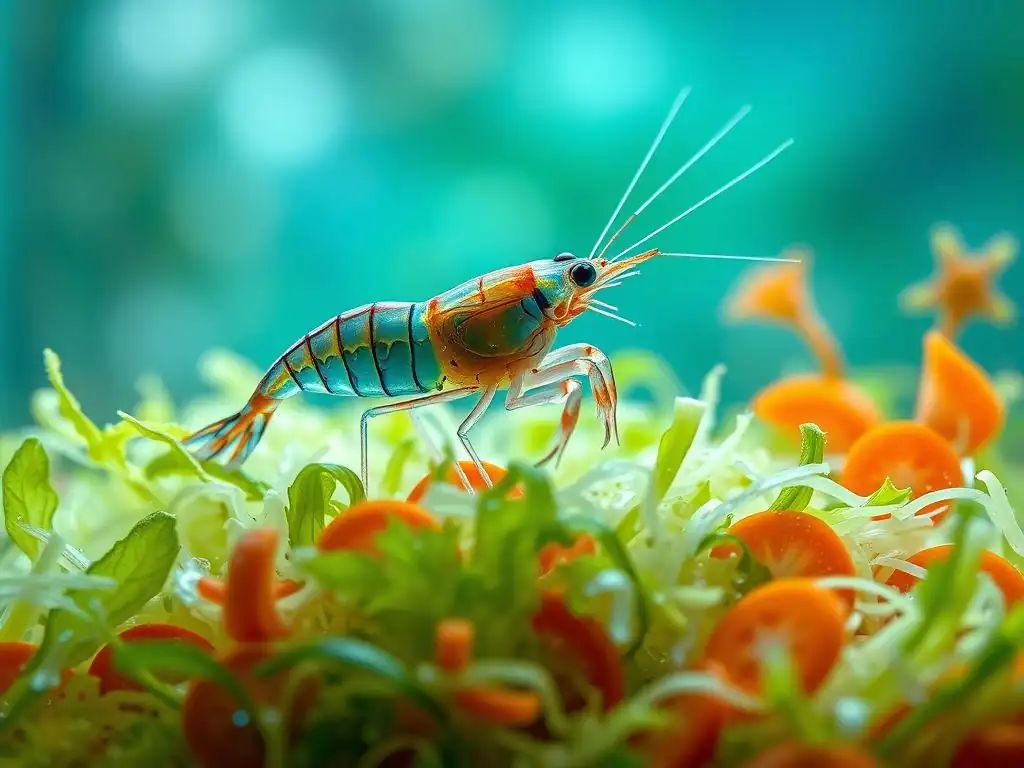
Supplementing the diet of your Neocaridina shrimp with blanched vegetables and natural foods is an excellent way to provide essential nutrients and variety, contributing significantly to comprehensive Neocaridina shrimp tank care. Blanched organic zucchini slices, spinach leaves, and kale are popular choices. To blanch, simply boil the vegetables for a few minutes until soft, then cool them thoroughly before adding to the tank. This softens the cell walls, making them easier for shrimp to consume. Remove any uneaten portions after 24 hours to prevent water fouling.
Beyond vegetables, various natural leaves provide long-lasting food sources and beneficial compounds. Indian Almond Leaves ( Terminalia catappa) are widely used; they release tannins that have mild anti-bacterial and anti-fungal properties, and once decomposed, the biofilm on them becomes a food source. Mulberry leaves, dried and added to the tank, also serve as a nutritious, long-term food supply. Cholla wood and alder cones are other natural additions that promote biofilm growth and offer grazing opportunities, enhancing the natural environment for your shrimp.
Avoiding Harmful Foods for Neocaridina Shrimp: What to Avoid Feeding
While Neocaridina shrimp are not overly picky eaters, certain foods should be strictly avoided in their diet to ensure their health and safety, a critical aspect of Neocaridina shrimp tank care. Any food containing copper in significant amounts is highly toxic to shrimp and other invertebrates, as copper is used in many pesticides and some fish medications. Always check the ingredient list of any food or supplement before introducing it to a shrimp tank. Even trace amounts can be lethal over time.
Additionally, avoid feeding processed human foods that contain salts, sugars, oils, or preservatives, as these can quickly foul the water and are not suitable for shrimp digestion. Unblanched, hard vegetables can be difficult for them to eat and may decompose before being consumed. Also, refrain from overfeeding high-protein foods, as a diet excessively rich in protein can lead to molting issues. Stick to a balanced diet of shrimp-specific foods, blanched vegetables, and natural grazing sources to maintain a healthy and thriving Neocaridina shrimp colony.
Neocaridina Shrimp Tank Mates: Compatibility and Considerations
Choosing Compatible Tank Mates for Neocaridina Shrimp
Selecting appropriate tank mates for Neocaridina shrimp is crucial for their survival and well-being, as even seemingly peaceful fish can prey on vulnerable shrimplets or newly molted adults. The primary consideration is size and temperament: any fish large enough to fit a shrimp in its mouth, or aggressive by nature, should be avoided. The goal for successful Neocaridina shrimp tank care is to create a peaceful environment where the shrimp feel secure enough to graze and breed without constant threat.
Ideal tank mates are small, non-aggressive, and preferably mid-to-top dwelling fish that will not compete with the shrimp for food on the substrate. Heavily planted tanks with plenty of hiding spots can also help mitigate predation risks, but it's always best to err on the side of caution. Remember that while adult shrimp might be safe, shrimplets are particularly vulnerable to even small fish.
Fish That Are Safe with Neocaridina Shrimp: Temperament and Size Considerations
For those seeking to combine fish with their Neocaridina shrimp, a limited selection of species can coexist peacefully, enhancing the overall aesthetics of the tank. The safest choices are often very small, timid fish with upward-facing mouths, meaning they typically feed from the water surface rather than hunting on the bottom. Examples include small schooling fish like Otocinclus catfish, which are excellent algae eaters and generally ignore adult shrimp.
Other relatively safe options include various species of micro rasboras, such as the Chili Rasbora ( Boraras brigittae) or Ember Tetra ( Hyphessobrycon amandae), which are among the smallest aquarium fish and pose minimal threat to adult shrimp, though shrimplets may still be fair game. Dwarf Corydoras species ( Corydoras habrosus, C. pygmaeus, C. hastatus) are another possibility, as they are bottom dwellers but have small mouths and are very peaceful.
Even with these "safe" fish, a heavily planted tank with abundant hiding spots is recommended to provide security for the shrimp, a key aspect of comprehensive Neocaridina shrimp tank care.
Invertebrate Tank Mates for Neocaridina Shrimp: Snails and Other Shrimp Species
When considering invertebrate tank mates for Neocaridina shrimp, snails are generally the most compatible and beneficial choice. Various snail species, such as Nerite snails, Mystery snails, Ramshorn snails, and Bladder snails, are excellent algae eaters and detritivores, further contributing to tank cleanliness without posing any threat to shrimp. They occupy different niches, often grazing on surfaces the shrimp might miss, and their peaceful nature makes them ideal companions for effective Neocaridina shrimp tank care.
Regarding other shrimp species, it's generally safe to keep different Neocaridina color morphs together, but be aware that interbreeding will eventually lead to wild-type (brownish) offspring. If maintaining pure genetic lines is a goal, separate tanks are necessary. Keeping Neocaridina with Caridina shrimp (e.g., Crystal Red Shrimp, Bee Shrimp) is often possible as they do not interbreed, but they have different water parameter requirements (Caridina typically prefer softer, more acidic water), making it challenging to optimize conditions for both. A "mixed-species" shrimp tank (Neocaridina with Caridina) is often referred to as a "skittles" tank, but requires careful parameter management.
Avoiding Aggressive or Predatory Tank Mates for Neocaridina Shrimp
To ensure the survival and thriving of your Neocaridina shrimp colony, it is absolutely critical to avoid any fish or invertebrate species that are aggressive, predatory, or simply too large. Any fish with a mouth large enough to swallow an adult shrimp, or even just a shrimplet, should be excluded. This includes common aquarium fish like most Gouramis, Barbs (e.g., Tiger Barbs), larger Tetras (e.g., Serpae Tetras, Black Skirt Tetras), Cichlids (even dwarf species like Rams can be problematic), Bettas (Siamese Fighting Fish), and Goldfish.
Even seemingly docile fish can become opportunistic predators if given the chance, especially during feeding times or when shrimplets are present. Large snails like Marisa cornuarietis (Giant Ramshorn Snail) can also occasionally prey on shrimplets. The best approach for successful Neocaridina shrimp tank care is to prioritize the shrimp's safety above all else. If in doubt about a potential tank mate, it is always safer to err on the side of caution and avoid introducing it to your shrimp tank.
Troubleshooting Common Neocaridina Shrimp Problems
Identifying Common Neocaridina Shrimp Diseases and Ailments
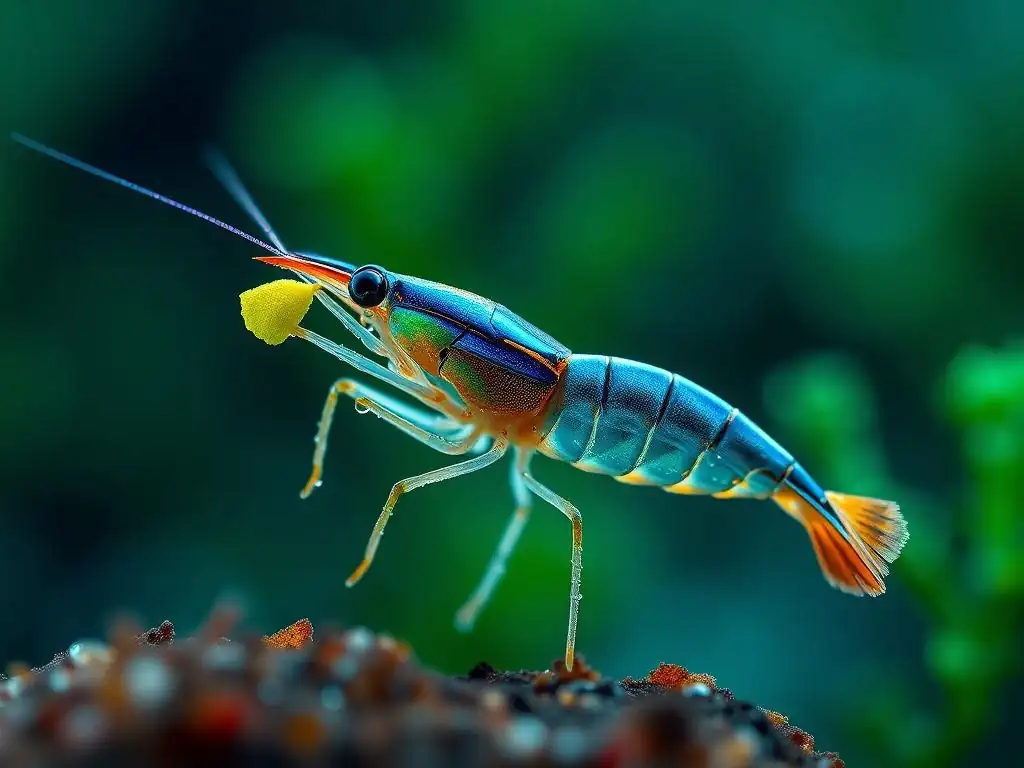
While generally hardy, Neocaridina shrimp can fall victim to various diseases and ailments, often linked to poor water quality or stress. One common issue is the "rust disease," characterized by reddish-brown spots or lesions on the shrimp's shell, which can be bacterial or fungal. Another concern is fungal infections, often appearing as cotton-like growths, particularly around the mouth or gills. Parasitic infections, such as Vorticella, manifest as small, fuzzy white growths, usually on the rostrum or around the head, resembling cotton or mold.
Molting issues are also prevalent, often resulting in a shrimp unable to shed its old exoskeleton, leading to a "ring of death" around the midsection. This is frequently due to incorrect GH (General Hardness) levels or sudden changes in water parameters. Identifying these issues early is key for effective Neocaridina shrimp tank care and intervention. Regular observation of your shrimp's behavior and appearance can help detect problems before they become severe.
Addressing Molting Problems in Neocaridina Shrimp
Molting problems are a significant concern in Neocaridina shrimp tank care, often indicating underlying environmental issues. A shrimp struggling to molt may exhibit lethargy, twitching, or a visible "ring of death" – a white band around its midsection where the old exoskeleton won't detach. The primary cause is typically incorrect water parameters, specifically insufficient GH (General Hardness), which provides the calcium and magnesium necessary for shell formation. If GH is too low (e.g., below 4 dGH), the shrimp's new shell may not harden properly, or the old one may not loosen effectively.
To address molting issues, first, test your GH and KH levels. If GH is low, consider using a remineralizer specifically designed for shrimp (like Salty Shrimp GH/KH+) when performing water changes with RO or distilled water. Alternatively, a small amount of crushed coral in a filter bag can slowly release minerals, but this is less precise. Ensure stable water parameters and avoid sudden changes in temperature or pH, which can also trigger failed molts. Providing plenty of hiding spots also reduces stress during the vulnerable post-molt period.
Dealing with Algae Issues in Neocaridina Shrimp Tanks
While Neocaridina shrimp are excellent algae eaters, an overabundance of certain types of algae can still become a problem, indicating an imbalance in the tank. Common culprits include excessive lighting duration or intensity, and high nutrient levels (nitrates, phosphates) from overfeeding or infrequent water changes. Hair algae, green spot algae, and diatoms are common, though the shrimp will graze on them. Black beard algae (BBA) is more stubborn and less palatable to shrimp. Effective Neocaridina shrimp tank care includes managing algae.
To combat excessive algae, first, reduce your light period to 6-8 hours a day. Ensure you are not overfeeding, and perform regular water changes to keep nitrates low (below 10-20 ppm). Manual removal of algae during tank maintenance is also effective. For persistent issues, consider adding more fast-growing live plants, as they outcompete algae for nutrients. While shrimp will eat some algae, they are not a complete solution for severe outbreaks; addressing the root cause of the imbalance is essential.
Preventing and Treating Common Neocaridina Shrimp Health Issues
Preventing health issues is paramount in Neocaridina shrimp tank care, as treatment options are limited and often stressful for these delicate creatures. The cornerstone of prevention is maintaining pristine and stable water parameters: ammonia and nitrite at 0 ppm, nitrates below 20 ppm, and consistent pH, GH, and KH within their preferred ranges. Regular small water changes (10-20% weekly) with dechlorinated, temperature-matched water are crucial. Avoid sudden changes in parameters, as these cause significant stress and weaken their immune systems.
Quarantining new shrimp or plants for 2-4 weeks before introduction can prevent the spread of diseases. Providing a varied and nutritious diet ensures they receive all necessary vitamins and minerals for strong immune function. If a disease is identified, remove affected individuals to a separate quarantine tank if possible to prevent spread. For fungal or parasitic infections like Vorticella, specific treatments like salt dips (short-term, very low concentration) or mild medications may be used, but always research thoroughly and use caution, as many fish medications contain copper, which is toxic to shrimp.
Breeding Neocaridina Shrimp: Encouraging a Healthy and Growing Colony
Creating Optimal Breeding Conditions for Neocaridina Shrimp
Neocaridina shrimp are prolific breeders under optimal conditions, making them a rewarding species for aquarists interested in observing their life cycle. To encourage breeding, the primary focus in Neocaridina shrimp tank care is maintaining stable and ideal water parameters: ammonia and nitrite at 0 ppm, nitrates below 20 ppm, a stable pH between 6.8-7.5, GH between 6-8 dGH, and KH between 2-6 dKH. Consistent water changes of 10-20% weekly with temperature-matched, dechlorinated water are vital.
A consistent temperature between 72-78°F (22-25.5°C) is generally ideal for encouraging breeding and faster growth. Provide a mature tank with abundant biofilm for grazing and plenty of hiding spots, such as dense mosses (e.g., Java moss), driftwood, or ceramic breeding caves, to give shrimplets cover from potential predators. A high-quality, varied diet, including protein-rich foods, also supports healthy egg development and successful molting for females. A slightly higher protein content in their diet can often stimulate breeding activity.
Identifying Pregnant Neocaridina Shrimp and Caring for Shrimplets
Identifying a pregnant Neocaridina shrimp, often referred to as a "berried" female, is relatively straightforward. After a successful molt and mating, the female will carry a clutch of tiny, often greenish or yellowish eggs (berries) tucked underneath her swimmerets (pleopods) on her abdomen. She constantly fans these eggs with her swimmerets to ensure proper oxygenation and to prevent fungal growth. The number of eggs can range from 20 to 50, depending on the female's size and age. This fascinating stage is a highlight of Neocaridina shrimp tank care.
The gestation period typically lasts about 25-35 days, influenced by water temperature (warmer water speeds up development). During this time, the eggs will gradually darken as the shrimplets develop. Once hatched, the shrimplets are miniature versions of the adults, approximately 1-2 mm long. They are fully independent from birth and immediately begin grazing on biofilm and micro-algae. No special feeding is required if the tank is mature and has ample biofilm; however, fine powdered shrimp food can be used to supplement. Ensure the filter intake is shrimp-safe (e.g., a sponge filter) to prevent shrimplets from being sucked in.
Protecting Shrimplets from Predators: Safe Havens and Tank Mates
Protecting delicate Neocaridina shrimplets from predation is a critical aspect of successful Neocaridina shrimp tank care, especially in community tanks. Even seemingly peaceful fish can opportunistically prey on newly hatched shrimplets due to their tiny size. The most effective method of protection is to keep the shrimp in a species-only tank where there are no fish or other large invertebrates that could pose a threat. This ensures the highest survival rate for shrimplets.
If a community tank is desired, provide an abundance of dense natural hiding spots. Heavily planted tanks with large mats of mosses (like Java Moss, Christmas Moss, or Fissidens) are invaluable. These mosses create intricate networks of tiny crevices where shrimplets can hide effectively until they grow larger. Cholla wood and ceramic shrimp caves also offer excellent refuges. While these measures increase survival, some predation is almost inevitable in a mixed tank. Therefore, a dedicated breeding tank is often recommended for maximum shrimplet yield.
Managing Neocaridina Shrimp Population Growth: Avoiding Overcrowding
Neocaridina shrimp can breed rapidly, and without proper management, a thriving colony can quickly lead to overcrowding, which can negatively impact water quality and the health of the entire population. Overcrowding increases the bioload, leading to higher nitrate levels and potentially stressing the shrimp. A general guideline for Neocaridina shrimp tank care is to allow about 1-2 gallons of water per 10 adult shrimp, though this is flexible depending on filtration and plant density. For example, a 10-gallon tank might comfortably house 50-100 shrimp.
Several strategies can help manage population growth. The most common is to sell or rehome excess shrimp to other hobbyists or local fish stores. Another method is to introduce very small, peaceful fish that might predate on some shrimplets, naturally culling the weakest ones (though this is less precise and may not be suitable if high shrimplet survival is desired). Regularly monitoring your colony's size and being prepared to thin it out is essential for long-term health and stability of your Neocaridina shrimp tank.
Advanced Neocaridina Shrimp Care Techniques
Selective Breeding for Color Enhancement in Neocaridina Shrimp
Selective breeding is an advanced Neocaridina shrimp tank care technique aimed at enhancing specific desirable traits, most commonly vibrant coloration and opacity. This involves carefully selecting shrimp with the best color, pattern, and overall quality from a colony and breeding them together, while removing (culling) those that exhibit undesirable traits, such as faded color or wild-type patterns. This process can be time-consuming but incredibly rewarding.
To begin, establish a dedicated breeding tank for your chosen color morph. Observe your shrimp closely to identify individuals with the most intense and consistent coloration. For example, if breeding Red Cherry shrimp, you would select the deepest red individuals. When shrimplets hatch, monitor their development and remove any that show poor coloration or revert to a brownish, wild-type appearance. This culling process is crucial to prevent undesirable genes from being passed on and to maintain the purity and quality of your line. Consistency and patience over several generations are key to achieving significant color enhancement.
Using CO2 Injection in Planted Neocaridina Shrimp Tanks
While not strictly necessary for Neocaridina shrimp survival, CO2 injection is an advanced technique in planted tank Neocaridina shrimp tank care that can significantly boost plant growth. Healthy, thriving plants contribute to better water quality by absorbing nitrates and provide ample grazing surfaces for shrimp. However, CO2 injection must be approached with extreme caution in a shrimp tank, as fluctuating CO2 levels or overdosing can rapidly lower pH and suffocate shrimp.
If using CO2, a reliable CO2 system with a regulator, solenoid valve, and diffuser is essential. A pH controller or a drop checker (which changes color based on CO2 levels) is highly recommended to monitor CO2 saturation. Aim for a gradual increase in CO2, typically targeting a 20-30 ppm concentration, and ensure it turns off at night when plants don't photosynthesize.
Closely observe your shrimp for any signs of distress, such as rapid gill movement or climbing to the water surface, which indicate CO2 levels are too high. Start low and increase slowly to avoid any adverse effects on your sensitive shrimp.
Maintaining a Low-Tech vs. High-Tech Neocaridina Shrimp Tank Setup
Aquarists often choose between low-tech and high-tech setups for their Neocaridina shrimp tanks, each with distinct advantages and requirements for Neocaridina shrimp tank care. A low-tech setup is simpler, relying on minimal equipment and slow-growing, undemanding plants. It typically involves a sponge filter, basic LED lighting (no CO2 injection), and relies on natural biological processes for nutrient cycling. This approach is more forgiving, requires less maintenance, and is often preferred by beginners due to its simplicity and lower initial cost. Shrimp tend to thrive in the stability of low-tech environments.
In contrast, a high-tech setup incorporates advanced equipment like CO2 injection systems, high-intensity lighting, and often nutrient dosing to support fast-growing, demanding aquatic plants. While visually stunning and providing exceptional plant growth, this setup requires a deeper understanding of water chemistry, regular monitoring, and more frequent maintenance to balance nutrients and CO2. Fluctuations in a high-tech system can quickly stress or harm shrimp, making it more challenging for dedicated Neocaridina shrimp tank care. However, the lush plant growth provides abundant grazing surfaces and hiding spots.
Specific Color Morph Care Differences: Bloody Mary vs. Yellow Goldenback
While most Neocaridina shrimp color morphs share very similar fundamental care requirements for Neocaridina shrimp tank care, there can be subtle differences in hardiness and preferred parameters that experienced hobbyists observe. For instance, the Bloody Mary shrimp, known for its deep, opaque red color, is often considered to be slightly more sensitive to water parameter fluctuations than the standard Red Cherry shrimp.
This might be due to the extensive selective breeding required to achieve their intense coloration, potentially leading to a slight reduction in overall genetic robustness. They often benefit from slightly softer water parameters (e.g., GH 6-8, KH 2-4) compared to the broader range tolerated by other Neocaridina.
In contrast, Yellow Goldenback shrimp are generally considered quite hardy and adaptable, similar to the original Red Cherry shrimp. They typically thrive across the standard Neocaridina parameter range (pH 6.5-8.0, GH 6-10, KH 2-8). Their vibrant yellow color with a distinct "golden back" stripe makes them highly sought after. While no drastic differences in temperature or feeding are noted between these morphs, maintaining optimal and stable water parameters is always the best practice for all Neocaridina varieties, ensuring their health, coloration, and breeding success.
Frequently Asked Questions
What is the ideal tank size for a Neocaridina shrimp tank?
A minimum of 5 gallons is recommended for a small colony. However, 10 gallons or more is ideal to provide stability and prevent overcrowding as the shrimp breed. This allows for a healthier and more thriving environment.
What are the crucial water parameters for Neocaridina shrimp?
Neocaridina shrimp thrive in stable water conditions. Aim for a temperature of 65-80°F (18-27°C), a pH of 6.5-8.0, and a KH (carbonate hardness) of 2-8 dKH. Regular water changes are key.
What type of substrate is best for a Neocaridina shrimp tank?
Inert substrates like aquarium gravel or sand are generally preferred. Avoid substrates that can alter water parameters unless you are certain they are shrimp-safe. Consider using shrimp-specific substrates that buffer pH.
What should I feed my Neocaridina shrimp?
Neocaridina shrimp are omnivores and scavengers. Provide a varied diet including algae wafers, shrimp pellets, blanched vegetables, and occasional protein supplements. Avoid overfeeding to prevent water quality issues.
How often should I perform water changes in a Neocaridina shrimp tank?
Perform small, regular water changes of 10-20% weekly or bi-weekly. This helps maintain water quality and removes accumulated nitrates. Always use dechlorinated water that is temperature matched to the tank.
Final Reflection: The Thriving Ecosystem Within
The journey into Neocaridina shrimp tank care is more than just setting up an aquarium; it's about cultivating a miniature ecosystem. The principles we've explored, from meticulous tank setup to understanding water parameters and crafting a balanced feeding regimen, are not simply instructions, but a pathway to witnessing the vibrant life that unfolds within these tiny crustaceans. The current surge in popularity of these shrimp underscores a growing appreciation for the delicate balance of nature, even in our own homes.
This fascination with Neocaridina shrimp reflects a deeper yearning for connection with the natural world, a desire to nurture and observe life in its purest form. My own experience with these creatures has been a constant reminder of the interconnectedness of all living things, and the profound satisfaction that comes from creating an environment where they can flourish. In nature, nothing is perfect and everything is perfect. Trees can be contorted, bent in weird ways, and they're still beautiful.
- Alice Walker. This quote perfectly encapsulates the beauty of a thriving Neocaridina tank, where even imperfections contribute to the overall harmony.
Now, as you embark on your own Neocaridina shrimp keeping adventure, remember that patience and observation are your greatest allies. Let the knowledge you've gained from this guide empower you to create not just a tank, but a thriving ecosystem. Take the time to understand the subtle nuances of your shrimp's behavior, adapt to their needs, and witness the magic that unfolds as they thrive under your care. Your dedication will be rewarded with a vibrant and captivating microcosm, a testament to the beauty and resilience of life itself.
Unleash the Thriving Shrimp Tank of Your Dreams!
Thanks for diving into the world of Neocaridina shrimp care! We hope you've gained valuable insights to create the perfect environment for these captivating creatures. Now, let's put that knowledge into action and watch your shrimp colony flourish.
Here are a few next steps you can take to ensure shrimp-keeping success:
- Start Your Dream Tank: Begin setting up your shrimp tank today using the tips you've learned. Focus on creating a stable and shrimp-friendly environment!
- Delve Deeper: Explore our other articles on AquariumMastery.com to uncover advanced shrimp-keeping techniques and learn about specific color morphs.
- Share Your Shrimp Love: Share this article with fellow aquarium enthusiasts and spark a conversation about the joys (and challenges!) of Neocaridina keeping.
What's one small change you can make this week to dramatically improve your shrimp tank's environment?