
Neocaridina Lifespan: How to Ensure a Long, Healthy Life for Your Shrimp

Welcome to Aquarium Mastery!
Ever wondered how to unlock the secrets to a thriving shrimp colony? We're diving deep into the fascinating world of Neocaridina shrimp, and specifically, how to maximize their lifespan and ensure they live their best, shrimpiest lives. Ready to discover the key elements of Neocaridina shrimp lifespan care? Keep reading to uncover the tips and tricks that will transform your aquarium into a shrimp paradise!
- Neocaridina Shrimp Lifespan: How to Maximize Longevity
- Understanding Neocaridina Shrimp Lifespan
- Optimizing Care for Extended Lifespan
- Breeding and Lifespan
- Identifying Healthy Shrimp
- Advanced Tips
- Troubleshooting Common Issues
- Conclusion: Creating a Thriving Shrimp Colony
-
Frequently Asked Questions
- How long do Neocaridina shrimp typically live?
- What are the most important factors affecting Neocaridina shrimp lifespan?
- How can I ensure my Neocaridina shrimp have the best possible water parameters?
- What should I feed my Neocaridina shrimp to maximize their lifespan?
- What are some common stressors that can shorten Neocaridina shrimp lifespan?
- Final Reflection: Cultivating a Thriving Aquatic Ecosystem
- Unleash the Secrets to Vibrant Shrimp Keeping!
Neocaridina Shrimp Lifespan: How to Maximize Longevity
Understanding Neocaridina Shrimp Lifespan
Average Lifespan: Factors Affecting Longevity
Neocaridina shrimp, beloved for their vibrant colors and active nature, typically have an average lifespan of 1 to 2 years under optimal conditions. This duration is heavily influenced by a multitude of environmental factors, with water quality and temperature stability being paramount. In ideal, well-maintained aquariums, some individuals may even push past the two-year mark, showcasing the direct correlation between diligent care and extended longevity.
However, a "Neocaridina shrimp lifespan" can be significantly curtailed by suboptimal conditions. Fluctuating water parameters, inconsistent feeding, or persistent stress from an unsuitable environment can drastically reduce their life expectancy to just a few months. For instance, prolonged exposure to ammonia or nitrite, even at low levels, can lead to chronic health issues and premature death, underscoring the delicate balance required for their survival.
Genetics and Selective Breeding: Impact on Lifespan
The genetic lineage of your Neocaridina shrimp plays a substantial role in their potential lifespan and overall robustness. Shrimp from a strong, diverse gene pool, typically sourced from reputable breeders, are generally healthier and more resilient, making them less susceptible to diseases and environmental stresses. Conversely, heavily inbred lines, often created in pursuit of specific color morphs, can exhibit reduced vitality, weakened immune systems, and a shorter "Neocaridina shrimp lifespan" due to genetic weaknesses.
While selective breeding has gifted the hobby with stunning varieties like Cherry, Blue Dream, and Sunkist shrimp, intense focus on aesthetics without regard for health can inadvertently impact longevity. Breeders prioritizing robust health alongside color ensure a more vigorous population. Therefore, understanding the origin of your shrimp and their genetic background is an important aspect of ensuring their long-term well-being and maximizing their potential lifespan.
Optimizing Care for Extended Lifespan
Water Parameters: Critical for Shrimp Health
Ideal Water Temperature: Maintaining Stability
Maintaining a stable water temperature is crucial for the health and longevity of Neocaridina shrimp. The ideal range typically falls between 68-78°F (20-25.5°C). While they can tolerate slightly cooler or warmer temperatures for short periods, consistency is far more important than hitting an exact number. Sudden temperature swings, even by a few degrees, can induce significant stress, weaken their immune system, and directly impact their "Neocaridina shrimp lifespan".
Higher temperatures can accelerate their metabolism and breeding cycle, which might seem beneficial, but it also shortens their overall life expectancy by speeding up their biological clock. Conversely, temperatures below 68°F (20°C) can lead to lethargy, reduced activity, and slower growth, though they generally tolerate cooler temperatures better than excessively warm ones. A reliable aquarium heater with a thermostat is recommended to prevent drastic fluctuations.
Optimal pH Levels: Avoiding Fluctuations
Optimal pH levels for Neocaridina shrimp generally range from 6.5 to 8.0. Within this range, stability is the most critical factor for their well-being. pH significantly influences the availability of essential minerals and the toxicity of certain compounds in the water. For instance, ammonia becomes more toxic at higher pH levels, posing a greater threat to shrimp health.
Frequent or rapid fluctuations in pH can cause severe stress, leading to molting issues and increased susceptibility to disease, thereby shortening the "Neocaridina shrimp lifespan". It is advisable to choose a substrate that does not significantly alter pH unless you are specifically aiming for a lower pH for certain species. Regular testing with a reliable pH kit ensures that levels remain consistent and within the safe zone for your colony.
Water Hardness (GH & KH): Supporting Molting
Water hardness, specifically General Hardness (GH) and Carbonate Hardness (KH), are vital for Neocaridina shrimp, particularly concerning their molting process and shell integrity. An ideal GH range is 4-8 dGH (degrees of general hardness), which provides the necessary calcium and magnesium for proper shell development and successful molts. These minerals are absorbed from the water and are critical for the hardening of their new exoskeleton after shedding.
Carbonate Hardness (KH), ideally 3-6 dKH, is essential for buffering the pH, preventing dangerous fluctuations that can stress shrimp. Insufficient GH can lead to Molt Death Syndrome (MSDS), where shrimp cannot successfully shed their old shell, resulting in death. Similarly, low KH can cause pH crashes, which are highly detrimental. Proper "Neocaridina shrimp lifespan care" includes regular testing and, if necessary, adjusting GH and KH with mineral supplements designed for invertebrates.
Tank Setup and Environment: Creating a Thriving Habitat
Tank Size and Stocking Density: Preventing Overcrowding
While Neocaridina shrimp are small, tank size and stocking density significantly impact their health and "Neocaridina shrimp lifespan". A minimum tank size of 5 gallons (approximately 19 liters) is recommended for a starter colony, providing ample space for grazing and exploration. Overcrowding can lead to increased stress, poor water quality due to a higher bioload, and competition for food and space.
For a healthy colony, a general guideline is to start with 5-10 shrimp per gallon, understanding that they will breed rapidly if conditions are favorable. As the colony grows, maintaining a manageable population prevents the buildup of waste products and ensures adequate resources for all individuals. A less crowded environment fosters a more stable ecosystem, directly contributing to the overall well-being and longevity of your Neocaridina shrimp.
Substrate and Decorations: Providing Shelter and Biofilm
The choice of substrate and decorations plays a crucial role in creating a thriving habitat for Neocaridina shrimp. An inert substrate, such as fine-grained sand or small gravel, is preferred as it does not alter water parameters. More importantly, it provides a vast surface area for the growth of biofilm, which is a primary food source for shrimp, consisting of beneficial bacteria, algae, and microorganisms.
Decorations like driftwood, cholla wood, various types of rocks (e.g., lava rock, seiryu stone), and ceramic shrimp caves offer essential hiding spots. These shelters are particularly vital during molting periods when shrimp are vulnerable. Providing ample nooks and crannies reduces stress from tank mates or bright lights, allowing shrimp to feel secure and contributing to a longer "Neocaridina shrimp lifespan".
Plants: Oxygenation and Natural Food Source
Live aquatic plants are immensely beneficial for a Neocaridina shrimp aquarium, contributing significantly to water quality and providing natural food sources. Plants like Java Moss, Anubias, Bucephalandra, and Cryptocorynes absorb nitrates and other harmful compounds, acting as natural filters and improving overall water purity. They also oxygenate the water through photosynthesis, which is vital for shrimp respiration.
Beyond water purification, plants offer extensive surface area for biofilm and algae to grow, providing a continuous grazing opportunity for shrimp. They also serve as excellent hiding places for newly molted shrimp or young shrimplets, protecting them from potential predators or aggressive tank mates. A heavily planted tank mimics their natural habitat, fostering a less stressful environment and enhancing "Neocaridina shrimp lifespan".
Diet and Nutrition: Feeding for Optimal Health
Best Foods: A Varied and Balanced Diet
While Neocaridina shrimp primarily graze on biofilm and algae naturally present in the aquarium, supplementing their diet with a varied and balanced range of foods is essential for optimal health and a longer "Neocaridina shrimp lifespan". High-quality commercial shrimp pellets formulated with spirulina, chlorella, and other plant-based ingredients are excellent staples. These often contain necessary minerals and vitamins.
Additionally, offering blanched vegetables such as zucchini, spinach, or kale provides essential vitamins and fiber. Occasional protein sources like small pieces of bloodworms or brine shrimp can be given sparingly, especially for breeding females. The key is variety to ensure they receive all necessary nutrients for growth, molting, and vibrant coloration.
Avoiding Overfeeding: Preventing Ammonia Spikes
One of the most common pitfalls in shrimp keeping is overfeeding, which can have detrimental effects on water quality and drastically shorten "Neocaridina shrimp lifespan". Uneaten food quickly decays, leading to dangerous spikes in ammonia and nitrite, which are highly toxic to invertebrates. Even if not immediately lethal, chronic exposure to elevated toxins can cause stress, weaken immune systems, and lead to premature death.
It is crucial to feed only small amounts that your shrimp can consume within 2-3 hours. If there is uneaten food after this period, remove it promptly. Observing your shrimp's eating habits will help you gauge the appropriate portion size for your colony. A clean tank environment, maintained by careful feeding practices, is fundamental for their long-term health.
Supplementing Diet: Minerals and Vitamins
Beyond a balanced diet, supplementing with specific minerals and vitamins can significantly enhance the health and "Neocaridina shrimp lifespan". Calcium and magnesium are particularly important for successful molting and the development of a strong exoskeleton. If your tap water is soft or deficient in these minerals, products like SaltyShrimp GH/KH+ are designed to remineralize RO/DI water to ideal parameters for Neocaridina.
Vitamins, often included in high-quality commercial shrimp foods, boost immune function and overall vitality. Some aquarists also use specialized liquid supplements that deliver trace elements and vitamins directly into the water column. Ensuring access to these vital nutrients strengthens their natural defenses, making them more resilient to environmental stressors and promoting a robust, long life.
Preventing and Treating Diseases: Maintaining a Healthy Colony
Common Diseases: Identification and Prevention
Neocaridina shrimp are generally hardy, but they can fall prey to common diseases, often triggered by poor water quality or stress. Bacterial infections might manifest as a milky white appearance, lethargy, or sudden death. Fungal infections can appear as cotton-like growths, particularly around the gills or mouth. Parasites like Scutariella japonica (small white worms around the rostrum) or Vorticella (fuzzy white growths on the shell) are also observed.
Prevention is the cornerstone of "Neocaridina shrimp lifespan care". Maintaining stable, pristine water parameters, providing a balanced diet, and avoiding overcrowding significantly reduce the likelihood of disease outbreaks. Regular observation allows for early identification of symptoms, which is crucial for successful intervention and preventing the spread of illness through the colony.
Quarantine Procedures: Protecting Existing Shrimp
Implementing a strict quarantine procedure for all new shrimp additions is one of the most effective ways to protect your established colony from diseases and parasites. New shrimp should be housed in a separate, dedicated quarantine tank for at least 2-4 weeks. This period allows you to observe them for any signs of illness, unusual behavior, or external parasites before introducing them to your main display tank.
During quarantine, maintain excellent water quality and provide appropriate food. If any signs of disease appear, you can treat them in isolation without risking your entire colony. This proactive measure, though requiring an extra setup, is invaluable for safeguarding the long-term health and "Neocaridina shrimp lifespan" of your existing shrimp population.
Treating Sick Shrimp: Early Intervention is Key
Early intervention is critical when treating sick Neocaridina shrimp. Once a sick shrimp is identified, it's often best to isolate it in a separate container or hospital tank to prevent potential spread and to administer targeted treatment. Many common fish medications contain copper, which is highly toxic and lethal to all invertebrates, so always check ingredient labels carefully.
For bacterial infections, shrimp-safe broad-spectrum antibiotics might be considered, though improving water quality is often the first and most effective step. Fungal infections can sometimes be treated with methylene blue, used sparingly and with caution. Understanding the specific ailment and using shrimp-safe remedies is paramount for effective "Neocaridina shrimp lifespan care" and recovery.
Breeding and Lifespan
Breeding Frequency: Impact on Female Shrimp
Female Neocaridina shrimp are prolific breeders, capable of producing a clutch of eggs every 4-6 weeks under ideal conditions. This frequent breeding cycle, while natural, demands significant energy and nutritional resources from the female. Each successful brood requires her to expend energy for egg development, carrying the eggs, and then molting after the shrimplets hatch.
While healthy females in a well-maintained environment can sustain this breeding frequency without undue stress, a continuous, high rate of reproduction coupled with suboptimal conditions (e.g., insufficient food, unstable parameters) can potentially shorten an individual female's "Neocaridina shrimp lifespan". Ensuring a nutrient-rich diet, particularly with adequate calcium, is vital for breeding females.
Managing Breeding: Promoting Individual Health
In a thriving Neocaridina colony, breeding is a natural and often desired outcome. For the most part, managing breeding primarily involves ensuring the overall health of the colony rather than attempting to control individual breeding cycles. Providing ample space, a consistent supply of varied food, and pristine water quality naturally supports healthy reproduction without unduly stressing the females.
However, overpopulation can eventually lead to resource scarcity and increased competition, which might indirectly impact the health and "Neocaridina shrimp lifespan" of individuals. If the colony becomes too dense, it can lead to higher stress levels and reduced growth rates. In such cases, selective culling of weaker individuals or rehoming excess shrimp can help maintain a healthy, balanced population.
Identifying Healthy Shrimp
Observing Behavior: Signs of a Healthy Shrimp
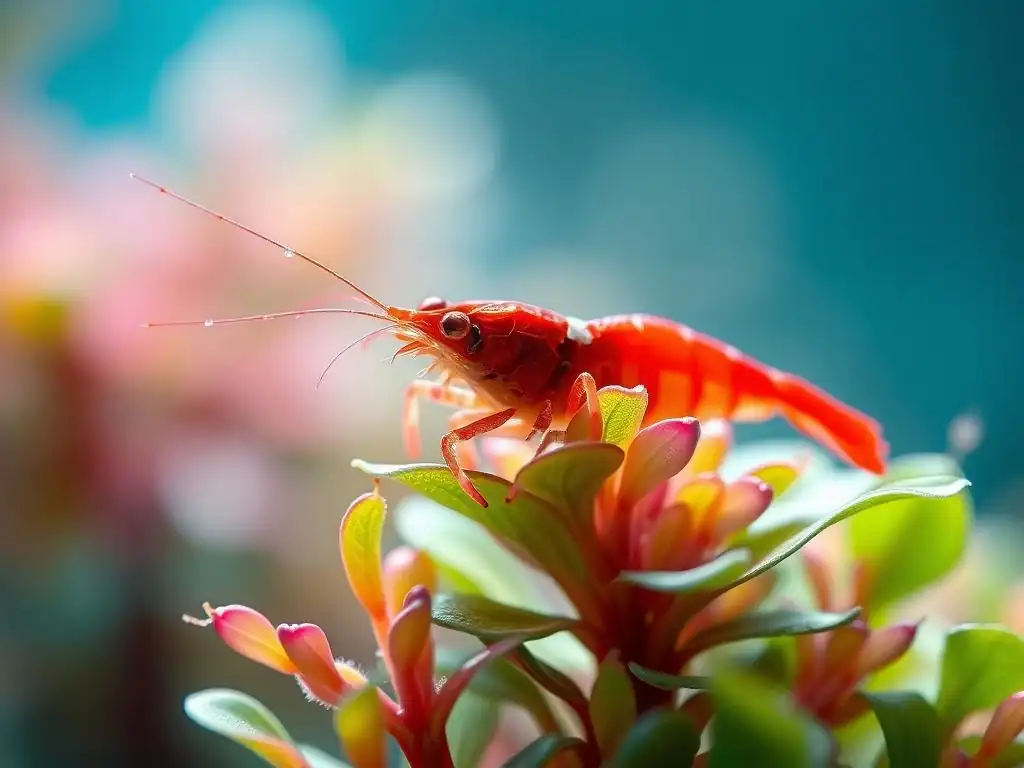
Observing the behavior of your Neocaridina shrimp is one of the most reliable ways to gauge their health and potential "Neocaridina shrimp lifespan". Healthy shrimp are typically active, constantly foraging and grazing on surfaces like plants, substrate, and decorations. They move with purpose, exhibiting smooth, coordinated movements, and will react quickly to disturbances or the introduction of food.
Lethargy, erratic swimming, or prolonged periods of hiding are significant red flags. Shrimp that remain motionless for extended periods, lie on their side, or exhibit twitching movements without molting are likely stressed or ill. A vibrant, active colony indicates a healthy environment and proper "Neocaridina shrimp lifespan care".
Physical Signs: Shell Condition and Coloration
The physical appearance of your Neocaridina shrimp offers direct clues about their health. A healthy shrimp will have a clear, intact exoskeleton without any visible cracks, discoloration, or fuzzy growths. Their colors should be vibrant and consistent with their specific morph, reflecting good nutrition and a stress-free environment. For instance, a healthy Red Cherry shrimp will display a deep, solid red.
Signs of ill health include faded or patchy coloration, a "white ring of death" (a white band around the body indicating a failed molt), or opaque, milky-looking bodies which can signify a bacterial infection. Any fungal growths, black spots, or external parasites are also indicators of problems. A pristine shell and vivid coloration are strong indicators of a healthy, long "Neocaridina shrimp lifespan".
Advanced Tips
Regular Water Changes: Maintaining Water Quality
Regular, small water changes are perhaps the most fundamental advanced tip for maximizing "Neocaridina shrimp lifespan". While biological filtration handles ammonia and nitrite, nitrates accumulate over time and can become detrimental at high concentrations. Performing 10-20% water changes weekly or bi-weekly, depending on stocking density and feeding, effectively removes nitrates and replenishes essential minerals.
It is crucial to use dechlorinated water that is temperature-matched to the aquarium to prevent sudden parameter shifts that can stress shrimp. Drip acclimation for the new water is also a good practice for sensitive colonies. Consistent water changes prevent the buildup of toxins and maintain the stable, pristine environment that Neocaridina shrimp thrive in, directly contributing to their longevity.
Avoiding Copper: Toxicity to Shrimp
Understanding and strictly avoiding copper is paramount for "Neocaridina shrimp lifespan care". Copper, even in trace amounts, is highly toxic to all invertebrates, including Neocaridina shrimp. Many common fish medications, plant fertilizers, and even some tap water sources can contain levels of copper that are lethal to shrimp.
Before adding any product to a shrimp tank, always scrutinize the ingredient list for copper or copper sulfate. If in doubt, do not use it. Testing your tap water for copper levels is also a wise precaution if you suspect it might be present. This vigilance is a non-negotiable aspect of ensuring the long-term survival and health of your Neocaridina colony.
Selecting Healthy Shrimp: From Reputable Breeders
The initial selection of your Neocaridina shrimp sets the foundation for their potential "Neocaridina shrimp lifespan". Always strive to purchase shrimp from reputable breeders or local fish stores known for their healthy, well-cared-for stock. Avoid impulse buys from tanks that appear neglected, overcrowded, or show signs of dead or unhealthy individuals.
A good breeder will be able to provide information about their water parameters, feeding regimen, and the genetic lineage of their shrimp. Healthy shrimp from a strong genetic line are less prone to disease and genetic weaknesses, providing a robust starting point for your colony. This thoughtful selection process significantly increases the likelihood of a long and thriving "Neocaridina shrimp lifespan" for your new aquatic companions.
Troubleshooting Common Issues
Molting Problems: Addressing Shedding Difficulties
Molting problems are a significant concern for "Neocaridina shrimp lifespan care", often leading to fatalities if not addressed. The most common issue is the "white ring of death," where a white band appears around the shrimp's body, indicating it cannot successfully shed its old exoskeleton. This is typically caused by insufficient GH (General Hardness) for proper shell development, rapid changes in water parameters, or a lack of essential minerals like calcium and magnesium.
To troubleshoot, first, check your GH and KH levels; ensure they are within the ideal range of 4-8 dGH and 3-6 dKH, respectively. If levels are low, consider using a GH/KH remineralizer specifically designed for shrimp. Ensure water parameters are stable, avoiding sudden temperature or pH swings. Providing calcium-rich foods or supplements can also aid in successful molts.
Algae Blooms: Maintaining Water Clarity
While Neocaridina shrimp are excellent algae eaters, persistent or excessive algae blooms indicate an imbalance in the aquarium ecosystem, which can indirectly impact "Neocaridina shrimp lifespan". Common causes include too much light (prolonged duration or intensity), overfeeding leading to excess nutrients, or high nitrate levels. While not directly harmful in small amounts, large blooms can consume oxygen at night and signify underlying water quality issues.
To manage algae blooms, reduce light duration to 6-8 hours per day. Re-evaluate your feeding regimen, ensuring you are not overfeeding and promptly removing any uneaten food. Increase the frequency or volume of your water changes to reduce nitrate levels. Introducing more live plants can also help by outcompeting algae for nutrients, fostering a more balanced and healthier environment for your shrimp.
Bacterial Infections: Recognizing and Treating
Bacterial infections are a common cause of illness and death in Neocaridina shrimp, often manifesting as a milky white appearance of the body, lethargy, or sudden unexplained deaths. These infections are typically opportunistic, striking when shrimp are stressed due to poor water quality, unstable parameters, or overcrowding. Recognizing symptoms early is vital for effective "Neocaridina shrimp lifespan care".
The first and most crucial step in treating bacterial infections is to immediately improve water quality. Perform a small water change (10-15%) with temperature-matched, dechlorinated water. Ensure your filter is clean and functioning optimally. For widespread infections, shrimp-safe antibacterial treatments might be considered, but always double-check that the product is copper-free and safe for invertebrates. Isolation of severely affected shrimp can also prevent further spread.
Parasites: Identification and Treatment
Neocaridina shrimp can occasionally suffer from external parasites, which, if left untreated, can weaken the shrimp and shorten their "Neocaridina shrimp lifespan". Common examples include Scutariella japonica, small white, hair-like worms usually found around the shrimp's rostrum (nose area), and Vorticella, appearing as fuzzy, white, cotton-like growths on the shrimp's shell or appendages. These parasites are often introduced with new shrimp or plants.
For Scutariella japonica, a brief salt dip (using non-iodized aquarium salt in a separate container for a few minutes) can sometimes dislodge them, though improving overall water quality is often sufficient for minor infestations. Vorticella often indicates poor water quality or excess organic matter; addressing these underlying issues with increased water changes and better tank hygiene usually resolves the problem. Quarantine new arrivals to prevent parasite introduction.
Conclusion: Creating a Thriving Shrimp Colony
Ensuring a long, healthy "Neocaridina shrimp lifespan" is a rewarding endeavor that hinges on consistent, meticulous care. By understanding and diligently managing critical factors such as stable water parameters, a varied and appropriate diet, and a stress-free tank environment, you lay the foundation for a thriving colony. From maintaining ideal temperatures and pH to providing essential minerals for successful molting, every aspect contributes to their vitality.
The commitment to optimal "Neocaridina shrimp lifespan care" goes beyond just basic survival; it fosters a vibrant, active ecosystem where these fascinating invertebrates can truly flourish. Observing your shrimp actively foraging, exhibiting brilliant coloration, and successfully breeding is the ultimate testament to the healthy environment you've created. With proper attention and dedication, your Neocaridina shrimp can live out their full natural lifespan, bringing continuous joy and beauty to your aquatic world.
Frequently Asked Questions
How long do Neocaridina shrimp typically live?
Neocaridina shrimp typically live for 1-2 years under optimal conditions. However, environmental factors and genetics can influence their lifespan.
What are the most important factors affecting Neocaridina shrimp lifespan?
Key factors include water parameters, diet, and stress levels. Maintaining stable water chemistry, providing a balanced diet, and minimizing disturbances are crucial.
How can I ensure my Neocaridina shrimp have the best possible water parameters?
Regular water changes are essential to remove nitrates and maintain stable parameters. Keep temperature, pH, and GH/KH within the recommended ranges for Neocaridina shrimp.
What should I feed my Neocaridina shrimp to maximize their lifespan?
A varied diet consisting of algae, biofilm, and supplemental foods is best. Avoid overfeeding, as it can negatively impact water quality and shrimp health.
What are some common stressors that can shorten Neocaridina shrimp lifespan?
Sudden changes in water parameters, aggressive tank mates, and copper-based medications can all stress Neocaridina shrimp. Minimize these stressors for a longer, healthier life.
Final Reflection: Cultivating a Thriving Aquatic Ecosystem
The journey through understanding Neocaridina shrimp lifespan care reveals more than just the technicalities of aquarium maintenance; it highlights the delicate balance required to foster a thriving ecosystem within the confines of a glass tank. These miniature crustaceans, often overlooked, offer a profound lesson in the interconnectedness of life and the responsibility we bear as custodians of their well-being.
This exploration has underscored how seemingly small adjustments in water parameters, diet, and tank environment can dramatically impact the longevity and vitality of these creatures. Witnessing the vibrant colors and active behavior of healthy Neocaridina shrimp is a testament to the power of informed and dedicated care. As the saying goes, The greatness of a nation and its moral progress can be judged by the way its animals are treated.
This sentiment extends to our aquariums, reflecting our capacity for empathy and responsible stewardship of even the smallest lives.
Now, consider how you can apply these principles of mindful care beyond the aquarium. Can you extend this dedication to other aspects of your life, fostering environments that nurture growth and well-being, both for yourself and those around you? Let the vibrant lives of your Neocaridina shrimp inspire you to cultivate a more balanced and harmonious existence, recognizing the profound impact of your actions on the delicate ecosystems you inhabit, both large and small.
Unleash the Secrets to Vibrant Shrimp Keeping!
Thank you for diving into the world of Neocaridina shrimp! We hope this article has provided you with valuable insights into extending their lifespan and ensuring their well-being. Now, it's time to take action and create an even better environment for your aquatic friends.
Here's how you can deepen your understanding and improve your shrimp-keeping skills:
- Implement a weekly, partial water change routine of 10-20% using properly dechlorinated water, maintaining a consistent temperature.
- Explore beyond the basics and research specific dietary supplements that cater to shrimp vitality, such as those rich in calcium for molting success, and observe how your shrimp respond.
- Share your experiences! Join our vibrant community forum on AquariumMastery.com to discuss challenges, successes, and innovative approaches to Neocaridina care.
What's one small adjustment you can make this week to drastically improve your shrimp's habitat and lifespan?