
Pincushion Urchins: Effective Algae Control with a Prickly Personality

Welcome to Aquarium Mastery!
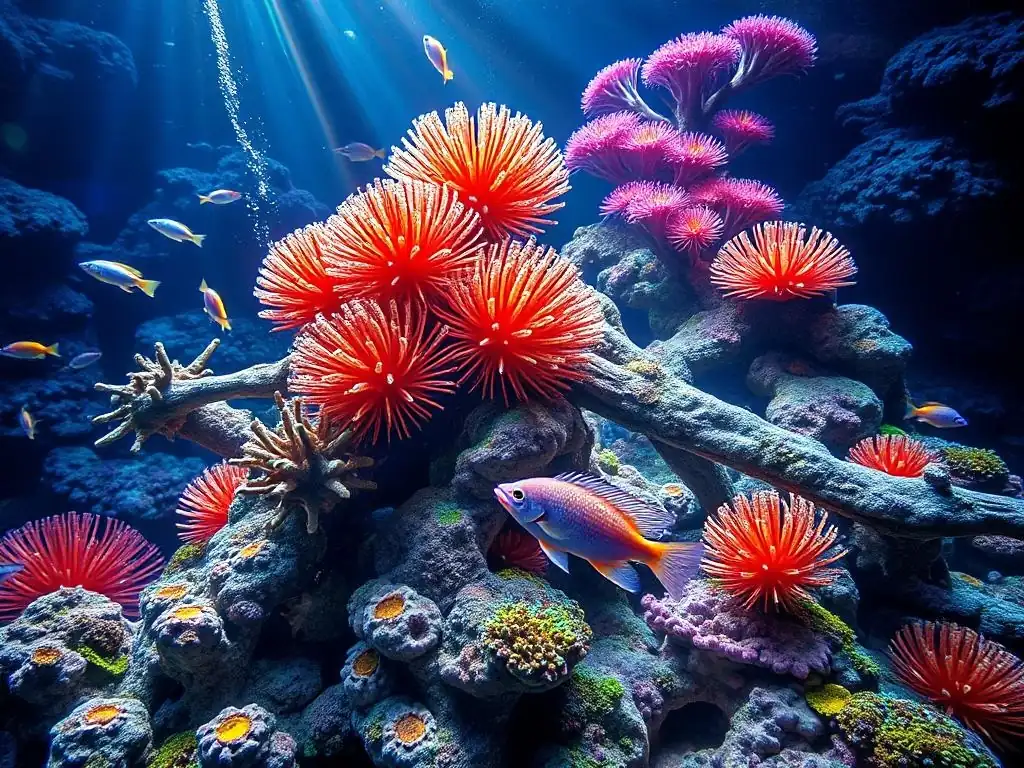
Ever wondered how to keep your reef tank sparkling clean naturally? Dive in and discover the secrets of the Pincushion Urchin! These prickly personalities are more than just interesting additions; they're surprisingly effective algae-control powerhouses. Intrigued? Keep reading to unlock the secrets to successfully keeping them and watch your algae problems disappear!
- Introduction to Pincushion Urchins for Algae Management in Saltwater Aquariums
- Pincushion Urchins and Algae Control: A Natural Solution
- Choosing the Right Pincushion Urchin for Your Saltwater Tank
- Pincushion Urchin Care: Creating the Ideal Environment
- Common Pincushion Urchin Issues and Troubleshooting
- Pincushion Urchin Algae Control: Success Stories and Examples
- Maximizing Algae Control Effectiveness with Pincushion Urchins
- Conclusion: Pincushion Urchins as a Valuable Asset for Saltwater Aquarium Algae Control
-
Frequently Asked Questions
- What makes Pincushion Urchins good for algae control in an aquarium?
- Are Pincushion Urchins suitable for both freshwater and saltwater aquariums?
- What size aquarium is generally recommended for keeping a Pincushion Urchin?
- What should I do if my Pincushion Urchin is running out of algae to eat?
- Are there any fish or invertebrates that shouldn't be kept with Pincushion Urchins?
- Final Reflection: Embracing Natural Algae Control
- Transform Your Tank: Embrace the Pincushion Power!
Introduction to Pincushion Urchins for Algae Management in Saltwater Aquariums
Identifying Key Pincushion Urchin Characteristics
Pincushion urchins, most commonly Lytechinus variegatus in the aquarium trade, are echinoderms characterized by their spherical, spiny bodies. These fascinating invertebrates typically range from 2 to 4 inches (5 to 10 cm) in diameter, though some individuals can grow slightly larger. Their spines, while sharp, are generally short and blunt, giving them a "pincushion" appearance, and they come in a variety of colors, including green, purple, brown, and even mottled patterns, allowing them to blend seamlessly into their environment.
A remarkable feature of the pincushion urchin is its ability to attach pieces of live rock, shell fragments, or even macroalgae to its spines using its numerous tube feet. This behavior serves as camouflage, helping them evade predators, and also provides protection from strong currents. Beneath their bodies lies a complex mouth apparatus known as Aristotle's lantern, equipped with five strong teeth, which they use to scrape algae from surfaces, making them highly effective for pincushion urchin algae control in home aquariums.
Natural Habitat and Behavior of Lytechinus variegatus
Lytechinus variegatus is widely distributed throughout the Western Atlantic Ocean, from North Carolina down to Brazil, including the Caribbean Sea and the Gulf of Mexico. They thrive in shallow, coastal waters, typically found at depths ranging from just a few feet down to about 150 feet (45 meters). Their preferred habitats include seagrass beds, rocky reefs, rubble zones, and sandy bottoms where they can graze on various types of algae and detritus.
In their natural environment, pincushion urchins are primarily nocturnal grazers, though they can be observed foraging during the day as well. They move slowly but persistently, using their tube feet to navigate across surfaces, constantly scraping and consuming the algal films that grow on rocks, corals, and even the substrate. This continuous grazing activity plays a crucial role in maintaining the ecological balance of their native habitats, preventing excessive algal overgrowth and contributing significantly to natural clean-up processes.
Pincushion Urchins and Algae Control: A Natural Solution
How Lytechinus variegatus Effectively Consume Algae
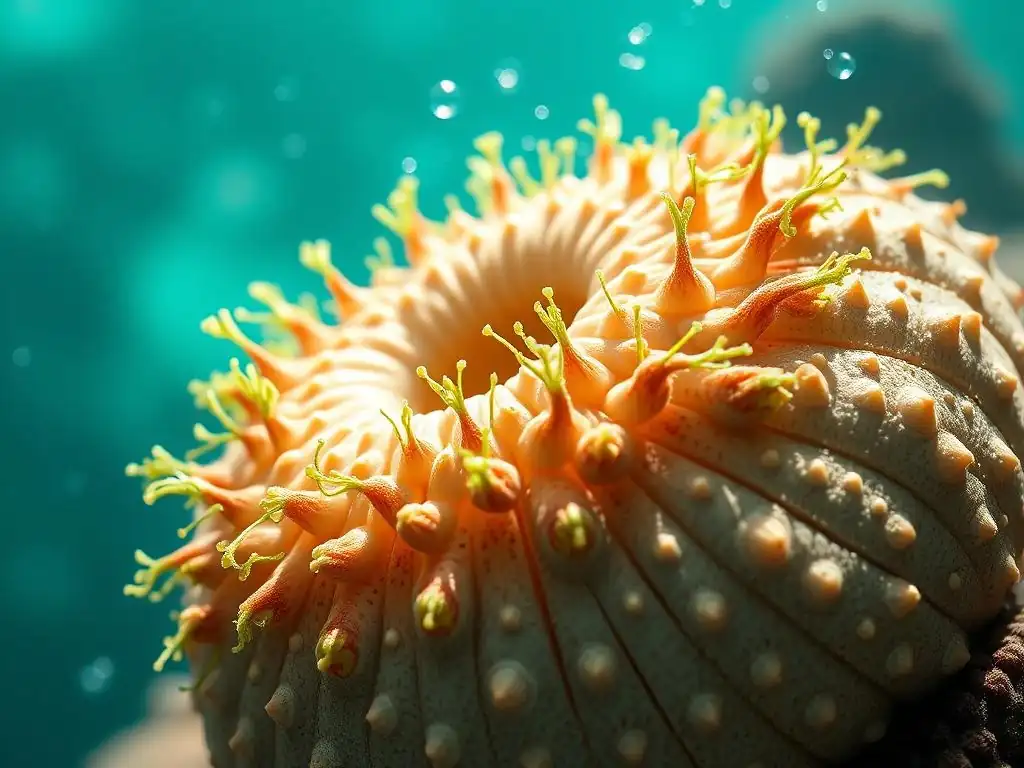
The effectiveness of Lytechinus variegatus in consuming algae stems from their unique feeding mechanism: Aristotle's lantern. This intricate, five-toothed structure allows the urchin to scrape tenacious algal films directly off hard surfaces such as live rock, aquarium glass, and even coral skeletons. They are particularly adept at removing green film algae, diatoms (brown algae), and certain types of hair algae that can quickly overwhelm a saltwater aquarium, making them a cornerstone of natural pincushion urchin algae control.
Their continuous grazing habit ensures that algae growth is kept in check throughout the tank. Unlike some fish or snails that might focus on specific areas, pincushion urchins slowly but thoroughly traverse all accessible surfaces, leaving a clean path behind them. This persistent, methodical approach makes them highly efficient at preventing large-scale algal outbreaks and maintaining a pristine aquatic environment for other inhabitants.
The Benefits of Using Pincushion Urchins for Algae Eating Compared to Chemical Treatments
Employing pincushion urchins for algae eating offers significant advantages over chemical treatments, primarily due to their natural and sustainable approach. Chemical algaecides can be harsh, potentially harming sensitive corals, invertebrates, and even beneficial bacteria crucial for nutrient cycling in the aquarium. For instance, some algaecides can deplete oxygen levels or introduce undesirable compounds that destabilize water parameters, leading to long-term issues.
In contrast, Lytechinus variegatus provides a continuous, non-toxic solution that actively contributes to the tank's biodiversity and ecological balance. They do not leave behind harmful residues, nor do they stress the tank's inhabitants. Furthermore, while chemical treatments offer a temporary fix, pincushion urchins provide ongoing maintenance, adapting their grazing to the available algae, which promotes a more stable and healthier aquarium ecosystem in the long run.
Choosing the Right Pincushion Urchin for Your Saltwater Tank
Assessing Your Aquarium's Algae Problem Before Introducing Urchins
Before introducing pincushion urchins, it is crucial to accurately assess the type and extent of algae present in your aquarium. Pincushion urchins are most effective against general green film algae, diatoms (brown algae), and certain varieties of short hair algae. They are less effective, or entirely ineffective, against tougher, more persistent forms such as bubble algae (which is better handled by Emerald Crabs) or nuisance algae like dinoflagellates and cyanobacteria (red slime algae), which often indicate underlying water quality issues or nutrient imbalances requiring different solutions.
Observe the primary locations of algae growth – is it predominantly on the glass, rocks, or sand bed? If your tank is heavily overgrown with the types of algae pincushion urchins consume, they will have ample food. However, if algae is sparse, you may need to consider supplemental feeding or a smaller clean-up crew to prevent starvation. A detailed assessment helps determine if Lytechinus variegatus is the right choice for your specific algae problem and how many might be appropriate.
Selecting a Healthy Lytechinus variegatus: What to Look For
When selecting a Lytechinus variegatus for your aquarium, health is paramount to ensure successful pincushion urchin algae control. Look for an urchin that is actively moving, even if slowly, and has its spines fully extended and erect. A healthy specimen will use its tube feet to cling firmly to surfaces and may even have small pieces of rock or detritus attached to its spines for camouflage. Avoid urchins with deflated bodies, spines lying flat or missing in patches, or any visible signs of damage or discoloration, as these are indicators of stress or poor health.
Ensure the urchin has been properly acclimated at the store and appears robust. A good practice is to perform a slow drip acclimation over 60 to 90 minutes once you bring it home, matching the salinity and temperature of your display tank to minimize shock. This careful selection and acclimation process significantly increases the chances of the urchin thriving and becoming an effective member of your clean-up crew.
Recommended Number of Lytechinus variegatus for Specific Aquarium Sizes
The ideal number of Lytechinus variegatus for your saltwater tank depends largely on the tank's size and the severity of its algae problem. A general guideline for moderate algae growth is to introduce one pincushion urchin for every 30 to 50 gallons of water. For example, a 50-gallon tank would typically benefit from a single urchin, while a 100-gallon system could effectively utilize two or three, depending on the current algae load.
It's crucial not to overstock, as an excessive number of urchins can quickly deplete the available algae, leading to starvation and potential damage to corals or other invertebrates as they search for food. If your tank has very little algae, even one urchin might require supplemental feeding. Start conservatively and observe their grazing efficiency; you can always add more later if persistent algae issues remain, ensuring balanced and effective pincushion urchin algae control.
Pincushion Urchin Care: Creating the Ideal Environment
Water Parameters for Optimal Lytechinus variegatus Health
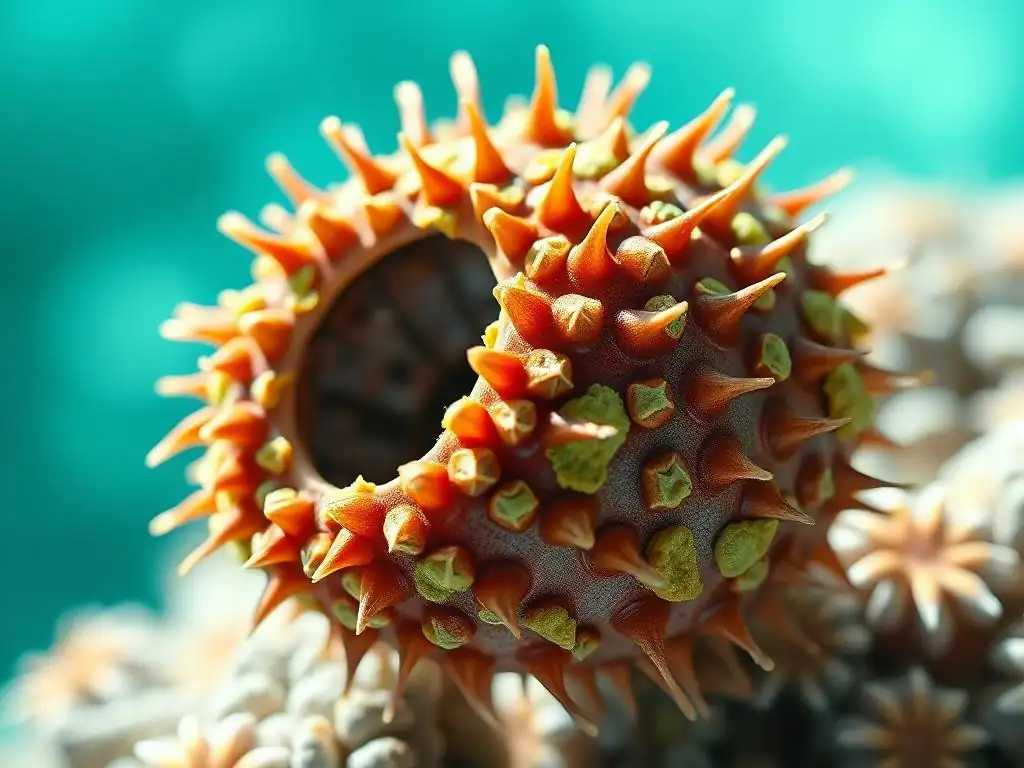
Maintaining stable and appropriate water parameters is crucial for the optimal health and longevity of Lytechinus variegatus. Like most marine invertebrates, they are sensitive to fluctuations. Ideal salinity levels should be maintained between 1.023 and 1.026 specific gravity, with a stable temperature range of 72-78°F (22-26°C). The pH should consistently be within 8.1-8.4, which is typical for a healthy saltwater reef environment.
Beyond these basic parameters, it is important to ensure proper levels of alkalinity (8-12 dKH), calcium (400-450 ppm), and magnesium (1200-1350 ppm), as these are vital for calcification and maintaining their skeletal structure. Low levels of nitrates (below 10 ppm) and phosphates (below 0.03 ppm) are also essential, as poor water quality can quickly lead to stress, spine loss, and overall decline in health for these effective contributors to pincushion urchin algae control.
Providing a Suitable Diet: Supplementing Algae Consumption
While pincushion urchins are excellent algae grazers, their primary diet in an aquarium setting is the naturally occurring algal film on rocks and glass. However, in well-established or very clean tanks, the natural algae supply may become insufficient to sustain them, leading to starvation. It is important to monitor the algae levels and the urchin's activity to determine if supplemental feeding is necessary.
When supplementation is required, offer dried seaweed (nori) sheets, often sold for marine fish, clipped to a rock or weighted down. Algae wafers designed for bottom feeders or even blanched vegetables like spinach or zucchini can also be offered. Place the food near the urchin or in an area it frequently visits. This ensures continued health and effectiveness in pincushion urchin algae control even when natural food sources are low.
Tank Mates: Compatibility with Lytechinus variegatus
Pincushion urchins are generally peaceful and compatible with most reef-safe fish and invertebrates, making them a valuable addition to a diverse clean-up crew. They pose no threat to corals, although they can occasionally dislodge small, unsecured coral frags or knock over lightweight decorations as they graze. Therefore, ensuring corals are well-mounted and decor is stable is advisable.
However, caution should be exercised with certain fish species known to prey on urchins. Triggerfish, puffers, and some large wrasses (like Hogfish) have strong jaws or teeth designed to crush or pick at invertebrates and can quickly injure or consume a pincushion urchin. It is crucial to research potential tank mates thoroughly to ensure they are not a threat to your Lytechinus variegatus, preserving your investment in pincushion urchin algae control.
Common Pincushion Urchin Issues and Troubleshooting
Identifying Signs of an Unhealthy Lytechinus variegatus
Recognizing the signs of an unhealthy Lytechinus variegatus is crucial for prompt intervention and maintaining effective pincushion urchin algae control. A healthy urchin will have its spines erect and moving, exhibit active tube feet that allow it to cling firmly to surfaces, and show consistent movement around the tank. Signs of decline include spines lying flat against the body, significant spine loss (beyond occasional shedding), a deflated or shrunken appearance of the test (body), and prolonged inactivity or lack of movement.
Discoloration, particularly fading or unusual patches, can also indicate stress or illness. If the urchin is frequently seen at the top of the tank near the water line, or if it detaches and rolls around the bottom without re-attaching, these are strong indicators of severe distress. These symptoms often point to underlying issues such as poor water quality, starvation, or physical injury, necessitating immediate investigation.
Addressing Algae Scarcity and Starvation in Urchins
One of the most common issues pincushion urchins face in an aquarium is starvation due to insufficient algae. When the tank becomes too clean, or if too many urchins are introduced for the available food, Lytechinus variegatus will begin to starve. Signs of starvation include the urchin becoming less active, its spines appearing dull or receding, and the overall test looking shrunken or deflated as its internal tissues are consumed.
To address algae scarcity, it is essential to supplement the urchin's diet. Offer dried seaweed (nori) on a clip or weighted down in an accessible area several times a week. Algae wafers or blanched green vegetables like zucchini or romaine lettuce can also be offered. If the tank consistently lacks sufficient natural algae, consider reducing the number of urchins or ensuring regular supplemental feeding to maintain their health and continued contribution to pincushion urchin algae control.
Dealing with Pincushion Urchin Injury or Disease
Pincushion urchins can occasionally suffer from physical injuries, most commonly from falling off rocks, being stung by aggressive corals, or attempts by incompatible tank mates to prey on them. Injuries can manifest as broken or missing spines, or in severe cases, damage to the test (the hard, shell-like body). Minor injuries, especially to spines, can often heal on their own if water quality is pristine and the urchin is not further stressed.
While specific diseases in pincushion urchins are less commonly identified and treated by hobbyists, general declines in health often stem from poor water quality, prolonged stress, or starvation. If an urchin shows signs of rapid deterioration, such as widespread spine loss or a complete lack of response, it may be beyond recovery. The best course of action is prevention through excellent water parameters, proper nutrition, and careful tank mate selection, ensuring a healthy environment for effective pincushion urchin algae control.
Pincushion Urchin Algae Control: Success Stories and Examples
Case Studies: Aquariums Thriving with Pincushion Urchins
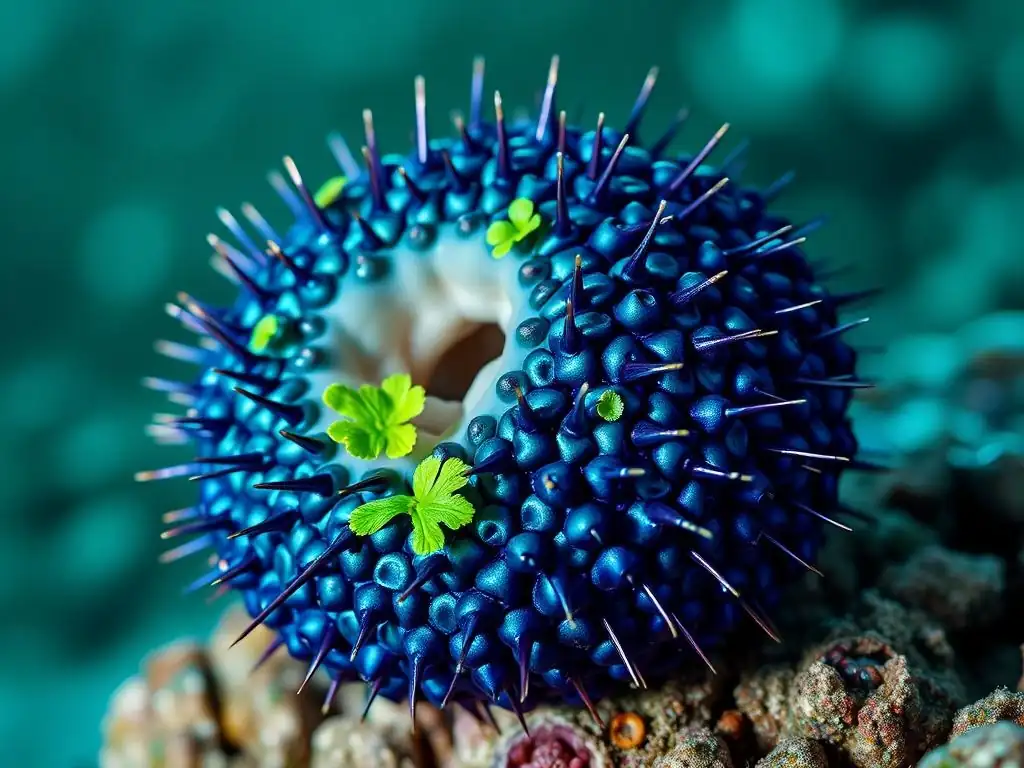
Many aquarists have found pincushion urchins to be an invaluable asset in maintaining clean and balanced saltwater systems. For instance, a hobbyist with a 90-gallon mixed reef tank struggled with persistent green film algae that coated the glass and some of the live rock, requiring daily manual scraping. After introducing two Lytechinus variegatus, a noticeable reduction in the algae became apparent within two to three weeks. The urchins meticulously grazed the glass and rock surfaces, significantly reducing the need for manual intervention and improving the tank's aesthetic appeal.
Another compelling example comes from a 125-gallon Fish Only With Live Rock (FOWLR) system that frequently experienced unsightly brown diatom blooms on its sand bed and lower rockwork. A single large Lytechinus variegatus was added, and within a month, the vast majority of the diatom film was gone from the accessible surfaces. The urchin's constant grazing kept the substrate and rockwork remarkably clean, reducing the manual cleaning effort by approximately 70% and demonstrating superior pincushion urchin algae control.
Diatom Bloom Control in a 75-Gallon Reef Tank Using Three Lytechinus variegatus
Consider a specific scenario involving a 75-gallon reef tank, approximately six months into its establishment, which began experiencing a significant diatom bloom. This brown, dusty algae covered an estimated 80% of the sand bed and extended onto the lower portions of the live rock, detracting significantly from the tank's appearance. Water parameters were stable with nitrates around 10 ppm and phosphates at 0.1 ppm, indicating a nutrient source fueling the bloom.
To combat this, three healthy Lytechinus variegatus were introduced into the tank. Within just one week, a visible reduction in the diatom film was observed, with roughly 50% of the previously covered sand bed now clear. By the end of the second week, the diatoms were almost entirely eradicated from all accessible surfaces that the urchins could reach. This successful intervention not only restored the tank's pristine appearance but also drastically reduced the need for manual siphoning and scraping, proving the efficacy of pincushion urchin algae control in tackling specific algal outbreaks.
Maximizing Algae Control Effectiveness with Pincushion Urchins
Optimizing Placement and Number of Urchins for Best Results
To maximize the algae control effectiveness of pincushion urchins, it is generally best to allow them to find their own optimal grazing spots within the aquarium. While they can be gently moved if they get stuck or are in a precarious position, forcing them into specific areas repeatedly can stress them. Ensure your tank offers ample surface area for them to graze on, proportional to their size and number.
Regularly observe the algae levels across your tank. If certain areas consistently show heavy algae growth while the urchins are active elsewhere, you might consider adjusting the number of urchins. For ongoing maintenance in a typical reef tank with moderate algae, a guideline of one Lytechinus variegatus per 50-75 gallons often proves effective. However, for a persistent algae problem or a larger tank, increasing this to one urchin per 30-40 gallons might be necessary to achieve superior pincushion urchin algae control.
Combining Pincushion Urchins with Other Algae-Eating Invertebrates
For comprehensive and robust algae management, combining pincushion urchins with a diverse array of other algae-eating invertebrates is highly recommended. Pincushion urchins excel at grazing on film algae and diatoms from hard surfaces. However, other species specialize in different types of algae or areas of the tank. For example, various types of snails, such as Turbo snails, Trochus snails, and Nassarius snails, can effectively consume different forms of algae and detritus from rocks, glass, and sand.
Hermit crabs, particularly species like the Blue Leg Hermit Crab, contribute by sifting through the sand and consuming detritus and some hair algae. Emerald Crabs are particularly useful for tackling nuisance bubble algae. By creating a varied clean-up crew that includes Lytechinus variegatus alongside these other specialists, you ensure a more thorough and efficient removal of all types of algae, leading to a healthier and more visually appealing aquarium. For instance, a 100-gallon tank could benefit from one Lytechinus variegatus, 10-15 assorted snails, and 2-3 hermit crabs to achieve a balanced and effective pincushion urchin algae control strategy.
Conclusion: Pincushion Urchins as a Valuable Asset for Saltwater Aquarium Algae Control
Frequently Asked Questions
What makes Pincushion Urchins good for algae control in an aquarium?
Pincushion Urchins are effective because they are voracious herbivores, constantly grazing on various types of algae. Their diet helps keep the aquarium clean and prevents excessive algae growth.
Are Pincushion Urchins suitable for both freshwater and saltwater aquariums?
No, Pincushion Urchins are exclusively saltwater creatures. They cannot survive in freshwater environments due to the differences in salinity.
What size aquarium is generally recommended for keeping a Pincushion Urchin?
A minimum of 30 gallons is recommended to provide sufficient space and algae for the urchin to graze. Larger tanks are preferable to ensure the urchin's well-being and prevent overgrazing.
What should I do if my Pincushion Urchin is running out of algae to eat?
Supplement their diet with algae wafers or blanched vegetables like zucchini or spinach. This ensures they receive adequate nutrition when natural algae sources are depleted.
Are there any fish or invertebrates that shouldn't be kept with Pincushion Urchins?
Avoid aggressive fish that may nip at the urchin's spines, and large crabs that might harass them. Ensure compatibility to prevent stress or injury to the urchin.
Okay, here's a final reflection designed to close your article "Pincushion Urchins: Effective Algae Control with a Prickly Personality," optimized for the keyword "Pincushion urchin algae control" and following the structure you provided:
Final Reflection: Embracing Natural Algae Control
The journey into the world of Lytechinus variegatus, or the pincushion urchin, reveals a powerful truth: nature often holds the most elegant solutions to complex problems. As we've explored, these prickly creatures offer a compelling alternative to chemical treatments for algae control in marine environments, a solution that is increasingly relevant in our era of heightened ecological awareness and concern for reef health.
The impact of embracing natural solutions like pincushion urchin algae control extends far beyond just cleaner tanks and healthier reefs. It represents a shift in perspective, a recognition of the interconnectedness of ecosystems and the potential for sustainable practices. In nature, nothing exists alone.
- Rachel Carson. This quote underscores the importance of considering the broader implications of our actions and choosing methods that work with nature, not against it.
Now, consider how you can apply this lesson of natural balance and sustainable solutions in your own life. Whether you're a marine enthusiast, a responsible pet owner, or simply someone seeking to minimize your environmental footprint, embrace the principles of ecological harmony and seek out natural alternatives whenever possible. The future of our planet depends on our collective commitment to finding innovative, sustainable solutions, and the humble pincushion urchin serves as a potent reminder of the power that lies within the natural world.
Transform Your Tank: Embrace the Pincushion Power!
Thanks for diving into the fascinating world of Pincushion Urchins! Hopefully, you now have a deeper understanding of how these prickly creatures can revolutionize your algae control. Now, let's put that knowledge into action and make your aquarium thrive!
Here's how you can get started:
- Take the plunge and consider adding a Pincushion Urchin to your aquarium. Research your tank's compatibility and local availability.
- Explore different types of algae-eating invertebrates to create a balanced and thriving cleanup crew for your specific tank needs.
- Share this article with fellow aquarium enthusiasts and start a discussion about the best natural algae control methods!
What unique strategies have you used to combat algae in your aquarium?