
That Famous Kiss: Unraveling the True Meaning of Kissing Gourami Behavior

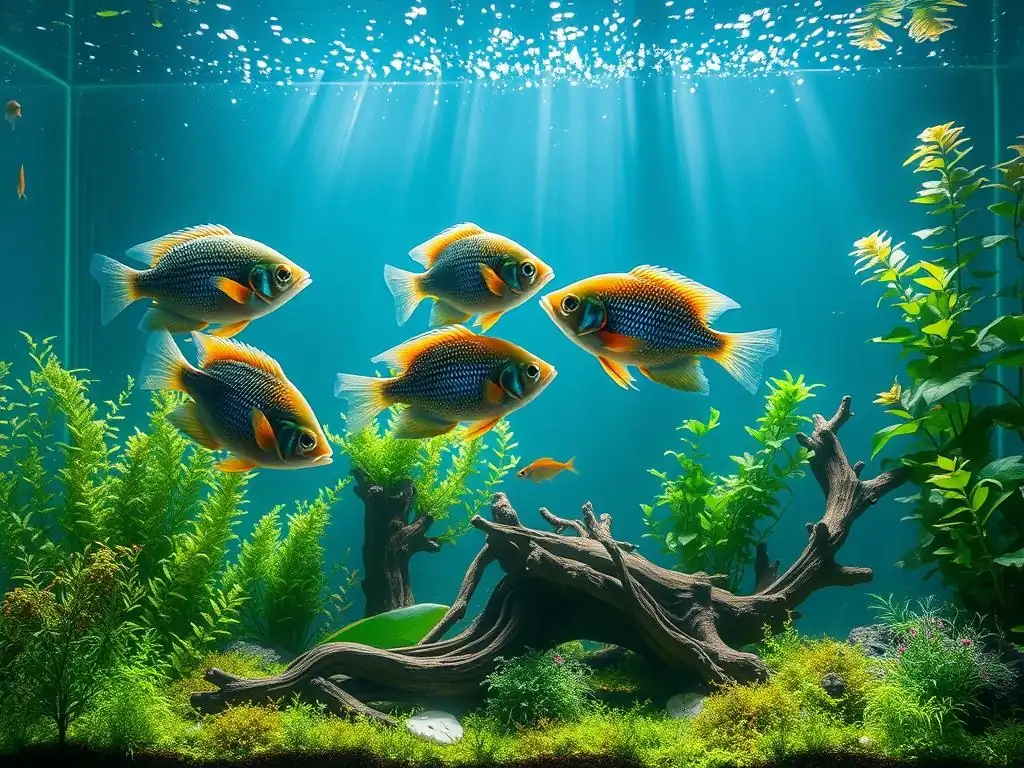
Welcome to Aquarium Mastery!
Ever wondered what's really going on when you see those adorable Kissing Gouramis seemingly locked in a never-ending embrace? It's not always as romantic as it looks! Dive into our deep dive to explore the fascinating and often misunderstood world of Kissing Gourami behavior, unraveling the secrets behind that famous "kiss" and discovering what it actually means for your freshwater aquarium. Get ready to separate fact from fiction and become a true aquarium master!
- Understanding Kissing Gourami Behavior: More Than Just Kisses
- The Social Dynamics of Kissing Gouramis in the Aquarium
- Factors Influencing Kissing Gourami Behavior
- Identifying Normal and Abnormal Kissing Gourami Behavior
- Creating a Harmonious Environment for Kissing Gouramis
- Breeding Kissing Gouramis: Courtship and Spawning Behaviors
- Addressing Common Kissing Gourami Behavior Problems
- Kissing Gourami Care Guide: Maintaining a Healthy and Happy Fish
-
Frequently Asked Questions
- What exactly does "kissing" behavior mean in Kissing Gouramis?
- Are Kissing Gouramis compatible with all other fish species in a community aquarium?
- How large do Kissing Gouramis typically grow in a home aquarium?
- What are the ideal water parameters for keeping Kissing Gouramis healthy?
- Besides "kissing," what other behaviors might I observe in my Kissing Gourami?
- Final Reflection: Unveiling the Nuances of Connection
- Dive Deeper: Transform Your Aquarium Today!
Understanding Kissing Gourami Behavior: More Than Just Kisses
Decoding the "Kiss": Aggression, Dominance, and Territory
The characteristic "kissing" action observed in Kissing Gouramis (Helostoma temminckii) is, contrary to popular belief, not a romantic gesture but a complex display of dominance and territoriality. This behavior involves two gouramis pressing their mouths together, often for several seconds, and pushing against each other. It is primarily a test of strength and endurance, where the fish attempt to assert their position within the social hierarchy or claim a preferred feeding or resting spot. This ritualistic sparring is a crucial aspect of their Kissing Gourami behavior explained within a confined aquarium environment.
This mouth-to-mouth pushing contest serves multiple purposes in their natural habitat and in the aquarium. It can be a dispute over food resources, a challenge for the best hiding spot, or a way to establish the pecking order among tank mates. While often seen between two males vying for dominance, females can also engage in this behavior, especially when establishing their own social standing within a group. The duration and intensity of these "kisses" often correlate with the perceived importance of the contested resource or the determination of the fish involved.
Debunking Myths: The Romantic Kissing Gourami
The notion that Kissing Gouramis are "kissing" out of affection or as a prelude to mating is a widespread misconception that has unfortunately led to many misinterpretations of their needs and social dynamics. This myth likely arose from the human tendency to anthropomorphize animal behaviors, projecting our own understanding of intimacy onto the fish. However, decades of observation by aquarists and ichthyologists confirm that the behavior is purely agonistic, meaning it's related to conflict and competition.
Understanding that the "kiss" is an aggressive display is vital for proper Kissing Gourami care and tank setup. Believing it to be a sign of affection can lead owners to house these fish in tanks that are too small or with incompatible tank mates, exacerbating stress and actual aggression. For instance, a small 30-gallon tank, while seemingly adequate for a single juvenile, quickly becomes a battleground for two "kissing" adults, leading to constant stress and potential injury. Correctly interpreting Kissing Gourami behavior explained allows aquarists to create a more harmonious environment.
Within a group of Kissing Gouramis, the "kissing" behavior is a primary mechanism for establishing and maintaining a social hierarchy. When two gouramis engage in this mouth-to-mouth pushing, they are essentially determining which one is the dominant individual. The fish that pushes harder or longer, or forces the other to retreat, often establishes itself as higher in the pecking order. This process helps to minimize constant, low-level aggression by clearly defining roles within the group.
Once a social hierarchy is established, the frequency of intense "kissing" may decrease, as individuals generally recognize their place. However, the hierarchy is not always static; it can be challenged if new fish are introduced, if the tank environment changes significantly, or if resources become scarce. For example, if a new Kissing Gourami is added to an existing group, a new round of "kissing" and other dominant displays will likely occur until the newcomer's position is determined. This ongoing social negotiation is a key aspect of Kissing Gourami behavior explained.
Kissing Gourami Aggression: Identifying and Managing Conflicts
Beyond the characteristic mouth-to-mouth pushing, Kissing Gouramis can exhibit other forms of aggression, particularly if conditions are not ideal. These may include chasing, fin nipping (though less common than with some other aggressive species, it can occur, especially if one fish is significantly weaker), and cornering other fish. Signs of distress or aggression in the submissive fish might include clamped fins, rapid breathing, hiding constantly, or visible stress stripes on their bodies. Recognizing these subtle cues is crucial for intervention.
Managing conflicts effectively requires understanding their root cause. Often, aggression stems from insufficient tank space, lack of hiding spots, or an imbalance in the male-to-female ratio. For instance, in a 55-gallon tank, a single adult Kissing Gourami can thrive, but introducing a second one without adequate visual breaks or territories can lead to persistent aggression. Providing ample decor like plants, driftwood, and rocks can help break lines of sight and create distinct territories, reducing direct confrontations. In severe cases, separating the aggressor or the victim may be necessary to prevent injury.
Kissing Gouramis are generally considered social fish, often thriving in groups within their natural habitat. However, their social nature in an aquarium setting is highly dependent on tank size and proper stocking. In smaller tanks, keeping multiple Kissing Gouramis can lead to significant aggression, as limited space intensifies territorial disputes. A single adult Kissing Gourami can be kept contentedly in a tank of at least 55 gallons, but if considering a group, much larger accommodations are necessary to mitigate their dominant behaviors.
For a group of 3-5 Kissing Gouramis, a tank of 75 to 100 gallons or more is often recommended to provide sufficient space for each individual to establish its own territory without constant conflict. Keeping them in odd-numbered groups can sometimes help spread aggression among multiple individuals rather than concentrating it on just one. When considering Kissing Gourami behavior explained in terms of compatibility, it's vital to prioritize space and suitable tank mates to ensure a peaceful environment for these potentially robust fish.
Factors Influencing Kissing Gourami Behavior
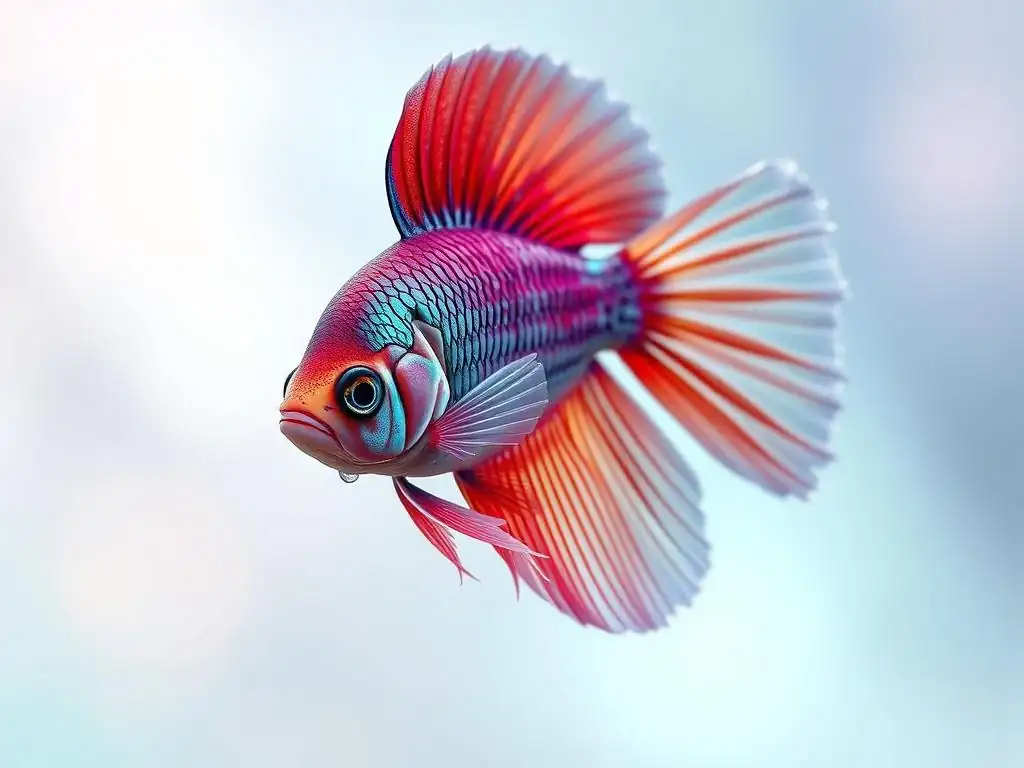
Tank Size and Environment: How Space Affects Interaction
The size and environmental setup of an aquarium profoundly influence Kissing Gourami behavior, particularly their levels of aggression and social interaction. In tanks that are too small, the natural territorial instincts of these fish become amplified, leading to increased "kissing" displays and more overt aggression. For example, a single adult Kissing Gourami requires a minimum of 55 gallons to thrive comfortably, but attempting to house two or more in a tank under 75-100 gallons often results in constant skirmishes and stress. Limited space means fewer opportunities for submissive fish to escape dominant ones, escalating conflicts.
Conversely, a spacious tank with well-planned aquascaping can significantly mitigate aggressive Kissing Gourami behavior explained. Providing ample hiding spots, tall plants, and driftwood allows individuals to establish their own territories and break lines of sight, reducing direct confrontations. In a large, properly decorated 125-gallon tank, a group of five Kissing Gouramis can coexist more peacefully, as each fish has sufficient personal space and retreat options. The environment directly impacts their stress levels, which in turn dictates the frequency and intensity of aggressive behaviors.
Water Quality and Stress: Impact on Kissing Gourami Aggression
Optimal water quality is paramount for the overall health and temperament of Kissing Gouramis. Poor water parameters, such as high ammonia or nitrite levels, fluctuating pH, or improper temperature, can induce significant stress in these fish. Stressed fish are more prone to displaying abnormal or heightened aggressive behaviors, including more frequent and intense "kissing" or bullying of tank mates. For instance, if nitrates consistently exceed 20 ppm or ammonia is detectable, a Kissing Gourami may become visibly agitated, leading to increased territorial disputes.
Maintaining stable and pristine water conditions is crucial for minimizing stress-induced aggression. Regular water changes (e.g., 25-30% weekly), efficient filtration, and consistent monitoring of parameters (pH 6.5-7.5, temperature 75-82°F or 24-28°C, hardness 5-15 dGH) are essential. When water parameters are within their ideal range, Kissing Gouramis are generally calmer and more resilient, exhibiting more natural and less problematic Kissing Gourami behavior explained. A healthy environment directly translates to a more peaceful fish.
Diet and Feeding: The Role of Nutrition in Temperament
The diet and feeding regimen of Kissing Gouramis play a significant role in their overall health and temperament. A well-balanced and nutritious diet ensures proper development, energy levels, and reduces stress, which can indirectly influence their behavior. Gouramis are omnivores and thrive on a varied diet including high-quality flake or pellet food, supplemented with live or frozen options like bloodworms, brine shrimp, and vegetable matter such as blanched spirulina or lettuce. Inadequate nutrition can lead to weakened immune systems, lethargy, or even increased aggression due to competition for scarce food.
Overfeeding or underfeeding can also impact Kissing Gourami behavior explained. Overfeeding can quickly degrade water quality, leading to stress, while underfeeding can intensify competition during meal times, prompting more aggressive "kissing" and chasing. For example, if food is consistently dropped in only one spot, dominant individuals will monopolize it, leading to disputes. Spreading food across the tank or using multiple feeding points can help ensure all fish receive adequate nutrition and reduce food-related aggression. A consistent feeding schedule with appropriate portion sizes contributes to a more stable and peaceful tank environment.
Identifying Normal and Abnormal Kissing Gourami Behavior
Recognizing Healthy Interaction Patterns
In a well-maintained and appropriately sized aquarium, healthy Kissing Gouramis exhibit specific interaction patterns that indicate their well-being. Normal "kissing" behavior, while a display of dominance, should be intermittent and not constant. It typically occurs when new fish are introduced, when a hierarchy is being established, or occasionally during feeding times. These interactions usually resolve quickly, with one fish backing down without significant injury. Other healthy behaviors include actively exploring the tank, responding to feeding, and interacting peacefully with appropriately sized tank mates.
Healthy Kissing Gouramis will display vibrant coloration, clear eyes, and erect fins. They will swim gracefully, often hovering in the mid-to-upper levels of the water column, and show curiosity towards their surroundings. Observing them resting calmly among plants or driftwood, or gently grazing on algae, are also signs of a content fish. Understanding these baseline behaviors is crucial for identifying when Kissing Gourami behavior explained deviates from the norm, signaling potential issues.
Signs of Distress: When Kissing Turns Problematic
When "kissing" behavior becomes excessive, constant, or results in visible injury, it signals distress or a problematic environment. If one gourami is relentlessly pursuing or "kissing" another, or if the submissive fish is constantly hiding, refusing to eat, or shows signs of fin nipping or torn fins, intervention is required. These are clear indicators of a highly stressed or bullied fish. Prolonged stress can severely weaken a fish's immune system, making it susceptible to diseases.
Other signs of distress include clamped fins, faded coloration, rapid gill movement, erratic swimming, or rubbing against tank decor. A Kissing Gourami that isolates itself for extended periods, despite ample hiding spots, may also be under significant stress. These behaviors often point to underlying issues such as overcrowding, incompatible tank mates, poor water quality, or an insufficient diet. Addressing these environmental factors is crucial to restore healthy Kissing Gourami behavior explained.
Diagnosing Potential Health Issues Affecting Behavior
Changes in Kissing Gourami behavior can also be symptomatic of underlying health issues, rather than just social or environmental stress. For instance, a fish that suddenly becomes lethargic, loses its appetite, or exhibits unusual swimming patterns (e.g., listing to one side, darting erratically) might be suffering from an internal parasite, bacterial infection, or swim bladder disorder. If a gourami that was previously active and engaged becomes withdrawn and hides constantly, it's worth checking for physical signs of illness like white spots (Ich), fungal growths, or bloated abdomen.
Fin rot, characterized by frayed or deteriorating fins, can be a result of bacterial infection, often exacerbated by poor water quality or constant nipping from aggressive tank mates. A fish suffering from fin rot might become more aggressive due to discomfort or more reclusive due to weakness. Similarly, internal parasites can lead to weight loss despite eating, and behavioral changes like listlessness. When observing persistent abnormal Kissing Gourami behavior explained, a thorough examination of the fish and water parameters, along with consideration of common gourami ailments, is essential for accurate diagnosis and treatment.
Creating a Harmonious Environment for Kissing Gouramis
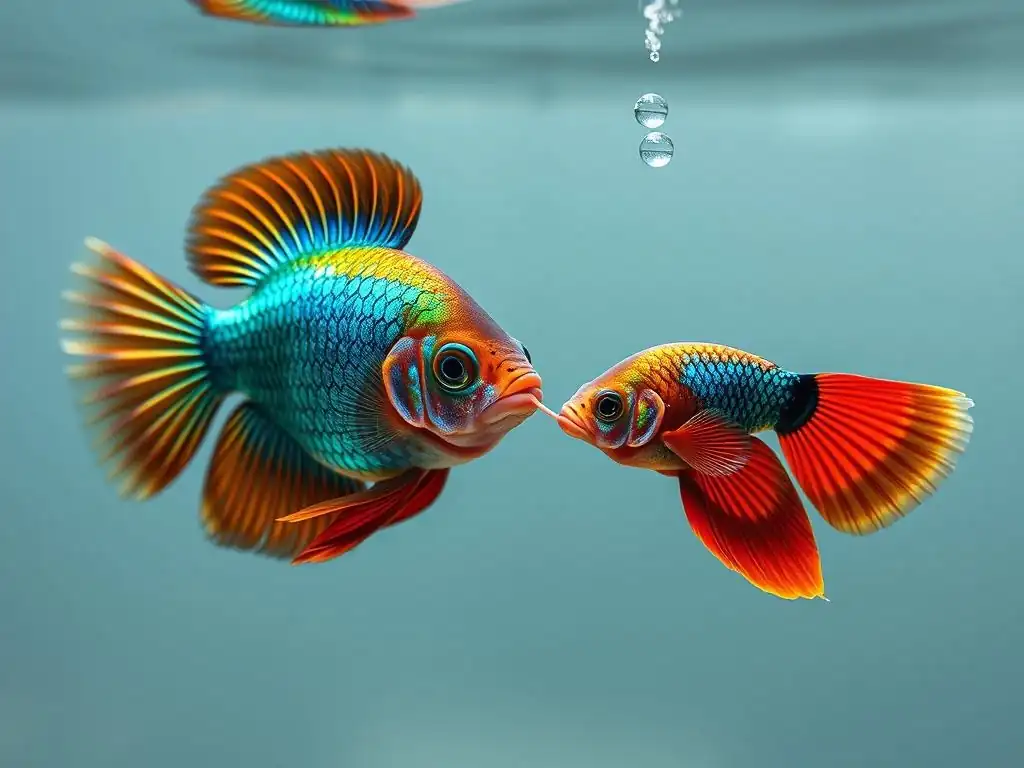
Tank Setup: Minimizing Aggression Through Aquascaping
The strategic aquascaping of a Kissing Gourami tank is paramount for minimizing aggression and fostering a harmonious environment. Given their territorial nature, providing ample hiding spots and visual barriers is crucial. Incorporate tall, dense plants (both live and artificial), driftwood, and rock formations that create distinct territories and break up lines of sight. For example, a tank with a dense jungle of Amazon swords and Java fern on one side, and a large piece of bogwood creating a cave on the other, allows submissive fish to retreat and dominant fish to claim their own space.
Aim for a setup that offers multiple zones: open swimming areas, dense plant cover for refuge, and various nooks and crannies for exploration. Consider using floating plants like frogbit or water lettuce, which not only provide shade and security but also help diffuse light, which can reduce stress. A minimum tank size of 55 gallons for a single adult and 75-100 gallons for a small group is recommended to provide sufficient space. A well-designed aquascape is a proactive measure in managing Kissing Gourami behavior explained and preventing unnecessary conflicts.
Choosing Compatible Tank Mates for Kissing Gouramis
Selecting appropriate tank mates is vital for the peaceful coexistence of Kissing Gouramis. While they can be robust and somewhat aggressive, particularly towards their own kind, they generally do well with other similarly sized, semi-aggressive to peaceful community fish. Avoid very small, timid, or long-finned species, as they may become targets for nipping or bullying. Tank mates should be able to hold their own without being overly aggressive themselves.
Good choices for tank mates include larger, active tetras (like Colombian Tetras or Congo Tetras), robust barbs (such as Cherry Barbs or Rosy Barbs), Rainbowfish, and some larger species of peaceful catfish like Bristlenose Plecos or Corydoras. Avoid housing them with very aggressive cichlids or overly boisterous fish that might stress the gouramis. When introducing new fish, monitor Kissing Gourami behavior explained closely to ensure compatibility. If any signs of persistent aggression or stress appear, be prepared to separate individuals or rehome incompatible fish.
Maintaining Optimal Water Parameters for Gourami Well-being
Consistent maintenance of optimal water parameters is fundamental to the well-being and peaceful behavior of Kissing Gouramis. These fish thrive in stable conditions, which directly reduces their stress levels and propensity for aggression. The ideal temperature range is typically 75-82°F (24-28°C), with a pH between 6.5 and 7.5, and a moderate hardness of 5-15 dGH. Fluctuations in these parameters can cause stress, leading to a noticeable increase in aggressive or withdrawn behaviors.
Regular water changes are critical: perform 25-30% water changes weekly to keep nitrates low and replenish essential minerals. A robust filtration system (e.g., canister filter or hang-on-back filter with adequate media) is necessary to manage biological waste and maintain water clarity. Testing water parameters frequently with a reliable kit allows aquarists to catch and correct issues before they impact fish health and Kissing Gourami behavior explained. Stable, clean water is the cornerstone of a healthy and happy gourami.
Breeding Kissing Gouramis: Courtship and Spawning Behaviors
Identifying Male and Female Kissing Gouramis
Distinguishing between male and female Kissing Gouramis can be challenging, especially when they are young. As they mature, some subtle differences become more apparent. Males tend to be slightly slimmer and more streamlined, while females are generally fuller-bodied, particularly when gravid (carrying eggs). During breeding periods, the male's coloration might intensify, although this is not always a reliable indicator. Another subtle difference sometimes noted is that the dorsal fin of the male may be slightly more pointed than that of the female, which tends to be rounder.
However, the most definitive way to differentiate sexes often involves observing their behavior, especially during potential courtship or when a female is visibly swollen with roe. Females will appear plumper in the belly region, a characteristic that becomes more pronounced as they approach spawning. The lack of distinct sexual dimorphism means that separating sexes for breeding might require a group of fish, allowing them to pair naturally. Understanding these subtle cues is part of comprehending Kissing Gourami behavior explained in a reproductive context.
Understanding Mating Rituals: Beyond the "Kiss"
The "kissing" behavior is not part of the Kissing Gourami's mating ritual. Instead, their courtship involves different displays. When ready to spawn, the male will typically become more vibrant in color and may engage in a series of chases with the female, often nudging her towards a chosen spawning site. Unlike many other gourami species, Kissing Gouramis do not build bubble nests. Instead, they are substrate spawners, laying their eggs directly onto surfaces like broad leaves or flat rocks.
During the actual spawning, the male will wrap his body around the female, pressing her against the spawning surface to facilitate the release and fertilization of eggs. This embrace is similar to the spawning embrace seen in other anabantoid fish. The eggs are non-adhesive and will sink to the bottom. The pair may repeat this embrace multiple times, releasing hundreds or even thousands of small, transparent eggs over several hours. Observing these specific actions is key to understanding the true reproductive Kissing Gourami behavior explained.
Providing the Ideal Conditions for Successful Spawning
To encourage successful breeding, a dedicated breeding tank is recommended, typically around 20-30 gallons, with very soft, slightly acidic water (pH 6.0-6.8) and a temperature of 78-82°F (26-28°C). The tank should contain broad-leafed plants like Amazon Swords or Anubias, or flat stones, to serve as spawning sites. A gentle sponge filter is ideal to prevent the delicate eggs from being sucked up. Providing a diet rich in live and frozen foods for conditioning the breeding pair is also crucial.
After spawning, it is generally recommended to remove the adult fish from the breeding tank, as they offer no parental care and may consume the eggs. The eggs typically hatch within 24-48 hours, and the fry become free-swimming a few days later. Feeding the fry infusoria or liquid fry food initially, followed by newly hatched brine shrimp, is essential for their survival. Successfully facilitating their breeding requires a precise understanding of their environmental needs and reproductive Kissing Gourami behavior explained.
Addressing Common Kissing Gourami Behavior Problems
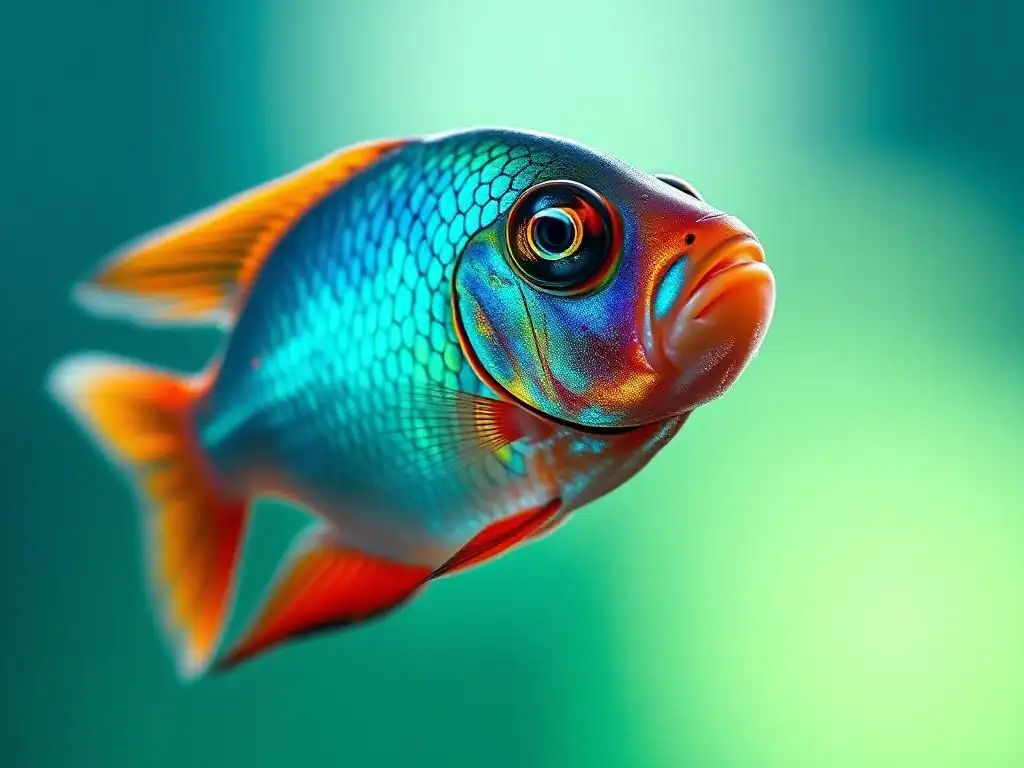
Excessive "Kissing": Identifying the Root Cause
When Kissing Gouramis engage in excessive or relentless "kissing," it's a clear sign that something is amiss in their environment or social structure. This behavior, which is a display of aggression and dominance, becomes problematic when it leads to constant stress, injury, or the bullying of a weaker fish.
The primary root causes often include insufficient tank size, overcrowding, lack of adequate hiding spots, or an imbalanced group dynamic (e.g., too few fish to spread aggression, or an overly dominant individual). For example, two males in a 40-gallon tank are far more likely to engage in constant "kissing" than a group of five in a 100-gallon setup.
To address excessive "kissing," first evaluate the tank size and stocking density. If the tank is too small, upgrading to a larger one is often the most effective solution. If space allows, adding more gouramis (aiming for a group of 3-5 or more) can sometimes help diffuse aggression, as the dominant fish's attention is spread among multiple individuals.
Additionally, re-aquascaping to provide more visual barriers and hiding places can significantly reduce confrontations. Observing the specific context of the "kissing" – whether it's during feeding, after new additions, or constant – can help pinpoint the exact trigger for this problematic Kissing Gourami behavior explained.
Fin Nipping and Bullying: Strategies for Prevention
While "kissing" is their signature aggressive display, Kissing Gouramis can also resort to fin nipping or general bullying, especially when highly stressed or housed with overly passive tank mates. Fin nipping often targets fish with long, flowing fins, like angelfish or guppies, or slower-moving species. Bullying involves chasing, cornering, or preventing other fish from accessing food or prime territories. These behaviors can lead to chronic stress, weakened immune systems, and physical injury for the victims.
Prevention strategies primarily revolve around providing an appropriate environment and choosing compatible tank mates. Ensure the tank is large enough (e.g., 75 gallons for a small group) and richly decorated with plants and decor to create numerous hiding spots and break up sightlines. Avoid housing Kissing Gouramis with very small, delicate, or long-finned fish.
Instead, opt for robust, fast-moving, and similarly sized species that can hold their own. If fin nipping or bullying becomes severe, isolating the aggressor in a separate tank or rehoming either the aggressor or the victims might be necessary to ensure the well-being of all inhabitants. Understanding this aspect of Kissing Gourami behavior explained is crucial for a peaceful community tank.
Seeking Expert Advice: When to Consult an Aquarist Professional
Despite best efforts, some Kissing Gourami behavior problems can persist, or new, unexplained issues may arise. This is when consulting an experienced aquarist professional, a specialized fish veterinarian, or a reputable aquarium store with knowledgeable staff becomes invaluable. If a gourami exhibits prolonged lethargy, loss of appetite, rapid breathing, or unusual growths/spots that don't respond to general treatments, it could indicate a serious health issue requiring professional diagnosis.
Similarly, if severe aggression persists even after implementing all recommended environmental and stocking adjustments, an expert can offer tailored advice. They might identify subtle nuances in Kissing Gourami behavior explained that an average hobbyist might miss, or suggest advanced solutions like specific medications for stress-related illnesses or specialized tank configurations. Don't hesitate to seek professional help if you're unable to resolve a behavioral or health issue, as early intervention can often prevent more serious complications and ensure the well-being of your fish.
Kissing Gourami Care Guide: Maintaining a Healthy and Happy Fish
Essential Tank Maintenance for Kissing Gouramis
Maintaining a healthy environment for Kissing Gouramis hinges on consistent and diligent tank maintenance. This includes regular water changes, typically 25-30% of the tank volume weekly, to keep nitrate levels low and prevent the buildup of harmful toxins like ammonia and nitrite. For instance, in a 75-gallon tank, this would mean replacing about 18-22 gallons of water each week with dechlorinated, temperature-matched fresh water. A robust filtration system, whether a powerful hang-on-back filter or an efficient canister filter, is essential to handle their bioload and keep the water clear and free of particulate matter.
Beyond water changes and filtration, regular gravel vacuuming is crucial to remove uneaten food and fish waste that accumulate in the substrate, which can otherwise decompose and negatively impact water quality. Cleaning aquarium decorations and wiping down the inside of the glass to remove algae buildup also contribute to a pristine environment. Consistent monitoring of water parameters (pH, temperature, ammonia, nitrite, nitrate) with a reliable test kit allows for proactive adjustments, ensuring the stable conditions that are key to healthy Kissing Gourami behavior explained.
Proper Feeding and Nutrition for Optimal Health
Proper feeding and nutrition are fundamental to the long-term health, vibrant coloration, and stable temperament of Kissing Gouramis. As omnivores, they require a varied diet that includes both plant and animal matter. High-quality flake or pellet foods designed for omnivorous fish should form the staple of their diet. Supplement this with live or frozen foods such as bloodworms, brine shrimp, daphnia, and mosquito larvae once or twice a week to provide essential proteins and enhance their vitality.
Vegetable matter is also important; blanched spirulina flakes, lettuce, spinach, or zucchini can be offered periodically. Feed them small amounts two to three times a day, only what they can consume within 2-3 minutes, to prevent overfeeding and subsequent water quality issues. Overfeeding can lead to digestive problems and contribute to aggression by increasing competition for food. A well-rounded diet supports their immune system, reduces stress, and directly influences positive Kissing Gourami behavior explained in the aquarium.
Preventing and Treating Common Gourami Diseases
Kissing Gouramis are generally robust fish, but like all aquarium inhabitants, they are susceptible to common freshwater diseases, especially when stressed by poor water quality, inadequate diet, or incompatible tank mates. Common ailments include Ich (white spot disease), fin rot, fungal infections, and internal parasites. Preventing these diseases is always easier than treating them. This involves maintaining pristine water quality, providing a balanced diet, avoiding overcrowding, and quarantining new fish for at least 2-4 weeks before introducing them to the main tank.
If a Kissing Gourami shows signs of illness, prompt diagnosis and treatment are critical. For example, Ich, characterized by small white spots resembling salt grains, can be treated by gradually raising the tank temperature to 82-86°F (28-30°C) (if compatible with other tank mates) and using an appropriate Ich medication. Fin rot and fungal infections often respond to improved water quality and broad-spectrum antibacterial or antifungal medications. Understanding the early signs of disease and having a basic knowledge of common treatments is part of comprehensive Kissing Gourami behavior explained and care, ensuring their long-term health and well-being.
Frequently Asked Questions
What exactly does "kissing" behavior mean in Kissing Gouramis?
The "kissing" isn't usually affection! It's more often a form of territorial dispute or establishing dominance between two individuals. It's a kind of power struggle.
Are Kissing Gouramis compatible with all other fish species in a community aquarium?
Not necessarily. While generally peaceful with other species, their territorial behavior and large size can intimidate smaller or more docile fish. Careful tank mate selection is important.
How large do Kissing Gouramis typically grow in a home aquarium?
Kissing Gouramis can grow quite large, reaching up to 12 inches in length. This means they require a large aquarium to thrive and should be considered when planning your aquarium setup.
What are the ideal water parameters for keeping Kissing Gouramis healthy?
They prefer a water temperature between 72-82°F (22-28°C), a pH of 6.0-7.5, and moderate water hardness. Regular water changes are crucial for maintaining water quality.
Besides "kissing," what other behaviors might I observe in my Kissing Gourami?
You might see them scraping algae off surfaces, exploring the tank, and exhibiting color variations depending on their mood and health. They also engage in bubble nest building, though less frequently than other gourami species.
Final Reflection: Unveiling the Nuances of Connection
The exploration of Kissing Gourami behavior, as we've seen, is far more complex than a simple act of affection. What appears to be a kiss is, in reality, a nuanced interaction rooted in dominance, territory, and even feeding. This understanding is particularly relevant today, as we increasingly seek to decode the intricacies of animal behavior and appreciate the diverse strategies employed within the natural world.
This journey into the lives of Kissing Gouramis has undoubtedly broadened our perspective on communication and social dynamics, even within seemingly simple creatures. It reminds us that appearances can be deceiving, and that careful observation is crucial for understanding the true nature of any interaction. The key to understanding any creature, great or small, lies in observing its behavior with patience and an open mind.
This sentiment underscores the importance of looking beyond surface-level interpretations and delving deeper into the motivations behind actions.
Now, as we conclude this exploration, I invite you to reflect on the lessons learned from the Kissing Gourami. Consider how the principles of observation, interpretation, and understanding can be applied to your own interactions, both with animals and with fellow humans. Embrace the challenge of looking beyond the surface, seeking deeper meaning, and appreciating the complexity of connection in all its forms.
Dive Deeper: Transform Your Aquarium Today!
Thank you for exploring the fascinating world of kissing gouramis with us! We hope you've gained valuable insights into their unique behaviors and how to create a thriving environment for them. Now, let's put that knowledge into action!
- Implement what you’ve learned and monitor your gouramis for signs of happiness! This is the most important step to ensure their well-being.
- Challenge yourself to create a "kissing gourami paradise" by enhancing their habitat with plants and hiding spots they love.
- Share your newfound gourami wisdom by explaining the science behind the "kiss" to someone who is unfamiliar with it.
What subtle changes have you noticed in your gouramis’ behavior since learning about their interactions? Share your observations in the comments!