
Aquarium Mastery's Catfish First Aid Kit: Essentials for Every Owner

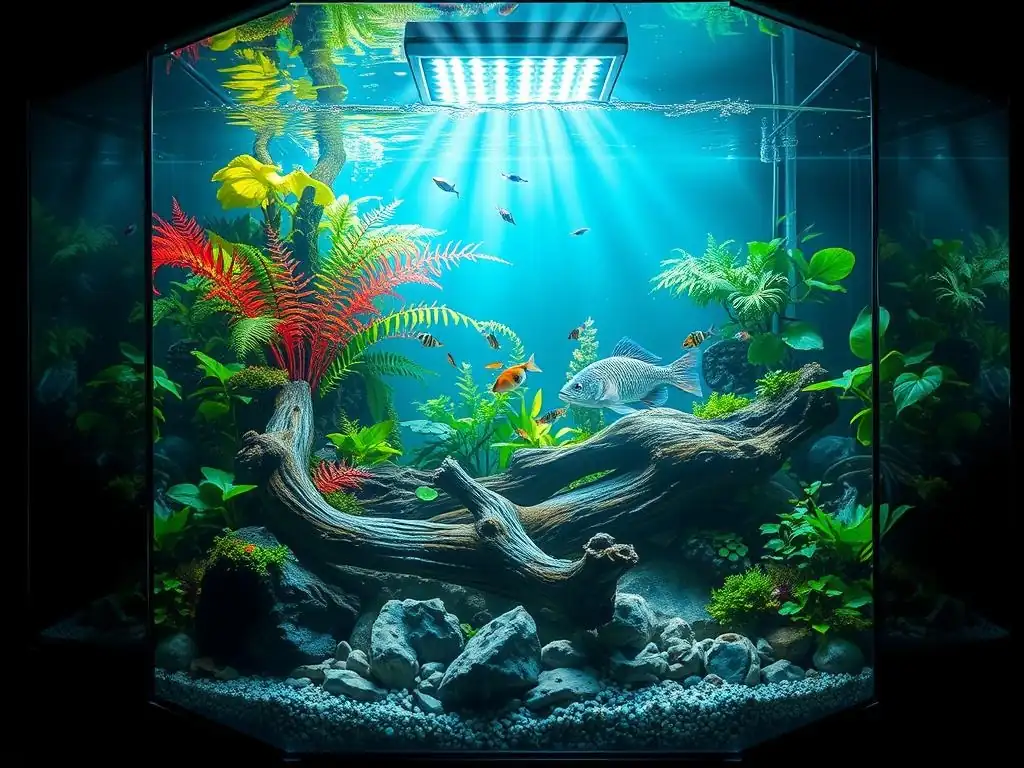
Welcome to Aquarium Mastery, fellow fish fanatics!
Is your catfish acting a little finicky lately? Worried about cloudy water or unexplained algae blooms in your catfish tank? You're in the right place! Dive into our comprehensive guide, " Aquarium Mastery's Catfish First Aid Kit: Essentials for Every Owner," where we tackle common catfish tank water problems head-on. Uncover the secrets to pristine water and a thriving catfish community. Let's get started and ensure your underwater friends are happy and healthy!
- Understanding Fish Health: Preventing Tank Water Problems
- Building Your Fish First Aid Kit: The Essentials
- Recognizing Signs of Illness in Your Fish
- Treating Common Fish Ailments: A Step-by-Step Guide
- Maintaining a Healthy Fish Tank: Long-Term Prevention
- Advanced Fish Care: When to Seek Professional Help
-
Frequently Asked Questions
- What are the most common water quality issues that affect catfish tanks?
- How can I prevent cloudy water in my catfish tank?
- What are the signs of poor water chemistry in a catfish tank?
- How often should I perform water changes in my catfish tank?
- What type of filtration is best for a catfish tank to maintain healthy water?
- Final Reflection: Navigating the Murky Waters of Catfish Care
- Dive Deeper: Transform Catfish Care Today!
Understanding Fish Health: Preventing Tank Water Problems
The Importance of Proactive Fish Care
Proactive fish care is the cornerstone of a thriving aquarium, especially when it comes to preventing common catfish tank water problems. Many aquarists, particularly those new to keeping bottom-dwelling species like Corydoras, Plecos, or Otocinclus, often overlook the subtle signs of impending water quality issues until they become critical. Regularly monitoring your tank's parameters and observing your catfish's behavior can provide crucial early warnings, allowing for timely intervention before minor issues escalate into severe health crises.
A consistent routine of tank maintenance, including partial water changes and filter cleaning, significantly reduces the likelihood of catfish tank water problems such as ammonia spikes or nitrite accumulation. For instance, a weekly 25% water change in a moderately stocked 50-gallon tank can remove approximately 50-60% of dissolved organic waste over a month, drastically cutting down on potential toxins. This diligence not only safeguards your catfish from preventable diseases but also ensures they can express their natural behaviors, contributing to a more rewarding aquatic experience.
Common Causes of Fish Tank Water Problems
Poor Water Quality and Fish Health
Poor water quality is arguably the most significant factor contributing to catfish tank water problems and overall fish illness. High levels of ammonia, nitrite, or nitrate, along with incorrect pH or water hardness, create a toxic environment that stresses fish, compromises their immune systems, and can lead directly to disease or death. Catfish, particularly scaleless varieties like Corydoras, are often more sensitive to poor water conditions than scaled fish, showing distress more quickly and suffering more severely from chemical imbalances.
For example, a tank with persistently high ammonia (even as low as 0.25 ppm) can cause gill damage, making it difficult for catfish to breathe and absorb oxygen, leading to lethargy and gasping at the surface. Similarly, chronic exposure to elevated nitrates (above 40 ppm) can suppress appetite and stunt growth in juvenile catfish, making them more susceptible to opportunistic infections. Addressing the root cause of poor water quality is paramount to resolving and preventing catfish tank water problems.
Overfeeding and Its Impact on Fish
Overfeeding is a prevalent, yet often underestimated, cause of catfish tank water problems. Excess food that remains uneaten quickly decomposes, releasing ammonia and nitrites into the water column, thereby initiating or exacerbating the nitrogen cycle's toxic byproducts. This organic decay consumes dissolved oxygen, further stressing fish and creating an ideal breeding ground for harmful bacteria and fungi. Many catfish species are bottom feeders, and uneaten flakes or pellets can easily sink and hide in the substrate, decaying unnoticed for days.
A typical scenario involves an aquarist feeding once or twice daily, but providing more food than the fish can consume within 2-3 minutes. For a group of six Corydoras in a 20-gallon tank, a single sinking wafer might be sufficient for an entire day, whereas providing multiple wafers or large quantities of flake food can quickly foul the water. This leads to cloudy water, an unpleasant odor, and, most critically, dangerous ammonia spikes that are direct catfish tank water problems, often manifesting as red gills or clamped fins in the affected fish.
Inadequate Filtration for Fish Tanks
Inadequate filtration is another critical contributor to catfish tank water problems, as it fails to effectively remove physical waste, chemical toxins, and biological impurities from the aquarium water. A filter that is too small for the tank's volume or bio-load, or one that is improperly maintained, cannot adequately process the ammonia produced by fish waste and uneaten food. This results in a build-up of harmful compounds, directly impacting the health of all tank inhabitants, especially sensitive bottom-dwellers.
Consider a 20-gallon tank housing a community of catfish, such as five Corydoras and a small Bristlenose Pleco. If this tank is equipped with only a small internal filter designed for a 10-gallon tank, it will struggle to maintain optimal water parameters. The biological media will be insufficient to host enough beneficial bacteria to convert all the ammonia and nitrite, leading to chronic low-level catfish tank water problems like elevated nitrites (e.g., 0.5 ppm), which can suppress immune function and cause recurring fin rot or bacterial infections among the catfish.
Building Your Fish First Aid Kit: The Essentials
Water Testing Kit: Monitoring Key Parameters for Fish
A comprehensive liquid-based water testing kit is the single most important tool in your arsenal for preventing and diagnosing catfish tank water problems. Unlike test strips, liquid kits provide more accurate and reliable readings for critical parameters, enabling you to detect subtle shifts in water chemistry before they become life-threatening. Regular testing, ideally weekly, allows you to establish a baseline for your tank and quickly identify any deviations that might indicate an underlying issue.
Investing in a quality master test kit, typically costing between $25-$40, can save you hundreds in lost fish and medication. For example, detecting a slight rise in ammonia (e.g., from 0 ppm to 0.25 ppm) after a new fish addition or a missed water change allows for immediate action, such as a partial water change or adding an ammonia detoxifier, preventing the onset of ammonia poisoning which is a severe catfish tank water problem. Without accurate testing, diagnosing the cause of sick catfish becomes a guessing game, often leading to ineffective or even harmful treatments.
Ammonia, Nitrite, and Nitrate Levels
Monitoring ammonia ( NH3/NH4+), nitrite ( NO2-), and nitrate ( NO3-) levels is fundamental to understanding your tank's nitrogen cycle and identifying catfish tank water problems. Ideally, both ammonia and nitrite should always be 0 parts per million (ppm). Any detectable level indicates a problem with biological filtration or overstocking. Nitrate, the end product of the nitrogen cycle, should be kept below 20 ppm, though many aquarists aim for under 10 ppm for sensitive species like wild-caught Otocinclus or Corydoras.
For instance, if your test kit shows 0.5 ppm ammonia, it's an immediate red flag. This could be due to a dying fish, decaying food, or a filter malfunction. Immediate steps would include a 50% water change, adding an ammonia-neutralizing product, and identifying the source of the spike. Neglecting these levels can quickly lead to gill damage, respiratory distress, and death, which are common manifestations of severe catfish tank water problems.
pH Levels and Fish Health
pH, a measure of water's acidity or alkalinity, is crucial for fish health, as sudden or extreme fluctuations can cause osmotic shock. Most common aquarium catfish species, such as Corydoras and Bristlenose Plecos, thrive in a slightly acidic to neutral pH range, typically between 6.0 and 7.5. However, consistency is often more important than hitting an exact number; a stable pH of 7.0 is far better than a fluctuating pH between 6.0 and 8.0.
For example, if your tank's pH consistently drops from 7.0 to 6.0 within a few days, it might indicate low carbonate hardness (KH) or an accumulation of organic acids, which is a subtle catfish tank water problem. Such a drop can stress catfish, leading to clamped fins, rapid breathing, and increased susceptibility to disease. Regular testing helps you identify these trends and adjust accordingly, perhaps by adding a buffer or increasing water change frequency.
KH and GH: Understanding Water Hardness for Fish
Carbonate Hardness (KH), also known as alkalinity, measures the water's buffering capacity, its ability to resist sudden pH changes. General Hardness (GH) measures the concentration of dissolved mineral ions, primarily calcium and magnesium, which are vital for fish osmoregulation and bone development. Both KH and GH are important for maintaining stable water conditions and preventing catfish tank water problems.
Many popular catfish, like Corydoras, originate from soft, acidic waters, preferring KH levels between 2-6 dKH (degrees of carbonate hardness) and GH between 4-12 dGH (degrees of general hardness). Maintaining these levels helps prevent pH crashes and supports proper bodily functions. A low KH (e.g., below 2 dKH) indicates minimal buffering capacity, making the tank highly susceptible to rapid pH drops, which can be lethal for sensitive catfish species.
Medications for Common Fish Ailments
Having a small selection of fish medications on hand is crucial for addressing common ailments swiftly, especially when dealing with the delicate nature of catfish who can be sensitive to some treatments. However, it's vital to correctly diagnose the issue before administering any medication, as an incorrect treatment can do more harm than good, particularly for scaleless catfish who absorb medications more readily. Always read the product instructions carefully and consider reducing the dosage for scaleless species if recommended by the manufacturer.
For example, a sudden outbreak of Ich (white spot disease) can decimate a catfish population rapidly if not treated promptly. Having an Ich treatment readily available means you can begin dosing within hours of noticing the first spots, significantly increasing the chances of recovery. Waiting to purchase medication after symptoms appear can mean valuable time lost, as online orders take days and local fish stores might not have the specific product needed, allowing the disease to spread and weaken your fish further.
Anti-Parasitic Treatments for Fish
Anti-parasitic treatments target external parasites like Ich ( Ichthyophthirius multifiliis), Velvet ( Oodinium), and flukes. These parasites are common causes of fish distress and can lead to severe catfish tank water problems if left untreated, as stressed fish are more susceptible to secondary infections. Medications typically contain malachite green, formalin, or copper, though copper-based treatments must be used with extreme caution or avoided entirely for scaleless catfish due to their high toxicity.
For an Ich outbreak, a common treatment involves raising the tank temperature slightly (to 80-82°F for most tropical catfish, if compatible with tank mates) and using a malachite green/formalin combination. This approach targets the free-swimming stage of the parasite. Always remove activated carbon from your filter during treatment, as it will absorb the medication, rendering it ineffective. A typical treatment course might last 7-10 days, with daily dosing and careful observation.
Antibacterial Medications for Fish Infections
Antibacterial medications are used to treat bacterial infections such as fin rot, body ulcers, columnaris (mouth fungus), and dropsy. These infections often arise as secondary issues when catfish tank water problems weaken a fish's immune system. Common active ingredients include Furan-2, Maracyn, and Seachem KanaPlex. It's important to differentiate between bacterial and fungal infections, as the treatments are distinct.
If your Bristlenose Pleco develops a red sore on its body or its fins begin to fray and dissolve, it's likely a bacterial infection. A broad-spectrum antibacterial medication can be administered, often in a quarantine tank to avoid affecting beneficial bacteria in the main display tank. A typical treatment might involve a 5-day course, with daily water changes before re-dosing to maintain water quality, as poor water conditions exacerbate bacterial issues.
Antifungal Treatments for Fish
Antifungal treatments are used for fungal infections, which typically appear as white, cotton-like growths on a fish's body, fins, or mouth. Fungal infections are often secondary invaders, preying on fish already weakened by stress, injury, or underlying catfish tank water problems. Common antifungal agents include methylene blue, malachite green, and specific antifungal remedies like API Fungus Cure.
If you observe a fuzzy white patch on your Corydoras's fin after a minor scrape, it's likely a fungal infection. Treatment would involve isolating the affected fish if possible and administering an antifungal medication according to package directions. Often, a 3-5 day treatment course is sufficient, coupled with optimizing water quality to prevent recurrence. Methylene blue, for example, can be used as a dip or in a quarantine tank, offering a gentle yet effective solution for fungal growths.
Water Conditioners and Treatments for Fish
Having a selection of water conditioners and treatments is essential for managing daily aquarium life and quickly addressing acute catfish tank water problems. These products help maintain a safe and stable environment, neutralizing harmful chemicals and providing immediate relief during emergencies. They are not substitutes for proper filtration and regular maintenance but serve as vital first-aid components.
For instance, during an emergency water change due to an ammonia spike, having an ammonia detoxifier on hand can immediately convert toxic ammonia into a less harmful form, buying you critical time to address the underlying issue without further stressing your catfish. Similarly, a high-quality stress coat product can aid in the recovery of fish that have been stressed by handling or poor water conditions, helping to repair their protective slime coat.
Dechlorinators: Removing Harmful Chemicals
Dechlorinators are absolutely indispensable for any aquarium owner, especially for those maintaining sensitive catfish. Tap water contains chlorine or chloramines, disinfectants that are highly toxic to fish and beneficial bacteria. Adding a dechlorinator neutralizes these chemicals instantly, making tap water safe for use in the aquarium during water changes or when topping off evaporated water.
Failing to use a dechlorinator during a 25% water change in a 50-gallon tank means introducing approximately 12.5 gallons of chlorinated water directly into your aquarium. This can lead to chemical burns on fish gills, severe stress, and the destruction of the beneficial bacteria colony in your filter, leading to an immediate catfish tank water problem with ammonia spikes. Always treat new water before adding it to the tank.
Ammonia Detoxifiers for Fish Tanks
Ammonia detoxifiers are emergency treatments designed to quickly neutralize toxic ammonia ( NH3) into a less harmful, non-toxic form ( NH4+), which beneficial bacteria can then process. While they don't remove ammonia from the water, they render it safe for fish, providing temporary relief during unexpected ammonia spikes, which are among the most dangerous catfish tank water problems.
If your water test kit reveals a sudden ammonia spike (e.g., 1.0 ppm) due to overfeeding or a filter crash, adding an ammonia detoxifier immediately can prevent acute ammonia poisoning in your catfish. This buys you time to perform a large water change (e.g., 50%) and investigate the cause of the spike, potentially saving your entire stock. Keep in mind that detoxifiers are a temporary solution and the underlying issue must be resolved.
Stress Coat: Promoting Fish Healing
Stress coat products contain ingredients like aloe vera that help to replace and enhance a fish's natural protective slime coat. The slime coat acts as a barrier against pathogens and environmental irritants. When fish are stressed by poor water quality (a common catfish tank water problem), handling, or disease, their slime coat can be damaged, leaving them vulnerable to infection.
Using a stress coat product after water changes, during transport, or when a fish is showing signs of stress (e.g., clamped fins, hiding) can significantly aid in their recovery. For example, if you've just transferred a new group of Corydoras to your quarantine tank, adding stress coat can reduce their acclimation stress and help them settle in more quickly, minimizing the risk of them developing ich or other stress-related ailments.
Essential Tools for Fish First Aid
Beyond chemicals and medications, a few basic tools are indispensable for effective fish first aid and general aquarium maintenance. These tools facilitate safe handling, accurate dosing, and proper isolation of sick fish, all crucial steps in managing catfish tank water problems and treating ailments. Having these items readily available ensures you can respond quickly and efficiently to any aquatic emergency.
For example, attempting to catch a stressed fish with a net that's too small or coarse can cause additional injury, further compromising its health. Similarly, guessing medication dosages can lead to under-dosing (ineffective) or over-dosing (toxic). Proper tools minimize stress and maximize the effectiveness of your interventions, contributing to a higher success rate in treating sick fish and maintaining a healthy environment.
Quarantine Tank: Isolating Sick Fish
A separate quarantine tank (QT), typically a 5-10 gallon bare-bottom tank with a small filter and heater, is perhaps the most critical tool for fish first aid. It allows you to isolate sick or new fish, preventing the spread of disease to your main display tank and enabling precise medication dosing without harming beneficial bacteria or invertebrates. This isolation is crucial when dealing with contagious catfish tank water problems or introducing new stock.
When you purchase new catfish, quarantining them for 2-4 weeks allows you to observe them for signs of disease (like Ich or velvet) and treat them if necessary before introducing them to your established community. This proactive step prevents the introduction of pathogens that could decimate your existing fish population, saving you significant time, money, and heartache in the long run.
Fish Net: Handling Fish Carefully
A high-quality fish net, with fine, soft mesh, is essential for safely catching and transferring fish. Using a net with coarse or stiff mesh can damage a fish's delicate fins, scales, and slime coat, especially true for scaleless catfish who are more prone to abrasions. Having nets of different sizes can also be beneficial, allowing you to catch fish of varying sizes without causing undue stress.
When needing to move a sick Corydoras to a quarantine tank, a soft, fine-mesh net minimizes physical stress and potential injury. For larger catfish like a Pleco, a wider, deeper net might be necessary to support their entire body weight out of the water, preventing spinal damage or excessive flopping. Always try to scoop the fish quickly and gently, minimizing its time out of water.
Syringe for Medication
An oral syringe (without a needle) or a pipet is invaluable for accurately measuring and administering liquid medications. Many fish medications require precise dosing based on tank volume, and using a syringe ensures you administer the correct amount, preventing under-dosing (which makes the treatment ineffective) or over-dosing (which can be toxic to fish and beneficial bacteria).
For example, if a medication requires 5 ml per 10 gallons of water, and you have a 20-gallon quarantine tank, you would need exactly 10 ml. Using a kitchen spoon or guessing can lead to significant errors. A 5 ml or 10 ml syringe, available at most pharmacies or pet stores, allows for accurate measurements, ensuring the medication is effective against the catfish tank water problems you are treating.
Recognizing Signs of Illness in Your Fish
Identifying Early Symptoms of Fish Tank Water Problems
Recognizing the early symptoms of illness is paramount to effectively treating catfish tank water problems and other ailments before they become severe. Fish, by nature, are masters at hiding signs of weakness to avoid predators, so subtle changes in behavior or appearance can indicate significant underlying issues. Regular, attentive observation of your catfish is your best defense.
For instance, a healthy Corydoras catfish is typically active, sifting through the substrate, and interacting with its group. If you notice a Corydoras sitting motionless for extended periods, or if it's isolating itself from the group, these are early warning signs. Promptly checking water parameters at this stage can often reveal the root cause, such as a slight increase in ammonia or a pH shift, allowing for intervention before physical symptoms appear.
Changes in Behavior
Behavioral changes are often the first and most telling indicators of catfish tank water problems or disease. Healthy catfish exhibit specific patterns: active foraging, schooling (for species like Corydoras), and generally calm, consistent swimming. Deviations from these norms warrant immediate investigation.
Look for the following:
- Lethargy or unusual inactivity: A typically active Pleco suddenly staying in one spot for hours.
- Erratic swimming or darting: Sudden bursts of speed, crashing into tank walls, or swimming against the current without purpose.
- Gasping at the surface: Especially common for bottom-dwelling catfish, indicating a lack of oxygen or high ammonia/nitrite, a severe catfish tank water problem.
- Hiding excessively: More than usual, or hiding in unusual spots.
- Loss of schooling behavior: For schooling catfish, individuals isolating themselves.
- Rubbing or "flashing" against decor: Fish scraping their bodies against objects, often a sign of external parasites.
Physical Symptoms: Spots, Fin Rot, and Bloating
Physical symptoms are often a later stage of illness but are clear indicators that a fish is unwell. These signs can point directly to specific diseases or chronic catfish tank water problems. A thorough visual inspection of your catfish daily can help catch these changes early.
Common physical symptoms include:
- White spots (Ich): Small, salt-grain-sized white spots on the body and fins.
- Fuzzy growths (Fungus): Cotton-like patches, often on injuries or fins.
- Fin rot: Fins appear frayed, ragged, or dissolved, often with a reddish or white edge.
- Bloating or dropsy: Swollen body, sometimes with scales protruding (pineconing).
- Red streaks or sores: On the body or fins, indicating bacterial infection.
- Clamped fins: Fins held close to the body, a general sign of stress or illness.
- Discoloration: Pale colors, dark patches, or unusual markings.
Loss of Appetite
A healthy fish is usually eager to eat. A significant reduction or complete loss of appetite is a strong indicator of illness and a common symptom accompanying catfish tank water problems. Catfish, being bottom feeders, might not come up for food or might ignore sinking pellets they usually devour.
If your Bristlenose Pleco, which typically grazes on algae wafers and driftwood, suddenly shows no interest in food for more than 24 hours, it's a cause for concern. This could be due to internal parasites, bacterial infections, or severe stress from poor water quality. Always observe if your catfish are actually eating the food you provide, rather than just assuming they are.
Treating Common Fish Ailments: A Step-by-Step Guide
Addressing Ammonia Spikes in Fish Tanks
Ammonia spikes are one of the most critical catfish tank water problems that can quickly become lethal. They often occur in new tanks (new tank syndrome), after overfeeding, or if the filter malfunctions. Immediate action is crucial to save your fish.
- Test Water Immediately: Use a liquid test kit to confirm ammonia levels. Any reading above 0 ppm is dangerous.
- Perform a Large Water Change: Conduct a 50% or even 75% water change using dechlorinated water that matches the tank's temperature as closely as possible. This dilutes the ammonia quickly.
- Add Ammonia Detoxifier: Dose an ammonia-neutralizing product (e.g., Seachem Prime, API Ammo-Lock) according to package instructions. This converts toxic ammonia into a safer form for a temporary period.
- Increase Aeration: Add an air stone or increase filter flow to maximize oxygen saturation, helping fish cope with stress.
- Reduce Feeding: Stop feeding for 24-48 hours, then feed very sparingly until ammonia is consistently 0 ppm.
- Identify and Resolve the Cause: Check for dead fish, remove uneaten food, clean filter media (gently, in old tank water), or consider adding more beneficial bacteria starter. Continue daily water tests and partial water changes until ammonia returns to 0 ppm.
Treating Ich (White Spot Disease) in Fish
Ich is a common parasitic infection characterized by white spots resembling salt grains on the fish's body and fins. Catfish, especially scaleless varieties, are susceptible and can be sensitive to some treatments.
- Confirm Diagnosis: Ensure it's Ich, not just air bubbles or fungal growth.
- Increase Temperature (Optional, if compatible): Gradually raise tank temperature to 82-84°F (28-29°C) over 24 hours, if all tank inhabitants (fish, plants, invertebrates) can tolerate it. This speeds up the Ich life cycle, making it more vulnerable to medication.
- Remove Activated Carbon: If your filter contains activated carbon, remove it as it will absorb the medication.
- Administer Medication: Use an Ich treatment specifically safe for scaleless fish (e.g., malachite green/formalin combination, or methylene blue for sensitive species). Follow package instructions precisely. Some treatments require daily dosing after a partial water change.
- Maintain Excellent Water Quality: Perform daily 25% water changes before re-dosing to keep the water pristine and aid recovery.
- Continue Treatment: Treat for at least 7-10 days, even if spots disappear, to ensure all stages of the parasite are eradicated. A common mistake is stopping treatment too early.
Managing Fin Rot in Fish
Fin rot is a bacterial infection that causes the fins to appear frayed, ragged, or dissolved, often with a white or reddish edge. It's usually a secondary infection caused by poor water quality, injury, or stress.
- Improve Water Quality: This is the most crucial step. Perform a 30-50% water change immediately and commit to daily or every-other-day partial water changes (25%) until the fish recovers. Fin rot is a classic catfish tank water problem indicator.
- Clean the Substrate and Filter: Siphon gravel thoroughly to remove decaying organic matter. Clean filter media gently in old tank water.
- Administer Antibacterial Medication: If water changes alone don't show improvement within 3-5 days, use a broad-spectrum antibacterial medication (e.g., Furan-2, Maracyn). Follow instructions carefully, considering a quarantine tank if possible.
- Increase Aeration: Ensure good oxygen levels to support healing.
- Monitor for Healing: Look for clear, healthy fin regrowth. The damaged parts will not grow back, but new tissue will form. Continue water changes and observation for several weeks after visible improvement.
Dealing with Fungal Infections in Fish
Fungal infections appear as white, cotton-like growths on a fish's body, fins, or mouth. They typically target fish that are already stressed, injured, or living in poor water conditions.
- Identify the Fungus: Confirm it's fungal, not bacterial columnaris (which also looks white but is more slimy).
- Improve Water Quality: Like fin rot, poor water is often an underlying cause. Perform a large water change (30-50%) and maintain strict water quality.
- Isolate Affected Fish: If possible, move the infected catfish to a quarantine tank to prevent spread and allow for targeted treatment.
- Administer Antifungal Medication: Use a specific antifungal treatment (e.g., API Fungus Cure, methylene blue, or malachite green). Follow dosage instructions carefully. Methylene blue can be particularly effective and gentle for scaleless catfish as a dip or short-term bath.
- Address Underlying Stressors: Review tank conditions: Is there overcrowding? Aggressive tank mates? Are catfish tank water problems persisting? Resolving these will prevent recurrence.
- Continue Treatment and Observation: Treat for the recommended duration, often 3-5 days. Ensure the fungal growth recedes and the skin underneath appears healthy.
Maintaining a Healthy Fish Tank: Long-Term Prevention
Regular Water Changes for Optimal Fish Health
Regular partial water changes are the single most effective measure for preventing catfish tank water problems and maintaining long-term fish health. Water changes remove accumulated nitrates, phosphates, dissolved organic compounds, and other toxins that filtration alone cannot eliminate. They also replenish essential trace elements and minerals that fish and plants consume.
For most community tanks with catfish, a weekly water change of 25-30% of the tank volume is a good starting point. For example, in a 40-gallon tank, this means changing 10-12 gallons of water every week. Tanks with higher bioloads (more fish, larger fish) or those experiencing minor catfish tank water problems might benefit from more frequent or larger water changes, such as 50% bi-weekly. Always use a dechlorinator and match the temperature of the new water to the tank water to avoid shocking your fish.
Proper Filtration and Aeration for Fish
Proper filtration and aeration are vital for a stable and healthy aquatic environment, actively preventing catfish tank water problems. Filtration involves mechanical (removing particles), chemical (removing dissolved pollutants), and biological (converting toxic ammonia/nitrite) processes. Adequate aeration ensures sufficient dissolved oxygen for fish respiration and supports the aerobic bacteria essential for the nitrogen cycle.
Ensure your filter is appropriately sized for your tank's volume and bioload. For a 75-gallon tank with a good population of catfish, a canister filter with a flow rate of at least 300-400 GPH (gallons per hour) and ample biological media (e.g., ceramic rings, bio-balls) would be ideal. Supplementing with an air stone or sponge filter can further enhance oxygen levels, which is particularly beneficial for catfish that are sensitive to low oxygen, especially during warm weather or if catfish tank water problems arise.
Choosing the Right Food and Avoiding Overfeeding
Selecting appropriate food and avoiding overfeeding are critical for both fish health and preventing catfish tank water problems. Overfeeding is a leading cause of ammonia spikes and cloudy water. Catfish, especially bottom feeders like Corydoras and Plecos, require sinking foods that reach them before being consumed by mid-water fish.
For most catfish, offer high-quality sinking pellets, wafers, or specialized sinking granules. For species like Otocinclus and Bristlenose Plecos, supplement with blanched vegetables (zucchini, cucumber) or algae wafers. Feed only what your fish can consume within 2-3 minutes, and for bottom feeders, ensure the food reaches the bottom and is consumed within a reasonable timeframe (e.g., 15-20 minutes for wafers). A good practice is to skip one day of feeding per week to allow the fish's digestive system to clear and reduce the overall bioload on the tank, minimizing the risk of catfish tank water problems.
Monitoring Fish Behavior for Early Problem Detection
Daily observation of your fish's behavior is a simple yet powerful tool for early problem detection. Fish often exhibit subtle behavioral changes long before physical symptoms appear, giving you a crucial head start in addressing potential catfish tank water problems or diseases.
Spend a few minutes each day watching your catfish. Are they swimming normally? Are they interacting with tank mates as usual? Are they eating eagerly? For example, if your normally active Corydoras suddenly become listless and hide, it's a strong signal to test your water parameters immediately, even if the water looks clear. This proactive approach can help you catch and rectify issues like a rising ammonia level or a pH crash before they severely impact your catfish's health.
Advanced Fish Care: When to Seek Professional Help
Recognizing the Limits of Home Treatment
While an Aquarium Mastery's Catfish First Aid Kit equips you with essential tools and knowledge for common ailments and catfish tank water problems, it's crucial to recognize the limits of home treatment. Not all fish diseases are easily diagnosable or treatable with over-the-counter medications, and some conditions require specialized expertise, diagnostic tools, or prescription-strength treatments. Attempting to treat a severe or complex illness without professional guidance can lead to prolonged suffering for the fish or even the loss of the entire tank.
For instance, if your catfish exhibit severe bloating with "pineconing" scales (a symptom of dropsy), or if they develop unusual growths or lesions that don't respond to standard antibacterial or antifungal treatments within a few days, it's time to consider professional help. Similarly, if you've done everything right in terms of water quality (addressing catfish tank water problems) and tried appropriate medications, but your fish continue to decline, a specialist can offer insights and solutions beyond the scope of general hobbyist knowledge.
Finding a Qualified Aquatic Veterinarian
Finding a qualified aquatic veterinarian might seem challenging, as they are not as common as canine or feline vets, but their specialized knowledge can be invaluable for complex cases. These professionals have specific training in fish anatomy, physiology, pathology, and pharmacology, enabling them to accurately diagnose and prescribe treatments for a wide range of aquatic diseases. They can perform diagnostic tests such as gill biopsies, skin scrapes, and necropsies to pinpoint the exact cause of an illness.
To find an aquatic vet, start by searching online directories of veterinary associations (e.g., American Veterinary Medical Association, World Aquatic Veterinary Medical Association) or specialized aquatic veterinary groups. You can also ask for recommendations from reputable local fish stores, large public aquariums, or university veterinary schools. Be prepared that some vets may offer remote consultations based on detailed photos and videos if an in-person visit isn't feasible.
Documenting Symptoms for Veterinary Consultation
When consulting an aquatic veterinarian, providing detailed and accurate information about your fish's symptoms and tank conditions can significantly aid in diagnosis and treatment. Thorough documentation helps the vet understand the progression of the illness and identify potential contributing factors, including long-standing catfish tank water problems.
Before your consultation, prepare the following information:
- Tank Size and Setup: Gallonage, filtration type, substrate, decor, and tank mates.
- Water Parameters: Recent readings for ammonia, nitrite, nitrate, pH, KH, and GH. Note any recent fluctuations.
- Symptoms: A detailed description of the affected fish's behavioral changes (e.g., lethargy, gasping, hiding) and physical symptoms (e.g., spots, fin rot, bloating). Note when each symptom started and how it has progressed.
- Feeding Habits: What food is given, how much, and how often. Any recent changes in appetite.
- Tank History: Date of setup, recent additions of new fish or plants, recent water changes, and any previous treatments.
- Photos and Videos: Clear images or short videos of the affected fish and the tank can be incredibly helpful for the vet to visualize the problem.
Frequently Asked Questions
What are the most common water quality issues that affect catfish tanks?
The most common problems include elevated ammonia and nitrite levels, often due to inadequate filtration or overfeeding. Another frequent issue is improper pH, which can stress catfish and lead to illness.
How can I prevent cloudy water in my catfish tank?
Prevent cloudy water by ensuring proper filtration with regular media changes. Avoid overfeeding your catfish and perform routine water changes to maintain water clarity.
What are the signs of poor water chemistry in a catfish tank?
Signs include fish gasping at the surface, lethargy, loss of appetite, and changes in gill color. Test your water regularly to identify and address any imbalances immediately.
How often should I perform water changes in my catfish tank?
Generally, a 25-50% water change every 1-2 weeks is recommended, but it depends on tank size, fish load, and filter effectiveness. Always use dechlorinated water of the same temperature.
What type of filtration is best for a catfish tank to maintain healthy water?
A combination of mechanical, chemical, and biological filtration is ideal. Canister filters are often preferred for their capacity and effectiveness in maintaining stable water parameters.
The journey through understanding and addressing catfish tank water problems reveals more than just the science of aquarium maintenance; it underscores our responsibility as caretakers. The complexities of maintaining a healthy aquatic environment for these fascinating creatures highlight the delicate balance we must strive for, not just in our tanks, but in our broader interactions with the natural world. Ignoring these issues can have devastating consequences, emphasizing the urgency of preventative measures and informed intervention.
This exploration into catfish first aid and water quality has profoundly shaped, and continues to shape, the landscape of responsible aquarium ownership. It's a reminder that our commitment extends beyond simply admiring these creatures; it demands a proactive approach to their well-being. The best way to solve a problem is to avoid it in the first place.
This adage rings particularly true in the context of aquarium care, where prevention is often far more effective, and certainly less stressful, than reactive treatment.
Now, armed with this knowledge, I invite you to reflect on your own role in the lives of your aquatic companions. Consider how you can implement these strategies to create a thriving, balanced ecosystem within your catfish tank. Let this be more than just an article you've read; let it be a catalyst for deeper understanding, proactive care, and a more profound connection with the captivating world beneath the surface.
Dive Deeper: Transform Catfish Care Today!
Thank you for exploring the essentials of catfish first aid with Aquarium Mastery. We hope this guide has empowered you with the knowledge to confidently care for your whiskered companions. Now, let's turn that knowledge into action!
- Immediately assemble your own Catfish First Aid Kit based on our recommendations to be prepared for any emergency. This is the single most important step you can take!
- Share this article with fellow catfish enthusiasts in your aquarium groups to spread awareness and help others protect their finned friends.
- Reflect on your current tank setup and identify potential hazards, then brainstorm creative solutions to minimize risks for your catfish.
What innovative, cost-effective items will you add to your catfish first aid kit to uniquely tailor it to your catfish's specific needs and environment?