
Nitrate Management Strategies: Keeping This EndProduct in a Safe Zone

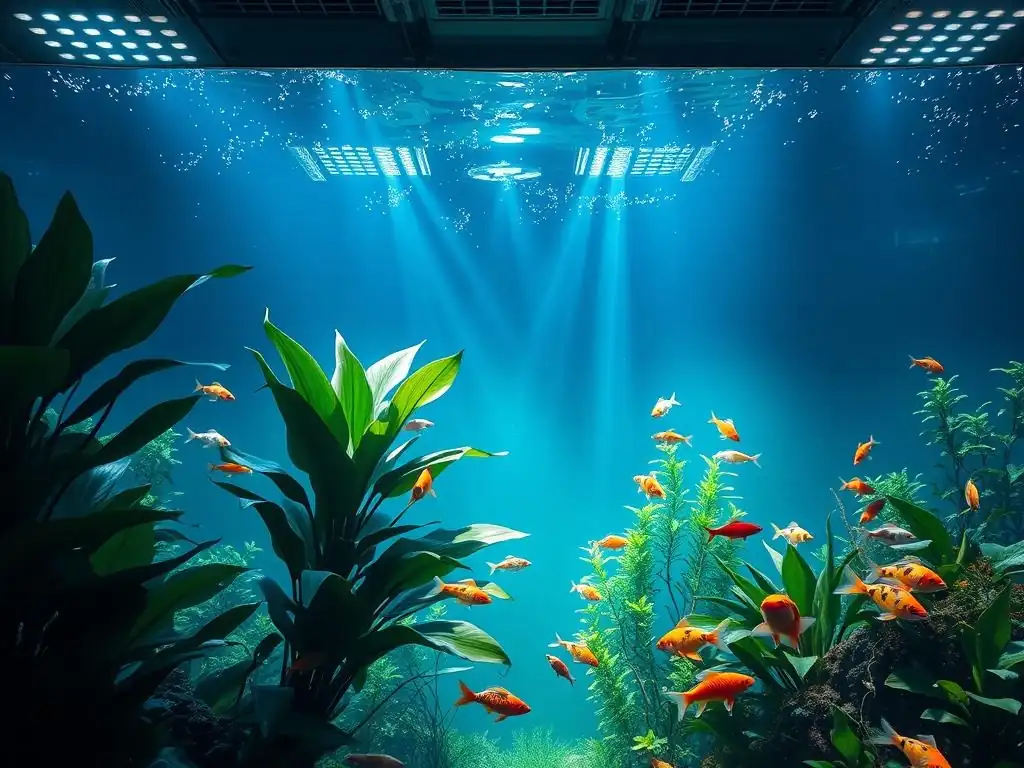
Welcome to Aquarium Mastery!
Ever wondered if your sparkling aquarium water is truly as safe as it looks? Dive in with us as we unravel the mysteries of nitrogen, focusing specifically on achieving and maintaining safe nitrate levels in your aquarium. From understanding the nitrogen cycle to mastering practical management strategies, we're here to help you keep your aquatic friends thriving. Ready to learn how to keep your tank in the sweet spot? Let's get started!
- Nitrate Management Strategies: Maintaining a Healthy Aquarium Ecosystem
- Understanding Nitrate in Aquariums
- Safe Nitrate Levels in Aquariums
- Nitrate Testing: Monitoring Aquarium Nitrate Levels
- Nitrate Reduction Strategies
- Maintaining Low Nitrate Levels: Long-Term Strategies
- Troubleshooting High Nitrate Levels
- Conclusion: Mastering Nitrate Management
- Frequently Asked Questions
- Final Reflection: Navigating the Delicate Balance of Aquatic Life
- Transform Your Tank: Conquer Nitrate Chaos!
Nitrate Management Strategies: Maintaining a Healthy Aquarium Ecosystem
Understanding Nitrate in Aquariums
What are Nitrates and Why are They Important?
Nitrates are the final, and generally least toxic, compound produced during the crucial nitrogen cycle in an aquarium. They are the result of beneficial bacteria converting harmful nitrites into a less dangerous form. While significantly less lethal than their predecessors, ammonia and nitrite, nitrates are not harmless. Their accumulation in aquarium water serves as a key indicator of overall water quality and the efficiency of the biological filtration system. Effective management of these compounds is paramount for maintaining a thriving aquatic environment.
The importance of monitoring and controlling nitrates lies in their cumulative effect on aquatic life. Even at seemingly low concentrations, prolonged exposure to elevated nitrate levels can lead to chronic stress, weakened immune systems, stunted growth, and increased susceptibility to diseases in fish and invertebrates. For planted aquariums, while plants consume nitrates, excessively high levels can still contribute to unwanted algae blooms, disrupting the aesthetic balance and outcompeting desirable plant growth. Therefore, establishing and maintaining safe nitrate levels aquarium is a continuous effort essential for long-term aquatic health.
The Nitrogen Cycle and Nitrate Production
The nitrogen cycle is the cornerstone of a healthy aquarium, a natural biological process that converts toxic waste products into less harmful substances. This cycle begins with ammonia (NH3), produced from fish waste, uneaten food, and decaying organic matter. Highly toxic, ammonia is rapidly converted by a specific group of beneficial bacteria, primarily Nitrosomonas, into nitrite (NO2-). Nitrite, though less toxic than ammonia, is still extremely dangerous to aquatic life as it impairs the blood's ability to carry oxygen.
The final stage of this vital cycle involves another group of beneficial bacteria, predominantly Nitrobacter, which oxidize nitrites into nitrates (NO3-). Nitrates are the end-product of this bacterial conversion and accumulate in the aquarium water over time because, unlike ammonia and nitrite, there isn't a readily available bacterial process within typical aquarium setups to break them down further into inert nitrogen gas. This accumulation necessitates active management strategies to keep nitrate levels within a safe range, thus ensuring the well-being of the tank inhabitants.
Nitrite vs. Nitrate: Key Differences
While both nitrite and nitrate are products of the nitrogen cycle, their chemical properties and physiological effects on aquatic life differ significantly, particularly in their toxicity. Nitrite (NO2-) is acutely toxic; it directly interferes with a fish's ability to absorb oxygen by binding to hemoglobin in the blood, forming methemoglobin. This condition, often referred to as "brown blood disease," suffocates fish even in oxygen-rich water, leading to rapid death if concentrations are high. Symptoms include gasping at the surface, rapid gill movement, and lethargy.
In contrast, nitrate (NO3-) is far less acutely toxic. Its effects are typically chronic, manifesting over time rather than immediately. High nitrate levels act as a persistent stressor, gradually weakening the immune system of fish, making them more vulnerable to infections, fin rot, and other diseases.
Long-term exposure to elevated nitrates can also inhibit growth, reduce breeding success, and dull fish coloration. While a sudden spike in nitrite can decimate an entire tank overnight, high nitrate levels typically lead to a slow decline in fish health and overall aquarium vitality, underscoring the need for consistent monitoring to maintain safe nitrate levels aquarium.
Safe Nitrate Levels in Aquariums
Defining "Safe" Nitrate Levels
Defining "safe" nitrate levels in an aquarium is not a one-size-fits-all answer, as the ideal range can vary significantly based on the specific inhabitants and type of aquatic ecosystem being maintained. For most standard freshwater community aquariums, a nitrate concentration of 20 parts per million (ppm) or below is generally considered safe and acceptable.
However, for more sensitive freshwater species, such as Discus or certain dwarf shrimp, or for almost all saltwater reef tanks containing corals and delicate invertebrates, the target nitrate level should ideally be much lower, often aiming for under 10 ppm, and ideally closer to 0-5 ppm for highly sensitive reef systems.
The emphasis should always be on consistency and stability rather than fluctuating wildly between high and low readings. While fish can tolerate brief spikes, prolonged exposure to levels exceeding these guidelines can lead to cumulative stress and health issues. Regular testing is crucial to establish a baseline and identify trends, allowing aquarists to proactively implement nitrate management strategies before levels become problematic. Maintaining these safe nitrate levels aquarium is a key indicator of a well-balanced and thriving aquatic environment.
Factors Influencing Safe Nitrate Levels
Several crucial factors influence what constitutes a "safe" nitrate level for a particular aquarium. Foremost among these is the sensitivity of the aquatic species housed within the tank. For instance, robust livebearers like guppies or mollies can often tolerate nitrate levels up to 40 ppm without immediate signs of distress, whereas delicate species such as Discus, many types of shrimp (e.g., Caridina species), or most saltwater corals (SPS corals in particular) require nitrate concentrations to be consistently below 10 ppm, often striving for near-zero levels. The physiological stress caused by nitrates varies greatly between species, making species-specific research vital.
Another significant factor is the type of aquarium itself. Heavily planted freshwater tanks can naturally process higher amounts of nitrates due to plant uptake, potentially allowing for slightly higher acceptable levels if the plants are thriving. In contrast, fish-only saltwater tanks or reef tanks with extensive coral populations have very low tolerance for nitrates, as even moderate levels can inhibit coral growth, cause tissue necrosis, or promote nuisance algae.
The overall bioload – the total amount of waste produced by the tank's inhabitants – also directly impacts nitrate production. A densely stocked tank with many large fish will produce nitrates much faster than a sparsely stocked tank of similar size, necessitating more aggressive nitrate control measures to maintain safe nitrate levels aquarium.
Harmful Effects of High Nitrate Levels
While nitrates are the least toxic compound in the nitrogen cycle, their accumulation to high levels in an aquarium can have a range of detrimental effects on aquatic life. Chronic exposure to elevated nitrate concentrations acts as a persistent stressor on fish, gradually weakening their immune systems. This compromised immunity makes them far more susceptible to common aquarium diseases such as Ich (white spot disease), fin rot, bacterial infections, and fungal issues, even if the water parameters for other compounds like ammonia and nitrite are perfect. Fish may appear lethargic, exhibit clamped fins, or lose their vibrant coloration.
Beyond disease susceptibility, high nitrate levels can also lead to stunted growth in juvenile fish and significantly reduce breeding success in many species. For invertebrates like freshwater shrimp or saltwater corals, the impact can be even more severe. High nitrates can inhibit coral calcification, leading to slow growth or even tissue recession and bleaching.
In freshwater planted tanks, while plants consume nitrates, excessive levels often fuel explosive blooms of undesirable algae, such as hair algae or black beard algae, which compete with and smother desirable aquatic plants, disrupting the tank's aesthetic and ecological balance. Maintaining safe nitrate levels aquarium is therefore not just about preventing immediate fatalities, but about ensuring long-term health, vitality, and successful propagation of all aquarium inhabitants.
Nitrate Testing: Monitoring Aquarium Nitrate Levels
Selecting a Nitrate Test Kit
Accurate measurement of aquarium nitrate levels is the cornerstone of effective nitrate management. When selecting a nitrate test kit, aquarists primarily choose between two main types: liquid reagent kits and test strips. Liquid reagent kits, such as those offered by API, Salifert, or Red Sea, are generally considered the gold standard for accuracy and reliability.
They involve a multi-step chemical reaction that produces a color change, which is then compared to a color chart to determine the nitrate concentration in parts per million (ppm). While these kits require a bit more time and attention to detail, their precision is invaluable for sensitive aquariums and troubleshooting.
Conversely, test strips offer convenience and speed. These small strips are dipped into the aquarium water, and a color change on the strip indicates the nitrate level.
While quick and easy to use, test strips are typically less accurate than liquid reagent kits, often providing a broader range rather than a precise reading. They can be useful for quick, routine checks to ensure levels aren't critically high, but for detailed monitoring, especially in new tanks or those with delicate inhabitants, the investment in a reliable liquid reagent kit is highly recommended to ensure you're consistently monitoring safe nitrate levels aquarium.
Performing a Nitrate Test
Performing a nitrate test with a liquid reagent kit, the most reliable method, generally involves a few precise steps that must be followed according to the manufacturer's instructions. Typically, you will collect a water sample from your aquarium using the provided test tube. Then, a series of liquid reagents are added to the sample, often requiring specific numbers of drops and precise shaking or mixing intervals. For instance, many kits require shaking reagent bottle #2 vigorously for 30 seconds before adding it, and then shaking the test tube for a minute or more after adding all reagents.
After the reagents are added and mixed, a specific waiting period is usually required for the chemical reaction to complete and the color to fully develop. This waiting time can vary, commonly ranging from 5 to 10 minutes. Once the waiting period is over, the color of the water sample in the test tube is compared against a color chart provided with the kit. It is crucial to read the instructions for your specific kit carefully, as deviations in timing, shaking, or reagent amounts can lead to inaccurate results, hindering your ability to maintain safe nitrate levels aquarium effectively.
Interpreting Nitrate Test Results
Interpreting nitrate test results involves comparing the color of your developed water sample to the color chart provided with your test kit. Each color on the chart corresponds to a specific nitrate concentration, usually expressed in parts per million (ppm). For most freshwater community tanks, a reading of 0-20 ppm is considered ideal. If your result falls between 20-40 ppm, it indicates that nitrate levels are elevated and management strategies, such as a water change, should be considered soon. Readings consistently above 40 ppm signify dangerously high nitrate levels, necessitating immediate and significant intervention to protect your aquatic inhabitants.
For sensitive freshwater species, planted tanks, or saltwater reef systems, the target levels are much lower, often aiming for 0-10 ppm, with many reef aquarists striving for undetectable levels (0-5 ppm) for optimal coral health. If your test results indicate higher than desired levels, it's a clear signal that your current nitrate management strategies are insufficient or that new issues (like overfeeding or overstocking) are contributing to excess nitrate production.
Consistent monitoring and accurate interpretation of these results empower you to make informed decisions and take proactive steps to maintain safe nitrate levels aquarium, preventing long-term health issues for your aquatic life.
Nitrate Reduction Strategies
Water Changes for Nitrate Control
Regular partial water changes are arguably the most fundamental and effective method for reducing nitrate levels in an aquarium. This strategy works by physically removing a portion of the nitrate-laden water and replacing it with fresh, nitrate-free (or very low-nitrate) water. For most established community aquariums, a weekly or bi-weekly water change of 25-30% of the tank volume is a common recommendation to keep nitrate levels in check. For tanks with higher bioloads or more sensitive inhabitants, more frequent or larger water changes might be necessary to maintain safe nitrate levels aquarium.
When performing water changes, it is crucial to use dechlorinated water that is temperature-matched to the aquarium to avoid shocking the fish. Using a reliable water conditioner that neutralizes chlorine, chloramines, and heavy metals is essential. While water changes effectively dilute nitrates, they also replenish essential trace elements and minerals that are depleted over time. This dual benefit makes partial water changes an indispensable part of any aquarium maintenance routine, providing consistent nitrate control and overall water quality improvement.
Planted Aquariums: Natural Nitrate Consumption
Heavily planted aquariums offer a highly effective and natural method for nitrate consumption, leveraging the biological processes of aquatic plants. Plants utilize nitrates as a primary nutrient source for their growth, absorbing these compounds directly from the water column. The more plants present and the faster they grow, the more nitrates they will assimilate, effectively acting as a biological filter that removes this end-product of the nitrogen cycle. This natural uptake can significantly reduce the need for frequent large water changes, especially in freshwater setups.
Integrating a dense array of fast-growing aquatic plants can dramatically help maintain safe nitrate levels aquarium. Plants not only consume nitrates but also compete with undesirable algae for these nutrients, helping to keep nuisance algae blooms at bay. Furthermore, a thriving plant ecosystem contributes to overall water quality by oxygenating the water and providing shelter and a more natural environment for fish.
Best Plants for Nitrate Removal
When selecting plants for nitrate removal, focus on fast-growing species that readily absorb nutrients from the water column. Hornwort ( Ceratophyllum demersum) is an excellent choice; it grows rapidly, can be floated or planted, and is highly efficient at nutrient uptake, capable of absorbing nitrates at rates of up to 5-10 ppm per week in optimal conditions. Another top performer is Water Wisteria ( Hygrophila difformis), which boasts vigorous growth and robust nitrate consumption, thriving in a wide range of water parameters.
Floating plants like Water Lettuce ( Pistia stratiotes) and Frogbit ( Limnobema laevigatum) are exceptionally effective due to their direct access to atmospheric CO2 and light, allowing for extremely rapid growth and nutrient absorption. Similarly, Anacharis ( Egeria densa) and various stem plants like Rotala species also exhibit strong nitrate uptake. For tanks where rooting plants are not ideal, placing terrestrial plants like Pothos ( Epipremnum aureum) or Philodendron with their roots submerged in the filter or sump can also act as powerful nitrate sponges, drawing significant amounts of nitrates from the water.
Denitrification: Anaerobic Nitrate Removal
Denitrification is an advanced biological process that converts nitrates back into harmless nitrogen gas (N2), which then safely escapes into the atmosphere. This process is carried out by anaerobic bacteria that thrive in oxygen-deprived environments, utilizing nitrate as an oxygen source for their metabolic activities. While highly effective, establishing stable and efficient anaerobic zones within a typical aquarium can be challenging, as too little oxygen can lead to the production of toxic hydrogen sulfide, and too much oxygen will prevent denitrification altogether.
Successful denitrification relies on creating specific conditions where oxygen levels are extremely low, typically found in deep substrate layers or specialized equipment. This method is particularly popular in saltwater reef aquariums where maintaining extremely low nitrate levels is critical for coral health. When implemented correctly, denitrification provides a powerful, long-term solution for maintaining safe nitrate levels aquarium by removing them from the water column entirely, rather than just diluting them.
Deep Sand Beds (DSB)
Deep Sand Beds (DSBs) are a common method for achieving denitrification, particularly in saltwater reef aquariums. A DSB typically consists of a layer of fine sand, usually 4 to 6 inches (approximately 10-15 cm) deep or more, which creates an anaerobic zone within its lower layers. As water slowly percolates through the sand bed, oxygen is consumed in the upper layers, leading to oxygen depletion in the deeper sections. Here, anaerobic bacteria colonize and convert nitrates into nitrogen gas, which then bubbles out of the sand and into the atmosphere.
The effectiveness of a DSB relies on its depth and the proper grain size of the sand to ensure adequate, but not excessive, water flow. While a natural and effective way to manage nitrates, DSBs require careful setup and can become problematic if disturbed, potentially releasing trapped detritus or sulfur. However, for a well-established DSB, it offers a sustainable biological solution for maintaining extremely low, safe nitrate levels aquarium, mimicking natural marine environments.
Denitrators
Denitrators are specialized pieces of aquarium equipment designed to facilitate anaerobic denitrification in a controlled environment, making them an effective tool for managing high nitrate levels, particularly in saltwater and heavily stocked freshwater tanks. These units typically consist of a sealed chamber or reactor where water flow is restricted to create an oxygen-deprived environment. A carbon source, such as denitrator media or a liquid carbon supplement, is often dosed into the chamber to fuel the anaerobic bacteria responsible for converting nitrates into nitrogen gas.
Commercial denitrators range from simple passive coil designs to more complex recirculating or sulfur-based reactors. They provide a reliable and consistent method for nitrate removal without relying on extensive substrate layers within the main display tank. While they require careful monitoring and adjustment to prevent the production of undesirable byproducts, successful implementation of a denitrator can significantly contribute to maintaining consistently low and safe nitrate levels aquarium, reducing the reliance on frequent large water changes.
Chemical Filtration: Nitrate Absorbing Resins

Chemical filtration media, specifically nitrate-absorbing resins, offer an effective way to remove nitrates from aquarium water through processes like ion exchange or adsorption. These media are typically placed within a filter (canister, hang-on-back, or sump) and work by binding to nitrate ions as water passes through them. While they provide a rapid and direct method of nitrate reduction, they are generally considered a supplementary tool rather than a primary solution, best used for temporary spikes or as an ongoing aid in conjunction with other nitrate management strategies.
The effectiveness and lifespan of these resins vary, with some being disposable after they become saturated and others being rechargeable (regenerable) using a saltwater solution. It's crucial to follow manufacturer instructions for placement and regeneration to maximize their efficiency. These resins are particularly useful in situations where biological filtration is still maturing, or when dealing with persistent high nitrate issues that other methods struggle to fully control, helping to achieve safe nitrate levels aquarium.
Types and Considerations for Nitrate Removing Resins
Several types of nitrate-removing resins are available, each with its own mechanism and application. Ion-exchange resins, such as those often found in multi-purpose filter pads, work by exchanging nitrate ions for other less harmful ions, like chloride. These typically have a finite capacity and need to be replaced once saturated. Adsorbent resins, like certain specialized polymer beads (e.g., Seachem Purigen, although Purigen removes organic waste before it becomes nitrate, it indirectly helps), physically bind to organic compounds and nitrates, effectively locking them away. Some brands offer dedicated nitrate-specific resins designed for high-capacity removal.
When considering these resins, it's important to understand their limitations. They do not address the root cause of nitrate production (e.g., overfeeding, overstocking) and merely remove the symptom. While effective for short-term control or as a booster for existing systems, relying solely on them can mask underlying issues. Regenerable resins can be cost-effective long-term but require careful handling of chemicals. Always monitor your safe nitrate levels aquarium regularly when using these products to ensure they are performing as expected and to determine when replacement or regeneration is necessary.
Feeding Practices: Reducing Nitrate Production
One of the most significant yet often overlooked aspects of nitrate management lies in diligent feeding practices. The amount and type of food introduced into an aquarium directly correlate with the amount of organic waste produced, which in turn fuels the nitrogen cycle and nitrate production. By optimizing feeding habits, aquarists can proactively reduce the initial load of ammonia and nitrite, thereby minimizing the subsequent accumulation of nitrates. This preventative approach is fundamental to maintaining stable and safe nitrate levels aquarium.
Unconsumed food, along with fish waste, rapidly breaks down into ammonia, which then converts to nitrite and finally nitrate. Therefore, controlling what and how much goes into the tank is a powerful first line of defense against escalating nitrate levels. This strategy is not only beneficial for water quality but also for the long-term health and vitality of the fish, preventing issues related to overfeeding such as digestive problems and obesity.
Avoiding Overfeeding
Overfeeding is a primary contributor to high nitrate levels in aquariums. When fish are given more food than they can consume within a few minutes, the excess settles on the substrate or decor, where it begins to decompose. This decaying organic matter rapidly releases ammonia, which then progresses through the nitrogen cycle to become nitrite and eventually nitrate. A common rule of thumb is to feed only what your fish can consume entirely within 2-3 minutes, twice a day. For bottom feeders, ensure food reaches them without being consumed by surface feeders.
Instead of one large meal, consider feeding smaller portions multiple times throughout the day, especially for species with high metabolisms or those that graze continuously. This ensures that most of the food is consumed, minimizing waste. Regularly observing your fish during feeding will help you fine-tune the appropriate amount, preventing the accumulation of uneaten food and significantly reducing the bioload, thus making it much easier to maintain safe nitrate levels aquarium.
Choosing Low-Nitrate Fish Food
The quality and composition of fish food also play a crucial role in nitrate production. Low-quality foods often contain excessive fillers, binders, and indigestible ingredients that pass through the fish's digestive system largely unchanged, resulting in more waste. This increased waste directly translates to higher ammonia production and, consequently, higher nitrate accumulation in the aquarium water. Opting for premium fish foods that are highly digestible can significantly reduce the amount of waste produced by your fish.
Look for fish foods with high-quality protein sources, balanced nutrients, and minimal fillers. Foods specifically formulated for low waste production or those with a higher percentage of digestible ingredients will contribute less to the overall bioload. While these foods might be slightly more expensive upfront, the long-term benefits of cleaner water and healthier fish, along with reduced effort in maintaining safe nitrate levels aquarium, often outweigh the initial cost difference.
Maintaining Low Nitrate Levels: Long-Term Strategies
Regular Water Changes
Regular water changes are not merely a reactive measure to high nitrate levels but a fundamental, proactive long-term strategy for maintaining a stable and healthy aquarium ecosystem. Establishing a consistent schedule for partial water changes, typically 25-30% of the tank volume every one to two weeks, forms the bedrock of effective nitrate management. This routine actively removes accumulated nitrates, diluting their concentration before they can reach harmful levels. It also helps replenish essential trace elements and minerals that are naturally depleted over time, benefiting both fish and plants.
The consistency of this practice is key. Skipping water changes, even for a short period, can lead to a gradual but steady increase in nitrates, putting undue stress on your aquatic inhabitants. By making regular water changes a non-negotiable part of your maintenance routine, you ensure that safe nitrate levels aquarium are consistently maintained, promoting robust fish health, vibrant plant growth, and a generally more resilient aquarium environment that can better withstand minor fluctuations.
Optimizing Filtration
Optimizing your aquarium's filtration system is a crucial long-term strategy for nitrate control, encompassing mechanical, biological, and potentially chemical filtration. Mechanical filtration, through filter floss or sponges, removes solid waste particles before they can decompose and contribute to the nitrogen cycle. Regular cleaning or replacement of these mechanical media prevents the breakdown of trapped detritus into ammonia and subsequently nitrates, directly reducing the overall bioload.
Biological filtration is paramount, as it houses the beneficial bacteria that convert ammonia to nitrite and nitrite to nitrate. Ensuring ample surface area for these bacteria to colonize, through high-quality bio-media like ceramic rings, bio-balls, or porous rock, is essential for an efficient nitrogen cycle. While biological filtration produces nitrates, an optimized system ensures that harmful ammonia and nitrite are rapidly processed.
Furthermore, some highly porous biological media, like certain sintered glass or ceramic media, can develop anaerobic zones internally, facilitating some degree of denitrification and further contributing to maintaining safe nitrate levels aquarium. Regular cleaning of filter components, without sterilizing the biological media, ensures optimal flow and bacterial efficiency.
Avoiding Overcrowding
One of the most direct and impactful long-term strategies for maintaining low nitrate levels is to prevent overcrowding. The number of fish and other aquatic inhabitants in an aquarium directly correlates with the amount of waste produced, which in turn dictates the rate of nitrate accumulation. A tank that is overstocked will inevitably experience a rapid buildup of organic waste and, consequently, nitrates, even with diligent feeding and water changes. This creates a perpetually stressed environment where maintaining safe nitrate levels aquarium becomes an uphill battle.
General stocking guidelines, such as the "one inch of fish per gallon" rule for freshwater tanks (though this is a very rough guide and varies greatly by species and tank shape), provide a starting point. However, it's more accurate to consider the adult size of the fish, their territorial needs, and their bioload contribution.
For instance, a single Goldfish, despite its small size when purchased, can produce as much waste as several smaller tropical fish. By carefully planning your stocking levels and resisting the urge to add too many fish, you significantly reduce the overall bioload, making it much easier for your filtration system and maintenance routine to keep nitrate levels within a healthy, manageable range.
Troubleshooting High Nitrate Levels
Common Causes of Elevated Nitrate
When nitrate levels unexpectedly rise in an aquarium, it's crucial to identify the root cause to implement effective solutions. One of the most prevalent reasons is overfeeding, where uneaten food decays and contributes to the bioload, leading to increased ammonia and subsequent nitrate production. Similarly, overstocking the aquarium with too many fish for its size or filtration capacity directly results in an excessive amount of fish waste, overwhelming the nitrogen cycle and causing nitrates to accumulate rapidly.
Insufficient or infrequent water changes are another major culprit. If water changes are not performed regularly or are too small in volume, nitrates will simply build up over time, as they are not effectively removed from the system. Inadequate filtration, whether due to a lack of sufficient biological media to process ammonia and nitrite, or mechanical filter media becoming clogged and allowing detritus to decompose, can also lead to elevated nitrates.
Finally, decaying organic matter such as dead fish, dying plants, or excessive detritus accumulation in the substrate can continuously release ammonia, fueling nitrate production. Even the tap water used for water changes can sometimes contain measurable levels of nitrates, especially in agricultural areas, contributing to the problem before it even enters the tank.
Addressing Specific Scenarios
Addressing high nitrate levels often requires a tailored approach based on the specific scenario. If you experience a sudden spike in nitrates after adding new fish or a significant change to the tank, it's likely due to an increased bioload or a temporary disruption to the beneficial bacteria. In this case, perform a 25-50% water change immediately to dilute the nitrates, and then monitor levels daily, performing smaller (10-20%) water changes every other day until levels stabilize. Avoid adding more fish during this period and reduce feeding slightly.
For persistent high nitrate levels despite regular water changes, a more comprehensive review of your entire aquarium setup and maintenance routine is necessary. Re-evaluate your feeding habits to ensure no food is left uneaten. Assess your stocking levels against your tank size and filtration capacity, considering if the tank is truly overstocked.
Inspect your filter media to ensure biological media is not clogged and mechanical media is being cleaned or replaced regularly. Also, test your tap water for nitrates; if it contains significant levels, you may need to consider alternative water sources like RO/DI water or specialized nitrate-removing filters for your tap water before use. Diligent investigation and systematic adjustments are key to achieving safe nitrate levels aquarium long-term.
Seeking Expert Advice
While many nitrate issues can be resolved with diligent maintenance and troubleshooting, there are times when seeking expert advice becomes invaluable. If you've exhausted common solutions – such as increased water changes, reduced feeding, and filter optimization – yet still struggle to maintain safe nitrate levels aquarium, it's a good time to consult with experienced aquarists. Local fish stores with knowledgeable staff can often provide practical advice, recommend specialized products, or even test your water with more advanced equipment.
Online aquarium forums and dedicated aquarist communities are also excellent resources. When seeking advice, be prepared to provide detailed information about your tank, including its size, inhabitants, filtration type, current water parameters (ammonia, nitrite, nitrate, pH, temperature), and your current maintenance routine. The more specific information you can offer, the better equipped experts will be to diagnose the problem and offer targeted solutions. Professional aquarium maintenance services can also provide on-site diagnostics and solutions for particularly challenging or complex nitrate issues.
Conclusion: Mastering Nitrate Management
Mastering nitrate management is not just about reacting to high readings; it's about understanding the intricate balance of your aquarium ecosystem and implementing proactive, consistent strategies. From comprehending the nitrogen cycle and the critical role of beneficial bacteria to diligently monitoring water parameters, every step contributes to maintaining safe nitrate levels aquarium. Regular partial water changes remain the cornerstone of this effort, providing a simple yet highly effective means of dilution and replenishment.
Beyond water changes, integrating live plants, optimizing filtration, adopting responsible feeding practices, and avoiding overcrowding are all vital components of a holistic nitrate control plan. For more challenging scenarios, advanced techniques like denitrification or the strategic use of chemical media can provide additional support. By embracing these diverse strategies and committing to a routine of careful observation and consistent maintenance, aquarists can ensure a stable, healthy, and thriving environment where their aquatic inhabitants can truly flourish, free from the chronic stress associated with elevated nitrates.
Frequently Asked Questions
What are safe nitrate levels for an aquarium?
Generally, safe nitrate levels in a freshwater aquarium are below 20 ppm. For saltwater aquariums, the goal is typically below 10 ppm, and even lower for reef tanks.
Why are high nitrate levels harmful to fish?
High nitrate levels can lead to stress in fish, making them more susceptible to disease. They can also inhibit growth and negatively impact breeding.
How can I lower high nitrate levels in my aquarium?
Regular water changes are the most effective way to lower high nitrate levels. Other methods include using denitrifying filters or adding live plants.
What role do live plants play in managing nitrate levels?
Live plants absorb nitrates as a nutrient, helping to naturally reduce their concentration in the water. This contributes to a healthier aquarium environment.
How often should I test my aquarium water for nitrates?
Testing for nitrates weekly is recommended, especially when establishing a new aquarium. This allows you to monitor and maintain safe nitrate levels, preventing problems before they arise.
The journey through nitrate management strategies underscores the critical importance of maintaining safe nitrate levels in aquariums for the well-being of aquatic ecosystems. As we've explored various methods, from diligent water changes to advanced denitrification techniques, it's clear that proactive and informed management is paramount to preventing the detrimental effects of nitrate buildup and ensuring a thriving environment for our finned friends. The delicate balance within a closed aquarium system demands constant vigilance and a deep understanding of the nitrogen cycle.
This topic has profoundly influenced how we perceive our role as custodians of these miniature aquatic worlds. It's a constant reminder that even seemingly small actions can have significant consequences, highlighting the interconnectedness of all living things within the aquarium. The health of an aquarium is a direct reflection of the aquarist's understanding and dedication.
This quote perfectly encapsulates the responsibility we bear in creating and maintaining a healthy, balanced ecosystem, where nitrate levels remain within the safe zone, allowing life to flourish.
Now, consider how you can apply these principles beyond the glass walls of your aquarium. Reflect on the broader implications of responsible resource management and the importance of maintaining balance in all aspects of life. Let this knowledge inspire you to be a more conscious and proactive steward of the environment, both within your home and in the world around you. By embracing a mindset of mindful management, you can contribute to a healthier and more sustainable future for all.
Transform Your Tank: Conquer Nitrate Chaos!
Thanks for diving into the world of nitrate management! Hopefully, you’ve discovered some practical strategies to keep your aquarium thriving. Now, it's time to put that knowledge into action.
Here’s what you can do:
- Test your aquarium water TODAY and honestly assess your current nitrate levels. Don't wait – a healthy tank starts with accurate data.
- Explore unconventional nitrate reduction methods:Consider incorporating aquatic plants known for their high nitrate uptake, or research the benefits of deep sand beds for denitrification.
- Share your success stories (and struggles!) with other aquarists. Helping each other is the cornerstone of the aquarium-keeping community.
What unexpected challenge are you facing with nitrate control, and what creative solution are you considering next?