
Caridina Shrimp Genetics: An Introduction for Aspiring Breeders

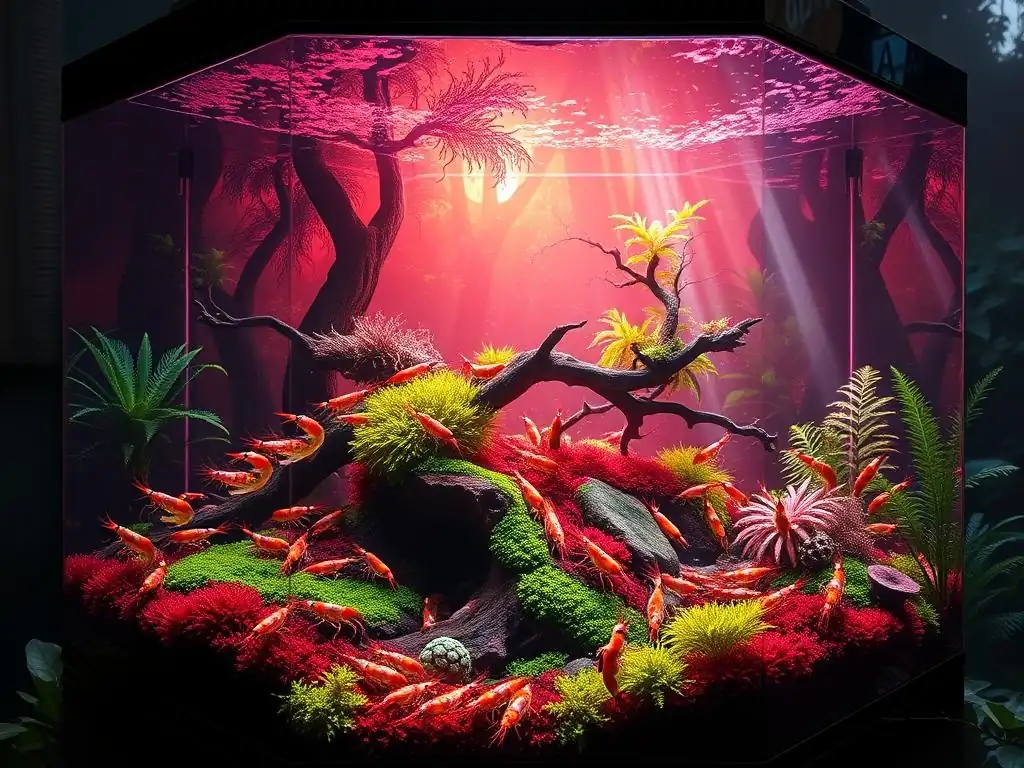
Welcome to Aquarium Mastery!
Ever wondered how to unlock the secrets of Caridina shrimp breeding and create vibrant, healthy colonies? This is where your journey begins! Dive into our in-depth guide on Caridina shrimp genetics, and discover the fascinating world of selective breeding, color morphs, and everything you need to know to become a successful shrimp keeper. Ready to unravel the mysteries and master the art of shrimp breeding? Let's get started!
- Understanding Caridina Shrimp Genetics for Successful Breeding
- Caridina Shrimp Species and Genetic Diversity
- Key Genetic Traits in Caridina Shrimp
- Selective Breeding for Enhanced Caridina Shrimp Traits
- Understanding Caridina Shrimp Genetic Mutations
- Breeding Techniques for Specific Caridina Shrimp Traits
- Advanced Caridina Shrimp Genetics: Exploring Hybrids and Crossbreeding
- Tools and Resources for Caridina Shrimp Genetics
- Avoiding Common Mistakes in Caridina Shrimp Breeding Programs
- Conclusion: Mastering Caridina Shrimp Genetics for Long-Term Success
-
Frequently Asked Questions
- How difficult is it to breed Caridina shrimp, especially for beginners?
- What are the most important water parameters to monitor when breeding Caridina shrimp?
- What is the significance of genetics in Caridina shrimp breeding?
- How long does it typically take for Caridina shrimp to breed and for the shrimplets to hatch?
- What are some common problems that can arise during Caridina shrimp breeding, and how can I troubleshoot them?
- Final Reflection: Unlocking the Secrets of Caridina
- Unlock Your Shrimp Breeding Potential!
Understanding Caridina Shrimp Genetics for Successful Breeding
Why Understanding Genetics is Crucial for Caridina Shrimp Breeders
For any aspiring Caridina shrimp breeder, a foundational understanding of genetics is not merely beneficial; it is absolutely crucial for long-term success and the development of stable, vibrant colonies. Without this knowledge, breeding efforts often devolve into unpredictable outcomes, leading to frustration and a high culling rate.
Unlike simply keeping shrimp alive, breeding involves intentionally guiding the propagation of specific traits, whether it's the intense coloration of a Crystal Red Shrimp (CRS) or the intricate patterns of a Pinto. A comprehensive Caridina shrimp breeding guide must emphasize that successful breeding transcends basic husbandry, requiring a strategic approach rooted in genetic principles to predict offspring traits and avoid common pitfalls.
Moreover, genetic understanding enables breeders to proactively address potential issues like inbreeding depression, which can manifest as reduced fertility, smaller size, and decreased vitality in subsequent generations. For instance, maintaining the striking white and red patterns of a high-grade CRS line, like a SSS-grade, requires careful selection and an understanding of how genes for color and pattern are inherited and expressed.
Breeders who grasp these concepts can establish stable lines that consistently produce high-quality offspring, enhancing the value and health of their colonies. This strategic foresight is a cornerstone of any effective Caridina shrimp breeding guide, moving beyond simple reproduction to intentional genetic management.
The Basics of Caridina Shrimp Inheritance: Genes and Phenotypes
At the heart of Caridina shrimp genetics are genes and phenotypes, fundamental concepts for any aspiring breeder. Genes are the specific sequences of DNA located on chromosomes, acting as the instruction manual for all the shrimp's characteristics. For example, a particular gene might dictate whether a shrimp expresses red pigment or black pigment.
The phenotype, conversely, is the observable expression of these genes – what you actually see. If a shrimp has genes that code for a vibrant red color, its phenotype will be a red shrimp. Understanding this distinction is vital because a shrimp's appearance (phenotype) doesn't always reveal its full genetic makeup (genotype), especially if it carries recessive genes.
Caridina shrimp inherit genes from both parents, with each parent contributing one allele for each gene. These alleles can be dominant or recessive. A dominant allele will express its trait even if only one copy is present, while a recessive allele only expresses its trait if two copies are present (one from each parent).
For example, in some Caridina species, a gene for a solid color might be dominant over a gene for a patterned appearance. If a shrimp inherits one dominant allele for solid color and one recessive allele for pattern, it will appear solid-colored but can still pass on the recessive pattern gene to its offspring. This knowledge is paramount when following a detailed Caridina shrimp breeding guide, as it allows breeders to anticipate the potential diversity of traits in their fry and plan pairings to achieve specific desired outcomes.
Caridina Shrimp Species and Genetic Diversity
Popular Caridina Shrimp Species for Breeding: A Genetic Overview
The world of Caridina shrimp offers a stunning array of species, each with unique genetic blueprints that contribute to their distinct appearances and characteristics. Among the most popular for breeding are the Caridina cantonensis varieties, which encompass the widely recognized Crystal Red Shrimp (CRS), Crystal Black Shrimp (CBS), and their various offspring like Taiwan Bees (e.g., King Kong, Panda, Red Wine). These species are prized for their intense coloration and intricate patterns, traits that are largely controlled by specific gene sets.
For instance, the red and white patterns in CRS are often linked to a series of recessive genes that, when combined correctly, produce the desired high-grade appearance. Understanding the genetic lineage of these C. cantonensis variants is a cornerstone for any serious Caridina shrimp breeding guide focused on color and pattern stability.
Beyond the Cantonensis group, other Caridina species like the Tiger Shrimp ( Caridina mariae or C. serrata) and Sulawesi Shrimp ( Caridina dennerli, C. spongicola, etc.) present different genetic challenges and opportunities. Tiger shrimp are known for their distinctive striped patterns, which are governed by a different set of genes compared to the solid color blocks of CRS.
Sulawesi shrimp, native to ancient lakes with unique water parameters, possess genetic adaptations for specific mineral compositions and higher temperatures, making their breeding distinct. Aspiring breeders must recognize that while general principles of inheritance apply across the genus, the specific genes responsible for color, pattern, and even environmental tolerances vary significantly between species, demanding a tailored approach for each in a comprehensive Caridina shrimp breeding guide.
Understanding Genetic Differences Between Caridina Species
The genetic divergence between various Caridina species is a critical factor for breeders, influencing everything from successful crossbreeding to maintaining pure lines. Species like Caridina cantonensis and Caridina mariae (Tiger Shrimp) are genetically distinct enough that while they can sometimes crossbreed, their offspring are often sterile or produce undesirable traits, underscoring the importance of understanding species-specific genetics.
This genetic incompatibility or limited fertility arises from differences in chromosome numbers or structures, preventing proper gene pairing during reproduction. A thorough Caridina shrimp breeding guide will always highlight these distinctions to prevent accidental hybridization that can dilute desirable traits or create unstable lines.
Furthermore, genetic differences extend beyond visible traits to more subtle physiological adaptations. For example, the genetic makeup of Sulawesi shrimp allows them to thrive in high-pH, high-temperature, and mineral-rich waters that would be fatal to most Caridina cantonensis varieties. This is due to specific gene expressions related to osmoregulation and mineral uptake.
Breeders aiming to work with multiple Caridina species must appreciate these underlying genetic variations, as they dictate not only the aesthetic outcomes of breeding but also the specific water parameters and care requirements for each species. Ignoring these genetic nuances can lead to compromised health and unsuccessful breeding endeavors, making genetic awareness an indispensable part of any practical Caridina shrimp breeding guide.
Key Genetic Traits in Caridina Shrimp
Color Genetics in Caridina Shrimp: Exploring the Color Palette
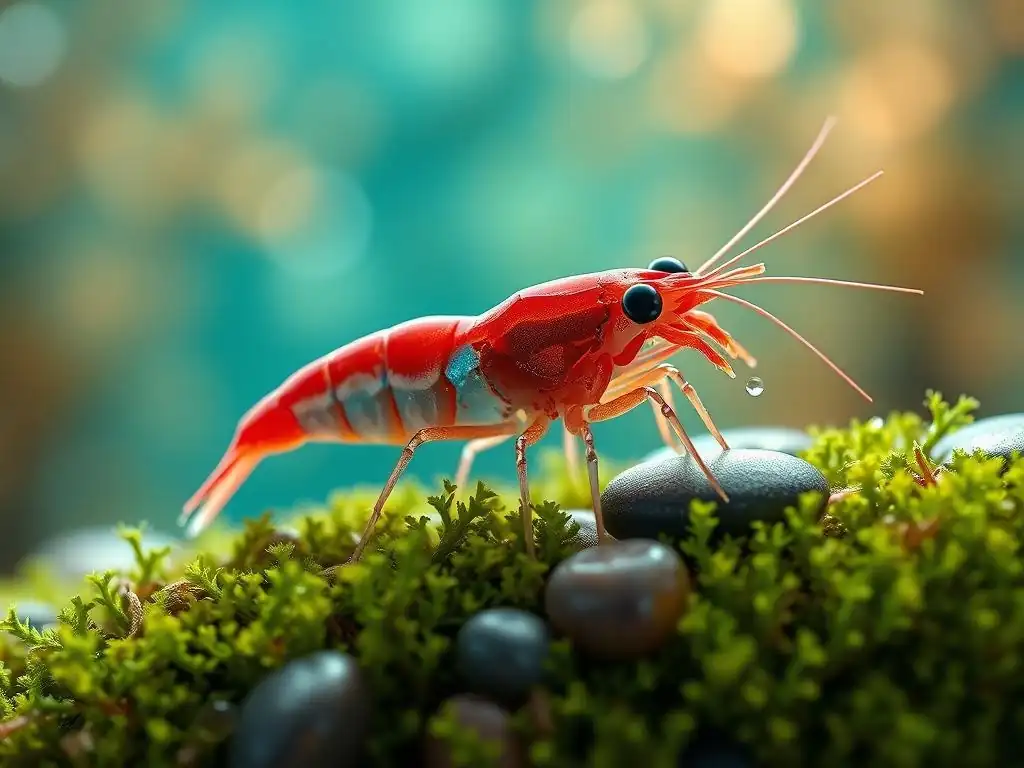
The vibrant and diverse color palette of Caridina shrimp is a primary draw for aquarists, and understanding its genetic basis is key to successful breeding. Coloration in shrimp is complex, often involving multiple genes that control the production, distribution, and expression of various pigments like carotenoids, pterins, and ommochromes. For instance, the striking red and white patterns seen in Crystal Red Shrimp (CRS) are not simply random; they are the result of specific recessive genes.
When two shrimp carrying these recessive genes are bred, there's a predictable probability of producing offspring with the desired color forms. A detailed Caridina shrimp breeding guide will often include Punnett squares or similar tools to help breeders visualize these probabilities for different color outcomes.
The intensity and stability of these colors are also genetically determined. Breeders often select for shrimp with dense, opaque coloration, indicating a strong genetic predisposition for pigment production. Conversely, translucent or faded colors can signify a weaker genetic line or environmental stressors. Through selective breeding, aquarists can enhance color intensity over generations by consistently choosing the most vibrant individuals for reproduction. This process requires a keen eye and diligent record-keeping to track the inheritance patterns of color genes, ensuring that a Caridina shrimp breeding guide focuses not just on producing color, but on improving it.
Red Color Variations in Caridina Shrimp: Genetics Explained
Red coloration in Caridina shrimp, particularly in popular varieties like Crystal Red Shrimp (CRS) and Red Rili, is primarily governed by genes that control the production and deposition of red pigments, often carotenoids. In CRS, the red and white pattern is typically a result of recessive genes that inhibit the expression of black or brown pigments in certain areas, allowing the underlying red and white to show through.
The intensity of this red is influenced by modifier genes and environmental factors, but the base color itself is genetically encoded. For instance, a high-grade CRS with deep, opaque red patches likely possesses a homozygous combination of specific recessive alleles responsible for this strong pigment expression.
Breeding for consistent red coloration involves careful selection. If a breeder aims for a deeper, more vibrant red, they would select parent shrimp that exhibit these traits most prominently. However, even within a single line, variations can occur due to heterozygous genes or the influence of polygenic traits (traits controlled by multiple genes). Understanding that different shades and opacities of red can be inherited allows breeders to refine their Caridina shrimp breeding guide strategy, aiming for specific red phenotypes while maintaining genetic diversity to avoid issues like "washed out" colors or reduced vitality.
Black Color Variations in Caridina Shrimp: Genetics Explained
Black coloration in Caridina shrimp, famously seen in Crystal Black Shrimp (CBS) and Black King Kongs, is also genetically determined, often involving the expression of ommochrome pigments. Similar to red, the black and white pattern in CBS is typically controlled by recessive genes that suppress other pigmentations, allowing the black and white to dominate. The depth and opacity of the black are crucial for high-grade specimens. A truly opaque black suggests a strong genetic predisposition for dense pigment production, indicating a homozygous state for the relevant genes.
Breeders working with black Caridina shrimp focus on selecting individuals with the deepest, most uniform black coverage. Genetic lines can vary significantly in their ability to produce intense black, with some lines prone to producing more translucent or brownish tones. This highlights the role of modifier genes that can enhance or diminish the primary black pigment expression. For a comprehensive Caridina shrimp breeding guide, understanding these genetic nuances is essential for improving black color intensity and maintaining the desired phenotype across generations, often requiring careful culling of less desirable offspring to refine the gene pool.
Blue Color Variations in Caridina Shrimp: Genetics Explained
Blue coloration in Caridina shrimp, found in varieties like Blue Bolt and some forms of Blue Dream (though often Neocaridina, Caridina also have blue forms), is particularly fascinating and can be more complex genetically than red or black. Blue is often an iridescent color, meaning it's not solely due to a blue pigment but rather the way light interacts with nanostructures in the shrimp's shell, a phenomenon known as structural coloration.
However, the genetic basis dictates the development of these structures and the underlying pigments that contribute to the perceived blue. In some Caridina, blue can also be linked to specific pigment combinations or genetic mutations that alter pigment expression.
Breeding for blue in Caridina shrimp often involves selecting for specific genetic lines known to produce blue offspring, which can be challenging due to the potentially polygenic nature of the trait. For instance, the vibrant blue of a Blue Bolt is a highly sought-after phenotype that requires careful line breeding to maintain its intensity and consistency.
A Caridina shrimp breeding guide for blue varieties would emphasize the importance of observing not just the immediate parents but also their lineage, as the blue trait might be recessive or influenced by multiple interacting genes that only fully express under specific genetic combinations.
Pattern Genetics in Caridina Shrimp: Stripes, Spots, and More
Beyond color, the intricate patterns observed in Caridina shrimp are equally captivating and genetically controlled. These patterns, ranging from the distinct stripes of Tiger shrimp to the complex "pinto" markings, are not random occurrences but rather the result of specific genes dictating where and how pigments are deposited or inhibited. Understanding pattern genetics is crucial for breeders aiming to stabilize or even create new pattern forms. This often involves genes that control cell migration during development or the expression of pigment-inhibiting factors in certain areas of the shrimp's exoskeleton.
The complexity of patterns often suggests a polygenic inheritance, meaning multiple genes work in concert to produce the final look. For example, the precise arrangement of white and colored areas in a high-grade Crystal Red Shrimp is influenced by several genes that determine the extent of white coverage and the sharpness of the pattern edges. Breeders utilize selective breeding to enhance these patterns, choosing individuals with the most desirable and consistent markings for reproduction. This meticulous process is a cornerstone of any advanced Caridina shrimp breeding guide, enabling breeders to refine existing patterns and explore novel genetic combinations.
The Genetics of Tiger Shrimp Patterns: A Deep Dive
Tiger shrimp ( Caridina mariae and related species) are renowned for their distinctive, often vertical, dark stripes on a lighter body. The genetics behind these patterns are thought to be relatively straightforward, often involving dominant or co-dominant genes that dictate the expression of pigment in bands. For example, a single dominant gene might be responsible for the presence of stripes, with modifier genes influencing their thickness, regularity, and intensity. The "blonde" or "orange eye" variations of Tiger shrimp suggest the presence of recessive alleles that can alter the base coloration while maintaining the striped pattern.
Breeding for specific tiger patterns, such as the clear, defined stripes of a "Black Tiger" or the more intricate "Red Tiger," involves careful selection of parent stock. Breeders will typically choose individuals with the most desirable stripe characteristics—sharpness, consistency, and coverage—to propagate these traits. However, variations can arise, such as "unstriped" or "faded" individuals, which might indicate a heterozygous state for the pattern gene or the influence of other genetic factors. A comprehensive Caridina shrimp breeding guide for Tiger shrimp will focus on identifying these genetic markers to ensure consistent pattern quality across generations.
The Genetics of Pinto Shrimp Patterns: A Deep Dive
Pinto shrimp, a diverse group of Caridina cantonensis hybrids or selectively bred lines, exhibit some of the most complex and sought-after patterns, including "Zebra," "Spotted Head," and "Mosura" patterns. The genetics of Pinto patterns are considerably more intricate than simple stripes, often involving multiple recessive genes that interact to create these unique markings.
It's believed that Pinto patterns emerged from crosses involving Taiwan Bee shrimp and other Cantonensis variants, where specific combinations of recessive genes led to the expression of these highly desired patterns. For instance, the "Spotted Head" Pinto phenotype might arise from genes that cause pigment inhibition across the body but allow concentrated pigment expression on the head.
Breeding Pinto shrimp for consistent patterns is one of the most challenging aspects of Caridina shrimp breeding, requiring deep genetic understanding and meticulous selective breeding. Breeders must identify and isolate individuals that express the desired pattern, then carefully line breed them to stabilize the trait.
Due to the likely polygenic and recessive nature of these patterns, unexpected offspring (culls) are common, making the process one of patience and precise record-keeping. Any advanced Caridina shrimp breeding guide aiming to tackle Pinto patterns will emphasize the necessity of large breeding populations and a rigorous culling process to refine the genetic pool over many generations.
Selective Breeding for Enhanced Caridina Shrimp Traits
How to Plan a Selective Breeding Program for Caridina Shrimp
Planning a selective breeding program for Caridina shrimp is a systematic process designed to enhance desirable traits and eliminate undesirable ones over generations. The first step involves clearly defining your breeding goals, whether it's to intensify a specific color, stabilize a unique pattern, or improve overall hardiness. For example, if your goal is to achieve higher grades of Crystal Red Shrimp, you'll focus on traits like solid white coverage, deep red opacity, and sharp pattern lines. This initial clarity guides all subsequent decisions in your Caridina shrimp breeding guide journey.
Once goals are set, establish a robust infrastructure. This includes setting up multiple breeding tanks to isolate breeding pairs or groups, allowing for controlled crosses and preventing accidental interbreeding. Accurate record-keeping is paramount; document parentage, offspring numbers, quality assessments, and any observed anomalies.
This data allows you to track genetic lines, identify successful pairings, and make informed decisions about which individuals to keep for future breeding. A typical program might involve choosing the top 10-20% of offspring from each generation that best exhibit the desired traits, then breeding them back to their parents or siblings to fix those genes in the line, as outlined in many advanced Caridina shrimp breeding guides.
Identifying Desirable Traits for Selective Breeding
Identifying desirable traits is the cornerstone of any successful Caridina shrimp selective breeding program. These traits can vary widely depending on the breeder's specific goals, but generally fall into categories of aesthetics, health, and vigor. For aesthetic traits, breeders might focus on color intensity (e.g., the opaque white of a SSS-grade Crystal Red Shrimp), pattern definition (e.g., the crisp stripes of a Black Tiger), or unique body shapes. For example, a breeder might look for a Caridina shrimp with a perfect 'Hinomaru' pattern, where the white forms a distinct circle on the back.
Beyond visual appeal, desirable traits also include robust health, strong immune systems, high fertility rates, and adaptability to stable tank conditions. A shrimp that consistently produces a large clutch of healthy, viable eggs is often more desirable for breeding than one with poor fertility, even if its colors are exceptional. When following a comprehensive Caridina shrimp breeding guide, it's important to evaluate shrimp not just on their looks but also on their vitality and ability to thrive. This holistic approach ensures that while you're enhancing beauty, you're also building a resilient and productive colony.
The Importance of Line Breeding in Caridina Shrimp
Line breeding, a specific form of inbreeding where related individuals are bred to concentrate desirable genes, is a critically important technique for Caridina shrimp breeders aiming to fix specific traits and create stable genetic lines. Unlike indiscriminate inbreeding, which can lead to inbreeding depression, line breeding is a controlled process.
For example, a breeder might take a particularly high-quality male Crystal Red Shrimp and breed him with his daughters, or a prized female with her sons. This practice aims to double up on the genes responsible for the desired characteristics, such as intense red coloration or sharp white patterns, making them homozygous and thus consistently expressed in subsequent generations.
The primary benefit of line breeding is the rapid stabilization of traits. If a desirable trait, like a specific Mosura pattern on a Caridina, is present in an individual, line breeding increases the chances of that trait appearing consistently in future offspring, reducing the number of undesirable culls.
However, it requires careful monitoring for signs of inbreeding depression, such as reduced size, lower fertility, or increased susceptibility to disease. Successful line breeding, as detailed in advanced Caridina shrimp breeding guides, involves maintaining careful records and occasionally introducing unrelated, high-quality individuals (outcrossing) to reintroduce genetic diversity without losing the established traits, thus balancing genetic purity with overall health.
Understanding Caridina Shrimp Genetic Mutations
Common Genetic Mutations in Caridina Shrimp and Their Impact
Genetic mutations are natural, spontaneous changes in a shrimp's DNA that can lead to new traits, some of which have become highly prized in the Caridina shrimp hobby. These mutations are the original source of many of the unique color forms and patterns we see today.
For instance, the transition from wild-type Caridina cantonensis to the vibrant Crystal Red and Crystal Black Shrimp is believed to have originated from a series of beneficial mutations that altered pigment expression. Similarly, the "Orange Eye" trait found in some Tiger shrimp varieties is a recessive mutation that affects eye pigmentation, resulting in a distinctive orange glow instead of the typical black.
While some mutations are aesthetically desirable, others can have detrimental impacts on a shrimp's health or vitality. For example, mutations leading to deformities, reduced fertility, or increased susceptibility to disease are considered undesirable. A comprehensive Caridina shrimp breeding guide recognizes that while mutations are the engine of genetic diversity, not all mutations are beneficial. Breeders must carefully evaluate new traits that emerge, determining whether they enhance the line or introduce weaknesses. Identifying and isolating beneficial mutations for selective breeding, while culling individuals with harmful mutations, is a key aspect of responsible Caridina shrimp breeding.
Recognizing and Managing Genetic Defects in Caridina Shrimp
Recognizing and effectively managing genetic defects is a critical responsibility for any Caridina shrimp breeder committed to the long-term health and viability of their colony. Genetic defects can manifest in various ways, including physical deformities (e.g., bent rostrums, missing limbs, stunted growth), reduced fertility, increased susceptibility to disease, or overall weakness and short lifespan. These issues often arise from uncontrolled inbreeding or the propagation of recessive deleterious genes within a closed population. For instance, repeatedly breeding closely related individuals without proper selection can concentrate harmful recessive alleles, leading to a higher incidence of defects in offspring.
Managing genetic defects primarily involves a rigorous culling process. Any shrimp exhibiting signs of genetic defects should be removed from the breeding pool immediately to prevent the further spread of undesirable genes. While it might seem harsh, this practice is essential for maintaining a healthy and robust genetic line. Furthermore, introducing new, unrelated genetic material through careful outcrossing with healthy, high-quality shrimp from a different lineage can help dilute the concentration of harmful recessive genes. A responsible Caridina shrimp breeding guide emphasizes that proactive identification and management of genetic defects are paramount for sustaining vibrant and healthy shrimp populations.
Breeding Techniques for Specific Caridina Shrimp Traits
Breeding for Color Intensity: Genetic Considerations
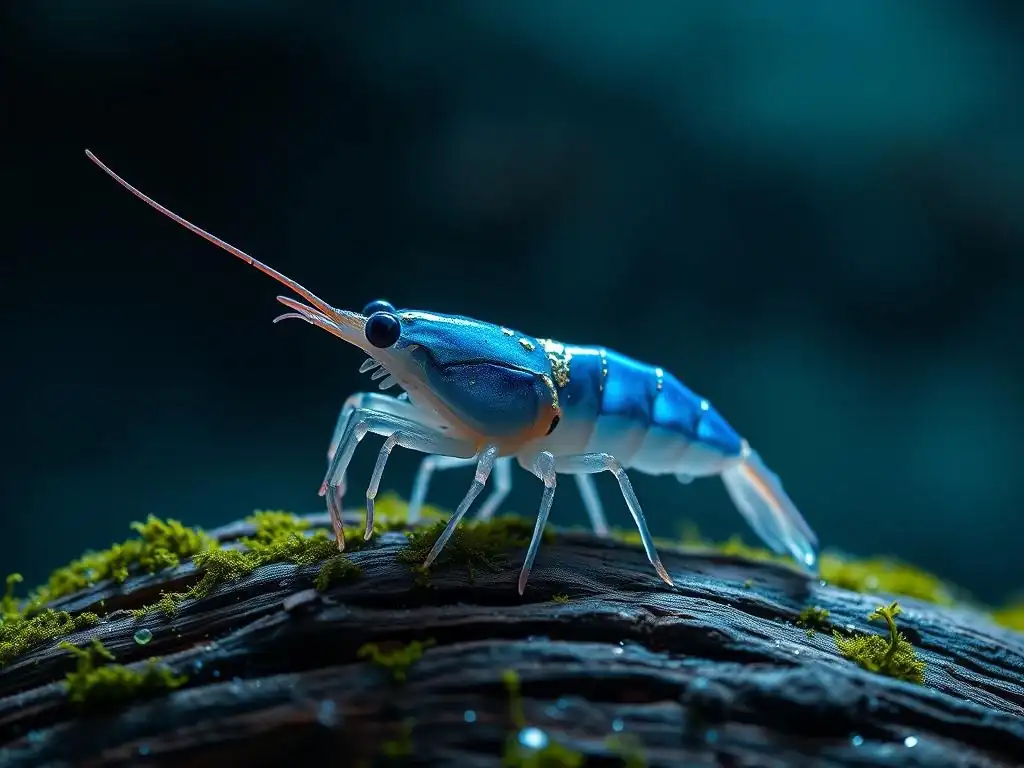
Breeding Caridina shrimp for enhanced color intensity requires a nuanced understanding of how pigments are produced and expressed, coupled with meticulous selective breeding. Color intensity, such as the deep, opaque red of a high-grade Crystal Red Shrimp or the vibrant blue of a Blue Bolt, is often a polygenic trait, meaning multiple genes contribute to its expression. Breeders should select parent shrimp that exhibit the most intense and uniform coloration, as this indicates a strong genetic predisposition for pigment production. For instance, if aiming for a deep red, choose shrimp with no translucent patches or faded areas.
To further enhance intensity, breeders often employ line breeding, where carefully selected, highly colored individuals are bred back to their offspring or siblings. This practice concentrates the genes responsible for pigment density within the line. Environmental factors, like diet rich in carotenoids (for red/orange colors) and stable water parameters, can also support optimal color expression, but the underlying genetic potential must be present. A dedicated Caridina shrimp breeding guide for color enhancement will detail how to identify the best colored individuals, track their offspring, and maintain consistent environmental conditions to bring out their full genetic potential.
Breeding for Pattern Consistency: Genetic Considerations
Achieving consistent patterns in Caridina shrimp, such as the precise white bands of a Crystal Red Shrimp or the intricate markings of a Pinto, is a significant breeding challenge that relies heavily on understanding pattern genetics. Patterns are often controlled by recessive genes or complex polygenic interactions that dictate where pigment is deposited or inhibited. To breed for consistency, breeders must select parent shrimp that display the desired pattern with exceptional clarity, sharpness, and uniformity. For example, a breeder might look for a CRS with perfectly defined red and white sections, without any "bleeding" of colors or irregular patches.
Line breeding is particularly effective for stabilizing complex patterns. By breeding individuals with consistent patterns together, and then breeding their offspring, the genes responsible for that specific pattern become more prevalent and homozygous within the line. This process significantly reduces the occurrence of "culls" – shrimp that do not display the desired pattern. However, it requires a large breeding population to ensure sufficient genetic diversity and prevent inbreeding depression. Any comprehensive Caridina shrimp breeding guide focused on pattern consistency will stress the importance of meticulous record-keeping and rigorous culling to refine the genetic pool over successive generations.
Improving Body Shape Through Selective Breeding
While often overshadowed by color and pattern, improving body shape through selective breeding is an important, albeit subtle, aspect of Caridina shrimp breeding that contributes to overall aesthetic appeal and vitality. Desirable body shapes typically include a robust, well-proportioned body, a straight rostrum, and strong, healthy swimmerets. Undesirable traits might include a noticeably curved rostrum, a pinched or slender body, or an overall frail appearance, which can sometimes indicate underlying genetic weaknesses or poor environmental conditions.
To improve body shape, breeders should select the healthiest, most robust individuals with ideal proportions for their specific species. For example, a breeder might choose a Crystal Red Shrimp that has a full, rounded body rather than a thin, elongated one. While body shape can be influenced by diet and water quality, genetic predisposition plays a significant role.
Consistent selective breeding over several generations, focusing on these structural qualities in addition to color and pattern, can gradually improve the overall conformation of a Caridina shrimp line. A detailed Caridina shrimp breeding guide might advise maintaining separate breeding tanks for individuals exhibiting superior body shape to ensure these traits are passed on effectively.
Advanced Caridina Shrimp Genetics: Exploring Hybrids and Crossbreeding
The Risks and Rewards of Crossbreeding Caridina Shrimp Species
Crossbreeding, or hybridization, involves mating two distinct Caridina shrimp species or highly divergent genetic lines. This practice carries both significant risks and potential rewards. The primary reward is the possibility of creating entirely new color forms, patterns, or combining desirable traits from different species. For instance, many of the complex and highly sought-after Pinto shrimp varieties are believed to have originated from intentional or accidental crossbreeding between Caridina cantonensis strains and Taiwan Bee shrimp, combining traits like intense coloration with unique patterns. This can be an exciting frontier for an advanced Caridina shrimp breeding guide.
However, the risks are substantial. The most common risk is the production of sterile offspring, meaning the hybrids cannot reproduce, effectively ending the line. This occurs when the genetic differences between the parent species are too great to allow for proper chromosome pairing during reproduction.
Another risk is the dilution of desirable traits from pure lines, leading to "muddy" colors, undefined patterns, or a general loss of quality. Furthermore, some crosses can produce weak, sickly, or deformed offspring. Therefore, any crossbreeding endeavor requires extensive research, careful planning, and a willingness to accept a high rate of culling, making it a practice generally reserved for experienced breeders.
Understanding Hybrid Vigor in Caridina Shrimp
Hybrid vigor, also known as heterosis, is a phenomenon where the offspring resulting from a cross between two genetically distinct parents exhibit superior qualities to either parent, particularly in terms of growth rate, fertility, and overall robustness. In Caridina shrimp, hybrid vigor can occur when two unrelated, pure lines are crossed, introducing new genetic diversity and potentially masking recessive deleterious genes that might be present in homozygous form within highly inbred lines.
For example, crossing two different, healthy lines of Crystal Red Shrimp that have been line-bred separately for generations might result in offspring that are larger, more fertile, and more resistant to disease than their parents.
This increased vigor is due to the greater genetic heterozygosity in the hybrid offspring, meaning they have a wider array of different alleles for various genes. While hybrid vigor can lead to healthier and more productive shrimp, it's important to note that the enhanced traits are often not stable in subsequent generations if these hybrids are bred among themselves.
This is because the beneficial gene combinations can break apart through genetic recombination. Therefore, a Caridina shrimp breeding guide might recommend using hybrid vigor to produce robust "feeder" shrimp or to re-invigorate a declining line, but it's not typically a strategy for establishing stable, new genetic lines without careful backcrossing and selection.
Ethical Considerations in Caridina Shrimp Hybridization
The practice of Caridina shrimp hybridization, while offering the allure of novel forms, also carries significant ethical considerations that responsible breeders must address. The primary concern revolves around the potential for creating genetic instability, sterile offspring, or individuals with reduced quality of life due to deformities or compromised health. While some hybrids, like certain Pinto shrimp, have become stable and sought-after, many experimental crosses result in large numbers of culls that are either infertile, weak, or aesthetically undesirable. This raises questions about the welfare of these animals and the purpose of their creation.
Furthermore, uncontrolled hybridization can lead to the dilution or loss of pure genetic lines, especially if hybrids are accidentally or intentionally introduced into pure breeding colonies. This can undermine years of selective breeding efforts by other hobbyists who strive to maintain the genetic integrity of specific species or varieties.
A responsible Caridina shrimp breeding guide should always emphasize the importance of meticulous record-keeping, clear labeling of hybrid lines, and strict isolation to prevent accidental cross-contamination. Breeders should prioritize the health and long-term viability of their shrimp populations over the mere pursuit of novelty, ensuring that any hybridization efforts are conducted with a clear purpose and ethical considerations at the forefront.
Tools and Resources for Caridina Shrimp Genetics
Online Resources and Communities for Caridina Shrimp Breeders
The digital age has revolutionized the way Caridina shrimp breeders access information and connect with peers, making online resources and communities indispensable tools for genetic understanding. Forums like The Shrimp Farm Forum, Shrimp Keepers Forum, and various dedicated Facebook groups serve as vibrant hubs where hobbyists share experiences, ask questions, and discuss complex genetic scenarios. These platforms often host experienced breeders who can offer insights into specific genetic lines, troubleshoot breeding challenges, and even share historical data on the origins of certain Caridina mutations. This peer-to-peer learning environment is invaluable for an aspiring Caridina shrimp breeding guide user.
Beyond forums, numerous dedicated websites and YouTube channels provide visual guides, detailed articles, and even live streams demonstrating breeding techniques and genetic principles. Websites like Aquarium Co-Op or specialized shrimp breeder sites often publish articles detailing the genetic inheritance of specific traits in Caridina shrimp, complete with diagrams and real-world examples. While the quality of information can vary, these online resources collectively offer an unparalleled wealth of knowledge, enabling breeders to deepen their understanding of Caridina genetics from the comfort of their homes.
Books and Articles on Caridina Shrimp Genetics and Breeding
For those seeking more structured and in-depth knowledge on Caridina shrimp genetics and breeding, specialized books and academic articles remain invaluable resources. While the specific number of dedicated books on Caridina genetics might be limited compared to general aquarium keeping, many comprehensive shrimp breeding guides dedicate significant sections to genetic principles. These publications often delve into Mendelian inheritance, polygenic traits, and the specific genetic markers associated with popular Caridina varieties like Crystal Red Shrimp or Taiwan Bees. They provide a foundational understanding that can be harder to piece together from scattered online information.
Furthermore, scientific articles published in aquaculture journals or ichthyology publications can offer cutting-edge research on shrimp genetics, including studies on disease resistance, growth rates, and novel genetic markers. While these can be highly technical, they provide the most accurate and validated information on the subject. For instance, a study on the genetic diversity of wild Caridina populations could offer insights into maintaining healthy gene pools in captive breeding. Integrating knowledge from both practical breeding guides and scientific literature provides the most robust Caridina shrimp breeding guide for serious enthusiasts.
Avoiding Common Mistakes in Caridina Shrimp Breeding Programs
Preventing Inbreeding Depression in Caridina Shrimp
One of the most critical mistakes to avoid in any Caridina shrimp breeding program is uncontrolled inbreeding, which can lead to a phenomenon known as inbreeding depression. This genetic issue arises when closely related individuals are repeatedly bred, leading to a reduction in genetic diversity and an increased likelihood of expressing deleterious recessive genes.
The consequences can be severe: reduced fertility, smaller clutch sizes, lower hatch rates, compromised immune systems, increased susceptibility to disease, stunted growth, and a general decline in vitality across the colony. For example, a line of Crystal Red Shrimp that consistently produces fewer healthy offspring or shows increased mortality might be suffering from inbreeding depression.
To prevent inbreeding depression, a diversified breeding strategy is essential. While controlled line breeding can be beneficial for fixing traits, it must be balanced with periodic outcrossing. This involves introducing new, unrelated genetic material from a high-quality, healthy Caridina shrimp from a different lineage. This infusion of fresh genes helps to reintroduce genetic diversity, mask harmful recessive alleles, and re-invigorate the line. A practical Caridina shrimp breeding guide will often recommend maintaining multiple separate lines or sourcing new breeding stock regularly to ensure long-term genetic health and vigor within your colonies.
Maintaining Genetic Diversity in Your Shrimp Colony
Maintaining genetic diversity is paramount for the long-term health, resilience, and adaptability of any Caridina shrimp colony. A diverse gene pool provides a broader range of traits, allowing the colony to better adapt to environmental changes, resist diseases, and avoid the pitfalls of inbreeding depression.
When a colony has limited genetic diversity, it becomes more vulnerable to a single disease outbreak or a slight shift in water parameters, as all individuals might share the same genetic weaknesses. For instance, a colony of Crystal Red Shrimp that has been bred from a very small founder group for many generations may struggle with fertility or disease resistance compared to a more diverse line.
Strategies for maintaining genetic diversity are crucial for any sustainable Caridina shrimp breeding guide. These include:
- Starting with a larger founder group: Begin your colony with as many healthy, unrelated individuals as possible.
- Periodic outcrossing: Introduce new, high-quality shrimp from different, unrelated lines into your breeding program every few generations.
- Rotating breeding stock: Avoid breeding the same pairs or trios repeatedly; instead, rotate through different combinations of healthy adults.
- Maintaining multiple tanks/lines: If space allows, keep several separate breeding lines of the same shrimp variety. This acts as a genetic backup and allows for controlled crosses between lines to introduce diversity.
By actively managing genetic diversity, breeders ensure the vitality and robustness of their Caridina shrimp populations for generations to come.
The Importance of Accurate Record-Keeping in Caridina Shrimp Breeding
Accurate record-keeping is arguably one of the most undervalued yet critical components of a successful Caridina shrimp breeding program, especially when dealing with genetics. Without detailed records, a breeder is essentially operating blind, unable to track lineage, identify successful pairings, or understand the inheritance patterns of specific traits. Imagine trying to stabilize a complex Pinto pattern without knowing which parents produced the best offspring; it would be a futile exercise. Records should include information such as:
- Parental data: Source, genetic line, physical traits (color, pattern, grade).
- Mating dates: When pairs or groups were set up.
- Clutch details: Number of eggs, hatch dates, number of fry.
- Offspring assessment: Number of culls, number of keepers, and the quality/traits of the keepers (e.g., "5 SSS-grade CRS, 10 S-grade, 15 culls").
- Environmental parameters: Water parameters (pH, TDS, temperature) for each tank.
- Observations: Any unusual behavior, health issues, or unexpected trait expressions.
This meticulous data collection allows a breeder to identify which genetic crosses consistently produce desired results, which lines might be experiencing inbreeding depression, and which traits are dominant or recessive. It enables informed decisions about future pairings, facilitating the progressive improvement of a line rather than relying on guesswork. Any comprehensive Caridina shrimp breeding guide will emphasize that diligent record-keeping transforms breeding from a hobby into a scientific endeavor, paving the way for consistent and predictable outcomes.
Conclusion: Mastering Caridina Shrimp Genetics for Long-Term Success
The Future of Caridina Shrimp Breeding: Genetic Innovations
The future of Caridina shrimp breeding is intrinsically linked to ongoing genetic innovations and a deeper understanding of their complex genetic makeup. As hobbyists and researchers continue to explore the vast genetic potential within the Caridina genus, new and exciting color forms, patterns, and even hardier strains are likely to emerge. Advances in genetic sequencing, though currently cost-prohibitive for most hobbyists, could one day allow for precise identification of genes responsible for specific traits, enabling highly targeted breeding programs. This would move beyond traditional selective breeding based on phenotype to a more scientific, genotype-driven approach.
Furthermore, as the hobby grows, there's a push towards not just aesthetic novelty but also improving the overall vitality and disease resistance of captive-bred Caridina shrimp. Genetic research into immune responses and environmental tolerances could lead to the development of lines that are more robust and adaptable to varying aquarium conditions, reducing mortality rates and making these fascinating invertebrates more accessible to a wider range of aquarists.
The ongoing refinement of breeding techniques, informed by a deeper genetic understanding, promises a vibrant and diverse future for Caridina shrimp, continuously enriching the experience for breeders and enthusiasts alike, as guided by an evolving Caridina shrimp breeding guide.
Frequently Asked Questions
How difficult is it to breed Caridina shrimp, especially for beginners?
Breeding Caridina shrimp can be challenging for beginners due to their specific water parameter requirements. Success often depends on stable water chemistry and understanding their complex breeding needs. It's not impossible, but requires dedication and research.
What are the most important water parameters to monitor when breeding Caridina shrimp?
Key water parameters include temperature, pH, GH (general hardness), and KH (carbonate hardness). Maintaining these within the optimal range for the specific Caridina species is crucial for successful breeding and shrimp survival.
What is the significance of genetics in Caridina shrimp breeding?
Understanding genetics helps predict offspring appearance and traits. Selective breeding based on genetics allows breeders to improve coloration, patterns, and overall health of their Caridina shrimp lines over time.
How long does it typically take for Caridina shrimp to breed and for the shrimplets to hatch?
Caridina shrimp usually breed every 4-6 weeks, with gestation lasting around 3-4 weeks. The time can vary slightly based on the specific species and environmental conditions within the aquarium.
What are some common problems that can arise during Caridina shrimp breeding, and how can I troubleshoot them?
Common problems include failed pregnancies, shrimplet deaths, and infertility. Troubleshooting involves checking water parameters, ensuring adequate food supply for the shrimplets, and identifying potential stressors in the aquarium environment.
Final Reflection: Unlocking the Secrets of Caridina
The journey into Caridina shrimp genetics isn't just about understanding complex scientific principles; it's about appreciating the intricate beauty and delicate balance of life within our aquariums. As we've explored the fundamental concepts of inheritance, mutation, and selective breeding, it's clear that these principles extend far beyond the glass walls of our tanks, offering valuable insights into the broader world of genetics and evolution.
This exploration has deeply influenced my perspective on the hobby and the responsibility that comes with it. Understanding the genetic makeup of these tiny creatures allows us to become more conscientious breeders, preserving their health, diversity, and unique characteristics. The beauty of the natural world lies in the details, and understanding those details allows us to appreciate its complexity even more.
This quote perfectly encapsulates the feeling of unlocking the genetic secrets of Caridina shrimp.
Now, armed with this knowledge, I encourage you to reflect on your own role in the Caridina shrimp community. Consider how you can apply these principles to improve your breeding practices, contribute to the preservation of rare strains, and share your knowledge with others. By embracing a deeper understanding of Caridina genetics, you can not only become a more successful breeder but also a steward of these fascinating creatures, ensuring their vibrant future for generations to come.
Unlock Your Shrimp Breeding Potential!
Thank you for diving into the world of Caridina shrimp genetics! We hope you've gained valuable insights to kickstart your breeding journey. Now, let's put that knowledge into action.
Here are a few things you can do next:
- Start a selective breeding project with a single, well-documented Caridina strain. Track lineage, coloration, and any mutations that arise.
- Explore resources beyond this article and delve into advanced genetic concepts like epistasis or pleiotropy to deepen your understanding.
- Share your initial breeding goals or a question you have about Caridina genetics in the comments section below and connect with other shrimp enthusiasts!
Ready to begin your Caridina shrimp genetics experiment? What strain will you choose to master first?