
Identifying Fertile vs. Infertile Tetra Eggs: An Aquarium Mastery Visual Guide

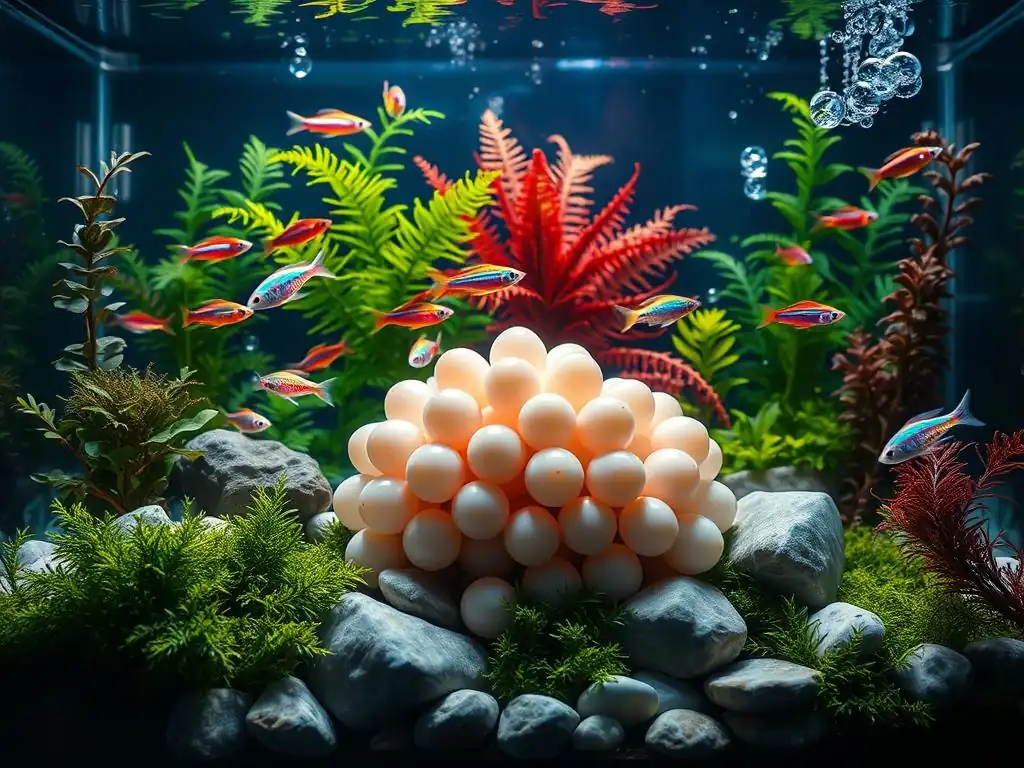
Welcome to Aquarium Mastery, your ultimate resource for all things aquariums!
Ever wondered if those tiny spheres in your Tetra tank are the future of your aquarium or just… well, fish food? Discover the secrets to successful Tetra breeding with our Tetra Eggs Fertilization Guide. This visual walkthrough reveals everything you need to know to identify fertile vs. infertile eggs, maximizing your chances of a thriving Tetra population. Ready to unlock the mysteries of Tetra reproduction and take your freshwater aquarium to the next level? Let's dive in!
- Identifying Fertile vs. Infertile Neon Tetra Eggs: An Aquarium Breeding Guide
- Introduction to Neon Tetra Egg Fertilization and Viability
- Visual Cues for Determining Neon Tetra Egg Fertility
- Microscopic Examination of Neon Tetra Eggs
- Common Issues Affecting Neon Tetra Egg Fertility and Hatching Rates
- Step-by-Step Guide: Separating Fertile and Infertile Neon Tetra Eggs
- Troubleshooting: Addressing Common Problems with Neon Tetra Egg Hatching
- Advanced Neon Tetra Breeding Techniques
- Conclusion: Mastering Neon Tetra Egg Fertilization for Aquarium Success
-
Frequently Asked Questions
- How can I visually identify fertile Tetra eggs?
- What do infertile Tetra eggs look like?
- How long does it take for Tetra eggs to hatch after fertilization?
- What water parameters are crucial for successful Tetra egg fertilization and hatching?
- What should I do with infertile Tetra eggs in my aquarium?
- Final Reflection: The Promise of New Life
- Unveil the Secrets of Tetra Reproduction!
Identifying Fertile vs. Infertile Neon Tetra Eggs: An Aquarium Breeding Guide
Introduction to Neon Tetra Egg Fertilization and Viability
Why Identifying Fertile Neon Tetra Eggs Matters for Successful Breeding
Identifying fertile Neon Tetra eggs early is paramount for maximizing breeding success and optimizing resource allocation. By accurately distinguishing viable eggs from unfertilized ones, aquarists can prevent the spread of harmful fungal infections that typically originate from decaying infertile eggs. This efficient identification process is a cornerstone for any effective Tetra eggs fertilization guide, saving valuable time and effort in the delicate process of raising fry.
For many first-time breeders, the initial success rate can be dishearteningly low, sometimes yielding only a handful of fry from hundreds of eggs. However, precise identification and prompt removal of unviable eggs can dramatically improve the yield, potentially increasing the number of viable fry from a mere 5-10% to over 50-70% in well-managed setups. This not only makes the breeding endeavor more rewarding but also contributes to the sustainability of the hobby by reducing waste and improving the overall efficiency of the breeding cycle.
Understanding Neon Tetra Egg Development: A Quick Overview
Neon Tetras are free-spawning fish, typically scattering their adhesive eggs among fine-leafed plants or spawning mops. Fertilization occurs externally, with the male releasing milt over the eggs immediately after the female has laid them. This rapid process means that the window for successful fertilization is relatively short, usually within minutes of the eggs being deposited.
Once fertilized, the embryonic development within Neon Tetra eggs is remarkably swift. At optimal temperatures, typically between 75-78°F (24-25.5°C), hatching can occur as quickly as 24 to 36 hours post-spawning. However, not every egg laid will be fertilized, nor will every fertilized egg be viable. This inherent variability underscores the critical need for a reliable Tetra eggs fertilization guide to help distinguish the promising from the unproductive.
Visual Cues for Determining Neon Tetra Egg Fertility
The First 12-24 Hours: Critical Observation Period for Neon Tetra Eggs
The period immediately following spawning, particularly the first 12 to 24 hours, is crucial for assessing Neon Tetra egg viability. During this time, subtle changes in the eggs become apparent, allowing observant aquarists to differentiate between developing embryos and unfertilized or damaged eggs. Early identification allows for timely intervention, such as the removal of non-viable eggs, which is essential for preventing fungal outbreaks that can quickly decimate an entire clutch.
Initial observations should focus on the eggs' clarity and adherence to spawning surfaces. Viable eggs typically remain translucent and firmly attached, showing no immediate signs of cloudiness or detachment. Conversely, unfertilized eggs often begin to show signs of decay or fungal colonization within 6-12 hours, especially if water conditions are not pristine. This prompt visual assessment is a fundamental step in any effective Tetra eggs fertilization guide.
Color as an Indicator: Differentiating Between Clear and Opaque Eggs
Clear Neon Tetra Eggs: A Sign of Potential Fertility
Fertile Neon Tetra eggs are characterized by their remarkable translucency, often making them appear almost invisible against dark substrates or plant matter. They resemble tiny, dew-like beads of glass, typically measuring around 0.8 to 1.0 mm in diameter. A faint, almost imperceptible amber or yellowish tint may be present, which is a healthy sign reflecting the developing embryonic material within.
The clarity of these eggs is crucial because it allows for the eventual visualization of the developing embryo as it progresses through its stages. This transparency is a strong indicator of an intact and healthy internal structure, signaling a high potential for successful hatching. Observing this clear, pristine appearance is a key step in applying a practical Tetra eggs fertilization guide.
Opaque or Whitish Neon Tetra Eggs: Indicators of Infertility or Fungal Growth
In stark contrast, unfertilized or unviable Neon Tetra eggs rapidly turn opaque, developing a milky white or cloudy appearance within hours of being laid. This change is primarily due to the coagulation and breakdown of proteins within the egg, signaling that no fertilization or viable development has occurred. These eggs will never hatch and pose a significant threat to the rest of the clutch.
Moreover, these opaque eggs are highly susceptible to fungal infections, which manifest as fuzzy white growths resembling cotton wool. A single infected egg can quickly spread fungal spores to surrounding healthy, developing eggs, leading to widespread loss. Therefore, prompt identification and removal of these whitish eggs are critical preventative measures in any Neon Tetra breeding setup.
Shape and Structure: Examining Egg Integrity for Successful Hatching
Round and Plump: Desirable Characteristics of Fertile Neon Tetra Eggs
Fertile Neon Tetra eggs ideally exhibit a perfectly spherical, plump, and firm appearance. This consistent, rounded shape indicates proper internal pressure and a healthy, intact vitelline membrane, which is vital for protecting the delicate embryo and allowing for proper water and nutrient exchange. The plumpness suggests that the egg has properly hydrated and its cellular components are in optimal condition for development.
A consistently round and firm shape is a reliable visual cue that the egg is developing as expected. Any deviation from this ideal form can suggest underlying issues. These well-formed eggs are the ones most likely to progress through the embryonic stages successfully, making their identification a key component of a reliable Tetra eggs fertilization guide.
Collapsed or Deformed: Signs of Unviable Neon Tetra Eggs
Unviable Neon Tetra eggs often appear shrunken, shriveled, or irregularly shaped. They may look deflated, have noticeable indentations, or possess a distorted, non-spherical form. Such deformities are indicative of a breakdown in the egg membrane, internal cellular damage, or a failure in the initial fertilization process. These eggs are non-viable and will not develop into fry.
These structural abnormalities can stem from various factors, including improper fertilization, genetic defects, or adverse water conditions during the spawning process. Recognizing and removing these collapsed or deformed eggs is crucial, as they will quickly decay and provide a breeding ground for harmful bacteria and fungi, jeopardizing the health of the entire clutch.
Microscopic Examination of Neon Tetra Eggs
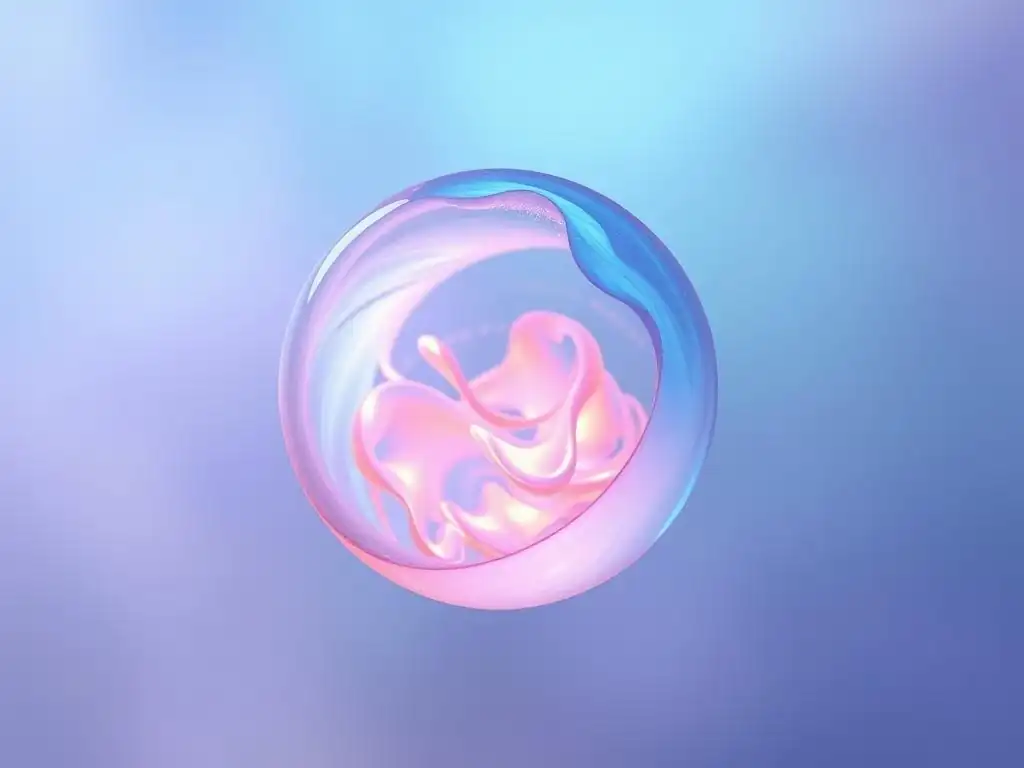
Using a Magnifying Glass to Assess Embryonic Development in Neon Tetra Eggs
While naked-eye observation provides initial clues, using a magnifying tool can significantly enhance the precision of assessing Neon Tetra egg viability. A jeweler's loupe with 10x to 30x magnification, or even a basic handheld magnifying glass, allows for a closer inspection of the egg's internal structure. This magnified view helps discern subtle changes that are otherwise invisible, making it an invaluable step in a detailed Tetra eggs fertilization guide.
With magnification, aquarists can often spot the earliest signs of embryonic development within 12-24 hours post-spawning. Look for a tiny, dark speck or a slightly denser area within the otherwise clear egg. This nascent structure is the developing embryo. In some cases, a faint network of fine lines, indicative of early blood vessel formation on the yolk sac, might also become visible.
Microscopic Views: Identifying Early Signs of Embryo Formation
For the most precise assessment, a low-power microscope (e.g., 40x to 100x magnification) offers unparalleled insight into the developing Neon Tetra egg. By 18-24 hours, a microscope can reveal distinct embryonic features. One might observe the formation of the notochord (the precursor to the spine), the developing eye spots, and even the faint pulsation of a tiny heart. The embryo will appear as a distinct, elongated structure within the egg.
Observing these detailed structures under a microscope provides definitive confirmation of viability, allowing breeders to be highly confident in their Tetra eggs fertilization guide. It also enables the early detection of any developmental abnormalities, such as stunted growth or malformations, which would indicate an unviable egg despite initial fertilization.
Recognizing Abnormalities: Identifying Unfertilized Eggs Under Magnification
Under magnification, the differences between fertile and unfertilized eggs become even more pronounced. Unfertilized eggs will consistently appear uniformly opaque or cloudy, lacking any internal structure or developing embryo. There will be no visible dark speck, no signs of cellular differentiation, and no developing blood vessels. Their internal contents will appear homogenous and lifeless.
Furthermore, unfertilized eggs under magnification may also display early signs of bacterial or fungal colonization, even before they become visible to the naked eye. This can appear as fine, hair-like filaments protruding from the egg surface or a general haziness surrounding the egg, confirming their non-viability and underscoring the urgent need for their removal to protect the healthy clutch.
Common Issues Affecting Neon Tetra Egg Fertility and Hatching Rates
Water Quality: The Impact of pH, Temperature, and Hardness on Neon Tetra Eggs
Water quality is arguably the most critical factor influencing Neon Tetra egg fertility and subsequent hatching rates. Neon Tetras originate from soft, acidic blackwater environments, and their eggs are highly sensitive to deviations from these parameters. Optimal spawning conditions typically require a pH between 5.5 and 6.5, with water hardness ideally ranging from 1 to 4 dGH (degrees of General Hardness). Temperatures should be maintained consistently between 75-78°F (24-25.5°C).
Deviations from these specific parameters can significantly reduce fertilization success and egg viability. For instance, water that is too hard (above 6 dGH) can hinder sperm motility, leading to unfertilized eggs, while a pH outside the optimal range can stress the breeding pair, affecting egg quality, or even directly harm the delicate egg membrane. High levels of ammonia or nitrites, even in small concentrations (e.g., >0.25 ppm), are lethal to developing embryos, emphasizing the need for pristine water conditions as highlighted in any comprehensive Tetra eggs fertilization guide.
Fungal Infections: Preventing and Treating Fungus on Neon Tetra Eggs
Fungal infections are a pervasive threat to Neon Tetra egg clutches, capable of decimating an entire batch within hours. Fungus primarily targets unfertilized, damaged, or decaying eggs, but once established, it rapidly spreads to healthy, developing eggs. Prevention is paramount and involves meticulous tank hygiene, including the prompt removal of all unfertilized or opaque eggs, which serve as primary hosts for fungal growth.
Some aquarists also employ very mild preventative measures in the hatching tank, such as a low concentration of Methylene Blue (e.g., 0.5-1 ppm) as a short-term dip or directly in the water. However, this must be used with caution as it can impact beneficial bacteria.
If a fungal outbreak occurs, immediate removal of affected eggs is crucial. For severe cases, some breeders cautiously use a very dilute solution of hydrogen peroxide (e.g., 3 ml of 3% hydrogen peroxide per gallon) for brief dips, though this method carries risks to the delicate embryos and should only be attempted by experienced individuals.
Predation: Protecting Neon Tetra Eggs from Parent Fish and Other Inhabitants
Neon Tetras, like many other egg-scattering species, are notorious egg eaters. Immediately after spawning, the parent fish should be removed from the breeding tank to prevent them from consuming their own eggs. Failure to do so can result in the loss of over 90% of the egg clutch within a short period, sometimes within minutes of laying. This is a critical step often overlooked by novice breeders, undermining their efforts to follow a Tetra eggs fertilization guide.
If the breeding setup includes other tank inhabitants, they also pose a significant threat of predation. The most effective strategy is to use a dedicated breeding tank equipped with a spawning mop, a mesh bottom, or a false bottom that allows eggs to fall through, out of reach of the parent fish. This specialized setup ensures maximum egg survival and provides a controlled environment conducive to successful hatching and fry rearing.
Step-by-Step Guide: Separating Fertile and Infertile Neon Tetra Eggs
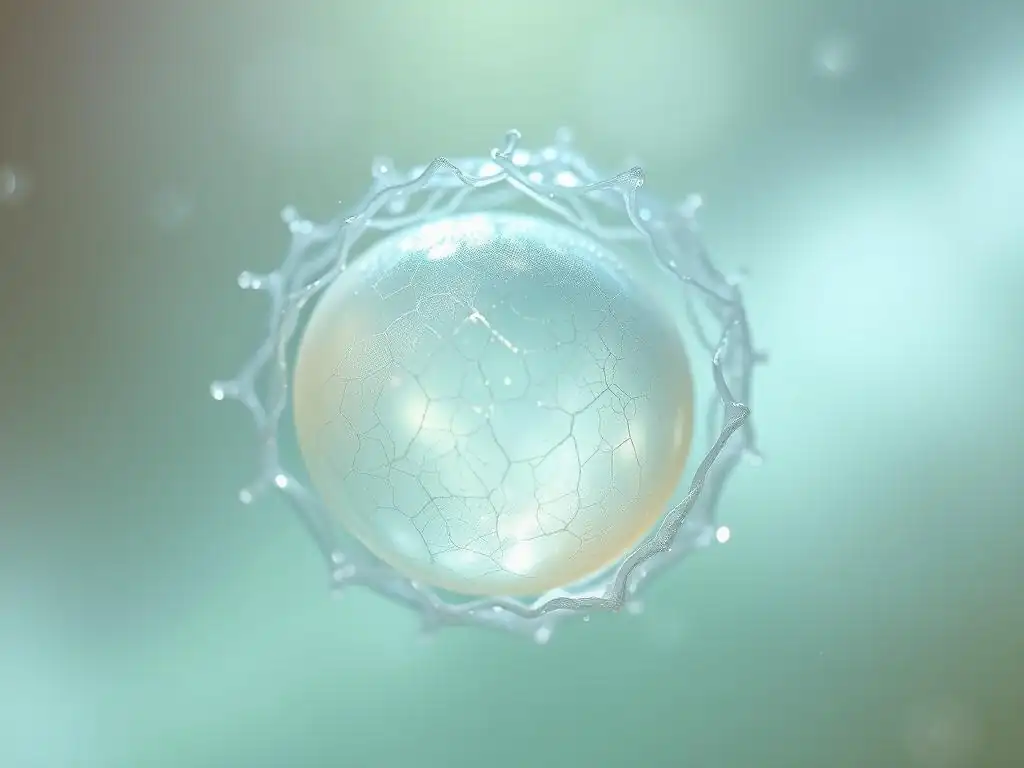
Gentle Removal Techniques for Transferring Fertile Neon Tetra Eggs
Once you have identified fertile Neon Tetra eggs, their careful removal from the spawning area to a dedicated hatching tank is critical. The most common and effective technique involves using a small, soft-tipped pipette or a turkey baster to gently siphon individual eggs. For eggs laid on spawning mops, carefully lift the mop and gently shake it in the hatching tank, allowing the eggs to dislodge. Extreme gentleness is paramount, as the egg membrane is highly delicate and easily damaged by rough handling, which can render the egg unviable.
Prioritize the removal of any opaque or fungused eggs first from the breeding tank, even if it means sacrificing a few potentially fertile ones in the immediate vicinity, to prevent further spread. When transferring fertile eggs, ensure they remain submerged at all times to avoid exposing them to air, which can be detrimental. This meticulous approach to egg handling is a hallmark of a successful Tetra eggs fertilization guide.
Setting Up a Dedicated Hatching Tank for Optimal Neon Tetra Fry Development
A dedicated hatching tank is essential for maximizing Neon Tetra fry survival. This tank should be small, typically 1 to 5 gallons, and meticulously clean. It should contain aged, soft, and acidic water that precisely matches the parameters of the breeding tank where the eggs were laid. Substrate should be avoided entirely to simplify cleaning and prevent the buildup of detritus that can harbor bacteria and fungi.
Filtration should be minimal and gentle, usually a small, air-driven sponge filter providing very light aeration to prevent water stagnation without creating strong currents that could harm the delicate eggs or newly hatched fry. A reliable heater with a thermostat is crucial to maintain a consistent temperature of 75-78°F (24-25.5°C). This stable, controlled environment significantly boosts the hatching success rate and supports the early development of fry, making it a vital component of any robust Tetra eggs fertilization guide.
Maintaining Darkness and Optimal Water Parameters
Neon Tetra eggs are photosensitive and thrive in dark conditions. After transferring the eggs to the hatching tank, it is imperative to cover the tank with a dark cloth or place it in a dim area to prevent light exposure. Constant light can inhibit hatching and promote the growth of algae, which competes for oxygen and can foul the water. Darkness also helps to mimic their natural spawning environment in dense, shaded areas.
Beyond darkness, maintaining pristine water quality is non-negotiable. Perform small, daily water changes (10-20%) using aged, dechlorinated water that matches the hatching tank's parameters. This regular maintenance prevents the buildup of ammonia and nitrites, which are highly toxic to developing embryos and newly hatched fry. Consistent water parameters and darkness are key to ensuring a high hatch rate and successful initial development, as emphasized in advanced Tetra eggs fertilization guide principles.
Troubleshooting: Addressing Common Problems with Neon Tetra Egg Hatching
No Hatching Occurring: Investigating Potential Causes Like Infertile Eggs or Poor Water Quality
If, after 36-48 hours at optimal temperatures, no Neon Tetra eggs have hatched, the primary culprits are usually either a high percentage of infertile eggs or severely unsuitable water parameters in the hatching tank. Unfertilized eggs can result from unconditioned parent fish, genetic incompatibilities, or issues during the actual spawning process, such as insufficient milt release.
To diagnose, first re-verify the water parameters (pH, temperature, hardness) with a reliable test kit, ensuring they are within the optimal range for Neon Tetras. Review the conditioning diet of your breeding pair; a lack of high-quality live foods can lead to poor egg quality. Finally, re-examine the eggs themselves for clarity and structure; if they all appear opaque or deformed, it strongly suggests a lack of fertilization or inherent non-viability, highlighting the need to revisit your Tetra eggs fertilization guide practices from the beginning.
Low Hatching Rate: Optimizing Conditions for Better Success
A low hatching rate, where only a small percentage (e.g., less than 50%) of seemingly fertile eggs hatch, often points to subtle environmental stressors or early-stage issues. Common causes include minor fluctuations in water temperature, insufficient darkness in the hatching tank, or the insidious spread of fungal infections that may have gone unnoticed in their early stages.
To optimize conditions, first ensure absolute darkness for the hatching tank. Verify that the heater maintains a perfectly stable temperature without any significant swings. Consider adding a very mild preventative dose of Methylene Blue (if not already used) to inhibit fungal growth, being mindful of its potential side effects. Re-evaluate the health and conditioning of your parent fish; robust parents tend to produce more resilient eggs, leading to a higher success rate in accordance with a detailed Tetra eggs fertilization guide.
Treating Fungal Outbreaks and Protecting Healthy Eggs
Fungal outbreaks on Neon Tetra eggs require immediate and decisive action to prevent the loss of the entire clutch. The first and most crucial step is the swift and careful removal of all affected, fungused eggs using a pipette or small net. These eggs serve as the source of infection and must be isolated.
For widespread outbreaks, a very dilute Methylene Blue solution can be used in the hatching tank, typically at a concentration of 0.5-1 ppm. While effective at inhibiting fungal growth, Methylene Blue can stain tank silicone and may affect beneficial bacteria, so use it sparingly and only when necessary. The best protection for healthy eggs, however, remains prevention: maintaining pristine water quality, ensuring adequate, gentle water flow (from a sponge filter) to prevent stagnant spots, and the prompt removal of all unfertilized eggs before fungus can take hold.
Advanced Neon Tetra Breeding Techniques

Optimizing Breeding Conditions: Simulating Natural Habitat and Triggering Spawning
To consistently achieve successful Neon Tetra spawning and high egg viability, advanced breeders meticulously optimize breeding conditions to closely simulate their natural Amazonian habitat. This involves using very soft water, often achieved with reverse osmosis (RO) water, with a hardness of 0-2 dGH, and maintaining an acidic pH between 5.0 and 6.0, sometimes using peat filtration or specialized buffering products. A gradual temperature increase from 72°F to 78°F (22-25.5°C) over several days can act as a natural trigger for spawning.
Providing ample spawning material is also key. Dense clumps of Java moss, fine-leafed artificial spawning mops made of nylon, or other similar plants offer ideal surfaces for egg deposition. Some experienced aquarists even attempt to simulate slight barometric pressure drops, which often precede rain in their natural habitat, as a potential spawning trigger, though this is more challenging to control. These refined techniques significantly enhance the overall success of a comprehensive Tetra eggs fertilization guide.
Dietary Considerations for Breeding Neon Tetra Pairs: Live Foods and Conditioning
Proper dietary conditioning of the breeding pair for one to two weeks prior to spawning is absolutely crucial for producing high-quality eggs and ensuring robust fertilization rates. A diet rich in live foods provides essential proteins, fats, and micronutrients that are vital for reproductive health. Excellent choices include live bloodworms, daphnia, brine shrimp, and micro worms, fed multiple times a day in small quantities.
Supplementing live foods with high-quality frozen alternatives, such as frozen bloodworms or spirulina-enriched brine shrimp, and premium flake foods with high protein content (e.g., spirulina flakes), further enhances the pair's vitality and egg production. Well-conditioned parent fish are more likely to produce a larger clutch of viable eggs, directly impacting the success rate outlined in any effective Tetra eggs fertilization guide.
Understanding Genetic Factors Influencing Neon Tetra Egg Viability
Beyond environmental conditions and diet, genetic factors play a significant, though often overlooked, role in Neon Tetra egg viability. Inbreeding, which can occur in closed breeding lines over generations, often leads to reduced fertility, smaller egg clutches, and a higher incidence of deformed or unviable eggs. Therefore, selecting healthy, unrelated breeding stock is paramount for long-term breeding success and maintaining genetic diversity.
Some specific genetic lines or wild-caught populations may inherently produce a higher percentage of viable eggs due to stronger genetic makeup. Experienced breeders often track the success rates of individual pairs over multiple spawns to identify and selectively breed from lines that consistently yield robust, fertile eggs. This attention to genetic health is an advanced consideration for those truly mastering the Tetra eggs fertilization guide.
Conclusion: Mastering Neon Tetra Egg Fertilization for Aquarium Success
Key Takeaways for Identifying Fertile Neon Tetra Eggs
Mastering Neon Tetra breeding hinges significantly on the ability to accurately identify fertile eggs. The key indicators for viability are their clear, translucent appearance, a perfectly round and plump shape, and, under magnification, the visible presence of a developing embryo. Conversely, opaque, milky white, shriveled, or deformed eggs are consistently unviable and should be promptly removed to safeguard the healthy clutch.
Timely observation, meticulous adherence to pristine water conditions, and the swift removal of unfertilized or fungused eggs are paramount for maximizing hatching rates. These proactive measures prevent the spread of infections and ensure the optimal environment for delicate embryonic development, forming the core tenets of a successful Tetra eggs fertilization guide.
Further Resources for Advanced Neon Tetra Breeding
For aquarists seeking to delve deeper into the intricacies of Neon Tetra breeding and further refine their Tetra eggs fertilization guide techniques, a wealth of knowledge awaits. Specialized online forums and communities dedicated to tropical fish breeding offer invaluable insights from experienced hobbyists. Detailed aquatic encyclopedias and scientific journals often provide in-depth information on fish physiology, water chemistry, and breeding behaviors.
Continuous learning and experimentation are key to long-term success. Each breeding pair and setup can present unique challenges and opportunities. By diligently observing, adapting, and leveraging available resources, aquarists can progressively refine their breeding strategies, leading to greater success and the joy of raising successive generations of these vibrant fish.
Frequently Asked Questions
How can I visually identify fertile Tetra eggs?
Fertile Tetra eggs typically appear clear and translucent within the first 24 hours. You may also see a small dark spot develop as the embryo begins to grow.
What do infertile Tetra eggs look like?
Infertile Tetra eggs usually turn opaque or cloudy within a few hours of being laid. They may also develop a fungus or fuzzy appearance.
How long does it take for Tetra eggs to hatch after fertilization?
Tetra eggs generally hatch within 24 to 36 hours after successful fertilization, depending on the water temperature and species.
What water parameters are crucial for successful Tetra egg fertilization and hatching?
Maintaining stable and optimal water parameters is essential. Focus on soft, slightly acidic water and a temperature around 78-82°F (25-28°C).
What should I do with infertile Tetra eggs in my aquarium?
It's best to remove infertile eggs as soon as you identify them to prevent fungus from spreading and affecting the fertile eggs. You can use a turkey baster or small siphon for removal.
Final Reflection: The Promise of New Life
The ability to discern fertile from infertile tetra eggs, as detailed in this guide, is more than just a technical skill; it's about understanding and appreciating the delicate balance of life within our aquariums. This knowledge empowers aquarists to become active participants in the reproductive cycle, fostering a deeper connection with their aquatic ecosystems and ensuring the continuation of these vibrant species. The principles outlined here, though specific to tetra eggs, resonate with the broader understanding of life's fragility and the responsibility we hold as caretakers.
This journey into the microscopic world of tetra eggs has profoundly influenced my perspective on the intricate beauty of nature. Witnessing the potential for life, even in something as small as an egg, underscores the importance of observation, patience, and respect for the natural world. The best and most beautiful things in the world cannot be seen or even touched - they must be felt with the heart.
- Helen Keller. This quote perfectly encapsulates the feeling of nurturing life, even in its earliest stages, and the profound satisfaction it brings.
Now, armed with this knowledge, I encourage you to look beyond the surface of your aquarium. Observe, learn, and actively participate in the miracle of life unfolding before your eyes. Let this guide serve as a stepping stone to a deeper understanding of aquatic ecosystems and a greater appreciation for the delicate dance of creation. Embrace the challenge, nurture the potential, and witness the vibrant tapestry of life flourish under your care.
Unveil the Secrets of Tetra Reproduction!
Thanks for diving into the fascinating world of tetra breeding! We hope this guide has given you the visual cues you need to distinguish fertile eggs from infertile ones. Now it's time to put that knowledge into action!
Here are a few things you can do next:
- Immediately start visually inspecting your tetra eggs daily to improve your breeding success rate.*
- Share this guide with fellow aquarium enthusiasts to help them on their breeding journeys.
- Consider documenting your tetra breeding experiences with photos and notes to track progress and identify patterns.
What specific characteristics are you noticing in your tetra eggs that either confirm or contradict what you’ve learned here? Share your observations in the comments below!