
Identifying Common Saltwater Shrimp Species: A Visual Guide

Welcome to Aquarium Mastery!
Ever wondered what secrets your saltwater shrimp are hiding? Dive into our comprehensive Saltwater Shrimp Identification Guide and unlock the mysteries of these fascinating invertebrates. Discover their unique characteristics, care requirements, and more, and transform your aquarium from ordinary to extraordinary. Ready to become a saltwater shrimp expert? Let's explore!
- Saltwater Shrimp Identification Guide: A Visual Key for Aquarium Hobbyists
- Introduction to Saltwater Shrimp Identification
-
Common Saltwater Shrimp Species: A Visual Guide
- Peppermint Shrimp (Lysmata wurdemanni): Identification and Characteristics
- Cleaner Shrimp (Lysmata amboinensis): Identifying this Beneficial Species
- Fire Shrimp (Lysmata debelius): Visual Cues for Identification
- Camel Shrimp (Rhynchocinetes durbanensis): Identifying and Avoiding Problems
- Pistol Shrimp (Alpheus spp. ): Identification and Behavior in the Aquarium
- Mantis Shrimp (Odontodactylus scyllarus): Recognizing this Predatory Shrimp
- Key Features for Saltwater Shrimp Species Identification
- Distinguishing Similar Saltwater Shrimp Species
- Advanced Saltwater Shrimp Identification Techniques
- Maintaining a Healthy Shrimp Population in Your Saltwater Aquarium
- Conclusion: Mastering Saltwater Shrimp Identification for a Thriving Aquarium
-
Frequently Asked Questions
- What is the most important factor to consider when using a saltwater shrimp identification guide?
- How can I differentiate between a Peppermint Shrimp and a Camel Shrimp using a guide?
- What kind of information should a good saltwater shrimp identification guide provide about each species?
- Can a saltwater shrimp identification guide help me determine if a shrimp is reef-safe?
- What are some common mistakes people make when trying to identify saltwater shrimp?
- Final Reflection: The Ever-Shifting Tides of Understanding
- Unveil the Secrets of the Shallows: Your Shrimp ID Adventure Starts Now!
Saltwater Shrimp Identification Guide: A Visual Key for Aquarium Hobbyists
Introduction to Saltwater Shrimp Identification
Why Accurate Shrimp Identification Matters for Aquarium Keepers
Accurate identification of saltwater shrimp is paramount for any aquarium enthusiast. Misidentifying a shrimp can lead to significant problems, from incompatible tank mates to unintended predation on corals or smaller fish. For instance, mistaking a predatory mantis shrimp for a benign cleaner shrimp could devastate a thriving reef tank, leading to the loss of valuable livestock within days. A reliable saltwater shrimp identification guide helps hobbyists make informed decisions, ensuring the well-being of all aquarium inhabitants.
Furthermore, correct identification ensures that each shrimp species receives the specific care it requires. Different shrimp have varying dietary needs, preferred water parameters, and social behaviors. Providing inappropriate conditions can lead to stress, disease, and premature death. A precise saltwater shrimp identification guide allows aquarists to research and implement the correct husbandry practices, from feeding schedules to optimal water chemistry, thereby contributing to a stable and healthy aquatic ecosystem.
Understanding Basic Shrimp Anatomy for Identification
To effectively use any saltwater shrimp identification guide, a basic understanding of shrimp anatomy is essential. A shrimp's body is divided into two main parts: the cephalothorax (head and thorax combined, covered by a carapace) and the abdomen (tail section). Key features for identification include the rostrum (a pointed extension from the head), antennae (sensory appendages), and pereiopods (walking legs).
The abdomen is segmented and typically ends in a tail fan, composed of the telson and uropods, which aids in rapid backward movement. Crucially, shrimp also possess pleopods (swimmerets) on the underside of their abdomen, used for swimming and carrying eggs. The chelipeds, or claws, are perhaps the most distinctive anatomical feature for many species, varying greatly in size, shape, and function, providing vital clues in any comprehensive saltwater shrimp identification guide.
Common Saltwater Shrimp Species: A Visual Guide
Peppermint Shrimp (Lysmata wurdemanni): Identification and Characteristics
Distinguishing Features of Peppermint Shrimp
Peppermint shrimp ( Lysmata wurdemanni ) are a popular choice in saltwater aquariums, primarily for their utility as Aiptasia anemone predators. Their identification is relatively straightforward: they possess a translucent body adorned with distinct red or reddish-orange stripes. These stripes typically run horizontally along the body, though their pattern can vary slightly, sometimes appearing as broken lines or dots. Adult peppermint shrimp usually reach a size of about 1.5 to 2 inches (3.8 to 5 cm).
A key feature for their saltwater shrimp identification guide entry is their relatively flat back, which helps distinguish them from the similar-looking camel shrimp. Their rostrum is also quite prominent and pointed. Observing their coloration under different lighting conditions can sometimes reveal subtle variations in the red hue, from a vibrant crimson to a more muted orange-red, but the striped pattern remains consistent, making them relatively easy to identify.
Peppermint Shrimp Behavior in the Aquarium
In the aquarium, peppermint shrimp are primarily nocturnal, often hiding during the day and becoming active scavengers at night. Their most celebrated behavior is their appetite for Aiptasia anemones, which are considered pests by many reef keepers. They will actively seek out and consume these anemones, making them a valuable part of the clean-up crew.
Peppermint shrimp are generally peaceful and can be kept in groups without issues, provided there is enough space and food. They are known to molt regularly as they grow, shedding their exoskeleton. During this vulnerable period, they will typically hide until their new shell hardens. Their scavenging nature means they will readily consume leftover food, contributing to tank cleanliness.
Cleaner Shrimp (Lysmata amboinensis): Identifying this Beneficial Species
Cleaner Shrimp Markings and Coloration
The Cleaner Shrimp ( Lysmata amboinensis ), often called the Skunk Cleaner Shrimp due to its prominent white stripe, is one of the most recognizable and beneficial invertebrates in a reef tank. Its body is primarily a vibrant red, adorned with a striking, thick white stripe that runs along its dorsal side, from its rostrum to its tail. This distinct stripe is bordered by thinner red lines, enhancing its visibility.
Further aiding in their saltwater shrimp identification guide entry, cleaner shrimp also possess long, white antennae, which they often wave to attract fish. Their legs and pleopods are typically translucent or a very pale red. Adults can grow up to 2.5 inches (6.3 cm) in length. This consistent and bold coloration makes them relatively easy to identify compared to other shrimp species, even from a distance.
The Role of Cleaner Shrimp in Reef Tank Health
Cleaner shrimp are renowned for their symbiotic relationship with fish. They set up "cleaning stations" in the aquarium, where fish will approach them, often presenting themselves for cleaning. The shrimp will then meticulously remove parasites, dead skin, and even food particles from the fish's body, gills, and mouth. This mutualistic behavior is fascinating to observe and highly beneficial for the overall health of the fish population.
Beyond their cleaning services, Lysmata amboinensis are excellent scavengers, consuming uneaten food and detritus, which helps maintain water quality. They are generally peaceful and hardy, making them a popular choice for both beginner and experienced aquarists. Their active and engaging behavior, combined with their striking appearance, adds both utility and aesthetic appeal to a saltwater aquarium.
Fire Shrimp (Lysmata debelius): Visual Cues for Identification
Fire Shrimp's Striking Appearance
The Fire Shrimp ( Lysmata debelius ), also known as the Blood Shrimp or Scarlet Skunk Cleaner Shrimp, is prized for its intensely vibrant coloration. Its entire body is a brilliant, deep ruby red, almost glowing in the aquarium. This solid red body is accented by stark white antennae and several small, scattered white dots or markings, particularly on its carapace and tail.
Unlike the Cleaner Shrimp, the Fire Shrimp lacks a prominent white stripe running down its back; instead, its white markings are more fragmented. These small white spots are a key feature for its saltwater shrimp identification guide profile. Fire shrimp typically reach an adult size of about 2 inches (5 cm). Their striking color makes them a focal point in any reef aquarium, though they can be somewhat shy initially.
Keeping Fire Shrimp Healthy and Vibrant
Fire shrimp are generally nocturnal and prefer to find secluded spots, such as caves or crevices, where they can hide during the day. Providing ample rockwork with plenty of hiding places is crucial for their well-being and to encourage them to feel secure enough to venture out. While they are scavengers and will consume leftover food, they also benefit from supplemental feeding with high-quality frozen foods like mysis shrimp or brine shrimp.
Maintaining stable water parameters is vital for fire shrimp, as they are sensitive to fluctuations. Optimal conditions include a temperature range of 72-78°F (22-26°C), salinity of 1.023-1.025 specific gravity, and a pH of 8.1-8.4. Like all invertebrates, they are intolerant of copper-based medications and elevated nitrate levels. Proper care ensures their stunning coloration remains vibrant and their health robust.
Camel Shrimp (Rhynchocinetes durbanensis): Identifying and Avoiding Problems
Camel Shrimp's Unique Back Hump
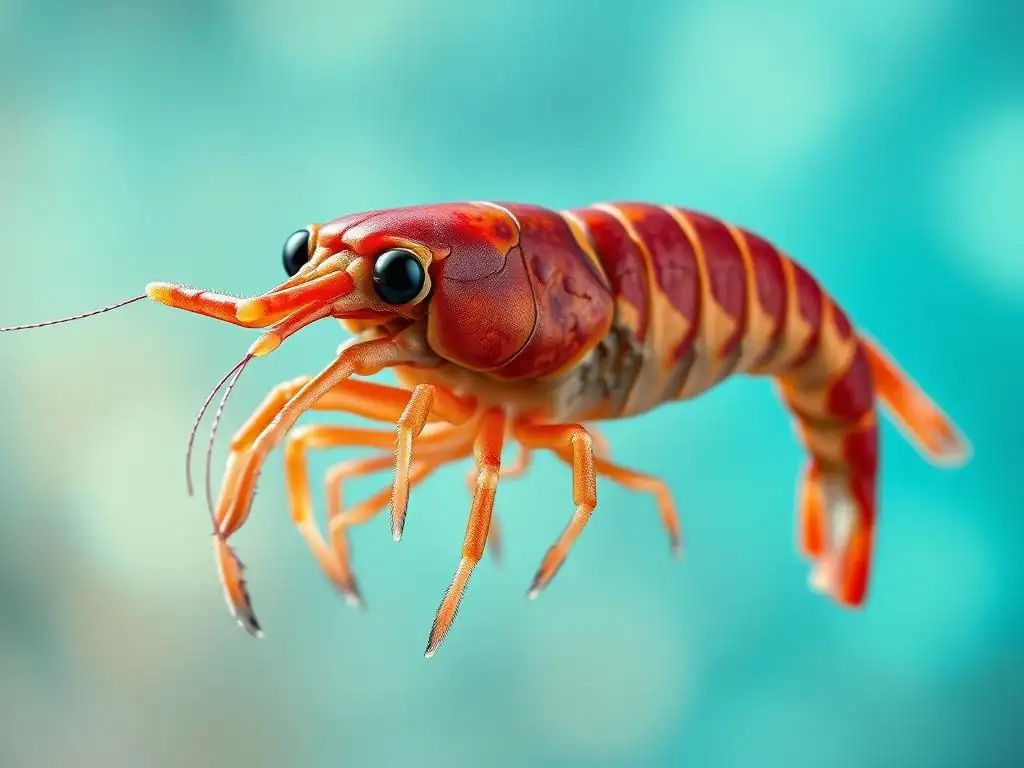
Camel shrimp ( Rhynchocinetes durbanensis ) are frequently confused with peppermint shrimp due to their similar red and white striped patterns. However, a crucial identifying feature for this saltwater shrimp identification guide entry is their distinct, pronounced hump on their back, giving them their common name. This hump is clearly visible and sets them apart from the flatter-backed peppermint shrimp.
Their coloration typically consists of red and white bands, often with some yellow or orange mixed in. They are generally smaller than peppermint shrimp, reaching about 1.5 inches (3.8 cm). Their rostrum is also shorter and angles sharply upwards, distinguishing them further. Close observation of this characteristic hump is critical for accurate identification, as misidentification can lead to undesirable consequences in a reef tank.
Potential Issues with Camel Shrimp in Reef Aquariums
While attractive, camel shrimp are known to be opportunistic feeders and can pose problems in reef aquariums, particularly with corals. Unlike peppermint shrimp, they are not effective Aiptasia predators and, when underfed, have a tendency to nip at soft corals, zoanthids, and even anemones. This behavior can stress and damage valuable coral colonies, leading to tissue recession or even death.
To mitigate these issues, it is essential to provide camel shrimp with a consistent and varied diet, including frozen foods like mysis shrimp, brine shrimp, and even high-quality flakes or pellets. However, even with ample feeding, their unpredictable nature means they are generally not recommended for tanks heavily stocked with delicate corals. Understanding their potential for nuisance behavior is a vital part of camel shrimp identification for responsible aquarists.
Pistol Shrimp (Alpheus spp. ): Identification and Behavior in the Aquarium
Identifying Pistol Shrimp by Claw Size
Pistol shrimp, belonging to the genus Alpheus, are instantly recognizable by their remarkably asymmetrical claws. They possess one normal-sized pincer claw and one greatly enlarged snapping claw, which can be nearly as large as their entire body. This oversized claw is specially adapted to create a cavitation bubble when rapidly closed, producing a loud "snapping" sound and a powerful shockwave.
The exact coloration and size of pistol shrimp vary widely among the numerous Alpheus species, ranging from less than an inch to over 2 inches (2.5 to 5 cm). Some common varieties include the Tiger Pistol Shrimp ( Alpheus bellulus ) with its striped pattern, and the Candy Cane Pistol Shrimp ( Alpheus randalli ) known for its vibrant red and white bands. However, the disproportionately large snapping claw remains the definitive feature for their saltwater shrimp identification guide entry, regardless of species.
Pistol Shrimp Symbiotic Relationships
Many species of pistol shrimp are famous for their symbiotic relationships with certain types of gobies, such as the Watchman Goby or Randall's Goby. In this partnership, the pistol shrimp digs and maintains a burrow, providing a shared home for both itself and the goby. The shrimp, with its poor eyesight, relies on the goby for protection.
The goby, acting as a lookout, hovers near the burrow entrance. If danger approaches, the goby will flick its tail, signaling the shrimp to retreat into the burrow. Both animals then quickly disappear into the safety of their shared home. This fascinating interspecies cooperation is a highlight for many aquarists and is a strong indicator of a pistol shrimp's presence, even if the shrimp itself is rarely seen outside its burrow.
Mantis Shrimp (Odontodactylus scyllarus): Recognizing this Predatory Shrimp
Mantis Shrimp Identification: Beware the Powerful Strike
Mantis shrimp are not true shrimp but stomatopods, distinct crustaceans known for their predatory prowess. Their identification is crucial for any saltwater shrimp identification guide due to their potential to decimate a community tank. They come in an array of vibrant colors, particularly the Peacock Mantis Shrimp ( Odontodactylus scyllarus ), which boasts a kaleidoscope of green, blue, red, and orange.
The most defining feature of a mantis shrimp is its pair of raptorial appendages, which are highly specialized for hunting. These can be either "smashers" (club-like, used to bludgeon prey and crack shells) or "spearers" (sharp, barbed appendages used to impale soft-bodied prey). The Peacock Mantis Shrimp is a "smasher," capable of delivering a blow with the force of a .22 caliber bullet, powerful enough to crack aquarium glass. Their complex, stalked eyes are also highly distinctive.
Why Mantis Shrimp are Unsuitable for Most Aquariums
Mantis shrimp are highly intelligent and fascinating creatures, but their predatory nature makes them entirely unsuitable for most community aquariums. They will relentlessly hunt and consume fish, crabs, other shrimp, snails, and any other invertebrate or small fish they can overpower. Their powerful strike can also damage aquarium equipment and even cause significant injury if handled improperly.
Keeping a mantis shrimp requires a species-specific tank, often constructed from thick acrylic or reinforced glass to withstand their strikes. They also require a specialized diet of appropriately sized live or frozen prey. While some dedicated enthusiasts keep them in solitude, their presence in a standard reef or fish-only tank is almost always accidental and detrimental. Therefore, accurate mantis shrimp identification is paramount to preventing potential disasters in a home aquarium.
Key Features for Saltwater Shrimp Species Identification
Body Shape and Size as Identification Markers
The overall body shape and adult size are fundamental starting points in any saltwater shrimp identification guide. Some shrimp, like the Fire Shrimp, tend to be more robust and stocky, while others, such as the Peppermint Shrimp, appear more slender. The presence of unique anatomical structures, like the prominent hump on the back of a Camel Shrimp, immediately narrows down the possibilities.
Furthermore, knowing the typical adult length of a species helps differentiate between similar-looking juveniles or smaller species. For instance, while a juvenile Cleaner Shrimp might resemble a smaller adult, understanding its potential growth to 2.5 inches provides context. Consistent observation of these general characteristics over time aids in confident identification.
Color Patterns and Markings for Shrimp Identification
Coloration and specific markings are perhaps the most visually striking and often the easiest features for saltwater shrimp identification. The vibrant red and white stripes of a Cleaner Shrimp, the solid ruby red of a Fire Shrimp, or the translucent body with red bands of a Peppermint Shrimp are all distinct visual cues. The arrangement, thickness, and consistency of these patterns are critical.
Subtle differences, such as the fragmented white spots on a Fire Shrimp versus the bold dorsal stripe of a Cleaner Shrimp, are key differentiators. Even within species, minor variations can occur, but the overarching pattern typically remains consistent enough for reliable identification. These patterns often serve as camouflage or warning signals in their natural habitat, making them evolutionarily stable and thus reliable for identification.
Leg and Antennae Characteristics for Species Differentiation
The characteristics of a shrimp's legs (pereiopods) and antennae can provide valuable supplementary information for identification, especially when visual patterns are ambiguous. The length, thickness, and color of the antennae vary significantly among species. For example, the long, flowing white antennae of the Cleaner Shrimp are a prominent feature, often waved to attract fish.
Observing the structure of the walking legs, though often requiring closer inspection, can also offer clues. Some species might have more robust legs, while others appear more delicate. While less obvious than body coloration, these appendages contribute to a comprehensive saltwater shrimp identification guide, particularly for distinguishing between very similar species.
Claw Morphology: An Important Identifying Trait
The morphology of a shrimp's claws (chelipeds) is an extremely important identifying trait for many species. Some shrimp possess symmetrical, relatively small claws used for feeding and grooming. Others, like the Pistol Shrimp, are defined by their dramatic asymmetrical claws, with one being significantly larger and specially adapted for creating a cavitation bubble.
The presence or absence of large, prominent claws, their size relative to the body, and their specific shape (e.g., the club-like dactyl of a mantis shrimp) are often definitive characteristics. For instance, distinguishing between different species of Pistol Shrimp often relies on subtle differences in the shape and size of their snapping claw. Therefore, careful examination of the claws is an indispensable part of any detailed saltwater shrimp identification guide.
Distinguishing Similar Saltwater Shrimp Species
Avoiding Misidentification: Peppermint vs. Camel Shrimp
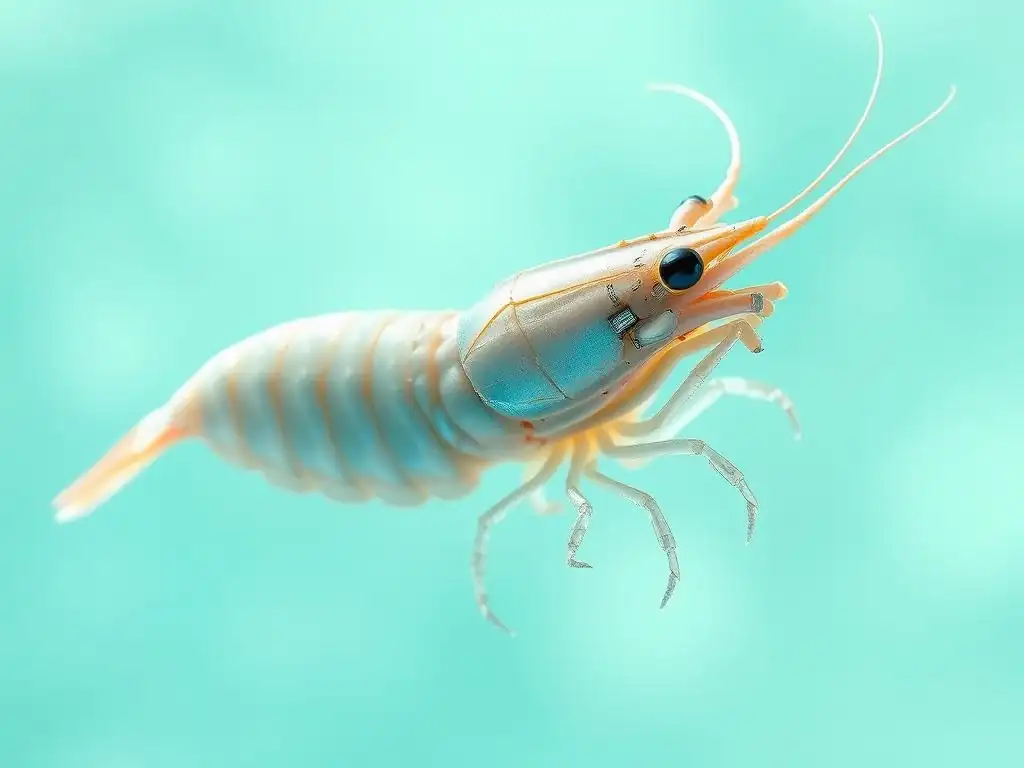
One of the most common misidentifications in the aquarium hobby involves the Peppermint Shrimp and the Camel Shrimp. Both species share a translucent body with red and white striping, leading to frequent confusion. However, accurate saltwater shrimp identification is crucial here due to their vastly different behaviors regarding corals.
The primary distinguishing feature is the Camel Shrimp's prominent hump on its back, which gives it a distinct "camel-like" profile. Peppermint Shrimp, in contrast, have a relatively flat or gently curved back. Additionally, while Peppermint Shrimp are celebrated for consuming Aiptasia anemones, Camel Shrimp are known to nip at corals and other invertebrates, especially when underfed. Observing these two key differences—the hump and the behavior towards corals—is vital to avoid detrimental stocking choices.
Telling the Difference Between Cleaner and Fire Shrimp
Cleaner Shrimp ( Lysmata amboinensis ) and Fire Shrimp ( Lysmata debelius ) are both stunning and popular additions to reef tanks, but their visual cues for saltwater shrimp identification are distinct. The Cleaner Shrimp is characterized by its bright red body with a single, prominent, thick white stripe running longitudinally down its entire dorsal side. Its antennae are also long and distinctly white.
The Fire Shrimp, on the other hand, boasts an intense, uniform ruby-red coloration across its entire body. Instead of a single stripe, it has several small, scattered white spots, primarily on its carapace and tail. While its antennae are also white, the overall body pattern is fundamentally different. Recognizing these specific patterns of white markings on a red background is key to differentiating these two beautiful and beneficial species.
Identifying Different Types of Pistol Shrimp
Identifying specific types of Pistol Shrimp ( Alpheus spp. ) can be challenging due to the large number of species and their often cryptic nature. However, all Pistol Shrimp share the defining characteristic of having one greatly enlarged snapping claw compared to the other. Beyond this, differentiation often relies on subtle variations in body coloration, patterning, and the precise morphology of their large claw.
For example, the Tiger Pistol Shrimp ( Alpheus bellulus) typically exhibits brown and white bands, while the Candy Cane Pistol Shrimp ( Alpheus randalli) is known for its vibrant red and white stripes. Some species may have blue or yellow accents. While precise species identification might require expert knowledge or detailed reference materials, recognizing the presence of the asymmetrical snapping claw and observing the general color pattern is usually sufficient for general saltwater shrimp identification guide purposes within the hobby.
Advanced Saltwater Shrimp Identification Techniques
Using a Magnifying Glass for Detailed Examination
For precise saltwater shrimp identification, especially when distinguishing between closely related species or examining juveniles, a magnifying glass is an invaluable tool. Many subtle features, such as the exact pattern of small spots, the structure of the rostrum, or the minute hairs on legs and antennae, are difficult to discern with the naked eye. A magnifying glass allows for a closer, more detailed examination of these characteristics.
By observing a shrimp under magnification, aquarists can confirm specific markings that might otherwise be overlooked, such as the precise number of segments on an antenna or the subtle differences in claw shape. This level of detail can be crucial for accurate identification, helping to resolve ambiguities that a general visual inspection might leave.
Photographing Shrimp for Later Identification
Taking clear, well-lit photographs of your shrimp from multiple angles is an excellent technique for advanced saltwater shrimp identification. It allows you to freeze the moment and examine the shrimp's features without the challenge of a moving target in water. High-resolution photos can reveal intricate patterns, body shapes, and claw details that might be missed during a quick glance.
Once captured, these photographs can be compared side-by-side with images from a comprehensive saltwater shrimp identification guide, online databases, or species profiles. They can also be shared with experienced aquarists or online forums for collective identification, leveraging the knowledge of a wider community. Ensure the photos are taken with good lighting and minimal reflections for optimal clarity.
Consulting with Aquarium Experts for Accurate Identification
When faced with a particularly challenging saltwater shrimp identification, consulting with aquarium experts is often the most reliable method. These experts can include staff at reputable local fish stores, experienced hobbyists in online forums or local aquarium clubs, or even marine biologists. Their extensive knowledge and experience with various species can help pinpoint characteristics that a novice might overlook.
When seeking expert advice, provide as much information as possible: clear photographs (as mentioned above), details about the shrimp's behavior, its size, and any unusual features. This collaborative approach ensures that even the most elusive or rare shrimp species can be accurately identified, contributing to better care and understanding within the hobby.
Maintaining a Healthy Shrimp Population in Your Saltwater Aquarium
Water Quality Requirements for Common Saltwater Shrimp
Maintaining pristine and stable water quality is paramount for the health and longevity of any saltwater shrimp population. Shrimp, like most invertebrates, are highly sensitive to fluctuations in water parameters and the presence of pollutants. Key parameters to monitor include temperature (ideally 72-78°F or 22-26°C), salinity (1.023-1.025 specific gravity), and pH (8.1-8.4).
Crucially, shrimp are extremely intolerant of ammonia, nitrites, and nitrates, even at levels that fish might tolerate. A fully cycled aquarium with efficient biological filtration and regular small water changes (10-20% weekly or bi-weekly) is essential to keep these nitrogenous compounds at undetectable or very low levels. Additionally, copper-based medications, often used to treat fish diseases, are highly toxic to all invertebrates and must be avoided at all costs in a shrimp-inhabited tank.
Proper Feeding Practices for Shrimp Health
While many common saltwater shrimp species are efficient scavengers, relying solely on leftover fish food is often insufficient for their long-term health and vibrancy. Proper feeding practices are vital. Most shrimp benefit from supplemental feeding with high-quality frozen foods such as mysis shrimp, brine shrimp, or finely chopped marine-based foods. Some species, like Fire Shrimp, may be shyer and require food to be directed near their hiding spots.
Feeding should occur regularly, typically once a day or every other day, in amounts that can be consumed within a few minutes to prevent excess food from decaying and fouling the water. A varied diet ensures they receive all necessary nutrients, including iodine, which is crucial for successful molting. Observing their feeding behavior will help determine appropriate portion sizes and frequency.
Preventing and Treating Common Shrimp Diseases
Shrimp are generally hardy, but they can suffer from issues, primarily related to molting or water quality. The most common problem is an incomplete or failed molt, which can be fatal. This is often linked to insufficient iodine in the water or poor water quality. Ensuring stable parameters and providing iodine supplements (if testing indicates a deficiency, as over-dosing can be harmful) can help prevent this.
Bacterial or fungal infections are less common but can occur, often manifesting as opaque patches or fuzzy growths on the exoskeleton. Unfortunately, treating sick shrimp with medications in a reef tank is challenging, as many common aquarium medications are harmful to invertebrates. The best approach is prevention through excellent water quality, a balanced diet, and minimizing stress. Quarantine of new arrivals is also advisable to prevent introducing pathogens to the main display tank.
Conclusion: Mastering Saltwater Shrimp Identification for a Thriving Aquarium
Mastering saltwater shrimp identification is an indispensable skill for any dedicated aquarist. As this saltwater shrimp identification guide demonstrates, accurate recognition of species is the foundation for providing appropriate care, ensuring compatibility with other tank inhabitants, and ultimately fostering a thriving, balanced marine ecosystem. From distinguishing the beneficial Peppermint Shrimp from the coral-nipping Camel Shrimp to recognizing the powerful Mantis Shrimp, precision prevents costly mistakes and promotes harmonious cohabitation.
By understanding key anatomical features, observing distinct color patterns, and recognizing characteristic behaviors, hobbyists can confidently identify the diverse array of shrimp available in the trade. Employing techniques like magnified examination and photographic documentation further enhances identification accuracy. Ultimately, the knowledge gained from a comprehensive saltwater shrimp identification guide empowers aquarists to make informed decisions, leading to healthier, more vibrant aquariums where these fascinating invertebrates can flourish.
Frequently Asked Questions
What is the most important factor to consider when using a saltwater shrimp identification guide?
The most important factor is accurate observation of physical characteristics, such as coloration, size, and unique markings. Photos and detailed descriptions are crucial for comparing your shrimp to known species.
How can I differentiate between a Peppermint Shrimp and a Camel Shrimp using a guide?
A guide will highlight that Peppermint Shrimp typically have red stripes that run the length of their bodies, while Camel Shrimp have a distinct hump on their abdomen. Also, observe their behavioral patterns.
What kind of information should a good saltwater shrimp identification guide provide about each species?
A good guide should include information on their physical appearance, behavioral characteristics, and ideal tank conditions, including water parameters and compatible tank mates.
Can a saltwater shrimp identification guide help me determine if a shrimp is reef-safe?
Yes, a guide will often indicate whether a shrimp species is reef-safe by listing its known impact on corals and other invertebrates. This helps prevent damage to your reef ecosystem.
What are some common mistakes people make when trying to identify saltwater shrimp?
Common mistakes include relying solely on color, ignoring subtle morphological differences, and not considering the shrimp's behavior or origin. Paying attention to all these factors is crucial.
Final Reflection: The Ever-Shifting Tides of Understanding
The ability to accurately identify saltwater shrimp species, as highlighted throughout this guide, is not merely an academic exercise; it's a crucial skill for conservation, sustainable aquaculture, and even responsible recreational fishing. In a world increasingly aware of the fragility of our marine ecosystems, understanding the nuances of these vital creatures becomes paramount to protecting their habitats and ensuring their continued survival.
This journey into saltwater shrimp identification has underscored the intricate beauty and complexity of the underwater world. It's a reminder that even seemingly small creatures play a significant role in the delicate balance of the ocean's food web, and our ability to distinguish them is the first step towards responsible stewardship. In the end, we will conserve only what we love; we will love only what we understand; and we will understand only what we are taught.
- Baba Dioum's words resonate deeply, emphasizing the power of knowledge in fostering a sense of responsibility towards the natural world.
Now, armed with this visual guide and a deeper appreciation for the diversity of saltwater shrimp, I invite you to look closer. Whether you're a seasoned marine biologist, an avid angler, or simply a curious observer, take the time to identify the shrimp you encounter. Share your knowledge, advocate for their protection, and contribute to a future where these fascinating creatures thrive for generations to come. Let's all become stewards of the sea, one shrimp at a time.
Unveil the Secrets of the Shallows: Your Shrimp ID Adventure Starts Now!
Thank you for diving into the world of saltwater shrimp! We hope this guide has equipped you with the knowledge to confidently identify these fascinating creatures. Now, let's put that knowledge into action.
Here's how you can continue your exploration:
- Immediately begin documenting your saltwater shrimp. Take photos, note key features like size, coloration, and behavior, and start building your own visual identification guide. This is your chance to become a true shrimp expert!
- Share your newfound knowledge with fellow aquarists. Participate in online forums, local aquarium societies, or even start your own shrimp-focused blog!
- Consider setting up a dedicated shrimp-only tank to observe these creatures up close and personal in a controlled environment. This is a fantastic way to deepen your understanding and appreciation.
What's the most surprising shrimp feature you observed today, and how will you use that knowledge to improve your identification skills?