
Daily Health Check: A Vigilant Aquarist's Guide to Butterflyfish Wellness


Welcome to Aquarium Mastery!
Ever wonder how to ensure your delicate Butterflyfish are thriving in their saltwater paradise? Butterflyfish health check routines are more than just a glance; they're your daily window into the well-being of these captivating creatures. Dive in and unlock the secrets to spotting early warning signs, maintaining optimal conditions, and fostering a vibrant, healthy life for your Butterflyfish. Ready to become a true guardian of your underwater world? Let's explore!
- Introduction to Butterflyfish Health Monitoring in Aquariums
- Establishing a Butterflyfish Health Check Routine: A Step-by-Step Guide
- Identifying Common Butterflyfish Diseases and Health Issues
- Proactive Measures for Preventing Butterflyfish Health Problems
- Troubleshooting Butterflyfish Health Concerns: When to Seek Expert Advice
- Advanced Butterflyfish Health Assessment Techniques
- Conclusion: The Importance of Consistent Butterflyfish Health Checks for a Thriving Aquarium
-
Frequently Asked Questions
- How often should I perform a health check on my Butterflyfish?
- What are the key indicators I should be looking for during a Butterflyfish health check?
- How important is water quality in maintaining Butterflyfish health?
- What should I do if I notice a problem during a Butterflyfish health check?
- Besides visual checks, are there other aspects of Butterflyfish health I should monitor?
- Final Reflection: Nurturing the Delicate Dance of Butterflyfish
- Ignite Your Butterflyfish Brilliance!
Introduction to Butterflyfish Health Monitoring in Aquariums
Why a Daily Butterflyfish Health Check is Crucial for Saltwater Aquarium Success
A consistent daily Butterflyfish health check routine is not merely a recommendation; it is an indispensable practice for the longevity and vitality of these delicate marine inhabitants. Butterflyfish, known for their vibrant colors and intricate patterns, are particularly susceptible to stress and disease in closed aquarium systems due to their specific dietary needs and often timid nature.
Early detection of health issues through a diligent Butterflyfish health check routine can mean the difference between a minor adjustment and a catastrophic loss, potentially saving hundreds of dollars in lost livestock and treatment costs. For instance, addressing a subtle behavioral change or a faint spot within 24-48 hours can prevent a localized infection from spreading throughout the entire aquarium, a common scenario in many home aquariums.
Furthermore, the proactive nature of a daily Butterflyfish health check routine significantly reduces the need for aggressive chemical treatments, which can themselves be stressful for fish and detrimental to beneficial aquarium bacteria. Many common Butterflyfish ailments, such as marine ich or velvet, can proliferate rapidly, often doubling their population within 24 hours under favorable conditions. By identifying symptoms like clamped fins or rapid breathing during your routine morning inspection, an aquarist can initiate isolation or mild supportive care before the disease reaches an advanced, harder-to-treat stage, preserving the overall health of the entire aquatic community.
Understanding Butterflyfish Behavior as a Key to Early Health Problem Detection
Grasping the nuances of typical Butterflyfish behavior is the cornerstone of any effective Butterflyfish health check routine. These fish exhibit distinct patterns in their swimming, feeding, and social interactions. A healthy Butterflyfish, such as a Copperband Butterflyfish ( Chelmon rostratus), typically displays active foraging behavior, constantly pecking at live rock for small invertebrates, and swims with fluid, unlabored movements.
Any deviation from this baseline—like prolonged hiding, listlessness, or unusual swimming patterns such as darting or rubbing against decor—should immediately raise a red flag. For example, a Bannerfish ( Heniochus acuminatus) that suddenly refuses its favorite mysis shrimp or remains motionless near the bottom could be exhibiting early signs of internal parasites or environmental stress, even before physical symptoms become apparent.
Observing these subtle shifts requires consistent daily interaction and a keen eye. Over time, an aquarist develops an intuitive understanding of their specific Butterflyfish's personality and habits. A common mistake is to only observe fish during feeding times; however, a comprehensive Butterflyfish health check routine extends beyond this, encompassing observations throughout the day. Noticing a normally bold Raccoon Butterflyfish ( Chaetodon lunula) becoming unusually reclusive or shying away from tank mates, for instance, might indicate a parasitic irritation or a decline in water quality, prompting immediate investigation of water parameters and a closer visual inspection.
Establishing a Butterflyfish Health Check Routine: A Step-by-Step Guide
Step 1: Visual Inspection for Signs of Illness in Butterflyfish
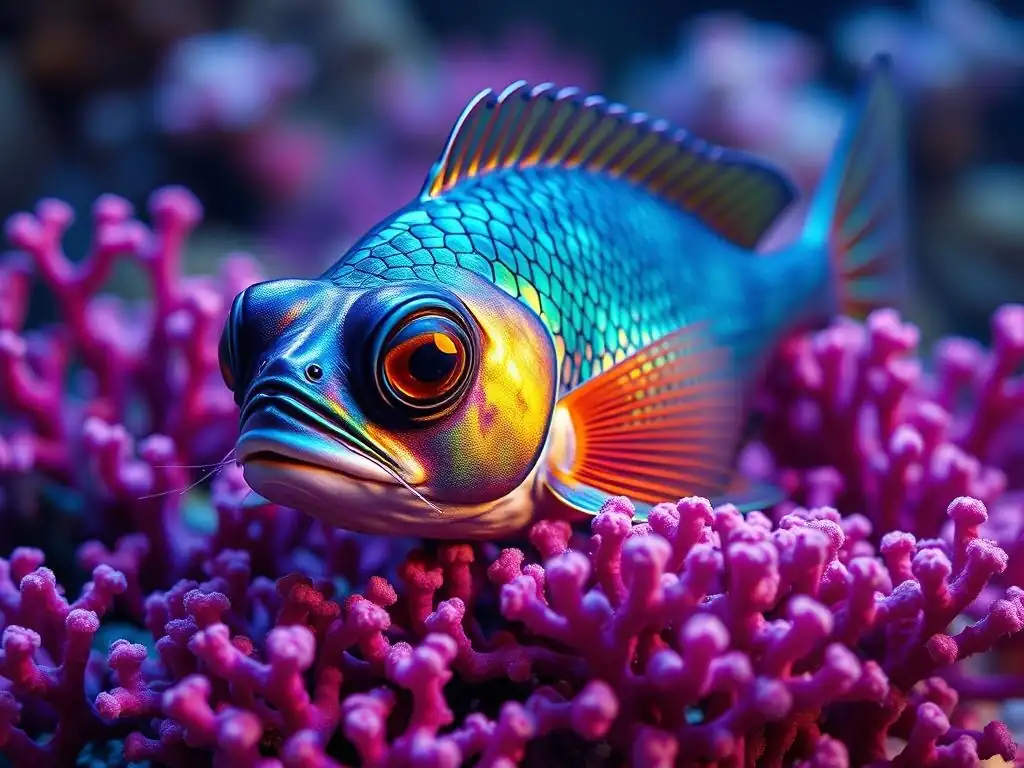
Initiating your Butterflyfish health check routine with a thorough visual inspection is fundamental. This step involves carefully observing each Butterflyfish, ideally from multiple angles, before feeding. Look for any abnormalities in their appearance that deviate from their normal vibrant coloration and smooth skin. This detailed examination helps in early identification of issues that might otherwise go unnoticed until they become severe. For example, a healthy Threadfin Butterflyfish ( Chaetodon auriga) should exhibit clear eyes, intact fins, and consistent coloration across its body.
The best time for this visual Butterflyfish health check is when the aquarium lights have been on for a short period, allowing the fish to become active but before feeding distracts them. Pay particular attention to less visible areas, such as under the pectoral fins or along the dorsal ridge. A study on marine ornamental fish health indicated that approximately 60% of external parasitic infestations are initially observable through subtle changes in skin texture or color before overt lesions appear. Therefore, a meticulous visual inspection is a cornerstone of a proactive Butterflyfish health check routine.
Checking for External Parasites and Skin Abnormalities on Butterflyfish
When performing your daily Butterflyfish health check, scrutinize the skin surface for any unusual spots, patches, or growths. Common external parasites like Cryptocaryon irritans (marine ich) manifest as tiny white spots, often resembling grains of salt, typically 0.5-1.0 mm in diameter, primarily on the fins and body. Amyloodinium ocellatum (marine velvet), another prevalent threat, appears as a fine, dusty, yellowish-brown coating, which is harder to see but can give the fish a "velvety" appearance. A healthy Copperband Butterflyfish, for example, should have smooth, unblemished skin and scales that lie flat.
Beyond parasites, look for any signs of bacterial or fungal infections, which might present as cloudy patches, fuzzy growths, or red streaks. For instance, a bacterial infection might cause a dull, cloudy film over the eyes or body of a Longnose Butterflyfish ( Forcipiger flavissimus). Furthermore, observe for any ulcerations, open sores, or lesions. Even minor abrasions, perhaps from bumping into rockwork, can become sites for secondary bacterial infections if not noted and addressed. This meticulous external Butterflyfish health check routine is critical, as many external issues can rapidly escalate if not treated promptly.
Assessing Butterflyfish Fin Condition and Body Shape
A crucial part of your Butterflyfish health check routine involves a close examination of their fins and overall body shape. Healthy Butterflyfish fins should be fully extended, without tears, frayed edges, or signs of clamping (holding fins tightly against the body). Clamped fins are a common indicator of stress, irritation, or disease.
For instance, a Pearlscale Butterflyfish ( Chaetodon xanthurus) consistently holding its dorsal fin down could be experiencing discomfort from poor water quality or an early stage of parasitic infestation. Fin rot, a bacterial infection, will appear as decaying or eroding fin edges, often with a white or reddish margin.
Beyond the fins, assess the Butterflyfish's body for any unusual swelling, emaciation, or deformities. A healthy fish should have a full, robust body consistent with its species. Significant concavity in the belly region, particularly if the fish is eating, can indicate internal parasites or malnutrition. Conversely, abnormal bloating might suggest internal bacterial infections, fluid retention, or organ failure. A daily Butterflyfish health check routine that includes this detailed fin and body assessment allows for early intervention, potentially before the condition progresses to a point where recovery becomes significantly more challenging.
Step 2: Observing Butterflyfish Behavior and Activity Levels
Moving beyond visual inspection, the second step in your Butterflyfish health check routine focuses on their dynamic behavior and activity. This involves observing how your Butterflyfish interact with their environment, tank mates, and you. Behavior is often the first indicator of internal distress or subtle environmental issues that aren't immediately visible on the exterior. A healthy Butterflyfish should exhibit species-typical swimming patterns, curiosity, and appropriate social interactions.
This observation period should be conducted calmly, without sudden movements that might startle the fish. Spending 5-10 minutes simply watching your Butterflyfish can reveal a wealth of information about their well-being. For example, a normally active Teardrop Butterflyfish ( Chaetodon unimaculatus) that becomes unusually lethargic or hovers in one spot for extended periods is a significant behavioral deviation. Incorporating this behavioral analysis into your daily Butterflyfish health check routine provides a holistic view of your fish's condition.
Monitoring Butterflyfish Feeding Habits and Appetite
A primary indicator of a Butterflyfish's health is its feeding behavior and appetite. Healthy Butterflyfish are typically eager eaters, responding quickly to the presence of food and consuming it readily.
Many species, especially obligate corallivores like the Copperband Butterflyfish, have very specific diets, and a sudden refusal to eat their preferred foods (e.g., mysis shrimp, brine shrimp, or specialized pellets) is a critical warning sign. For instance, a Pygmy Yellowtail Butterflyfish ( Chaetodon mertensii) that normally eagerly picks at algae and small invertebrates but suddenly ignores offered food might be suffering from internal distress or the onset of a disease.
Any significant change in appetite, whether a complete refusal to eat (anorexia) or a noticeable decrease in enthusiasm, warrants immediate investigation during your Butterflyfish health check. Conversely, an abnormally ravenous appetite coupled with a lack of weight gain could indicate internal parasites. Maintaining a log of feeding responses can help track subtle declines over time. A consistent Butterflyfish health check routine that includes careful observation of feeding habits allows for rapid intervention if appetite changes suggest a problem.
Identifying Signs of Stress or Lethargy in Butterflyfish
Identifying signs of stress or lethargy is a crucial component of the Butterflyfish health check routine, as these are often precursors to more severe health issues. Stressed Butterflyfish may exhibit rapid gill movements (indicating labored breathing, potentially due to poor water quality or gill parasites), clamped fins, or unusual swimming patterns such as darting erratically or rubbing against tank decorations (flashing). A healthy Butterflyfish, such as a Vagabond Butterflyfish ( Chaetodon vagabundus), should swim smoothly and purposefully.
Lethargy, characterized by reduced activity, spending excessive time motionless at the bottom or near the surface, or hiding more than usual, is another significant red flag. While some Butterflyfish species are naturally shyer, a sudden increase in hiding behavior from a previously active individual is concerning. For example, if a normally bold Longnose Butterflyfish suddenly retreats to a corner and remains there, it suggests significant discomfort. Incorporating these behavioral observations into your daily Butterflyfish health check allows for proactive measures to alleviate stress or address underlying health issues before they escalate.
Step 3: Evaluating Water Quality Parameters for Butterflyfish Health
The third vital step in your Butterflyfish health check routine involves regularly evaluating water quality parameters. Pristine water is paramount for the health and vitality of all marine fish, especially sensitive species like Butterflyfish. Poor water quality is a leading cause of stress, weakened immune systems, and disease outbreaks in aquariums. Consistent monitoring ensures a stable and healthy environment.
While daily visual and behavioral checks are essential, weekly or bi-weekly water parameter testing provides the foundational data for a successful Butterflyfish health check routine. Fluctuations in key parameters can rapidly compromise fish health, even if no immediate physical symptoms are present. For instance, an ammonia spike, even if transient, can severely damage gill tissue, predisposing a fish to secondary infections.
Testing Water Parameters: Ammonia, Nitrite, Nitrate, pH, Alkalinity, and Calcium for Butterflyfish
For optimal Butterflyfish health, specific water parameters must be consistently maintained within narrow ranges. Your Butterflyfish health check routine should include regular testing for:
- Ammonia (NH3/NH4+): Should always be 0 ppm. Even trace amounts are highly toxic to Butterflyfish, causing gill damage and stress.
- Nitrite (NO2-): Must also be 0 ppm. Like ammonia, nitrites are extremely harmful, impairing oxygen uptake.
- Nitrate (NO3-): While less toxic than ammonia and nitrite, levels should ideally be below 20 ppm, and certainly below 40 ppm. High nitrates contribute to chronic stress and can suppress immune function in Butterflyfish.
- pH: Maintain a stable pH between 8.1 and 8.4. Fluctuations, even by 0.2 units, can be stressful.
- Alkalinity (dKH): Aim for 8-12 dKH. Stable alkalinity is crucial for pH buffering and coral health, which indirectly benefits Butterflyfish in a reef environment.
- Calcium (Ca): Maintain 400-450 ppm. While primarily for corals, stable calcium levels contribute to overall system stability and skeletal health.
Using reliable test kits and recording results is crucial for tracking trends. For example, if your nitrate levels consistently creep up despite regular water changes, it indicates an issue with biological filtration or overfeeding, both of which impact your Butterflyfish health check routine.
Maintaining Optimal Water Conditions for Butterflyfish Wellness
Maintaining optimal water conditions extends beyond just testing; it involves proactive measures to ensure stability. Regular partial water changes are fundamental, typically 10-20% weekly or bi-weekly, depending on tank size and bioload. This replenishes essential trace elements and reduces accumulated nitrates and other undesirable compounds. For instance, a 20% weekly water change in a 100-gallon system removes 20% of accumulated nitrates, significantly contributing to the effectiveness of your Butterflyfish health check routine.
Adequate filtration—mechanical, biological, and chemical—is equally important. A robust protein skimmer, for example, can remove up to 30% of organic waste before it breaks down into harmful nitrates. Ensuring proper water flow and oxygenation also prevents dead spots where waste can accumulate. Overfeeding, a common mistake, directly contributes to poor water quality; feed small amounts multiple times a day rather than one large meal. By diligently performing these maintenance tasks as part of your Butterflyfish health check routine, you create a stable, pristine environment that significantly reduces stress and disease susceptibility for your Butterflyfish.
Identifying Common Butterflyfish Diseases and Health Issues
Recognizing Ich (White Spot Disease) in Butterflyfish
Ich, caused by the parasite Cryptocaryon irritans, is one of the most common and feared diseases in marine aquariums, and Butterflyfish are particularly susceptible. Recognizing it early during your Butterflyfish health check is vital. The hallmark symptom is the appearance of small, white spots, resembling grains of salt (typically 0.5-1.0 mm in diameter), on the fish's body, fins, and gills.
These spots are the mature trophonts of the parasite embedded in the fish's skin. Infected Butterflyfish may also exhibit rapid breathing (due to gill irritation), clamped fins, lethargy, loss of appetite, and "flashing" (rubbing against tank decor to dislodge parasites).
The lifecycle of marine ich is temperature-dependent; at 78°F (25.5°C), the entire cycle can complete in about 7-10 days. This means that if left untreated, the parasite population can explode rapidly, overwhelming the fish's immune system.
For example, a single ich trophont can release hundreds of tomonts, each capable of producing hundreds of infective theronts. During your Butterflyfish health check routine, if you spot even a few white spots, immediate action is necessary, often involving moving the infected fish to a quarantine tank for treatment with copper-based medications or hyposalinity, as the main display tank cannot be effectively treated without harming invertebrates.
Diagnosing Marine Velvet (Amyloodinium) in Butterflyfish
Marine Velvet, caused by the dinoflagellate Amyloodinium ocellatum, is another highly contagious and rapidly fatal disease that frequently affects Butterflyfish. It is often misdiagnosed as Ich but is far more aggressive. During your Butterflyfish health check, look for a fine, dusty, yellowish-brown coating on the fish's body, which gives it a "velvety" appearance, especially noticeable under direct light. Other symptoms include rapid and labored breathing (often the first sign, even before the "dust" is visible), lethargy, loss of appetite, clamped fins, and scratching against objects.
The lifecycle of Amyloodinium is much faster than Ich, often completing in just 3-6 days at typical aquarium temperatures (around 78-80°F). This rapid progression means that a fish can go from seemingly fine to critically ill within 24-48 hours. For instance, if a Butterflyfish's gill respiration rate increases from a normal 60-80 breaths per minute to over 120 breaths per minute, coupled with a slight discoloration, it's a strong indicator of velvet.
Immediate quarantine and treatment, typically with copper or chloroquine phosphate, are crucial, as velvet has a very high mortality rate if not addressed within hours of initial symptoms. Integrating observation for these subtle signs into your Butterflyfish health check is paramount.
Understanding and Treating Butterflyfish Head and Lateral Line Erosion (HLLE)
Head and Lateral Line Erosion (HLLE) is a common, often chronic, condition affecting many marine fish, including Butterflyfish. While not directly contagious, it manifests as pitting, lesions, and erosion of the skin and tissue around the head, face, and along the lateral line. In severe cases, the lesions can extend deep into the muscle tissue. A consistent Butterflyfish health check routine allows for early detection of these erosions. For example, a healthy Pearlscale Butterflyfish should have smooth, intact skin; any small pits or discoloration around the eyes or mouth are early signs of HLLE.
The exact cause of HLLE is multifactorial and debated, but it is strongly linked to poor water quality (especially high nitrates), activated carbon overuse (leaching phosphates), nutritional deficiencies (particularly Vitamin C, Vitamin A, and iodine), and stray voltage. Treating HLLE involves addressing these underlying causes. This includes maintaining pristine water parameters (nitrates below 10 ppm), ensuring a varied and nutrient-rich diet with vitamin supplements (e.g., Vitamin C supplementation at 50-100 mg/kg of food), and removing any potential sources of stray voltage.
While HLLE is rarely fatal on its own, it can significantly weaken a Butterflyfish and make it susceptible to secondary bacterial infections. Recovery can take months, emphasizing the importance of preventative measures during your Butterflyfish health check.
Identifying Internal Parasites and Worms in Butterflyfish
Internal parasites and worms are a significant, yet often overlooked, threat to Butterflyfish health. Unlike external parasites, they are not visible on the fish's exterior, making diagnosis challenging but highlighting the importance of behavioral observations during your Butterflyfish health check routine. Common symptoms include:
- Emaciation or "wasting away" despite a good appetite (the parasites consume nutrients).
- Swollen or distended abdomen (due to fluid accumulation or parasite load).
- White, stringy feces (often indicative of intestinal flagellates or worms).
- Lethargy, dark coloration, or reclusiveness.
- Loss of appetite in advanced stages.
For example, a healthy Copperband Butterflyfish should have a plump belly; if it starts to look "pinched" or very thin despite consistent feeding, internal parasites are a strong possibility. Fecal samples, if obtainable, can be analyzed microscopically by a marine veterinarian to confirm the presence of specific worms (e.g., nematodes, cestodes) or protozoans (e.g., Hexamita). Treatment typically involves medicated foods containing anthelmintics like praziquantel or metronidazole, administered over several days or weeks. Regular observation of feeding and waste during your Butterflyfish health check is crucial for early detection and successful treatment.
Proactive Measures for Preventing Butterflyfish Health Problems
Quarantine Procedures for New Butterflyfish Arrivals
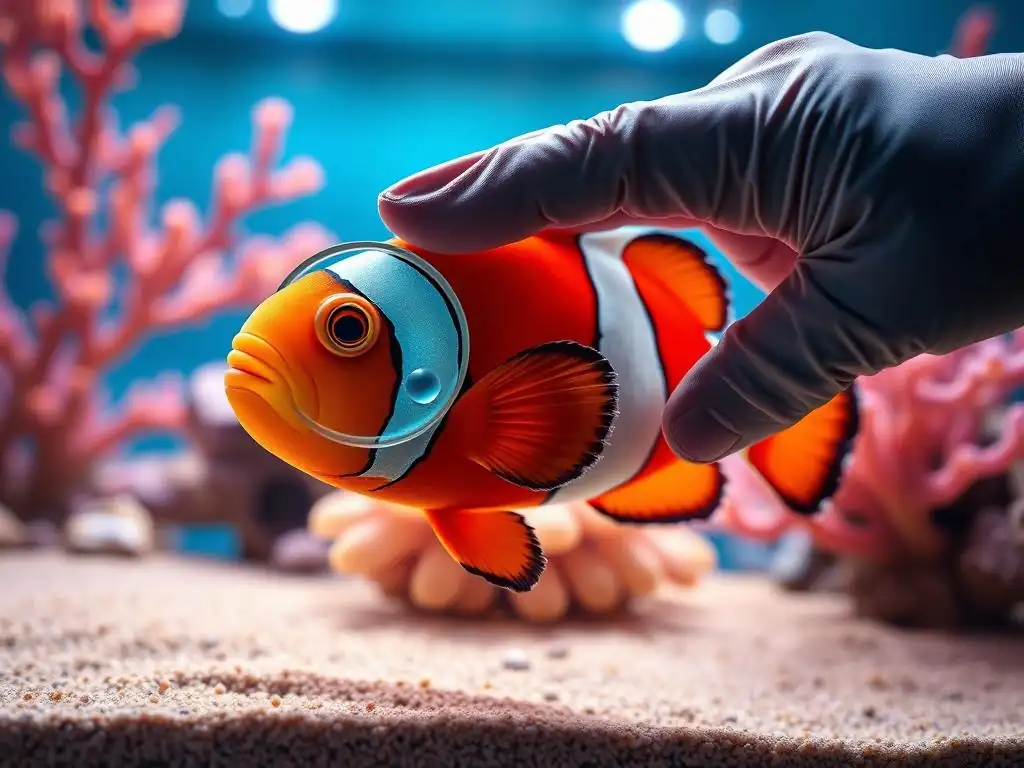
Implementing a strict quarantine procedure for all new Butterflyfish arrivals is arguably the single most effective proactive measure in preventing disease introduction into your main display tank. A dedicated quarantine tank (QT), typically 10-20 gallons for a single Butterflyfish, should be set up with minimal decor, a heater, a small power filter, and an air stone. New Butterflyfish, regardless of their apparent health, should undergo a minimum 4-6 week quarantine period. During this time, they can be observed for signs of disease, treated if necessary, and conditioned to eat prepared foods.
For instance, if a newly acquired Longnose Butterflyfish shows signs of Ich within the first week of quarantine, it can be treated in the QT without exposing the established inhabitants of your display tank, which might include sensitive corals or other fish that react poorly to medications. This isolation period allows for observation of behavioral changes, appetite, and the development of any hidden pathogens that may take time to manifest.
Approximately 80% of disease outbreaks in established marine aquariums can be traced back to the introduction of an unquarantined fish, underscoring the critical role of quarantine in your overall Butterflyfish health check routine.
Nutritional Strategies to Boost Butterflyfish Immunity
A varied, high-quality, and species-appropriate diet is paramount for boosting Butterflyfish immunity and overall resilience against disease. Malnutrition is a significant contributor to weakened immune systems. Many Butterflyfish species have specific dietary requirements; for example, obligate corallivores like the Copperband Butterflyfish require a diet rich in small invertebrates, while others are omnivores. Providing a diverse range of foods, including frozen mysis shrimp, brine shrimp (gut-loaded with spirulina), marine pellets, and high-quality flake foods, ensures a broad spectrum of nutrients.
Supplementing foods with vitamins, especially Vitamin C and Omega-3 fatty acids, can significantly enhance immune function. For example, soaking frozen foods in a liquid vitamin supplement (e.g., Selcon or Vita-Chem) once or twice a week provides essential fatty acids and vitamins that are often lost during freezing. A study showed that fish supplemented with Vitamin C had a significantly higher survival rate when exposed to pathogens. By prioritizing nutrition as part of your Butterflyfish health check routine, you empower your fish's natural defenses, making them less susceptible to common ailments and improving their ability to recover from stress.
Maintaining a Stress-Free Environment for Butterflyfish
Stress is a major immunosuppressant in fish, making them highly vulnerable to disease. Maintaining a stress-free environment is a critical preventative measure for Butterflyfish health. Key factors include:
- Appropriate Tank Size: Butterflyfish require ample swimming space. A smaller species like a Pearlscale Butterflyfish needs at least a 75-gallon tank, while larger species like a Copperband Butterflyfish ideally need 100 gallons or more. Overcrowding leads to competition for resources and increased aggression.
- Compatible Tank Mates: Avoid aggressive or overly boisterous tank mates that might harass or outcompete your Butterflyfish for food. Choose peaceful community fish.
- Stable Water Parameters: As previously discussed, consistent water quality prevents physiological stress.
- Plenty of Hiding Spots: Provide ample live rock with caves and crevices where Butterflyfish can retreat when feeling threatened or for rest.
- Gradual Acclimation: When introducing new fish or making tank changes, do so slowly to minimize shock.
For example, a Bannerfish consistently being nipped by a damselfish will be chronically stressed, leading to clamped fins, loss of appetite, and eventually disease. Implementing these environmental considerations as part of your Butterflyfish health check routine significantly reduces stress levels, allowing your Butterflyfish to thrive and maintain robust immunity against potential pathogens.
Troubleshooting Butterflyfish Health Concerns: When to Seek Expert Advice
Recognizing When a Butterflyfish Requires Veterinary Intervention
While a diligent Butterflyfish health check routine allows aquarists to manage many common issues, there are instances when professional veterinary intervention becomes necessary. Recognizing these critical junctures is crucial. If, despite your best efforts with water changes, diet adjustments, or over-the-counter remedies, a Butterflyfish's condition rapidly deteriorates or fails to improve within 24-48 hours, it's time to consider expert help. Specific red flags include:
- Rapidly worsening symptoms: Such as sudden severe bloating, rapid loss of scales, or uncontrolled erratic swimming.
- Persistent refusal to eat for more than 2-3 days.
- Unusual growths or tumors that are not responding to general treatments.
- Deep-seated infections or open wounds.
- Inability to identify the cause of symptoms despite thorough checks.
For instance, if a Copperband Butterflyfish develops an advanced case of HLLE with deep lesions, or if it has persistent labored breathing without clear external signs of parasites, a veterinarian can perform diagnostic tests like skin scrapes, gill biopsies, or even necropsies to identify the underlying pathogen or issue. Understanding these thresholds is a vital part of a comprehensive Butterflyfish health check routine.
Finding a Qualified Marine Veterinarian for Butterflyfish Care
Finding a qualified marine veterinarian can be challenging, as this is a specialized field. However, their expertise is invaluable for complex cases or when conventional treatments fail. Begin your search by:
- Asking local fish stores or aquarium clubs: They often have recommendations for veterinarians who specialize in or have experience with aquatic animals.
- Contacting local universities with veterinary programs: Some universities have departments or faculty members who focus on aquatic animal health.
- Searching online directories: Organizations like the World Aquatic Veterinary Medical Association (WAVMA) maintain lists of aquatic veterinarians globally.
- Networking with other experienced aquarists: Online forums or local groups can provide leads.
When you find a potential veterinarian, inquire about their experience with marine fish, specifically Butterflyfish, and their diagnostic capabilities (e.g., microscopy, water analysis, pathology). A veterinarian might charge a consultation fee ranging from $50-$200, but their specialized knowledge can often save valuable fish and prevent widespread tank issues. Establishing this contact before an emergency arises is a proactive step in your Butterflyfish health check routine.
Documenting Butterflyfish Health Observations for Effective Communication
Effective communication with a marine veterinarian hinges on clear, detailed documentation of your Butterflyfish health observations. Maintaining a health log is an indispensable tool for your Butterflyfish health check routine. This log should include:
- Date and Time of observation.
- Specific symptoms observed: Be descriptive (e.g., "small white spots, 0.5mm, primarily on fins," "gills moving at 120 breaths/min," "refused mysis shrimp for 2 days").
- Affected fish: Identify by species or unique markings.
- Water parameters: Record the exact readings for ammonia, nitrite, nitrate, pH, alkalinity, etc., on the day symptoms appeared and leading up to it.
- Tank history: Recent additions (fish, corals, live rock), changes in equipment, or major maintenance.
- Treatments attempted: Medication used, dosage, duration, and observed effects.
For example, noting that a Pearlscale Butterflyfish started flashing on Tuesday after a 10% water change on Monday, and then developed visible white spots on Wednesday, provides critical context for a veterinarian. This detailed record allows the vet to quickly understand the progression of the illness, rule out environmental factors, and formulate a more accurate diagnosis and treatment plan, significantly improving the chances of a positive outcome for your Butterflyfish.
Advanced Butterflyfish Health Assessment Techniques
Utilizing Photography and Video for Butterflyfish Health Monitoring
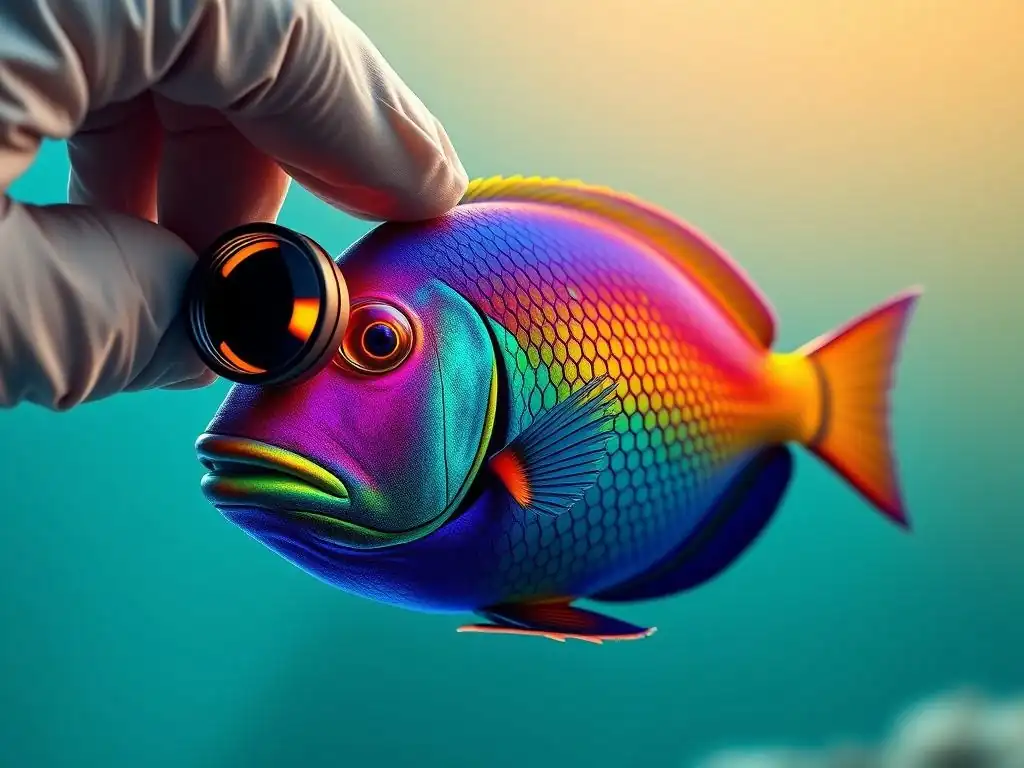
Leveraging photography and video is an advanced, yet highly accessible, technique for enhancing your Butterflyfish health check routine. Digital cameras and smartphones allow for high-resolution capture of subtle changes that might be missed during a quick visual inspection. For instance, a series of daily photos of a specific Butterflyfish can reveal the gradual progression of HLLE or the subtle increase in parasite load over time, making it easier to track the efficacy of treatments.
Video recordings are particularly useful for capturing behavioral abnormalities, such as unusual swimming patterns, breathing rates, or feeding difficulties, which are dynamic and hard to describe accurately in words. A 30-second video clip of a Copperband Butterflyfish with labored breathing can convey more information to a veterinarian than a lengthy written description. These visual records serve as objective evidence, eliminating reliance on memory and providing undeniable proof of changes.
Moreover, they are invaluable for remote consultations with a marine veterinarian, allowing them to "examine" the fish without a physical visit. Incorporating this visual documentation into your Butterflyfish health check routine elevates your diagnostic capabilities significantly.
Understanding the Role of Probiotics in Butterflyfish Gut Health
The role of probiotics in promoting Butterflyfish gut health and overall immunity is gaining increasing recognition. Just like in humans, a healthy gut microbiome in fish is essential for nutrient absorption, vitamin synthesis, and disease resistance. Probiotics, which are beneficial live microorganisms, can be introduced through specialized fish foods or water additives. These probiotics help to establish or restore a balanced gut flora, particularly after antibiotic treatments or periods of stress.
For example, research has shown that fish fed probiotic-enriched diets exhibit improved growth rates, enhanced feed conversion ratios, and a stronger immune response against common pathogens. Specific strains of Lactobacillus and Bacillus have demonstrated efficacy in aquatic environments. While direct data on Butterflyfish specifically is still emerging, the general principles apply. Incorporating probiotic-fortified foods once or twice a week into your Butterflyfish health check routine can contribute to a more robust digestive system, reducing the likelihood of internal parasitic infections and improving overall vitality, making your Butterflyfish more resilient to environmental stressors.
Genetic Predisposition to Disease in Butterflyfish
Understanding genetic predisposition to disease in Butterflyfish is an advanced concept that can influence long-term health management. While most aquarists acquire fish without knowing their genetic lineage, recognizing that certain individuals or even entire species might be inherently more susceptible to specific ailments can inform purchasing decisions and ongoing care strategies. For instance, some wild-caught Butterflyfish may carry latent pathogens or genetic weaknesses due to environmental stressors in their natural habitat or collection methods.
While definitive genetic testing for disease susceptibility is not routinely available for hobbyists, historical observations suggest that certain species or even specific bloodlines within breeding programs might exhibit higher resistance or vulnerability to diseases like Ich or HLLE. For example, some aquarists report that certain species of Butterflyfish seem to be "Ich magnets" compared to others, indicating a potential underlying genetic or physiological predisposition.
While difficult to control directly, being aware of this concept encourages aquarists to prioritize robust, healthy specimens from reputable suppliers during initial purchase, as part of their long-term Butterflyfish health check strategy, rather than trying to nurse a perpetually ailing fish.
Conclusion: The Importance of Consistent Butterflyfish Health Checks for a Thriving Aquarium
Reinforcing the Benefits of Proactive Butterflyfish Care
The consistent application of a daily Butterflyfish health check routine is the bedrock of a successful and thriving saltwater aquarium. This proactive approach transforms fishkeeping from a reactive battle against disease into a preventative practice that fosters robust health and longevity for your delicate Butterflyfish.
By diligently observing behaviors, scrutinizing physical appearance, and maintaining impeccable water quality, aquarists can identify potential issues in their nascent stages, often before they escalate into full-blown crises. This vigilance not only saves individual fish but also protects the entire aquatic ecosystem from widespread disease outbreaks, which can decimate an entire tank in a matter of days.
The investment of a few minutes each day in your Butterflyfish health check routine yields substantial returns in terms of reduced stress for both fish and aquarist, lower mortality rates, and a more vibrant, dynamic display. For instance, catching a single white spot on a Copperband Butterflyfish early can prevent a week-long, costly treatment of the entire system. Ultimately, proactive Butterflyfish care, embodied by a rigorous daily health check, cultivates a deeper understanding of your fish's needs and ensures a beautiful, resilient, and enduring marine environment.
Resources for Further Learning About Butterflyfish Health
For aquarists committed to mastering their Butterflyfish health check routine and expanding their knowledge, a wealth of resources is available. Reputable books on marine fish diseases, such as "The Conscientious Marine Aquarist" by Robert Fenner or "Marine Fish Diseases: Dynamics and Diversity" by Edward Noga, offer comprehensive insights into pathology, diagnosis, and treatment protocols. Online forums and communities dedicated to marine aquaria, such as Reef2Reef or The Reef Tank, provide platforms for sharing experiences, asking questions, and learning from seasoned hobbyists.
Furthermore, academic journals and publications from institutions specializing in aquaculture and marine biology often publish cutting-edge research on fish health, nutrition, and disease management, though these can be more technical. Attending local aquarium club meetings or workshops can also connect you with local experts and resources. Continuously educating yourself on the latest best practices and scientific advancements in Butterflyfish health will not only enhance your Butterflyfish health check routine but also elevate your overall expertise as a dedicated aquarist, ensuring the well-being of these magnificent creatures for years to come.
Frequently Asked Questions
How often should I perform a health check on my Butterflyfish?
You should perform a daily visual inspection to observe their behavior, feeding habits, and physical appearance. This helps catch potential issues early for better treatment outcomes.
What are the key indicators I should be looking for during a Butterflyfish health check?
Look for signs of disease, such as white spots (Ich), clamped fins, or unusual swimming patterns. Also, check for physical injuries like torn fins or wounds.
How important is water quality in maintaining Butterflyfish health?
Water quality is crucial. Poor water parameters can stress Butterflyfish, making them susceptible to disease. Regularly test and maintain optimal water conditions.
What should I do if I notice a problem during a Butterflyfish health check?
Immediately isolate the affected fish in a quarantine tank to prevent the spread of disease. Then, research the symptoms and begin appropriate treatment.
Besides visual checks, are there other aspects of Butterflyfish health I should monitor?
Yes, monitor their appetite and ensure they are eating a varied diet. Also, observe their interactions with other fish to identify any signs of aggression or stress.
Final Reflection: Nurturing the Delicate Dance of Butterflyfish
The meticulous details outlined in this guide, emphasizing the importance of a daily butterflyfish health check routine, are not merely about maintaining a pristine aquarium. They represent a deeper commitment to the well-being of these captivating creatures, recognizing that their vibrant beauty is intrinsically linked to our diligent care and observation. In a world increasingly disconnected from the natural rhythms of life, tending to these delicate fish serves as a powerful reminder of the interconnectedness of all living things.
This journey into the nuances of butterflyfish health has profoundly impacted my own understanding of responsible aquarism. It's shifted my perspective from simply keeping fish to actively fostering an environment where they can truly thrive. The greatness of a nation and its moral progress can be judged by the way its animals are treated.
- Mahatma Gandhi. This quote resonates deeply, highlighting the ethical responsibility we bear when choosing to bring these animals into our care, and underscores the importance of proactive health management.
Now, I invite you to reflect on your own role in the aquatic ecosystem. Consider how you can translate the principles of attentive observation and proactive care, as outlined in this guide, into your own aquariums and beyond. Let us all strive to be more vigilant, more compassionate, and more dedicated stewards of these magnificent butterflyfish, ensuring their health and happiness for generations to come.
Ignite Your Butterflyfish Brilliance!
Thank you for diving into the well-being of your butterflyfish! We hope this guide has equipped you with the knowledge to ensure their vibrant health. Now, let's translate that knowledge into action.
- Commit to observing your butterflyfish closely for 5 minutes daily, noting any changes in behavior, appetite, or appearance. This is your primary defense against illness.
- Share your butterflyfish care triumphs and challenges in the Aquarium Mastery community forum to spark enriching discussions and learn from fellow aquarists.
- Try an unexpected treat this week: Offer a tiny piece of thawed, frozen mysis shrimp soaked in garlic extract to boost your butterflyfish's immune system and appetite!
What fascinating butterflyfish behavior have you observed today during your daily check-in?