
Threadfin Butterflyfish (Chaetodon auriga): Majestic Fins, Specific Diet & Reef Questions

Welcome to Aquarium Mastery!
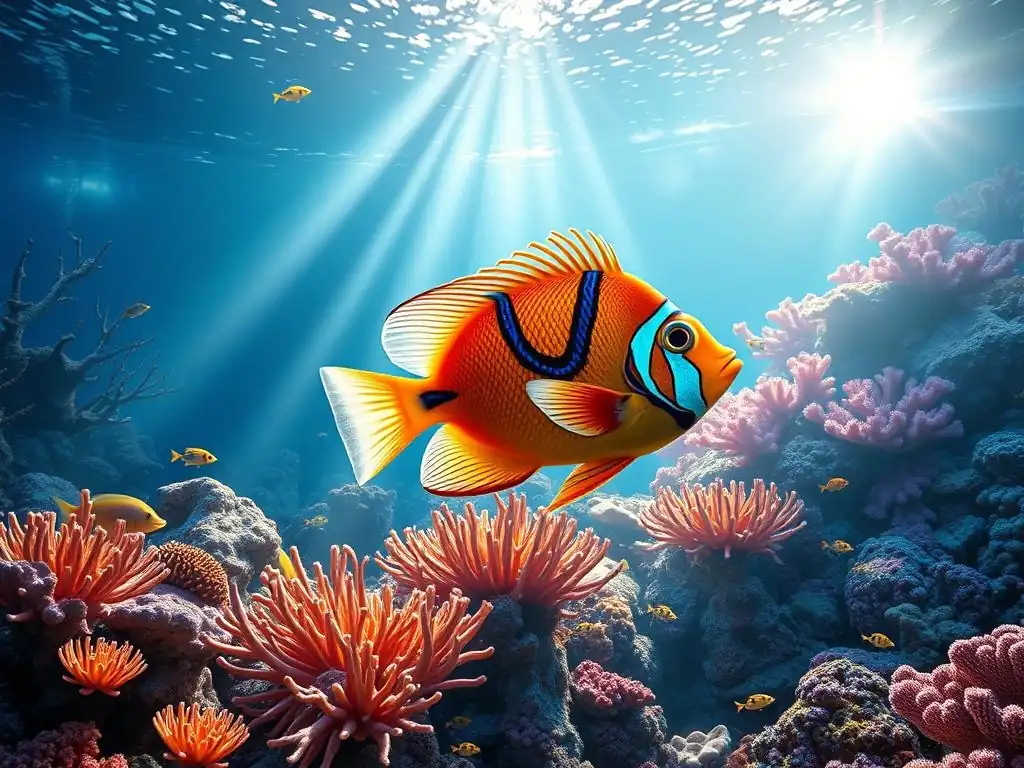
Ever been captivated by the delicate dance of a Threadfin Butterflyfish? Their flowing fins and vibrant colors are truly mesmerizing. But are they right for your reef tank? Dive into our comprehensive Threadfin Butterflyfish Care Guide to uncover the secrets to keeping these majestic creatures healthy and thriving. We'll explore everything from their specific dietary needs to their compatibility with other reef inhabitants, leaving you equipped to make an informed decision. Ready to unravel the mysteries? Let's get started!
- Understanding the Threadfin Butterflyfish: A Comprehensive Care Guide
- Essential Requirements for Threadfin Butterflyfish Care in Aquariums
- The Threadfin Butterflyfish Diet: Feeding Habits and Nutritional Needs
- Threadfin Butterflyfish and Reef Aquariums: Compatibility and Considerations
- Maintaining Threadfin Butterflyfish Health: Disease Prevention and Treatment
- Breeding Threadfin Butterflyfish: Challenges and Possibilities
- Troubleshooting Common Issues with Threadfin Butterflyfish Care
- Conclusion: Mastering Threadfin Butterflyfish Care for a Thriving Aquarium
-
Frequently Asked Questions
- What are the key considerations for setting up a tank suitable for a Threadfin Butterflyfish?
- What is the recommended diet for a Threadfin Butterflyfish in an aquarium setting?
- Are Threadfin Butterflyfish reef-safe, and what should I consider if I want to keep them in a reef tank?
- What are some common health issues that Threadfin Butterflyfish are susceptible to, and how can I prevent them?
- How do I ensure a Threadfin Butterflyfish gets along with other fish in the aquarium?
- Final Reflection: The Delicate Dance of Reef Stewardship
- Ignite Your Reef Tank Dreams!
Understanding the Threadfin Butterflyfish: A Comprehensive Care Guide
Introduction to the Chaetodon auriga: Origins and Natural Habitat
The Threadfin Butterflyfish, scientifically known as Chaetodon auriga, is a striking and widely recognized marine fish belonging to the family Chaetodontidae. Also commonly referred to as the Auriga Butterflyfish or Whip Butterflyfish, this species is celebrated for its distinctive appearance and graceful swimming patterns. It is one of the most widespread butterflyfish, found throughout the vast Indo-Pacific region, extending from the Red Sea and East Africa across to the Hawaiian Islands and south to Australia.
In their natural environment, Threadfin Butterflyfish primarily inhabit outer reef slopes, lagoons, and channels, typically at depths ranging from 1 to 60 meters, though they are most commonly observed between 5 and 20 meters. They are often seen swimming singly or in pairs, diligently picking at food sources found among the live rock and coral structures. Their adaptability to various reef zones underscores their resilience in the wild, a factor that contributes to their presence in the aquarium trade, where a detailed Threadfin butterflyfish care guide is essential.
Threadfin Butterflyfish Appearance: Identifying Features and Fin Variations
The Threadfin Butterflyfish boasts a visually appealing pattern that makes it easily identifiable. Its body is predominantly white or silvery on the anterior half, transitioning to a vibrant yellow on the posterior section, including the caudal peduncle and fins. A prominent black vertical bar typically runs through the eye, serving as a natural camouflage, while a distinctive black spot, or ocellus, is often present on the soft dorsal fin.
However, the most defining characteristic, giving the fish its common name, is the elongated, trailing filament that extends from the soft dorsal fin. This "threadfin" can be quite long, sometimes reaching beyond the caudal fin, and is a key feature distinguishing Chaetodon auriga from other butterflyfish species. Adults can reach an impressive size of up to 23 centimeters (approximately 9 inches) in length in their wild habitat, showcasing robust fin development and a sleek, disc-shaped body.
Essential Requirements for Threadfin Butterflyfish Care in Aquariums
Aquarium Size and Setup for Optimal Threadfin Butterflyfish Health
Providing an adequately sized aquarium is paramount for the long-term health and well-being of the Threadfin Butterflyfish. Due to their active swimming nature and potential adult size, a minimum tank volume of 120 gallons (approximately 450 liters) is recommended for a single specimen. This generous space allows the fish ample room to swim freely and establish its territory without feeling confined, which is a critical aspect of any successful Threadfin butterflyfish care guide.
The aquarium setup should include a substantial amount of live rock, arranged to create numerous hiding spots, caves, and crevices for the fish to explore and retreat into when feeling stressed. However, it is equally important to ensure there are open swimming areas. Robust filtration, including a high-quality protein skimmer and a mature biological filter (such as a sump with live rock or bio-media), is essential to maintain pristine water quality, which this species demands. A tight-fitting lid is also advisable, as butterflyfish can occasionally jump.
Water Parameters: Maintaining a Stable Environment for Chaetodon auriga
Maintaining stable and appropriate water parameters is non-negotiable for the health of Chaetodon auriga. The ideal temperature range for Threadfin Butterflyfish is between 74-80°F (23-27°C). Salinity should be kept within a specific gravity of 1.020-1.025, closely mimicking their natural marine environment. The pH level should consistently remain between 8.1 and 8.4. Fluctuations in these parameters can cause significant stress, leading to weakened immune systems and susceptibility to disease.
Beyond temperature, salinity, and pH, the levels of ammonia, nitrite, and nitrate must be meticulously managed. Ammonia and nitrite should always be undetectable (0 ppm), while nitrates should be kept as low as possible, ideally below 10 ppm. Regular partial water changes, typically 10-20% bi-weekly or 5-10% weekly, are crucial for replenishing trace elements and diluting accumulated pollutants. Consistent monitoring with reliable test kits is a fundamental part of comprehensive Threadfin butterflyfish care.
Ideal Tank Mates for Threadfin Butterflyfish: Compatibility Considerations
When selecting tank mates for the Threadfin Butterflyfish, compatibility is a key factor to ensure a harmonious aquarium environment. Generally, Chaetodon auriga is considered a relatively peaceful species, but it can exhibit territorial behavior towards other butterflyfish, particularly those of similar shape or coloration, or even conspecifics in smaller tanks. Therefore, it's often best to keep only one Threadfin Butterflyfish or a confirmed mated pair in a sufficiently large system.
Suitable tank mates include other peaceful, non-aggressive marine fish that will not outcompete the butterflyfish for food or bully them. Good choices might include docile tangs (like Yellow Tangs or Kole Tangs), certain wrasses, clownfish, gobies, and even some smaller, less aggressive triggerfish in very large setups. Avoid highly aggressive fish, overly boisterous species that might stress the butterflyfish, or very small, shy species that could be intimidated or outcompeted during feeding. Introducing all tank inhabitants simultaneously or the butterflyfish last can help minimize territorial disputes, contributing to successful Threadfin butterflyfish care.
The Threadfin Butterflyfish Diet: Feeding Habits and Nutritional Needs
Natural Diet of the Chaetodon auriga in the Wild
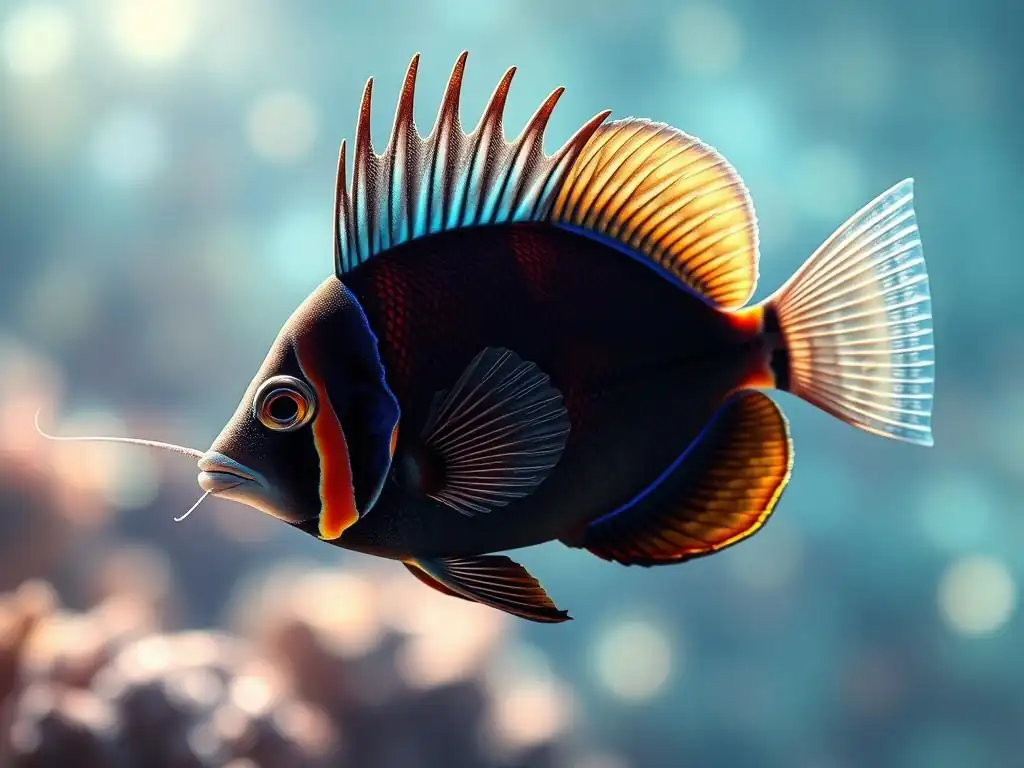
In their natural reef habitats, Threadfin Butterflyfish are primarily omnivores with a significant inclination towards benthic invertebrates. Their diet in the wild consists largely of small crustaceans, various types of marine worms, and small polyps of soft and stony corals. They possess a specialized, elongated snout that allows them to meticulously pick food items from crevices, live rock, and coral surfaces.
Observations in the wild indicate their opportunistic feeding habits, where they will graze on algae and detritus, but their preference leans heavily towards live, sessile invertebrates. This natural dietary inclination is a crucial consideration for aquarists, as it directly impacts their compatibility with reef tanks and necessitates a carefully planned feeding regimen in captivity. Understanding this natural diet is fundamental to any effective Threadfin butterflyfish care guide.
Formulating a Balanced Aquarium Diet for Threadfin Butterflyfish
To ensure the optimal health and vibrant coloration of Threadfin Butterflyfish in an aquarium, a varied and nutritious diet is essential. High-quality frozen foods should form the cornerstone of their diet. This includes mysis shrimp, enriched brine shrimp, finely chopped seafood such as shrimp, clam, and squid, all of which provide vital proteins and fats. Spirulina-enriched foods are also highly beneficial, contributing essential vegetable matter.
It is recommended to feed Threadfin Butterflyfish small amounts multiple times a day (2-3 times) rather than one large feeding. This mimics their natural grazing behavior and helps maintain water quality by preventing uneaten food from decaying. Supplementing with high-quality marine flakes or pellets, specifically formulated for omnivorous marine fish and containing spirulina or other plant-based ingredients, ensures a comprehensive nutritional profile necessary for robust Threadfin butterflyfish care.
Addressing Feeding Challenges: Getting Your Threadfin Butterflyfish to Eat
Newly introduced Threadfin Butterflyfish can often be shy and reluctant to eat, a common challenge in their initial aquarium acclimation. Stress from transport, new surroundings, or aggressive tank mates can suppress their appetite. To entice them, offering highly palatable live foods such as live brine shrimp or blackworms can often stimulate a feeding response. These foods are familiar and appealing, helping the fish settle in.
If the fish continues to refuse prepared foods, soaking frozen or pellet foods in a appetite stimulant like garlic extract or a liquid vitamin supplement can significantly increase their appeal. Ensuring pristine water quality and minimizing overall stress in the tank environment are also crucial, as poor conditions directly impact a fish's willingness to eat. Patience and persistence are key; it may take several days or even weeks for a Threadfin Butterflyfish to fully acclimate and consistently accept a prepared diet, highlighting a delicate aspect of Threadfin butterflyfish care.
Threadfin Butterflyfish and Reef Aquariums: Compatibility and Considerations
The Reef-Safe Debate: Is the Threadfin Butterflyfish a Good Choice?
The question of whether the Threadfin Butterflyfish is "reef-safe" is a perennial debate among aquarists. While some individuals may exhibit minimal interest in corals, the general consensus, based on their natural diet and observed behavior in captivity, is that Chaetodon auriga is not reliably reef-safe. They are known to nip at and consume the polyps of various stony (LPS and SPS) and soft corals, as well as other sessile invertebrates like feather dusters, anemones, and even some types of clams.
Their natural inclination to graze on benthic invertebrates means that even if a specific Threadfin Butterflyfish initially leaves corals alone, there's always a significant risk that it may develop a taste for them, especially if its preferred food sources are scarce or if it feels underfed. This inherent risk makes them a questionable choice for dedicated reef aquariums where the preservation of corals and invertebrates is a top priority, a crucial consideration for any Threadfin butterflyfish care guide.
Potential Risks to Corals and Invertebrates in a Reef Tank
The potential for damage to corals and invertebrates by a Threadfin Butterflyfish in a reef tank is substantial. They can cause irreversible harm to delicate coral colonies through persistent nipping. Slow-growing LPS corals, such as Favia, Blastomussa, and Acanthastrea, are particularly vulnerable, as are many soft corals like Xenia, Zoanthids, and Mushrooms, which they may systematically consume.
Beyond direct consumption, the constant harassment and nipping can cause significant stress to corals, leading to polyp retraction, tissue recession, and increased susceptibility to disease. This stress can ultimately result in the death of the coral colony. Similarly, invertebrates like clams can be harassed, leading them to stay closed, while feather dusters and other worms may be constantly picked at, preventing them from feeding and thriving. For aquarists with valuable coral collections, the risk posed by a Threadfin Butterflyfish often outweighs its aesthetic appeal in a reef setting.
Strategies for Minimizing Reef Damage from Threadfin Butterflyfish
If an aquarist chooses to house a Threadfin Butterflyfish in a mixed reef aquarium despite the risks, certain strategies can be employed to minimize potential damage, though success is never guaranteed. The most critical approach is to provide a highly varied and abundant diet, feeding the fish frequently throughout the day (e.g., 3-4 small feedings). The goal is to keep the fish well-fed and less inclined to seek out corals as a food source.
Additionally, introducing the Threadfin Butterflyfish to a well-established reef with mature, healthy corals might offer a slightly better chance of success, as the fish may find sufficient alternative food sources among the live rock. Some aquarists opt for hardier, fast-growing soft corals like leather corals, or less palatable species that might be less attractive targets. However, the most reliable strategy for avoiding coral damage is to house the Threadfin Butterflyfish in a "fish-only with live rock" (FOWLR) system, where corals are not present, ensuring peaceful Threadfin butterflyfish care.
Maintaining Threadfin Butterflyfish Health: Disease Prevention and Treatment
Common Diseases Affecting Chaetodon auriga in Aquariums
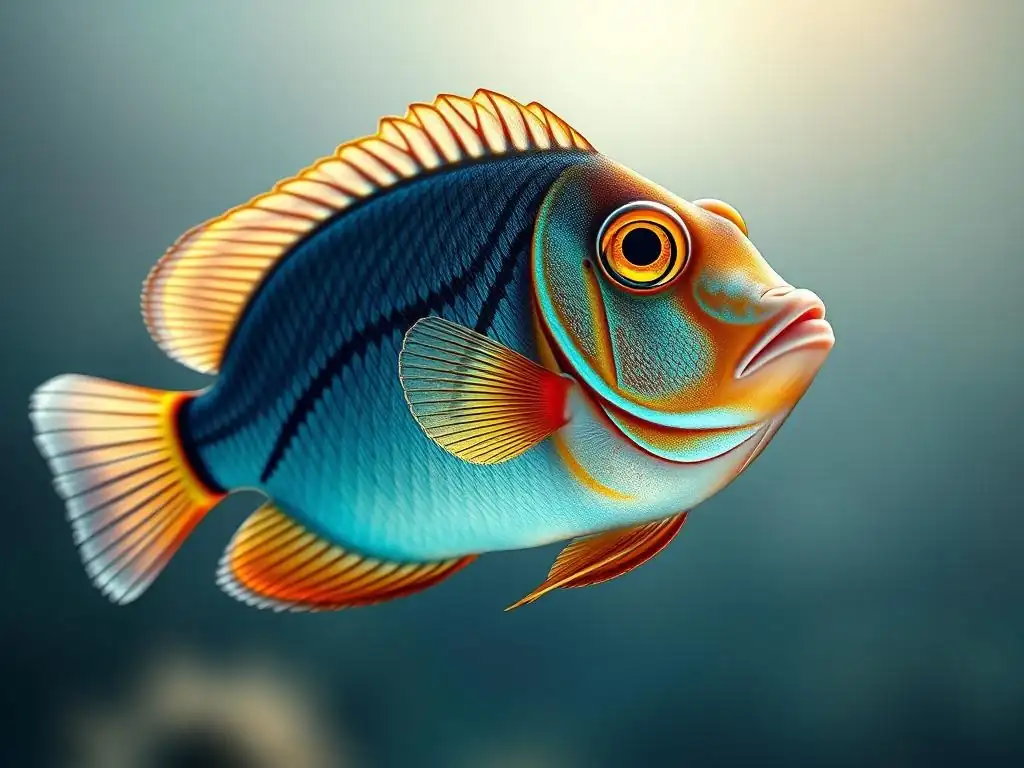
Threadfin Butterflyfish, like many marine species, are susceptible to common aquarium diseases, particularly when stressed by poor water quality, improper acclimation, or inadequate nutrition. Marine Ich ( Cryptocaryon irritans) is one of the most prevalent threats, manifesting as small white spots resembling salt grains on the fish's body and fins. Velvet ( Amyloodinium ocellatum) is another highly contagious parasitic infection, often appearing as a dusty, golden film.
They are also prone to bacterial infections, which can lead to fin rot, cloudy eyes, or open sores, often secondary to stress or physical injury. Internal parasites can also be an issue, especially in wild-caught specimens, leading to emaciation despite feeding. A proactive Threadfin butterflyfish care guide emphasizes prevention through stable water parameters, a balanced diet, and strict quarantine protocols.
Quarantine Procedures for New Threadfin Butterflyfish
Implementing a rigorous quarantine procedure for all new Threadfin Butterflyfish is arguably the most crucial step in preventing disease outbreaks in the main display tank. A dedicated quarantine tank (QT) should be set up with appropriate filtration, heating, and aeration, but without substrate or elaborate decor to facilitate cleaning and observation. New fish should remain in the QT for a minimum of 4-6 weeks.
During the quarantine period, the fish can de-stress, acclimate to prepared foods, and be closely monitored for any signs of illness. This also allows for prophylactic treatment for common parasites like Ich and Velvet, typically using copper-based medications or hyposalinity. Treating in a QT prevents the introduction of pathogens into the main system, safeguarding existing inhabitants and ensuring healthier Threadfin butterflyfish care.
Effective Treatment Options for Sick Threadfin Butterflyfish
Should a Threadfin Butterflyfish fall ill, prompt and accurate diagnosis is key to effective treatment. For external parasitic infections like Marine Ich or Velvet, copper-based medications (e.g., chelated copper, copper power) administered in a quarantine tank are often effective, with careful monitoring of copper levels. Alternatively, hyposalinity (gradually reducing specific gravity to 1.008-1.010 for 2-3 weeks) can also be used, though it requires precise measurement and stability.
Bacterial infections, such as fin rot or body sores, typically require treatment with broad-spectrum antibiotics, also administered in the QT to avoid harming beneficial bacteria in the main tank. Medications like Furan-2 or Maracyn 2 are common choices. For suspected internal parasites, medications containing metronidazole or praziquantel can be effective, often mixed with food. Always ensure proper dosage and complete the full course of treatment, even if symptoms improve, to ensure comprehensive Threadfin butterflyfish care.
Breeding Threadfin Butterflyfish: Challenges and Possibilities
Understanding Threadfin Butterflyfish Reproduction in the Wild
In their natural habitat, Threadfin Butterflyfish typically reproduce through pelagic spawning. This means that during courtship, usually occurring at dusk, a male and female form a pair and release their eggs and sperm directly into the open water column. The eggs are positively buoyant and drift with the ocean currents as part of the plankton.
After a relatively short incubation period, the larvae hatch and continue their planktonic existence, feeding on microscopic organisms. This larval stage can last for several weeks, during which the larvae are highly vulnerable to predation and environmental changes. They eventually undergo metamorphosis and settle onto the reef as tiny juvenile butterflyfish. This open-water spawning and extended larval development are significant factors contributing to the difficulty of their captive breeding.
The Difficulty of Breeding Chaetodon auriga in Captivity
Breeding Chaetodon auriga in a home aquarium setting is exceptionally challenging and has been rarely, if ever, documented as successful by hobbyists. The primary obstacles stem from their pelagic spawning habits and the specific requirements for larval development. Replicating the vastness of the ocean, the precise water parameters, and the environmental cues necessary to trigger spawning behavior in a confined aquarium is extremely difficult.
Furthermore, even if spawning occurs, the eggs and newly hatched larvae are incredibly small and delicate. They require a highly specialized and continuously available food source that progresses in size as the larvae grow. Culturing these microscopic live foods (such as specific strains of rotifers and copepods) in sufficient quantities and with the correct nutritional profile is a demanding task that requires advanced aquaculture techniques and dedicated facilities, making it a frontier even for experienced Threadfin butterflyfish care enthusiasts.
Spawning Triggers and Larval Rearing Challenges
While specific spawning triggers for Chaetodon auriga in captivity are largely unresearched due to the rarity of successful breeding, general principles for marine fish suggest that precise manipulation of environmental factors could play a role. This might include gradual changes in water temperature, photoperiod (lighting duration and intensity), and water chemistry, mimicking seasonal or lunar cycles that occur in their natural environment. A highly nutritious and varied diet for the conditioning pair is also critical.
However, the most significant hurdle lies in larval rearing. Newly hatched Threadfin Butterflyfish larvae are minute and have very specific dietary needs. They often require specific sizes and species of live phytoplankton and zooplankton for their initial feeding stages, which must be cultured continuously. As they grow, their diet needs to transition to progressively larger live foods. The high mortality rates during the larval stage, combined with the labor-intensive nature of culturing appropriate food sources, make successful captive breeding of Threadfin Butterflyfish an extraordinary feat for any Threadfin butterflyfish care guide.
Troubleshooting Common Issues with Threadfin Butterflyfish Care
Identifying Signs of Stress or Illness in Your Threadfin Butterflyfish
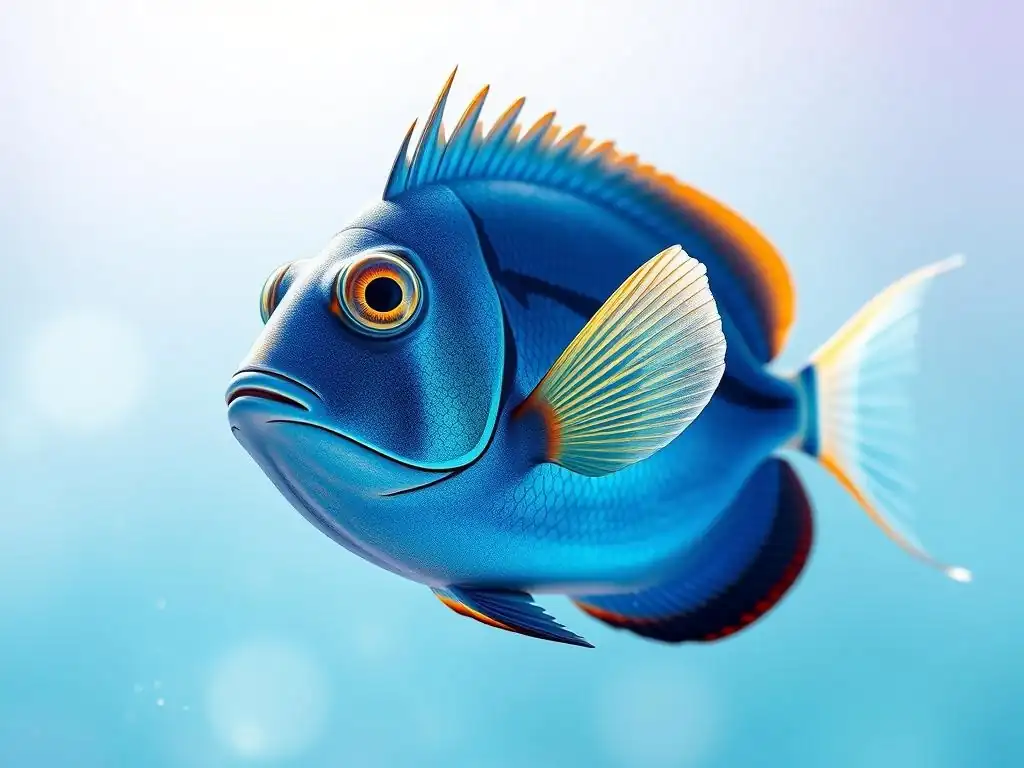
Early detection of stress or illness is crucial for effective intervention in Threadfin butterflyfish care. Healthy Chaetodon auriga are typically active, alert, and display vibrant coloration, swimming gracefully throughout the tank or diligently picking at surfaces. Signs of stress or illness include clamped fins (held close to the body), faded or dull coloration, rapid or labored breathing, and excessive hiding or lethargy.
Other indicators might include scratching or "flashing" against tank decor or substrate, which can signal external parasites. Visible physical symptoms such as white spots (Ich), a dusty film (Velvet), cloudy eyes, open sores, or fin erosion are clear signs of disease. A loss of appetite or refusal to eat for extended periods is also a serious warning sign that warrants immediate investigation into water quality and potential pathogens.
Addressing Aggression and Territoriality Among Butterflyfish
While Threadfin Butterflyfish are generally considered semi-aggressive to peaceful, they can exhibit territoriality, particularly towards other butterflyfish species, especially those with similar body shapes or colors, or even conspecifics if the tank is too small. If aggression is observed, several strategies can be employed to mitigate the issue.
Increasing the tank size is often the most effective long-term solution, as it provides more space for each fish to establish its territory. Rearranging the aquascape by moving live rock and decor can help break up existing territories and create new hiding spots, potentially diffusing tension. Introducing all butterflyfish simultaneously or adding the Threadfin Butterflyfish last can also help reduce initial aggression. In severe cases, if aggression persists and threatens the well-being of other inhabitants, removing the aggressor or the targeted fish to a separate tank may be necessary.
Preventing and Resolving Algae Problems in a Threadfin Butterflyfish Tank
Algae problems in a Threadfin Butterflyfish tank, or any marine aquarium, typically stem from an imbalance in the system, primarily excess nutrients (nitrates and phosphates) and/or excessive lighting. Preventing algae outbreaks is far easier than resolving them. This involves strict adherence to regular maintenance, including consistent partial water changes (10-20% bi-weekly) to export nutrients, and using a high-quality protein skimmer to remove organic waste before it breaks down. Avoiding overfeeding is also paramount, as uneaten food quickly contributes to nutrient buildup.
To resolve existing algae issues, manually remove as much algae as possible during water changes. Reduce the duration of aquarium lighting (e.g., 8-10 hours daily, or even less temporarily). Ensure your RO/DI water filter is functioning optimally to prevent silicates and phosphates from entering the system. Introducing a clean-up crew of compatible algae-eating invertebrates (e.g., snails like Turbo or Astrea, hermit crabs) can help, but addressing the underlying cause of nutrient accumulation is the most effective long-term solution for maintaining pristine conditions for Threadfin butterflyfish care.
Conclusion: Mastering Threadfin Butterflyfish Care for a Thriving Aquarium
Recap of Key Care Requirements for Chaetodon auriga
Mastering Threadfin butterflyfish care involves a commitment to providing a stable, spacious, and meticulously maintained environment. Key requirements include a minimum 120-gallon aquarium to accommodate their active nature and adult size, ample live rock for security and exploration, and robust filtration to ensure pristine water quality. Maintaining stable parameters—temperature between 74-80°F, salinity 1.020-1.025, and pH 8.1-8.4—along with undetectable ammonia and nitrite and very low nitrates, is non-negotiable for their health.
A balanced and varied diet consisting of high-quality frozen foods, supplemented with marine flakes or pellets, fed multiple times daily, is essential for their nutritional needs. Careful consideration of tank mates, opting for peaceful, non-aggressive species, and a cautious approach to reef compatibility (as they are generally not reef-safe) are also critical. Finally, strict quarantine procedures for all new arrivals are vital to prevent disease introduction, ensuring the long-term well-being of these majestic fish.
Resources for Further Learning about Threadfin Butterflyfish
For aquarists seeking to deepen their knowledge and truly master Threadfin butterflyfish care, a wealth of resources is available. Exploring reputable scientific journals and online databases dedicated to marine biology and ichthyology can provide in-depth information on Chaetodon auriga's natural ecology, behavior, and conservation status. Specialized marine aquarium books, particularly those focusing on butterflyfish or general saltwater fish husbandry, offer detailed insights into their specific needs in captivity.
Engaging with online forums and communities of experienced marine aquarists can provide invaluable practical advice, troubleshooting tips, and shared experiences regarding this specific species. Visiting local fish stores with knowledgeable staff and participating in local aquarium clubs can also offer hands-on guidance and networking opportunities. Continuous learning and a proactive approach to research are fundamental for successfully keeping and appreciating the elegant Threadfin Butterflyfish in your home aquarium.
Frequently Asked Questions
What are the key considerations for setting up a tank suitable for a Threadfin Butterflyfish?
The most important considerations are a large tank (at least 75 gallons), excellent water quality, and plenty of live rock for grazing and shelter.
What is the recommended diet for a Threadfin Butterflyfish in an aquarium setting?
Threadfin Butterflyfish require a varied diet including meaty foods like mysis shrimp and brine shrimp, as well as algae. Supplementation with high-quality marine flakes is also beneficial.
Are Threadfin Butterflyfish reef-safe, and what should I consider if I want to keep them in a reef tank?
They are not considered reef-safe. They may nip at corals and invertebrates, making them better suited for a fish-only tank or a fish-only-with-live-rock (FOWLR) setup.
What are some common health issues that Threadfin Butterflyfish are susceptible to, and how can I prevent them?
They can be prone to ich and other parasitic infections. Maintaining stable water parameters, providing a stress-free environment, and quarantining new arrivals are essential for prevention.
How do I ensure a Threadfin Butterflyfish gets along with other fish in the aquarium?
Choose peaceful tank mates of a similar size. Avoid aggressive or territorial fish that may bully the Threadfin Butterflyfish. Providing plenty of hiding places can also help reduce stress.
Final Reflection: The Delicate Dance of Reef Stewardship
The intricacies of caring for a Threadfin Butterflyfish, as we've explored, are a microcosm of the broader challenges facing our coral reefs. Understanding their specific needs – from water parameters to dietary requirements – underscores the responsibility we bear as stewards of these fragile ecosystems. The survival of these majestic creatures, both in our aquariums and in the wild, hinges on our commitment to informed and conscientious action.
This journey into the world of Chaetodon auriga has highlighted the interconnectedness of all living things within a reef environment. It's a reminder that even seemingly small choices, like selecting appropriate tank mates or ensuring a varied diet, can have profound consequences. We are tied to the ocean. And when we go back to the sea, whether it is to sail or to watch it, we are going back from whence we came.
- John F. Kennedy. This quote resonates deeply when considering the future of these magnificent fish and the reefs they call home.
Now, armed with this knowledge, consider your own role in preserving these underwater paradises. Let the dedication required for Threadfin Butterflyfish care inspire you to advocate for sustainable practices, support reef conservation efforts, and educate others about the importance of protecting our oceans. The future of these vibrant ecosystems, and the Threadfin Butterflyfish that grace them, rests in our hands.
Ignite Your Reef Tank Dreams!
Thank you for diving deep into the captivating world of the Threadfin Butterflyfish! We hope you’ve discovered new appreciation for these stunning creatures and their specific needs. Now, let’s translate that knowledge into action.
- Embark on a journey to recreate a thriving reef environment in your aquarium that caters specifically to the Threadfin Butterflyfish. This means carefully researching and replicating their natural habitat as much as possible.
- Dive deeper: Research compatible tankmates that thrive alongside Chaetodon auriga, creating a peaceful and balanced ecosystem.
- Share your newfound wisdom! Discuss your insights and experiences with fellow reef enthusiasts in online forums or local aquarium clubs, helping others successfully care for these beautiful fish.
What unique elements will you incorporate into your reef tank to truly make it a paradise for your Threadfin Butterflyfish?