
The Guppy Birthing Process: What to Expect When Your Guppy is Expecting

Welcome to Aquarium Mastery!
Ever wondered exactly when your guppy will give birth? Delve into the fascinating world of livebearers with our comprehensive guide, " The Guppy Birthing Process: What to Expect When Your Guppy is Expecting." We'll unravel the mysteries of guppy gestation and birthing, helping you ensure a safe and healthy environment for both mother and fry. Curious to know the telltale signs and how to prepare? Read on to become a true guppy birthing expert!
- Understanding Guppy Pregnancy
- Recognizing Signs of Impending Birth
- Preparing the Birthing Environment
- The Guppy Birthing Process Itself
- Post-Birth Care for Guppies and Fry
- Common Challenges and Troubleshooting
-
Frequently Asked Questions
- What are the key signs that my guppy is about to give birth?
- How long does the guppy birthing process typically take?
- What is the ideal water temperature for guppy birthing?
- Should I separate the pregnant guppy from other fish in the tank?
- How soon after giving birth can a guppy become pregnant again?
- Final Reflection: The Miracle of New Life
- Unveil Your Guppy-Breeding Expertise!
Understanding Guppy Pregnancy
Guppy Gestation Period: The Typical Timeline
The gestation period for a female guppy typically ranges from 21 to 30 days, though environmental factors such as water temperature and nutrition can influence this guppy birthing process timing. Warmer water, generally between 76-80°F (24-27°C), can slightly accelerate the development of the fry, leading to a shorter gestation period. Conversely, cooler temperatures might extend it, pushing the birth closer to the 30-day mark. Observing the female's body shape and the development of her gravid spot provides the most reliable indication of her progress towards birth.
During this period, the female guppy's body will gradually swell, becoming noticeably larger and more box-like, especially in the final week. This physical change is a clear sign that the fry are maturing internally and that the guppy birthing process timing is approaching. Adequate nutrition, rich in protein and essential vitamins, is crucial during pregnancy to support both the mother's health and the healthy development of her offspring, ensuring robust fry upon birth.
Internal Fertilization and Brooding: How Guppies Conceive
Guppies are livebearers, meaning they give birth to live, free-swimming fry rather than laying eggs. Fertilization occurs internally, with the male transferring sperm packets (spermatophores) to the female. A remarkable aspect of guppy reproduction is the female's ability to store sperm for several months, often for up to six months or even longer, after a single mating session. This allows her to produce multiple batches of fry without needing further interaction with a male.
This sperm retention capability means that a female guppy acquired from a pet store, even if housed alone, may still give birth to several broods over time. Each subsequent birth will utilize the stored sperm, maintaining a consistent guppy birthing process timing relative to the last birth, typically every 3-4 weeks. This reproductive strategy ensures high survivability for the species, allowing for continuous propagation even in varied environmental conditions or when males are scarce.
Recognizing Signs of Impending Birth
Gravid Spot Darkening and Enlargement: A Key Indicator
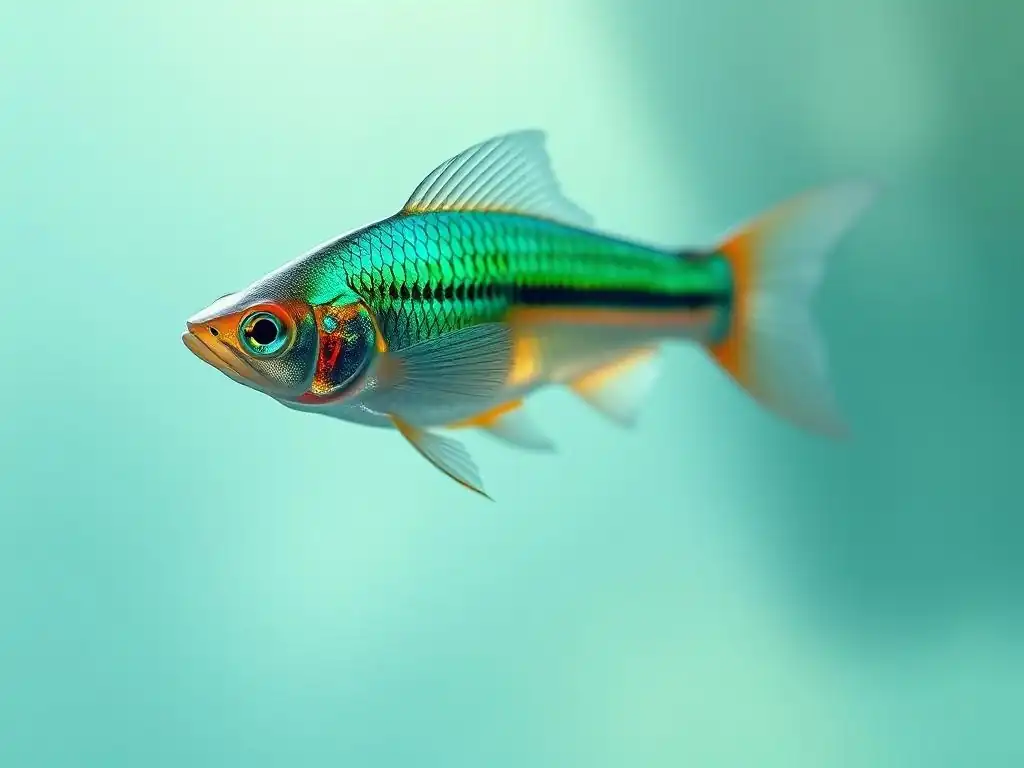
One of the most reliable visual cues that a female guppy is nearing birth is the appearance and transformation of her gravid spot. Located on the underside of her body, just above the anal fin, this spot is a translucent area that darkens as the fry develop. In lighter-colored guppies, the gravid spot will turn a pronounced black, while in darker strains, it may appear as a very dark brown or reddish-black. As the guppy birthing process timing approaches, the spot will not only darken but also significantly enlarge, often appearing swollen or bulging.
The darkening of the gravid spot is due to the developing fry's eyes becoming visible through the stretched skin of the mother. As the fry grow, their eyes become more distinct, contributing to the spot's intensity. Observing this change over several days, combined with the increasing size of the female's abdomen, provides a strong indication that birth is imminent, often within 24 to 48 hours. This visual progression is a critical part of understanding the guppy birthing process timing.
Behavioral Changes in Pregnant Guppies: What to Observe
Beyond physical changes, pregnant guppies often exhibit distinct behavioral shifts as their guppy birthing process timing approaches. Many females will seek isolation, hiding among dense plants, decorations, or in a quiet corner of the tank to avoid male attention or the general activity of other fish. They may also become more reclusive, spending less time actively swimming in open water and more time near the substrate or surface.
Another common behavioral sign is a noticeable decrease in appetite, or a refusal to eat altogether, in the hours leading up to birth. Some guppies may also display a "shivering" or trembling motion, or rapid gill movements, indicating the onset of contractions. While these behaviors are not always present in every guppy, observing a combination of isolation, reduced feeding, and subtle body movements can help aquarists anticipate the precise guppy birthing process timing and prepare for the arrival of new fry.
Preparing the Birthing Environment
Setting Up a Birthing Tank or Breeder Box: Pros and Cons
For successful fry survival, preparing a dedicated birthing environment is often recommended. A small, separate birthing tank (typically 2-5 gallons) offers the mother a stress-free space to give birth without the threat of cannibalism from other tank inhabitants, including the male guppies or even the mother herself. This setup allows for precise control over water parameters and provides ample hiding spots for the newborn fry. However, moving the pregnant female too close to the guppy birthing process timing can sometimes induce stress, potentially delaying labor.
Alternatively, a breeder box or net breeder can be used inside the main aquarium. These enclosures allow water circulation from the main tank, reducing parameter shock, and often feature a slatted bottom through which fry can fall to safety, away from the mother. While convenient and less stressful for the mother during transfer, breeder boxes can be restrictive in size, potentially increasing stress if the birthing process is prolonged. For optimal guppy birthing process timing and fry survival, ensure the chosen environment is clean, stable, and offers adequate cover.
Optimal Water Parameters for Fry Survival: Temperature and Chemistry
Maintaining stable and optimal water parameters is paramount for both the pregnant female during the guppy birthing process timing and the survival of the newborn fry. Guppies thrive in a temperature range of 74-82°F (23-28°C), with 78-80°F (25.5-27°C) often considered ideal for facilitating a smooth birth and promoting healthy fry development. Sudden fluctuations in temperature can cause undue stress, potentially leading to premature birth or complications.
The pH level should ideally be kept between 6.8 and 7.8, with a moderate hardness (GH) of 8-18 dGH. Clean, well-oxygenated water is also crucial; perform a small water change (10-15%) in the birthing tank or main tank a day or two before the anticipated birth to ensure pristine conditions. This attention to water quality significantly impacts the successful guppy birthing process timing and the initial health and vitality of the fry.
The Guppy Birthing Process Itself
Stages of Labor: From Contractions to Fry Release
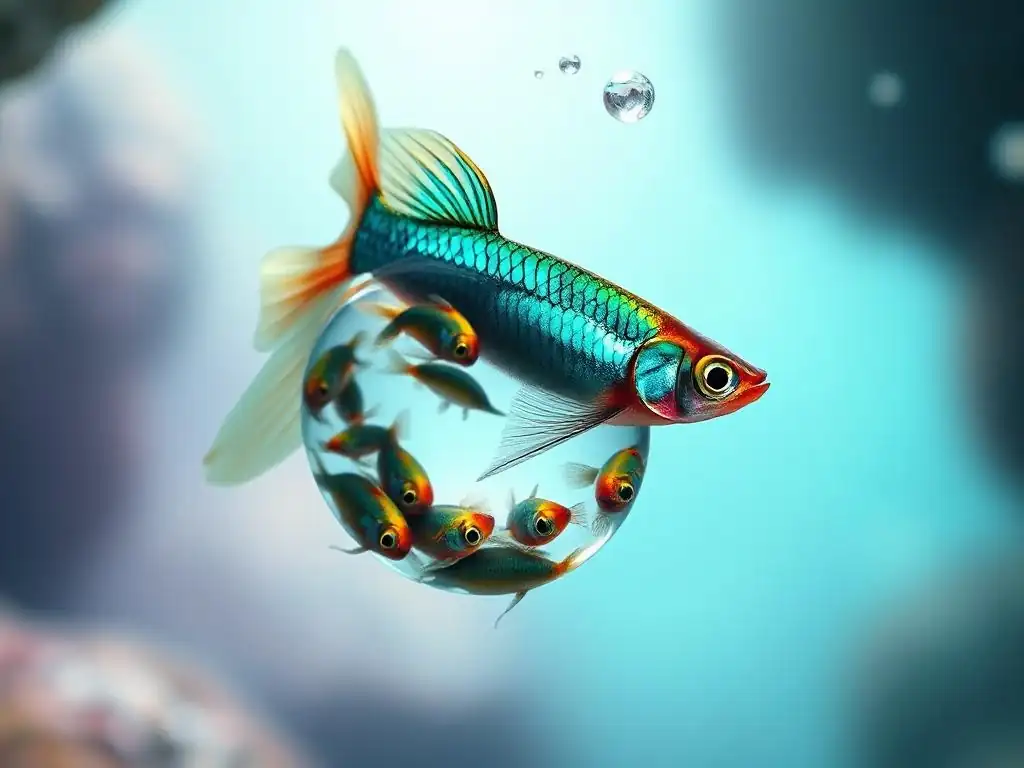
The guppy birthing process timing can vary significantly, ranging from a few hours to over a full day, depending on the individual fish, her age, and her overall health. Labor often begins with subtle contractions, which may manifest as the female tensing her body or exhibiting a slight shimmying motion. As labor progresses, these contractions become more pronounced, and the female may appear to push or strain, sometimes resting between expulsions.
Each fry is typically born individually, encased in a thin membrane that quickly dissolves upon contact with water, allowing the fry to swim freely. They emerge tail-first or head-first, and their immediate instinct is to swim towards cover to avoid predation. The mother will continue to release fry intermittently until her entire brood has been delivered, often taking short breaks between each birth. Observing this sequence helps aquarists understand the natural flow of the guppy birthing process timing.
Duration of Birth: How Long Does It Take?
The actual duration of the guppy birthing process timing is highly variable and can surprise new aquarists. While some guppies may complete the entire process within a few hours, releasing all their fry in a relatively continuous stream, others might take significantly longer. It is not uncommon for a female guppy to take 12 to 24 hours to deliver her entire brood, especially if it's her first birth or if she is stressed. She might release a few fry, then rest for several hours before continuing.
During this extended period, it's crucial to minimize disturbances to the birthing tank or breeder box. Constant checking or attempts to interact with the female can prolong the process due to stress. Patience is key; as long as the female appears active and is occasionally releasing fry, the process is likely proceeding normally. Understanding this variability in guppy birthing process timing helps prevent unnecessary intervention and allows the natural process to unfold.
Fry Appearance and Immediate Behavior: Swimming and Hiding
Newborn guppy fry are remarkably self-sufficient from the moment they are born. They typically measure around 4-7 millimeters (approximately 0.15-0.27 inches) in length, varying slightly depending on the mother's size and the brood's overall health. Their bodies are usually translucent or very lightly colored, making them difficult to spot against the tank's substrate or plants. They possess fully developed fins and are immediately capable of free-swimming.
Upon release, the fry's primary instinct is to seek shelter. They will dart towards any available cover, such as dense live plants like Java moss or hornwort, or artificial breeding grass. This immediate hiding behavior is a crucial survival mechanism against predation, especially from adult fish, including their own mother, who may view them as a food source. Observing this rapid seeking of cover confirms the successful completion of the guppy birthing process timing and the healthy emergence of the fry.
Post-Birth Care for Guppies and Fry
Feeding Newborn Guppy Fry: Essential Nutrients for Growth
Proper nutrition is paramount for the rapid growth and development of newborn guppy fry. Due to their small size, they require specialized foods that are easily digestible and provide high protein content. Excellent choices include finely crushed flake food (powdered to a dust-like consistency), liquid fry food, infusoria, microworms, or newly hatched brine shrimp. Brine shrimp are particularly beneficial as they are highly nutritious and stimulate the fry's natural hunting instincts.
Feed the fry small amounts multiple times a day, typically 3-5 times, to support their fast metabolism and continuous growth. Overfeeding should be avoided as it can quickly foul the water, which is detrimental to their delicate systems. Maintaining pristine water quality through frequent, small water changes (10-15% daily or every other day) is just as important as providing adequate nutrition to ensure the fry's survival and healthy development following the guppy birthing process timing.
Protecting Fry from Adults: Survival Strategies
Guppy fry are highly vulnerable to predation from adult fish, including their own parents, immediately after birth. This cannibalistic tendency is a natural survival mechanism in the wild, preventing overpopulation. To maximize fry survival rates, it is crucial to provide ample hiding spots within the tank. Dense live plants like guppy grass, Java moss, or even floating plants offer excellent cover where fry can retreat and feel secure.
If the fry are born in a separate birthing tank or breeder box, they should be kept isolated from adult fish until they are large enough to not be considered a meal, typically when they reach about half an inch in length (around 3-4 weeks old). If the birth occurred in a community tank, ensuring dense plant cover is the primary defense. Some aquarists choose to remove the mother immediately after the guppy birthing process timing is complete to safeguard the fry.
Mother Guppy Recovery: Post-Partum Care
After the demanding guppy birthing process timing, the mother guppy requires a period of recovery to regain her strength and health. If she was moved to a separate birthing tank or breeder box, it is advisable to return her to the main community tank once all fry have been delivered. Prolonged isolation in a small space can be stressful and is unnecessary once her reproductive duties are complete. Ensure her return is gentle to minimize stress.
Provide the mother with high-quality, nutritious food, such as protein-rich flakes, pellets, or live foods, to help her recuperate her energy reserves. Monitor her closely for any signs of stress, injury, or illness in the days following birth. A healthy recovery ensures she is ready for her next brood, which, given the guppy's prolific nature, will likely occur within another 3-4 weeks, continuing the cycle of the guppy birthing process timing.
Common Challenges and Troubleshooting
Prolonged Labor or Difficulty Birthing: When to Worry
While the guppy birthing process timing can vary, a female guppy experiencing exceptionally prolonged labor (beyond 24-36 hours without releasing any fry) or showing clear signs of distress without any fry emerging may be facing complications. Signs of distress include severe lethargy, constant hiding at the bottom, clamped fins, or excessive straining without results. These symptoms could indicate an underlying issue such as being egg-bound, internal infection, or severe stress.
If such signs are observed, ensure water parameters are perfectly stable and optimal. A slight, gradual increase in temperature (by 1-2 degrees Fahrenheit) might sometimes encourage labor, but this should be done with caution. In severe cases, where the fish is clearly suffering, professional veterinary advice may be the only option, though often difficult to obtain for small aquarium fish. Preventing complications through optimal care throughout pregnancy is the best approach to ensure a smooth guppy birthing process timing.
Dealing with Stillborn Fry or Unsuccessful Births: What to Do
Unfortunately, not every guppy birthing process timing results in a full brood of healthy, live fry. It is not uncommon for a small percentage of fry to be stillborn, appearing unformed or motionless at birth. This can be due to various factors, including genetic anomalies, nutritional deficiencies in the mother, or stress during pregnancy. These stillborn fry should be promptly removed from the tank to prevent water fouling and potential disease outbreaks.
In some rare instances, a female guppy may reabsorb her brood if she is under extreme stress or if conditions are unfavorable. This means the fry are not born but are reabsorbed into her body. While this is a natural survival mechanism, it indicates significant stress or poor environmental conditions. If a female consistently has unsuccessful births or produces a high number of stillborn fry, review her diet, tank conditions, and overall stress levels to improve future guppy birthing process timing outcomes.
Frequently Asked Questions
What are the key signs that my guppy is about to give birth?
The most reliable signs include a noticeable gravid spot that darkens and becomes more prominent, a squared-off belly, and behavioral changes like hiding or becoming more solitary.
How long does the guppy birthing process typically take?
The birthing process can vary, but it generally takes between a few hours to a full day. Factors like the guppy's age and health can influence the duration.
What is the ideal water temperature for guppy birthing?
Maintaining a stable water temperature is crucial. Aim for a temperature between 78-82°F (25.5-28°C) to provide optimal conditions for the birthing process.
Should I separate the pregnant guppy from other fish in the tank?
Yes, separating the pregnant guppy into a breeding tank or breeder box is highly recommended to protect the fry from being eaten by the mother or other tank mates.
How soon after giving birth can a guppy become pregnant again?
Guppies are known for their rapid breeding cycle. They can become pregnant again almost immediately after giving birth due to their ability to store sperm for several months.
Final Reflection: The Miracle of New Life
The intricacies of the guppy birthing process, as we've explored, are not just a matter of scientific observation; they are a testament to the remarkable resilience and beauty of life itself. Understanding the guppy birthing process timing is crucial for responsible fishkeeping, but it also offers a window into the broader wonders of reproduction and the delicate balance of ecosystems, even within our own aquariums.
This journey into the world of guppy birth has undoubtedly deepened our appreciation for the often-overlooked complexities of the natural world. Witnessing the miracle of new life, even on a small scale, reminds us of the interconnectedness of all living things and the importance of responsible stewardship. The birth of a new being is the ultimate act of creation, a testament to the enduring power of life.
This quote encapsulates the profound impact that even the smallest of creatures can have on our understanding of the world around us.
Now, armed with knowledge about the guppy birthing process timing and the care required for both mother and fry, consider the broader implications of your actions. Let this newfound understanding inspire you to cultivate a deeper respect for all living creatures and to actively contribute to creating environments, both within your aquarium and beyond, where life can flourish. Reflect on the delicate balance you maintain and strive to be a responsible steward of the natural world, one guppy, one aquarium, one act of kindness at a time.
Unveil Your Guppy-Breeding Expertise!
Thank you for exploring the fascinating world of guppy births with us! Now that you're equipped with the knowledge, it's time to take the next step and become a true guppy guru.
Here's how you can continue your journey:
- Immediately apply what you've learned by carefully observing your pregnant guppies for the telltale signs of labor described in the article. Preparing a separate birthing tank based on this knowledge can greatly improve survival rates.
- Delve deeper into related topics by exploring our other articles on guppy care, breeding techniques, and common health issues on AquariumMastery.com. Discover new insights to enhance your fish-keeping skills!
- Share this valuable information with fellow aquarium enthusiasts on social media or in online forums. Help spread the joy of successful guppy breeding!
Ready to put your knowledge to the test and share your experiences? What specific signs of pregnancy are you most excited to observe in your guppies?