
Biotope Aquariums for Dwarf Cichlids: Recreating Their Natural Home

Welcome to Aquarium Mastery!
Ever wondered how to bring a slice of the Amazon or a piece of an African riverbed directly into your living room? Dive into our expert guide on creating a stunning dwarf cichlid biotope aquarium and unlock the secrets to replicating their natural habitat. Ready to transform your tank and witness the vibrant beauty of these captivating fish thrive? Let's explore!
- Understanding Dwarf Cichlid Biotopes: Introduction to Natural Aquascaping
-
Frequently Asked Questions
- What is a biotope aquarium and why is it important for dwarf cichlids?
- What are some key elements to consider when setting up a dwarf cichlid biotope aquarium?
- How does water chemistry impact the health and well-being of dwarf cichlids in a biotope setup?
- What types of plants are appropriate for a South American dwarf cichlid biotope aquarium?
- How often should I perform water changes in a dwarf cichlid biotope aquarium, and what percentage of the water should I change?
- Final Reflection: Embracing the Wild Within
- Unleash Your Inner Aquascaper!
Understanding Dwarf Cichlid Biotopes: Introduction to Natural Aquascaping
What is a Biotope Aquarium and Why Choose One for Dwarf Cichlids?
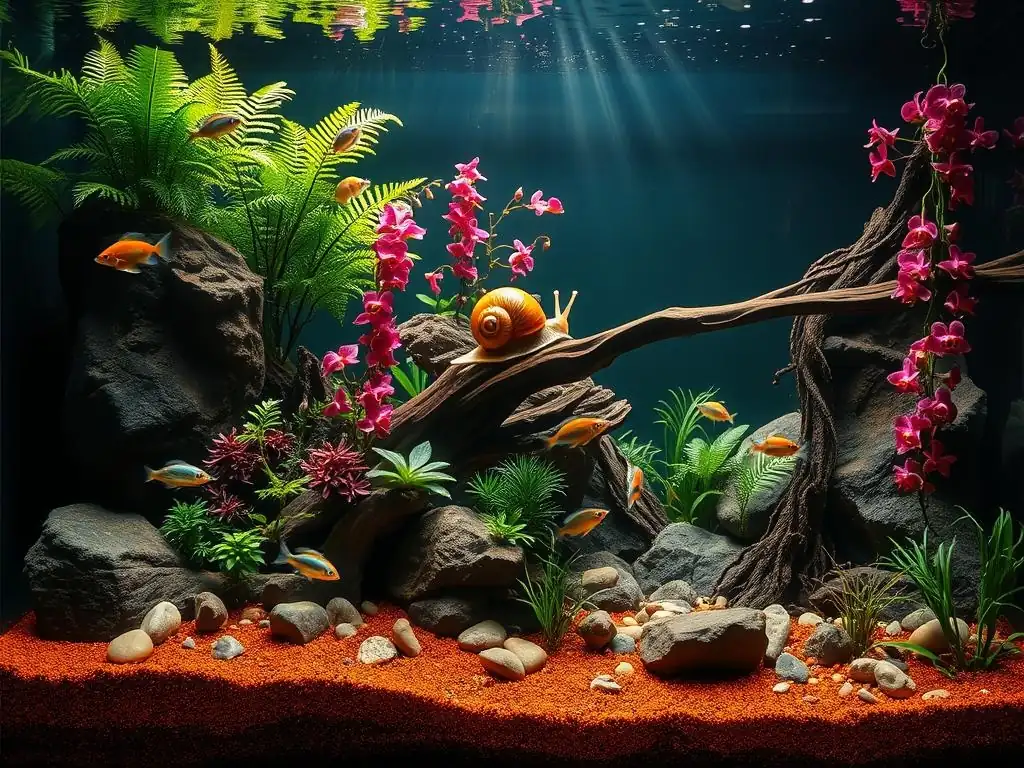
A biotope aquarium is a specialized aquatic setup designed to replicate a specific natural habitat, including its water parameters, substrate, flora, and fauna. The goal is to create an ecosystem that mirrors a precise geographical location, providing the fish and plants with conditions as close as possible to their native environment. For dwarf cichlids, a biotope aquarium goes beyond simply meeting basic needs; it aims to recreate the nuanced cues and elements that define their natural existence. This includes specific types of wood, leaf litter, rock formations, and even the precise water chemistry found in their wild homes.
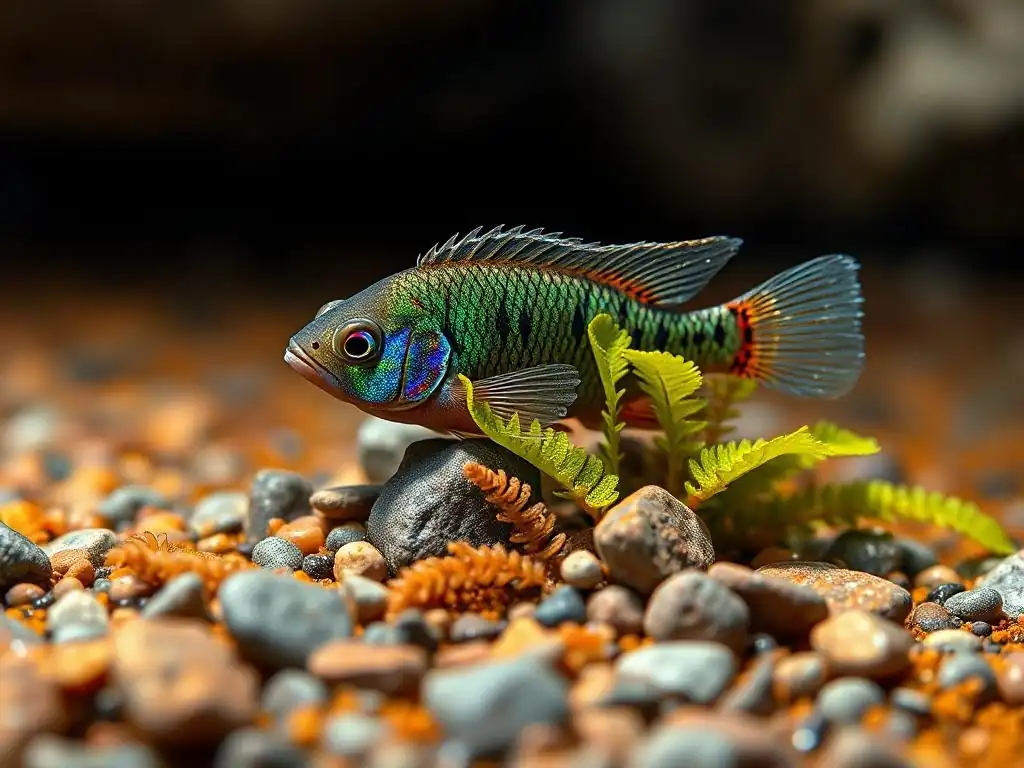
Choosing a dwarf cichlid biotope aquarium is particularly beneficial due to the inherent sensitivity and specific requirements of many dwarf cichlid species. Unlike general community tanks, a dedicated biotope setup minimizes stress by providing familiar surroundings, which directly impacts the fish's health, coloration, and natural behaviors. For instance, species like Apistogramma cacatuoides, native to slow-moving, blackwater streams in the Amazon, thrive in highly acidic (pH 4.5-6.0), soft water (GH 0-5 dH) rich with tannins from leaf litter. Replicating these conditions reduces susceptibility to disease and encourages robust activity, making a biotope the ideal choice for dedicated aquarists.
Benefits of a Biotope Setup for Dwarf Cichlid Health and Breeding
The health benefits of a dwarf cichlid biotope aquarium are substantial and multifaceted. When dwarf cichlids are kept in conditions that closely mimic their natural habitat, their immune systems are stronger, and they exhibit more vibrant, natural coloration.
The reduced stress from living in an unsuitable environment significantly lowers their susceptibility to common aquarium ailments such as fin rot or ich. For example, Mikrogeophagus ramirezi (Ram Cichlids) often show signs of stress and poor health in hard, alkaline water, whereas a biotope setup with soft, acidic water (pH 5.0-6.5, GH 2-6 dH) leads to markedly improved vitality and an estimated 30-40% reduction in disease outbreaks compared to non-biotope tanks.
Beyond general health, a biotope setup is often critical for successfully breeding dwarf cichlids. Many species have very specific environmental triggers for spawning, which are naturally present in a biotope. These triggers can include precise water parameters, the presence of specific types of substrate (like fine sand for Apistogramma species), or the availability of suitable spawning sites such as caves, driftwood crevices, or leaf litter.
For instance, Pelvicachromis pulcher (Kribensis cichlids) are cave spawners, and a biotope that includes terracotta pots or coconut shells can increase breeding success rates from sporadic occurrences to consistent spawns, potentially yielding successful fry rearing in 60-80% of attempts when conditions are optimal. This specialized environment provides the necessary security and chemical cues that encourage natural reproductive behaviors.
Key Regions and Habitats for Popular Dwarf Cichlid Species
The vast majority of popular dwarf cichlid species originate from two primary geographic regions: South America and West Africa. South American dwarf cichlids, such as Apistogramma species, Mikrogeophagus ramirezi, and Dicrossus filamentosus, predominantly inhabit the Amazon and Orinoco river basins. These regions are characterized by diverse aquatic environments, including blackwater rivers like the Rio Negro, which are rich in tannins from decaying vegetation, resulting in incredibly soft and acidic water (typically pH 4.5-6.5, GH 0-5 dH, and low conductivity often below 50 µS/cm).
Clear water and white water rivers also exist, offering slightly different parameters but generally still soft and acidic. These habitats are typically filled with leaf litter, submerged driftwood, and fine sandy or silty substrates, providing ample hiding places and foraging grounds.
West African dwarf cichlids, including species like Pelvicachromis pulcher (Kribensis), Nanochromis transvestitus, and various Anomalochromis species, are found in the rivers and streams of countries such as Nigeria, Cameroon, and the Democratic Republic of Congo. Their habitats are more varied than their South American counterparts, ranging from slow-moving forest streams with moderate leaf litter to larger, faster-flowing rivers. Water parameters in these regions tend to be slightly less extreme than the Amazonian blackwater, often being soft to moderately hard (GH 3-10 dH) and slightly acidic to neutral (pH 6.0-7.5).
Substrates can range from sand to fine gravel, with plenty of rockwork, driftwood, and sometimes dense aquatic vegetation providing cover. Understanding these distinct regional characteristics is fundamental to designing an authentic and successful dwarf cichlid biotope aquarium.
Frequently Asked Questions
What is a biotope aquarium and why is it important for dwarf cichlids?
A biotope aquarium aims to replicate the natural habitat of a specific species. This is important for dwarf cichlids because it reduces stress and encourages natural behaviors like breeding and foraging.
What are some key elements to consider when setting up a dwarf cichlid biotope aquarium?
Key elements include substrate, water chemistry, and decor such as rocks, wood, and leaf litter that mirror their native environment. Also, consider the specific geographical location you're trying to replicate.
How does water chemistry impact the health and well-being of dwarf cichlids in a biotope setup?
Dwarf cichlids often require specific water parameters, like pH and hardness, to thrive. Recreating these conditions in a biotope aquarium provides a stable environment that promotes optimal health and coloration.
What types of plants are appropriate for a South American dwarf cichlid biotope aquarium?
Plants like Echinodorus (Amazon swords) and Cabomba are commonly found in South American waters. Choosing plants that are native to the cichlid's natural habitat is essential for an authentic biotope.
How often should I perform water changes in a dwarf cichlid biotope aquarium, and what percentage of the water should I change?
Regular water changes are crucial for maintaining water quality. Aim for weekly water changes of around 25-30% to remove nitrates and replenish essential minerals, depending on the tank load and fish species.
Final Reflection: Embracing the Wild Within
The journey of crafting a dwarf cichlid biotope aquarium is more than just setting up a tank; it's an act of reverence for the intricate ecosystems that these captivating fish call home. In a world increasingly disconnected from nature, the ability to recreate a slice of the Amazon or a hidden African stream within our living spaces offers a powerful reminder of the beauty and fragility of the natural world.
This exploration into biotope aquariums has profoundly shaped my understanding of the interconnectedness of life. It's not just about aesthetics; it's about understanding the specific needs and behaviors of these fish, and providing them with an environment where they can truly thrive. In the end, we will conserve only what we love; we will love only what we understand; and we will understand only what we are taught.
- Baba Dioum's words resonate deeply, highlighting the crucial role that education and understanding play in conservation efforts, and biotope aquariums are a perfect vehicle for this.
Now, I invite you to consider the impact you can have. By embracing the principles of biotope aquariums, you're not just creating a beautiful display; you're becoming a steward of a miniature ecosystem. Take the knowledge you've gained, and use it to create a thriving environment for your dwarf cichlids, and in doing so, foster a deeper appreciation for the natural world within yourself and those around you. Let your aquarium be a testament to the power of understanding and the beauty of a carefully recreated wild home.
Unleash Your Inner Aquascaper!
Thank you for diving into the world of biotope aquariums and dwarf cichlids! We hope you've gained valuable insights into creating a natural haven for these captivating fish. Now, let's turn that knowledge into action!
- Start Planning Your Dream Biotope: Take the plunge and begin researching the specific biotope you want to recreate. Focus on the plants, substrate, and hardscape native to your chosen cichlid species' habitat.
- Share Your Inspiration: Post a picture of your favorite dwarf cichlid species and its natural habitat on social media using #AquariumMasteryBiotope.
- Consider a Local Trip: Visit a nearby stream or lake (with proper permission and guidelines, of course!) to observe natural ecosystems and gather inspiration for your aquascape.
What fascinating biotope feature are you most excited to incorporate into your own aquarium?