
Sexing Your Plecos & Ancistrus: A Visual Guide to Males vs. Females

Welcome to Aquarium Mastery!
Ever wondered if that algae-eating champion in your tank is a he or a she? Unravel the mysteries of Pleco sexing with our detailed visual guide! Learn the telltale signs that distinguish males from females in Ancistrus and other popular Pleco species. Dive in and discover the secrets to successfully identifying your Plecos, and maybe even planning for future generations. Let's get started!
- Sexing Bristlenose Plecos: A Visual Guide
- Introduction to Bristlenose Pleco Sexing
- Visual Guide: Key Differences Between Male and Female Bristlenose Plecos
- Male Bristlenose Pleco Characteristics
- Visual Examples: Comparing Males and Females
- Breeding Considerations
- Advanced Sexing Techniques
- Common Mistakes and How to Avoid Them
- Conclusion
-
Frequently Asked Questions
- How reliable is visual sexing for all Pleco species?
- What are the primary visual differences between male and female Ancistrus Plecos?
- Besides odontodes, are there any other visual cues to sex Ancistrus Plecos?
- At what age can you reliably visually sex most Ancistrus Plecos?
- Are there any dangers involved in attempting to sex Plecos?
- Final Reflection: Unveiling the Secrets of Pleco Life
- Unveil the Secrets of Pleco Gender!
Sexing Bristlenose Plecos: A Visual Guide
Introduction to Bristlenose Pleco Sexing
Why Sexing Bristlenose Plecos Matters
Accurately sexing your bristlenose plecos (genus Ancistrus) is crucial for several reasons, particularly if you're interested in breeding or managing your aquarium's population. Knowing the sex allows you to create optimal breeding pairs, ensuring genetic diversity and avoiding inbreeding if you have multiple generations. For instance, a single mature male bristlenose can successfully breed with two or three females, producing prolific clutches of 20 to over 100 eggs per spawn, sometimes every few weeks under ideal conditions.
Beyond breeding, understanding the sex of your Ancistrus contributes to better tank dynamics and overall fish health. Male bristlenose plecos can be highly territorial, especially during breeding periods, often claiming a specific cave or decor item as their spawning site. Housing multiple mature males in a smaller aquarium (under 50 gallons / 190 liters) can lead to significant aggression and stress, potentially causing fin nipping or injury. Accurate Pleco sexing visual guide allows aquarists to manage aggression, prevent unwanted fry, and maintain a balanced ecosystem.
Distinguishing Ancistrus Species for Accurate Sexing
While this Pleco sexing visual guide primarily focuses on the common bristlenose pleco, which belongs to the genus Ancistrus, it is important to recognize that subtle variations may exist between different Ancistrus species. The most popular species, such as Ancistrus cirrhosus (the common bristlenose), Ancistrus claro (L134), and various color morphs like albino or super red bristlenose, generally share the same fundamental sexual dimorphism, particularly concerning the development of odontodes (bristles). However, some rarer Ancistrus species might exhibit slight differences in bristle size or body proportions.
It is also crucial not to confuse Ancistrus with other pleco genera, as their sexing characteristics can differ significantly. For example, larger common plecos from the Pterygoplichthys genus do not develop the prominent facial bristles seen in Ancistrus species, making a Pleco sexing visual guide based on bristles entirely irrelevant for them. Always confirm the specific species of your pleco if you are unsure, as this ensures the most accurate application of sexing techniques.
Visual Guide: Key Differences Between Male and Female Bristlenose Plecos
Observing Physical Characteristics
The most reliable way to sex bristlenose plecos is through visual observation of their physical characteristics, particularly their head shape, body form, and the presence or absence of odontodes (bristles). These features develop as the fish mature and become sexually active. A thorough Pleco sexing visual guide relies on discerning these subtle yet distinct differences. For instance, while both sexes have mouths adapted for rasping algae, the surrounding facial structures diverge markedly.
Beyond the primary indicators, other physical cues can sometimes assist in sexing. These include overall body size and the appearance of the genital papilla, though the latter often requires a closer, more careful inspection. Consistency in observation over several weeks can also help confirm initial assumptions, as some traits, like the fullness of a female's body when gravid, are dynamic.
The Role of Age and Maturity
Accurate Pleco sexing visual guide is heavily dependent on the age and maturity of the fish. Juvenile bristlenose plecos, typically under 2-3 inches (5-7.5 cm) in length or younger than 4-6 months old, are notoriously difficult to sex. At this stage, both males and females may appear similar, with males having not yet developed their characteristic bristles. Attempting to sex young fish often leads to incorrect identification.
The most definitive sexual characteristics, especially the prominent bristles in males, usually begin to appear when the fish are around 3.5-4 inches (9-10 cm) long or approximately 8-12 months old. Full bristle development and the distinct body shapes are typically observed in mature adults. Patience is key; waiting until your bristlenose plecos are fully mature will provide the most reliable results for any Pleco sexing visual guide.
Male Bristlenose Pleco Characteristics
Examining the Genital Papilla
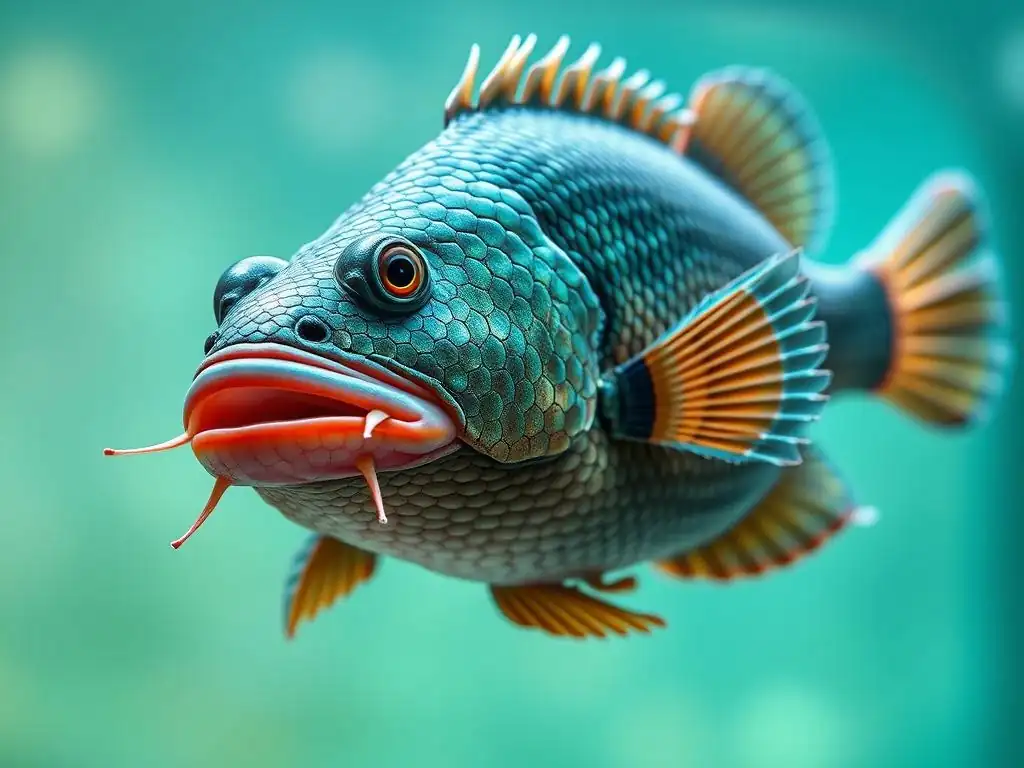
While often challenging to observe without carefully isolating the fish, the male bristlenose pleco's genital papilla can be a distinguishing feature for an advanced Pleco sexing visual guide. The male's papilla is typically smaller, more pointed, and often appears recessed or less conspicuous. It is located just in front of the anal fin, near the vent.
Observing the genital papilla usually requires holding the fish gently in a wet net or clear container from below, or waiting for the fish to press itself against the tank glass in a position that offers a clear ventral view. Due to the stress involved for the fish, this method is generally recommended only for experienced aquarists or when other visual cues are ambiguous.
Identifying Odontodes (Bristles)
The most definitive and easily identifiable characteristic of a male bristlenose pleco is the presence of prominent, branched odontodes, commonly referred to as "bristles," on their snout. These bristles typically begin to develop when the male reaches about 3-4 inches (7.5-10 cm) in length and can grow significantly, often extending 0.5 to 1 inch (1.2-2.5 cm) or more from the snout in mature individuals. They often cover a large portion of the snout and sometimes extend onto the forehead.
These bristles are not merely cosmetic; they serve important functions in male plecos. During breeding, males use their bristles for territorial displays, to attract females, and to guard their clutch of eggs. The size and complexity of these bristles are a clear indicator of a mature male, making this the primary feature for a reliable Pleco sexing visual guide.
Head Shape and Body Structure
Male bristlenose plecos often exhibit a distinct head shape compared to females, particularly in mature individuals. Their heads tend to be broader and more flattened, especially around the snout where the prominent bristles develop. This gives them a somewhat more robust or "blocky" appearance from the front.
In terms of overall body structure, males can appear slightly more streamlined or elongated than females, though this can vary with individual size and health. During breeding periods, a male actively guarding eggs may appear noticeably leaner as he often forgoes eating for several days to protect the clutch, contrasting with the fuller appearance of a gravid female.
Examining the Genital Papilla
The female bristlenose pleco's genital papilla, when observable, is typically larger, rounder, and often more protruded than that of the male. This difference becomes particularly noticeable when the female is gravid (carrying eggs), as the papilla may appear swollen and more prominent, facilitating the release of eggs. This is a key, albeit often difficult to observe, detail for an accurate Pleco sexing visual guide.
Similar to males, observing the female's papilla usually requires a clear ventral view. While it can be a reliable indicator, especially in a ready-to-spawn female, it should be considered in conjunction with other more easily observable characteristics to minimize stress to the fish.
Odontodes (Bristles)
In stark contrast to males, female bristlenose plecos generally have very few or no bristles on their snouts. If any bristles are present, they are typically very small, unbranched, and appear as tiny nubs, usually confined to the very edge of the snout, rarely extending more than a few millimeters. This absence of prominent bristles is the single most reliable and straightforward indicator for a Pleco sexing visual guide for distinguishing females from males.
This lack of significant bristle development holds true across most Ancistrus species and their color morphs. It provides a clear visual cue that allows aquarists to differentiate sexes even without observing breeding behavior or genital papillae.
Body Shape and Size
Female bristlenose plecos tend to have a noticeably rounder and fuller body shape, especially when viewed from above. As they mature and begin to produce eggs, their abdominal region becomes more distended, giving them a distinctly "pear-shaped" or "plump" appearance. This is particularly evident when the female is gravid and preparing to lay eggs, at which point her abdomen can appear significantly swollen.
While overall size can vary, mature females often appear bulkier than males of comparable age and length due to their reproductive capacity. This fuller body shape is a consistent visual cue that complements the lack of bristles in identifying a female, making it an important part of a comprehensive Pleco sexing visual guide.
Visual Examples: Comparing Males and Females
Image Gallery: Genital Papilla
An 'image' illustrating the male genital papilla would typically show a small, pointed protrusion, often somewhat recessed or flush with the body, located just anterior to the anal fin. This subtle appearance contrasts sharply with the female's, highlighting the nuanced differences crucial for a precise Pleco sexing visual guide. Observing this requires the fish to be in a very specific position, ideally from a ventral view.
Conversely, an 'image' of a female bristlenose pleco's ventral area, particularly when gravid, would clearly display a noticeably larger, rounder, and often more swollen or protruding papilla. This distinct shape and size difference is a strong indicator of a female, especially when she is ready to spawn, making it a valuable, albeit challenging, component of a Pleco sexing visual guide.
Image Gallery: Odontodes (Bristles)
A 'visual example' of a mature male bristlenose pleco's head would prominently feature the extensive development of branched odontodes, or bristles, covering the entire snout and sometimes extending onto the forehead. These bristles, resembling a "bushy beard," are the hallmark of a male Ancistrus, providing the most straightforward and unmistakable characteristic for a Pleco sexing visual guide. The length and density of these bristles can be quite impressive, often reaching over 1 inch.
In stark contrast, an 'image' of a female bristlenose pleco's head would reveal a smooth snout, or at most, a few tiny, unbranched nubs along the very edge of the snout. The absence of prominent bristles is the easiest and most reliable visual cue for identifying a female, making this comparison central to any effective Pleco sexing visual guide.
Image Gallery: Body Shape
An 'illustration' comparing the body shapes would depict a male bristlenose pleco as having a generally more streamlined or elongated body, with a noticeably flatter and broader head, especially in the area where the bristles originate. From a top-down view, the male's profile might appear more linear and less rounded than a female's. This more angular appearance is a subtle but consistent part of the Pleco sexing visual guide.
The 'visual representation' of a female bristlenose pleco would emphasize her typically broader and rounder body, particularly in the abdominal region. This "pear-shaped" or "plump" appearance becomes significantly more pronounced when the female is gravid with eggs, making her abdomen distended. This fuller body shape is a key indicator for a reliable Pleco sexing visual guide, especially when combined with the lack of bristles.
Breeding Considerations
Breeding Requirements
Successful breeding of bristlenose plecos requires a mature male and female pair, ideally in a dedicated breeding tank or a well-established community tank with suitable conditions. The water parameters are crucial: a stable temperature between 76-80°F (24-27°C), slightly acidic to neutral pH (6.5-7.5), and soft to moderately hard water are generally preferred. Providing a dark, enclosed space like a ceramic cave, PVC pipe, or a piece of driftwood with a suitable hollow is essential, as males will claim and guard these as spawning sites.
Diet also plays a significant role in conditioning fish for breeding. A varied diet rich in protein and spirulina is recommended, including high-quality sinking pellets, algae wafers, fresh vegetables (like zucchini or cucumber), and occasional live or frozen foods such as bloodworms or brine shrimp. Consistent feeding of nutritious foods can encourage spawning behavior, with many aquarists observing increased breeding activity after a significant (25-30%) cool water change mimicking a rainy season.
Optimizing Breeding Success
To optimize breeding success, it's often beneficial to keep a ratio of one male to two or three females. This helps distribute the male's attention and reduces potential stress on a single female from constant breeding attempts. Providing multiple breeding caves or hiding spots can also reduce territorial aggression among males if you have more than one. Once the female lays her eggs (which can range from 20 to over 100 per clutch, depending on the female's size and condition), the male will typically guard and fan them for 4-7 days until they hatch.
Maintaining pristine water quality is paramount during the breeding process and while fry are present. Regular, small water changes (10-15% every few days) can help ensure healthy development. Understanding the nuances of Pleco sexing visual guide is foundational for establishing a productive breeding program, allowing aquarists to select the most suitable pairs.
Advanced Sexing Techniques
Venting Technique
The "venting" technique is an advanced method of Pleco sexing visual guide that involves carefully examining the fish's genital papilla. This usually requires briefly and gently removing the fish from the water or holding it in a clear, shallow container with water. The male's vent will typically appear smaller and more pointed, while the female's will be larger, rounder, and possibly more protruding, especially if she is gravid.
This technique, while precise, carries risks. It can be stressful for the fish and should only be attempted by experienced aquarists who can minimize handling time (ideally no more than 10-20 seconds out of water) and ensure the fish remains wet at all times. Always use wet hands or a wet surface to prevent damage to the fish's protective slime coat.
Considerations for Longfin Varieties
Longfin varieties of bristlenose plecos, such as the Super Red Longfin or Albino Longfin, exhibit the same primary sexual characteristics as their shortfin counterparts. The most reliable indicators for a Pleco sexing visual guide remain the presence or absence of prominent snout bristles, along with differences in head and body shape. The elongated fins themselves do not affect the development of these key sexing traits.
However, the extended fins can sometimes make it slightly more challenging to get a clear ventral view for observing the genital papilla, as the fins may obscure the area. In such cases, reliance on the more obvious bristle development and overall body shape becomes even more critical for accurate sexing. Always prioritize the core Ancistrus sexing principles regardless of fin length.
Common Mistakes and How to Avoid Them
Misinterpreting Juvenile Characteristics
One of the most common mistakes in Pleco sexing visual guide is attempting to sex juvenile bristlenose plecos. Fish under 2-3 inches (5-7.5 cm) in length or younger than 4-6 months old have not yet developed their secondary sexual characteristics, most notably the prominent bristles in males. At this stage, both sexes can appear similar, leading to frequent misidentification.
To avoid this error, patience is paramount. It is best to wait until your bristlenose plecos are at least 3.5-4 inches (9-10 cm) long or over 8-12 months old before making a definitive determination. Observing their development over several months will provide a much more accurate Pleco sexing visual guide as their distinguishing features become more apparent.
Confusing Species-Specific Traits
Another frequent mistake is applying the Pleco sexing visual guide for Ancistrus species to other types of plecos. While the term "pleco" encompasses a vast array of Loricariidae catfish, not all species exhibit the same sexual dimorphism as bristlenose plecos. For example, common plecos ( Pterygoplichthys species) do not develop bristles on their snouts, rendering this primary sexing characteristic useless for them.
Always confirm the specific species of your pleco before attempting to sex it. Researching species-specific care sheets and Pleco sexing visual guide resources for your exact fish will prevent misinterpretations and ensure you are looking for the correct indicators. Misidentification can lead to incorrect assumptions about breeding potential or tank compatibility.
Conclusion
Recap of Key Visual Indicators
Mastering the Pleco sexing visual guide for bristlenose plecos primarily hinges on observing a few distinct visual indicators. For males, the most reliable characteristic is the presence of prominent, branched odontodes (bristles) covering the snout, often resembling a bushy beard. Males also tend to have a broader, flatter head and a smaller, more pointed genital papilla.
Conversely, female bristlenose plecos are characterized by having very few or no bristles on their snouts. They typically exhibit a rounder, fuller body shape, especially when gravid, and a larger, rounder, often more protruded genital papilla. A combination of these features provides the most accurate and reliable assessment for Pleco sexing visual guide.
Further Resources
For those looking to deepen their understanding of Pleco sexing visual guide and bristlenose pleco care, continued observation of your fish is invaluable. Consult reputable aquarium forums and online communities where experienced aquarists share their insights and visual examples. Species-specific care profiles from trusted aquatic websites can also offer detailed information on various Ancistrus species and their unique traits.
By diligently applying these visual guidelines, aquarists can confidently sex their bristlenose plecos, leading to more successful breeding projects, better management of tank populations, and a more profound appreciation for these fascinating and beneficial aquarium inhabitants. Understanding your fish's sex is a fundamental step towards providing optimal care and enhancing your overall aquarist experience.
Frequently Asked Questions
How reliable is visual sexing for all Pleco species?
Visual sexing is more reliable in some Pleco species than others. It's generally easier in Ancistrus (Bristlenose Plecos) due to the presence of odontodes on the males' snouts.
What are the primary visual differences between male and female Ancistrus Plecos?
The main difference is the presence of odontodes, or bristles, on the snout of male Ancistrus. Females typically have fewer or no odontodes.
Besides odontodes, are there any other visual cues to sex Ancistrus Plecos?
Sometimes, mature males may have a broader head and a more robust body shape than females. However, odontodes are the most reliable indicator.
At what age can you reliably visually sex most Ancistrus Plecos?
It's generally best to wait until the Ancistrus are at least six months old, or near adult size, as odontodes may not fully develop earlier.
Are there any dangers involved in attempting to sex Plecos?
The process of catching and handling a Pleco can be stressful to the fish. Always use a soft net, and handle them with care to avoid injury.
Final Reflection: Unveiling the Secrets of Pleco Life
The ability to accurately identify the sex of Plecos and Ancistrus, as detailed in this guide, moves beyond mere curiosity; it's about understanding and respecting the intricate dance of life within our aquariums. By demystifying the visual cues that differentiate males from females, we empower aquarists to create more balanced and thriving ecosystems for these fascinating creatures. This knowledge is particularly relevant today as responsible fishkeeping emphasizes informed decisions and ethical breeding practices.
This journey into Pleco anatomy has not only provided practical identification techniques but has also deepened our appreciation for the subtle beauty and complexity of these often-overlooked fish. The ability to discern these differences allows us to connect with our aquatic companions on a deeper level, fostering a sense of responsibility and care. In the end, we will conserve only what we love; we will love only what we understand; and we will understand only what we are taught.
- Baba Dioum. This quote perfectly encapsulates the importance of knowledge in fostering conservation and appreciation for all living things, even those residing in our home aquariums.
Now, armed with this newfound knowledge, I encourage you to observe your own Plecos with a fresh perspective. Take the time to carefully examine their features, to appreciate the nuances that distinguish male from female. Let this guide be more than just a tool for identification; let it be a catalyst for a deeper connection with the natural world and a commitment to responsible fishkeeping. The future of these amazing creatures, in our tanks and in the wild, depends on our understanding and care.
Unveil the Secrets of Pleco Gender!
Thanks for diving deep into the world of pleco identification! We hope you’ve gained a clearer understanding of how to distinguish between male and female Ancistrus and other pleco species. Now, let's put that newfound knowledge to good use!
- Start observing your plecos closely! Use a magnifying glass to examine their bristles and body shape for more accurate identification.
- Share this guide with fellow aquarium enthusiasts and contribute your own pleco photos to online forums to help others learn.
- Experiment with controlled breeding (if you're ready!) to observe the fascinating reproductive behaviors of these creatures firsthand.
What fascinating gender-related discovery have you made about your own plecos lately? Share your insights in the comments!