
Neocaridina Color Mixing: What Happens When Different Hues Interbreed?

Welcome to Aquarium Mastery!
Ever wondered what happens when you mix a vibrant red cherry shrimp with a brilliant blue dream? Dive into our Neocaridina Color Mixing Guide and unlock the secrets of shrimp genetics! Discover the fascinating possibilities (and potential surprises!) that await when different hues interbreed, and learn how to predict and manage the colors in your Neocaridina colony. Are you ready to explore the vibrant world of shrimp color breeding? Let's get started!
- Neocaridina Color Mixing Guide: What Happens When Different Hues Interbreed?
- Understanding Neocaridina Shrimp Color Genetics
- Neocaridina Color Mixing: Expected Outcomes
- Factors Influencing Neocaridina Color Expression
- Avoiding Unwanted Color Mixing in Neocaridina Shrimp
- The "Wild Type" Neocaridina: The Default Color
- Advanced Neocaridina Color Mixing Techniques
- Troubleshooting Neocaridina Color Issues
- Neocaridina Shrimp Color Guide: Visual Examples
- Resources for Neocaridina Shrimp Breeders
-
Frequently Asked Questions
- What is Neocaridina color mixing and why is it important to understand?
- What colors are Neocaridina davidi available in, and which are more dominant in breeding?
- What is the "wild-type" Neocaridina coloration, and how does it relate to color mixing?
- How can I prevent my Neocaridina shrimp from losing their color due to mixing?
- What are some resources for learning more about Neocaridina genetics and selective breeding?
- Final Reflection: The Kaleidoscope Within
- Dive Deeper: Transform Your Shrimp Tank Today!
Neocaridina Color Mixing Guide: What Happens When Different Hues Interbreed?
Understanding Neocaridina Shrimp Color Genetics
Basic Principles of Neocaridina Color Inheritance
The vibrant spectrum of Neocaridina shrimp colors, from fiery reds to serene blues, is a direct result of their genetic makeup. At its core, Neocaridina color inheritance follows principles similar to Mendelian genetics, involving dominant and recessive genes. However, shrimp coloration is often polygenic, meaning multiple genes interact to produce a specific hue and intensity. For instance, a primary gene might determine the base pigment, while other modifier genes influence its distribution, density, and opacity. This complex interplay means that simply crossing two distinct color morphs rarely results in a predictable blend, but rather a reversion to ancestral traits.
Each Neocaridina shrimp carries two copies of every gene, one inherited from each parent. If a gene for a specific color, such as an intense red, is dominant, only one copy is needed for the shrimp to express that color. Conversely, if a gene is recessive, two copies are required for its expression.
When different color lines are interbred, the unique genetic pathways that were selectively bred to produce specific colors can be disrupted, leading to the re-emergence of genes that code for less vibrant or wild-type coloration. This is why a thorough Neocaridina color mixing guide emphasizes understanding these underlying genetic principles before attempting crosses.
Key Genes Influencing Neocaridina Shrimp Coloration
Neocaridina shrimp coloration is primarily influenced by the presence and density of various pigment cells, known as chromatophores, and the absorption of dietary carotenoids. Red and yellow colors, for example, are largely dependent on the shrimp's ability to metabolize and deposit carotenoid pigments, which they obtain from their diet. Blue coloration, on the other hand, is often structural, resulting from light scattering off specific nanostructures within the shrimp's cells, rather than a specific pigment. The genes controlling the formation and distribution of these chromatophores, as well as the efficiency of carotenoid uptake and deposition, are crucial.
Specific genetic loci dictate the intensity, coverage, and specific shade of each color. For instance, a gene might regulate the number of red chromatophores, while another might control their expansion or contraction, influencing how vibrant or dull the red appears. Scientists have identified that even slight variations in these genes can lead to significant differences in phenotype, such as the distinction between a translucent Red Cherry and a solid Painted Fire Red. Understanding these genetic underpinnings is vital for any Neocaridina color mixing guide, as it explains why certain crosses yield predictable "muddy" outcomes rather than novel colors.
The Role of Selective Breeding in Neocaridina Color Development
The stunning array of Neocaridina colors available today is not a product of nature but rather decades of meticulous selective breeding by dedicated aquarists. Wild Neocaridina davidi shrimp typically exhibit a brownish, clear, or mottled appearance, providing camouflage in their natural habitats. Breeders identified individuals with slight color mutations – perhaps a faint red or blue hue – and isolated them. By continuously breeding these individuals together and culling any offspring that did not display the desired trait or showed signs of reversion, they gradually intensified and stabilized these colors over many generations.
This process involves a significant investment of time and resources. For example, the transformation from a wild-type shrimp to a stable, high-grade Red Cherry or Blue Dream line can take 5 to 10 generations, or even more, with rigorous culling rates often exceeding 50% in early stages. This intensive selection pressure fixes the desired genetic traits within a specific line, making its color consistent and inheritable. Without this sustained selective breeding, Neocaridina shrimp would quickly revert to their ancestral wild-type coloration, which is precisely what happens when different established color lines are haphazardly mixed.
Neocaridina Color Mixing: Expected Outcomes
Predicting Offspring Colors: Understanding Phenotype Ratios
Predicting the exact phenotype ratios when mixing different Neocaridina colors can be complex due to the polygenic nature of their coloration. However, for most common color crosses, the general outcome is a reversion to a "wild type" or a low-grade, brownish, or clear coloration. This happens because the specific genetic combinations that produce vibrant, stable colors in isolated lines are disrupted when those lines are interbred. The offspring often inherit a mix of genes that, when combined, do not express any single dominant, desirable color intensely.
For example, if you consider a simplified model where two different color genes (e.g., one for red, one for blue) are present but incompatible for vibrant expression when combined, the offspring will typically display a diluted or mixed version of their ancestral traits. While precise Mendelian ratios (like 3:1 or 9:3:3:1) are rarely seen for the desired vibrant colors in such complex crosses, a common observation is that 70-90% of the F1 generation will be low-grade or wild-type.
The remaining percentage might show faint remnants of parent colors, but rarely the intensity of pure lines, making this a crucial point in any Neocaridina color mixing guide.
Mixing Red Cherry Shrimp with Other Colors: What to Expect
When Red Cherry Shrimp (RCS), a highly stable and popular red morph, are mixed with other distinct Neocaridina color morphs like Yellow Goldenback, Blue Dream, or even Black Rose, the most common and almost guaranteed outcome is the production of "wild type" or low-grade, muddy-colored offspring. This happens because the genetic pathways responsible for intense red coloration are different from those for yellow, blue, or black. When these distinct genetic instructions are combined, they cancel each other out or produce an undesirable blend.
For instance, if you cross a high-grade Red Cherry with a high-grade Yellow Goldenback, you will typically observe that the vast majority of the F1 generation (first filial generation) will be brownish, clear, or exhibit very faint, mottled colors that are neither a vibrant red nor a vibrant yellow. Anecdotal evidence from numerous hobbyists and breeders consistently reports that 80-95% of the offspring from such crosses will be undesirable "culls," often resembling the ancestral wild Neocaridina davidi.
This outcome is a primary reason why a comprehensive Neocaridina color mixing guide strongly advises against cohabiting different color morphs in the same tank if maintaining pure lines is a goal.
Breeding Blue Dream Shrimp with Yellow Goldenback: Potential Results
Breeding Blue Dream shrimp with Yellow Goldenback shrimp, despite both being attractive and popular Neocaridina morphs, almost invariably leads to the production of dull, wild-type colored offspring. The genetic mechanisms that produce the structural blue color in Blue Dreams are distinct from the carotenoid-based yellow coloration of Goldenbacks. When these two different genetic blueprints are combined, the specialized color-producing pathways are disrupted, resulting in a reversion to the ancestral phenotype.
Observations from breeders indicate that the F1 generation from a Blue Dream and Yellow Goldenback cross will predominantly consist of shrimp that are brownish, grayish, or clear, often with very little discernible blue or yellow pigment. It is rare to see offspring that exhibit a desirable blend of blue and yellow, or a new, stable color. In most cases, well over 75% of the offspring will be considered low-grade or culls, making this cross counterproductive for maintaining specific color lines or for attempting to create new, appealing colors without extensive, multi-generational selective breeding.
Exploring the Outcomes of Mixing Orange Sakura with Black Rose Shrimp
The interbreeding of Orange Sakura and Black Rose Neocaridina shrimp also typically results in a significant proportion of wild-type or low-grade offspring. Orange Sakura shrimp derive their vibrant color from specific carotenoid pigments, while Black Rose shrimp achieve their deep, opaque black through a high density of dark melanophores. These two distinct genetic expressions for color are not complementary in a way that produces an appealing hybrid.
When Orange Sakura and Black Rose shrimp are mixed, their progeny are frequently a mix of dull brownish-orange and grayish-black individuals, along with a substantial percentage of wild-type coloration. For example, a typical spawn might yield 60-80% wild-type or muddy-colored shrimp, with the remaining showing only faint, unstable versions of the parental colors. This outcome reinforces the general rule in any Neocaridina color mixing guide: combining established, distinct color lines usually leads to a dilution of their vibrancy and a return to the more camouflaged, ancestral form, rather than the creation of new, desirable hues.
Factors Influencing Neocaridina Color Expression
Water Parameters and Their Impact on Shrimp Color
Consistent and appropriate water parameters are paramount for the health and vibrant coloration of Neocaridina shrimp. Stress, often induced by unstable or incorrect water conditions, can cause shrimp to lose their color intensity, appearing faded or translucent. Key parameters include General Hardness (GH), Carbonate Hardness (KH), pH, and temperature. Neocaridina shrimp generally thrive in GH levels between 6-8 dGH, KH between 3-5 dKH, a pH of 6.5-7.5, and temperatures ranging from 70-78°F (21-25°C).
Deviations outside these optimal ranges, even if not immediately fatal, can lead to chronic stress. For instance, high levels of nitrates (above 20 ppm) or sudden fluctuations in temperature can significantly dull a shrimp's color within weeks due to the physiological strain. Conversely, maintaining stable, pristine water conditions ensures the shrimp are healthy and can fully express their genetic potential for coloration. A healthy shrimp is a vibrant shrimp, making diligent water parameter management a fundamental aspect of any Neocaridina color mixing guide for optimal visual appeal.
Dietary Influence on Neocaridina Shrimp Coloration
Diet plays a crucial role in the expression of certain Neocaridina shrimp colors, particularly reds, oranges, and yellows. These colors are largely dependent on carotenoid pigments, which shrimp cannot synthesize themselves and must obtain from their diet. Foods rich in natural carotenoids, such as astaxanthin, can significantly enhance and maintain the vibrancy of these hues. Examples of such foods include spirulina, chlorella, specialized color-enhancing shrimp pellets containing ingredients like krill, paprika, or various algae.
For instance, feeding a high-quality diet rich in astaxanthin 2-3 times per week can lead to a noticeable increase in the color intensity of Red Cherry or Yellow Goldenback shrimp within several weeks, sometimes enhancing their vibrancy by 15-20% compared to shrimp fed a generic diet. Conversely, a diet deficient in these essential pigments will result in faded or pale coloration, even in genetically high-grade shrimp. Therefore, a balanced and color-enhancing diet is an indispensable component of any effective Neocaridina color mixing guide aiming for maximum visual impact.
Substrate and Background Effects on Perceived Color
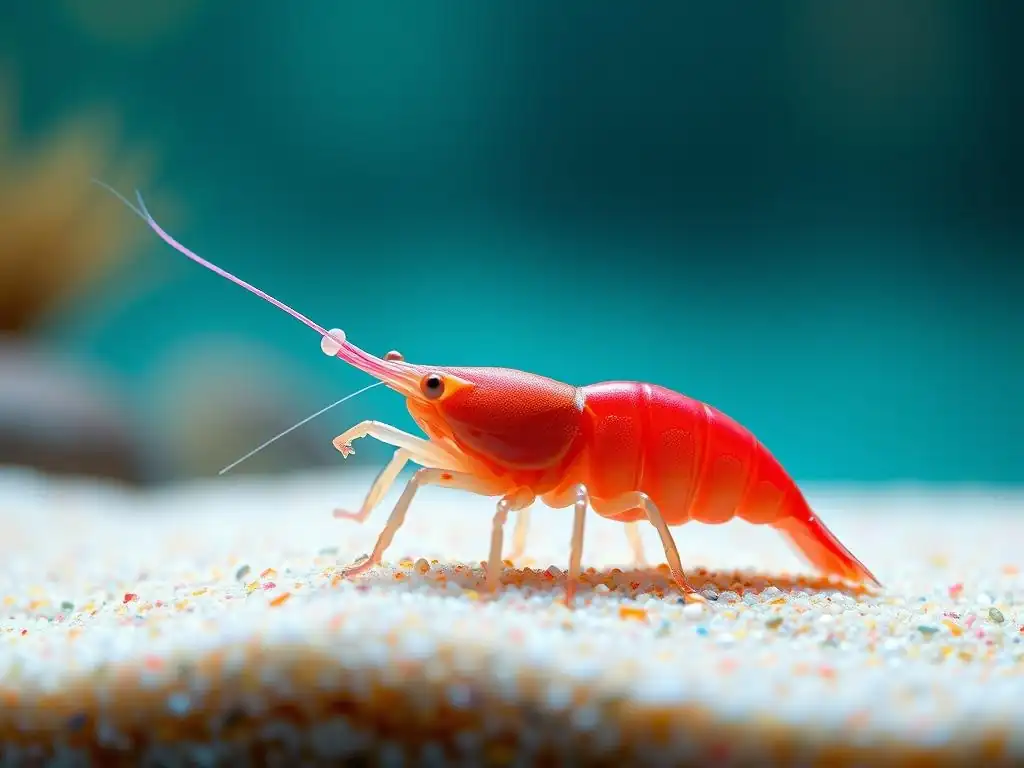
The choice of substrate and background in a Neocaridina shrimp aquarium can dramatically influence the perceived intensity of their coloration. Shrimp possess the ability to adjust the concentration of pigments within their chromatophores to better blend with their surroundings, a natural camouflage mechanism. When placed on a light-colored substrate or against a bright background, shrimp will often spread their pigments out, making their color appear lighter or more translucent as they attempt to lighten their overall appearance.
Conversely, a dark substrate, such as black or dark brown inert gravel, and a dark background will encourage shrimp to concentrate their pigments, making their colors appear much more vibrant, opaque, and intense. For example, a Red Cherry shrimp kept on a black substrate can appear up to 30-40% more vibrant and opaque than the same shrimp kept on light sand, as its body actively works to deepen its color to match the environment.
This optical enhancement is a simple yet highly effective technique for maximizing the visual appeal of Neocaridina shrimp, and it's a valuable tip for any Neocaridina color mixing guide.
Avoiding Unwanted Color Mixing in Neocaridina Shrimp
Maintaining Color Lines: Isolation and Selective Culling
To prevent unwanted Neocaridina color mixing and maintain the genetic purity and vibrancy of specific color lines, strict isolation and diligent selective culling are essential. The most effective method is to house only one specific color morph per aquarium. This completely eliminates the possibility of cross-breeding between different colors, which almost invariably leads to the production of wild-type or low-grade offspring. For breeders aiming to produce high-quality, stable lines, this single-color-per-tank approach is non-negotiable.
Beyond isolation, selective culling is a continuous process. As offspring mature, individuals that do not meet the desired color standards – those showing signs of fading, spots, inconsistent patterns, or a reversion to wild-type characteristics – must be promptly removed from the breeding colony.
For instance, in a high-grade Red Cherry line, 10-20% of offspring might be culled in early stages (around 2-3 months of age) to ensure that only the most vibrant and genetically pure individuals remain to breed. This rigorous selection pressure over generations ensures the integrity and stability of the color line, a core tenet of any Neocaridina color mixing guide.
Identifying and Removing "Wild Type" Shrimp
Identifying and promptly removing "wild type" shrimp is crucial for maintaining the genetic purity of any Neocaridina color line. Wild type shrimp typically exhibit a brownish, clear, or mottled appearance, lacking the vibrant, uniform coloration of selectively bred morphs. They are often less visually appealing and, if allowed to breed, will rapidly dilute the genetic integrity of your desired color line. Even a single wild type individual can significantly impact future generations.
The process involves carefully inspecting your colony, especially during feeding times when shrimp are most active and visible. Any shrimp that deviates significantly from the desired color standard should be removed. For example, if you are breeding Blue Dream shrimp, any individual showing brown patches, clear spots, or a general lack of opaque blue should be culled. If not removed, a wild type shrimp, even if it constitutes only 5% of a breeding colony, can lead to a disproportionate increase in undesirable traits, potentially affecting 15-20% of offspring within just two generations due to their robust breeding rates.
Setting Up Separate Breeding Tanks for Different Neocaridina Colors
The most straightforward and effective strategy to avoid unwanted Neocaridina color mixing is to establish separate breeding tanks for each distinct color morph you wish to maintain. This completely eliminates the risk of accidental cross-breeding and ensures that the genetic purity of each line remains uncompromised. While this approach requires more aquariums and associated equipment, it is the only reliable method for serious breeders and hobbyists who are committed to producing high-quality, stable color lines.
Many dedicated Neocaridina breeders operate multiple tanks, often 10 or more, each specifically designated for a single color morph – for example, one tank for Red Cherry, another for Blue Dream, a third for Yellow Goldenback, and so on. This dedication to isolation prevents any accidental genetic dilution. If space or resources are limited, it is often better to focus on maintaining one or two pure lines exceptionally well rather than attempting to keep multiple lines in shared or interconnected systems, which inevitably leads to unintended Neocaridina color mixing outcomes.
The "Wild Type" Neocaridina: The Default Color
Understanding the Recessive Nature of the Wild Type Gene
The "wild type" coloration in Neocaridina shrimp, typically a brownish or clear hue, represents the ancestral and most genetically dominant form when specific color-enhancing genes are not present or are diluted. While modern vibrant colors are the result of specific genetic mutations that have been intensified through selective breeding, the wild type phenotype is often the default outcome when these specialized color genes are absent or when different color-specific genes are mixed, leading to a reversion.
It's not necessarily a single recessive gene but rather the cumulative expression of multiple genes that, without specific selective pressure for a vibrant color, result in this camouflaged appearance.
This ancestral coloration provides excellent camouflage in natural environments, helping shrimp blend into leaf litter and substrate, thus avoiding predators. When two distinct, selectively bred color morphs are interbred, the unique genetic instructions for their respective vibrant colors are disrupted. This disruption often leads to the expression of the more general, less specialized genes that result in the wild type phenotype, as the dominant, desired color genes from each parent are not compatible to produce a new, stable vibrant color in the offspring.
Why Wild Type Shrimp Appear When Mixing Colors
The appearance of wild type shrimp when different Neocaridina colors are mixed is a direct consequence of genetic recombination and dilution. Each distinct color morph, such as a Red Cherry or a Blue Dream, has been selectively bred over many generations to concentrate and stabilize specific genetic traits responsible for its vibrant hue. These traits are often unique and sometimes involve different types of pigments or structural colors. When shrimp from these genetically distinct lines interbreed, their specialized color-producing genes clash or dilute each other.
For instance, if a Red Cherry shrimp (bred for intense red carotenoid deposition) is crossed with a Blue Dream shrimp (bred for structural blue coloration), the offspring do not typically inherit a mix of vibrant red and blue. Instead, their genetic makeup becomes a jumble of instructions that fail to produce either intense red or intense blue.
This often results in a reversion to the more general, less vibrant coloration of their wild ancestors, which is typically a brown, clear, or mottled appearance. Breeders commonly observe that 70-90% of the F1 generation from such crosses will be undesirable "wild type" individuals, highlighting the strong tendency for this reversion in Neocaridina color mixing.
Preventing the Return of Wild Type Characteristics
Preventing the return of wild type characteristics in Neocaridina shrimp lines requires a diligent and consistent approach focused on genetic purity. The primary method is strict isolation: never house different color morphs in the same aquarium if your goal is to maintain pure lines. Accidental Neocaridina color mixing is the leading cause of wild type offspring.
Secondly, rigorous and continuous selective culling is paramount. As soon as young shrimp are old enough to display their true colors (typically 1-2 months old), any individual exhibiting wild type coloration, or any deviation from the desired vibrant hue, must be removed from the breeding colony.
This culling process needs to be uncompromising. Even a single wild type individual left in a breeding tank can rapidly dilute the genetic purity of the entire line, as they are often robust breeders. For example, to maintain a high-grade line, breeders might remove 15-25% of offspring in each generation that do not meet the color standard. By consistently removing these less desirable shrimp, you ensure that only individuals with the strongest and most stable genetic traits for your desired color are allowed to reproduce, thereby preventing the re-emergence of the wild type phenotype.
Advanced Neocaridina Color Mixing Techniques
Creating New Neocaridina Colors Through Strategic Breeding
Creating new Neocaridina colors is a challenging, multi-generational endeavor that typically involves strategic breeding and meticulous selection, rather than simple Neocaridina color mixing of established lines. This process often begins by identifying rare, subtle color mutations or unusual patterns that appear in existing colonies, sometimes even from "wild type" or low-grade mixed populations. These individuals, which show a faint hint of a desirable new hue, are then isolated and bred together.
The subsequent steps involve intensive line breeding and rigorous culling over many generations. For example, the development of Green Jade shrimp involved years of selective breeding from a population that showed very faint green undertones. Breeders would select the greenest individuals from each spawn and breed them together, consistently removing any shrimp that did not display the desired green. This process can take 5 to 10 generations, or even more, before a new color morph is stable and vibrant enough to be considered a distinct line, demonstrating the extensive commitment required beyond simple Neocaridina color mixing.
Stabilizing New Color Morphs in Neocaridina Shrimp
Stabilizing a newly created Neocaridina color morph is a critical and time-consuming phase that follows the initial appearance of the desired hue. Once a promising new color is identified, the focus shifts to fixing that trait within the genetic line so that it consistently breeds true. This involves intensive selective breeding, often with a degree of controlled inbreeding to concentrate the desired genes, while carefully monitoring for any signs of inbreeding depression such as reduced fertility or deformities.
The process typically requires consistent culling of any offspring that do not express the new color strongly or that revert to an older phenotype. For instance, to stabilize a new blue morph, breeders might start with hundreds of F1 generation shrimp, culling down to the top 10-20 individuals with the most intense and uniform blue for the next breeding cycle. This meticulous selection continues for at least 5-7 generations, and often more, until the new color is consistently reproduced in a high percentage of offspring (e.g., 80-90% or higher), indicating that the genetic trait is fixed.
The Ethics of Neocaridina Color Breeding and Hybridization
The ethics of Neocaridina color breeding and hybridization revolve around responsible animal husbandry and genetic integrity. While the creation of new color morphs is a fascinating aspect of the hobby, breeders have a responsibility to ensure the welfare of their shrimp.
This means avoiding practices that could lead to widespread genetic defects, reduced vitality, or suffering. For example, extreme inbreeding to fix a trait without any outcrossing can lead to inbreeding depression, manifesting as smaller clutch sizes (e.g., 10-20 eggs instead of 30-50), higher rates of unhatched eggs, reduced fertility, and weaker immune systems, making the shrimp more susceptible to disease.
Responsible breeding also discourages the deliberate creation of "mystery mixes" or "skittles tanks" where various colors are allowed to interbreed indiscriminately, as this inevitably leads to a population of low-grade, wild-type shrimp that are less appealing and can contribute to a devaluation of the hobby. Ethical breeding prioritizes the health and genetic stability of the shrimp, ensuring that new color forms are robust and viable, rather than merely aesthetically unique. This ethical consideration is a crucial, though often overlooked, aspect of any comprehensive Neocaridina color mixing guide.
Troubleshooting Neocaridina Color Issues
Fading Colors in Neocaridina Shrimp: Possible Causes and Solutions
Fading colors in Neocaridina shrimp can be a disheartening issue for aquarists. Several factors can contribute to a shrimp losing its vibrant hue. One common cause is stress, often induced by unstable water parameters (e.g., fluctuating pH, high nitrates above 20 ppm, or incorrect GH/KH). Solutions include maintaining stable water conditions through regular 20-30% weekly water changes and consistent monitoring. Another significant factor is diet; a lack of essential carotenoids can cause reds, oranges, and yellows to fade. Feeding specialized color-enhancing foods rich in astaxanthin 2-3 times per week can often restore vibrancy within a few weeks.
Substrate and background color also play a role; light-colored substrates can make shrimp appear paler as they attempt to camouflage. Switching to a dark substrate can prompt shrimp to concentrate their pigments, making their colors pop by as much as 30-40%.
Additionally, old age can naturally lead to some color fading, and in some cases, the shrimp might simply be a lower genetic grade that was initially vibrant but becomes duller with maturity. Identifying the specific cause is key to providing the appropriate solution and ensuring your shrimp maintain their best possible coloration, a common troubleshooting point in a Neocaridina color mixing guide.
Dealing with Unstable Color Patterns in Offspring
Unstable color patterns in Neocaridina shrimp offspring, where individuals from a supposedly pure line exhibit inconsistent coloration (e.g., some are vibrant, others spotted, or partially clear), are typically indicative of genetic impurity or a relatively new, unstabilized line. This often occurs when a line has not undergone sufficient selective breeding, or when accidental Neocaridina color mixing has occurred in previous generations, introducing undesirable genes. The primary solution is rigorous selective culling.
Upon identifying offspring with unstable color patterns, all affected individuals should be removed from the breeding colony. This prevents them from passing on undesirable traits to future generations. For instance, if 50% or more of a batch shows inconsistent color, it indicates a significant genetic issue within the parent stock.
In such cases, it may be necessary to acquire new, high-grade breeding stock from a reputable source that guarantees genetic purity, and then restart the breeding program with these new, stable genetics. Consistent culling over several generations is the only way to re-establish and maintain a stable, pure color line.
Identifying and Addressing Genetic Problems Affecting Color
Sometimes, color issues in Neocaridina shrimp are not due to environmental factors or general instability but are rooted in specific genetic problems. These manifest as persistent fading, unusual patterns, or a complete lack of color that cannot be corrected by optimizing water parameters, diet, or substrate. Such problems might include inherited genetic predispositions to weaker coloration or specific mutations that negatively impact pigment production or distribution. For example, a particular line might consistently produce shrimp with a translucent stripe down their back, regardless of care.
Addressing these genetic problems primarily involves preventing affected individuals from breeding. If a shrimp consistently exhibits poor color despite optimal care, it should be culled from the breeding program.
Furthermore, if the problem is widespread within a specific line, it may be necessary to remove the parent shrimp responsible for these traits to prevent their propagation. While there's no "cure" for genetic problems, careful observation and strict selective breeding are the only tools available to minimize their impact on the overall quality and vibrance of a Neocaridina color line, a critical, long-term aspect of any comprehensive Neocaridina color mixing guide.
Neocaridina Shrimp Color Guide: Visual Examples
Red Cherry Shrimp (RCS) Color Variations
Red Cherry Shrimp (RCS) are perhaps the most popular and widely recognized Neocaridina morph, celebrated for their varying shades of red. The color intensity dictates their grade. At the lowest end, "Cherry" shrimp display a translucent, light red, often with clear patches, especially on the underside or legs. Moving up, "Sakura" shrimp exhibit a more solid red, though still with some translucency.
"Fire Red" shrimp are characterized by a deep, opaque red that covers most of the body, with minimal clear areas. The highest grade, "Painted Fire Red," boasts a uniformly opaque, deep crimson coloration that extends across the entire body, including legs and antennae, with virtually no clear spots visible. This progression in color coverage and opacity is key to distinguishing their grades.
Blue Dream/Velvet Shrimp Color Variations
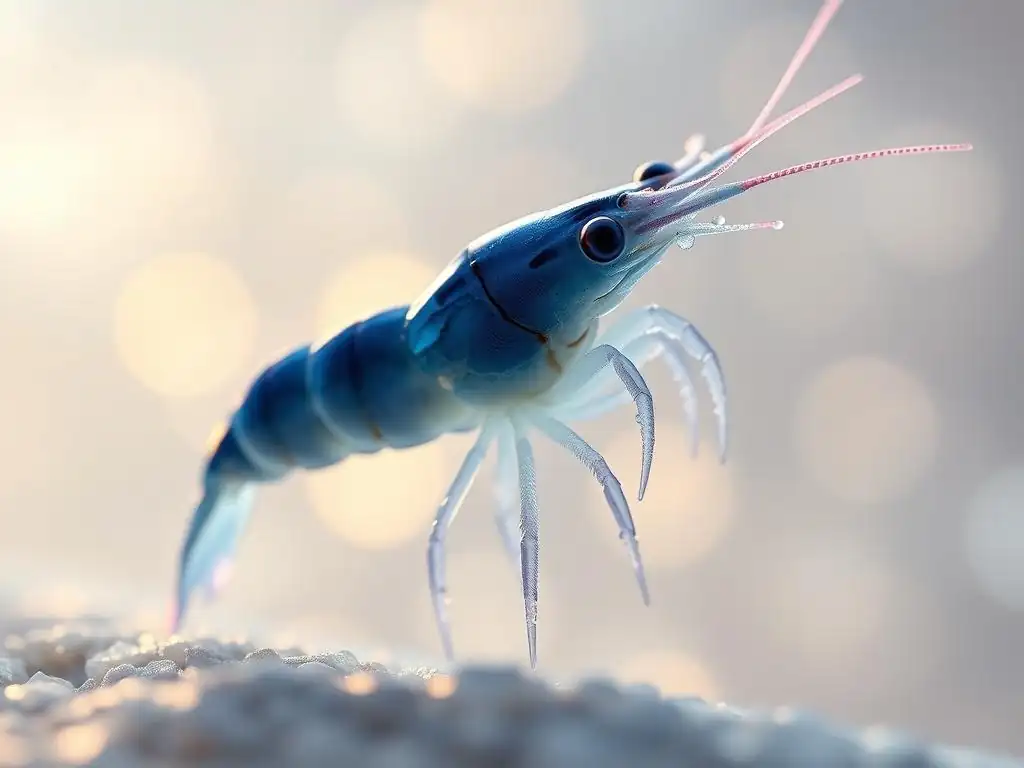
Blue Dream and Blue Velvet shrimp represent the spectrum of blue coloration in Neocaridina. "Blue Velvet" shrimp typically exhibit a lighter, often semi-translucent blue, which can sometimes appear grayish or mottled depending on the lighting and background. As the grade increases, the blue becomes more opaque and intense.
High-grade "Blue Dream" shrimp are characterized by a very deep, uniform, and opaque blue coloration that covers their entire body, including legs and antennae, with no visible clear patches or brown undertones. Under optimal conditions, their color can appear almost navy or royal blue, making them highly sought after in the hobby.
Yellow Goldenback Shrimp Color Variations
Yellow Goldenback shrimp showcase a range of yellow hues, from pale to intensely vibrant. Lower grades often present as a translucent, light yellow, sometimes with inconsistent coloration. Mid-grade "Yellow" shrimp will have a more solid, brighter yellow across their body.
The distinctive feature of "Goldenback" shrimp, especially in higher grades, is a prominent, bright yellow stripe running down the entire length of their back, which often appears more intense and almost iridescent compared to the rest of their body. High-grade Yellow Goldenback shrimp exhibit a consistent, vibrant, almost neon yellow across their entire body, with the dorsal stripe being particularly striking and well-defined.
Black Rose/Chocolate Shrimp Color Variations
Black Rose and Chocolate shrimp represent the dark spectrum of Neocaridina colors, ranging from brown to deep black. "Chocolate" shrimp are the lower grade, displaying various shades of brown, from a lighter reddish-brown to a dark, almost coffee-brown. These often lack uniformity and can appear somewhat dull. "Black Rose" shrimp are the highest grade within this lineage. They are characterized by an incredibly deep, opaque black coloration that covers their entire body uniformly, with no translucent or brownish areas. A true high-grade Black Rose absorbs light, appearing as a solid, velvety black, making them distinct from their brownish counterparts.
Green Jade Shrimp Color Variations
Green Jade shrimp are known for their unique green coloration, which can vary in intensity and opacity. Lower-grade Green Jade shrimp may appear as a translucent olive-green or a mottled brownish-green, often lacking a strong, uniform color. As the grade improves, the green becomes more solid and vibrant. High-grade Green Jade shrimp are characterized by a rich, opaque emerald or deep forest green that covers their entire body uniformly. Under good lighting, their color can appear almost iridescent, showcasing a truly distinctive hue that stands out in the aquarium, making them a prized addition for many aquarists.
Resources for Neocaridina Shrimp Breeders
Online Forums and Communities for Shrimp Keepers
Online forums and dedicated communities are invaluable resources for Neocaridina shrimp breeders, offering a wealth of collective knowledge and real-time advice. Platforms such as "The Planted Tank" forum, "Shrimp Keepers Forum," and various Facebook groups dedicated to shrimp keeping host thousands of active members, from beginners to seasoned breeders. These communities facilitate discussions on every aspect of Neocaridina care, breeding, and importantly, Neocaridina color mixing guide techniques.
Members frequently share experiences, troubleshoot issues, and provide insights based on their direct observations, making them an unparalleled source of peer-to-peer support. For example, specific threads might contain hundreds of comments detailing successful or unsuccessful color crosses, offering practical data points.
Books and Articles on Neocaridina Genetics and Breeding
While specialized books solely on Neocaridina genetics are rare, comprehensive aquarium literature often dedicates significant sections to the topic. Books such as "Shrimp Keeping: A Guide to the Art of Shrimp Keeping" by Chris Lukhaup or "The Ultimate Guide to Freshwater Shrimp" provide foundational knowledge on water chemistry, feeding, and general breeding principles that are directly applicable to understanding Neocaridina coloration.
These resources often delve into the biological mechanisms behind color expression and the principles of selective breeding. Furthermore, numerous online articles and scientific papers, often found through academic search engines, explore specific aspects of crustacean pigmentation and genetics, offering deeper insights into the complex processes that govern Neocaridina color mixing and inheritance.
Reputable Neocaridina Shrimp Breeders and Suppliers
Sourcing healthy, genetically pure Neocaridina shrimp from reputable breeders and suppliers is paramount for anyone serious about maintaining specific color lines or attempting advanced breeding projects. Established breeders often have years, if not decades, of experience maintaining stable lines and can provide detailed information about the lineage and health of their shrimp. They typically employ strict selective breeding practices, ensuring that the shrimp they sell are true to their color and free from common genetic defects.
Many top breeders maintain detailed records of their lines for 10 or more generations, offering a guarantee of genetic purity and stability that is crucial for avoiding unwanted Neocaridina color mixing outcomes. Engaging with such suppliers not only provides quality stock but also offers an opportunity to learn best practices directly from experienced individuals.
Frequently Asked Questions
What is Neocaridina color mixing and why is it important to understand?
Neocaridina color mixing refers to the genetic inheritance of color traits when different Neocaridina davidi shrimp of varying colors interbreed. Understanding it is important because uncontrolled breeding can lead to loss of desired colors and the eventual dominance of wild-type coloration.
What colors are Neocaridina davidi available in, and which are more dominant in breeding?
Neocaridina davidi come in a wide array of colors, including red, blue, yellow, orange, green, and black. Red and brown are generally considered dominant, while other colors like yellow and blue are often recessive and require careful breeding to maintain.
What is the "wild-type" Neocaridina coloration, and how does it relate to color mixing?
The "wild-type" coloration of Neocaridina davidi is typically a clear or brownish hue. When colors are mixed without careful selection, the offspring often revert to this wild-type, essentially diluting or losing the vibrant colors that aquarists seek.
How can I prevent my Neocaridina shrimp from losing their color due to mixing?
To prevent color loss, keep different color varieties separated in their own tanks. If you want to experiment with breeding, research the color genetics involved and selectively breed individuals with the strongest and desired color traits.
What are some resources for learning more about Neocaridina genetics and selective breeding?
AquariumMastery.com offers articles and guides on Neocaridina care, including information on color genetics and selective breeding techniques. Look for articles specifically about Neocaridina or shrimp breeding for more detailed information.
Final Reflection: The Kaleidoscope Within
The vibrant world of Neocaridina shrimp, as we've explored, is a testament to the unpredictable beauty of genetics. Understanding the principles of color mixing in these tiny creatures offers a fascinating microcosm of broader biological processes and the sheer wonder of natural variation. This isn't just about creating pretty aquarium inhabitants; it's about appreciating the complex dance of inheritance that shapes life itself.
This journey into Neocaridina color mixing has underscored the profound impact of even seemingly simple genetic combinations. It's a reminder that even in controlled environments, nature retains its capacity for surprise and that our role is often to observe, learn, and appreciate the unexpected outcomes. The important thing is not to stop questioning. Curiosity has its own reason for existing.
- Albert Einstein. This quote resonates deeply when considering the ongoing experimentation and discoveries within the Neocaridina hobby.
As you consider the potential hues swirling within your own Neocaridina tanks, remember that each shrimp represents a unique genetic story. Embrace the unexpected colors, document your observations, and contribute to the collective knowledge of this fascinating field. Let the vibrant tapestry of your aquarium inspire you to appreciate the beauty of diversity and the endless possibilities that lie within the natural world.
Dive Deeper: Transform Your Shrimp Tank Today!
Thanks for exploring the vibrant world of Neocaridina color mixing with us! Now that you understand the genetics and possibilities, it's time to put that knowledge into action and take your shrimp-keeping to the next level.
Here are a few things you can do right now:
- Plan your next Neocaridina breeding experiment! Start small, document your findings, and share your results with the community.
- Explore the fascinating world of shrimp genetics further by researching other Neocaridina species, like Neocaridina palmata. What secrets might they hold?
- Share this article with fellow shrimp enthusiasts. Spark a discussion and learn from each other's experiences!
What unique color combination are you most excited to try breeding in your own shrimp tank?