
Perfecting Water Parameters for Vibrant & Healthy Neocaridina Shrimp

Welcome to Aquarium Mastery!
Ever wondered what the secret is to keeping those vibrant Neocaridina shrimp thriving in your aquarium? We've got you covered. Dive in to uncover the ideal Neocaridina shrimp water parameters and unlock the key to a healthy and colorful shrimp colony. Ready to learn more? Let's get started!
- Understanding Neocaridina Shrimp and Their Ideal Aquatic Environment
-
Essential Water Parameters for Neocaridina Shrimp: A Detailed Breakdown
- Temperature: Maintaining Optimal Water Temperature for Neocaridina Shrimp
- pH Levels: Achieving the Right pH Balance for Neocaridina Shrimp
- Water Hardness (GH & KH): Understanding General and Carbonate Hardness in Shrimp Tanks
- Ammonia, Nitrite, and Nitrate: Keeping Your Shrimp Tank Cycle Stable and Safe
-
Frequently Asked Questions
- What are the ideal water parameters for Neocaridina shrimp?
- Why is water hardness important for Neocaridina shrimp?
- How often should I perform water changes in a Neocaridina shrimp tank?
- What impact does pH level have on Neocaridina shrimp health?
- What are the signs that my Neocaridina shrimp are experiencing water parameter problems?
- Final Reflection: The Delicate Dance of Aquatic Harmony
- Dive Deeper: Transform Your Shrimp Tank Today!
Understanding Neocaridina Shrimp and Their Ideal Aquatic Environment
The Importance of Water Parameters for Neocaridina Shrimp Health
Maintaining precise and stable water parameters is paramount for the health and vibrancy of Neocaridina shrimp. These delicate invertebrates are highly sensitive to fluctuations in their aquatic environment, with even minor shifts in Neocaridina shrimp water parameters potentially leading to stress, illness, and even death. Stable parameters are crucial for essential biological processes such as osmoregulation, molting, and reproduction, directly impacting their lifespan and overall well-being. For instance, improper mineral content (GH) can lead to failed molts, a common cause of death, while unstable pH can cause osmotic shock.
The long-term success of a Neocaridina shrimp aquarium hinges on diligent monitoring and adjustment of Neocaridina shrimp water parameters. When parameters are consistently within their optimal range, these shrimp exhibit more vibrant coloration, higher breeding rates, and a stronger immune response, making them less susceptible to diseases. Conversely, poor or fluctuating water quality can result in faded colors, lethargy, reduced appetite, and a significant increase in mortality rates. Many experienced aquarists report a dramatic improvement in breeding success, sometimes seeing brood sizes increase by 15-20%, simply by maintaining consistent water quality.
Neocaridina Shrimp: A Brief Overview of the Species
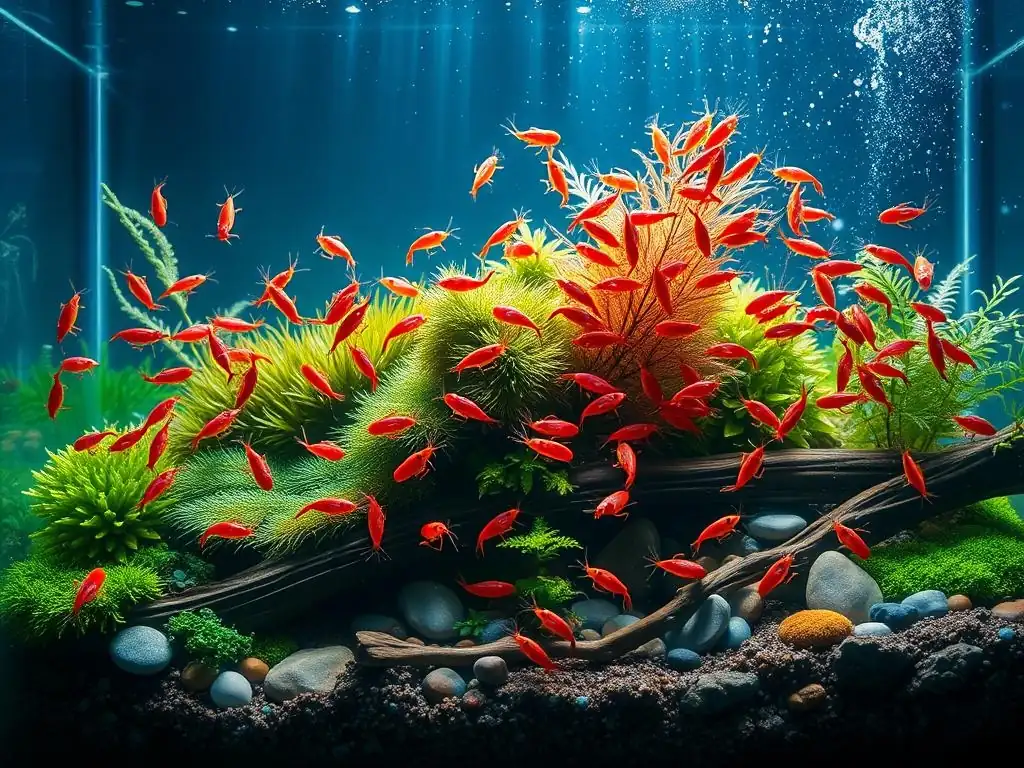
Neocaridina shrimp, primarily Neocaridina davidi, are a diverse and popular group of freshwater dwarf shrimp renowned for their ease of care and striking array of colors. Varieties like Cherry, Blue Dream, Yellow, and Sunkist shrimp are all derivatives of this species, originating from streams and ponds in East Asia. Their hardiness, compared to their more demanding Caridina cousins, makes them an excellent choice for beginners, yet understanding their specific environmental needs, particularly Neocaridina shrimp water parameters, remains crucial for thriving colonies.
These active and peaceful invertebrates are primarily scavengers, constantly grazing on biofilm, algae, and detritus, contributing to a cleaner aquarium environment. They typically reach an adult size of about 1 inch (2.5 cm) and have a lifespan of 1 to 2 years under optimal conditions. Their popularity has soared due to their vibrant hues and relatively straightforward breeding habits, provided their Neocaridina shrimp water parameters are consistently met, allowing hobbyists to observe their full life cycle and genetic color expression.
Key Water Parameter Considerations for Neocaridina Shrimp Keeping
Successful Neocaridina shrimp keeping revolves around a handful of key Neocaridina shrimp water parameters that must be carefully managed. These include temperature, pH (acidity/alkalinity), GH (General Hardness), KH (Carbonate Hardness), and the nitrogenous compounds: ammonia, nitrite, and nitrate. Each of these parameters plays a vital role in the shrimp's physiological functions and overall habitat suitability.
Understanding the interplay between these different Neocaridina shrimp water parameters is essential for creating a stable and healthy environment. For example, while a certain pH might be ideal, it's the KH that dictates how stable that pH will remain. Similarly, while a specific temperature promotes activity, extreme fluctuations can be far more detrimental than a slightly off but stable temperature. The goal is not just to hit specific numbers but to maintain consistency, minimizing stress on the shrimp.
Essential Water Parameters for Neocaridina Shrimp: A Detailed Breakdown
Temperature: Maintaining Optimal Water Temperature for Neocaridina Shrimp
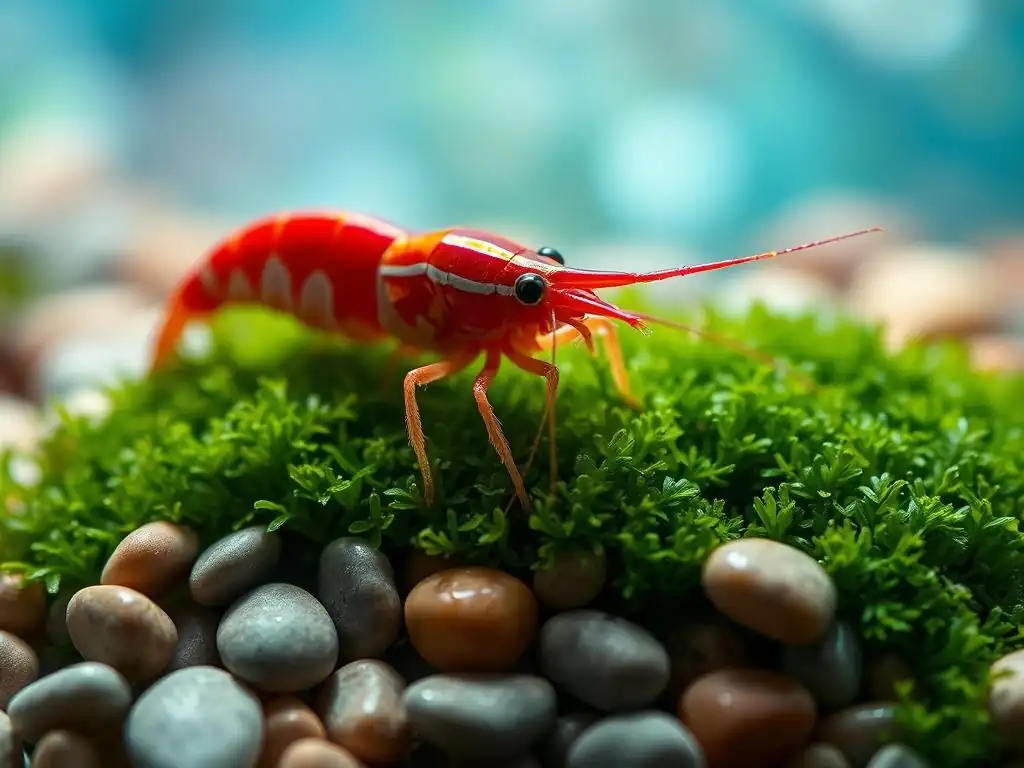
The optimal temperature range for Neocaridina shrimp is generally between 65-78°F (18-26°C). While they can tolerate temperatures slightly outside this range for short periods, maintaining stability within this window is key. Temperatures below 65°F can lead to reduced activity, slower metabolism, and decreased breeding rates. Conversely, temperatures consistently above 78°F can accelerate their metabolism, shortening their lifespan significantly; for example, a shrimp living at a consistent 80°F might only live for 8-12 months, compared to 1.5-2 years at 72°F.
Sudden temperature swings are particularly stressful for Neocaridina shrimp, potentially leading to molting issues or shock. It is advisable to use a reliable aquarium heater with a thermostat to maintain a consistent temperature, especially in environments with fluctuating room temperatures. While a precise temperature isn't as critical as its stability, many breeders find that temperatures around 72-74°F (22-23°C) promote consistent breeding and healthy growth for these specific Neocaridina shrimp water parameters.
pH Levels: Achieving the Right pH Balance for Neocaridina Shrimp
The ideal pH range for Neocaridina shrimp typically falls between 6.5 and 8.0, with many aquarists aiming for a slightly alkaline range of 7.0 to 7.5 for optimal health and breeding. pH measures the acidity or alkalinity of the water and directly impacts the shrimp's ability to absorb nutrients and regulate their internal osmotic balance. Extreme or rapidly fluctuating pH levels can cause severe stress, leading to lethargy, faded coloration, and increased susceptibility to disease.
It's important to note that pH also influences the toxicity of ammonia; at higher pH levels (above 7.0), ammonia becomes significantly more toxic. For instance, at a pH of 8.0, a given amount of ammonia is roughly ten times more toxic than at a pH of 7.0. Therefore, maintaining a stable pH within the recommended range is a critical component of ideal Neocaridina shrimp water parameters, preventing harmful conditions and supporting the shrimp's overall physiological functions.
Water Hardness (GH & KH): Understanding General and Carbonate Hardness in Shrimp Tanks
Water hardness, encompassing both General Hardness (GH) and Carbonate Hardness (KH), is a critical aspect of Neocaridina shrimp water parameters. These two measurements indicate the concentration of specific mineral ions in the water, which are vital for the shrimp's health, particularly for shell formation and maintaining stable pH. Understanding and managing both GH and KH is fundamental to successful Neocaridina keeping.
While related, GH and KH serve distinct purposes. GH provides the essential minerals for biological processes, while KH acts as a buffer against pH fluctuations. Achieving the right balance of these two parameters is crucial, as imbalances can lead to molting problems, stress, and a generally unhealthy environment for your Neocaridina shrimp.
GH (General Hardness): The Role of Minerals in Neocaridina Shrimp Health
General Hardness (GH) measures the concentration of dissolved calcium and magnesium ions in the water. For Neocaridina shrimp, an ideal GH range is typically between 6-10 dGH (degrees of General Hardness), which translates to approximately 100-160 ppm (parts per million). These minerals are absolutely vital for the shrimp's exoskeleton formation, especially during the molting process. A lack of sufficient GH can lead to molting difficulties, where the shrimp struggles to shed its old shell, often resulting in a "molting death."
Furthermore, calcium and magnesium play crucial roles in the shrimp's osmoregulation, the process by which they maintain the balance of water and salts within their bodies. Insufficient GH can compromise this process, leading to internal stress. Conversely, excessively high GH, while less immediately detrimental than low GH, can still be taxing on the shrimp's system and contribute to less efficient nutrient absorption, making it a key consideration for stable Neocaridina shrimp water parameters.
KH (Carbonate Hardness): Buffering pH for a Stable Shrimp Environment
Carbonate Hardness (KH), also known as alkalinity, measures the concentration of bicarbonate and carbonate ions in the water. For Neocaridina shrimp, a recommended KH range is generally 2-8 dKH (degrees of Carbonate Hardness), or approximately 35-140 ppm. The primary function of KH is to act as a buffer, preventing drastic and sudden swings in pH. These carbonate ions neutralize acids that naturally accumulate in the aquarium from fish waste, decaying organic matter, and respiration, thereby stabilizing the pH.
A dangerously low KH (e.g., below 2 dKH) leaves the water susceptible to rapid pH crashes, which can be fatal to shrimp. Even a slight drop in pH from 7.5 to 6.5 within a few hours due to low KH can induce severe osmotic shock. Conversely, a very high KH can make it challenging to adjust the pH if it becomes too alkaline, as the buffering capacity resists changes. Therefore, maintaining an appropriate KH is vital for ensuring stable Neocaridina shrimp water parameters and preventing harmful pH fluctuations.
Ammonia, Nitrite, and Nitrate: Keeping Your Shrimp Tank Cycle Stable and Safe
The presence and control of nitrogenous compounds—ammonia, nitrite, and nitrate—are fundamental to maintaining a safe and healthy environment for Neocaridina shrimp. These compounds are byproducts of organic waste decomposition (food, waste, decaying plants) and are processed through the aquarium's nitrogen cycle. For Neocaridina shrimp, pristine water quality with undetectable levels of ammonia and nitrite is non-negotiable.
Understanding how these compounds are formed and how to manage them is a cornerstone of responsible Neocaridina keeping. Even slight elevations in ammonia or nitrite can quickly become lethal, while accumulating nitrates, though less toxic, can still stress shrimp over time, affecting their growth and reproduction. Regular testing and proactive management are essential to keep these specific Neocaridina shrimp water parameters in check.
The Nitrogen Cycle in Neocaridina Shrimp Aquariums: A Simplified Explanation
The nitrogen cycle is the natural biological process that converts toxic nitrogenous waste products into less harmful forms within an aquarium. It begins with ammonia (NH3/NH4+), which is highly toxic to aquatic life. Specialized beneficial bacteria, primarily Nitrosomonas species, oxidize ammonia into nitrite (NO2-), which is also extremely toxic. A second group of beneficial bacteria, Nitrobacter or Nitrospira species, then converts nitrite into nitrate (NO3-), a much less toxic compound.
This cycle is the backbone of a healthy aquarium, ensuring that harmful waste products from shrimp respiration, uneaten food, and decaying plant matter are continuously processed. For Neocaridina shrimp, a fully established and efficient nitrogen cycle is critical, as it directly dictates the safety and stability of their Neocaridina shrimp water parameters. Without these bacterial colonies, ammonia and nitrite would rapidly accumulate to lethal levels.
Monitoring Ammonia and Nitrite Levels: Preventing Toxicity in Shrimp Tanks
For Neocaridina shrimp, ammonia and nitrite levels must always be at 0 ppm (parts per million). Even trace amounts of these compounds can be highly detrimental, causing gill damage, respiratory distress, and ultimately death. Ammonia, in particular, can burn shrimp's gills, leading to suffocation, while nitrite interferes with their blood's ability to carry oxygen, causing "brown blood disease."
Regular testing with a reliable liquid test kit is indispensable, especially in newly set up tanks or when adding new shrimp. If ammonia or nitrite is detected, immediate action is required, typically involving large, partial water changes (e.g., 50% or more) and identifying the source of the spike (e.g., overfeeding, decaying organic matter, insufficient biological filtration). Maintaining these Neocaridina shrimp water parameters at absolute zero is a top priority for shrimp survival.
Controlling Nitrate Levels: Water Changes and Planted Tanks
While significantly less toxic than ammonia and nitrite, nitrates can still be harmful to Neocaridina shrimp in high concentrations. Most aquarists aim to keep nitrate levels below 20 ppm, though some sources suggest up to 40 ppm is tolerable. Prolonged exposure to high nitrates can stress shrimp, leading to reduced activity, lower breeding rates, and increased susceptibility to disease. For instance, studies have shown that consistent nitrate levels above 30 ppm can reduce Neocaridina breeding success by up to 25%.
The primary methods for controlling nitrate accumulation are regular partial water changes and the inclusion of live aquarium plants. Plants naturally absorb nitrates as a nutrient source, effectively removing them from the water column. For example, a heavily planted 10-gallon tank might only require a 10-15% water change weekly, whereas a sparsely planted tank of the same size might need 25-30% weekly to manage nitrate levels within optimal Neocaridina shrimp water parameters.
Frequently Asked Questions
What are the ideal water parameters for Neocaridina shrimp?
The ideal parameters are a temperature of 68-78°F (20-26°C), pH of 6.5-8.0, and a general hardness (GH) of 6-8 dGH. Maintaining stable parameters is crucial for their health and breeding.
Why is water hardness important for Neocaridina shrimp?
Neocaridina shrimp need sufficient minerals like calcium and magnesium in the water for shell development and molting. Inadequate hardness can lead to molting issues and shrimp death.
How often should I perform water changes in a Neocaridina shrimp tank?
Regular water changes are essential to remove nitrates and replenish minerals. Aim for 10-20% water changes weekly or bi-weekly, depending on the tank's bioload.
What impact does pH level have on Neocaridina shrimp health?
Neocaridina shrimp are relatively adaptable, but extreme pH fluctuations can cause stress and weaken their immune system. Maintaining a stable pH within the recommended range is essential.
What are the signs that my Neocaridina shrimp are experiencing water parameter problems?
Signs include lethargy, difficulty molting, white ring of death, and increased mortality. Test your water parameters immediately if you observe any of these symptoms.
Final Reflection: The Delicate Dance of Aquatic Harmony
The pursuit of optimal Neocaridina shrimp water parameters is more than just a scientific endeavor; it's an art form, a delicate dance between understanding the needs of these tiny creatures and creating an environment where they can truly thrive. Today, as aquatic ecosystems face increasing pressures, mastering this art becomes even more crucial, not only for the well-being of our shrimp but also as a microcosm reflecting our broader responsibility towards environmental stewardship.
This journey into the world of shrimp keeping has profoundly underscored the importance of meticulous observation and continuous learning. It's a reminder that even seemingly small actions can have significant impacts on the delicate balance of an ecosystem. The care of one life is the beginning of the care of all life.
This quote resonates deeply, highlighting the interconnectedness of all living things and the profound responsibility we bear as custodians of the natural world.
Now, as you close this article, I invite you to reflect on your own relationship with the natural world. How can you apply the principles of careful observation, continuous learning, and mindful action, not only in your shrimp tank but also in your daily life? Embrace the challenge of creating harmony, both within your aquatic microcosm and in the larger world around you. Let the vibrant health of your Neocaridina shrimp be a constant reminder of the power of dedication and the beauty of a balanced ecosystem.
Dive Deeper: Transform Your Shrimp Tank Today!
Thank you for taking the time to explore the secrets of optimal water parameters for Neocaridina shrimp. Now that you're equipped with the knowledge, it's time to put it into action and create a thriving environment for your colorful companions.
Here's how you can take the next steps:
- Immediately test your aquarium's water parameters. Accurate testing is the foundation for a healthy shrimp tank.
- Explore the fascinating world of aquatic plants suitable for Neocaridina shrimp. They not only enhance the aesthetic appeal of your tank but also contribute to a stable and balanced ecosystem.
- Share your newfound knowledge! Start a discussion in our community forum about your experiences with water parameter adjustments or challenge a friend to set up their own Neocaridina tank.
What specific water parameter are you most excited to optimize in your shrimp tank, and what changes do you anticipate seeing in your shrimp's vitality and color?