
Showstopper Wrasses for Large Reef Systems: Centerpiece Fish That Command Attention

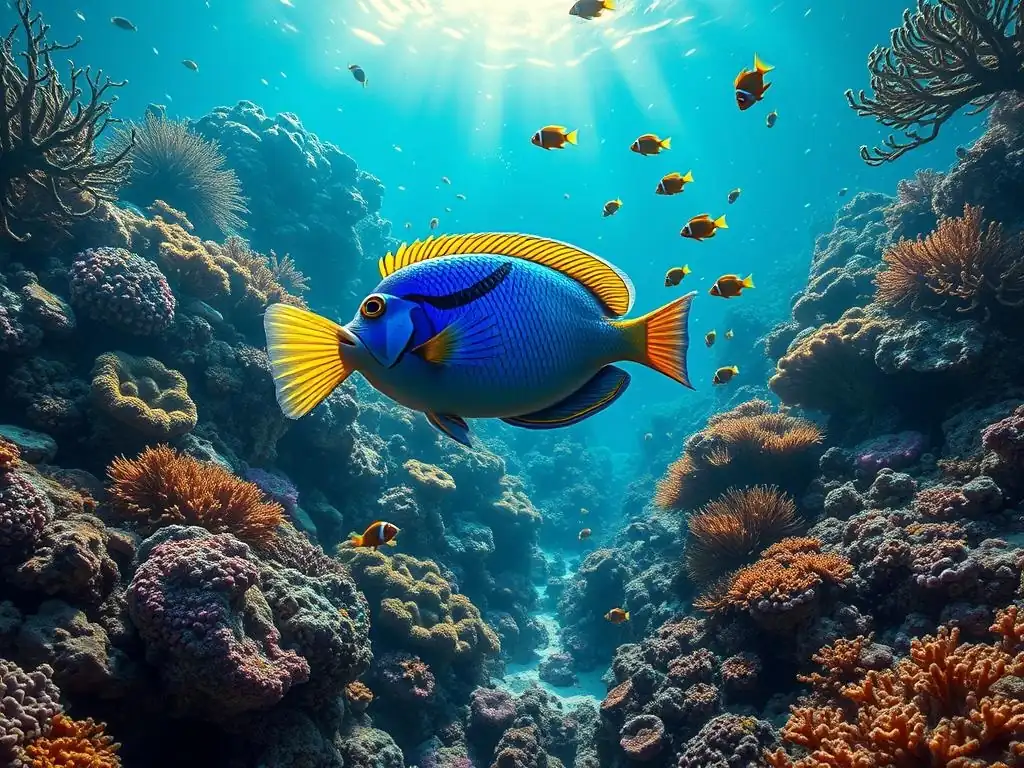
Welcome to Aquarium Mastery!
Ever dreamt of a reef tank so vibrant it takes your breath away? Then you're in the right place! Dive in and discover the secrets to creating a thriving aquatic ecosystem. Ready to meet the charismatic reef inhabitants that can truly elevate your display? Get ready to learn everything you need to know about Large Reef Wrasse Care and find out which of these dazzling showstoppers is perfect for your reef. What wonders await below the surface?
- Introduction to Showstopper Wrasses in Reef Aquariums
-
Top Showstopper Wrasses for Large Reef Tanks: Species Profiles
- The Magnificent Harlequin Tuskfish ( *Choerodon fasciatus*): A Bold Choice
- The Radiant Rainbow Wrasse ( *Halichoeres iridis*): A Vibrant Addition
- The Strikingly Patterned Bird Wrasse ( *Gomphosus varius*): A Unique Specimen
- The Regal Clown Wrasse ( *Coris gaimard*): A Colorful Personality
- The Exquisite Scott's Fairy Wrasse ( *Cirrhilabrus scottorum*): A Peaceful Jewel
- Essential Large Reef Wrasse Care: Maintaining a Thriving Environment
- Choosing the Right Large Reef Wrasse: Factors to Consider
- Potential Challenges with Showstopper Wrasses in Reef Tanks
- Conclusion: Enhancing Your Reef Tank with a Showstopper Wrasse
-
Frequently Asked Questions
- What defines a "large reef wrasse" suitable for a showstopper role?
- Are large reef wrasses generally compatible with all types of reef inhabitants?
- What are the specific water parameter requirements for large reef wrasses?
- What is the recommended tank size for keeping large reef wrasses?
- What type of diet is best for large reef wrasses in a reef aquarium setting?
- Final Reflection: Embracing the Majesty of Reef Giants
- Ignite Your Reef: Embrace the Majesty of Wrasses!
Introduction to Showstopper Wrasses in Reef Aquariums
Why Choose a Showstopper Wrasse for Your Large Reef Tank?
Showstopper wrasses are renowned for their vibrant colors, dynamic personalities, and active swimming patterns, making them ideal focal points in a large reef aquarium. Unlike many stationary corals or more subdued fish, these wrasses constantly explore their environment, displaying captivating behaviors that draw the eye and add a sense of perpetual motion to the display. Their striking appearance, often featuring iridescent scales and intricate patterns, ensures they command attention and become the undeniable centerpiece of any well-designed large reef system.
Beyond their aesthetic appeal, many showstopper wrasses contribute to the ecological balance of a reef tank. Some species, like certain Halichoeres wrasses, are known to consume nuisance pests such as flatworms and pyramid snails, offering a natural form of pest control. Their active foraging can also help aerate the substrate, preventing dead spots. With proper large reef wrasse care, these intelligent fish can live for many years, providing enduring beauty and interactive engagement for the dedicated aquarist.
Understanding Showstopper Wrasse Behavior and Temperament
The behavior and temperament of showstopper wrasses vary significantly between species, ranging from the relatively peaceful fairy wrasses to the more assertive tuskfish. Most wrasses are highly active, spending their days foraging among rockwork and substrate. Many species, particularly from the genera Halichoeres and Coris, are known to bury themselves in the sand at night or when startled, requiring a sufficiently deep and soft sand bed for their comfort and safety.
Their temperament towards tank mates can also differ; while some are generally docile and compatible with a wide range of reef-safe fish, others may exhibit territoriality or predatory instincts towards smaller invertebrates or fish. For example, a Harlequin Tuskfish ( *Choerodon fasciatus*) is generally peaceful with larger, robust fish but will readily consume crustaceans, whereas a Scott's Fairy Wrasse ( *Cirrhilabrus scottorum*) is highly reef-safe and typically only aggressive towards conspecifics or similar-looking fish. Understanding these nuances is paramount for successful large reef wrasse care and harmonious tank dynamics.
Considerations for Reef Compatibility with Showstopper Wrasses
When introducing a showstopper wrasse to a reef aquarium, their compatibility with corals and other invertebrates is a critical consideration. Many wrasse species, especially fairy wrasses ( *Cirrhilabrus* spp.) and flasher wrasses ( *Paracheilinus* spp. ), are considered "reef-safe," meaning they typically do not bother corals, clams, or sessile invertebrates. These species primarily feed on zooplankton and small benthic invertebrates, posing minimal threat to the reef structure.
However, other larger or more predatory wrasses, such as Harlequin Tuskfish, Bird Wrasses ( *Gomphosus varius*), or Clown Wrasses ( *Coris gaimard*), may pose a risk to ornamental shrimp, crabs, snails, or even small clams. While they generally leave stony corals untouched, some individuals might nip at fleshy corals or clam mantles out of curiosity or hunger. Therefore, thorough research into the specific dietary and behavioral habits of your chosen large reef wrasse is essential to ensure long-term compatibility with your existing reef inhabitants and to prevent potential conflicts.
Top Showstopper Wrasses for Large Reef Tanks: Species Profiles
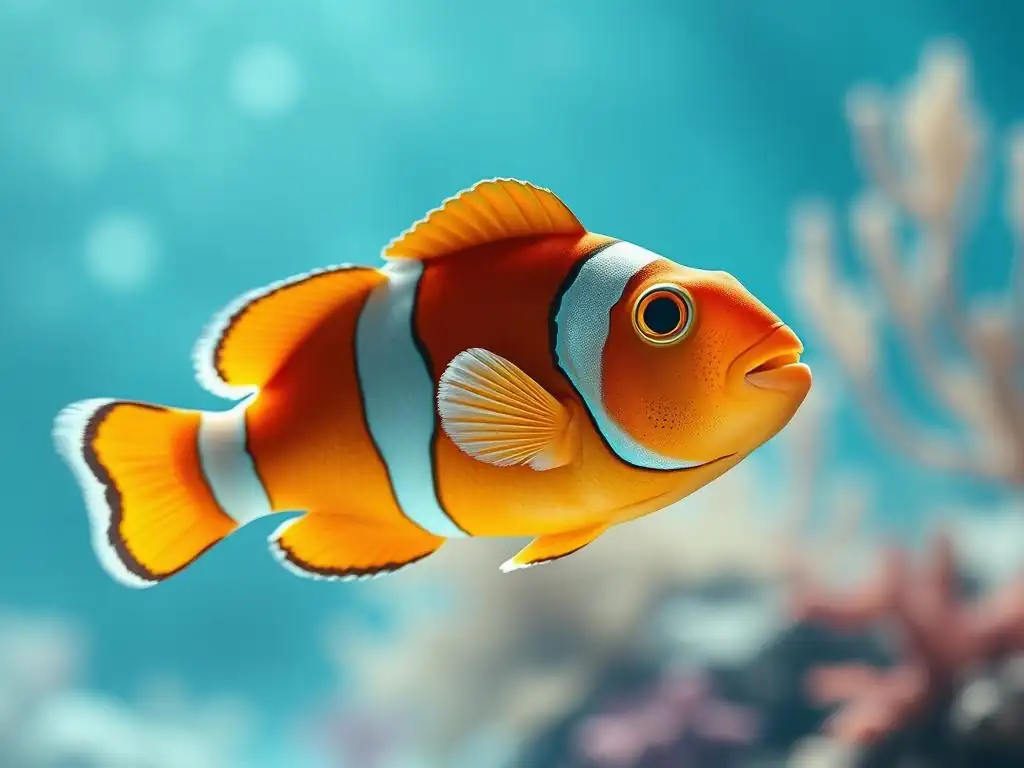
The Magnificent Harlequin Tuskfish ( *Choerodon fasciatus*): A Bold Choice
The Harlequin Tuskfish, with its striking pattern of electric blue and orange bands, is an undeniably bold and charismatic choice for a large reef system. Growing up to 10-12 inches in captivity, this species boasts a robust body and prominent, tusk-like teeth that give it a formidable yet captivating appearance. Its intelligence and curious nature often lead to interactive behavior with its owner, making it a true personality in the aquarium.
Originating from the Indo-Pacific region, these fish are found in rocky areas and coral reefs, where they actively hunt for crustaceans and mollusks. Harlequin Tuskfish are known for their impressive longevity, often living for 10 to 15 years, or even longer, in a well-maintained system. Their hardiness and disease resistance, combined with their stunning looks, make them a top contender for aquarists seeking a showstopper that truly embodies the spirit of a large reef wrasse.
Harlequin Tuskfish Care Requirements: Water Parameters and Diet
Optimal water parameters for the Harlequin Tuskfish include a stable temperature range of 72-78°F (22-26°C), salinity between 1.023 and 1.026 specific gravity, and a pH level of 8.1-8.4. Consistent water quality is vital for their long-term health, necessitating regular testing and water changes. Their diet is primarily carnivorous, requiring a varied menu of high-quality, meaty foods.
Ideal food items include chopped fresh or frozen shrimp, squid, clams, mussels, and krill. They also readily accept frozen Mysis shrimp, brine shrimp, and high-quality marine pellets. Feeding should occur 2-3 times daily, providing small portions that can be consumed within a few minutes. Supplementing their diet with vitamin-enriched foods can further enhance their coloration and overall vitality, contributing significantly to optimal large reef wrasse care.
Tank Size and Aquascaping for Harlequin Tuskfish
A minimum tank size of 180 gallons is recommended for an adult Harlequin Tuskfish to provide ample swimming space and accommodate their eventual size. Larger tanks, such as 250 gallons or more, are even better, allowing them to exhibit their natural patrolling behaviors. The aquascape should include plenty of open swimming areas, coupled with robust rockwork that offers numerous caves and crevices for hiding and exploration.
A fine sand bed of at least 2-3 inches deep is crucial, as Harlequin Tuskfish often bury themselves in the substrate at night or when stressed. Ensure that the rockwork is stable and not easily dislodged by their digging activities. While generally reef-safe with corals, they will consume small crustaceans and mollusks, so care should be taken when selecting tank mates like ornamental shrimp or snails.
The Radiant Rainbow Wrasse ( *Halichoeres iridis*): A Vibrant Addition
The Rainbow Wrasse, *Halichoeres iridis*, is a truly radiant addition to any large reef system, renowned for its dynamic color changes and active, inquisitive nature. Typically growing to a modest size of 4-5 inches, this species displays a stunning array of iridescent blues, greens, yellows, and oranges, which can intensify or shift depending on its mood and environment. Its smaller stature makes it a vibrant choice for tanks that might not accommodate the largest showstoppers but still desire significant visual impact.
Hailing from the Indo-Pacific, the Rainbow Wrasse is a benthic feeder, constantly sifting through sand and rockwork in search of small invertebrates, copepods, and other tiny organisms. They are known for their hardiness and adaptability once established, often living for 5 to 8 years in a healthy aquarium. Their constant movement and bright coloration make them an energetic and captivating presence in the mid to upper water column.
Rainbow Wrasse Care: Maintaining Optimal Conditions
Maintaining optimal conditions for the Rainbow Wrasse involves stable water parameters consistent with a healthy reef environment: temperature between 74-80°F (23-27°C), salinity of 1.023-1.026 specific gravity, and a pH range of 8.1-8.4. They thrive in tanks with good water flow and excellent filtration, which are essential for maintaining pristine water quality. Their diet should consist of small, high-quality meaty foods.
They readily accept frozen Mysis shrimp, enriched brine shrimp, finely chopped seafood, and high-quality marine pellets or flakes. Due to their active metabolism, feeding 2-3 times daily in small portions is recommended to ensure they receive adequate nutrition. Providing a diverse diet is key to maintaining their vibrant coloration and overall health, a fundamental aspect of large reef wrasse care for this species.
Rainbow Wrasse Reef Compatibility and Tank Mates
The Rainbow Wrasse is generally considered reef-safe, posing little to no threat to corals, including delicate SPS and LPS species, as well as clams. Their natural diet focuses on very small invertebrates, which typically does not include ornamental shrimp or crabs of significant size, though very small, newly introduced inverts could be at risk. They are excellent candidates for mixed reef aquariums.
Suitable tank mates include other peaceful to semi-aggressive fish that will not outcompete them for food or bully them. Good companions might include tangs, angelfish (excluding very aggressive species), other wrasses of similar temperament (avoiding multiple males of the same species in smaller tanks), and most gobies. Avoid housing them with overly aggressive predators or extremely timid fish that might be stressed by their constant activity.
The Strikingly Patterned Bird Wrasse ( *Gomphosus varius*): A Unique Specimen
The Bird Wrasse, *Gomphosus varius*, is a truly unique and striking specimen, instantly recognizable by its elongated, bird-like snout. This distinctive feature is used to probe crevices for food. Males can reach up to 11 inches, displaying vibrant green or blue coloration, while females typically grow to about 8 inches and exhibit more muted, often brown or reddish hues. Their sleek, torpedo-shaped bodies allow for rapid movement throughout the tank.
Found across the Indo-Pacific, Bird Wrasses inhabit shallow reef flats and lagoons, where they prey on small crustaceans, mollusks, and other benthic invertebrates. They are incredibly active swimmers, constantly patrolling the tank and exploring their environment. With proper care, they can be long-lived, often thriving for 8-10 years, offering a dynamic and engaging presence in a spacious large reef system.
Bird Wrasse Care Guide: Feeding and Environment
A minimum tank size of 120 gallons is recommended for a single Bird Wrasse, with larger tanks (180+ gallons) preferred to accommodate their active swimming habits. Stable water parameters are crucial: temperature 74-80°F (23-27°C), salinity 1.023-1.026, and pH 8.1-8.4. Their diet should be rich in meaty foods, offered frequently due to their high metabolism.
Ideal foods include frozen Mysis shrimp, brine shrimp, finely chopped marine-origin foods like shrimp, squid, and fish flesh. They may initially require live foods to entice feeding, such as blackworms or small feeder shrimp, before transitioning to frozen options. Feeding 3 or more times daily is often necessary to maintain their health and activity levels, a key consideration for comprehensive large reef wrasse care.
Bird Wrasse Acclimation and Long-Term Health
Bird Wrasses are notorious jumpers, especially when newly introduced or startled. A tightly fitting lid or mesh screen top is absolutely essential to prevent escapes. Slow drip acclimation over 1-2 hours is highly recommended to minimize stress during transfer to the display tank. Providing plenty of open swimming space alongside adequate rockwork for hiding spots will help them feel secure.
Long-term health depends on consistent water quality and a varied diet. While generally hardy, they can be susceptible to common marine parasites like Ich if stressed or kept in poor conditions. Regular observation for signs of disease, such as faded coloration, rapid breathing, or unusual spots, is important. Prompt action, often involving treatment in a separate hospital tank, can ensure their recovery and continued vitality.
The Regal Clown Wrasse ( *Coris gaimard*): A Colorful Personality
The Clown Wrasse, *Coris gaimard*, is a truly regal and colorful personality that undergoes a remarkable transformation from juvenile to adult. Juveniles display a striking orange body with large, white, black-edged spots, while adults transition to a vibrant blue-green body adorned with red spots and a distinct red tail. Reaching lengths of up to 10-12 inches, their impressive size and dramatic coloration make them a captivating centerpiece in a large reef aquarium.
Native to the Indo-Pacific, these wrasses are active foragers, constantly sifting through the sand and probing rockwork for food. In the wild, their diet consists primarily of small crustaceans, mollusks, and worms. Clown Wrasses are known for their robust nature and can live for 10-12 years or more in a well-maintained system, providing a long-term, dynamic addition to the marine environment.
Clown Wrasse Care Tips: Ensuring a Healthy Life
A large tank is essential for the Clown Wrasse; a minimum of 120-150 gallons is recommended for an adult, with larger tanks being ideal to accommodate their active swimming and growth. Stable water parameters are crucial: temperature 74-80°F (23-27°C), salinity 1.023-1.026, and pH 8.1-8.4. A deep sand bed of at least 3-4 inches is mandatory, as they will bury themselves completely at night or when startled, and this provides them with vital security.
Their diet should be varied and rich in meaty foods, including frozen Mysis shrimp, brine shrimp, finely chopped shrimp, squid, and clam. They may also accept high-quality marine pellets. Feeding 2-3 times daily is recommended to meet their high metabolic needs. Ensuring a consistent and nutritious diet is a cornerstone of effective large reef wrasse care for this species.
Clown Wrasse Behavior and Social Dynamics
Clown Wrasses are highly active and curious fish, often observed constantly patrolling the substrate and rockwork. They are known for their "sand sifting" behavior, which can stir up detritus if the sand bed is not regularly maintained, but also helps aerate the substrate. While generally peaceful with large, robust fish, their natural predatory instincts mean they will readily consume small ornamental shrimp, crabs, and snails. Therefore, they are not suitable for tanks heavily reliant on these invertebrates for cleanup or aesthetic purposes.
They can be boisterous and may rearrange smaller aquascaping elements or corals that are not firmly secured. When selecting tank mates, choose species that are equally robust and can handle their active nature. Avoid very timid or slow-moving fish that might be outcompeted for food or stressed by the Clown Wrasse's constant activity.
The Exquisite Scott's Fairy Wrasse ( *Cirrhilabrus scottorum*): A Peaceful Jewel
Scott's Fairy Wrasse, *Cirrhilabrus scottorum*, is an exquisite and peaceful jewel that adds a burst of vibrant color and elegant movement to any large reef system. Males, in particular, display a breathtaking array of iridescent blues, greens, purples, and reds, often intensifying their colors during courtship displays. Growing to a modest size of 4-5 inches, they are a fantastic choice for aquarists seeking a dazzling, reef-safe showstopper that won't overwhelm smaller tank inhabitants.
Originating from the South Pacific, these wrasses are typically found in outer reef slopes, where they gracefully swim among corals and feed on zooplankton and small benthic invertebrates. They are known for their generally peaceful demeanor and are excellent candidates for mixed reef aquariums. With proper large reef wrasse care, Scott's Fairy Wrasses can live for 5-7 years, providing consistent beauty and activity.
Scott's Fairy Wrasse Care: Delicate Needs and Tank Stability
Scott's Fairy Wrasse requires a tank of at least 75 gallons, though larger tanks (120+ gallons) are highly recommended, especially if keeping multiple specimens or a harem. Stability in water parameters is paramount for their delicate health: temperature 74-80°F (23-27°C), salinity 1.023-1.025, and pH 8.1-8.4. They appreciate good water flow and plenty of hiding spots within the rockwork, even though they are active swimmers.
Their diet should consist of small, high-quality meaty foods, fed frequently throughout the day. Ideal options include frozen Mysis shrimp, enriched brine shrimp, cyclops, and finely chopped marine foods. Due to their fast metabolism, feeding 3-4 times daily in small amounts is crucial to maintain their vibrant colors and energy levels. Ensure they receive adequate nutrition, as they can be outcompeted by more aggressive feeders.
Scott's Fairy Wrasse Compatibility and Reef Safety
Scott's Fairy Wrasse is one of the most reef-safe wrasse species available, making it an excellent choice for a thriving coral reef aquarium. They are not known to bother any corals, including delicate SPS and LPS, nor do they pose a threat to ornamental invertebrates like shrimp, crabs, or snails. Their primary diet of zooplankton ensures they are a harmonious addition to a diverse reef ecosystem.
They are generally peaceful with other fish, making them suitable tank mates for a wide variety of community-friendly species such as tangs, dwarf angelfish, gobies, and other non-aggressive wrasses. While multiple females can be kept together, only one male Scott's Fairy Wrasse should be housed per tank unless the system is exceptionally large (e.g., 200+ gallons) and offers ample territory. Introducing them simultaneously can help mitigate aggression if attempting a group.
Essential Large Reef Wrasse Care: Maintaining a Thriving Environment
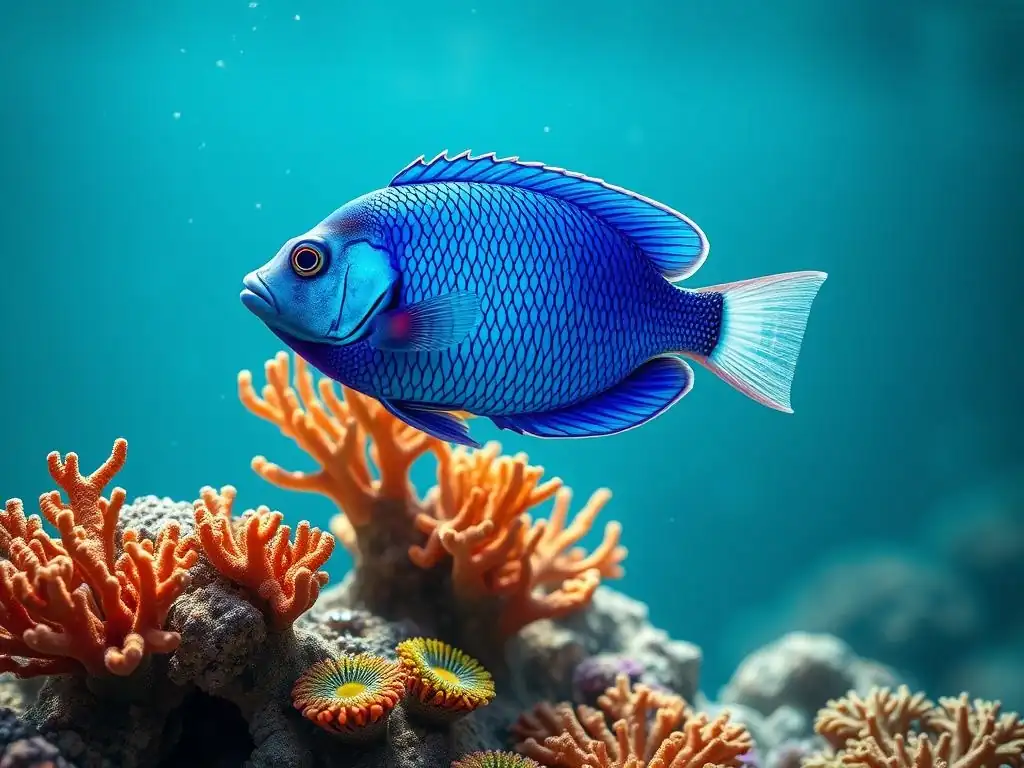
Water Quality and Parameter Stability for Large Reef Wrasses
Maintaining impeccable water quality and stable parameters is the bedrock of successful large reef wrasse care. These fish, like all marine inhabitants, are sensitive to fluctuations in their environment. A consistent salinity level, ideally between 1.024 and 1.026 specific gravity, is crucial, as is a stable temperature range of 74-80°F (23-27°C). pH should be maintained between 8.1 and 8.4. Regular testing using reliable test kits for ammonia, nitrite, nitrate, and alkalinity is essential to monitor these parameters.
Elevated levels of ammonia and nitrite are highly toxic and should always be at zero. While wrasses can tolerate low levels of nitrate (ideally below 10-20 ppm), consistently high levels can lead to stress and compromised immune systems. Implementing a robust filtration system, including protein skimming, activated carbon, and regular water changes (e.g., 10-20% bi-weekly), will help maintain pristine conditions and prevent the buildup of harmful pollutants, ensuring a healthy environment for your showstopper wrasses.
Diet and Nutrition for Showstopper Wrasses: Ensuring Proper Health
A varied and nutritious diet is paramount for the health, coloration, and longevity of showstopper wrasses. Most species are carnivores, requiring a diet rich in meaty foods. This should include a combination of high-quality frozen foods such as Mysis shrimp, brine shrimp (enriched), krill, and finely chopped fresh or frozen seafood like shrimp, squid, clam, and fish flesh. Some species, particularly those that sift sand, may also benefit from small, live copepods or amphipods.
Feeding frequency is equally important due to their high metabolism and active lifestyles. Most large reef wrasses should be fed 2-3 times daily, or even more frequently for highly active species like Bird Wrasses or juvenile Clown Wrasses. Portions should be small enough to be consumed within a few minutes to prevent excess food from decaying and fouling the water. Supplementing their diet with vitamin-enriched formulas or soaking foods in vitamin supplements can further boost their immune system and overall vitality.
Tank Size and Aquascaping: Creating a Suitable Habitat
The appropriate tank size and thoughtful aquascaping are critical for the well-being of large reef wrasses. While a minimum of 75 gallons might suffice for smaller fairy wrasses, most showstopper species like the Harlequin Tuskfish or Clown Wrasse require tanks of 120-180 gallons or more to thrive. These larger volumes provide ample swimming space, which is essential for their active nature, and help dilute waste products more effectively, contributing to stable water quality.
Aquascaping should incorporate plenty of robust rockwork to create numerous caves, crevices, and hiding spots, allowing wrasses to feel secure and establish territories. For species that burrow, such as Harlequin Tuskfish, Clown Wrasses, or *Halichoeres* species, a deep sand bed of at least 3-4 inches of fine, soft sand is absolutely necessary. This provides a safe place for them to sleep at night or retreat when stressed. Furthermore, a tightly fitting lid or mesh screen top is indispensable for virtually all wrasses, as they are notorious jumpers, especially when startled or newly introduced to an environment.
Choosing the Right Large Reef Wrasse: Factors to Consider
Assessing Your Tank's Compatibility and Size
Before selecting a large reef wrasse, a thorough assessment of your existing aquarium's compatibility and size is crucial. Consider the adult size of the wrasse species you are interested in and ensure your tank volume can comfortably accommodate it. For instance, a Harlequin Tuskfish that can reach 10-12 inches requires a minimum of 180 gallons, whereas a 5-inch Scott's Fairy Wrasse might be content in a 75-gallon system, though larger is always better. Overcrowding can lead to stress, aggression, and poor water quality, compromising large reef wrasse care.
Furthermore, evaluate your current tank inhabitants. Are there any overly aggressive fish that might bully a new, smaller wrasse? Conversely, does the wrasse species you're considering pose a threat to your existing corals, ornamental shrimp, or other invertebrates? For example, if you have a prized collection of small cleaner shrimp, a predatory wrasse like a Bird Wrasse or Clown Wrasse would not be a suitable addition. Researching the specific dietary and behavioral needs of the wrasse and cross-referencing them with your current setup will prevent future problems and ensure a harmonious environment.
Understanding the Temperament of Different Wrasse Species
Understanding the distinct temperaments of various wrasse species is vital for successful integration into a community tank. Wrasses exhibit a wide spectrum of behaviors, from the docile and peaceful nature of most fairy and flasher wrasses ( *Cirrhilabrus* and *Paracheilinus* genera) to the more boisterous and potentially predatory tendencies of larger species like the Harlequin Tuskfish or Bird Wrasse. Some species, such as the Clown Wrasse, are active sand-sifters and can be quite disruptive to a finely tuned aquascape, while others, like the Rainbow Wrasse, are constant foragers that rarely cause major disturbances.
It is important to avoid mixing wrasses with highly aggressive species that could intimidate them, or conversely, introducing an overly aggressive wrasse into a tank with very timid fish. For instance, while a Harlequin Tuskfish can coexist with robust tangs and angelfish, it would likely terrorize smaller, more delicate species. Researching species-specific social dynamics, including potential aggression towards conspecifics or other wrasses, is a key component of effective large reef wrasse care and maintaining peace within your aquarium.
Quarantine and Acclimation Procedures for New Wrasses
Implementing strict quarantine and proper acclimation procedures for any new large reef wrasse is non-negotiable for the health of both the new fish and your established display tank. A dedicated quarantine tank, equipped with basic filtration, heating, and a secure lid, should be used for at least 4-6 weeks. During this period, observe the wrasse closely for any signs of disease (e.g., Ich, velvet, fin rot) or parasites, and treat accordingly without exposing your main system. This proactive measure prevents the introduction of pathogens that could devastate your entire reef population.
When transferring the wrasse from the quarantine tank to the display tank, or from the fish store to your quarantine tank, a slow drip acclimation method is highly recommended. This process, typically taking 1-2 hours, gradually equalizes the water parameters (temperature, pH, salinity) between the transport bag and the tank, minimizing shock to the fish. Dimming the aquarium lights during and after introduction can also help reduce stress and allow the new wrasse to explore its new environment more calmly, facilitating a smoother transition and promoting long-term health.
Potential Challenges with Showstopper Wrasses in Reef Tanks
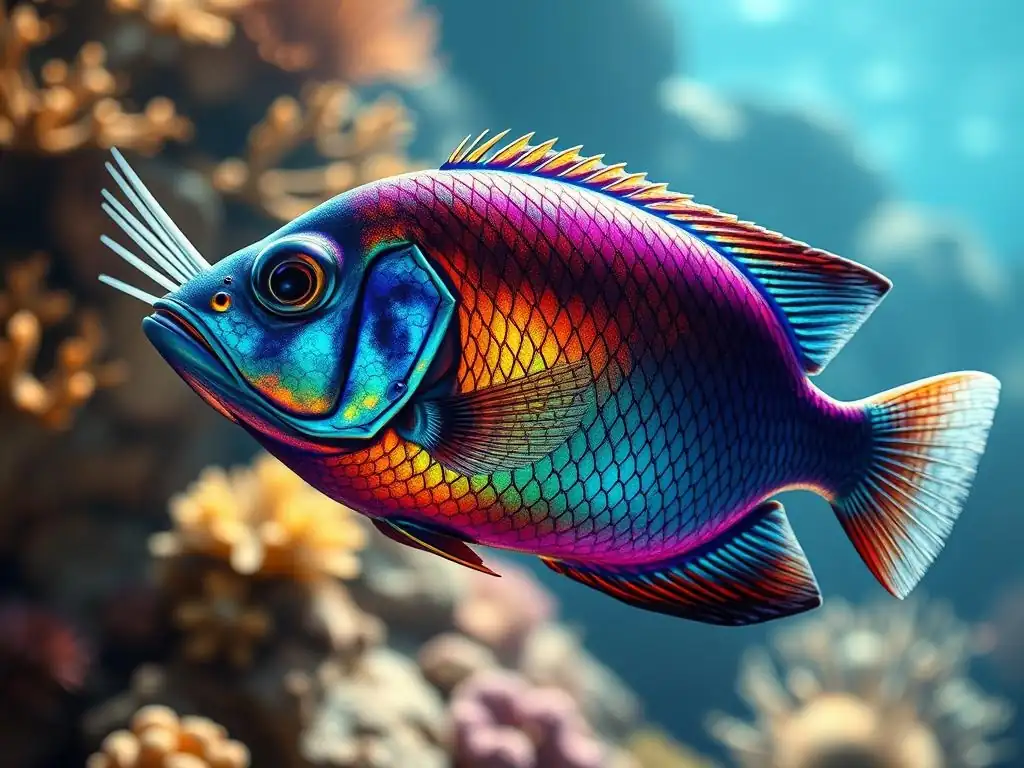
Aggression and Territoriality: Managing Conflicts
While many showstopper wrasses are peaceful, some species, particularly the larger and more robust ones, can exhibit aggression and territoriality, especially towards conspecifics or similar-looking fish. For example, a male Bird Wrasse or Harlequin Tuskfish might chase or nip at new tank mates if their territory feels threatened. This behavior is often exacerbated in smaller tanks where adequate space and hiding spots are limited.
To manage potential conflicts, introduce less aggressive fish first, allowing them to establish their territories before adding a more assertive wrasse. Provide ample rockwork with numerous caves, crevices, and visual breaks in the aquascape, which can help break line of sight and reduce confrontations. If aggression becomes a persistent issue, rearranging the rockwork can sometimes reset territorial boundaries.
In extreme cases, temporary removal of the aggressor or the introduction of a larger, more dominant but peaceful fish (if tank size permits) may be necessary. Avoiding multiple males of the same species in all but the largest systems (e.g., 300+ gallons for a harem) is also a crucial aspect of successful large reef wrasse care.
Parasites and Diseases: Prevention and Treatment
Showstopper wrasses, like all marine fish, are susceptible to various parasites and diseases, with Ich ( *Cryptocaryon irritans*) and Brooklynella ( *Brooklynella hostilis*) being common concerns. Stress, poor water quality, and inadequate nutrition can significantly weaken their immune systems, making them more vulnerable. Prevention is always the best approach, starting with a mandatory 4-6 week quarantine period for all new wrasses. During this time, observe for symptoms and treat any signs of illness in the quarantine tank, preventing introduction to your main display.
If a wrasse in your main tank shows signs of illness, prompt action is vital. Many wrasses are sensitive to copper-based medications, so treatment in a separate hospital tank is often necessary. Freshwater dips (for specific parasites like Brooklynella) or alternative medications like Chloroquine Phosphate can be effective. Maintaining pristine water quality, a stable environment, and providing a highly nutritious diet are fundamental to building a strong immune system and reducing the likelihood of disease outbreaks, which is a key component of comprehensive large reef wrasse care.
Jumping and Escape Prevention: Securing Your Tank
One of the most significant challenges and critical aspects of large reef wrasse care is their notorious tendency to jump. Wrasses, especially when startled, stressed, or newly introduced to an aquarium, are incredibly adept at leaping out of open-top tanks. This behavior is hardwired and can lead to tragic losses if proper precautions are not taken. Even seemingly small gaps around equipment or overflows can be an escape route for these agile fish.
To prevent escapes, a tightly fitting lid or a mesh screen top is absolutely essential for any tank housing wrasses. Acrylic or glass lids are effective but can reduce light penetration and gas exchange. A custom-made mesh screen top, constructed from clear netting, offers excellent ventilation and light transmission while providing a secure barrier. Ensure there are no gaps larger than a quarter-inch around the tank's edges or cutouts for equipment. Checking the lid regularly for any displaced sections or potential escape routes should be a routine part of your aquarium maintenance.
Conclusion: Enhancing Your Reef Tank with a Showstopper Wrasse
The Rewards of Keeping Large Reef Wrasses
The decision to incorporate a showstopper wrasse into a large reef system offers immense rewards, transforming an already beautiful aquarium into a truly dynamic and captivating underwater spectacle. These fish, with their vibrant colors, intricate patterns, and engaging personalities, become the undeniable focal point, drawing the eye with their constant activity and curious exploration. Watching a Harlequin Tuskfish patrol its territory or a Scott's Fairy Wrasse display its iridescent fins provides endless fascination and a deeper connection to the marine world.
Beyond their visual appeal, many large reef wrasses contribute positively to the tank's ecosystem, some even offering natural pest control. Their intelligence and unique behaviors, such as burying themselves in the sand or interacting with their owners, add a layer of engagement that few other fish can provide. The commitment to their specialized large reef wrasse care is amply repaid by the enduring beauty and vitality they bring to your aquatic masterpiece.
Responsible Wrasse Selection and Long-Term Care
Responsible wrasse selection is the cornerstone of a thriving and sustainable reef aquarium. Before purchasing, thoroughly research the specific needs of any showstopper wrasse species, paying close attention to its adult size, temperament, dietary requirements, and compatibility with your existing tank inhabitants and corals. Ensure your aquarium meets the minimum size requirements and provides the necessary aquascaping, such as a deep sand bed for burrowing species or ample rockwork for hiding.
Long-term care involves a continuous commitment to maintaining pristine water quality, stable parameters, and providing a diverse, high-quality diet. Regular observation for any signs of stress or disease, coupled with prompt action, is vital. By prioritizing these aspects of large reef wrasse care, aquarists can ensure their showstopper wrasses not only survive but truly thrive, exhibiting their full coloration and natural behaviors for many years.
The Importance of Sustainable Sourcing in Wrasse Keeping
As with all marine livestock, the importance of sustainable sourcing cannot be overstated when acquiring showstopper wrasses. The majority of these beautiful fish are wild-caught, and irresponsible collection practices can have detrimental impacts on natural reef ecosystems. Aquarists play a crucial role in promoting conservation by consciously choosing suppliers who adhere to ethical and sustainable collection methods.
When possible, inquire about the origin of the fish and opt for specimens from reputable dealers who prioritize the health of their livestock and the environment. While aquaculture for many showstopper wrasses is still in its nascent stages, supporting facilities that are actively working on captive breeding programs is also beneficial. By making informed choices, aquarists contribute to the long-term health of wild populations and ensure that future generations can continue to appreciate the magnificent diversity of large reef wrasses.
Frequently Asked Questions
What defines a "large reef wrasse" suitable for a showstopper role?
These wrasses are typically larger in size and possess vibrant colors or unique patterns, making them stand out in a reef environment. They should also be reef-safe, meaning they won't harm corals.
Are large reef wrasses generally compatible with all types of reef inhabitants?
Not necessarily. Some may prey on small invertebrates like shrimp or crabs. Researching the specific species' temperament and diet is crucial before introduction to avoid reef tank disruption.
What are the specific water parameter requirements for large reef wrasses?
Maintaining stable water quality is essential. They generally require parameters typical for reef tanks, including specific gravity, pH, alkalinity, and temperature, all within optimal ranges.
What is the recommended tank size for keeping large reef wrasses?
Due to their size and activity level, they require a large aquarium, typically several hundred gallons. This provides ample swimming space and helps maintain water quality stability.
What type of diet is best for large reef wrasses in a reef aquarium setting?
A varied diet is crucial for their health. Offer a mix of high-quality frozen foods, flake foods, and potentially live foods to ensure they receive all the necessary nutrients.
Final Reflection: Embracing the Majesty of Reef Giants
The vibrant world of reef keeping, particularly when scaled to accommodate larger systems, demands not only technical expertise but also an appreciation for the sheer spectacle of nature. Showstopper wrasses, as we've explored, embody this spectacle, bringing unparalleled color and activity to the reef ecosystem. Their presence transforms a simple aquarium into a living masterpiece, a testament to the beauty and complexity of the underwater world.
The impact of these magnificent fish extends beyond mere aesthetics. Their active foraging and unique behaviors contribute to a healthier, more balanced reef environment, reminding us of the interconnectedness of all living things. In the end, we will conserve only what we love; we will love only what we understand; and we will understand only what we are taught.
- Baba Dioum. This quote underscores the importance of understanding and appreciating these creatures, fostering a deeper commitment to their well-being and the preservation of their natural habitats.
As you consider the addition of a showstopper wrasse to your large reef system, remember that you are not simply acquiring a pet, but becoming a steward of a small piece of the ocean. Embrace the responsibility that comes with caring for these magnificent creatures, and let their vibrant presence inspire you to learn more, do more, and advocate for the health and preservation of our planet's precious coral reefs.
Ignite Your Reef: Embrace the Majesty of Wrasses!
Thank you for diving into the vibrant world of showstopper wrasses! We hope you found inspiration and valuable insights into choosing the perfect centerpiece fish for your reef. Now, it's time to translate knowledge into action and bring unparalleled beauty to your aquarium.
Here's how you can continue your journey:
- Plan Your Ultimate Wrasse Acquisition: Before buying, research specific tank mate compatibility, dietary requirements, and water parameter needs of your chosen wrasse to ensure a thriving environment.
- Share your newfound knowledge! Discuss this article with fellow reef enthusiasts on forums or social media, inspiring others to appreciate the grandeur of showstopper wrasses.
- Consider creating a "Wrasse Wishlist" – a dedicated visual board or document detailing your dream wrasse species and the steps needed to successfully house them.
What captivating wrasse species are you most eager to introduce to your reef, and what steps are you taking to prepare your aquarium for its grand entrance?