
Chain of Contamination: Clever Ways to Prevent Disease Spread Between Tanks

Welcome to Aquarium Mastery!
Ever wonder how a seemingly healthy aquarium can suddenly succumb to disease? Unravel the mysteries of cross-contamination and learn simple yet effective strategies in our latest article, "Chain of Contamination: Clever Ways to Preventing tank disease spread." Dive in to discover how to safeguard your aquatic ecosystem and keep your finned friends thriving!
- Preventing Disease Spread Between Saltwater Aquariums
- Understanding the Risks of Disease Transmission in Saltwater Aquariums
- Key Strategies for Preventing Tank Disease Spread
-
Frequently Asked Questions
- How can I effectively quarantine new fish to prevent disease spread?
- What are some simple hygiene practices to avoid cross-contamination between tanks?
- How does water chemistry play a role in preventing disease transmission?
- What are some common signs of disease in aquarium fish that I should watch out for?
- Can live plants contribute to disease spread between aquariums, and if so, how can I prevent it?
- Final Reflection: Breaking the Chain
- Dive Deeper: Safeguard Your Aquarium Today!
Preventing Disease Spread Between Saltwater Aquariums
Understanding the Risks of Disease Transmission in Saltwater Aquariums
How Diseases Spread Between Saltwater Tanks: The Chain of Contamination
The chain of contamination in saltwater aquariums refers to the various pathways through which pathogens, such as bacteria, viruses, fungi, and parasites, can travel from one tank to another. This chain often begins with an infected fish or contaminated equipment, leading to the spread of disease-causing agents. For instance, a single net used in an infected tank and then transferred to a healthy one can introduce millions of parasitic trophonts or bacterial cells, rapidly compromising the new environment. Understanding this intricate web of transmission is crucial for effectively preventing tank disease spread.
Common vectors in this chain include shared equipment like nets, siphons, and algae scrapers, as well as hands that have been in contact with infected water. Even airborne droplets from splashing water during maintenance or the transfer of live foods can carry pathogens. A study from the University of Florida on ornamental fish diseases highlighted that poor biosecurity measures, such as neglecting equipment disinfection, are primary contributors to disease outbreaks in multi-tank systems, emphasizing the need for stringent protocols to break this chain.
Identifying Common Saltwater Aquarium Diseases and Their Transmission Methods
Saltwater aquariums are susceptible to a range of highly contagious diseases, each with distinct transmission methods. Marine Ich, caused by Cryptocaryon irritans, is perhaps the most notorious, spreading rapidly through waterborne tomonts and theronts. A single infected fish can release thousands of these parasites into the water column daily, infecting every susceptible fish in a matter of days. Similarly, Marine Velvet, caused by Amyloodinium ocellatum, spreads via motile dinospores, which can survive in the water for up to two weeks, making it exceptionally virulent and quick to decimate entire tank populations if not addressed immediately.
Bacterial infections, such as those caused by Vibrio species, often spread through contaminated water or direct contact between fish, particularly when fish are stressed or have open wounds. Viral diseases, though less commonly diagnosed in home aquariums, can be transmitted through water, direct contact, or even via shared food items. For example, Lymphocystis, a viral infection causing cauliflower-like growths, spreads through direct contact or water, though it typically requires an open wound for successful infection. Recognizing these transmission methods is the first step in creating targeted strategies for preventing tank disease spread.
The Importance of Disease Prevention in Maintaining a Healthy Saltwater Aquarium
Preventing tank disease spread is not merely about avoiding unsightly symptoms; it is fundamental to the long-term health, stability, and biodiversity of a saltwater aquarium. An outbreak of a virulent disease like Marine Ich can wipe out an entire collection of fish, costing hundreds or even thousands of dollars in livestock and medication, not to mention the emotional toll. Beyond the immediate loss, a diseased tank often requires extensive treatment, including fallow periods of up to 76 days for Cryptocaryon irritans to ensure the parasite lifecycle is broken, effectively rendering the tank fish-less for months.
Proactive disease prevention also reduces the need for harsh chemical treatments, which can stress fish, damage beneficial bacteria, and negatively impact corals and invertebrates in reef systems. By maintaining robust biosecurity measures, aquarists can foster a thriving ecosystem where fish exhibit natural behaviors, vibrant coloration, and a strong immune response to potential threats. Investing time in preventing tank disease spread through proper quarantine and disinfection protocols saves significant resources and stress in the long run, ensuring the vitality and longevity of your aquatic inhabitants.
Key Strategies for Preventing Tank Disease Spread
Quarantine Protocols: Isolating New Arrivals and Sick Fish
Setting Up an Effective Quarantine Tank
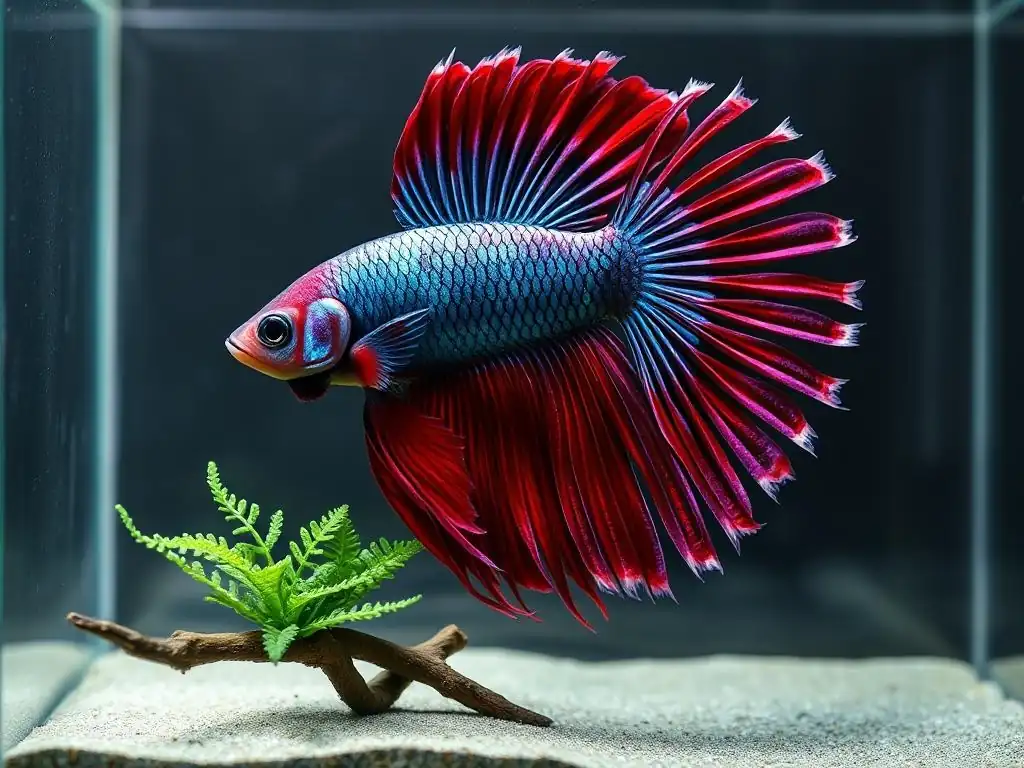
Setting up an effective quarantine tank (QT) is the cornerstone of preventing tank disease spread in any saltwater aquarium. A typical QT for a home aquarist should be at least 10-20 gallons for smaller fish, equipped with a heater, a simple sponge filter or hang-on-back filter, and PVC pipes or non-porous decorations for hiding spots.
Crucially, the QT should not contain any substrate or live rock, as these can harbor parasites and make disinfection difficult. Water for the QT should be mixed from purified water (RO/DI) and a quality salt mix, matching the parameters of the main display tank as closely as possible to minimize stress on new arrivals.
The filtration in a quarantine tank should be mature, ideally seeded with beneficial bacteria from an established tank or cycled using a bacterial starter product, to ensure stable water parameters. Lighting can be minimal, primarily for observation purposes. It's essential to have a dedicated set of equipment—nets, buckets, siphon hoses, and test kits—that are only used for the QT to prevent cross-contamination with the main display tank. This strict separation of equipment is a critical, yet often overlooked, step in preventing tank disease spread.
Quarantine Duration and Observation Guidelines
The duration of quarantine is critical for effectively preventing tank disease spread. For most new saltwater fish, a minimum quarantine period of 4-6 weeks is recommended, allowing time for common parasites like Cryptocaryon irritans (Marine Ich) and Amyloodinium ocellatum (Marine Velvet) to complete their life cycles and manifest symptoms. During this period, fish should be closely observed daily for any signs of disease, such as white spots, cloudy eyes, clamped fins, rapid breathing, or unusual swimming patterns. Keep a log of observations, feeding habits, and any treatments administered.
If any symptoms appear, the quarantine period should be extended, and appropriate treatment initiated. For instance, if Marine Ich is observed, the fish might undergo a copper treatment for 30 days, followed by an additional period of observation. Even if no disease is observed, a prophylactic treatment for common external parasites, such as a freshwater dip or a low-dose copper treatment, is often recommended by experienced aquarists to ensure no hidden pathogens are introduced. This diligent observation and proactive approach are paramount in preventing tank disease spread into your main system.
Treating Fish in Quarantine: Medications and Water Quality
Treating fish in quarantine is significantly easier and safer than treating an entire display tank, especially a reef system. The smaller volume of water in a QT allows for precise medication dosing and easier water changes to maintain water quality. Common medications include copper-based treatments for external parasites like Ich and Velvet, antibiotics for bacterial infections (e.g., Maracyn 2 for gram-negative bacteria), and anti-parasitic medications like Metronidazole for internal flagellates. Always follow medication instructions carefully and be aware that some medications can deplete oxygen or impact biological filtration.
Maintaining impeccable water quality is paramount during treatment, as stressed or sick fish are more vulnerable to poor conditions. Regular testing for ammonia, nitrite, nitrate, and pH is essential. Small, frequent water changes (e.g., 10-20% every few days) can help dilute waste products and maintain stability, especially if biological filtration is compromised by medication. Using an air stone to ensure adequate oxygenation is also vital. By focusing on precise treatment and optimal water quality in the QT, aquarists significantly increase the chances of successful recovery and effective preventing tank disease spread to their main system.
Disinfection Methods for Aquarium Equipment
Choosing the Right Disinfectant for Aquarium Use
Selecting the appropriate disinfectant is crucial for effectively preventing tank disease spread through shared equipment. Household bleach (sodium hypochlorite) is one of the most effective and readily available disinfectants for aquarium use, capable of killing a wide range of bacteria, viruses, fungi, and parasites. A solution of 1 part bleach to 9 parts water (a 10% bleach solution) is generally recommended. However, it is vital to rinse equipment thoroughly after bleach exposure and allow it to air dry completely to ensure no residual bleach enters the aquarium, as even trace amounts are highly toxic to fish and invertebrates.
Other options include solutions of hydrogen peroxide, which is less toxic but also less potent than bleach for some pathogens, or specialized aquarium disinfectants like Virkon Aquatic. Regardless of the choice, always consider the material being disinfected. Porous materials like natural rock or wood are difficult to fully disinfect and are best avoided if there's a high risk of contamination. For routine disinfection of nets, siphon tubes, and buckets, a simple bleach solution followed by thorough rinsing and drying is often the most practical and effective method for preventing tank disease spread.
Proper Disinfection Procedures for Nets, Gravel Vacs, and Decorations
Proper disinfection procedures are essential to break the chain of contamination. For nets, immediately after use in a potentially contaminated tank (e.g., a quarantine tank or a tank with sick fish), immerse the net in a 10% bleach solution for at least 15-30 minutes. After soaking, rinse the net thoroughly under running tap water for several minutes, then allow it to air dry completely. The drying process is also critical, as many pathogens cannot survive desiccation.
Gravel vacuums, siphon hoses, and other rigid plastic equipment should be disassembled if possible, then soaked in the 10% bleach solution. For internal parts of powerheads or filters, running the bleach solution through them can ensure thorough contact. After soaking, flush all components with copious amounts of fresh water, then allow them to air dry. Non-porous decorations can also be disinfected this way. This meticulous process significantly reduces the risk of transferring pathogens, playing a major role in preventing tank disease spread.
Preventing Cross-Contamination with Dedicated Equipment
The most effective strategy for preventing tank disease spread through equipment is to implement a system of dedicated tools for each aquarium. This means having separate nets, buckets, siphon hoses, algae scrapers, and even test kit components for your main display tank, quarantine tank, and any other auxiliary tanks. While this might seem excessive, it entirely eliminates the risk of cross-contamination via equipment. For example, if you only have one net, and you use it to catch a fish in your quarantine tank, even if you disinfect it, there's a residual risk.
If dedicated equipment for every tank is not feasible due to space or cost, a strict disinfection protocol between uses for different tanks becomes even more critical. Labeling equipment for specific tanks can help prevent accidental cross-use. For instance, a red-handled net for the quarantine tank and a blue-handled net for the display tank. This simple organizational technique, combined with rigorous disinfection, forms a robust barrier against the transmission of pathogens, making it a cornerstone of preventing tank disease spread.
Water Management Practices to Minimize Disease Spread
Understanding Water Parameters and Their Impact on Fish Health
Maintaining stable and optimal water parameters is fundamental to fish health and a strong immune system, thereby indirectly preventing tank disease spread. Saltwater fish thrive within narrow ranges of specific gravity (typically 1.023-1.026), temperature (24-26°C or 75-79°F), pH (8.1-8.4), and alkalinity (8-12 dKH). Fluctuations in these parameters, especially sudden drops in temperature or pH, can cause significant stress to fish, compromising their immune systems and making them highly susceptible to opportunistic pathogens that are often present in the water column.
Elevated levels of ammonia and nitrite, even in small concentrations, are directly toxic to fish, causing gill damage and respiratory distress, which further weakens their defenses. Nitrate, while less toxic, can still contribute to chronic stress at high levels (above 20 ppm is often a target for reef tanks, though fish-only tanks can tolerate higher). Regular testing of these parameters using reliable test kits provides critical insights into water quality. Consistent maintenance of ideal parameters ensures fish are robust and resilient, significantly reducing their vulnerability to disease.
Implementing Regular Water Changes and Substrate Cleaning
Regular water changes are one of the most effective and straightforward methods for preventing tank disease spread by diluting pathogens and removing accumulated waste products. For a typical saltwater aquarium, a 10-20% water change every 1-2 weeks is a common recommendation, though specific needs may vary based on bioload and filtration. This practice not only replenishes essential trace elements but also lowers nitrate levels and removes dissolved organic compounds that can fuel bacterial growth. For instance, reducing the total organic carbon (TOC) through water changes can limit the food source for heterotrophic bacteria, which can cause bacterial infections.
Substrate cleaning, or gravel vacuuming, is equally important, especially in fish-only tanks with sand beds. Detritus, uneaten food, and fish waste accumulate in the substrate, decomposing and releasing nutrients that can stress fish and provide a breeding ground for harmful bacteria and parasites. Thoroughly vacuuming the substrate during water changes removes these organic pollutants, preventing their breakdown into toxic compounds and disrupting the lifecycle of some parasites that encyst in the substrate. This combined approach of water changes and substrate cleaning is crucial for maintaining a clean and healthy environment, thereby preventing tank disease spread.
The Role of Biological Filtration and Protein Skimming in Disease Prevention
Robust biological filtration and efficient protein skimming are cornerstones of a healthy saltwater aquarium and play a significant, albeit indirect, role in preventing tank disease spread. Biological filtration, primarily carried out by beneficial bacteria in live rock and filter media, converts highly toxic ammonia into less toxic nitrite, and then into nitrate. A fully cycled and mature biological filter ensures that the water remains free of these primary stressors, allowing fish to maintain strong immune systems. An overloaded or immature biological filter, conversely, leads to constant stress and susceptibility to illness.
Protein skimmers actively remove dissolved organic compounds (DOCs) from the water column before they break down into nitrates and other undesirable substances. These DOCs include proteins, amino acids, and other waste products that can serve as nutrients for harmful bacteria and parasites. By efficiently removing these organics, protein skimmers reduce the overall bioload on the system, improve water clarity, and limit the proliferation of pathogens. For example, a well-tuned protein skimmer can remove up to 30-50% of the daily organic waste produced in a tank, significantly contributing to a cleaner, healthier environment and aiding in preventing tank disease spread.
Fish Handling Techniques to Avoid Spreading Pathogens
Minimizing Stress During Fish Transfer
Minimizing stress during fish transfer is paramount, as stressed fish are highly susceptible to disease. When moving fish from a bag to a quarantine tank, or from a QT to a display tank, acclimatization is key. Drip acclimation over 30-60 minutes allows fish to slowly adjust to differences in temperature, pH, and salinity, reducing osmotic shock. Sudden changes in water parameters can severely weaken a fish's immune system, making them vulnerable to pathogens that might otherwise be harmless. Using an air stone during acclimation also ensures adequate oxygenation.
Physical handling should be kept to a minimum. When netting fish, use a fine-mesh net to avoid damaging fins or scales, which can create entry points for bacteria and parasites. For delicate or spiny fish, consider using a clear plastic container to scoop them, minimizing direct net contact. Keeping lights dim during transfer can also help reduce stress. The goal is to make the transition as smooth and brief as possible, ensuring the fish remains calm and its immune system remains robust, thereby indirectly preventing tank disease spread.
Avoiding Contact Between Tank Water and Other Aquariums
A fundamental rule for preventing tank disease spread is to never allow water from one aquarium to mix with water from another, especially if one tank contains new arrivals or sick fish. This means being extremely cautious during water changes, siphoning, or when transferring fish. For instance, when performing a water change on a quarantine tank, the waste water should be disposed of immediately and never poured into a drain that connects to another aquarium system or reused in any way.
This strict segregation of water applies even to small splashes. A single drop of water from an infected tank, if it enters another system, can introduce a host of pathogens. Therefore, when working on multiple tanks, always dry your hands thoroughly after working on one tank before touching equipment or reaching into another. Wearing disposable gloves for each tank can provide an additional layer of protection. This meticulous attention to avoiding water cross-contamination is a simple yet profoundly effective method for preventing tank disease spread.
Using Separate Containers for Each Tank
To further reinforce biosecurity, using separate containers for each tank during tasks like water changes or equipment soaking is highly recommended. This includes buckets, measuring cups, and any temporary holding containers. For example, have distinct, clearly labeled buckets for your main display tank, your quarantine tank, and any hospital tanks. This prevents the accidental transfer of waterborne pathogens that might cling to the inside of a shared bucket, even after a quick rinse.
If dedicated containers are not feasible, then a rigorous disinfection protocol must be followed. After using a bucket for one tank, it should be thoroughly cleaned and disinfected with a 10% bleach solution, rinsed extensively, and allowed to air dry before being used for another tank. While this adds a step to maintenance routines, the peace of mind and the reduced risk of disease outbreak are invaluable. This practice of strict segregation or meticulous disinfection of all containers is a critical component of preventing tank disease spread.
Frequently Asked Questions
How can I effectively quarantine new fish to prevent disease spread?
Quarantining new fish involves isolating them in a separate tank for at least 4-6 weeks. This allows you to observe them for signs of disease and treat them if necessary before introducing them to your main aquarium.
What are some simple hygiene practices to avoid cross-contamination between tanks?
Always use separate equipment (nets, buckets, siphons) for each tank. Disinfect equipment with a fish-safe solution like diluted bleach after each use to kill pathogens.
How does water chemistry play a role in preventing disease transmission?
Maintaining stable and appropriate water parameters (pH, ammonia, nitrite, nitrate) reduces stress on fish. Stressed fish are more susceptible to disease, making them more likely to contract and spread infections.
What are some common signs of disease in aquarium fish that I should watch out for?
Look for signs like changes in behavior (lethargy, flashing), physical abnormalities (fin rot, white spots), and difficulty breathing. Early detection is crucial for effective treatment and preventing spread.
Can live plants contribute to disease spread between aquariums, and if so, how can I prevent it?
Yes, live plants can harbor disease-causing organisms. To prevent this, quarantine and treat new plants in a separate container with a plant-safe disinfectant before introducing them to your established aquarium.
Final Reflection: Breaking the Chain
The insights shared throughout this article, focused on preventing tank disease spread, are more crucial now than ever. As we increasingly rely on interconnected systems, whether in aquaculture, research, or even personal aquariums, the potential for rapid contamination escalates. Ignoring these preventative measures isn't just a risk to individual tanks; it's a threat to entire ecosystems and the livelihoods dependent upon them.
This understanding of interconnectedness has profoundly shaped, and continues to shape, our approach to responsible husbandry. The realization that a single, seemingly insignificant action can trigger a cascade of negative consequences underscores the importance of diligent protocols and proactive measures. An ounce of prevention is worth a pound of cure,
a timeless adage that resonates deeply when considering the devastating impact of unchecked disease spread.
Now, armed with this knowledge, I urge you to reflect on your own practices. Consider the potential vulnerabilities in your systems and commit to implementing the strategies discussed. By actively breaking the chain of contamination, you not only safeguard your tanks but also contribute to a more sustainable and responsible future for all who depend on these aquatic environments.
Dive Deeper: Safeguard Your Aquarium Today!
Thank you for exploring effective strategies to protect your aquarium ecosystem! We hope you've found valuable insights into preventing cross-contamination and ensuring the health of your aquatic pets. Now, let's put that knowledge into action.
- Immediately implement quarantine protocols for new arrivals. This crucial step is your first line of defense against introducing disease.
- Explore setting up a dedicated "hospital tank" for treating sick fish. This specialized setup allows for focused care without impacting your entire community tank.
- Share your newly acquired knowledge with fellow aquarium enthusiasts! What specific strategies will you use to promote a healthy aquarium environment?