
Water Chemistry's Critical Role: How Imbalances Invite Fish Diseases

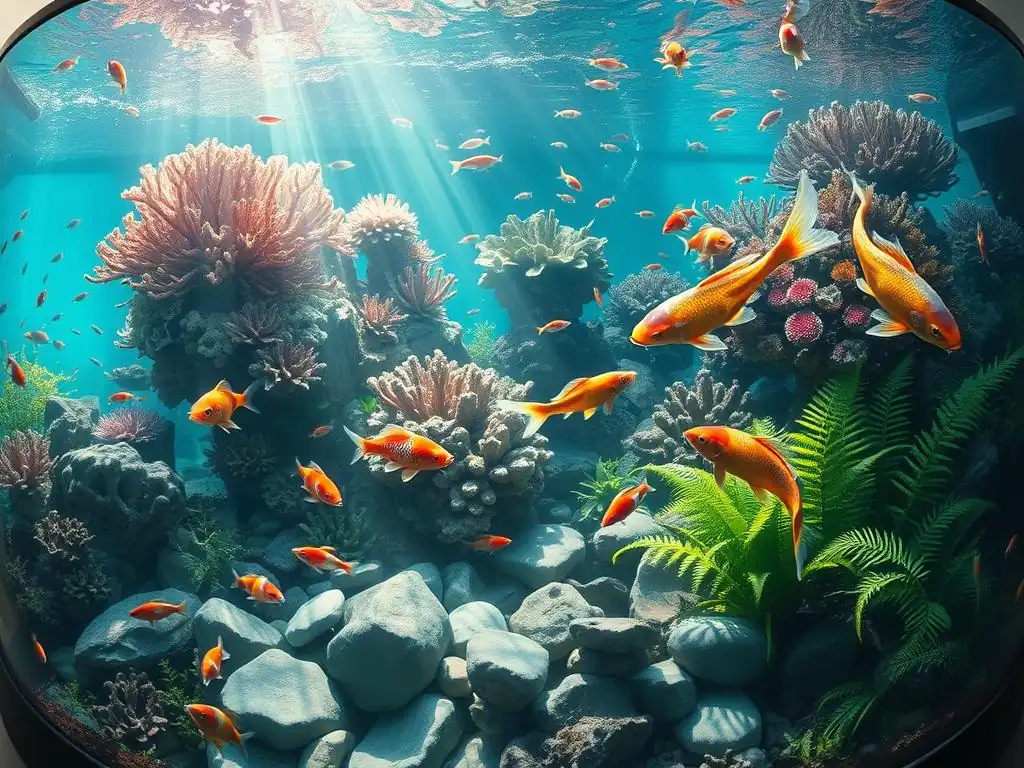
Welcome to Aquarium Mastery!
Ever wondered if seemingly invisible shifts in your tank water could be silently impacting your fish's health? Dive in and uncover the crucial link between fish disease and water chemistry. We'll explore how understanding and maintaining the delicate balance of your aquarium environment is the first line of defense against common ailments. Ready to unlock the secrets to a thriving, disease-free aquatic world? Let's get started!
- Understanding the Link Between Water Chemistry and Fish Health
- Key Water Chemistry Parameters and Their Impact on Fish Disease Susceptibility
- Common Fish Diseases Triggered by Poor Water Chemistry
- Testing and Monitoring Water Chemistry: Essential for Disease Prevention
- Correcting Water Chemistry Imbalances to Prevent Fish Diseases
- Case Studies: Examples of Fish Disease Outbreaks Caused by Water Chemistry Issues
- Proactive Measures for Maintaining Optimal Water Chemistry and Fish Health
- Conclusion: Water Chemistry - The Cornerstone of a Healthy Aquarium Ecosystem
-
Frequently Asked Questions
- How does poor water chemistry directly contribute to fish diseases?
- What are the most common water chemistry parameters that affect fish health?
- How can I regularly monitor water chemistry to prevent fish diseases?
- What immediate steps should I take if my water chemistry is out of balance?
- What role does proper aquarium maintenance play in preventing water chemistry imbalances and subsequent fish diseases?
- Final Reflection: The Delicate Balance of Aquatic Life
- Transform Your Tank: Become a Water Chemistry Wizard!
Understanding the Link Between Water Chemistry and Fish Health
The Vital Role of Water Quality in Preventing Fish Diseases
Maintaining optimal water quality is the single most critical factor in preventing fish diseases in any aquarium. Stable and appropriate water parameters are the foundation upon which a healthy aquatic ecosystem is built, directly influencing the well-being and disease resistance of your fish. When water quality is consistently excellent, fish experience significantly reduced stress levels, allowing their immune systems to function at peak efficiency. This robust immunity acts as a natural shield, making them far less susceptible to opportunistic pathogens that are constantly present in an aquatic environment.
Furthermore, proper water chemistry ensures that fish can carry out essential physiological processes, such as respiration, osmoregulation, and waste excretion, without undue strain. For instance, correctly balanced pH levels are crucial for enzyme activity and metabolic functions, while adequate oxygen saturation ensures efficient cellular respiration. Neglecting these fundamental aspects of aquarium water chemistry inevitably leads to chronic stress and a compromised immune response, paving the way for a multitude of common fish diseases.
How Unstable Water Parameters Weaken Fish Immune Systems
Unstable or inappropriate water parameters exert profound physiological stress on fish, directly undermining their immune systems. When fish are subjected to fluctuating conditions, such as rapid pH swings, sudden temperature changes, or elevated levels of toxins like ammonia, their bodies divert significant energy resources from immune defense to coping with these environmental stressors. This constant state of alert depletes their energy reserves, making them vulnerable to pathogens that they would normally easily fight off.
For example, prolonged exposure to even sub-lethal levels of ammonia or nitrite can cause gill damage, impairing oxygen uptake and leading to respiratory distress. This internal damage, coupled with the energy drain from detoxification efforts, severely weakens the fish's ability to produce antibodies and mount an effective immune response against bacterial, parasitic, or fungal infections. Studies indicate that fish exposed to chronic stress from poor water quality can show a 30-50% reduction in lymphocyte count, a key component of their immune system, making the link between fish disease water chemistry undeniable.
Key Water Chemistry Parameters and Their Impact on Fish Disease Susceptibility
Ammonia (NH3) and Nitrite (NO2): Toxic Compounds Leading to Fish Stress
Ammonia (NH3) and nitrite (NO2) are highly toxic compounds that are byproducts of fish waste, uneaten food, and decaying organic matter in an aquarium. Even at low concentrations, these substances are incredibly harmful to fish, causing severe stress and direct damage to their internal organs, particularly the gills. Their presence is often indicative of an immature biological filter or an overloaded system, creating a highly dangerous environment for all aquatic inhabitants.
The accumulation of ammonia and nitrite is a primary cause of acute stress and can quickly lead to widespread fish disease. Ammonia, for instance, burns fish gills, making it difficult for them to breathe and absorb oxygen. Nitrite, on the other hand, interferes with the blood's ability to carry oxygen, leading to a condition known as "brown blood disease" or methemoglobinemia. Both compounds severely compromise fish health, leaving them highly susceptible to secondary infections and reducing their chances of survival.
The Ammonia-Nitrite Cycle: Understanding the Nitrogen Cycle's Role
The ammonia-nitrite cycle, commonly known as the nitrogen cycle, is a fundamental biological process in an aquarium that transforms highly toxic fish waste products into less harmful substances. This cycle relies on the presence of beneficial bacteria: Nitrosomonas bacteria convert toxic ammonia (NH3) into less toxic nitrite (NO2), and then Nitrobacter bacteria convert nitrite into relatively harmless nitrate (NO3). A properly established and functioning nitrogen cycle is the cornerstone of stable water chemistry and critical for preventing fish disease water chemistry issues.
In new aquariums, or "uncycled" tanks, these beneficial bacteria populations are insufficient, leading to dangerous spikes in ammonia and nitrite. Similarly, any disruption to the biological filter, such as over-cleaning filter media, power outages, or the use of certain medications, can crash the nitrogen cycle and cause these toxic compounds to accumulate rapidly. Understanding and maintaining this cycle is paramount for avoiding the severe stress and immune suppression that ammonia and nitrite cause, which are direct precursors to disease outbreaks.
Ammonia Poisoning: Symptoms and Consequences for Aquarium Fish
Ammonia poisoning is a severe and often fatal condition resulting from elevated ammonia levels in an aquarium. Fish suffering from ammonia poisoning will exhibit clear signs of distress, including gasping at the water surface, rapid gill movement, lethargy, clamped fins, and a loss of appetite. Their gills may also appear red or inflamed due to chemical burns. In severe cases, fish may lie at the bottom of the tank, shaking or twitching uncontrollably.
The consequences of ammonia poisoning are dire. Ammonia directly damages gill tissue, impairing the fish's ability to absorb oxygen and excrete carbon dioxide. This leads to internal suffocation and severe stress on the cardiovascular system. Even if fish survive acute ammonia exposure, they often suffer permanent organ damage, particularly to the kidneys and liver, which can lead to chronic health issues and a persistent vulnerability to various fish diseases. A zero reading for ammonia is always the goal for optimal fish health.
Nitrate (NO3): Long-Term Effects and Disease Predisposition
Nitrate (NO3) is the final product of the nitrogen cycle and is significantly less toxic than ammonia or nitrite. However, while less acutely dangerous, high nitrate levels accumulate over time in aquariums if not regularly diluted through water changes, and they can have significant long-term effects on fish health. Chronic exposure to elevated nitrates contributes to overall stress and can predispose fish to a variety of health problems, making it a key aspect of proactive fish disease water chemistry management.
Unlike ammonia or nitrite, which cause immediate and severe distress, high nitrates typically lead to a gradual decline in fish health and vitality. Levels consistently above 40 parts per million (ppm) are generally considered problematic for sensitive species, and even for hardy fish, concentrations exceeding 80 ppm can suppress the immune system and lead to chronic stress. This constant background stress compromises a fish's natural defenses, leaving them more susceptible to opportunistic bacterial infections, parasitic infestations, and general malaise.
High Nitrate Levels and Their Connection to Fish Health Problems
Prolonged exposure to high nitrate levels in aquarium water is directly linked to a range of chronic fish health problems. One of the most common issues is a weakened immune system, which makes fish more susceptible to common diseases like fin rot, internal bacterial infections, and parasitic outbreaks. Fish living in high-nitrate environments often display faded colors, lethargy, reduced appetite, and stunted growth, indicating a general state of poor health and chronic stress.
Beyond compromising immunity, high nitrates can also contribute to issues such as "hole in the head" disease, particularly in cichlids, and general malaise in a variety of species. While individual fish tolerance varies, maintaining nitrate levels below 20 ppm is ideal for most community aquariums, and certainly below 40 ppm. Regular partial water changes are the primary method for controlling nitrate accumulation and preventing the long-term health issues associated with this often-overlooked aspect of fish disease water chemistry.
pH Levels: The Importance of Maintaining Optimal pH for Different Fish Species
pH is a measure of the acidity or alkalinity of water, ranging from 0 (highly acidic) to 14 (highly alkaline), with 7 being neutral. Maintaining the optimal pH range for your specific fish species is critically important because pH directly affects the fish's physiological processes, including enzyme function, metabolism, and gill efficiency. Different fish species have evolved to thrive in specific pH ranges found in their natural habitats; for example, Amazonian fish like Discus prefer acidic water (pH 5.5-6.5), while African cichlids require alkaline conditions (pH 7.8-8.5).
When the pH deviates significantly from a fish's preferred range, it causes immense stress. An incorrect pH can impair a fish's ability to absorb essential minerals, excrete waste, and even breathe properly. This constant physiological struggle weakens their immune system, making them highly vulnerable to various fish diseases. Consistent monitoring and maintaining a stable, species-appropriate pH are therefore fundamental components of effective fish disease water chemistry management.
pH Swings: How Rapid Changes Can Trigger Disease Outbreaks
Rapid and drastic fluctuations in pH, known as pH shock or pH swings, are incredibly detrimental to fish health and can directly trigger disease outbreaks. Even if the pH returns to an acceptable level, a sudden change of more than 0.5 pH units within a 24-hour period can cause severe physiological stress and damage. Such sudden shifts overwhelm a fish's osmoregulatory system, which is responsible for balancing internal salt and water levels, leading to cellular dysfunction.
The immediate consequences of pH shock include severe gill damage, loss of slime coat, erratic swimming, and extreme lethargy. This profound stress severely compromises the fish's immune system, leaving them highly susceptible to opportunistic infections. For instance, a sudden drop in pH can make fish highly vulnerable to Ich (white spot disease) as their defenses are down. Preventing pH swings through consistent water changes, proper buffering, and avoiding large, infrequent water changes with vastly different pH water is a cornerstone of preventing fish disease water chemistry related issues.
Water Hardness (GH and KH): Impact on Osmoregulation and Fish Health
Water hardness is typically measured in two ways: General Hardness (GH) and Carbonate Hardness (KH), also known as alkalinity. GH refers to the concentration of dissolved mineral ions, primarily calcium and magnesium, which are crucial for a fish's bone structure, muscle function, and, importantly, osmoregulation. Osmoregulation is the process by which fish regulate the balance of water and salts in their bodies, a vital function directly impacted by the surrounding water's GH.
KH, or carbonate hardness, measures the concentration of carbonate and bicarbonate ions, which act as natural buffers against pH fluctuations. It is critical for maintaining pH stability in an aquarium. Both GH and KH levels must be appropriate for the specific fish species kept, as deviations can lead to significant physiological stress. When GH is too low or too high for a species, their osmoregulation is impaired, leading to a constant battle to maintain internal balance. When KH is too low, the water's buffering capacity is diminished, making the aquarium susceptible to dangerous pH crashes.
Mineral Imbalances and Their Effect on Fish Disease Resistance
Mineral imbalances, specifically incorrect GH or insufficient KH, have a direct and detrimental effect on a fish's disease resistance. If the GH is too low for species that require harder water, they may struggle with osmoregulation, leading to a constant expenditure of energy to maintain internal balance. This chronic stress weakens their immune system, making them more prone to bacterial infections and parasitic infestations. Conversely, fish adapted to soft water can be stressed by excessively high GH, which also impairs osmoregulation.
An inadequate KH level is particularly dangerous because it leads to unstable pH. Without sufficient carbonate buffers, the pH can suddenly drop (a "pH crash") due to the accumulation of acidic compounds from the nitrogen cycle. A pH crash causes severe physiological shock, damaging gills and disrupting internal systems, making fish incredibly vulnerable to Ich, fin rot, and other opportunistic diseases. Maintaining appropriate GH and KH levels is therefore crucial for supporting robust fish health and preventing fish disease water chemistry related problems.
Common Fish Diseases Triggered by Poor Water Chemistry
Ich (White Spot Disease): A Classic Indicator of Stress and Poor Water Quality
Ich, or White Spot Disease, caused by the parasite Ichthyophthirius multifiliis, is one of the most common and recognizable fish diseases. While the parasite is often present in aquariums at low levels, it typically only causes a full-blown outbreak when fish are stressed and their immune systems are compromised. Poor water chemistry is a leading cause of this stress, making Ich a classic indicator of underlying water quality issues.
Factors like sudden temperature fluctuations, elevated ammonia or nitrite levels, and significant pH swings all severely weaken a fish's natural defenses. When a fish is stressed by these adverse conditions, its slime coat thins, and its immune response is suppressed, providing the perfect opportunity for the Ich parasite to multiply rapidly and infest the fish. An Ich outbreak often serves as a stark warning sign that immediate attention to fish disease water chemistry parameters is required.
Fin Rot and Tail Rot: Bacterial Infections Thriving in Unhealthy Water
Fin rot and tail rot are common bacterial infections, typically caused by opportunistic bacteria like Pseudomonas or Aeromonas, that manifest as frayed, ragged, or decaying fins and tails. While these bacteria are often present in the aquarium environment, they usually only become pathogenic when fish are stressed or have compromised immune systems. Poor water chemistry is a primary culprit for creating these vulnerable conditions.
Chronic exposure to elevated nitrates, inconsistent pH, or insufficient oxygen levels can cause constant stress to fish, leading to a weakened immune response. Furthermore, high levels of organic waste or inadequate filtration can create an environment where these opportunistic bacteria thrive. When combined with minor physical injuries that provide an entry point, the stressed fish in poor water quality become highly susceptible to fin and tail rot. Addressing the underlying water chemistry imbalances is crucial for successful treatment and prevention.
Dropsy: Internal Organ Failure Linked to Water Quality Issues
Dropsy is not a disease in itself but rather a symptom of a severe underlying condition, typically characterized by a swollen body and scales that protrude like a pinecone. This swelling is caused by fluid retention due to internal organ failure, most commonly the kidneys. While bacterial infections can directly cause dropsy, prolonged exposure to poor water chemistry is a significant contributing factor that weakens fish and damages their organs, making them susceptible to this often fatal condition.
Consistent exposure to toxins like ammonia and nitrite, or chronic high nitrate levels, can gradually damage a fish's kidneys and liver. When these vital organs are compromised, they lose their ability to properly regulate fluid balance and filter waste from the body, leading to the characteristic swelling. Therefore, dropsy in an aquarium often serves as a grave warning sign of long-standing fish disease water chemistry problems that have severely impacted the fish's internal health.
Fungal Infections: Opportunistic Pathogens Exploiting Weakened Fish
Fungal infections, commonly caused by species like Saprolegnia, typically appear as white, cotton-like growths on a fish's skin, fins, or mouth. These infections are almost always secondary, meaning they capitalize on fish that are already weakened or have damaged tissue. Poor water chemistry plays a significant role in creating conditions conducive to both fish vulnerability and fungal proliferation.
Water with high levels of decaying organic matter, insufficient filtration, or fluctuating temperatures can stress fish and simultaneously provide an ideal breeding ground for fungal spores. A fish stressed by poor water quality will have a compromised immune system and a thinned slime coat, making it easier for opportunistic fungi to colonize any minor injury or abrasion. Effectively managing fish disease water chemistry, particularly by maintaining cleanliness and stability, is crucial to prevent these opportunistic fungal pathogens from taking hold.
Testing and Monitoring Water Chemistry: Essential for Disease Prevention
Regular Water Testing: Identifying Imbalances Before They Cause Problems
Regular water testing is the single most important proactive measure an aquarist can take to prevent fish diseases. It allows you to identify invisible water chemistry imbalances, such as rising ammonia or nitrite, before they reach critical levels and cause visible signs of stress or disease in your fish. Waiting for fish to show symptoms like clamped fins, lethargy, or gasping at the surface often means the water quality has already severely deteriorated, and considerable damage may have occurred.
For new aquarium setups, daily testing for ammonia and nitrite is crucial during the cycling process. For established tanks, weekly or bi-weekly testing of ammonia, nitrite, nitrate, and pH is generally recommended. Consistent monitoring provides valuable insights into the stability of your ecosystem, allowing for timely interventions like water changes or filter maintenance, thus safeguarding your fish's health and preventing costly and heartbreaking disease outbreaks.
Choosing the Right Water Testing Kits: Liquid vs. Strips
When it comes to water testing, aquarists typically choose between two main types of kits: liquid reagent kits and test strips. Liquid reagent kits, while often more expensive and requiring a few more steps, are widely considered to be significantly more accurate and reliable.
They involve adding specific chemical reagents to water samples and comparing the resulting color change to a chart, providing precise readings for parameters like ammonia, nitrite, nitrate, and pH. For serious aquarists or when troubleshooting issues, liquid kits are the preferred choice due to their superior precision, which is vital for accurate fish disease water chemistry assessment.
Test strips, on the other hand, offer unparalleled convenience. They are small paper strips impregnated with chemical pads that change color when dipped into aquarium water. While extremely quick and easy to use, their accuracy can be less reliable, and they often have a shorter shelf life once opened. They can be useful for quick, routine checks or for beginners, but for critical parameters or when fish health is at stake, the precision of a liquid test kit is invaluable for truly understanding and addressing fish disease water chemistry issues.
Understanding Water Test Results: Interpreting Ammonia, Nitrite, Nitrate, and pH Levels
Interpreting your water test results is paramount to maintaining a healthy aquarium and preventing fish diseases. For ammonia and nitrite, the ideal reading is consistently 0 parts per million (ppm). Any detectable level of these compounds indicates a problem with your biological filtration or overstocking, demanding immediate action such as a partial water change. For nitrate, while less toxic, levels should ideally be kept below 20 ppm for most sensitive fish, and certainly below 40 ppm for all but the hardiest species. Elevated nitrates typically indicate a need for more frequent or larger water changes.
pH levels are species-specific, but generally, most community fish thrive in a stable pH range between 6.5 and 7.5. Consistent readings outside this range, or significant daily fluctuations (more than 0.2 pH units), can cause chronic stress. Understanding these target ranges and responding promptly to any deviations is crucial for proactive fish disease water chemistry management. Regularly logging your test results can help you identify trends and prevent potential problems before they escalate into serious health issues for your fish.
Correcting Water Chemistry Imbalances to Prevent Fish Diseases
Water Changes: A Fundamental Practice for Maintaining Water Quality
Water changes are arguably the most fundamental and effective practice for maintaining optimal water quality and preventing fish diseases in an aquarium. This simple act of removing a portion of old tank water and replacing it with fresh, dechlorinated water accomplishes several critical tasks. It directly dilutes accumulated nitrates and other dissolved organic compounds that can build up over time, which are major contributors to poor fish health and immune suppression.
Furthermore, water changes help replenish essential trace minerals and electrolytes that are utilized by fish and plants or are removed by filtration. This fresh infusion of beneficial elements supports proper osmoregulation and overall physiological function in fish. Consistent water changes are the primary defense against the chronic stress caused by declining water quality, making them indispensable for a thriving, disease-resistant aquarium environment.
How Often and How Much Water to Change for Optimal Fish Health
The frequency and volume of water changes depend on several factors, including tank size, stocking density, feeding habits, and filtration efficiency. However, a general guideline for most well-maintained community aquariums is a 25-30% partial water change weekly. For heavily stocked tanks or those with larger, messier fish, increasing the frequency to twice a week or the volume to 30-40% might be necessary to keep nitrate levels in check. Conversely, very lightly stocked or heavily planted tanks might get by with slightly less frequent changes.
The goal is to maintain consistently low nitrate levels (ideally below 20 ppm) and stable parameters. Regular testing will indicate if your current water change schedule is sufficient. Remember to always use dechlorinated water that is temperature-matched to the aquarium to avoid shocking your fish and creating an environment conducive to fish disease water chemistry issues.
Using Water Conditioners and Additives: Balancing Water Parameters Safely
While regular water changes are paramount, certain water conditioners and additives play a vital role in safely balancing water parameters and protecting fish health. These products are designed to neutralize harmful substances found in tap water or to adjust specific chemical parameters to their optimal levels, thereby preventing immediate stress and long-term health issues for your fish. Using them correctly is key to responsible aquarium management.
It's crucial to understand the purpose of each additive and to use them judiciously. Overdosing or using too many different products simultaneously can sometimes do more harm than good by creating unforeseen chemical interactions or rapid parameter shifts. Always follow manufacturer instructions and prioritize natural methods like proper filtration and regular water changes before resorting to chemical adjustments.
Dechlorinators and Chloramine Removers: Essential for Tap Water Use
Dechlorinators and chloramine removers are absolutely essential for any aquarist using tap water for their tanks. Municipal tap water is treated with chlorine or chloramines (a more stable compound of chlorine and ammonia) to make it safe for human consumption. However, both chlorine and chloramines are highly toxic to fish, causing severe gill damage and respiratory distress even at very low concentrations. They are also lethal to the beneficial bacteria that form the backbone of your aquarium's biological filter.
Adding a high-quality dechlorinator or chloramine remover to all new tap water before it enters the aquarium instantly neutralizes these harmful chemicals, making the water safe for fish and preserving the vital nitrifying bacteria. This step is non-negotiable for preventing immediate fish fatalities and maintaining the integrity of your nitrogen cycle, thereby avoiding critical fish disease water chemistry imbalances.
Buffers and Adjusters: Correcting pH and Hardness Levels Carefully
Buffers and adjusters are chemical additives used to correct and stabilize pH, GH (General Hardness), and KH (Carbonate Hardness) levels in aquarium water. For instance, products containing carbonates or bicarbonates can increase KH, which in turn stabilizes pH and prevents dangerous pH crashes. Similarly, mineral salts can be used to increase GH for species that require harder water, while certain acids or reverse osmosis (RO) water can lower pH and hardness for soft-water species.
It is crucial to use these products with extreme caution and to make adjustments very gradually. Rapid changes in pH or hardness can cause severe stress and shock to fish, often leading to illness or death. Instead of chasing a specific number, focus on stability within a range appropriate for your fish. Regular water testing will guide your use of these products, ensuring you only adjust parameters when necessary and in a controlled manner to avoid precipitating fish disease water chemistry issues.
Biological Filtration: Establishing a Healthy Ecosystem for Natural Water Purification
Biological filtration is the cornerstone of a healthy and stable aquarium ecosystem, playing an indispensable role in natural water purification and disease prevention. It refers to the process where beneficial bacteria colonize porous surfaces within the filter media, converting toxic waste products into less harmful substances. Without a robust biological filter, an aquarium is fundamentally unstable and highly prone to the accumulation of toxins that lead to fish disease.
Establishing and maintaining a healthy biological filter is key to preventing the most dangerous fish disease water chemistry problems, namely ammonia and nitrite spikes. This system creates a self-sustaining environment where fish waste is continuously processed, ensuring consistently clean and safe water for your aquatic inhabitants.
The Role of Beneficial Bacteria in Maintaining Water Quality
Beneficial bacteria, specifically nitrifying bacteria, are the workhorses of biological filtration and are absolutely essential for maintaining optimal water quality. These microscopic organisms colonize porous surfaces in your filter media (and to a lesser extent, on substrate and tank surfaces) and facilitate the nitrogen cycle. Nitrosomonas bacteria convert highly toxic ammonia (NH3), produced from fish waste and uneaten food, into less toxic nitrite (NO2). Subsequently, Nitrobacter bacteria convert nitrite into relatively harmless nitrate (NO3).
This continuous conversion process prevents the buildup of ammonia and nitrite, which are lethal to fish and cause severe stress that compromises their immune systems. A healthy population of these beneficial bacteria ensures that the water remains free of these acute toxins, significantly reducing the likelihood of stress-induced fish diseases. Their presence is the very foundation of stable fish disease water chemistry.
Maintaining a Healthy Biological Filter: Preventing Ammonia and Nitrite Spikes
Maintaining a healthy biological filter is crucial for preventing dangerous ammonia and nitrite spikes that can devastate an aquarium. The beneficial bacteria are sensitive, and their colonies can be easily disrupted. To keep them thriving, avoid over-cleaning filter media; instead, rinse it gently in old tank water during water changes to remove detritus without killing the bacteria. Never replace all filter media at once, as this removes the majority of your beneficial bacteria.
Ensure continuous water flow through your filter, as these bacteria require oxygen to survive. Power outages or prolonged filter shutdowns can quickly lead to bacterial die-offs. Additionally, avoid sudden, drastic changes in water parameters, and be cautious with medications, as some can harm beneficial bacteria. A well-maintained biological filter ensures consistent detoxification of fish waste, providing a stable foundation for preventing fish disease water chemistry issues.
Case Studies: Examples of Fish Disease Outbreaks Caused by Water Chemistry Issues
Case Study 1: Ammonia Poisoning in a New Aquarium Setup
A common scenario involves a new aquarist setting up a 20-gallon tank, adding five small community fish (e.g., mollies and platies) within a day or two, without properly cycling the aquarium. Within a week, the fish become lethargic, gasp at the surface, and their gills appear reddish. Water tests reveal ammonia levels exceeding 2.0 ppm and nitrite levels around 0.5 ppm. Despite immediate partial water changes, two fish succumb to the stress and toxicity.
This case clearly illustrates ammonia poisoning, a classic fish disease water chemistry issue stemming from an uncycled tank. The beneficial bacteria needed to process ammonia and nitrite were not established, leading to a rapid buildup of toxins from fish waste. The severe stress and direct gill damage from the ammonia compromised the fish's immune systems, making them highly susceptible to secondary infections even if they survived the initial poisoning. The solution involved daily small water changes and a "fish-in" cycle to gradually establish the biological filter.
Case Study 2: pH Shock and Ich Outbreak After a Large Water Change
An experienced aquarist with a 55-gallon tank housing several angelfish and tetras performs a 50% water change, using tap water that was not properly aged or pH-matched. The tap water's pH was 8.0, while the tank's established pH was a stable 6.8. Within hours of the water change, the angelfish begin darting erratically, rubbing against decorations, and showing clamped fins. By the next morning, small white spots (Ich) are visible on several fish.
This outbreak highlights how pH shock, a severe fish disease water chemistry problem, can directly trigger parasitic infestations. The sudden shift of 1.2 pH units caused immense physiological stress to the fish, significantly weakening their immune systems and compromising their protective slime coat. This vulnerability provided an opportunistic opening for the Ich parasite, which was likely already present at low levels, to rapidly multiply and infest the stressed fish. The treatment required both Ich medication and careful, gradual re-stabilization of pH.
Case Study 3: Nitrate Buildup Leading to Fin Rot in a Community Tank
A 75-gallon community tank, moderately stocked with various livebearers and barbs, experiences persistent issues with fin rot and general lethargy among its inhabitants. The owner performs regular 15% weekly water changes and feeds moderately. However, despite these efforts, several fish consistently show ragged fins and faded colors. Water tests reveal nitrate levels consistently above 80 ppm, sometimes reaching 100 ppm, with minimal ammonia or nitrite.
This scenario demonstrates how chronic high nitrate levels, a subtle but significant fish disease water chemistry issue, can lead to persistent health problems. While 15% weekly changes are good for some tanks, for this particular setup, it was insufficient to dilute the accumulating nitrates from the bioload.
The long-term exposure to these elevated nitrates caused chronic stress and suppressed the fish's immune systems, making them highly susceptible to opportunistic bacterial infections like fin rot. Increasing the weekly water change volume to 30-40% and reducing feeding slightly led to a significant improvement in fish health and the resolution of fin rot issues.
Proactive Measures for Maintaining Optimal Water Chemistry and Fish Health
Choosing the Right Filtration System for Your Aquarium
Selecting the appropriate filtration system is a cornerstone of maintaining optimal water chemistry and, by extension, fish health. A good filtration system provides mechanical, chemical, and biological filtration, each playing a crucial role. Mechanical filtration removes particulate waste, preventing organic matter from breaking down and polluting the water. Chemical filtration uses media like activated carbon to remove dissolved impurities, odors, and discolorations.
Most importantly, biological filtration provides the surface area for beneficial bacteria to thrive, converting toxic ammonia and nitrite into less harmful nitrate. Choosing a filter system that is appropriately sized for your aquarium's volume and stocking density is critical. An undersized or inefficient filter will struggle to process waste, leading to rapid deterioration of water quality and increased susceptibility to fish disease water chemistry issues. Conversely, an oversized filter can provide an extra buffer against fluctuations.
Selecting Fish Species Compatible with Your Water Chemistry
A fundamental proactive measure for preventing fish diseases is to select fish species that are compatible with your local tap water chemistry or the specific parameters you are willing and able to consistently maintain. Attempting to keep fish that require vastly different pH or hardness levels than your source water can be a constant uphill battle, leading to chronic stress and increased susceptibility to disease.
For example, if your tap water is naturally hard and alkaline (e.g., pH 8.0, GH 15 dH), choosing African cichlids or livebearers that thrive in such conditions makes maintenance much easier and reduces stress on the fish. Conversely, trying to keep delicate South American tetras or Discus that prefer soft, acidic water (e.g., pH 6.0, GH 4 dH) would require extensive and continuous water modification, which is often difficult to maintain consistently. Researching a fish's specific water parameter requirements before purchase is a vital step in preventing fish disease water chemistry problems.
Quarantine Protocols: Preventing Disease Introduction and Spread
Implementing a strict quarantine protocol for all new fish, plants, or invertebrates is a highly effective proactive measure for preventing the introduction and spread of diseases into your main display tank. A separate, smaller "hospital" or "quarantine" tank allows you to observe new arrivals for signs of illness, stress, or parasites in isolation for a period of at least two to four weeks.
During this quarantine period, any potential pathogens can manifest, allowing you to treat them without exposing your established, healthy fish to disease. New fish are often stressed from shipping and handling, which can weaken their immune systems and make them prone to breaking with diseases like Ich, fin rot, or velvet. By quarantining, you prevent these stress-induced outbreaks from spreading to your entire collection, thereby safeguarding your main tank's fish disease water chemistry stability and overall health.
Regular Observation: Identifying Early Signs of Stress or Disease in Your Fish
Regular, daily observation of your fish is a simple yet incredibly powerful proactive measure for maintaining their health and preventing widespread disease. By spending just a few minutes each day watching your fish, you can become attuned to their normal behaviors, swimming patterns, appetite, and physical appearance. Any deviation from these norms can be an early indicator of stress, poor water quality, or the onset of disease.
Look for subtle signs such as clamped fins, lethargy, rapid breathing, unusual spots or growths, rubbing against tank decorations, or changes in coloration or appetite. Identifying these early warning signs allows you to act promptly, often by testing water chemistry and performing a partial water change, before a minor issue escalates into a full-blown fish disease outbreak. Proactive observation complements water testing in providing a comprehensive approach to managing fish disease water chemistry and overall aquarium health.
Conclusion: Water Chemistry - The Cornerstone of a Healthy Aquarium Ecosystem
In the intricate world of aquariums, water chemistry stands as the undisputed cornerstone of a healthy and thriving ecosystem. As explored throughout this article, every critical parameter—from the toxic duo of ammonia and nitrite, to the subtle long-term effects of nitrate, and the precise balance of pH and hardness—plays a direct and profound role in the vitality and disease resistance of your fish. Imbalances in any of these areas do not merely cause discomfort; they systematically weaken fish immune systems, induce chronic stress, and create an environment ripe for opportunistic pathogens to cause widespread fish disease.
Successful aquarists understand that consistent monitoring, proactive maintenance, and a deep appreciation for the delicate balance of fish disease water chemistry are not optional but essential. Regular testing, timely water changes, prudent use of conditioners, and the establishment of a robust biological filter are the pillars that support a stable, life-sustaining environment. By prioritizing optimal water quality, you not only prevent the heartbreak of illness and loss but also unlock the full potential for your aquatic inhabitants to flourish, displaying vibrant colors, natural behaviors, and a resilient defense against disease.
Frequently Asked Questions
How does poor water chemistry directly contribute to fish diseases?
Imbalances in water chemistry like high ammonia or nitrite levels weaken a fish's immune system, making them more susceptible to opportunistic pathogens. This creates an environment where fish disease can easily take hold.
What are the most common water chemistry parameters that affect fish health?
Key parameters include ammonia, nitrite, nitrate, pH, and temperature. Fluctuations or extremes in these factors cause stress, leading to a higher chance of fish disease outbreaks.
How can I regularly monitor water chemistry to prevent fish diseases?
Using a reliable water testing kit is essential for regular monitoring. Test the water at least weekly and keep a log to track trends and identify potential problems before they lead to fish disease.
What immediate steps should I take if my water chemistry is out of balance?
Perform a partial water change to dilute harmful substances. Identify and address the root cause of the imbalance, such as overfeeding or an inadequate filter.
What role does proper aquarium maintenance play in preventing water chemistry imbalances and subsequent fish diseases?
Regular aquarium maintenance, including gravel vacuuming and filter cleaning, removes organic waste that can disrupt water chemistry. This helps maintain a stable and healthy environment, preventing fish disease stemming from poor water quality.
Final Reflection: The Delicate Balance of Aquatic Life
The insights explored throughout this article highlight the unbreakable link between water chemistry and the health of our aquatic ecosystems. Understanding the nuances of pH, ammonia, nitrite, and nitrate levels is not merely an academic exercise; it's a fundamental requirement for preventing devastating fish diseases and ensuring the vitality of aquatic life in both natural habitats and controlled environments. The current state of our planet demands a more conscientious approach to water management, and the principles discussed here offer a crucial foundation for that endeavor.
This intricate dance between chemical equilibrium and biological well-being has profoundly shaped, and continues to shape, our understanding of aquatic ecosystems. My own appreciation for the delicate balance within these environments has only deepened through this exploration, reinforcing the responsibility we all share to protect them. We forget that the water cycle and the life cycle are one.
- Jacques Cousteau. This quote perfectly encapsulates the interconnectedness we must acknowledge to safeguard the health of our fish and the broader aquatic world.
Now, I invite you to reflect on your own role in maintaining this delicate balance. Consider the impact of your actions on local waterways and the creatures that depend on them. Whether you're an aquarist, a researcher, or simply someone who cares about the environment, strive to apply the knowledge gained here to promote healthier aquatic ecosystems. Let's work together to ensure a future where fish thrive, not just survive, in waters that are both chemically balanced and teeming with life.
Transform Your Tank: Become a Water Chemistry Wizard!
Thanks for diving deep into the fascinating world of aquarium water chemistry! We hope you’ve gained valuable insights into keeping your fish healthy and thriving. Now, let's put that knowledge into action!
- Immediately test your aquarium water: Use a reliable test kit to check the pH, ammonia, nitrite, and nitrate levels. Knowing is half the battle!
- Share this article with fellow aquarium enthusiasts! Help them unlock the secrets to a balanced ecosystem.
- Try a surprising change – add a small amount of aquarium salt (if compatible with your fish) to boost their immune system!
What will you do this week to ensure the perfect water parameters for your aquatic friends?