
Penguin Tetra Antics: Aquarium Mastery's Advanced Breeding Tips for These Unique Swimmers

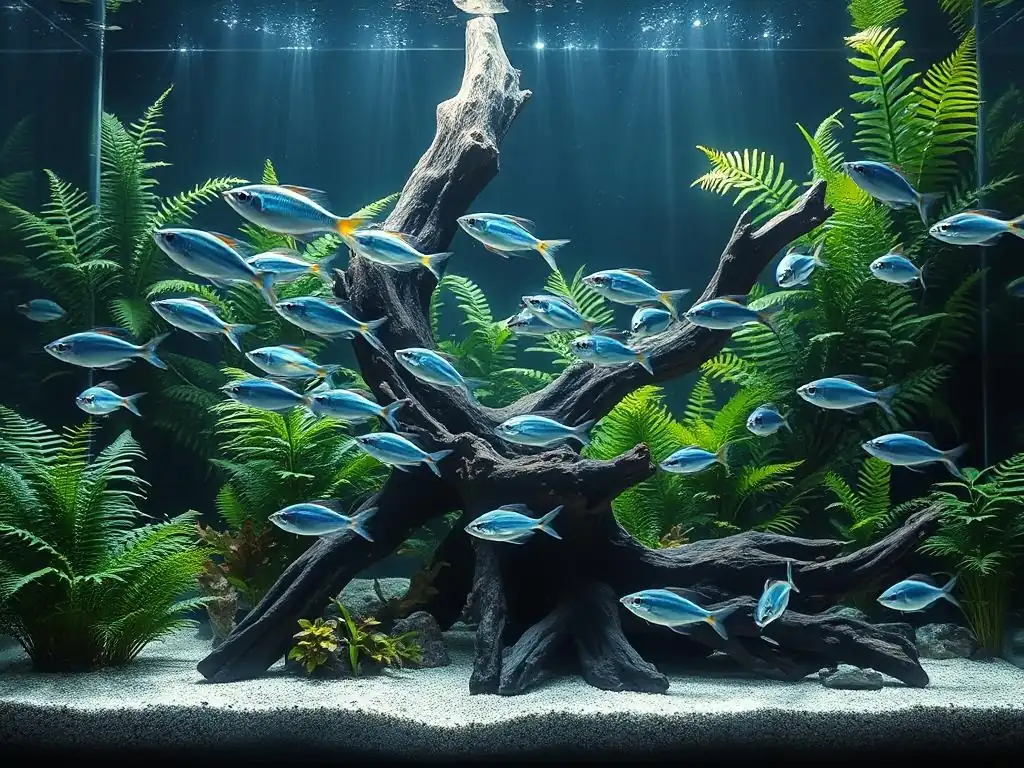
Welcome to Aquarium Mastery! Ever wondered about the captivating dance of life within your freshwater tank, especially when it comes to breeding those unique and fascinating Penguin Tetras? Dive into our detailed "Penguin Tetra Breeding Guide" and unlock the secrets to successfully nurturing these delightful swimmers. Are you ready to witness the magic unfold? Let's explore the art of breeding Penguin Tetras together!
- Understanding Penguin Tetras: A Prerequisite for Successful Breeding
- Creating the Ideal Breeding Environment for Penguin Tetras
- Penguin Tetra Breeding: A Step-by-Step Guide
- Rearing Penguin Tetra Fry: From Hatching to Adulthood
- Advanced Techniques for Enhancing Penguin Tetra Breeding Success
- Troubleshooting Common Penguin Tetra Breeding Issues
- Penguin Tetra Breeding: Long-Term Care and Sustainability
- The Joys of Breeding Penguin Tetras: Contributing to Aquarium Mastery
-
Frequently Asked Questions
- How difficult is it to breed Penguin Tetras in a home aquarium?
- What are the ideal water conditions for Penguin Tetra spawning?
- What type of breeding tank setup is recommended for Penguin Tetras?
- What do Penguin Tetra fry eat, and how often should they be fed?
- How can I prevent adult Penguin Tetras from eating their eggs and fry?
- Final Reflection: The Dance of Life and Legacy
- Unleash the Penguin Tetra Potential!
Understanding Penguin Tetras: A Prerequisite for Successful Breeding
Penguin Tetra Profile: Key Characteristics and Behaviors
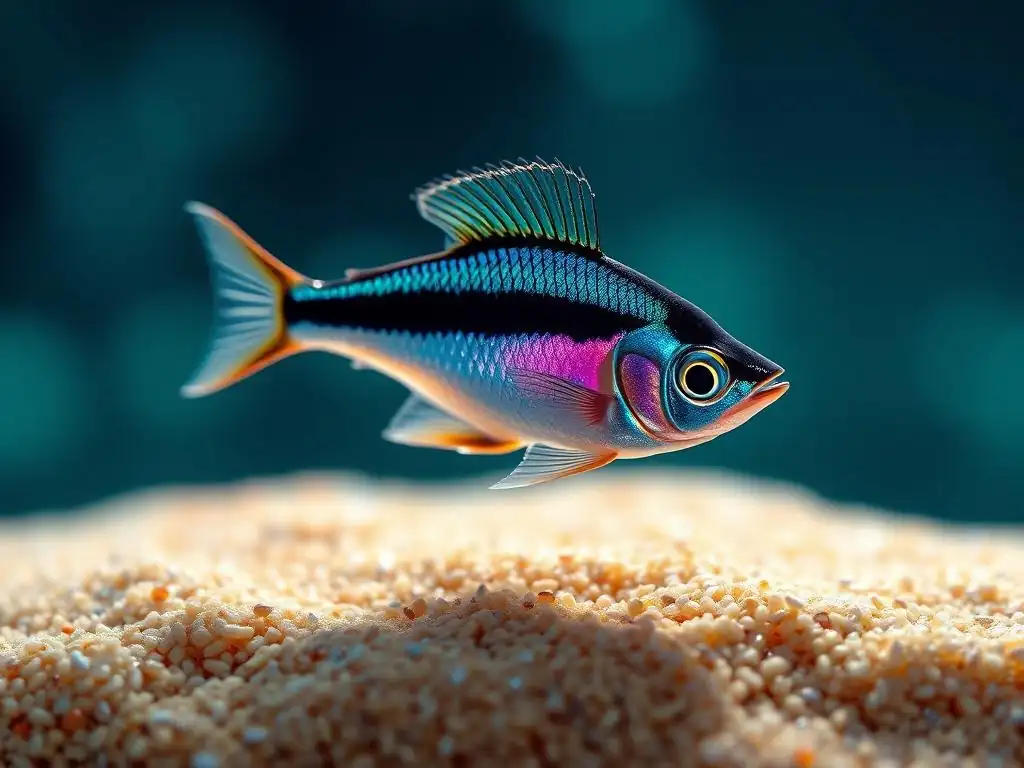
The Penguin Tetra (Thayeria boehlkei) is a fascinating and distinctive freshwater fish, instantly recognizable by its unique, slightly head-down swimming posture and a prominent black stripe that extends from its gill plate to the lower lobe of its caudal fin. Typically growing to about 2 to 2.5 inches (5 to 6 cm) in length, these slender, silver-bodied fish originate from the clear, slow-moving waters of the Amazon basin, particularly in parts of Brazil and Peru.
They are naturally schooling fish, thriving in groups of at least six to ten individuals, which not only enhances their security but also encourages their natural behaviors.
Beyond their striking appearance, Penguin Tetras are known for their peaceful temperament, making them excellent candidates for community aquariums. Their unique swimming style, a slight tilt that gives them their common name, is not a sign of illness but a natural adaptation. In optimal conditions, these resilient tetras can live for 3 to 5 years, exhibiting active yet non-aggressive behaviors. Understanding these fundamental characteristics is the first step in any successful Penguin Tetra breeding guide, as it lays the groundwork for creating a suitable environment.
Optimizing Tank Conditions for Penguin Tetra Health and Vitality
For general health and to prepare Penguin Tetras for breeding, their primary habitat must be stable and conducive to their well-being. A minimum tank size of 20 gallons (approximately 75 liters) is recommended for a school of 6-8 individuals, providing ample swimming space. The filtration system should be gentle yet effective, ideally using a hang-on-back filter or a canister filter with a spray bar to diffuse the flow, as they prefer calmer waters. Lighting should be moderate, mimicking the dappled light of their natural shaded habitats.
Maintaining consistent water parameters is paramount for their vitality. Penguin Tetras thrive in slightly acidic to neutral water with a pH range of 5.5 to 7.5, and soft to moderately hard water with a General Hardness (GH) between 5 and 15 dGH. The ideal temperature range for general health is 72-79°F (22-26°C). Stable water chemistry, achieved through regular partial water changes (25% weekly) and proper filtration, significantly reduces stress and bolsters their immune system, making them more receptive to the specific conditions required for a Penguin Tetra breeding guide.
Creating the Ideal Breeding Environment for Penguin Tetras
Setting Up a Dedicated Penguin Tetra Breeding Tank
For successful Penguin Tetra breeding, setting up a dedicated breeding tank is highly recommended. A smaller tank, typically 5 to 10 gallons (19 to 38 liters), is ideal for a single breeding pair or a trio (one female, two males). This isolated environment allows for precise control over water parameters and protects the delicate eggs and fry from being consumed by adult fish or other tank inhabitants. The tank should ideally have a bare bottom or a very thin layer of dark gravel, making it easier to spot and retrieve eggs.
Essential equipment for the breeding tank includes a small, mature sponge filter to provide gentle filtration without strong currents, a reliable heater to maintain a consistent temperature, and a dimmable light source. The tank should be thoroughly cycled before introducing the breeding fish to ensure stable water quality. A clean, quiet, and undisturbed environment is crucial for encouraging spawning behavior and is a foundational step in any comprehensive Penguin Tetra breeding guide.
Water Parameters: Achieving the Perfect Chemistry for Spawning
To trigger spawning in Penguin Tetras, specific adjustments to water parameters are often necessary, mimicking the soft, acidic conditions of their natural breeding grounds during the rainy season. The ideal pH for spawning is typically between 6.0 and 6.5, and the water hardness should be very soft, ideally 3 to 8 dGH. Achieving these parameters often involves using reverse osmosis (RO) water mixed with a small amount of tap water or remineralization salts, or by filtering water through peat moss.
Temperature also plays a critical role in inducing spawning. Gradually raising the water temperature in the breeding tank to 77-80°F (25-27°C) over 24-48 hours can act as a significant trigger. Consistency in these parameters is key; sudden fluctuations can stress the fish and inhibit spawning. Precise control over these water chemistry elements is a cornerstone of any effective Penguin Tetra breeding guide, ensuring the optimal environment for egg development.
Substrate and Decorations: Mimicking Their Natural Habitat
While Penguin Tetras are egg scatterers and do not exhibit parental care, providing an appropriate substrate for egg deposition is vital. Fine-leaved plants, such as Java moss, water sprite, or hornwort, are excellent choices as they offer numerous surfaces for the adhesive eggs to cling to and provide some protection. Alternatively, artificial spawning mops made from synthetic yarn can be used, which are easily removed for egg collection after spawning.
Minimal additional decorations are needed in the breeding tank. Small pieces of driftwood or smooth, inert rocks can be added to provide a sense of security for the fish, but care should be taken to ensure they do not create crevices where eggs might be trapped and become inaccessible. The primary goal of the tank setup is to facilitate egg laying and easy retrieval, optimizing the conditions for the subsequent steps in the Penguin Tetra breeding guide.
Penguin Tetra Breeding: A Step-by-Step Guide
Identifying Male and Female Penguin Tetras for Breeding
Distinguishing between male and female Penguin Tetras for breeding purposes requires careful observation, as their sexual dimorphism is not always pronounced. Generally, females tend to be fuller-bodied and noticeably plumper, especially when gravid (carrying eggs), displaying a more rounded belly. Males, on the other hand, are typically slimmer and may appear slightly more streamlined. While not a definitive indicator, males might also exhibit slightly more intense coloration, particularly during courtship.
Observing their behavior can also provide clues: males might engage in subtle chasing or fin-flaring when ready to spawn. For the best chances of success in a Penguin Tetra breeding guide, select a pair or a trio (one female and two males) that are robust, active, and appear to be in peak health. Choosing well-conditioned individuals, approximately 8-12 months old, increases the likelihood of a successful spawn.
Conditioning Penguin Tetras for Breeding: Diet and Environment
Proper conditioning is crucial for encouraging Penguin Tetras to spawn. Over a period of one to two weeks prior to introducing them to the breeding tank, feed the selected breeding pair or trio a high-quality, varied diet rich in protein. This should include live foods such as bloodworms, daphnia, and newly hatched brine shrimp, supplemented with high-quality frozen alternatives and premium flake or micro-pellet foods. A nutritious diet boosts their reproductive health and egg production.
In addition to diet, environmental conditioning plays a significant role. Performing small daily water changes (10-15%) in their conditioning tank with slightly cooler, soft, acidic water can mimic the onset of the rainy season in their natural habitat, which often triggers spawning. Gradually increasing the temperature to the breeding range (77-80°F or 25-27°C) as described in the Penguin Tetra breeding guide, combined with rich feeding, prepares them physiologically for reproduction.
Inducing Spawning: Triggering the Breeding Behavior
Once the breeding pair or trio is well-conditioned, introduce them to the prepared breeding tank, ideally in the late evening. Spawning typically occurs in the early morning hours, often at dawn. Dim lighting in the breeding tank can help encourage this natural rhythm. The male will usually begin to chase the female, and they will swim closely together, often side-by-side, before the female releases her eggs.
Penguin Tetras are egg scatterers, meaning they will release their adhesive eggs randomly among the spawning mop or fine-leaved plants. A single female can lay several hundred small, clear eggs over a period of a few hours. Once spawning is complete (usually indicated by the female appearing much slimmer), it is imperative to immediately remove the adult fish from the breeding tank. This critical step prevents them from consuming the eggs, which they will readily do if given the opportunity, and is a vital part of any Penguin Tetra breeding guide.
Post-Spawning Care: Protecting the Eggs and Fry
After the adult Penguin Tetras have been removed, the breeding tank requires immediate attention to protect the newly laid eggs. Add a very mild antifungal agent, such as methylene blue (following product instructions for dosage), to the water. This helps prevent fungal growth on infertile eggs, which can quickly spread and compromise viable ones. Maintain the stable water parameters (pH 6.0-6.5, GH 3-8 dGH, temperature 77-80°F) established for spawning.
The eggs are sensitive to light, so it is advisable to dim the tank lights or even cover the tank to keep it dark. Depending on the temperature, Penguin Tetra eggs typically hatch within 24 to 48 hours. The newly hatched fry will be incredibly tiny and almost transparent, often clinging to the tank glass or plants for the first few days while they absorb their yolk sacs. Avoid disturbing the tank during this crucial period to ensure maximum fry survival, a key objective of any Penguin Tetra breeding guide.
Rearing Penguin Tetra Fry: From Hatching to Adulthood
First Foods: Providing the Right Nutrition for Tiny Fry
Newly hatched Penguin Tetra fry will initially feed on their yolk sacs for the first 2-3 days, during which time they are largely immobile. Once they become free-swimming, typically around day 3-4, they require microscopic food sources. Infusoria, a culture of microscopic organisms, is the ideal first food due to their minuscule size. Paramecium cultures are also excellent alternatives and can be easily cultured at home. Feed small amounts multiple times a day (3-5 times) to ensure a constant supply.
After approximately one week, or once the fry have grown slightly, they can be transitioned to newly hatched brine shrimp nauplii. These are slightly larger and provide excellent nutritional value for rapid growth. Continue to offer infusoria alongside brine shrimp for a few more days to ensure all fry, regardless of their growth stage, have access to appropriate food. Consistent, small feedings are paramount for the high survival rate of Penguin Tetra fry.
Maintaining Water Quality: Crucial for Fry Development
Pristine water quality is absolutely critical for the delicate Penguin Tetra fry. Their tiny size and underdeveloped immune systems make them highly susceptible to pollutants. Daily small water changes, typically 10-20% of the tank volume, are essential. Use aged, dechlorinated water that is precisely temperature-matched to the tank water to avoid shocking the fry.
A gentle sponge filter is the best choice for fry tanks, as it provides biological filtration without creating strong currents that could harm the tiny fry. Uneaten food and waste should be siphoned off daily using a small airline tube or turkey baster to prevent water fouling. Regularly test for ammonia and nitrites, ensuring they remain at zero, as even trace amounts can be lethal to the sensitive fry. Strict adherence to water quality parameters is a cornerstone of a successful Penguin Tetra breeding guide.
Preventing Diseases and Common Problems in Penguin Tetra Fry
Penguin Tetra fry are particularly vulnerable to diseases and developmental issues, making prevention through optimal conditions paramount. The most effective strategy against disease is maintaining impeccable water quality and providing a consistent, high-quality diet. Poor water conditions or inadequate nutrition can quickly lead to bacterial infections, fungal outbreaks, or parasitic infestations like Ich.
Common problems observed in fry include "belly sliders" – fry that are unable to swim properly and remain at the bottom, often due to genetic defects or insufficient yolk sac absorption. Sudden, unexplained die-offs can indicate rapid water quality deterioration or a severe bacterial bloom. If disease is suspected, addressing water parameters is the first step. Treatment with medications is often risky for fry, so preventative measures are always preferred in a comprehensive Penguin Tetra breeding guide.
Growing Out Penguin Tetra Fry: Transitioning to Adult Diets
As Penguin Tetra fry grow, typically after 3-4 weeks, they will be large enough to transition to larger food sources. Gradually introduce finely crushed high-quality flake food, micro pellets, and finely chopped frozen foods like cyclops or bloodworms, while still continuing to offer newly hatched brine shrimp for their excellent growth benefits. Observe their feeding behavior to ensure they are readily accepting the new foods.
Once the fry reach approximately 0.5 to 1 inch (1.2 to 2.5 cm) in length, they will require more space to prevent stunting and overcrowding. At this stage, it is advisable to move larger batches of fry to a bigger grow-out tank, perhaps a 20-gallon (75-liter) or larger aquarium, depending on the number of surviving fry. This provides ample room for continued growth and development, preparing them for transition to a community tank or for future breeding in line with your Penguin Tetra breeding guide.
Advanced Techniques for Enhancing Penguin Tetra Breeding Success
Selective Breeding: Improving Genetic Traits
Advanced breeders often engage in selective breeding to enhance desirable genetic traits within their Penguin Tetra lines. This involves carefully selecting only the healthiest, most vigorous, and visually appealing individuals from each spawn to become future breeders. Traits such as vibrant coloration, robust body shape, and even subtle finnage improvements can be emphasized over generations. This practice helps to strengthen the overall gene pool of your captive-bred population.
To prevent inbreeding depression, which can lead to reduced fertility, smaller size, and increased susceptibility to disease, it is crucial to periodically introduce new, unrelated bloodlines into your breeding stock. This can be achieved by acquiring healthy, unrelated Penguin Tetras from different reputable sources. Maintaining meticulous records of parentage and offspring quality is essential for a successful long-term selective breeding program, making it an advanced component of any Penguin Tetra breeding guide.
Utilizing Spawning Mops and Breeding Traps
While Penguin Tetras are egg scatterers, the strategic use of spawning mops is an advanced technique that significantly aids in egg collection and protection. Spawning mops, typically made from synthetic yarn, are buoyant and provide an excellent substrate for the adhesive eggs to attach to. They can be easily removed from the breeding tank after spawning, allowing for the transfer of eggs to a separate hatching container without disturbing the delicate eggs. This method maximizes egg survival by isolating them from potential predators.
Breeding traps, while less commonly used for egg-scattering tetras like the Penguin Tetra, can be employed in very specific scenarios where a breeder wants to ensure immediate separation of parents from eggs. However, for Penguin Tetras, the primary advantage of spawning mops lies in their ability to be easily lifted out with the eggs attached, providing a clean and efficient method for egg retrieval. This technique is highly effective for maximizing yield in a Penguin Tetra breeding guide.
Optimizing Lighting and Temperature for Increased Spawning Rates
Beyond simply providing the correct temperature and light cycle, advanced breeders may fine-tune these environmental factors to further increase spawning rates in Penguin Tetras. Mimicking natural seasonal changes can be highly effective. For instance, a consistent 12-14 hour light cycle helps establish a natural rhythm, but some breeders experiment with a gradual "dawn to dusk" simulation using dimmable lights to encourage natural spawning behaviors at first light.
Temperature manipulation is another powerful tool. A slight, gradual increase of 2-3°F (1-1.5°C) over 24-48 hours, often combined with small, soft-water changes, can simulate a "rainy season" trigger, prompting conditioned pairs to spawn. Maintaining this elevated temperature (77-80°F) throughout the breeding attempt and the initial hatching period is crucial for optimal egg development and fry vigor. These subtle adjustments can significantly enhance the success rate outlined in a comprehensive Penguin Tetra breeding guide.
Troubleshooting Common Penguin Tetra Breeding Issues
Addressing Egg Fungus and Infertility Problems
Egg fungus is a common frustration in Penguin Tetra breeding, often appearing as white, fuzzy growth on eggs. It typically indicates infertile eggs or poor water quality. To combat this, immediately remove any fungused eggs using a pipette or small baster, as the fungus can quickly spread to viable eggs. A mild antifungal treatment, such as a very dilute solution of methylene blue or hydrogen peroxide, can be added to the hatching tank water as a preventative measure after the adults are removed.
Infertility in breeding pairs can stem from several factors, including poor conditioning, fish being too young or too old, or genetic predispositions. Ensure the breeding pair has been fed a high-protein, varied diet for several weeks and that all water parameters are optimal. If a specific pair consistently produces infertile eggs, consider trying a different pair, or allow them more time to mature before attempting to breed again. Patience and persistence are key when following a Penguin Tetra breeding guide.
Managing Predation of Eggs and Fry by Adult Tetras
Penguin Tetras, like most egg-scattering species, exhibit no parental care and are opportunistic egg and fry eaters. This natural behavior necessitates the immediate removal of adult fish from the breeding tank as soon as spawning is observed to prevent them from consuming their offspring. This is the single most critical step in ensuring a high survival rate for eggs and fry.
While a dedicated breeding tank is the best solution, if breeding is attempted in a heavily planted community tank (which is generally not recommended for serious breeding efforts), dense patches of fine-leaved plants like Java moss or spawning mops can offer some minimal protection for eggs. However, fry survival rates in such setups will be significantly lower due to predation from other tank inhabitants, including the parents. A separate, bare-bottom tank with spawning mops is the most effective method for any Penguin Tetra breeding guide aiming for maximum yield.
Dealing with Stressed or Unresponsive Breeding Pairs
A breeding pair that is stressed or unresponsive will likely not spawn. Stress can be caused by fluctuating water parameters, a noisy or high-traffic environment, or the presence of other fish. Ensure the breeding tank is placed in a quiet, undisturbed location, with dim lighting and stable, optimal water conditions. Sometimes, simply giving the pair more time to acclimate to the breeding tank can help alleviate stress.
If a conditioned pair remains unresponsive after several days in the breeding tank, consider removing them and re-conditioning them in their main tank for another week or two, intensifying their feeding. Reintroduce them to the breeding tank after this period. In some cases, a change of partner might be necessary if one fish is consistently unwilling to participate. Patience and careful observation of their behavior are essential when troubleshooting issues in your Penguin Tetra breeding guide.
Penguin Tetra Breeding: Long-Term Care and Sustainability
Maintaining Genetic Diversity in Your Penguin Tetra Line
For long-term success and to ensure the health and vitality of your captive-bred Penguin Tetra line, maintaining genetic diversity is paramount. Continuous inbreeding within a small group of fish can lead to inbreeding depression, manifesting as reduced fertility, smaller adult size, increased susceptibility to diseases, and even physical deformities. This degrades the quality of your stock over generations.
To prevent this, it's crucial to periodically introduce new, unrelated bloodlines into your breeding program. This can be achieved by acquiring healthy, robust Penguin Tetras from different reputable breeders or sources every few generations. By rotating breeding pairs and ensuring a mix of genetics, you can maintain a strong, diverse gene pool that promotes resilient and healthy offspring, a vital consideration for any sustainable Penguin Tetra breeding guide.
Record Keeping: Tracking Breeding Success and Identifying Potential Issues
Meticulous record-keeping is an invaluable tool for any serious Penguin Tetra breeder. Detailed records should include spawning dates, the specific breeding pair/trio used, the estimated number of eggs laid, hatching rates, and the survival rates of fry at different stages. Also, document the exact water parameters (pH, GH, temperature) during each spawning attempt, along with any observed behaviors, successes, or challenges.
These comprehensive records allow you to identify which pairs are most productive, which conditions consistently lead to successful spawns, and which issues might be recurring. This data-driven approach enables you to refine your Penguin Tetra breeding techniques, optimize your setup, and troubleshoot problems more effectively. It transforms breeding from an art into a more precise science, leading to greater consistency and success.
Ethical Considerations for Breeding and Selling Penguin Tetras
Responsible breeding of Penguin Tetras involves significant ethical considerations. First and foremost, only breed healthy fish that are free from deformities or genetic defects that could be passed on to offspring. Avoid over-breeding, as this can place undue stress on the parent fish and deplete their energy reserves, compromising their long-term health.
Furthermore, breeders have a responsibility to ensure that all offspring find suitable, responsible homes. Do not breed fish if you cannot accommodate the potential number of fry or if you do not have a plan for their placement. When selling or rehoming, educate potential buyers about the proper care requirements for Penguin Tetras, including tank size, water parameters, and schooling needs, aligning with the educational mission of Aquarium Mastery. This holistic approach ensures the welfare of the fish at every stage of the Penguin Tetra breeding guide.
The Joys of Breeding Penguin Tetras: Contributing to Aquarium Mastery
Observing the Unique Behaviors of Penguin Tetra Fry
One of the most rewarding aspects of a Penguin Tetra breeding guide is the opportunity to observe the unique developmental behaviors of the fry. From their initial, almost invisible, yolk-sac-dependent stage, watching them transition to free-swimming, microscopic specks is a testament to the life cycle. As they grow, you can witness the gradual emergence of their characteristic "head-down" swimming posture, which makes them so distinctive.
Observing the fry as they begin to school, mimicking the tight formations of their parents, provides fascinating insights into their natural instincts. Their rapid growth and the subtle changes in their coloration as they mature offer a unique window into the species' biology. This direct experience deepens an aquarist's understanding and appreciation for these remarkable fish, enriching the overall hobby experience.
Successfully navigating the intricacies of a Penguin Tetra breeding guide provides valuable expertise that can greatly benefit the wider aquarium community. Sharing your knowledge, tips, and even challenges through online forums, local aquarium club meetings, or by contributing to educational platforms like Aquarium Mastery helps both novice and experienced aquarists. Documenting your process and outcomes can inspire others and prevent them from making common mistakes.
Mentoring new breeders and offering practical advice fosters a stronger, more knowledgeable hobbyist community. Your firsthand experience with Penguin Tetra breeding can contribute to a collective pool of information, advancing the understanding of fish husbandry and ensuring more successful outcomes for everyone passionate about aquatic life. This collaborative spirit is a cornerstone of the aquarist world.
Breeding for Specific Finnage Variations
While Penguin Tetras are not typically known for dramatic finnage variations like some other ornamental fish, dedicated breeders can still pursue subtle enhancements through careful selective breeding. Over multiple generations, by consistently choosing individuals with slightly longer or more defined fins, it is possible to emphasize these traits. This process requires patience and a keen eye for detail, as the changes are often incremental.
However, the primary focus for most Penguin Tetra breeding guides remains on maintaining the species' inherent beauty, robust health, and natural swimming posture rather than drastic genetic alterations. Any selective breeding for finnage should prioritize the fish's overall well-being and swimming ability above aesthetic extremes. The goal is to produce healthy, vibrant fish that embody the best characteristics of the species.
Frequently Asked Questions
How difficult is it to breed Penguin Tetras in a home aquarium?
Breeding Penguin Tetras can be moderately challenging. It requires attention to water parameters and a suitable breeding setup. However, with careful planning, success is achievable.
What are the ideal water conditions for Penguin Tetra spawning?
Penguin Tetras prefer soft, acidic water for spawning. Aim for a pH between 6.0 and 6.8, and a temperature of around 78-82°F (25-28°C). Clean, aged water is also crucial.
What type of breeding tank setup is recommended for Penguin Tetras?
A separate breeding tank is essential. Include fine-leaved plants or a spawning mop for egg deposition. Dim lighting is also beneficial to encourage spawning.
What do Penguin Tetra fry eat, and how often should they be fed?
Penguin Tetra fry require very small food. Start with infusoria or liquid fry food. Feed them small amounts multiple times a day, ensuring good water quality.
How can I prevent adult Penguin Tetras from eating their eggs and fry?
Removing the adult Penguin Tetras immediately after spawning is the best way to prevent egg predation. Separating the eggs from the parents is crucial for fry survival.
Final Reflection: The Dance of Life and Legacy
The intricate dance of Penguin Tetra breeding, as explored in this guide, isn't merely about propagating a species in captivity; it's a testament to our ability to understand and participate in the delicate balance of life itself. The success of breeding these unique swimmers hinges on a deep appreciation for their needs and a commitment to recreating their natural environment, a responsibility that extends far beyond the confines of our aquariums.
This journey into Penguin Tetra breeding has not only deepened our understanding of these fascinating creatures but also highlighted the profound impact responsible aquarists can have on conservation efforts. It's a reminder that even seemingly small actions, like meticulously caring for a school of fish, can contribute to a larger narrative of environmental stewardship. In the end, we will conserve only what we love; we will love only what we understand; and we will understand only what we are taught.
- Baba Dioum. This quote underscores the importance of sharing knowledge and fostering a deeper connection with the natural world.
Now, as you embark on your own Penguin Tetra breeding adventure, remember that patience, observation, and a genuine love for these creatures are your greatest allies. Let this guide be more than just a set of instructions; let it be an invitation to connect with the rhythms of nature, to appreciate the beauty of life in its most delicate forms, and to contribute to a future where these unique swimmers continue to thrive, both in our aquariums and in the wild.
Unleash the Penguin Tetra Potential!
Thank you for diving into the world of Penguin Tetras! We hope you've gained some valuable insights into breeding these fascinating fish. Now, it's time to put that knowledge into action and truly elevate your aquarium experience.
- Start Preparing Your Breeding Tank! This is the most crucial step. Ensure it's set up according to the advanced techniques we discussed, providing the optimal environment for spawning and fry survival.
- Share your newfound wisdom! Start a discussion on our forum or your favorite aquarium group to share experiences and ask questions.
- Experiment with subtle variations! Once you're comfortable, try tweaking parameters like water hardness or plant density to discover unique breeding triggers specific to your Penguin Tetras.
What surprising behavior did you observe in your Penguin Tetras today, and how might it impact your breeding strategy?